sciencePeptideDeck
PeptidesBlogToolsAboutAI Coach
search
Database Access
Home/Blog/Peptide comparison/BPC-157 vs TB-500: Which Is Better for Healing? (2026 Guide)
Peptide comparison

BPC-157 vs TB-500: Which Is Better for Healing? (2026 Guide)

BPC-157 and TB-500 are the top healing peptides in research. We compare mechanisms, benefits, and which wins for your specific recovery goal.

March 7, 2026
9
Quick Verdict: Both BPC-157 and TB-500 are elite healing peptides — but they work differently. BPC-157 excels at localized tissue repair (tendons, gut, ligaments), while TB-500 offers systemic, body-wide recovery and superior muscle fiber regeneration. For most researchers, stacking both yields the best results — but if you can only choose one, your injury type determines the winner.
Overview

BPC-157 vs TB-500: The Healing Peptide Showdown

When it comes to peptide research focused on recovery and tissue repair, two compounds dominate the conversation: BPC-157 (Body Protection Compound 157) and TB-500 (Thymosin Beta-4 synthetic fragment). Both have generated serious interest in the research community for their ability to accelerate healing — but they achieve this through completely different biological mechanisms.

⚡Quick Answer
BPC-157 excels at localized tissue repair (tendons, gut, ligaments), while TB-500 offers systemic, body-wide recovery and superior muscle fiber regeneration. For most researchers, stacking both yields the best results — but if you can only choose one, your injury type determines the winner.

This guide breaks down each peptide's mechanism of action, what the research says about their healing properties, how they compare head-to-head across different injury types, and which one (or combination) makes sense for a given research protocol. Whether you're evaluating these compounds for tendon injuries, muscle tears, gut repair, or systemic inflammation, this comparison will give you a clear, evidence-informed answer.

The Compounds
Trusted by 10,000+ Researchers

Get 99%+ Purity Peptides — Ships Today

Third-party tested. COA included with every order. Free shipping on orders over $150.

Ascension Peptides
✓ 3rd-Party Tested ✓ COA Included ✓ Same-Day Shipping

What Is BPC-157?

BPC-157 is a 15-amino acid peptide derived from a protective protein found in human gastric juice. It was first isolated in the 1990s and has since become one of the most extensively studied healing peptides in preclinical research. Its nickname — Body Protection Compound — reflects its unusually broad protective and regenerative effects across multiple organ systems.

How BPC-157 Works

  • Angiogenesis: BPC-157 powerfully stimulates the formation of new blood vessels, rapidly restoring blood supply to injured tissue.
  • Tendon and ligament repair: It upregulates tendon growth factor receptors and accelerates fibroblast proliferation — the cells responsible for rebuilding connective tissue.
  • Nitric oxide modulation: BPC-157 activates the nitric oxide system, improving blood flow and reducing local inflammation at injury sites.
  • Gut-brain axis support: Uniquely among healing peptides, BPC-157 exerts significant protective effects on the gastrointestinal tract, including healing of ulcers, inflammatory bowel conditions, and leaky gut.
  • Nerve regeneration: Research suggests BPC-157 can support peripheral nerve repair and may protect against neurotoxicity.

Key Research Findings for BPC-157

Animal studies have demonstrated BPC-157's ability to accelerate Achilles tendon healing, repair transected muscles, reverse gut damage from NSAIDs, and even heal bone fractures faster than controls. Its bioavailability is strong both subcutaneously and orally — a rare trait in peptide research.

The Compounds

What Is TB-500?

TB-500 is a synthetic version of the naturally occurring peptide Thymosin Beta-4 (Tβ4), specifically the actin-binding domain fragment responsible for most of its biological activity. TB-500 is produced naturally in virtually all human and animal cells and plays a critical role in cellular repair, migration, and survival.

How TB-500 Works

  • Actin regulation: TB-500 binds to actin — the protein that gives cells their structural shape. By sequestering actin monomers, it enables rapid cell migration to injury sites, which is essential for healing.
  • Systemic distribution: Unlike BPC-157's more localized action, TB-500 has a low molecular weight and flexible structure that allows it to travel throughout the body, making it highly effective for systemic or hard-to-reach injuries.
  • Anti-inflammatory signaling: TB-500 downregulates inflammatory cytokines and supports immune regulation at injury sites.
  • Stem cell activation: Research suggests TB-500 can mobilize endothelial progenitor cells and stem cells, supporting more complete tissue regeneration.
  • Cardiac and muscle repair: TB-500 has shown particular promise in research on cardiac tissue repair and skeletal muscle regeneration after tears or strains.

Key Research Findings for TB-500

Studies have shown TB-500 accelerates wound healing, improves tendon flexibility, promotes hair follicle growth, and reduces scar formation. Its cardiac healing research is especially notable — animal studies have shown it can regenerate heart muscle cells after infarction, a capacity most tissues lack.

Head-to-Head Comparison

BPC-157 vs TB-500: Side-by-Side Comparison
You

How do I reconstitute Retatrutide 5mg with 2ml BAC water for 250mcg doses?

PeptideCoach

Add 2 mL BAC water to the 5 mg vial, swirl gently. Concentration = 2.5 mg/mL. For 250 µg, draw 0.1 mL (≈10 IU).

Reconstitution Calculator
Concentration
2.50mg/mL
Volume
0.100mL
Doses
20per vial
10 IU
draw line
How much to draw? Dosing schedule Side effects
Try our AI

Personalized protocols & interactive calculators

Try PeptideCoach
Feature BPC-157 TB-500
Origin Gastric juice protein fragment Thymosin Beta-4 synthetic fragment
Primary mechanism Angiogenesis, tendon fibroblast proliferation Actin binding, cell migration, stem cell activation
Best for Tendons, ligaments, gut, nerves Muscle, systemic injuries, cardiac tissue
Scope of action Localized (also systemic at higher doses) Systemic, body-wide
Anti-inflammatory Strong, localized Strong, systemic
Gut healing Excellent — unique advantage Minimal
Muscle repair Good Excellent
Oral bioavailability Yes (some evidence) No — injection required
Typical research dose 250–500 mcg/day 2–2.5 mg, 2x/week
Research cost Moderate Moderate to high
Stack compatibility Excellent — synergistic with TB-500 Excellent — synergistic with BPC-157
Which One Wins?
Trusted by 10,000+ Researchers

Get 99%+ Purity Peptides — Ships Today

Third-party tested. COA included with every order. Free shipping on orders over $150.

Ascension Peptides
✓ 3rd-Party Tested ✓ COA Included ✓ Same-Day Shipping

Which Is Better for Your Specific Healing Goal?

There is no universal winner — the right peptide depends on what you're researching. Here's a breakdown by injury or condition type:

🏆 Tendon and Ligament Injuries → BPC-157 Wins

BPC-157's ability to upregulate tendon growth factor receptors and stimulate fibroblast proliferation gives it a clear edge for connective tissue research. Studies on Achilles tendon injuries consistently show accelerated healing with BPC-157. If the research subject has a patellar tendon, rotator cuff, or ACL-adjacent injury, BPC-157 is the primary recommendation.

🏆 Muscle Tears and Strains → TB-500 Wins

TB-500's actin-binding mechanism and stem cell mobilization make it superior for skeletal muscle fiber regeneration. Research on muscle contusion and tear models consistently favors TB-500 for full muscle belly injuries. Its systemic distribution also means it reaches deep muscle groups that injections might not target locally.

🏆 Gut and GI Damage → BPC-157 Wins Decisively

TB-500 has virtually no GI healing data. BPC-157, however, was literally derived from gastric juice and has extensive research supporting its use in models of NSAID-induced gut damage, inflammatory bowel disease, and leaky gut. For anything GI-related, BPC-157 is the only choice between these two.

🏆 Systemic or Multi-Site Injuries → TB-500 Wins

If the research protocol involves widespread inflammation or multiple injury sites, TB-500's systemic distribution is a significant advantage. It travels throughout the body and exerts anti-inflammatory effects wherever needed, rather than concentrating at one site.

🏆 Nerve and Brain Injuries → BPC-157 Wins

BPC-157 has demonstrated neuroprotective and neuroregenerative effects in animal models of traumatic brain injury, spinal cord damage, and peripheral nerve transection. TB-500 has some neurotrophic data but BPC-157 leads significantly in this area.

🏆 Cardiovascular and Cardiac Research → TB-500 Wins

Thymosin Beta-4 (the parent compound of TB-500) has been investigated in human clinical trials for cardiac repair. TB-500's ability to regenerate cardiomyocytes and reduce cardiac scar tissue after ischemia is one of its most compelling — and unique — research applications.

Stack Protocol

The BPC-157 + TB-500 Stack: Why Researchers Combine Both

In many research protocols, BPC-157 and TB-500 are used together because their mechanisms are complementary, not overlapping. BPC-157 drives localized angiogenesis and connective tissue rebuilding, while TB-500 handles systemic inflammation reduction and cell migration. Together, they address healing from multiple biological angles simultaneously.

1

Loading Phase (Weeks 1–4)

In many research protocols, TB-500 is dosed at 2–2.5 mg twice weekly during an initial loading phase to build systemic levels. BPC-157 is administered daily at 250–500 mcg subcutaneously near the injury site throughout this period.

2

Maintenance Phase (Weeks 5–8)

TB-500 is reduced to once weekly at 2 mg. BPC-157 continues daily or is tapered to 5 days on / 2 days off. This phase consolidates tissue repair gains.

3

Cycle Off (Week 9+)

Most research protocols run 8–12 weeks total before a break. Both peptides are discontinued and the healing response is assessed. A repeat cycle can begin after 4–8 weeks if needed.

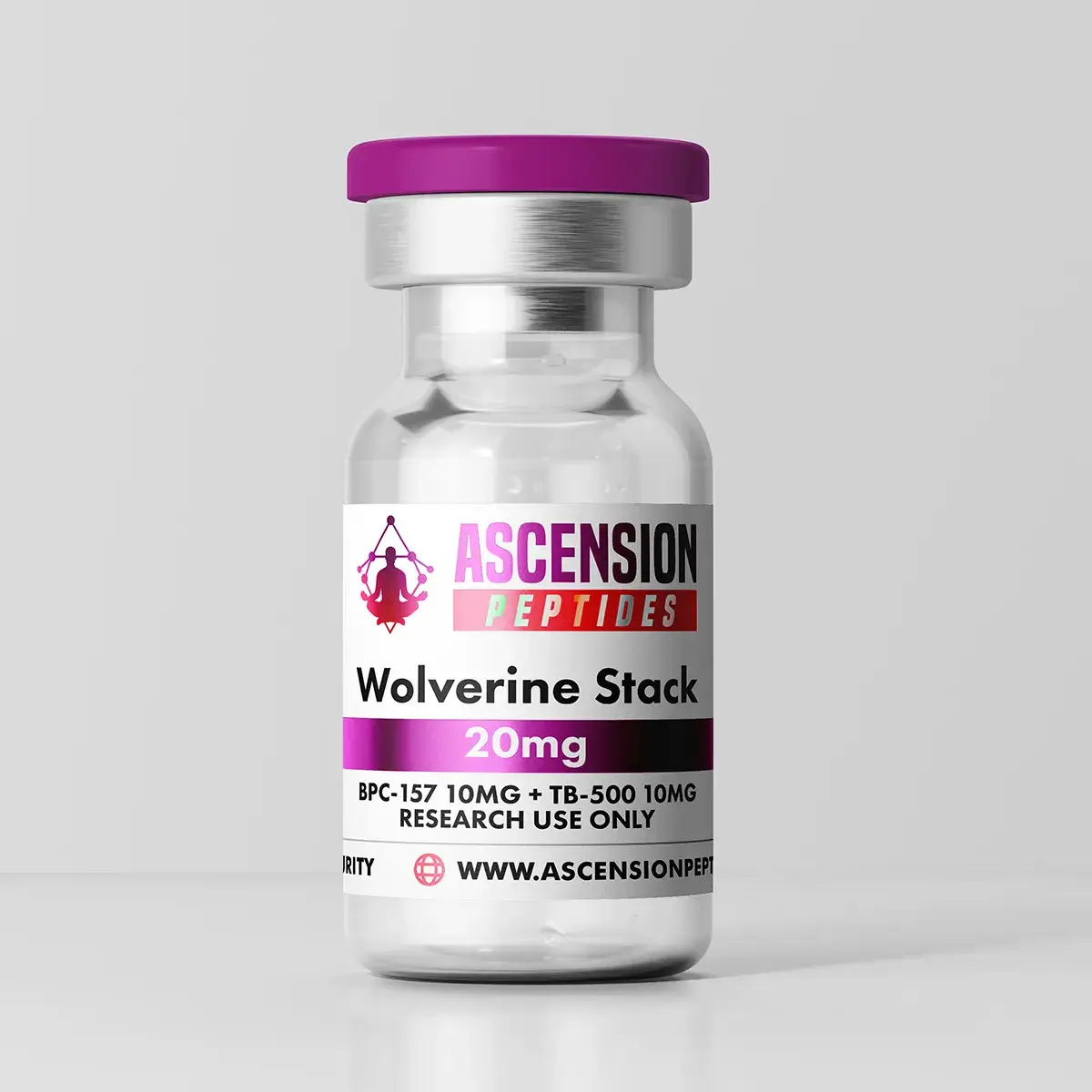
Research Note: The BPC-157 + TB-500 stack is sometimes referred to informally as the "Wolverine Stack" in research communities for its reportedly powerful synergistic healing effects. While anecdotal, the mechanistic rationale for combining these compounds is scientifically sound based on their complementary pathways.
Where to Source

Where to Buy BPC-157 and TB-500 for Research

Sourcing quality peptides is critical for research integrity. Impure or mislabeled compounds can invalidate results — or worse, cause harm. When evaluating vendors for BPC-157 and TB-500, look for:

  • Third-party tested: Each batch should come with a Certificate of Analysis (COA) from an independent lab, confirming purity and identity.
  • ≥98% purity: This is the minimum acceptable standard for research-grade peptides.
  • US-based manufacturing: Domestic production typically means stricter quality controls and faster shipping.
  • Transparent batch numbers: Vendors should be able to match a specific product to a specific COA by batch number.
  • Lyophilized powder format: This is the most stable storage form. Be cautious of vendors selling pre-mixed solutions.

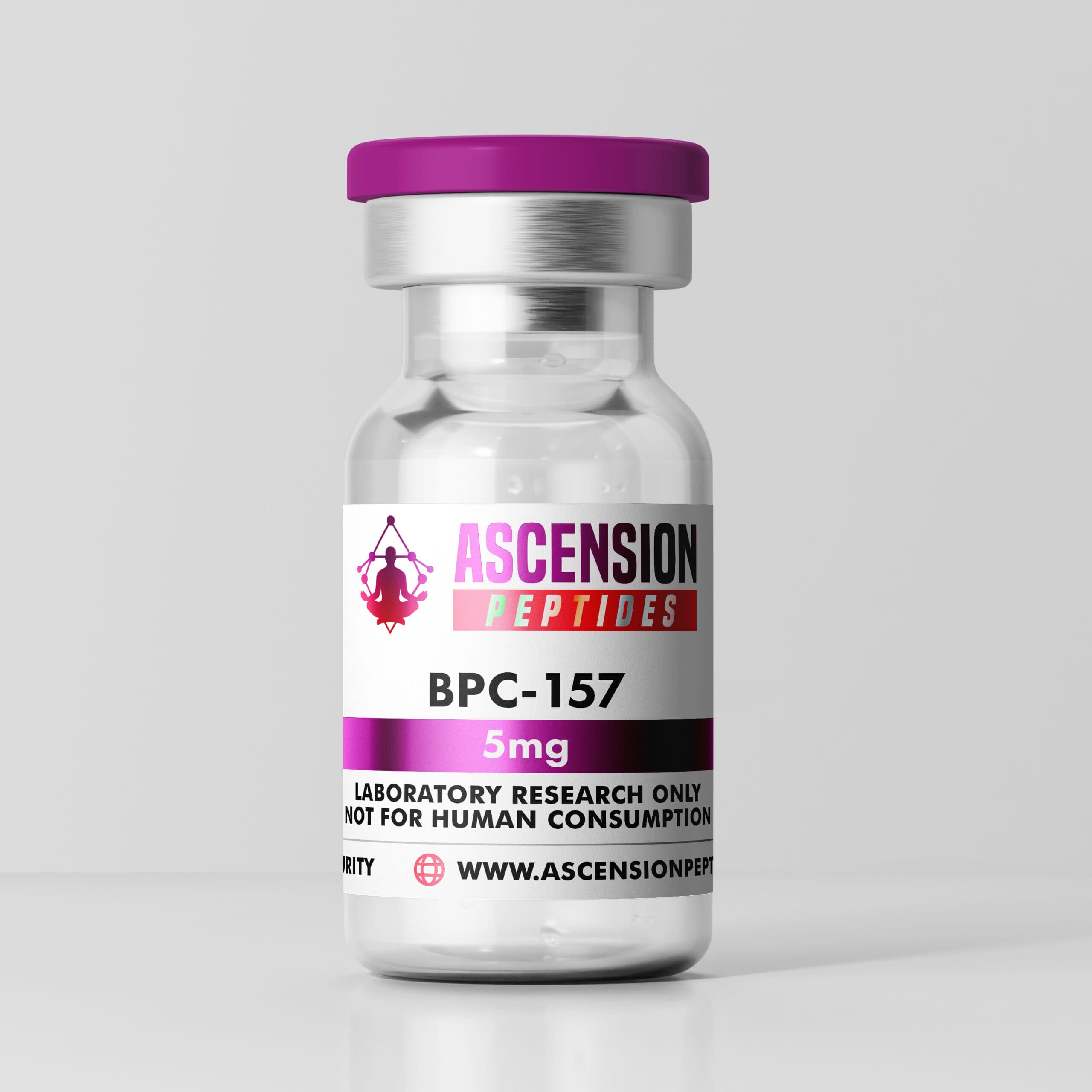
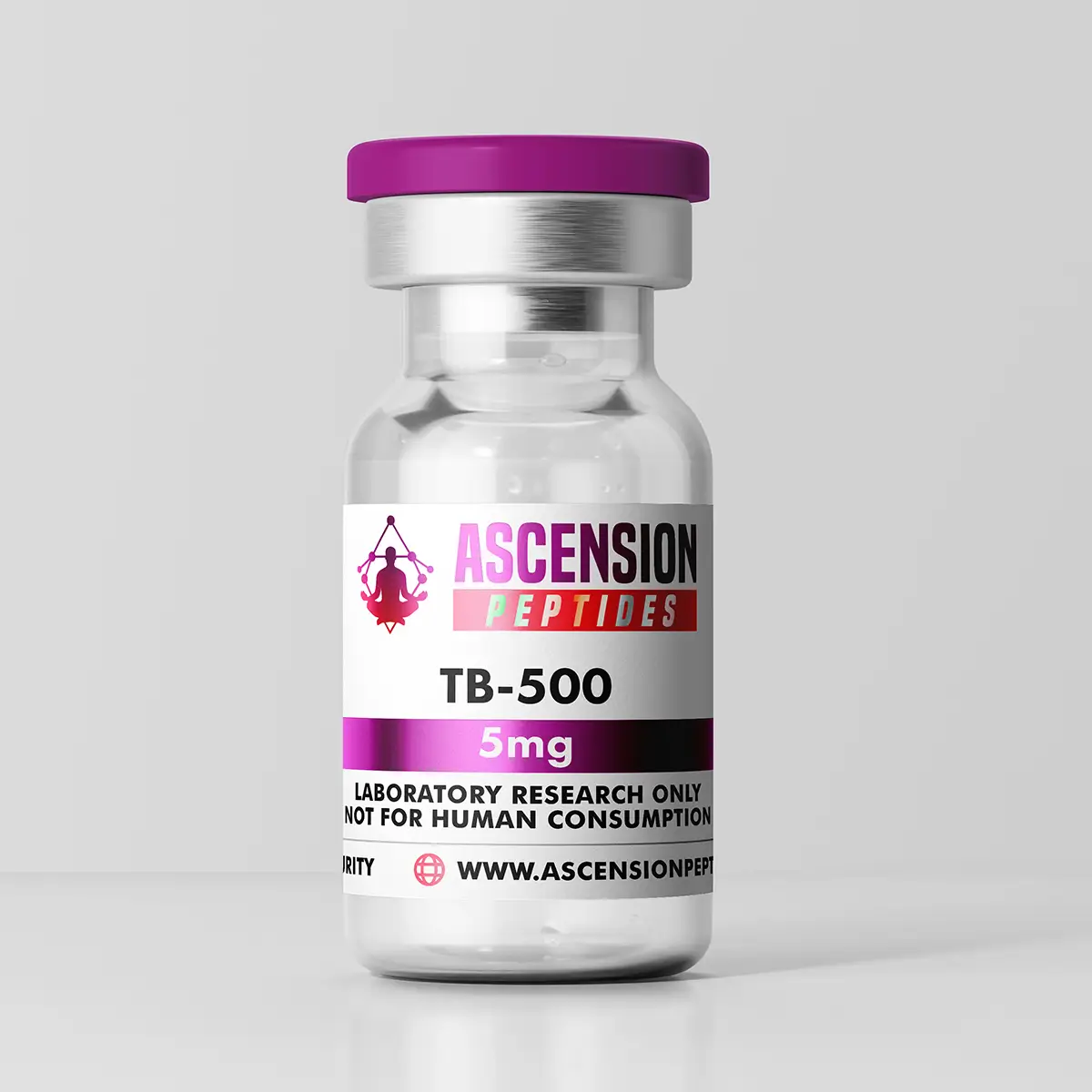
Ascension Peptides is a well-regarded source in the research community, known for transparent COAs, consistent purity above 98%, and reliable domestic shipping. Both BPC-157 and TB-500 are available individually or in research bundles.
FAQ

Frequently Asked Questions

Can you take BPC-157 and TB-500 together?
Yes — these peptides are commonly stacked in research protocols because their mechanisms are complementary. BPC-157 handles localized connective tissue and gut repair, while TB-500 provides systemic anti-inflammatory effects and cell migration support. There are no known adverse interactions between the two compounds in research literature.
Which works faster, BPC-157 or TB-500?
BPC-157 generally shows faster initial results in localized injuries, with some animal studies showing measurable tendon healing within days. TB-500 typically requires a loading phase of 2–4 weeks before peak systemic levels are reached. For acute injuries, many researchers start BPC-157 immediately and introduce TB-500 concurrently for synergistic effect.
Is BPC-157 or TB-500 better for tendons?
BPC-157 is generally considered superior for tendon injuries specifically, due to its direct upregulation of tendon growth factor receptors and fibroblast stimulation. TB-500 also benefits tendon flexibility and reduces inflammation around tendons, so combining both is often the preferred research approach for serious tendon injuries.
Do BPC-157 and TB-500 require injections?
TB-500 must be administered via subcutaneous or intramuscular injection — it has no meaningful oral bioavailability. BPC-157 can be injected (subcutaneously, near the injury site) or taken orally for gastrointestinal research purposes, as it shows some stability in the digestive tract. Injectable BPC-157 is generally considered more reliable for systemic and musculoskeletal applications.
Are BPC-157 and TB-500 legal to buy?
In the United States, BPC-157 and TB-500 exist in a gray area. They are not FDA-approved for human use and are not scheduled controlled substances. They are legally sold as research chemicals for laboratory and research purposes. Regulations vary by country — always verify your local laws before purchasing.
How much do BPC-157 and TB-500 cost?
From reputable vendors, BPC-157 typically costs $40–$80 for a 5 mg vial (lyophilized). TB-500 ranges from $50–$100 for a 5 mg vial. Stacking both for a full 8-week research protocol generally costs $150–$400 depending on the vendor and quantities used. Be wary of prices significantly below this range, as quality is likely compromised.
What are the side effects of BPC-157 and TB-500?
Both peptides have shown favorable safety profiles in preclinical research with few reported adverse effects. BPC-157 occasionally produces nausea in some research subjects when taken orally at high doses. TB-500 can cause temporary fatigue or mild injection site reactions. Neither has demonstrated significant toxicity at research doses in animal studies. Human safety data is still limited as neither is FDA-approved.
Which is better for overall healing — BPC-157 or TB-500?
Neither is universally better — it depends on the injury type. BPC-157 wins for tendons, ligaments, gut, and nerve injuries. TB-500 wins for muscle tears, systemic inflammation, and cardiac tissue research. For comprehensive healing research covering multiple tissue types, stacking both compounds offers the most robust protocol.
⚠️ Medical Disclaimer: This content is for informational and educational purposes only. BPC-157 and TB-500 are research compounds not approved by the FDA for human use. All information presented here is based on preclinical animal research and should not be interpreted as medical advice. Always consult a licensed medical professional before using any peptide or research compound. PeptideDeck does not endorse the use of these substances outside of legitimate research contexts.
Trusted by 10,000+ Researchers

Get 99%+ Purity Peptides — Ships Today

Third-party tested. COA included with every order. Free shipping on orders over $150.

Ascension Peptides
✓ 3rd-Party Tested✓ COA Included✓ Same-Day Shipping

Related Topics

bpc-157tb-500healing-peptidespeptide-comparisontissue-repairtendon-healingrecoveryresearch-peptides

Table of Contents18 sections

BPC-157 vs TB-500: The Healing Peptide ShowdownWhat Is BPC-157?How BPC-157 WorksKey Research Findings for BPC-157What Is TB-500?How TB-500 WorksKey Research Findings for TB-500BPC-157 vs TB-500: Side-by-Side ComparisonWhich Is Better for Your Specific Healing Goal?🏆 Tendon and Ligament Injuries → BPC-157 Wins🏆 Muscle Tears and Strains → TB-500 Wins🏆 Gut and GI Damage → BPC-157 Wins Decisively🏆 Systemic or Multi-Site Injuries → TB-500 Wins🏆 Nerve and Brain Injuries → BPC-157 Wins🏆 Cardiovascular and Cardiac Research → TB-500 WinsThe BPC-157 + TB-500 Stack: Why Researchers Combine BothWhere to Buy BPC-157 and TB-500 for ResearchFrequently Asked Questions

Related Articles

AHK-Cu Peptide Complete Guide: Benefits, Dosage & How It Works (2026)
8
Alpha Peptides: Complete Guide to Types, Benefits & Research (2026)
8
Amycretin: The Dual GLP-1 & Amylin Agonist Redefining Weight Loss Research (2026)
8

More Articles

View All
Peptide Guides

AHK-Cu Peptide Complete Guide: Benefits, Dosage & How It Works (2026)

Mar 78
Peptide Guides

Alpha Peptides: Complete Guide to Types, Benefits & Research (2026)

Mar 78
Peptide Guides

Amycretin: The Dual GLP-1 & Amylin Agonist Redefining Weight Loss Research (2026)

Mar 78
Back to Blog
sciencePeptideDeck
Contact© 2026 PeptideDeck. Research Purposes Only. Not for human consumption.