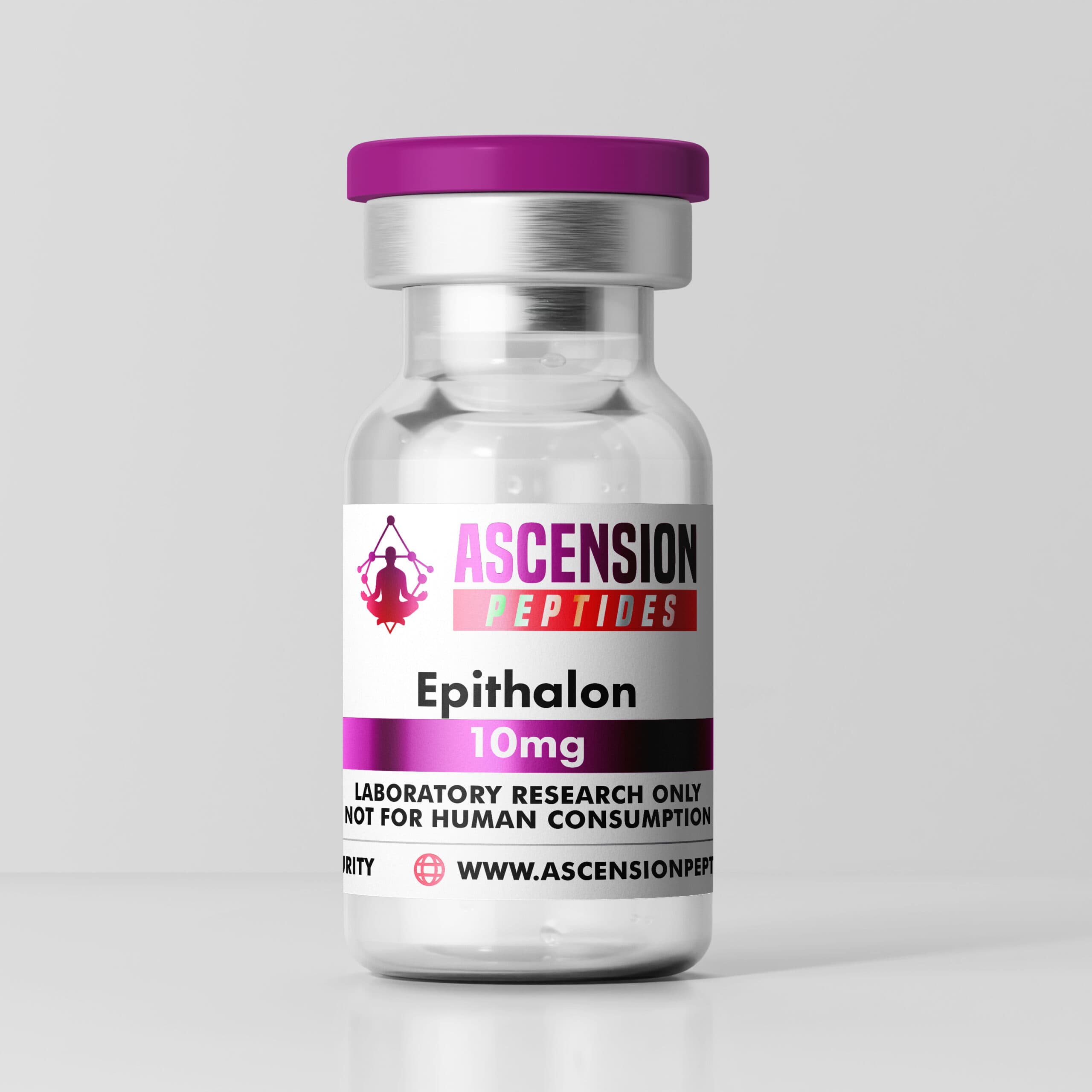
Epitalon Peptide: Benefits, Dosage, Side Effects and Longevity Guide
Epitalon peptide is one of the most searched longevity peptides because it sits at the intersection of telomeres, melatonin, sleep quality, cellular aging, and bioregulator peptide therapy. You will also see it spelled Epithalon, Epithalone, or simply AEDG, which refers to its four-amino-acid sequence: alanine, glutamic acid, aspartic acid, and glycine.
The hype is easy to understand. Epitalon is discussed as a telomerase-support peptide and a pineal bioregulator, meaning it may influence aging-related signaling tied to circadian rhythm and melatonin output. The harder part is separating promising biology from overconfident marketing. Epitalon is not a shortcut to immortality, and the best human evidence is much thinner than the claims found on peptide forums.
This guide explains what Epitalon is, how it works, what benefits people look for, common dosage cycles, side effects, safety concerns, and how it compares with other anti-aging peptides. For a product-focused vendor review, see our Epithalon review. For a more detailed dosing article, see the Epithalon dosage guide.
Key Takeaways
- Epitalon and Epithalon are the same peptide in most peptide-market usage. Epithalon is the product spelling used by many vendors.
- Epitalon peptide is a tetrapeptide with the AEDG sequence: Ala-Glu-Asp-Gly.
- The main claims involve telomerase activity, telomere biology, melatonin rhythm, sleep quality, antioxidant signaling, and healthy aging.
- The strongest practical intent is not instant energy or muscle gain. People use it as a short-cycle longevity and sleep-regulation peptide.
- Typical protocols discuss 5-10 mg per day for 10-20 days, repeated two or three times per year, but protocols vary widely.
- Common side effects include injection-site irritation, fatigue, vivid dreams, headache, mild nausea, or sleepiness if timing is wrong.
- The biggest caution is the telomerase/cancer question, plus limited independent long-term human safety data.
Quick Answer
Epitalon is best viewed as a short-cycle longevity peptide, not a stimulant, hormone, or immediate performance enhancer. The most realistic reasons people consider it are sleep quality, circadian rhythm support, and interest in telomere biology. The evidence is interesting but uneven, so safety screening and conservative expectations matter.
What Is Epitalon Peptide?
Epitalon peptide is a synthetic version of a small pineal-gland-related peptide fragment. It is usually described as a bioregulator peptide because it is thought to influence gene expression and cellular signaling rather than act like a classic receptor drug with one obvious effect.
The peptide is tiny: four amino acids long. That small structure is one reason people are interested in it. Small peptides can sometimes act as signaling fragments that affect cellular behavior in subtle ways. In Epitalon's case, the discussion centers on telomerase activity, antioxidant defense, pineal signaling, and melatonin rhythm.
Search results usually mix three terms together:
- Epitalon: common keyword spelling and the focus of this article.
- Epithalon: common vendor spelling, including the Ascension product spelling.
- Epithalamin: an older pineal peptide preparation connected to much of the early human longevity literature.
The distinction matters because some long-term human data often cited in Epitalon marketing involved epithalamin, not the isolated AEDG peptide in the exact form sold today.
Epitalon Peptide Benefits
The benefits people search for are mostly long-term and indirect. Epitalon does not usually create a dramatic same-day effect. When people report short-term effects, they usually mention sleep depth, vivid dreams, calmer sleep timing, or mild fatigue during the cycle.
Telomere support
Epitalon is discussed for its connection to telomerase activity and telomere maintenance, mostly from cell-culture and early aging literature.
Sleep rhythm
Because the peptide is linked to pineal signaling, users often look for better sleep timing and more consistent rest.
Melatonin rhythm
Older pineal peptide work focused heavily on melatonin production patterns, especially in aging populations.
Antioxidant signaling
Published work discusses antioxidant enzyme activity and oxidative-stress pathways as part of the aging mechanism.
Longevity interest
Epitalon is one of the signature peptides in the bioregulator longevity category, alongside thymus and pineal peptides.
Cycle-based use
Most protocols use short courses separated by months, which makes it different from daily long-term supplements.
How Epitalon Works
The simple story is that Epitalon may help aging cells maintain more youthful signaling. The more accurate story is that several mechanisms have been proposed, and none should be treated as fully settled for routine human use.
Telomerase and Telomeres
Telomeres are protective end caps on chromosomes. They tend to shorten as cells divide and experience stress. Telomerase is an enzyme involved in telomere maintenance. Epitalon became famous because published cell work connected AEDG exposure with hTERT expression, telomerase activity, and telomere-length changes.
That does not mean Epitalon has been proven to reverse aging in people. Cell work can explain a possible mechanism, but it cannot answer the real-world question people care about: whether a human using a peptide cycle becomes healthier, lives longer, or reduces disease risk.
Pineal Signaling
The pineal gland helps regulate melatonin rhythm. Melatonin output often changes with age, light exposure, sleep disruption, and neurological disease. Epitalon is modeled around pineal peptide biology, so many protocols place the injection at night or before bed.
Gene Expression
Several papers discuss AEDG as a peptide that may influence gene expression and protein synthesis. This is why Epitalon is often called a bioregulator rather than a simple "sleep peptide." The intended effect is regulatory, not sedative.
Antioxidant Pathways
Epitalon and related pineal peptides have been discussed for antioxidant signaling. That does not mean they replace sleep, exercise, sunlight timing, blood sugar control, or nutrient sufficiency. It means oxidative-stress biology is part of the proposed mechanism.
What the Evidence Actually Shows
The evidence base has three layers: cell studies, older Russian clinical work with pineal peptide preparations, and modern peptide-market use. Each layer has value, but each has limits.
Cell-Culture Evidence
Cell work is useful for mechanism. It helps explain why people discuss telomerase, gene expression, antioxidant enzymes, and tissue repair signals. It does not prove a consumer protocol will produce the same outcome inside a complex human body.
Epithalamin Human Data
Several long-term human reports involved epithalamin, the pineal peptide preparation connected to Epitalon's history. These reports are interesting because they discuss older adults, melatonin rhythm, cardiovascular aging, metabolism, and mortality follow-up. The limitation is that epithalamin is not identical to a modern single-ingredient Epitalon vial.
Modern Independent Data
This is where the article needs to stay honest. Epitalon has a long story and a dedicated user base, but it does not have the same large, independent human trial footprint as common prescription medications. That gap is why cancer history, immune history, pregnancy, and complex medical conditions should be screened carefully.
Epitalon vs Epithalon vs Epithalamin
What Epitalon Feels Like
Epitalon is a regulatory peptide rather than a stimulant, so the effect shows up in sleep quality and recovery rather than as an obvious acute response. Epitalon is usually discussed as a regulatory peptide. The effect, if noticed, often shows up as sleep changes rather than an obvious "kick."
Common Positive Reports
People commonly report deeper sleep, vivid dreams, waking earlier without grogginess, calmer circadian timing, and a subtle recovery improvement after a cycle. These reports are subjective, but they match the pineal/melatonin theme.
Common Neutral Reports
Some people feel nothing. That does not automatically mean the peptide is fake. It may mean the person did not have the specific sleep or circadian issue Epitalon tends to target, or that the expected benefit is too subtle to feel without tracking.
Common Negative Reports
Negative reports usually include fatigue, odd dreams, headache, mild nausea, injection-site irritation, or feeling "off" during the cycle. For a deeper safety breakdown, read our Epithalon side effects guide.
Epitalon Dosage
There is no universal medical dosing standard for Epitalon. The ranges below summarize common peptide-community and clinic-style discussion, not personal instructions. If you are using a prescribed plan, follow your clinician's directions.
Why Epitalon Uses Short Cycles
Most protocols do not run Epitalon every day indefinitely. The common idea is that a short peptide signal may trigger downstream regulatory changes that do not require constant dosing. Whether that model is fully proven in modern human use is another question, but it explains why cycles are usually measured in days, not months.
Best Time to Take It
Night dosing is common because of the pineal and melatonin connection. Some people prefer evening injections one to two hours before bed. Others split morning and evening. If fatigue or sleepiness appears during the day, timing is one of the first variables to adjust with medical guidance.
How Often to Cycle
Common discussion is two or three cycles per year, often spaced four to six months apart. More frequent use is not automatically better. Epitalon is not the peptide category where "more often" clearly means better outcomes.
Reconstitution and Dose Math
Most Epithalon vials are lyophilized powder. Users add bacteriostatic water, then draw a small injection volume based on concentration. The biggest mistake is copying syringe units without knowing how much water was added.
Example Math
If a 10 mg vial is mixed with 2 mL bacteriostatic water, the concentration is 5 mg per mL. A 5 mg dose equals 1 mL, and a 10 mg dose equals 2 mL. If the same vial is mixed with 1 mL, the concentration doubles. Always calculate from your own vial and water volume.
For exact calculations, use the peptide calculator. If you are new to mixing peptides, read how to reconstitute peptides before doing any math from memory.
Epitalon Side Effects
Epitalon is usually described as well tolerated, but "well tolerated" does not mean side-effect free. The most common issues are mild and temporary, but people with complex medical histories should be more careful.
The Cancer Question
The cancer concern comes from the telomerase discussion. Telomerase is involved in telomere maintenance, and telomerase activity is also relevant in many cancers. That does not prove Epitalon causes cancer. It does mean people should avoid simplistic claims that telomerase activation is always good.
The practical rule is conservative: anyone with active cancer, recent cancer treatment, suspicious lesions, strong cancer history, or unexplained symptoms should not self-direct a telomerase-related peptide. This is a medical screening question, not a forum debate.
Who Should Be Extra Cautious?
- Pregnant or breastfeeding people: avoid elective peptide use unless a licensed clinician gives clear direction.
- People with cancer history: discuss telomerase and growth-signaling concerns with a clinician.
- People with autoimmune disease: immune signaling can be unpredictable.
- People on many medications: review sleep meds, hormones, immune drugs, anticoagulants, and diabetes medications.
- People with severe insomnia: Epitalon is not a substitute for diagnosing apnea, anxiety, pain, alcohol use, or circadian disruption.
For a broader safety framework, see dangers of peptides and our peptide therapy guide.
Epitalon vs Other Longevity Peptides
Epitalon vs Melatonin
Melatonin is a hormone and timing signal. Epitalon is a peptide associated with pineal regulation and melatonin rhythm. They are related in the conversation, but they are not interchangeable.
If your sleep problem is simple delayed sleep timing, light exposure and melatonin timing may matter more than Epitalon. If your interest is broader aging-related pineal signaling, Epitalon is the peptide people research. The two should not be stacked casually without understanding how they affect sleepiness, circadian timing, and next-day alertness.
What to Track During a Cycle
Sleep Quality
Track bedtime, wake time, awakenings, dream intensity, and morning feel. Wearables can help, but subjective rest quality matters too.
Energy and Mood
Note whether fatigue improves or worsens. Epitalon should not make daily function worse. If it does, timing or fit may be wrong.
Injection Response
Track site redness, soreness, lumps, and bruising. Spreading warmth, fever, or pus is not a normal peptide reaction.
Cycle Timing
Write down start date, end date, daily dose, and next planned cycle. This prevents accidental overuse.
Who Is the Best Fit?
Epitalon is most often considered by people who are already doing the boring fundamentals: sleep schedule, light exposure, resistance training, protein intake, blood pressure control, glucose control, and routine lab work. If those basics are missing, a longevity peptide is usually the wrong first move.
Better Fit
The best-fit user is usually interested in long-term aging markers, sleep timing, and subtle recovery support rather than a dramatic same-day effect. They are willing to run a short cycle, track sleep and side effects, then stop and reassess rather than chasing a feeling.
Weak Fit
Epitalon is a weak fit for people who want fast fat loss, immediate energy, gym aggression, acute pain relief, or a sedative effect. Those goals point to different categories entirely. If the goal is body composition, a metabolic peptide conversation is more relevant. If the goal is deep sleep tonight, light timing, melatonin timing, apnea screening, or a sleep-focused peptide may be more logical.
Bad Fit
It is a bad fit when the user has unexplained symptoms, a cancer-related concern, no clear goal, no dose-math confidence, or a plan to stack several compounds at once. A peptide that touches aging biology should be approached with more discipline than a casual supplement.
How Long Until Results?

Epitalon does not work like caffeine, tadalafil, or a GLP-1 appetite effect. Many users do not feel anything obvious. When effects are noticed, they usually appear during the cycle as sleep changes or after the cycle as a general sense of improved rest.
First Few Days
The first few days are mostly about tolerability. Watch for injection-site response, fatigue, headache, nausea, mood changes, and sleep disruption. If the peptide makes sleep worse, do not assume pushing through is required.
During the Cycle
By the middle of a 10-day cycle, users who respond often report more vivid dreams, deeper sleep, or a more consistent wake time. Others feel no major change. Both outcomes are common enough that tracking matters.
After the Cycle
The longevity claims cannot be judged by feel. If you are using the peptide as part of a larger health plan, the honest markers are sleep consistency, lab trends, body composition, blood pressure, glucose markers, inflammatory markers when relevant, and overall function over time.
Can You Stack Epitalon?
Some longevity protocols stack Epitalon with thymus peptides, mitochondrial peptides, NAD support, sleep interventions, or cosmetic recovery peptides. Stacking can make sense in advanced protocols, but it is a poor starting point because it hides cause and effect.
Simple Longevity Stack Logic
The cleanest approach is one primary goal per cycle. If sleep rhythm is the goal, avoid adding three new sleep products at the same time. If mitochondrial support is the goal, separate Epitalon from MOTS-c or SS-31 so you can read the response. If skin recovery is the goal, GHK-Cu or KLOW may be more directly relevant than a pineal peptide.
Why Stacking Raises Risk
Stacking increases side-effect ambiguity. Fatigue could come from timing, dose, sleep changes, another peptide, a calorie deficit, or a new supplement. The more variables you add, the harder it is to make a good decision when something feels wrong.
Beginner Rule
Start with one compound, one dose plan, one cycle length, and one tracking method. After the cycle, decide whether the result was useful enough to repeat months later.
Where to Buy Epitalon
If you buy Epitalon, look for a vendor that provides clear vial size, product photos, batch testing, support, and transparent pricing. Ascension lists the product as Epithalon 10mg, which is the alternate spelling for the same AEDG peptide category.
The product-side question is less about the spelling and more about quality control. Confirm the vial size, understand the concentration after mixing, check the batch documentation, and avoid vendors that make miracle claims.
How to Avoid Bad Epitalon Protocols
- Do not copy a syringe-unit dose without knowing the vial concentration.
- Do not run Epitalon continuously just because a short cycle felt good.
- Do not ignore new fatigue, odd sleep disruption, or persistent headaches.
- Do not treat telomere claims as proof of whole-body age reversal.
- Do not stack multiple longevity peptides at once if you want to know what is working.
Bottom Line
Epitalon peptide is a compelling longevity peptide because it connects telomeres, pineal signaling, melatonin rhythm, and short-cycle bioregulator protocols. It deserves attention, but it also deserves restraint. The most honest take is that Epitalon is interesting, plausible, and widely used in longevity circles, while still lacking the kind of large independent human evidence that would justify extreme claims.
If you use it, think in terms of a short, trackable cycle: clear goal, verified source, correct dose math, clean injection technique, side-effect tracking, and medical screening if you have any meaningful health history.
FAQ
References
- AEDG Peptide (Epitalon) Stimulates Gene Expression and Protein Synthesis during Neurogenesis: Possible Epigenetic Mechanism
- The Antioxidant Tetrapeptide Epitalon Enhances Delayed Wound Healing in an in Vitro Model of Diabetic Retinopathy
- Antioxidant properties of geroprotective peptides of the pineal gland
- Peptide geroprotector from the pituitary gland inhibits rapid aging of elderly people: results of 15-year follow-up
- Pineal function during aging: attenuation of the melatonin rhythm and its neurobiological consequences
- Diminished melatonin secretion in the elderly caused by insufficient environmental illumination
- Epitalon increases telomere length in human cell lines through telomerase upregulation or ALT activity
The information in this article is for educational purposes only and does not constitute medical advice. Always consult a healthcare professional before starting any new supplement or compound. Results vary by individual.