Peptide Therapy: Benefits, Types, Cost, Safety and What to Expect
Peptide therapy means using a specific peptide to send a targeted signal in the body. The goal might be appetite control, injury recovery, better sleep, skin repair, libido support, or hormone signaling. The important part is that peptide treatment is not one product or one protocol. It is a category.
That is where most beginners get stuck. A GLP-1 like semaglutide, a recovery peptide like BPC-157, a skin peptide like GHK-Cu, and a libido peptide like PT-141 all sit under the same umbrella, but they do very different jobs. The right question is not “what is the best peptide?” The right question is “what problem am I trying to solve?”
Key Takeaways
- Simple definition: peptides are short chains of amino acids that act like signals. Treatment uses those signals for a specific goal.
- Main uses: weight loss, recovery, growth hormone support, skin quality, sexual wellness, sleep, and cognitive support.
- Best fit: people with one clear target, realistic expectations, and a willingness to track results and side effects.
- Biggest risk: choosing the wrong peptide, using poor-quality product, or copying a protocol without understanding the goal.
- Cost range: clinic programs often run hundreds per month; peptide vendor pricing varies by compound, vial size, and testing quality.
- Smart start: pick one goal, understand the category, check safety issues, then decide whether a licensed provider or a vetted vendor route fits best.
Quick Answer
Peptide therapy is best understood as targeted signal support. Some peptides are prescription medications. Others are used through clinics, compounding routes, or peptide vendors. The safest approach is goal-based: match the peptide class to the problem, use the lowest practical starting point, and avoid stacking several compounds before you know how one works.
What Is Peptide Therapy?
Peptides are short chains of amino acids. Your body already uses them constantly. Insulin, GLP-1, growth hormone releasing hormone, and many immune and gut signals are peptide-based. These molecules work because cells have receptors that recognize them.
When a peptide binds to the right receptor, it can trigger a specific chain of events. That might mean more satiety, more insulin release after meals, more collagen signaling, a change in inflammation pathways, or a change in sexual response. The appeal is precision. Instead of pushing the whole body in a broad way, a peptide can act more like a message sent to a particular pathway.
But precision does not mean automatic safety. A strong signal can still be the wrong signal for the wrong person. This is why peptide treatment should start with the goal and risk profile, not with hype.
How Peptides Work in the Body
Most peptides work through receptor binding. Think of the receptor as a lock and the peptide as a key. When the key fits, the cell responds. That response can be fast, like the libido effect some people notice with PT-141, or gradual, like body composition changes from growth hormone secretagogues.
Some peptides replace a signal the body already uses. Others amplify a signal. Others mimic a natural hormone closely enough to activate the same pathway. GLP-1 drugs are the most familiar example because they made peptide-based weight loss mainstream. They affect appetite, fullness, gastric emptying, and glucose handling.
Other categories are less familiar but still popular. BPC-157 and TB-500 are discussed for recovery. GHK-Cu is used for skin and repair. CJC-1295, Ipamorelin, and Sermorelin are used for growth hormone release. Semax and Selank are discussed for focus and stress resilience.
Peptide Therapy Benefits
The main benefit is matching the tool to the job. A person trying to lose 60 pounds needs a different category than someone with a nagging tendon issue or someone who wants better skin texture. That goal-matching is why the category keeps growing.
Weight control
GLP-1 and incretin-based peptides can reduce hunger, improve fullness, and support steady fat loss when paired with nutrition changes.
Recovery support
Recovery-focused peptides are used by people dealing with tendon irritation, joint discomfort, training wear, or slow bounce-back.
Sleep and body composition
Growth hormone secretagogues are usually chosen for sleep quality, recovery, lean mass support, and gradual body composition changes.
Skin and hair quality
GHK-Cu is popular because copper peptides are tied to skin repair, collagen support, and cosmetic anti-aging routines.
Sexual wellness
PT-141 is used for desire and arousal signaling. It works differently from classic blood-flow ED medications.
Focus and stress resilience
Nootropic peptides are used by people looking for focus, calm, or mental clarity, though evidence quality varies by compound.
Types of Peptide Treatment
The ranking pages for this topic all answer the same beginner question: which type is used for which goal? This table is the cleanest way to think about it.
Weight Loss Peptides
Weight loss is the category most people recognize now. Semaglutide, tirzepatide, and newer multi-agonist peptides changed public awareness because the results are visible and the mechanisms are easy to feel. Hunger drops. Meals get smaller. Cravings become easier to manage.
This is also the category with the clearest medical oversight conversation. Some GLP-1 drugs are prescription medications with formal labels, contraindications, and known dose-escalation schedules. Compounded and alternative access routes require more caution because quality, dosing, and support vary more.
If your main goal is fat loss, start with our best peptides for weight loss guide, then compare semaglutide vs tirzepatide if you are choosing between the two main incretin paths.
Recovery and Healing Peptides
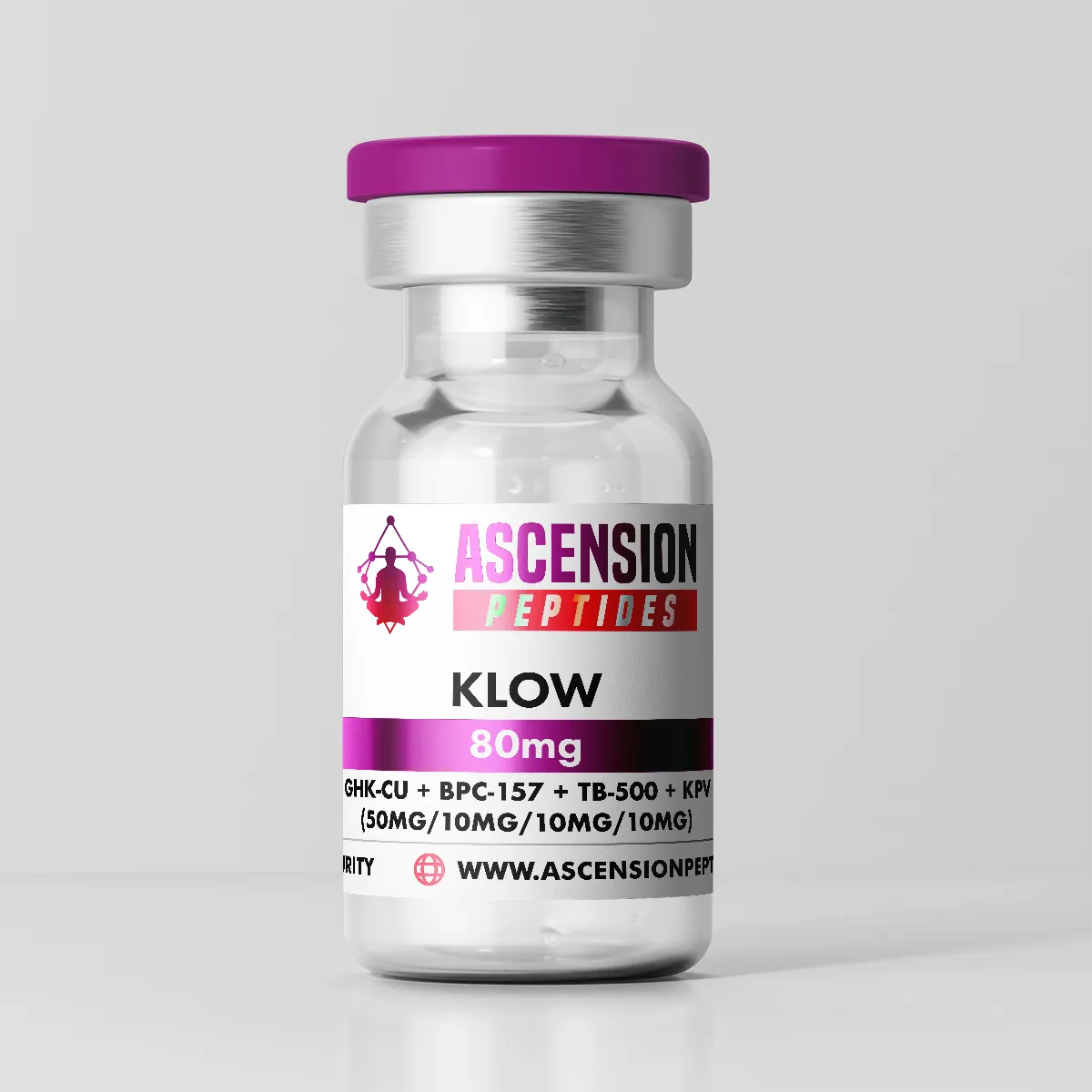
BPC-157, TB-500, and blends like KLOW get attention from people with tendon, ligament, joint, and soft-tissue issues. This category has huge demand because many active people are stuck between “rest and wait” and more invasive options.
The practical expectation should be modest and trackable. Less irritation, better training tolerance, improved mobility, or faster recovery are reasonable things to monitor. Expecting a torn structure to magically rebuild overnight is not. Recovery peptides are also easy to misuse because people keep training through pain and blame the peptide when the injury does not improve.
For more specific guidance, see our BPC-157 dosage guide and TB-500 guide.
Growth Hormone and Body Composition Peptides
Ipamorelin, CJC-1295, and Sermorelin are usually used to stimulate the body to release more of its own growth hormone. These are not steroid substitutes. The results are typically slower and more subtle: deeper sleep, better recovery, improved training tolerance, and gradual body composition support.
The safety conversation here often includes water retention, tingling, headaches, appetite changes, insulin sensitivity, and whether a person should be monitoring IGF-1 or glucose markers. People with active cancer concerns, uncontrolled diabetes risk, or complex endocrine history need clinician input before touching this category.
Helpful next reads include Ipamorelin benefits and results, CJC-1295 dosing, and Sermorelin peptide.
Skin, Hair, and Anti-Aging Peptides
Skin peptides are popular because the use case is easy to understand. GHK-Cu is the standout. It is used in topical products and injectable discussions because copper peptides are tied to repair signaling, collagen support, and skin quality.
Anti-aging is a broader and messier category. Some peptides have interesting mechanistic data but less practical human outcome data. That does not make them useless, but it does mean claims should be held to a higher standard. Better skin texture is one thing. “Reverse aging” is marketing.
Start with our GHK-Cu guide if skin, hair, or repair is the target.
Libido and Sexual Wellness Peptides
PT-141 is the main peptide in this category. It works through melanocortin signaling and is usually discussed for desire and arousal rather than just blood flow. That makes it different from classic ED drugs.
The main friction points are nausea, flushing, timing, and expectation mismatch. Some people expect it to work like a simple on-demand performance drug. It is better understood as a sexual-response signal that can help some people and feel unpleasant for others.
For a deeper breakdown, see our PT-141 peptide guide.
Nootropic and Sleep Peptides
Semax, Selank, and DSIP appear often in peptide conversations around focus, calm, stress resilience, and sleep. This category is attractive because people want cognitive support without stimulant-style side effects.
The downside is that standardization varies. Products, routes, dosing, and user response are less predictable than in the GLP-1 category. If you use this category, keep the protocol simple and track sleep, mood, focus, and adverse effects instead of relying on vibes.
How Much Does Peptide Treatment Cost?
Cost depends on three things: the peptide, the route, and the level of medical support. A clinic plan that includes labs, provider visits, and follow-up costs more than a vial from a vendor. A GLP-1 program often costs more than a basic recovery peptide. A multi-peptide blend costs more than a single small vial.
Price should never be the only filter. A cheap vial with no batch-matched testing is not a bargain. It is an unknown. For vendor products, look for a clear COA, batch number, purity testing, identity confirmation, domestic shipping history, and responsive support.
Is It Safe?
Safety depends on the peptide, the person, and the source. GLP-1 drugs have a very different side-effect profile than PT-141 or GHK-Cu. GH secretagogues have a different risk profile than BPC-157. A person with pancreatitis history is not in the same risk bucket as a healthy athlete looking at skin peptides.
Common mild issues include injection-site irritation, nausea, headache, flushing, water retention, fatigue, appetite changes, constipation, or sleep disruption. More serious red flags depend on the category.
The FDA has also warned about quality and dosing concerns with some compounded GLP-1 products. That matters because the most dangerous part of peptide use is often not the concept of peptides. It is poor sourcing, wrong dose, fake product, contaminated product, or ignoring warning signs.
For a category-by-category breakdown, read our peptide side effects guide.
Who Is a Good Candidate?
A good candidate usually has one clear target and is willing to track outcomes. That target could be fat loss, recovery, sleep, libido, skin, or body composition. The person also needs realistic expectations. Peptides can support a plan, but they do not replace sleep, protein, training, hydration, or medical care.
You may be a fit if you can answer these questions clearly:
- What exact problem am I trying to improve?
- Which peptide category matches that problem?
- What result would count as success after 4 to 12 weeks?
- What side effects would make me stop?
- Am I using a licensed provider or a source with batch-level testing?
Who Should Avoid It?
Some people should not experiment casually. That includes people who are pregnant or breastfeeding, people with complex endocrine disease, a history of pancreatitis, active cancer concerns, severe GI disease, uncontrolled diabetes risk, or major cardiovascular symptoms. It also includes anyone taking medications that could interact with appetite, blood sugar, blood pressure, or hormone pathways.
Another group should avoid it for a different reason: people who want one shortcut to fix everything. If you are stacking five compounds on day one, you will not know what helped, what hurt, or what caused a side effect.
How to Start Safely
The simplest safe-start framework is boring, but it works.
Pick one goal
Do not start with a stack. Start with weight loss, recovery, skin, libido, sleep, or focus.
Choose the right category
GLP-1s for appetite, BPC-157 or TB-500 for recovery, GH peptides for sleep and body composition, GHK-Cu for skin, PT-141 for libido.
Check contraindications
Medical history matters more than internet enthusiasm. If risk factors exist, use a clinician.
Track before and after
Weight, appetite, pain score, sleep, training recovery, skin photos, libido, or focus. Pick metrics that match the goal.
Change one variable at a time
If you adjust dose, timing, or compound all at once, you lose the ability to learn from the response.
What to Expect in the First 12 Weeks
The first weeks are mostly about signal detection. Does appetite change? Does sleep improve? Is pain less sharp? Are side effects manageable? The goal is not to force a dramatic transformation immediately. The goal is to find whether the peptide category fits your body and your target.
Provider Route vs Vendor Route
A licensed provider route is usually best when the peptide affects blood sugar, appetite, hormones, or complex symptoms. You get screening, prescribing, dose guidance, and a place to ask questions. That matters if you have medical conditions or are using other medications.
A vendor route appeals to people who want lower friction and lower cost. The tradeoff is responsibility. You need to understand sourcing, COAs, storage, reconstitution, and side effects. If you are not comfortable doing that work, the cheaper route may not actually be cheaper.
How to Evaluate a Peptide Source
If you are comparing sources, use the boring checklist. It will save you from most bad decisions.
- Batch-matched COA: the report should match the lot number on the vial.
- Identity testing: purity alone is not enough if the compound identity is not confirmed.
- Clear product page: dose, vial size, storage, and support should be easy to find.
- Domestic shipping history: fewer customs and temperature-control problems.
- Real support: email, replacement policy, and batch documentation should not require begging.
- No miracle claims: the more a vendor promises, the more skeptical you should be.
Common Mistakes
- Starting with the wrong category. A recovery peptide will not solve appetite. A GLP-1 will not directly fix a tendon.
- Stacking too early. Start with one compound so you can understand response and side effects.
- Ignoring dose escalation. This is especially risky with GLP-1s and other peptides that affect appetite or nausea.
- Buying only on price. Cheap product without testing is not a bargain.
- Expecting drug-level results from weak evidence. Some categories have stronger data than others.
- Skipping basics. Sleep, protein, training, hydration, and medical care still matter.
Best Peptides by Goal
Frequently Asked Questions
Bottom Line
Peptide therapy can be useful when it is specific. The people who get the most out of it usually do three things well: they choose one goal, match the peptide to that goal, and track what happens. The people who struggle usually chase broad promises, stack too early, or buy the cheapest product without understanding the risk.
If you are new, start with the category that matches your main problem. For appetite and weight, compare GLP-1s. For recovery, study BPC-157, TB-500, and recovery blends. For skin, start with GHK-Cu. For libido, look at PT-141. For sleep and body composition, review GH secretagogues. That structure keeps the decision clean.
References
- Therapeutic peptides: current applications and future directions
- Feature Collection in Peptide Therapeutics: Current Applications and Future Directions
- Peptide Drugs: Current Status and Applications in the Treatment of Various Diseases
- Peptides as Targeting Agents and Therapeutics: A Brief Overview
- Local and Systemic Peptide Therapies for Soft Tissue Regeneration
- FDA: Concerns with GLP-1 drugs used for weight loss
The information in this article is for educational purposes only and does not constitute medical advice. Always consult a healthcare professional before starting any new supplement or compound. Results vary by individual.