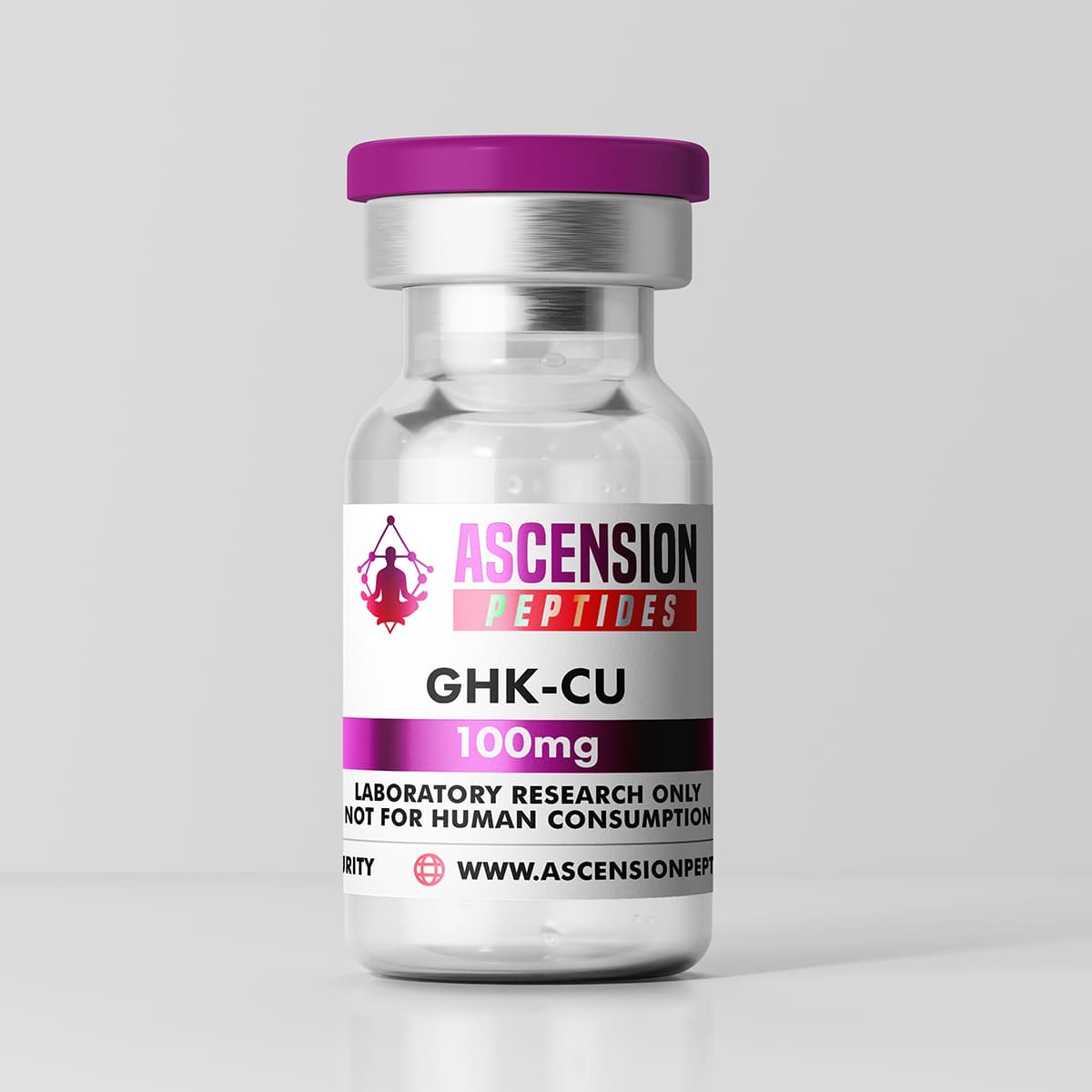
GHK-Cu (glycyl-L-histidyl-L-lysine copper) has emerged as one of the most sought-after peptides in the anti-aging and healing space — and for good reason. Clinical studies report a 17.8% increase in dermal density, a 36% reduction in wrinkle depth, and a 23% improvement in skin elasticity after 12 weeks of consistent use. Add documented wound healing, hair growth promotion, and gene-expression resetting across more than 4,000 genes, and it's easy to see why demand has exploded.
The problem: explosive demand attracts bad actors. The research peptide market is riddled with underdosed, impure, or outright counterfeit products. Buying the wrong GHK-Cu doesn't just waste money — it means missing out on the very results that make this peptide worth researching in the first place.
This guide cuts through the noise. We break down exactly what to look for in a vendor, which suppliers are worth your trust in 2026, what you should expect to pay, and the red flags that signal you're about to get burned.
GHK-Cu price benchmarks: what you should actually pay per milligram in 2026
GHK-Cu pricing is one of the most volatile in the peptide market because copper-bound peptides are harder to synthesize cleanly. Here is what a fair 2026 price looks like across the major vial sizes.
Anything dramatically cheaper than the low end of these ranges is a red flag, not a deal. GHK-Cu under $0.50 per mg almost always means underdosed product, wrong peptide, or no real copper binding.
Verified GHK-Cu vendors in 2026 (and what to ask before you order)
The vendors that consistently pass the COA test for GHK-Cu specifically (clean copper chelation, batch HPLC, sterility on injectable vials) are a smaller set than the general peptide market.
- Ascension Peptides: HPLC plus MS per batch, US-made, transparent customer service. Currently the top pick across our coverage.
- Limitless Life Nootropics: published per-batch COA, US synthesis, strong on rare and copper-bound peptides.
- Verified Peptides: third-party HPLC + MS + endotoxin, US-made, simple single-peptide catalog.
- Peptide Sciences: long-running supplier with HPLC and identity testing, large catalog.
Before you order, ask three questions in writing: (1) Can I see the batch COA for the lot I will receive? (2) Is the copper chelation confirmed by mass spec? (3) What is the endotoxin level if I plan to use this injectable? Any vendor that cannot or will not answer all three is not a serious option.
For dosing, protocols, and stack ideas, see our GHK-Cu benefits and dosage guide. For side effects, read GHK-Cu side effects. The GHK-Cu dosage chart covers exact mg per kg numbers. To compare GHK-Cu against other healing peptides, read peptides for anti-aging and the broader where to buy peptides online framework.
Quick Answer: Best Places to Buy GHK-Cu in 2026
For injectable research-grade GHK-Cu, Peptide Sciences, Limitless Life Nootropics, and Verified Peptides consistently rank at the top for purity documentation, third-party testing, and US-based manufacturing. For cosmetic-grade topicals, Skin Biology (founded by GHK-Cu discoverer Dr. Loren Pickart) is the gold standard. Look for vendors offering a published Certificate of Analysis (COA), ≥98% purity via HPLC + mass spectrometry, and domestic US shipping.
Why Sourcing GHK-Cu Correctly Matters More Than You Think
GHK-Cu operates at nanomolar concentrations in the body — a small amount triggers enormous downstream effects across collagen synthesis, gene expression, and immune signaling. That precision is exactly why quality matters so much. An impure or incorrectly synthesized batch doesn't just deliver weaker results; it may contain bacterial endotoxins or heavy metal contamination that cause inflammation at the injection site or systemic reactions.
Unlike some peptides where you might tolerate a 90% purity product with minor efficiency loss, copper peptides bring an added variable: the copper ion itself. Poor synthesis or contaminated chelation can result in free copper ions in solution — potentially irritating and counterproductive to the anti-inflammatory effects you're researching.
The short version: GHK-Cu is worth buying right, or not at all.
What to Look for in a GHK-Cu Vendor
Not all peptide vendors are equal. Here's the checklist to apply before handing over your payment:
1. Third-Party Certificate of Analysis (COA)
A COA should be freely accessible on the product page — not available only upon request, and definitely not a generic document shared across all products. The COA should be batch-specific, show the date it was issued, and come from an independent third-party laboratory (not the vendor's own in-house testing).
The COA must confirm:
- Purity ≥98% by HPLC (High-Performance Liquid Chromatography)
- Molecular weight confirmation by mass spectrometry (MS)
- Endotoxin testing results — especially critical for injectable research compounds
- Sterility testing for injectable formats
If a vendor can't produce a batch-specific COA from an independent lab, move on. GHK-Cu is too specific a compound (the copper chelation ratio matters) to trust without verified documentation.
2. US-Based Manufacturing (or Equivalent EU Standards)
Research peptide quality is directly correlated with manufacturing oversight. US-manufactured peptides are produced under stricter environmental and testing standards than those from bulk overseas producers. "US-made" should mean synthesized domestically — not merely labeled or bottled in the US after being imported as raw powder from overseas. Ask vendors directly if you're unsure.
3. Transparent Pricing and Sizing
GHK-Cu is commonly sold in 50mg and 100mg lyophilized vials for research use. Pricing should be clearly stated, with no hidden fees at checkout. Price-per-milligram is the most useful comparison metric across vendors.
4. Responsive Customer Support
A vendor who answers pre-purchase questions thoroughly — about testing, formulation, shipping conditions — is a vendor who stands behind their product. Ghost-town support is a yellow flag; it often signals operations that don't invest in quality control either.
5. Proper Research-Use Disclaimers
Reputable peptide vendors sell GHK-Cu explicitly as a research compound for laboratory use, not as a supplement or drug for human consumption. This isn't just legal boilerplate — it indicates a vendor operating within the appropriate regulatory framework, which tends to correlate with higher-quality sourcing and manufacturing practices.
Top GHK-Cu Vendors in 2026
Based on available COA documentation, community reputation, testing standards, and product availability, these vendors consistently come up as the most trustworthy sources for research-grade GHK-Cu:
Peptide Sciences
Peptide Sciences is one of the most established names in the US research peptide market and carries GHK-Cu 50mg copper peptide with 99% purity certification. Their COA process uses both HPLC and mass spectrometry (MS) to confirm both purity and molecular identity — the two-test standard you want for a copper chelate peptide. They list GHK-Cu as "USA Made" and include full product identity confirmation in their documentation. If you're new to sourcing peptides, Peptide Sciences is a solid starting point for both reliability and documentation quality.
Limitless Life Nootropics (Limitless Biotech)
Limitless Life Nootropics offers GHK-Cu in 100mg vials — double the size of many competitors — at competitive pricing, with a reported 99% purity specification. Their testing protocol includes independent verification for endotoxins and sterility, which is the extra layer of testing that matters most if you're researching injectable applications. The company emphasizes same-day shipping and their product listing confirms US-manufactured supply. The endotoxin-specific testing is a meaningful differentiator from vendors who only test for purity by HPLC.
Verified Peptides
Verified Peptides takes a transparency-first approach: their GHK-Cu listing comes with a published lab report accessible directly on the product page, and they advertise same-day shipping with 10% off first orders. Their 99% pure GHK-Cu copper peptide comes with an endotoxin certificate, which again signals this is a vendor set up for research applications requiring sterile-grade product. Community feedback is generally positive, and the upfront lab report accessibility makes due diligence easy.
Ascension Peptides
Ascension Peptides has built a strong reputation in the research peptide community for quality control and responsive customer support. They carry GHK-Cu alongside a broad catalog of research peptides and consistently provide COA documentation upon purchase. Frequently cited in peptide research communities for reliability and batch consistency — a particularly important factor for longer research protocols where you may need to reorder and want consistent quality across batches.
Skin Biology (Topical/Cosmetic Only)
For researchers focused on topical GHK-Cu applications — skin regeneration, anti-aging, cosmetic formulation research — Skin Biology deserves a separate mention. This is the company founded by Dr. Loren Pickart, the biochemist who discovered GHK-Cu in 1973. Their products are cosmetic-grade (not research-injectable), but they represent the highest level of formulation expertise in topical GHK-Cu and include the liposome-enhanced delivery vehicles that current research identifies as the most effective for transcutaneous penetration. If you're researching topical delivery mechanisms specifically, this is the OG source.

GHK-Cu Pricing: What You Should Expect to Pay
Pricing for research-grade GHK-Cu has stabilized as the market has matured, but significant variation still exists between vendors. Here's what the current market looks like:
GHK-Cu Price Benchmarks (2026)
- 50mg lyophilized vial: $30–$55 from reputable vendors
- 100mg lyophilized vial: $55–$90 from reputable vendors
- Cost per milligram (reputable): Roughly $0.55–$0.85/mg
- Cost per milligram (discount/questionable): Under $0.30/mg — a red flag
- Cosmetic topical serum (1–3% concentration): $30–$120 depending on formulation and volume
Rule of thumb: If the price seems too good to be true for GHK-Cu, the purity probably is too. The copper chelation process adds complexity to synthesis that legitimate manufacturers can't shortcut significantly without compromising quality.
It's also worth comparing price-per-milligram rather than headline vial price. A 100mg vial at $75 is often better value than a 50mg vial at $50, especially if you're planning an extended research protocol. Always check whether the listed purity is 98% or 99% — this is relevant both for COA quality and for comparing value across vendors.
How to Spot Fake or Underdosed GHK-Cu
The GHK-Cu market has its share of bad actors. Here are the patterns to watch for:
No Independent COA — Or a Generic One
Legitimate vendors publish batch-specific COAs from independent labs. If the only "certificate" you can find is an internal document, a generic lab report not tied to the specific batch you're buying, or one that only lists one testing method (e.g., HPLC but not MS), the documentation doesn't meet the standard you need.
Prices Below Market Floor
GHK-Cu synthesis — especially the copper chelation step — has real costs. Vendors selling at $15–$20 for 50mg either aren't synthesizing domestically, aren't testing properly, or are substituting a lower-quality copper peptide compound. Underdosed products are widespread in the budget segment of the market.
No Endotoxin Testing for Injectable Products
Injectable research compounds should include endotoxin testing on the COA. Lipopolysaccharide (LPS) contamination from bacterial sources during synthesis causes inflammatory reactions that aren't just painful — they confound your research results entirely. If the COA doesn't address endotoxins, don't inject it.
No Physical Address or Contact Information
Fly-by-night peptide operations typically operate without a verifiable business address or traceable customer service. Before purchasing, verify that you can contact the vendor through multiple channels and that they respond. A vendor who vanishes post-purchase has zero accountability.
Vague Sourcing Claims
"Made in USA" is meaningful only if it refers to synthesis, not just labeling or packaging. Ask vendors specifically: "Is this synthesized in the US, or is it sourced internationally and packaged domestically?" Reputable vendors have no reason to be evasive about this.
How to Order GHK-Cu Research Peptides: Step-by-Step
GHK-Cu Injectable vs. Topical: Which Format Should You Buy?
The right format depends entirely on your research goals:
- Topical GHK-Cu serums (0.5–5%): Best for skin anti-aging research, wrinkle reduction, hyperpigmentation, and hair growth (scalp application). Widely available from cosmetic brands, highly studied, no reconstitution required. The limitation is skin penetration — liposome-encapsulated formulations significantly outperform standard serums based on 2023–2025 delivery research.
- Injectable research-grade (lyophilized vials): Used for systemic wound healing research, subcutaneous protocols, or scalp mesotherapy-style administration. Requires reconstitution with bacteriostatic water. Must be sourced from vendors with endotoxin and sterility testing documentation.
- Oral capsules/tablets: Some companies offer oral GHK-Cu. Bioavailability via this route is poorly established in the literature; oral administration likely degrades the peptide before it can exert systemic effects. Injectable or topical delivery are better-supported by current evidence.
Frequently Asked Questions
Is GHK-Cu legal to buy?
Yes. GHK-Cu is legal to purchase in the United States as a research compound. It is not a controlled substance and is not FDA-banned. It is sold by vendors as a research chemical for laboratory use, not as a drug or supplement for human use. Cosmetic topical formulations containing GHK-Cu (listed as Copper Tripeptide-1) are widely sold in skincare products with no restrictions.
What purity do I need for research-grade GHK-Cu?
Look for ≥98% purity by HPLC at minimum. Most reputable vendors offer 99% purity. For injectable applications, endotoxin testing and sterility certification are non-negotiable additional requirements beyond purity percentage alone.
How much does GHK-Cu cost per month of research?
Costs vary by protocol, but a typical injectable research protocol using 1–2mg per administration (3–5 times per week for 12 weeks) would consume roughly 36–120mg over a full cycle. At roughly $0.60–$0.80 per mg, expect to budget $22–$96 per month for quality product, depending on dose frequency.
Can I buy GHK-Cu topicals without a prescription?
Yes. Cosmetic serums and creams containing GHK-Cu (Copper Tripeptide-1) are sold over-the-counter and do not require a prescription. Injectable research-grade GHK-Cu is sold without a prescription by research peptide vendors but is intended for laboratory research use only.
How do I know if my GHK-Cu has degraded?
Lyophilized (freeze-dried) GHK-Cu should appear as a white to off-white powder. After reconstitution, the solution should be clear and free of particulates. Degradation signs include unusual coloration (turning noticeably blue or green, beyond the faint tint that copper chelation can produce), cloudiness, or precipitation. When in doubt, check storage conditions and use by the recommended post-reconstitution window (typically 28–30 days refrigerated).
What size vial should I buy?
For first-time research, a 50mg vial is appropriate to establish protocol tolerability and results baseline. For ongoing protocols or stacking research (e.g., BPC-157 + GHK-Cu + TB-500), buying 100mg from a vendor that offers that size typically reduces your per-milligram cost meaningfully.
Which is better — GHK-Cu alone or in a blend?
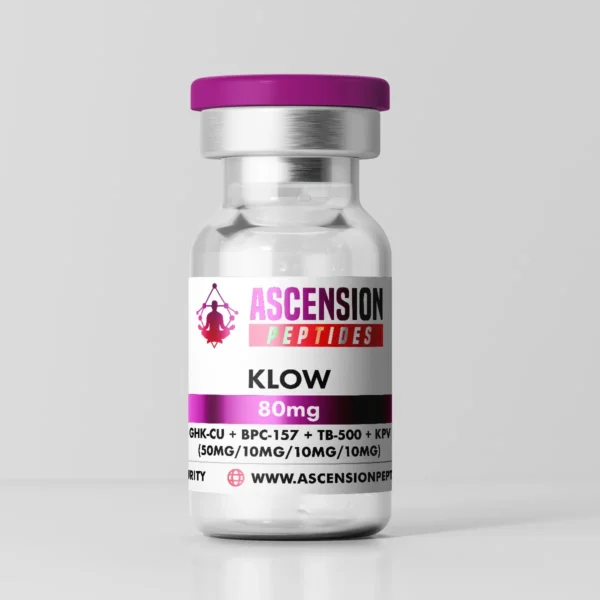
Both have their place. Solo GHK-Cu is ideal when you want to isolate its specific effects or are using it for cosmetic skin research. Blended products like the Klow Blend (BPC-157 + TB-500 + KPV + GHK-Cu) are designed for comprehensive healing and recovery research where the synergistic combination of GHK-Cu's matrix remodeling, BPC-157's angiogenic effects, TB-500's actin regulation, and KPV's anti-inflammatory action all contribute to the research outcome.
The Bottom Line
GHK-Cu is one of the most well-supported research peptides in the anti-aging and tissue repair space — five decades of peer-reviewed research, documented genomic effects across 4,000+ genes, and consistent clinical results for skin density, wound healing, and hair growth. That pedigree makes it worth buying right.
The vendors that meet the full standard — independent batch COA with HPLC + MS + endotoxin testing, US-based synthesis, and transparent customer support — are the ones worth your research budget. In 2026, Peptide Sciences, Limitless Life Nootropics, Verified Peptides, and Ascension Peptides are the names that consistently appear at the top of that list.
Skip the price-per-vial comparison and focus on cost-per-milligram from a verified source. A clean 50mg vial at $50 is infinitely better value than a questionable 100mg vial at $25.
This content is for informational and educational purposes only. Peptides discussed on this page are research compounds not approved by the FDA for human use. Always consult a licensed medical professional before using any peptide or supplement.
This content is for informational and educational purposes only. Peptides discussed on this page are research compounds not approved by the FDA for human use. Always consult a licensed medical professional before using any peptide or supplement.