What Is Peptide Therapy? A Complete Guide to Benefits, Types & What to Expect
Discover what peptide therapy is, how it works, the most commonly used peptides, potential benefits, and what to expect from treatment. A comprehensive guide for beginners and patients alike.

🔑 Key Takeaways
- Peptide therapy uses short chains of amino acids to target specific biological processes like healing, hormone regulation, and metabolism
- Over 80 peptide-based drugs have been approved by the FDA, with hundreds more in clinical trials
- Common applications include growth hormone optimization, weight management, tissue repair, immune support, and cognitive enhancement
- Treatment is typically administered via subcutaneous injection, though oral and nasal options are emerging
- Peptide therapy should always be supervised by a qualified healthcare provider
What Is Peptide Therapy?
Peptide therapy is a medical treatment that uses specific peptides—short chains of amino acids—to trigger targeted biological responses in the body. Unlike broad-spectrum pharmaceuticals that often affect multiple systems simultaneously, peptides are designed to interact with particular receptors and signaling pathways, making them highly specific tools in clinical medicine.
Your body naturally produces over 7,000 different peptides. They serve as hormones, neurotransmitters, growth factors, and signaling molecules that regulate virtually every physiological process. Peptide therapy works by supplementing or mimicking these natural peptides to restore, enhance, or modulate specific functions that may have declined due to aging, illness, or injury.
The concept isn't new. Insulin—a 51-amino-acid peptide—has been used therapeutically since the 1920s. What is new is the rapid expansion of peptide therapeutics beyond traditional hormone replacement. Today, peptide therapy encompasses a growing class of treatments targeting everything from weight loss to tissue repair to cognitive function.
Explore Premium Research Peptides
Discover high-quality peptides from our trusted research partner.
Apollo PeptidesHow Does Peptide Therapy Work?
Peptide therapy works through the same mechanisms your body already uses—receptor binding and cell signaling. When a therapeutic peptide enters your system, it binds to specific receptors on cell surfaces, triggering a cascade of intracellular responses. Think of peptides as precise keys that fit particular biological locks.
The Signaling Mechanism
Most therapeutic peptides work by mimicking or enhancing natural signaling processes:
- Growth hormone secretagogues like ipamorelin and CJC-1295 stimulate the pituitary gland to release more growth hormone, rather than introducing synthetic growth hormone directly
- GLP-1 receptor agonists like semaglutide mimic the incretin hormone GLP-1, enhancing insulin secretion and reducing appetite
- Tissue-protective peptides like BPC-157 modulate growth factor expression and nitric oxide pathways to promote healing
- Immune-modulating peptides like thymosin alpha-1 enhance immune cell maturation and function
This receptor-specific approach is what makes peptide therapy appealing to both researchers and clinicians. Rather than flooding the body with a synthetic compound, peptide therapy leverages the body's existing communication systems.
Why Not Just Take the Protein?
You might wonder why specific peptide fragments are used rather than whole proteins. The answer lies in bioavailability and specificity. Smaller peptides are absorbed more efficiently, can be synthesized with high purity, and can be engineered to target specific receptor subtypes. A whole protein might activate multiple pathways, while a carefully selected peptide fragment can activate just one.
Common Types of Peptide Therapy
Peptide therapy spans a wide range of clinical applications. Here are the major categories currently used or under investigation:
Growth Hormone Optimization
Secretagogues that stimulate natural GH production for anti-aging, body composition, and recovery.
Weight Management
GLP-1 agonists and metabolic peptides that regulate appetite, insulin, and fat metabolism.
Tissue Repair & Healing
Regenerative peptides that accelerate recovery of tendons, ligaments, gut, and other tissues.
Cognitive Enhancement
Nootropic peptides that support neuroprotection, focus, and mental clarity.
Immune Modulation
Thymic peptides and antimicrobial peptides that regulate immune response.
Skin & Anti-Aging
Copper peptides and signaling peptides that promote collagen synthesis and cellular renewal.
Growth Hormone Secretagogues
This is one of the most established areas of peptide therapy. Rather than administering synthetic human growth hormone (which carries risks and regulatory restrictions), growth hormone secretagogues stimulate the pituitary gland to produce and release its own GH.
The most commonly used peptides in this category include:
- Ipamorelin — A selective growth hormone secretagogue with minimal side effects, often considered the gentlest option
- CJC-1295 — A growth hormone-releasing hormone (GHRH) analog, frequently combined with ipamorelin for synergistic effects
- Sermorelin — One of the first GHRH analogs used clinically, with a long safety track record
- MK-677 (Ibutamoren) — An oral growth hormone secretagogue (technically not a peptide, but frequently grouped with them)
These peptides are commonly used for age-related GH decline, body composition improvement, sleep quality enhancement, and recovery optimization. For a detailed comparison, see our guide on CJC-1295 vs Ipamorelin.
Weight Management Peptides
The weight management category has exploded in recent years, largely driven by the success of GLP-1 receptor agonists:
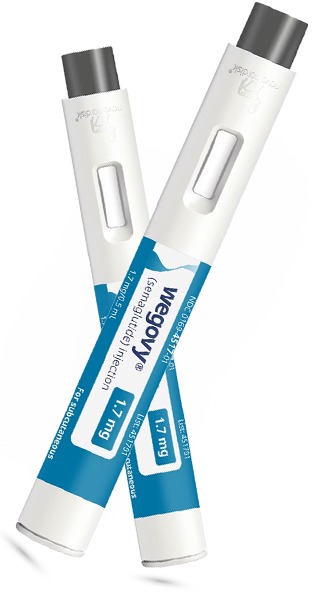
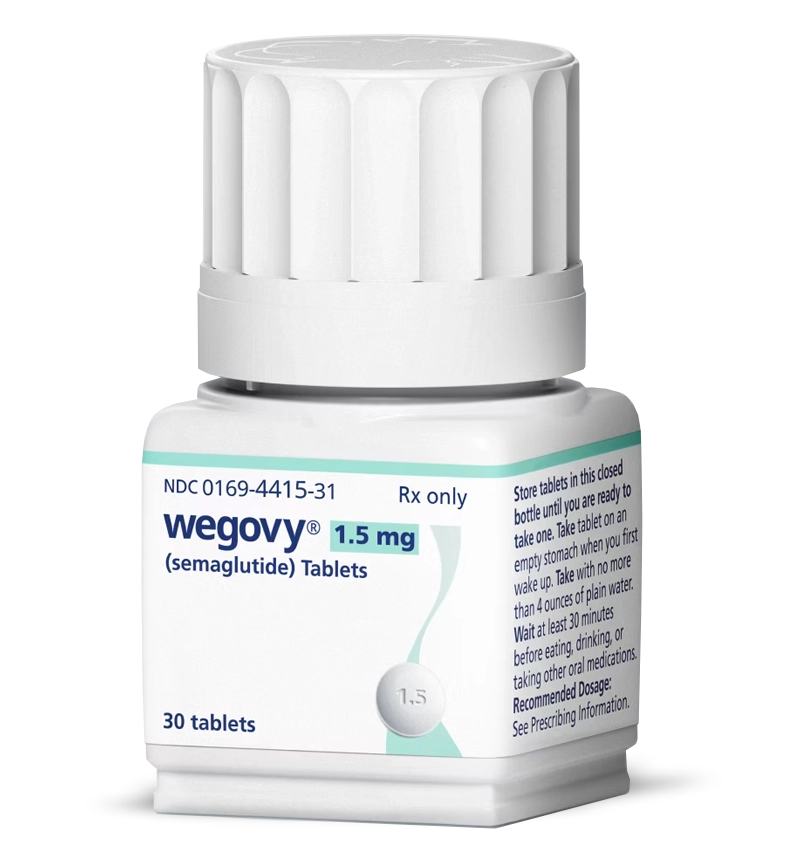
- Semaglutide (Ozempic/Wegovy) — The blockbuster GLP-1 agonist showing 15-20% body weight reduction in clinical trials
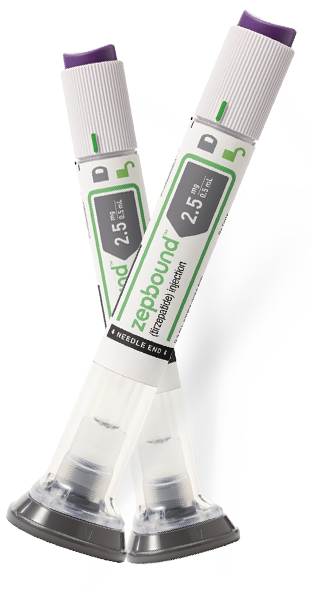
- Tirzepatide (Mounjaro/Zepbound) — A dual GIP/GLP-1 agonist showing even greater efficacy in some studies
- AOD-9604 — A modified fragment of human growth hormone targeting fat metabolism
- MOTS-c — A mitochondrial-derived peptide involved in metabolic regulation
For a comprehensive comparison of the leading options, see our article on Semaglutide vs Tirzepatide. You can also explore our full guide on the best peptides for fat loss.
Tissue Repair & Healing Peptides
Regenerative peptide therapy focuses on accelerating the body's natural healing processes:
- BPC-157 — A gastric pentadecapeptide with broad tissue-protective properties studied across tendons, gut, muscle, and more
- TB-500 (Thymosin Beta-4) — Promotes cell migration, blood vessel formation, and reduces inflammation
- GHK-Cu — A copper peptide with wound healing, anti-inflammatory, and tissue remodeling properties
- LL-37 — An antimicrobial peptide that also promotes wound healing
These peptides are particularly popular among athletes and individuals recovering from injuries. For a head-to-head analysis, see our BPC-157 vs TB-500 comparison and the complete guide to best peptides for healing injuries.
Cognitive & Neurological Peptides
Nootropic peptides represent a growing area of peptide therapy research:
- Semax — A synthetic ACTH analog studied for cognitive enhancement and neuroprotection
- Selank — A tuftsin analog with anxiolytic and nootropic properties
- Dihexa — An angiotensin IV analog with potent cognitive effects in animal studies
- PE-22-28 (Spadin) — A TREK-1 channel blocker studied for rapid antidepressant effects
Explore our full breakdown in the best peptides for cognitive function guide and the Semax vs Selank comparison.
Immune-Modulating Peptides
Several peptides show promise in supporting or modulating immune function:
- Thymosin Alpha-1 — FDA-approved in several countries for hepatitis B and as an immune adjuvant
- LL-37 — A cathelicidin with direct antimicrobial and immunomodulatory activity
- KPV — A tripeptide fragment of alpha-MSH with potent anti-inflammatory properties
Learn more in our best peptides for immune system guide.
How Is Peptide Therapy Administered?
One of the most common questions about peptide therapy is how it's actually taken. The delivery method depends on the specific peptide, the condition being treated, and patient preference.
| Method | Common Peptides | Pros | Cons |
|---|---|---|---|
| Subcutaneous Injection | BPC-157, Ipamorelin, CJC-1295, TB-500 | High bioavailability, precise dosing | Requires injection, proper storage |
| Oral | BPC-157 (oral form), MK-677, Semaglutide (Rybelsus) | Convenient, no needles | Lower bioavailability for most peptides |
| Nasal Spray | Semax, Selank, Oxytocin | Non-invasive, rapid absorption | Variable absorption, limited peptide options |
| Topical/Transdermal | GHK-Cu, Copper peptides | Targeted skin application | Limited systemic absorption |
| Intravenous | Thymosin Alpha-1 (clinical) | 100% bioavailability | Requires clinical setting |
Subcutaneous Injection: The Most Common Route
The majority of peptide therapy protocols involve subcutaneous (under the skin) injection. This might sound intimidating, but the needles used are extremely small—typically 29-31 gauge insulin syringes—and the injection is relatively painless once technique is learned.
The process involves:
Reconstitute the Peptide
Most peptides arrive as lyophilized (freeze-dried) powder. You'll add bacteriostatic water to reconstitute it. See our detailed peptide reconstitution guide for step-by-step instructions.
Calculate and Draw Your Dose
Using an insulin syringe, draw the prescribed amount based on the reconstitution ratio. Your healthcare provider will specify the dose in micrograms (mcg) or milligrams (mg).
Inject Subcutaneously
Common injection sites include the lower abdomen (avoiding the navel), outer thigh, or upper arm. Rotate sites to prevent irritation. See our injection guide for full technique details.
Store Properly
Reconstituted peptides must be refrigerated at 2-8°C and used within the recommended timeframe. Our peptide storage guide covers best practices.
What Are the Benefits of Peptide Therapy?
The potential benefits of peptide therapy depend heavily on which peptides are used and for what purpose. Here's what the research and clinical evidence shows across major application areas:
Clinically Proven Benefits (FDA-Approved Peptides)
Several peptide therapies have undergone rigorous clinical trials and received regulatory approval:
- Weight loss: Semaglutide (Wegovy) demonstrated 14.9% body weight reduction vs 2.4% for placebo in the STEP 1 trial (n=1,961). Tirzepatide showed up to 22.5% weight reduction in the SURMOUNT-1 trial
- Diabetes management: Multiple GLP-1 agonists are FDA-approved for type 2 diabetes with proven HbA1c reduction
- Growth hormone deficiency: Sermorelin and tesamorelin are FDA-approved for GH-related conditions
- Immune support: Thymosin alpha-1 is approved in over 30 countries for hepatitis B and as an immune adjuvant
Evidence from Preclinical Research
Many peptides used in therapy settings have extensive preclinical data but limited human clinical trial data:
- Tissue repair: BPC-157 has over 100 published animal studies showing accelerated healing of tendons, muscles, gut tissue, and nerves
- Neuroprotection: Semax and Selank have been studied in Russian clinical settings with reported cognitive and anxiolytic benefits
- Anti-aging: Epithalon has shown telomerase activation in cell studies, potentially relevant to cellular aging
- Sleep optimization: DSIP (Delta Sleep-Inducing Peptide) has shown effects on sleep architecture in limited human studies
Commonly Reported Benefits (Anecdotal/Clinical Observation)
In clinical practice, practitioners report patients experiencing:
- Improved body composition (reduced fat, increased lean mass)
- Better sleep quality and deeper sleep cycles
- Faster recovery from injuries and exercise
- Improved skin quality and reduced visible aging
- Enhanced energy levels and mental clarity
- Better gut health and reduced inflammation
- Improved libido and sexual function
These observations, while not equivalent to controlled trial data, align with the known mechanisms of the peptides used. For specific applications, explore our guides on best peptides for anti-aging, best peptides for sleep, and best peptides for muscle growth.
What to Expect from Peptide Therapy
If you're considering peptide therapy, here's a realistic timeline and overview of the process:
The Initial Consultation
A qualified provider will typically:
- Review your medical history and current medications
- Order baseline blood work (hormone panels, metabolic markers, CBC)
- Discuss your goals and determine which peptides may be appropriate
- Explain the evidence level for recommended peptides
- Outline the treatment protocol including dosing, frequency, and duration
Typical Treatment Timeline
| Phase | Timeline | What to Expect |
|---|---|---|
| Week 1-2 | Adjustment | Learning injection technique, potential mild side effects (injection site reactions, mild headaches). Body adjusting to peptide. |
| Week 2-4 | Early Effects | Improved sleep quality (especially with GH peptides), subtle energy changes, reduced inflammation markers. |
| Month 1-3 | Building Phase | Noticeable improvements in target areas. Body composition changes begin. Healing peptides show measurable progress. |
| Month 3-6 | Optimization | Full therapeutic effects realized. Lab work repeated to assess biomarker changes. Dosing may be adjusted. |
| Month 6+ | Maintenance | Protocol reviewed. Some peptides may be cycled or dosing reduced. Long-term monitoring continues. |
Pro Tip
Keep a simple journal during the first 3 months of peptide therapy. Track sleep quality, energy levels, recovery time, and any side effects. This objective data helps your provider optimize your protocol and gives you a realistic picture of progress, which can be subtle week-to-week but significant over months.
Common Side Effects
Most peptide therapies are well-tolerated, but side effects can occur. Common ones include:
- Injection site reactions: Redness, mild swelling, or itching at the injection site (temporary)
- Water retention: Mild bloating, particularly with GH secretagogues (usually resolves). See our guide on peptide water retention
- Headaches: Occasionally reported in the first few days of treatment
- Nausea: Particularly common with GLP-1 agonists (semaglutide, tirzepatide), usually dose-dependent
- Fatigue or flushing: Some peptides may cause temporary fatigue or skin flushing
For a comprehensive overview, read our complete guide to peptide side effects.
How to Find a Qualified Peptide Therapy Provider
The quality of your peptide therapy experience depends heavily on your provider. Here's what to look for:
Credentials and Red Flags
Questions to Ask Your Provider
- What is the evidence base for the peptides you're recommending?
- Are these FDA-approved or used off-label?
- Where are the peptides sourced, and what quality assurance is in place?
- What lab work will we monitor, and how often?
- What's the expected treatment duration and cost?
- What are the potential side effects and contraindications?
Types of Providers Offering Peptide Therapy
- Functional medicine practitioners — Often the most experienced with diverse peptide protocols
- Anti-aging and longevity clinics — Focus on GH secretagogues, anti-aging peptides, and body composition
- Sports medicine physicians — Familiar with healing peptides (BPC-157, TB-500) for injury recovery
- Endocrinologists — May prescribe FDA-approved peptides like semaglutide or sermorelin
- Telehealth peptide clinics — Growing in number, offering remote consultations and shipped medications
Explore Premium Research Peptides
Discover high-quality peptides from our trusted research partner.
Apollo PeptidesCost of Peptide Therapy
Peptide therapy costs vary widely based on the specific peptides used, the provider, and whether insurance covers any portion of treatment.
General Cost Ranges
- FDA-approved peptides (semaglutide, tirzepatide) — $300-$1,500+/month, though insurance may cover when prescribed for approved indications (diabetes, obesity)
- Growth hormone secretagogues (ipamorelin, CJC-1295, sermorelin) — $150-$500/month through clinics
- Healing peptides (BPC-157, TB-500) — $100-$300/month through compounding pharmacies
- Nootropic peptides (Semax, Selank) — $50-$200/month
- Initial consultation and lab work — $200-$600 (one-time)
Is Peptide Therapy Safe?
Safety depends on several factors: the specific peptide, the dosage, the quality of the product, and whether treatment is properly supervised.
FDA-Approved Peptides
Peptides that have received FDA approval (semaglutide, tirzepatide, sermorelin, tesamorelin, and others) have undergone extensive safety testing through Phase I-III clinical trials involving thousands of participants. Their safety profiles are well-documented, and they carry standard pharmaceutical labeling with known risks and contraindications.
Research Peptides Used Off-Label
Many peptides used in therapy settings (BPC-157, TB-500, ipamorelin, CJC-1295) have not completed formal FDA approval processes. Their safety data comes primarily from:
- Animal studies (often extensive, showing favorable safety profiles)
- Clinical observation by prescribing physicians
- Patient-reported outcomes
- Limited human pharmacological studies
While many of these peptides appear to have favorable safety profiles based on available evidence, the lack of large-scale controlled human trials means there is inherent uncertainty. This is why qualified medical supervision is essential.
Quality Concerns
Perhaps the greatest safety risk in peptide therapy isn't the peptides themselves—it's the source. Unlike FDA-approved drugs manufactured under strict GMP (Good Manufacturing Practice) conditions, research peptides from unregulated sources may:
- Contain impurities or contaminants
- Have incorrect peptide content or concentration
- Be contaminated with bacteria or endotoxins
- Degrade due to improper handling or storage
This is why working with a reputable provider who sources from FDA-registered compounding pharmacies or verified suppliers is critical. Learn about understanding peptide purity for more on this topic.
Peptide Therapy vs. Other Treatments
How does peptide therapy compare to other approaches? Here's a quick orientation:
Peptide Therapy vs. Traditional HRT
Hormone replacement therapy (HRT) directly replaces hormones (testosterone, estrogen, HGH). Peptide therapy often works differently—stimulating the body to produce its own hormones. For example, GH secretagogues prompt natural growth hormone release with preserved pulsatile patterns, rather than introducing a constant level of synthetic HGH. See our detailed peptides vs HGH comparison.
Peptide Therapy vs. Steroids
Anabolic steroids work through androgen receptors and carry significant side effect risks including liver toxicity, cardiovascular issues, and hormonal suppression. Peptides generally work through different, more targeted mechanisms with more favorable side effect profiles. However, they also tend to produce more subtle, gradual effects. For a full analysis, see peptides vs steroids: key differences.
Peptide Therapy vs. SARMs
Selective Androgen Receptor Modulators (SARMs) target androgen receptors selectively but remain largely unregulated and unapproved. Peptides offer greater mechanistic diversity (not limited to androgen pathways) and some have actual FDA approval. Check out our peptides vs SARMs comparison for details.
How to Get Started with Peptide Therapy
If you're new to the world of peptides, here's a practical roadmap:
Educate Yourself
Understand the basics before your first appointment. Start with our What Are Peptides? Beginner's Guide and the Best Peptides for Beginners guide.
Define Your Goals
Are you focused on healing an injury? Optimizing hormones? Losing weight? Improving cognition? Different goals point to different peptide protocols.
Find a Qualified Provider
Look for credentials in functional medicine, peptide therapy, or the relevant specialty. Prioritize providers who order lab work and customize protocols.
Get Baseline Lab Work
Before starting any protocol, establish baseline values for relevant biomarkers. This enables objective progress tracking.
Learn Proper Technique
If your protocol involves injections, learn proper reconstitution, injection technique, and storage practices.
Start Low, Monitor, and Adjust
Begin with the lowest recommended dose. Track your response. Work with your provider to optimize over time.
Frequently Asked Questions
The Bottom Line
Peptide therapy represents one of the fastest-growing areas in medicine, bridging the gap between the body's natural signaling systems and targeted therapeutic intervention. From FDA-approved weight loss drugs like semaglutide to research peptides like BPC-157 being studied for tissue regeneration, the field offers a spectrum of tools with varying levels of evidence and regulatory status.
The key principles to remember:
🔑 Summary
- Peptide therapy is real medicine — Over 80 FDA-approved peptide drugs exist, with hundreds more in development
- Evidence levels vary — Some peptides have robust clinical trial data; others rely on preclinical research and clinical observation
- Provider quality matters — Always work with a qualified healthcare professional who orders lab work and customizes your protocol
- Source quality is critical — The greatest risk isn't usually the peptide itself, but contaminants from unregulated sources
- Patience is required — Most benefits develop over weeks to months, not days
- Education is your best tool — The more you understand about the peptides you're considering, the better decisions you'll make
Whether you're exploring peptide therapy for the first time or looking to deepen your understanding, continue learning with our What Are Peptides? Beginner's Guide, browse our complete peptide database, or explore specific applications in our research guides.
Explore Premium Research Peptides
Discover high-quality peptides from our trusted research partner.
Apollo Peptides