Peptide stacking — using two or more peptides simultaneously — has become one of the most discussed strategies in the peptide research community. The logic is appealing: if one peptide supports tissue repair and another stimulates growth hormone release, why not pursue both goals at once?
The honest answer is nuanced. While mechanistic rationale supports many combinations, very little formal clinical research has specifically studied multi-peptide protocols as they are used in practice. Most peptides have been studied individually, and even then, largely in preclinical or small-scale human trials. Combining them introduces variables that remain incompletely understood.
This guide covers what the current evidence suggests about taking multiple peptides together, which combinations are most studied, what risks exist, and what practical considerations matter most before attempting any stacked protocol.
- Two to three peptides is generally considered the practical limit for most protocols
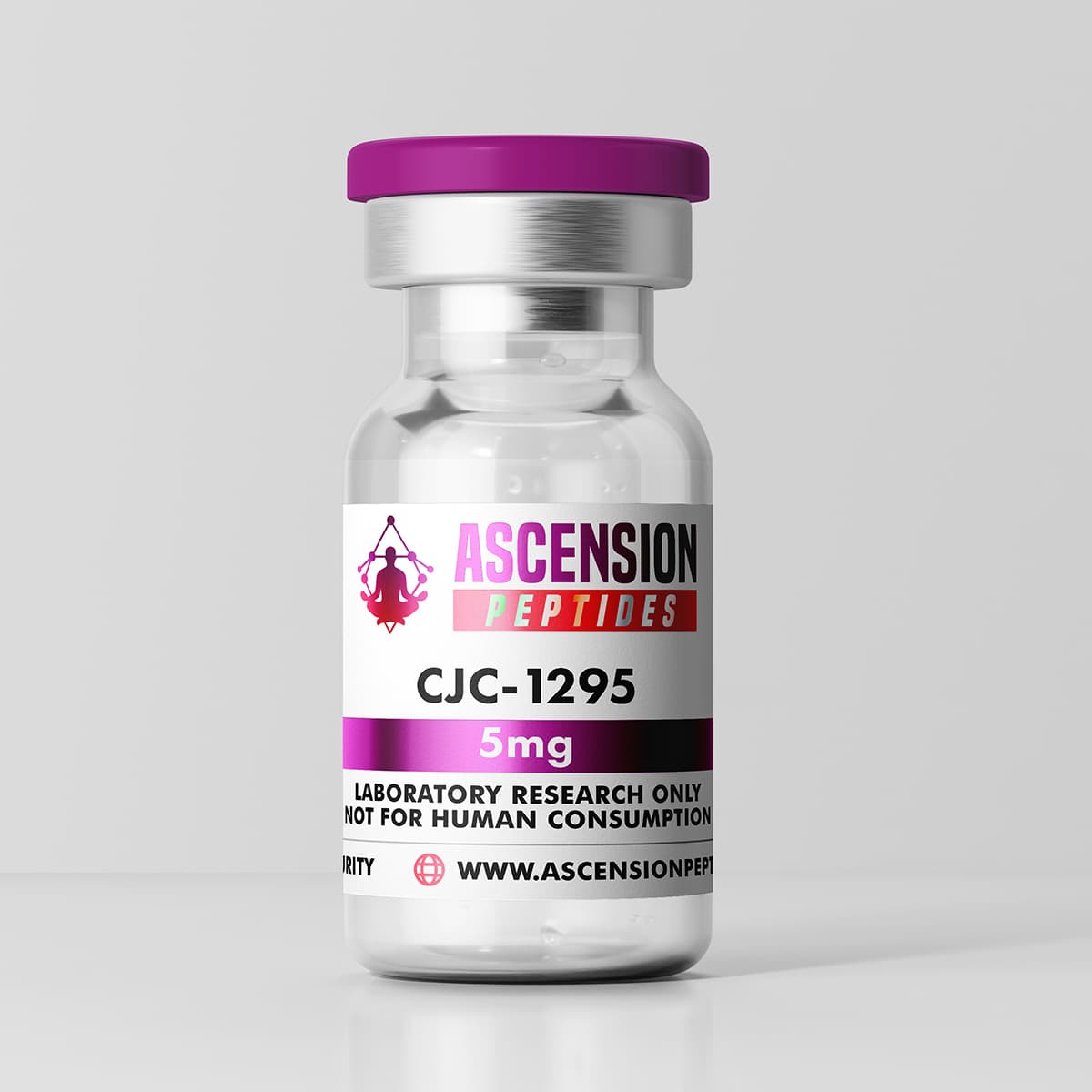
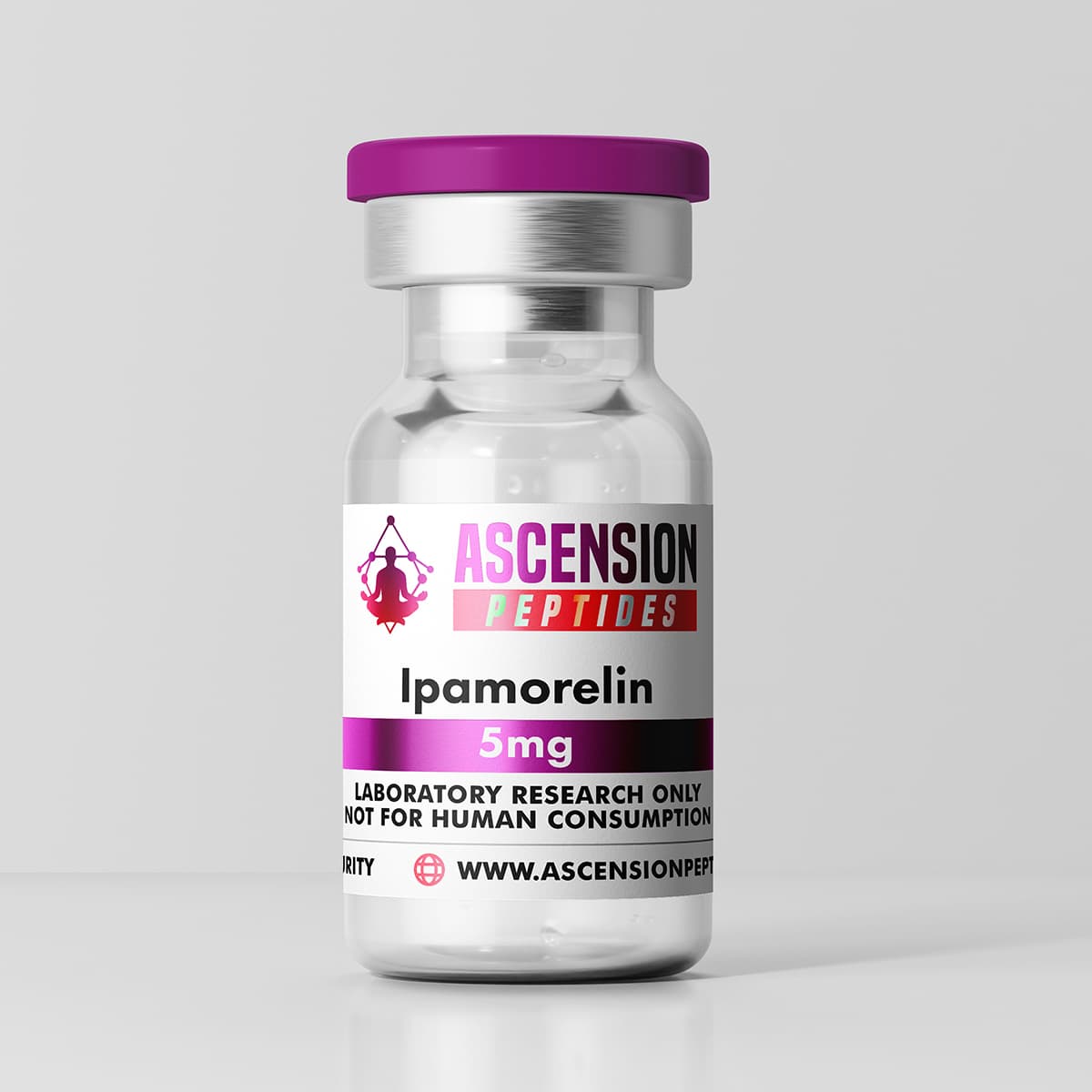
- Mechanistically independent peptides (different receptors, different pathways) carry lower interaction riskSome combinations — like CJC-1295 + Ipamorelin — are specifically designed to work synergistically
- No FDA-approved multi-peptide combination protocols exist for general human use
- Always work with a licensed medical professional before combining research compounds
The Case for Combining Peptides
The primary rationale behind peptide stacking is mechanistic independence. Many peptides target entirely different receptors and biological pathways, meaning their physiological effects should not meaningfully interfere with each other — and may complement each other when combined.
This logic parallels how combination pharmacotherapy works in conventional medicine. Physicians routinely combine agents with distinct mechanisms (for example, two different antihypertensives acting on separate pathways) when a single agent is insufficient to achieve the treatment goal.
In the peptide context, common mechanistic pairings include:
- Tissue repair + GH axis stimulation: Healing-focused peptides like BPC-157 and TB-500 work primarily through growth factor upregulation, nitric oxide signaling, and angiogenesis — largely independent of the hypothalamic-pituitary-GH axis targeted by secretagogues.
- Metabolic regulation + tissue repair: GLP-1 receptor agonists like Semaglutide modulate insulin secretion and appetite signaling through pathways that have minimal mechanistic overlap with repair peptides.
- Topical + injectable peptides: Skin-focused peptides like GHK-Cu applied topically operate through local dermal mechanisms with negligible systemic interaction with injected compounds.
Beyond simple independence, some stacks are designed around genuine synergy — two compounds amplifying the same downstream outcome through complementary mechanisms.
Common Peptide Stacks and Their Rationale
GHRH + GHRP: The Foundational GH Stack
The most well-characterized multi-peptide combination in the research literature is the pairing of a growth hormone-releasing hormone (GHRH) analog with a growth hormone-releasing peptide (GHRP). CJC-1295 combined with Ipamorelin is the most commonly cited example.
The mechanistic logic here is robust:
- CJC-1295 (a GHRH analog) acts on GHRH receptors in the pituitary to stimulate GH release
- Ipamorelin (a GHRP/ghrelin mimetic) acts on ghrelin receptors (GHS-R1a) through a distinct mechanism
- When used together, the two pathways converge synergistically on the somatotroph cells of the pituitary, producing significantly greater GH pulse amplitude than either compound alone
Research on GHRH + GHRP combinations — including studies using Sermorelin with various GHRPs — has demonstrated this synergistic GH release effect in controlled settings. This is one of the few multi-peptide combinations with actual clinical data supporting the combination rationale, rather than purely theoretical reasoning.
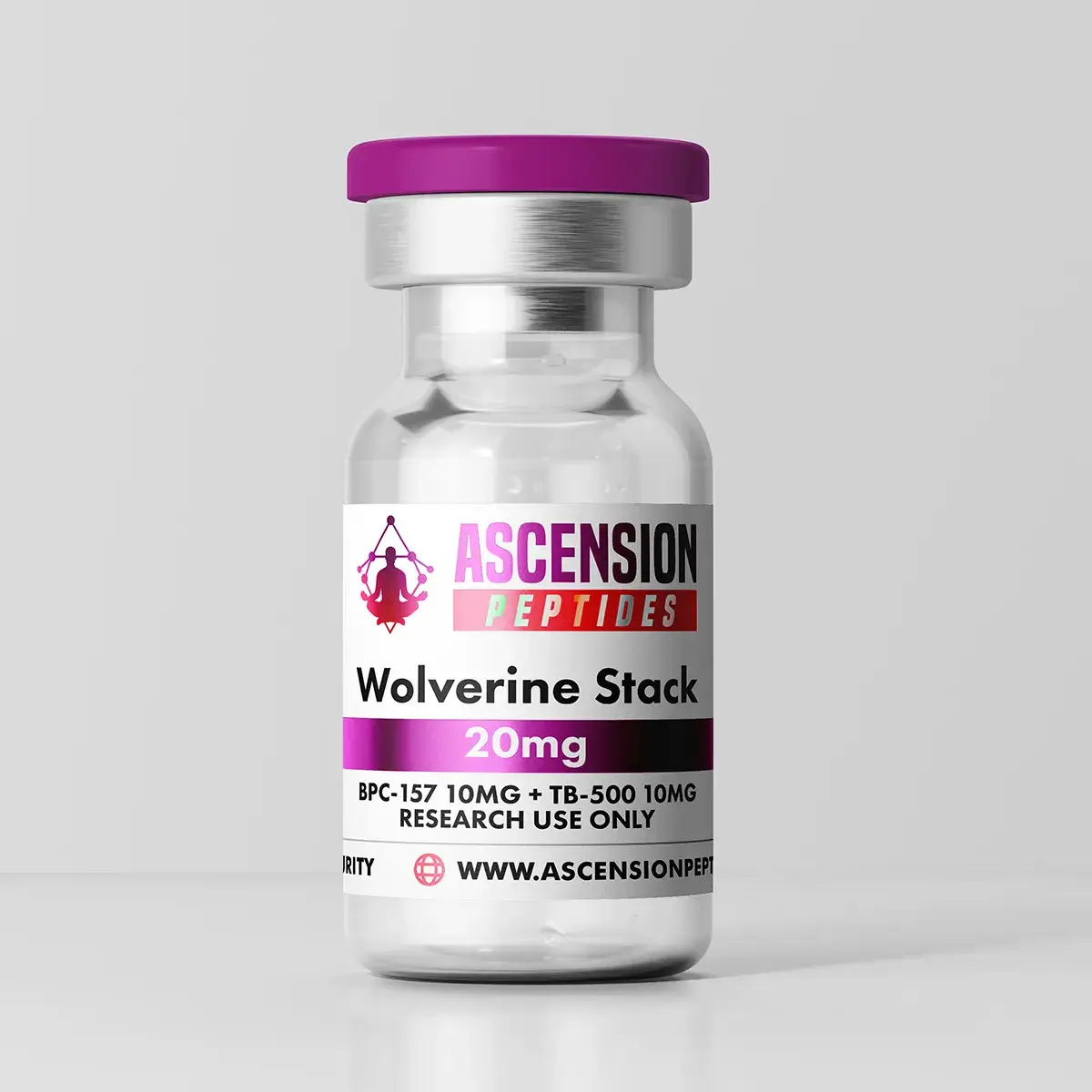
BPC-157 + TB-500: The Healing Stack
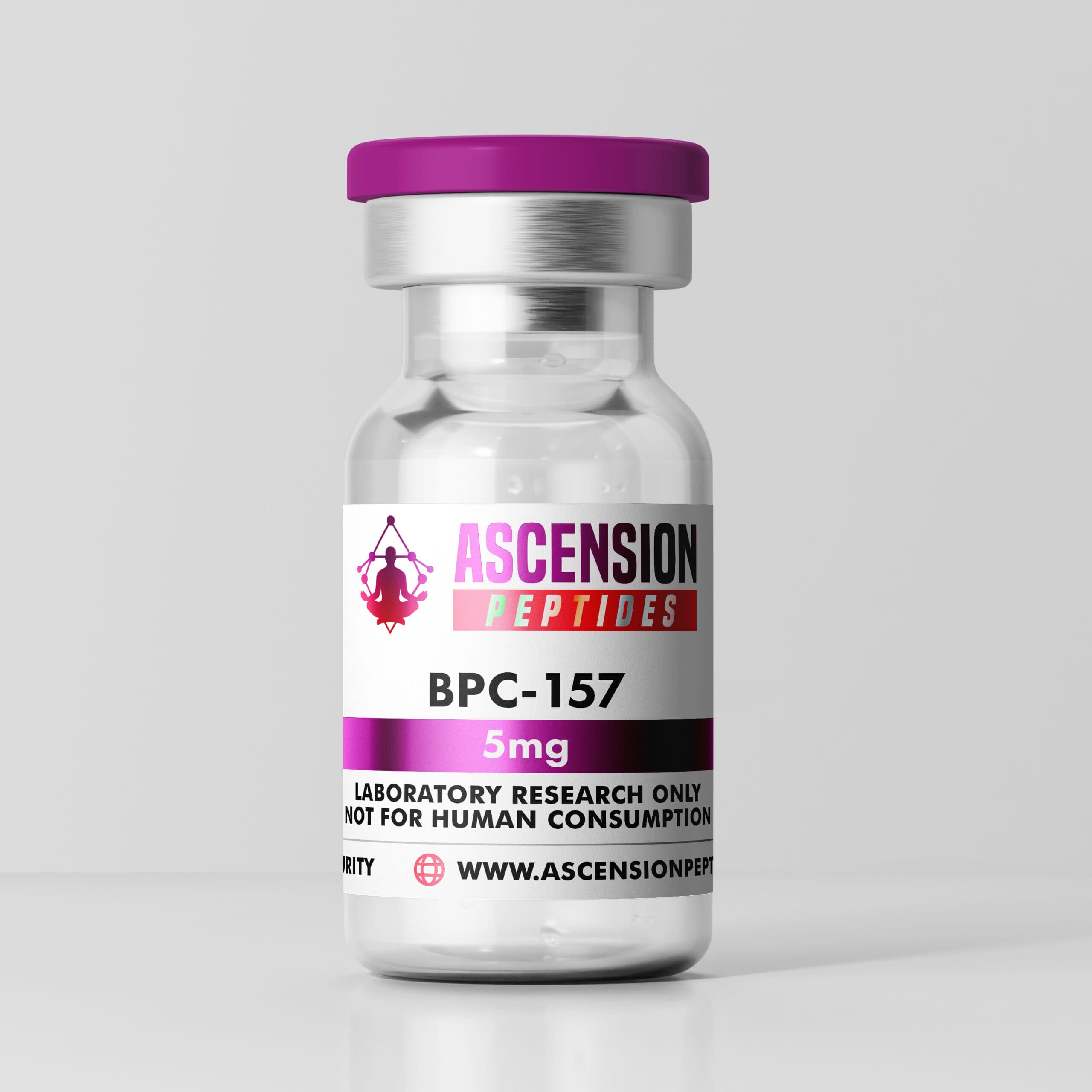
Pairing BPC-157 with TB-500 is widely discussed in research communities focused on tissue repair. Each compound contributes differently:
- BPC-157 promotes angiogenesis, upregulates growth factor expression, and has demonstrated protective effects on gastrointestinal tissue, tendons, and ligaments in animal models
- TB-500 (Thymosin Beta-4 fragment) primarily works by upregulating actin — a protein critical for cell migration and tissue regeneration — and has shown benefit in wound healing and cardiac tissue repair in preclinical research
The two compounds appear to act on complementary aspects of tissue repair: BPC-157 emphasizing vascular and growth factor support, TB-500 emphasizing cellular migration and actin dynamics. No formal human trials have studied this specific combination, but their mechanistic independence makes significant pharmacological conflict unlikely.
GH Secretagogues + Body Composition Peptides
Stacks combining GH-axis peptides with metabolic agents represent another common category. For example, using MK-677 (an oral GHS-R agonist) alongside a GLP-1 receptor agonist addresses two distinct metabolic pathways — GH pulse stimulation and incretin-mediated insulin and appetite regulation — through entirely separate receptor systems.
The potential concern with this type of stack is metabolic: MK-677 is associated with transient insulin resistance and increased appetite, while GLP-1 agonists reduce appetite and improve insulin sensitivity. Whether these effects offset each other beneficially or create unpredictable interactions requires individualized monitoring.
Risks of Taking Multiple Peptides at Once
Understanding the potential risks of peptide stacking is as important as understanding the rationale. Several categories of concern deserve attention:
Additive Side Effect Burden
Even when two peptides operate through independent pathways, their individual side effect profiles can stack additively. For example, if both compounds in a stack cause transient water retention, injection site reactions, or mild fatigue, the combined experience may be significantly more burdensome than either compound alone — even in the absence of any pharmacological interaction.
Unknown Interaction Effects
Mechanistic independence at the receptor level does not guarantee independence at every downstream signaling node. Many peptide pathways converge on shared intracellular mediators, hormonal feedback loops, or inflammatory cascades. These downstream intersections have rarely been studied in the context of combination protocols.
Attribution Difficulty
From a practical research perspective, running multiple peptides simultaneously makes it nearly impossible to identify which compound is responsible for a given outcome — beneficial or adverse. This matters both for troubleshooting side effects and for understanding what is actually working.
- Both peptides act on overlapping hormonal feedback loops (e.g., two GH axis compounds with different receptor targets but shared feedback)
- Individual response to either compound has not been established at baseline
- No medical supervision or baseline bloodwork in place
- More than three compounds in a single protocol (complexity increases exponentially)
- Compounds with known individual side effect profiles that may compound
Compounding Hormonal Feedback Suppression
This risk is most relevant for GH-axis stacks. Using multiple compounds that stimulate GH release simultaneously — for example, a GHRH analog, a GHRP, and an oral GHS-R agonist like MK-677 together — risks overstimulating the GH axis and triggering stronger negative feedback (somatostatin upregulation) than any single agent would. Over time, this could blunt the effectiveness of each compound.
How to Approach Multi-Peptide Protocols Responsibly
For researchers and individuals evaluating peptide stacking under medical supervision, the following framework reflects best practices from the research community:
- Establish individual responses first. Ideally, each compound in a planned stack should be trialed individually before combining, allowing baseline response and tolerance to be characterized.
- Limit stack size to 2–3 compounds. Complexity increases interaction risk and makes interpretation of outcomes difficult.
- Prioritize mechanistic independence. Choose combinations where compounds target clearly distinct receptor systems and biological pathways.
- Obtain baseline bloodwork. Hormone panels, metabolic markers, and inflammatory markers provide a baseline against which to evaluate any stack's effects.
- Introduce one new compound at a time. When adding a second or third peptide, stagger the introduction so any new effects can be attributed correctly.
- Work with a licensed medical professional. No multi-peptide protocol should be self-administered without qualified oversight, particularly for compounds affecting hormonal axes.
Timing Considerations
Some compounds within a stack have timing requirements that may or may not be compatible. GHRH + GHRP combinations, for example, are most effective when dosed together at the same time to achieve synergistic pituitary stimulation. Other stacks may involve compounds with different optimal administration windows — for instance, fasted versus fed state, or pre-sleep versus morning dosing — that require careful scheduling.
Cycling
Most peptide protocols, whether single-compound or stacked, involve cycling — periods of use followed by rest periods. This is particularly important for GH-axis peptides where receptor desensitization and feedback suppression are legitimate concerns. Multi-peptide stacks that all affect the same axis should share a unified cycling schedule rather than staggered schedules that eliminate any true rest from that pathway.
FAQs: Taking Multiple Peptides Together
Key Takeaways on Taking Multiple Peptides Together
Peptide stacking is neither inherently dangerous nor inherently superior to single-compound protocols. The approach is rational when compounds are chosen for genuine mechanistic independence or synergy, introduced systematically, and monitored appropriately. It carries meaningful risks when protocols are overly complex, compounds overlap on the same axis without cycling, or individual compound responses have never been characterized.
The two most evidence-supported combination principles in current research are: (1) GHRH + GHRP co-administration for synergistic GH axis stimulation, and (2) mechanistically independent pairing of repair-focused and metabolic or GH-axis peptides. Beyond these frameworks, most multi-peptide stacks are built on theoretical rationale rather than direct clinical evidence.
Anyone evaluating a multi-peptide protocol should treat it as a research endeavor requiring careful baseline establishment, systematic introduction, and qualified medical oversight — not as a shortcut to amplified results.