HCG is easy to find online. Good HCG is not. Search "hcg for sale" and you get pregnancy tests, lab kits, diet drops and powder vials with no paperwork, all mixed together on the same page. This guide sorts the real options into three routes, puts a 2026 price on each one, and shows you the checks that separate a working vial from a white cake of sugar.
🔑 Key Takeaways
- There are three places to buy HCG, and the cheapest one per vial is not always the cheapest per shot you actually inject.
- The vial size that looks like the best deal can quietly waste more than half its units.
- A "98% purity" line on a lab report doesn't answer the question you think it answers.
- One question to ask any clinic that offers "compounded HCG" before you pay.
- What is really inside HCG drops and sprays (the FDA has an answer).
If you're on TRT, you already know why HCG is on your list. Your testosterone numbers look great, but your testicles have gone quiet, and if kids are still on the table that matters a lot. The hard part isn't deciding you want HCG. It's buying it without overpaying, getting a dud, or getting stuck when your pharmacy runs out.
HCG for Sale: The Three Places People Actually Buy It
Every seller falls into one of three groups. Each one trades price against paperwork, and each one has a different way of going wrong.
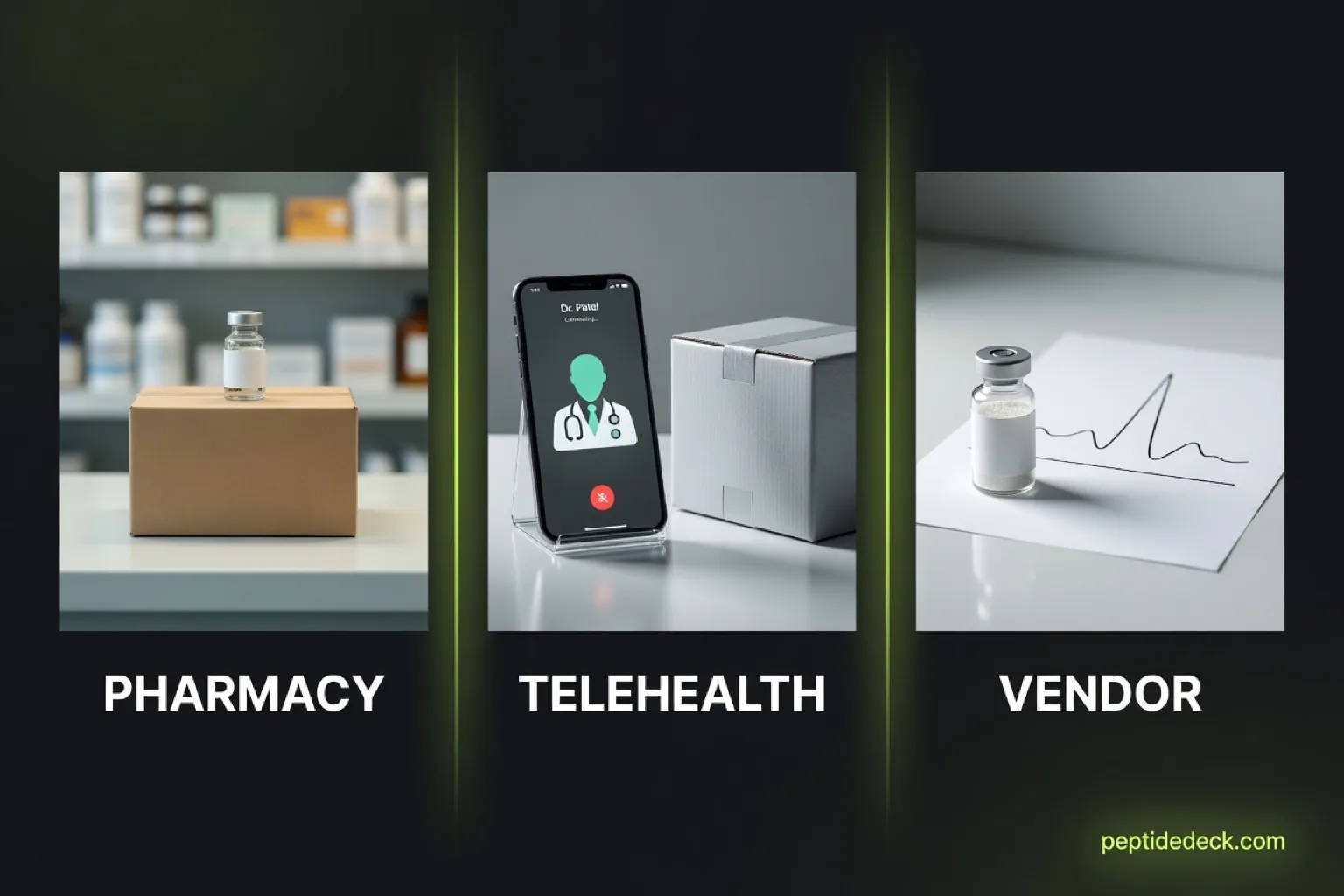
1. A pharmacy, with a prescription
This is the route the label was written for. In the US, the brand products are Pregnyl (Organon, 10,000 units per vial) and Novarel (Ferring, 5,000 or 10,000 units), plus a generic 10,000-unit kit from Fresenius Kabi. Each comes as powder with a vial of diluent to mix it in.
The labeled uses are narrow: undescended testicles in young boys, hypogonadotropic hypogonadism in men (low testosterone caused by the pituitary), and ovulation induction in women. Using HCG alongside TRT is off-label, which is legal for a doctor to prescribe but is the reason insurance often won't pay for it. Plan on cash unless your plan tells you otherwise in writing.
Skip Ovidrel for TRT. It's a recombinant HCG in a single-dose 250 mcg prefilled syringe built for one IVF trigger shot, not for twice-weekly use.
2. A telehealth or TRT clinic that ships it
This is the same prescription drug with the doctor bundled in. You fill out an intake, get blood drawn, talk to a prescriber, and a licensed pharmacy mails the HCG to your door. One clinic that ranks for this search lists HCG therapy from $199 a month, with a $125 lab panel billed separately. That price covers the visit, the drug, supplies and follow-up.
If you're already paying a TRT clinic, ask them first. Adding HCG to an existing plan is usually cheaper than starting a second one. Our best online TRT clinics comparison notes which ones offer it.
3. A peptide vendor, with no prescription
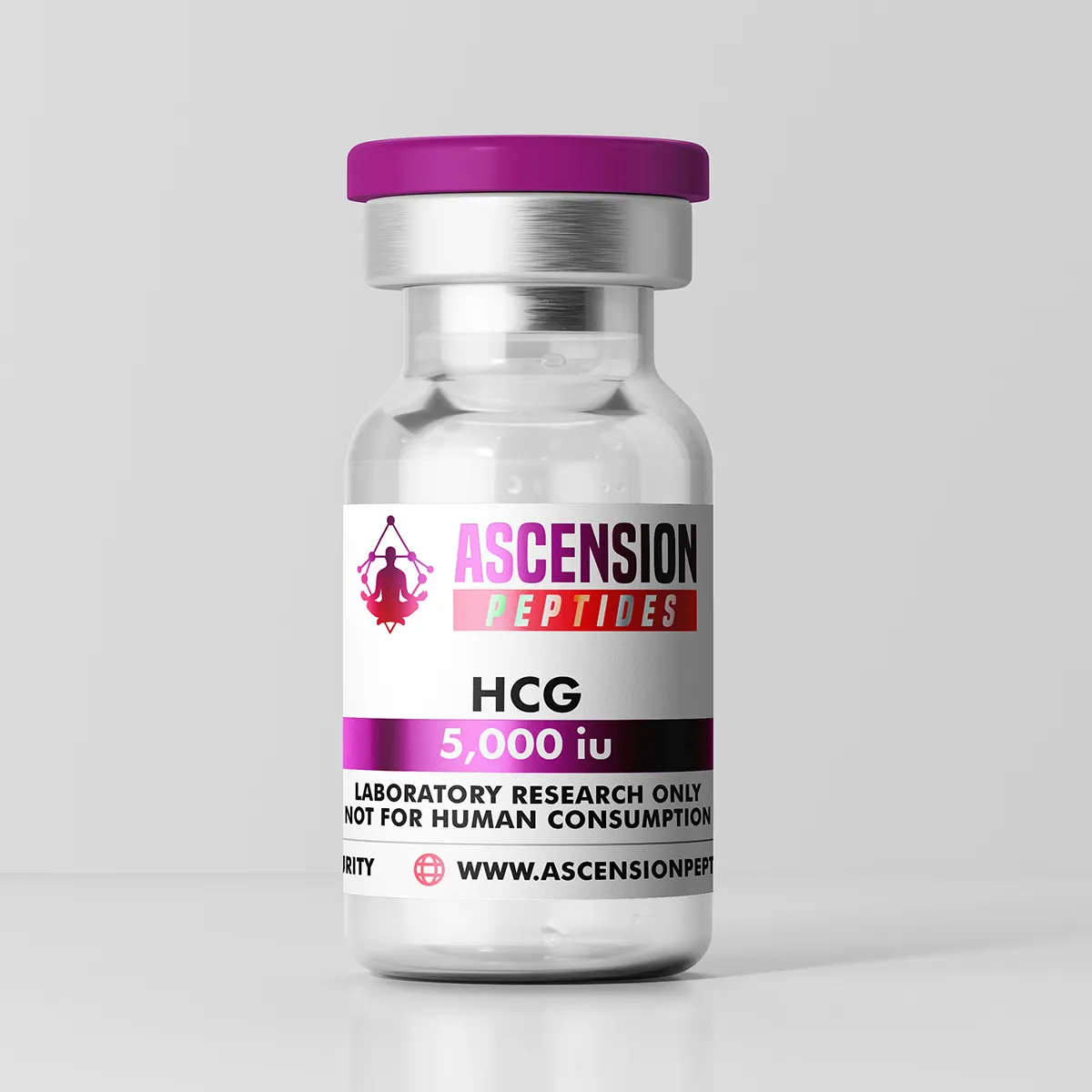
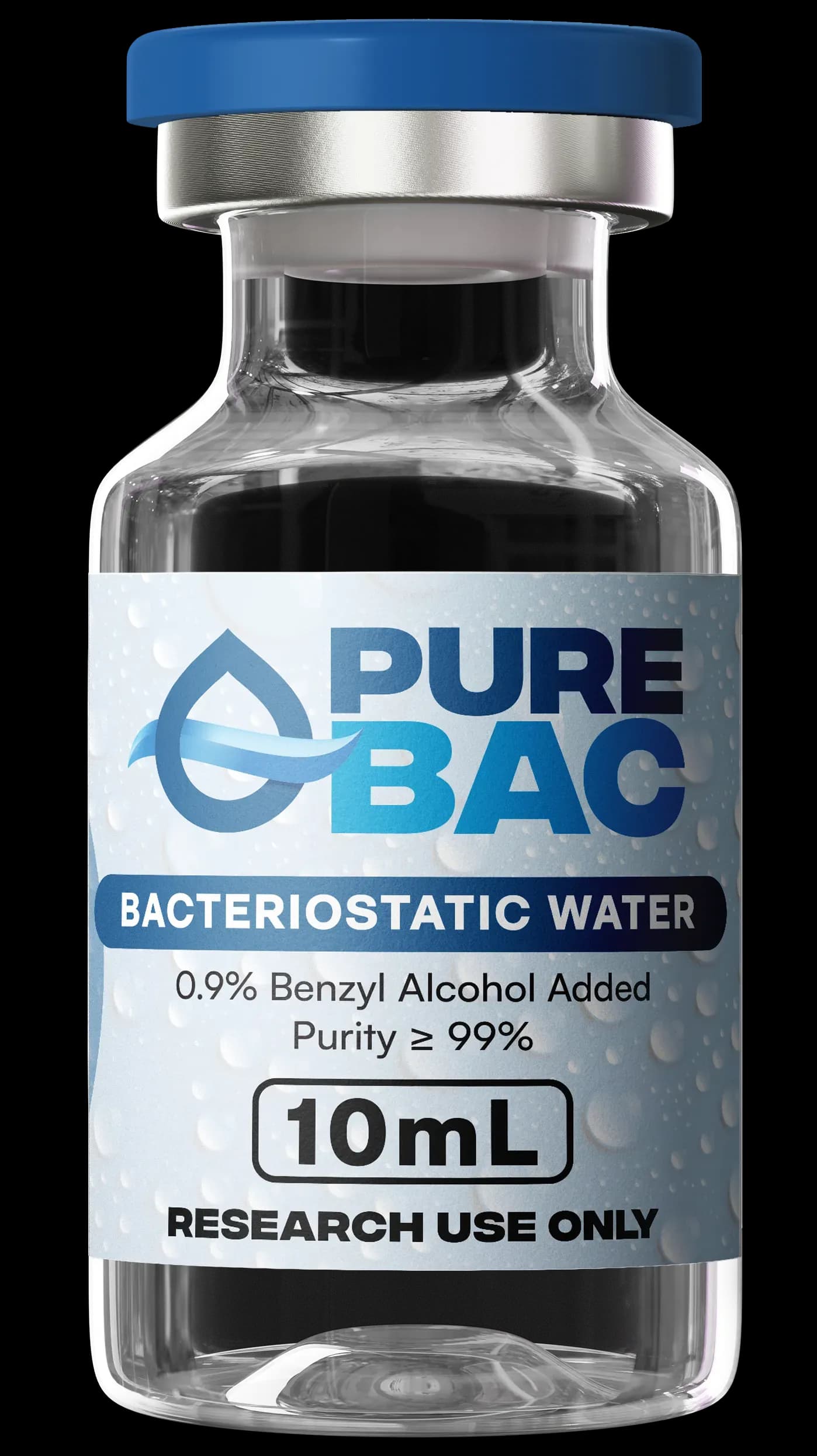
Vendors sell HCG as a freeze-dried powder, usually 5,000 units per vial, for roughly $60 to $95. You mix it yourself with bacteriostatic water. The appeal is obvious: no visit, no labs, no pharmacy stock problems, and a lower price per unit.
The trade-off needs saying plainly. The FDA's position is that "HCG is not approved for use without a prescription for any purpose." A vendor vial sits outside that system. No pharmacist checks it, no doctor watches your estradiol, and quality depends entirely on the seller and the lab report they publish. If you go this way, the checks later in this guide are not optional.
What HCG Costs in 2026, Route by Route
Sticker prices mislead. What matters is what you pay for the units you actually inject.
For scale: the most-cited TRT protocols use 250 to 500 units every other day. That's about 15 shots a month, or 3,750 to 7,500 units.
Pharmacy prices come from GoodRx (updated August 24, 2026), which showed Pregnyl from $183.78 up to $401 at the counter and a $443.72 list price, and SingleCare, which showed $350 to $382 at Kroger, CVS and Walgreens on September 25, 2026. Prices move month to month, so run your own zip code before you fill.
On paper, the vendor vial wins by a wide margin. But the per-unit column assumes you use every unit in the vial. Most people don't, and the reason has nothing to do with price.
The Discard-Date Trap: Why the Big Vial Can Cost More
Mixed HCG has an expiry clock.
Once you add water, the labels set hard limits. Pregnyl says refrigerate and discard after 60 days. Novarel says use within 30 days. Vendor powder comes with no labeled window at all, so the safe assumption is the shorter brand rule.
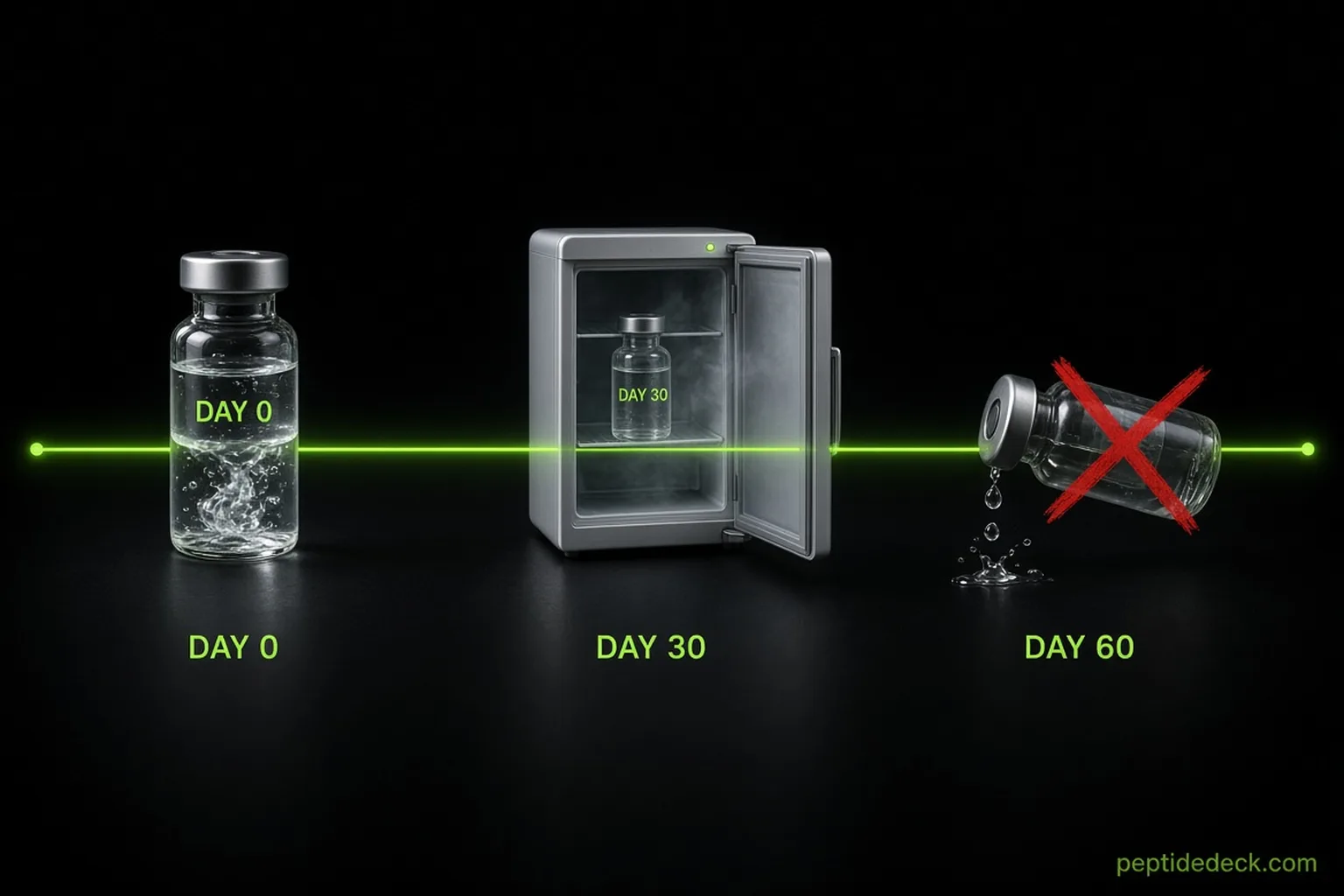
Worked example: 250 units every other day (about 3,750 units a month)
- Novarel 10,000 units, 30-day limit: you inject about 3,750 units and discard about 6,250. That's 62% of the vial thrown away.
- Pregnyl 10,000 units, 60-day limit: you inject about 7,500 units and discard about 2,500 (25%).
- A 5,000-unit vial on a 30-day rule: you inject about 3,750 units and discard about 1,250 (25%).
- At 500 units every other day (about 7,500 a month), a 10,000-unit Pregnyl vial is used up in roughly 40 days, well inside its window.
The lesson is simple. Match the vial to your dose. On a low dose, a 5,000-unit vial wastes less than a 10,000-unit Novarel vial, even if the bigger vial looks cheaper per unit on the receipt.
Mixing it right matters too. A 5,000-unit vial plus 2 mL of bacteriostatic water gives 2,500 units per mL, so a 250-unit dose is 0.1 mL, or 10 units on a U-100 insulin syringe. If your numbers differ, the peptide calculator does the conversion for you.
Is HCG Worth Buying? What It Does for You on TRT
Short answer: yes, if you care about fertility or testicular size.
When you start testosterone, your brain stops sending LH, the signal that keeps the testicles working. HCG stands in for that signal. In a 2005 trial of 29 men on weekly testosterone, testosterone inside the testicles fell 94% with no HCG. With 250 units every other day, it stayed within 7% of where it started.
Fertility data points the same way. In a review of 26 men using TRT plus 500 units of HCG every other day, none became azoospermic (zero sperm), semen numbers held steady, and 9 of them fathered a pregnancy during follow-up. It's a small study without a control group, but it's the reason HCG became the default TRT add-on.
For dosing detail, see our HCG on TRT guide, and for the basics of how the hormone works, the HCG peptide overview.
Why "Compounded HCG" Is a Question, Not a Selling Point
HCG used to be cheap and everywhere. Then the rules changed.
On March 23, 2020, FDA moved HCG products from the drug list to the biologics list, along with Pregnyl, Novarel and Ovidrel. That matters because the agency's answer to "Can biologics be compounded?" is one word: "No." Biologics don't qualify for the compounding exemptions that let pharmacies make their own versions of drugs.
You can see the effect in the market. At least one large compounding pharmacy that ranks for this search now lists brand Pregnyl on its HCG page. Some TRT clinics dropped HCG and substituted other drugs, most often gonadorelin; our gonadorelin vs HCG comparison covers whether that swap holds up.
Ask this before you pay: "Is this Pregnyl, Novarel, a generic, or something prepared in-house?" A clear answer is a good sign. A vague one tells you more than any marketing page.
Buying HCG From a Vendor: How to Check the Vial
Here's the uncomfortable part.
Poland's national medicines lab tested performance drugs seized by police between 2020 and 2024. Of 16 products labeled as HCG, 6 contained no HCG. The lab found only mannitol, a sugar used to bulk up freeze-dried powder. Real vials contain mannitol too (Novarel's label lists 100 mg per vial), which is exactly why a fake looks identical: a clean white cake at the bottom of the glass.
Those were black-market products, not vendors that publish lab reports. Still, it tells you what you're guarding against. Use these checks:
- The batch number on your vial matches the lab report. A generic report that isn't tied to a lot number proves nothing about your vial.
- The test is recent and the lab is real. Look for a test date within the last year and a testing lab you can look up and contact.
- The powder is intact. A solid cake, not a collapsed, sticky or yellowed smear.
- The price is sane. Legit 5,000-unit vials cluster around $60 to $95. Far below that, ask how.
- It ships from the US, so it isn't sitting in customs heat for two weeks.
Our guide to reading a peptide COA walks through a report line by line, and our list of legit peptide vendors shows how the main sellers compare on testing.
The purity number doesn't count units
HCG is dosed in units, and a unit is a measure of biological activity, not weight. Most vendor lab reports measure something else: purity by HPLC, which tells you what share of the powder is one substance.
Take Ascension, the vendor we link on this page. Its HCG report from MZ Biolabs (lot 39-07250828) shows 98.25% purity by HPLC-UV, and the product page lists a newer batch tested February 2, 2026. That's a real, batch-matched third-party test, which is more than many sellers publish. What it doesn't do is confirm that the vial holds 5,000 working units. Few vendor reports do.
That gap doesn't make the vial worthless. It means you confirm results the way a doctor would: with blood work. If you're not on TRT, testosterone should rise on HCG. If you are, watch estradiol and, if fertility matters, get a semen analysis after three months.
A 60-second presence check: home pregnancy tests detect HCG. A drop of your mixed solution diluted in a cup of water should turn a strip positive. That tells you HCG is in the vial. It can't tell you whether you have 5,000 units or 500.
Red Flags: HCG Products to Skip
Some listings aren't worth a second look.
- Drops, pellets and sprays. The FDA tells consumers to avoid HCG weight-loss products sold in these forms. Many are labeled homeopathic, and a homeopathic "30X" dilution means one part in 10 to the 30th power. Practically none of the hormone is left.
- Anything sold for weight loss. The Pregnyl, Novarel and generic labels all state there is no substantial evidence it increases weight loss beyond calorie restriction. A meta-analysis of 24 trials reached the same verdict: of the 12 better-quality studies, only one called HCG useful.
- "Pharmacy grade, no prescription needed." Pharmacy HCG requires a prescription. A seller claiming both is lying about one of them.
- Pre-mixed liquid shipped warm. Mixed HCG belongs in the fridge. A liquid vial that arrives at room temperature after days in transit is a gamble.
- No lab report, or one with no lot number. See above.
Where to Get HCG Legally, Step by Step
If you want the prescription route, this is the path.
- Get baseline labs. Total and free testosterone, LH, FSH and estradiol. Add a semen analysis if fertility is the reason.
- Pick a prescriber. Your current TRT clinic, a urologist, or a telehealth clinic. Our how to get TRT guide covers the options.
- Ask for the right vial. Tell the prescriber your dose so the vial size fits the 30- or 60-day window.
- Price-shop before you fill. Discount card prices for the same vial varied by more than $200 between pharmacies in our check. Call ahead to confirm stock, since supply has been patchy since 2020.
- Store it right. Unmixed Pregnyl stays at room temperature (59 to 77°F). Once mixed, keep it at 36 to 46°F, don't freeze it, and don't shake it. More in our peptide storage guide.
If HCG ends up too expensive or hard to find, there are other ways to keep your own production running. Enclomiphene is an oral option that works upstream; see enclomiphene vs HCG for how the two compare. Monthly TRT costs, with and without add-ons, are in our TRT cost breakdown.
Frequently Asked Questions
Medical Disclaimer: This article is for informational purposes only and does not constitute medical advice. HCG is a prescription drug in the US, and its use alongside testosterone therapy is off-label. Prices and availability change often. Talk to your doctor before starting, changing or stopping HCG or any hormone therapy, and get blood work to monitor your response.