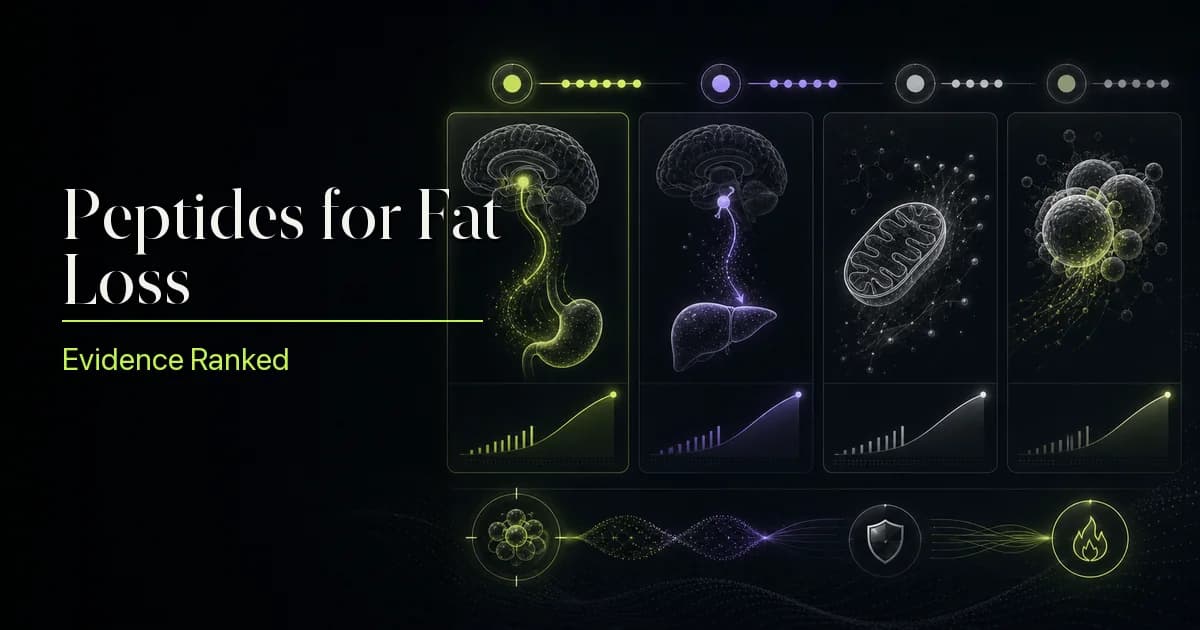
Best Peptides for Fat Loss in 2026: Ranked by Clinical Evidence
If you've searched "peptide for fat loss" and found yourself overwhelmed by conflicting claims, you're not alone. The peptide space has exploded from FDA-approved GLP-1 medications producing 20%+ weight loss to research-grade growth hormone secretagogues targeting visceral fat. The problem is that most guides lump them all together as if tirzepatide and BPC-157 are equivalent options. They are not.
This guide ranks the top 7 peptides for fat loss by actual clinical evidence not hype. We separate what the trials prove from what the forums claim, give you real dosage protocols, and help you understand how to choose based on your goals, budget, and health status.
Whether you're evaluating a peptide weight loss protocol for the first time or upgrading from semaglutide to something more potent, this is the most comprehensive, evidence-ranked breakdown you'll find in 2026.
How We Ranked These Peptides for Fat Loss
Every peptide on this list was evaluated on three criteria:
- Efficacy: Documented percentage of body weight lost in human clinical trials
- Mechanism specificity: Does it target fat specifically, or does it cause broad weight changes including muscle?
- Evidence quality: Large randomized controlled trials score higher than small pilot studies or animal data
Peptides with only preclinical (animal) data are ranked lower regardless of online enthusiasm. Claims are labeled as "clinical" or "preclinical" throughout this guide so you always know what level of evidence you're working with.
Ranked Comparison: Best Peptides for Fat Loss in 2026
#1 Retatrutide The Most Powerful Peptide for Fat Loss
What Is It?
Retatrutide is a next-generation triple receptor agonist developed by Eli Lilly, simultaneously activating GLP-1, GIP, and glucagon receptors. It is currently in Phase 3 trials under the TRIUMPH program and has not yet received FDA approval, but its Phase 2 results have reshaped what we thought was possible with pharmacological fat loss.
Clinical Evidence
The landmark TRIUMPH-4 Phase 2 trial published in the New England Journal of Medicine (2023) is the most important fat loss data point of the decade. At 48 weeks, participants receiving the highest dose of retatrutide (12mg weekly) lost a mean of 28.7% of their body weight nearly twice what semaglutide achieves. That's roughly 29 kg (64 lbs) for a 100 kg person.
Critically, retatrutide's glucagon receptor component adds direct lipolytic activity it doesn't just suppress appetite, it actively signals fat cells to release stored energy. This makes it mechanistically superior to GLP-1-only agents for targeting body fat specifically.
Mechanism
- GLP-1 activation: Reduces appetite, slows gastric emptying, improves insulin sensitivity
- GIP activation: Enhances fat metabolism, reduces nausea relative to GLP-1 alone, improves lipid profiles
- Glucagon activation: Direct lipolysis signals adipose tissue to release stored fat for energy; increases thermogenesis and resting metabolic rate
Dosage Protocol
Phase 2 trials used weekly subcutaneous injections with a titration schedule:
- Weeks 1–4: 2mg/week
- Weeks 5–8: 4mg/week
- Weeks 9–12: 8mg/week
- Week 13+: 12mg/week (maintenance)
See our full retatrutide dosing guide for titration protocols and side effect management. Use the dose calculator to determine your personalized starting dose.
Pros and Cons
Pros:
- Highest documented fat loss efficacy of any peptide (28.7%)
- Triple mechanism provides superior lipolysis vs. dual agonists
- Significant visceral fat reduction targeting metabolically most dangerous fat type
- Phase 3 trials ongoing; FDA submission expected 2025–2026
Cons:
- Not yet FDA-approved; currently only available as a research compound
- Limited long-term safety data beyond 48 weeks
- GI side effects (nausea, vomiting) during dose escalation mitigated by slow titration
- Premium pricing as a research peptide
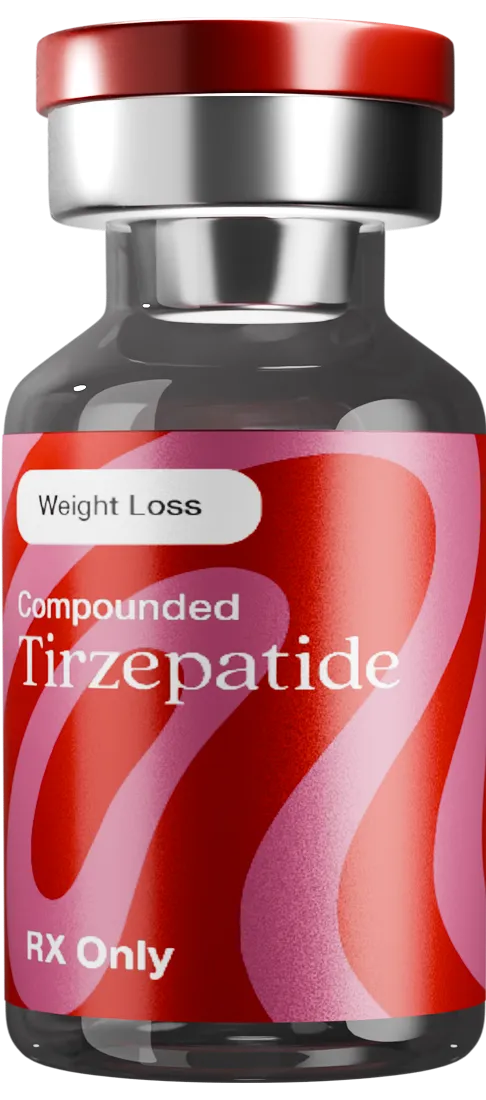
#2 Tirzepatide Best FDA-Approved Peptide for Fat Loss
What Is It?
Tirzepatide (brand names Mounjaro for diabetes, Zepbound for obesity) is Eli Lilly's dual agonist targeting both GLP-1 and GIP receptors. FDA-approved for weight management since November 2023, it represents the current gold standard for prescription peptide fat loss therapy.
Clinical Evidence
The SURMOUNT-1 trial enrolled 2,539 adults with obesity or overweight with at least one comorbidity. Over 72 weeks at the maximum 15mg dose, participants lost a mean of 20.9% body weight approximately 22.5 kg (49.5 lbs). Compared to semaglutide in head-to-head studies, tirzepatide users are 3.24 times more likely to achieve 15%+ weight loss.
SURMOUNT-2, 3, and 4 trials further confirmed tirzepatide's efficacy across diverse populations including type 2 diabetics, where even with the metabolic headwind of diabetes, participants lost over 15% body weight.
Mechanism
By combining GLP-1 and GIP receptor activation, tirzepatide achieves additive and possibly synergistic effects on appetite suppression, insulin sensitivity, and fat metabolism. The GIP component appears to reduce the nausea burden of GLP-1 receptor stimulation while enhancing fat oxidation in adipose tissue.
Dosage Protocol
- Starting dose: 2.5mg/week (subcutaneous injection)
- Titration: Increase by 2.5mg every 4 weeks as tolerated
- Maintenance: 5mg, 10mg, or 15mg/week depending on response and tolerance
For the complete protocol, visit our tirzepatide dosage guide. Compare tirzepatide vs. semaglutide in detail at our side-by-side comparison.
Pros and Cons
Pros:
- FDA-approved highest regulatory confidence
- 20.9% mean weight loss in largest trial (SURMOUNT-1)
- Cardiovascular benefit data emerging (SURMOUNT-MMO trial)
- Weekly dosing, available via prescription through telehealth
- Consistently outperforms semaglutide in head-to-head data
Cons:
- Prescription required; not accessible as a research compound in most markets
- Insurance coverage variable; out-of-pocket cost ~$500–$1,000/month
- GI side effects in 30–40% of users during titration
- Weight regain on discontinuation without lifestyle maintenance
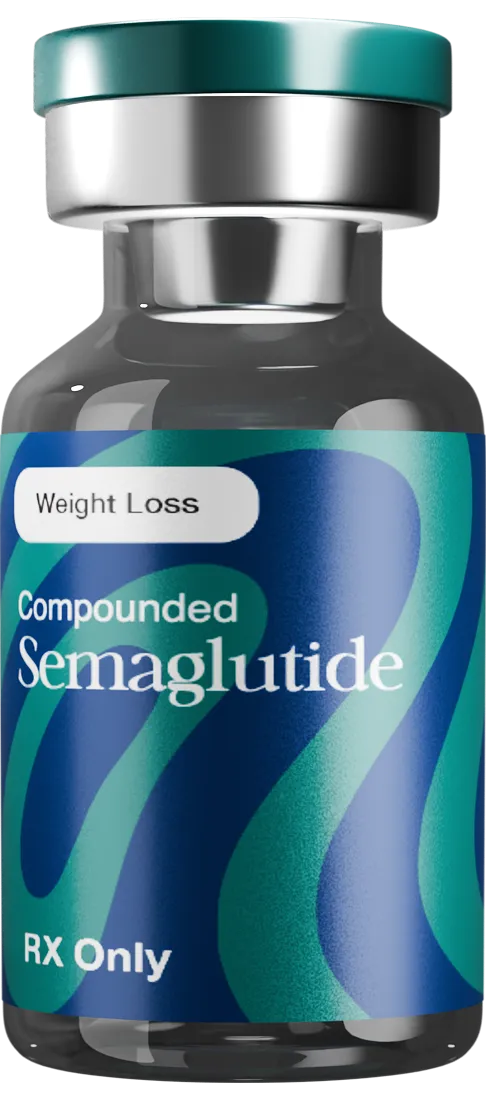
#3 Semaglutide The Benchmark GLP-1 for Peptide Weight Loss
What Is It?
Semaglutide (Wegovy for obesity, Ozempic for diabetes) is Novo Nordisk's once-weekly GLP-1 receptor agonist that essentially created the modern peptide weight loss category. It remains the most widely prescribed and studied peptide for fat loss globally, with over 5 years of post-market safety data.
Clinical Evidence
The STEP-1 trial 1,961 adults with obesity or overweight, 68 weeks established semaglutide's benchmark: 14.9% mean body weight reduction at 2.4mg/week. That's approximately 15.3 kg (33.7 lbs). The STEP-4 trial confirmed that discontinuation results in substantial weight regain (~12% of body weight within 1 year), underscoring the need for sustained treatment or robust lifestyle changes.
The SELECT cardiovascular outcomes trial further established semaglutide's safety and cardiovascular risk reduction benefits making it the first weight loss medication with demonstrated heart attack and stroke reduction.
Dosage Protocol
- Starting: 0.25mg/week subcutaneous
- Titration: +0.25mg every 4 weeks
- Target maintenance: 2.4mg/week (Wegovy label dose)
- Research protocol: Some practitioners use 0.5–1mg/week with comparable benefit at lower side effect burden
Pros and Cons
Pros:
- FDA-approved with the deepest evidence base of any weight loss peptide
- Widest prescription availability most telehealth platforms carry it
- Proven cardiovascular risk reduction (SELECT trial)
- Most studied long-term safety profile of any weight loss peptide
Cons:
- Lower efficacy ceiling than tirzepatide or retatrutide
- GI side effects in 40–50% of users during titration phase
- Requires indefinite use to maintain weight loss
- Compounded semaglutide quality varies widely sourcing matters critically
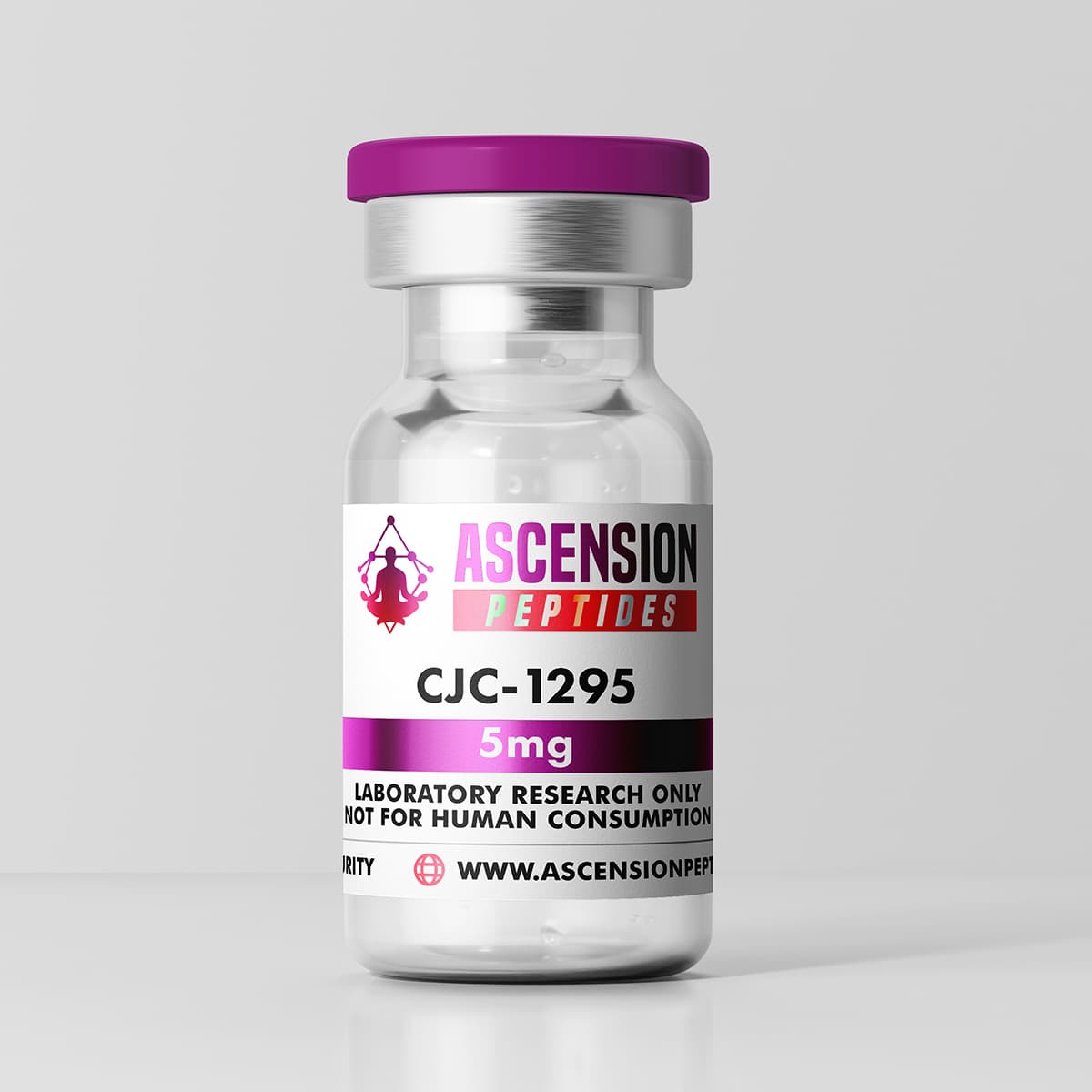
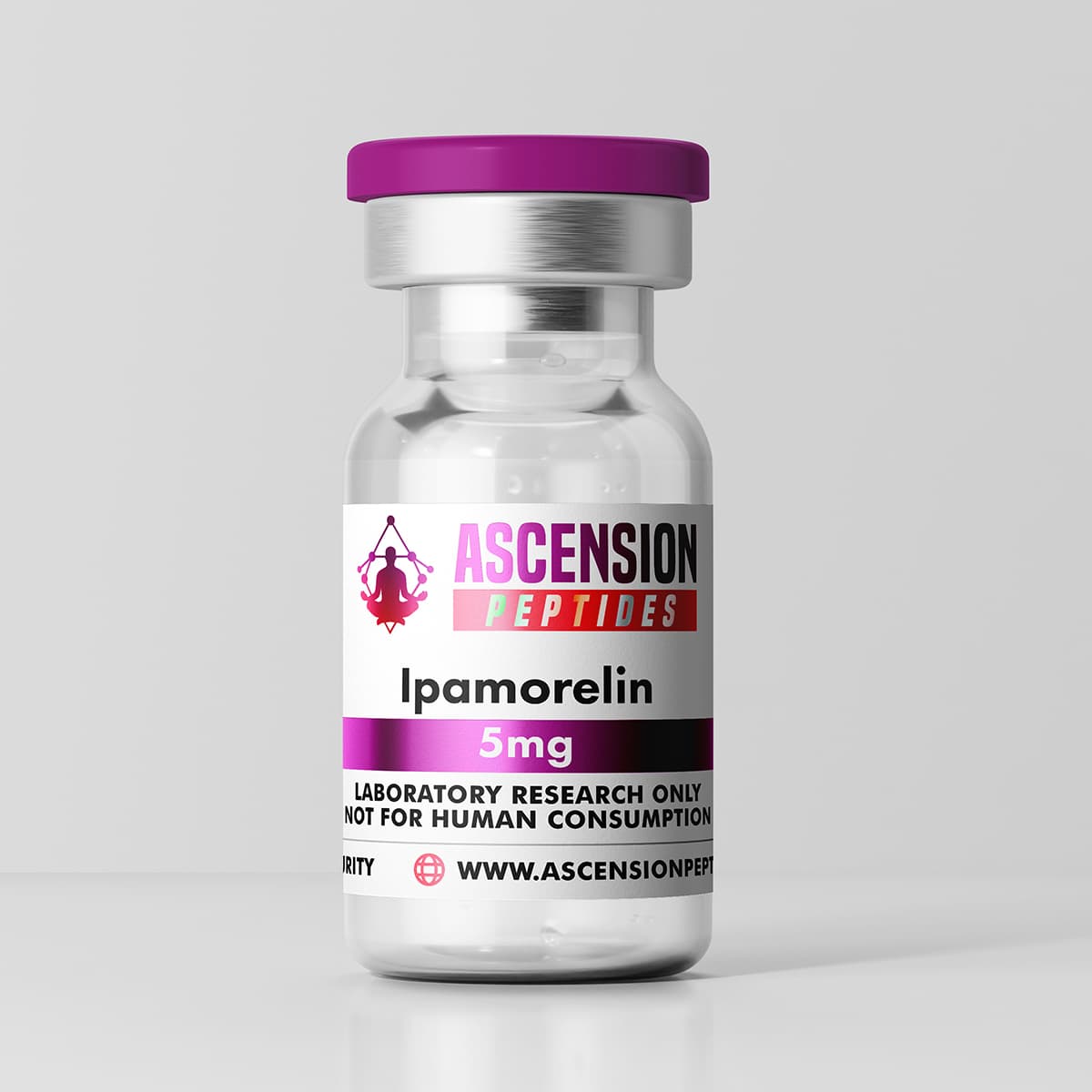
#4 CJC-1295 + Ipamorelin Best Research Peptide Stack for Fat Loss
What Is It?
The CJC-1295 + Ipamorelin stack is the most popular growth hormone secretagogue combination in the research peptide community. CJC-1295 is a modified GHRH (growth hormone releasing hormone) analog that provides sustained baseline GH elevation, while ipamorelin is a selective ghrelin mimetic that generates pulsatile GH release without the cortisol and prolactin spikes of older secretagogues like GHRP-6.
Mechanism
Growth hormone is the body's primary lipolytic hormone it directly signals adipose tissue to release stored triglycerides as free fatty acids for energy. GH declines sharply with age (roughly 15% per decade after 30), correlating with increased visceral fat accumulation. By amplifying both baseline and pulsatile GH secretion, this stack aims to restore the hormonal environment associated with leaner body composition:
- CJC-1295 (DAC): GHRH analog extends GH pulse amplitude and baseline secretion via drug affinity complex modification; half-life 6–8 days
- Ipamorelin: Ghrelin mimetic selectively stimulates pituitary GH release without significant cortisol, prolactin, or ACTH elevation; half-life ~2 hours
Clinical Evidence
Human RCT data for this combination specifically targeting fat loss is limited. CJC-1295 alone has demonstrated GH pulse amplification of 2–10x in published Phase 1/2 studies. Ipamorelin's GH-selectivity advantage is well-documented versus older GHRP compounds. The fat loss benefit is inferred from GH physiology research rather than dedicated weight loss RCTs an important distinction from the GLP-1 agents ranked above.
Observational and clinical practice data suggest this stack is most effective for visceral fat reduction and body recomposition (fat loss concurrent with muscle preservation), rather than the total scale weight reduction seen with GLP-1 agents.
Dosage Protocol
- CJC-1295 with DAC: 1–2mg twice weekly (Monday/Thursday), subcutaneous
- Ipamorelin: 200–300mcg, 2–3x daily (before bed is most important; pre-workout optional)
- Cycle: 12 weeks on, 4 weeks off to preserve pituitary sensitivity
- Best administered on an empty stomach or 2 hours post-meal for maximum GH response
Use our peptide calculator to dilute your vials correctly before use.
Pros and Cons
Pros:
- Improves body composition (fat loss + muscle preservation) simultaneously
- Particularly effective for visceral and subcutaneous abdominal fat
- Improved sleep quality and recovery GH peaks during deep sleep
- No appetite suppression side effects (well-tolerated)
- Available as research peptides without prescription in many markets
Cons:
- No large RCT data specifically for fat loss; mechanism-based evidence only
- Results are slower (3–6 months vs. weeks for GLP-1 agents)
- Requires multiple daily injections (ipamorelin component)
- Not FDA-approved; prohibited under WADA rules for tested athletes
- Total scale weight may not change dramatically despite meaningful fat loss
#5 Tesamorelin FDA-Approved for Visceral Fat (Off-Label Potential)
What Is It?
Tesamorelin is a synthetic GHRH analog approved by the FDA specifically for treatment of HIV-associated lipodystrophy a condition causing abnormal visceral fat accumulation. It has attracted significant off-label interest for visceral fat reduction in the general population given its specific mechanism and proven clinical efficacy.
Clinical Evidence
Two pivotal Phase 3 trials established tesamorelin's efficacy: at 2mg/day for 26 weeks, tesamorelin reduced visceral adipose tissue (VAT) by a mean of ~18% as measured by CT scan in HIV-positive patients. Secondary endpoints showed improvements in triglycerides, waist circumference, and quality of life scores.
Notably, tesamorelin targets visceral fat specifically the metabolically active abdominal fat most strongly associated with cardiovascular disease risk and insulin resistance. Its specificity makes it particularly attractive compared to GH secretagogue stacks that produce more systemic GH elevation.
Dosage Protocol
- Standard: 2mg/day subcutaneous injection
- Duration: Minimum 6 months for meaningful visceral fat reduction
- Administration: Reconstitute per label; rotate injection sites abdominally
- Monitoring: Periodic IGF-1 testing recommended
Pros and Cons
Pros:
- FDA-approved compound highest confidence in purity when sourced through pharmacy
- Strongest evidence base among GH-axis peptides for visceral fat specifically
- Once-daily injection (vs. multiple daily for GH peptide stacks)
- Metabolic benefits beyond fat: lipid profiles, waist circumference, glucose parameters
Cons:
- FDA approval limited to HIV-associated lipodystrophy off-label use for general fat loss
- Expensive: ~$1,000–2,000/month brand name (Egrifta); compounded versions cheaper
- Associated with increased IGF-1 levels potential oncological risk requires monitoring
- Joint pain, water retention, and elevated glucose are possible side effects
- Few telehealth providers carry it
#6 AOD-9604 The Fat-Specific GH Fragment

What Is It?
AOD-9604 is a modified C-terminal fragment of human growth hormone (amino acids 176–191), engineered to retain growth hormone's fat-burning properties while eliminating its anabolic and diabetogenic effects. Developed at Monash University, it reached Phase 2b clinical trials before development was halted by Metabolic Pharmaceuticals.
Clinical Evidence
A 12-week placebo-controlled trial found AOD-9604 at the optimal dose (500mcg/day) produced mean weight loss of 2.6 kg (5.7 lbs) modest compared to GLP-1 agents, but achieved through direct lipolysis rather than appetite suppression. Unlike full GH, AOD-9604 did not raise IGF-1 levels, suggesting the anabolic and potential proliferative effects of GH are absent from this fragment.
Mechanism
AOD-9604 appears to stimulate lipolysis via beta-3 adrenergic receptor activation and directly inhibits lipogenesis the formation of new fat tissue. Its selectivity for adipose tissue versus muscle tissue is its key theoretical advantage over GH-releasing strategies, though this selectivity hasn't been robustly replicated in large human trials.
Dosage Protocol
- Research dose: 250–500mcg/day subcutaneous injection
- Optimal timing: Fasted state, morning (before food)
- Cycle: 12–16 weeks; can be combined with CJC-1295/Ipamorelin stack for additive effect
Pros and Cons
Pros:
- Targets fat cells specifically does not raise IGF-1 or blood glucose
- Well-tolerated with minimal reported side effects in clinical trials
- No impact on muscle mass pure fat-targeted mechanism
- Synergistic when stacked with GH secretagogues
Cons:
- Modest clinical efficacy (2.6 kg over 12 weeks) vs. GLP-1 agents
- Clinical development halted; no ongoing large RCTs
- Not FDA-approved for any indication
- Limited long-term human safety data
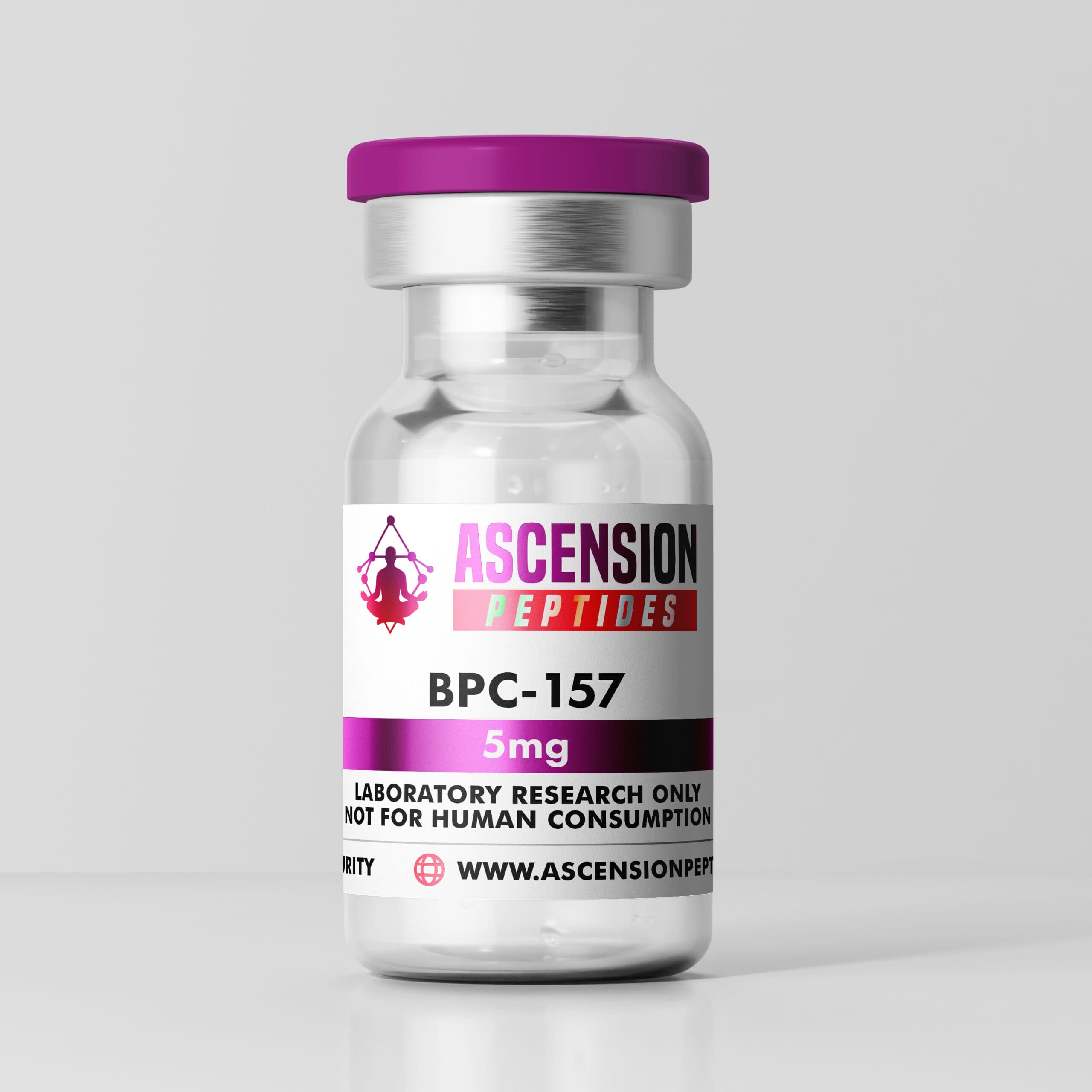
#7 BPC-157 Gut Health and Metabolic Support
What Is It?
BPC-157 (Body Protection Compound 157) is a synthetic pentadecapeptide derived from a protective protein found in gastric juice. It is primarily studied for healing and cytoprotective properties tendons, ligaments, gut lining, and neurological tissue rather than direct fat loss. However, its metabolic and gut-health effects make it a legitimate adjunct in fat loss peptide protocols.
Why It Appears on a Fat Loss List
BPC-157 ranks last because it does not cause meaningful direct fat loss. It earns its place as a fat loss protocol adjunct for two practical reasons:
- GI tolerance: GLP-1 agents cause nausea and GI distress in 30–50% of users. BPC-157's cytoprotective effects on gut epithelium may reduce side effects when stacked with semaglutide or tirzepatide primarily supported by preclinical data.
- Metabolic support: Animal studies show BPC-157 modulates dopamine and serotonin pathways and may improve insulin sensitivity mechanisms plausibly supporting the hormonal environment for fat loss.
Clinical Evidence
There are no published human RCTs for BPC-157 in any indication as of 2026 all evidence is preclinical (rodent studies) or anecdotal. Injectable BPC-157 for human use is not approved anywhere. It is sold legally as a research compound in most markets.
Dosage Protocol (Research Use)
- Research dose: 250–500mcg/day subcutaneous or intramuscular
- Oral: 500mcg–1mg/day on empty stomach for gut-targeted effects
- Typical fat loss context: Adjunct during GLP-1 therapy, not standalone
Pros and Cons
Pros:
- Excellent safety profile in animal models; no documented human toxicity
- May reduce GI side effects when co-administered with GLP-1 agents
- Anti-inflammatory and gut-healing effects support overall metabolic health
- Inexpensive relative to all other peptides on this list
Cons:
- Zero human RCT data for fat loss do not expect meaningful direct fat reduction
- Mechanism for fat loss is indirect and largely theoretical in humans
- Not a substitute for any higher-ranked peptide
Dosage Reference Table: All 7 Fat Loss Peptides
Calculate your exact vial concentrations and injection volumes using our reconstitution calculator and peptide dose calculator.
How to Choose the Right Peptide for Your Fat Loss Goals
- Maximum fat loss, medical supervision available: Tirzepatide (FDA-approved) or Retatrutide (research channel)
- FDA-approved with widest telehealth access: Semaglutide
- Body recomposition (fat loss + muscle preservation): CJC-1295 + Ipamorelin stack
- Specifically targeting visceral/abdominal fat, open to off-label Rx: Tesamorelin
- Stacking for enhanced results: GLP-1 + CJC-1295/Ipamorelin or add AOD-9604
- Managing GI side effects on a GLP-1 agent: Add BPC-157 as support
Key Considerations Before Starting Any Peptide for Fat Loss
- Health status: GLP-1 agents are contraindicated in patients with personal or family history of medullary thyroid carcinoma or MEN2 syndrome. Elevated GH peptides require monitoring in patients with active cancer or a history thereof. Always consult a physician first.
- Budget: FDA-approved GLP-1s cost $500–$1,000+/month without insurance. Research peptides (CJC-1295, Ipamorelin, AOD-9604) are significantly cheaper but carry more regulatory and quality uncertainty.
- Injection tolerance: All effective protocols require subcutaneous injections. Oral semaglutide (Rybelsus) exists but produces significantly less weight loss than injectable forms.
- Goal specificity: Absolute weight loss GLP-1 agents. Body recomposition GH secretagogue stack. Visceral fat focus Tesamorelin or tesamorelin-adjacent approaches.
- Timeline: GLP-1 agents produce results within weeks; GH-axis peptides require months. Set realistic expectations before choosing a protocol.
Stacking Protocols: Combining Peptides for Enhanced Fat Loss
Advanced practitioners often combine peptides to target multiple fat-loss pathways simultaneously. These are research-level protocols always work with a medical professional when combining compounds.
Stack 1: Maximum Fat Loss (GLP-1 + GH Secretagogue)
Goal: Aggressive fat loss while preserving lean muscle mass the most effective combination protocol available.
- Tirzepatide 5–15mg weekly (titrated to tolerance) primary fat loss driver via appetite suppression and metabolic effects
- CJC-1295 (DAC) 1mg twice weekly sustained GH elevation for muscle preservation and additional lipolysis
- Ipamorelin 200–300mcg nightly pulsatile GH release during sleep for recovery and fat metabolism
- BPC-157 250mcg daily (oral) GI protection during GLP-1 titration phase (optional)
Expected result: 20–25%+ body weight reduction over 6–12 months with superior lean mass retention vs. tirzepatide alone. The GH secretagogue component specifically targets visceral fat that GLP-1 agents may spare.
Stack 2: Research Peptide Protocol (No Prescription Required)
Goal: Meaningful fat loss and body recomposition without pharmaceutical GLP-1 agents.
- CJC-1295 (DAC) 1–2mg twice weekly GH amplification and baseline elevation
- Ipamorelin 200–300mcg twice daily (AM fasted + before bed) pulsatile GH stimulation
- AOD-9604 500mcg daily fasted AM targeted direct lipolysis as complement to GH elevation
- BPC-157 250mcg daily gut health and metabolic support throughout cycle
Expected result: Slower than GLP-1 protocols, but visible body recomposition within 12–16 weeks particularly around the abdomen and flanks. Best suited for individuals with BMI under 30 seeking body recomposition rather than significant total weight reduction.
Stack 3: Targeted Visceral Fat Protocol
Goal: Specifically reduce dangerous intra-abdominal (visceral) fat with metabolic health benefits.
- Tesamorelin 2mg daily direct GHRH-mediated visceral fat reduction (off-label via compounding pharmacy, physician oversight required)
- Ipamorelin 200mcg nightly complementary pulsatile GH stimulation
- AOD-9604 250mcg AM fasted optional: additional lipolytic support targeting subcutaneous fat
Expected result: Targeted visceral fat reduction of 15–25% over 6 months, with improvements in waist circumference, triglycerides, and insulin sensitivity. Requires physician oversight including periodic IGF-1 testing.
Realistic Timeline: What to Expect Week by Week
One of the biggest failures in peptide marketing is unrealistic timelines. Here's what clinical data not forums actually shows:
Key reality check: No peptide produces meaningful fat loss in under 4 weeks. Anyone claiming dramatic results in the first 2 weeks is experiencing water weight changes, not fat loss. True adipose tissue reduction requires sustained negative energy balance even GLP-1 appetite suppression assists rather than bypasses this biology.
Where to Buy Peptides for Weight Loss
The right sourcing strategy depends entirely on which peptide you're pursuing. Getting this wrong is the biggest risk in the space, since contaminated or under-dosed peptides are common. For retatrutide specifically, start with where to buy retatrutide.
FDA-Approved GLP-1 Agents (Semaglutide, Tirzepatide)
These require a prescription. The most practical route in 2026 is through telehealth platforms specializing in metabolic health. When evaluating providers, look for:
- Live physician consultation (not questionnaire-only prescribing)
- Pharmaceutical-grade compounds from licensed 503B compounding pharmacies
- Ongoing lab monitoring (HbA1c, comprehensive metabolic panel)
- Transparent pricing with no hidden ongoing fees
- Clinical protocols aligned with trial dosing schedules
For compounded semaglutide and tirzepatide specifically, verify the compounding pharmacy holds 503B outsourcing facility status this indicates FDA oversight and mandatory batch testing, unlike standard 503A pharmacies.
Research Peptides (CJC-1295, Ipamorelin, AOD-9604, BPC-157, Retatrutide)
Research peptides are sold for laboratory and research purposes. Quality verification is non-negotiable. When evaluating vendors, verify:
- Certificate of Analysis (COA): Third-party HPLC purity testing on every batch minimum 98% purity
- Mass spectrometry verification: Confirms molecular identity, not just purity percentage
- US-based manufacturing: Reduces import quality risks and contamination exposure
- Sterility testing: Critical for injectable peptides endotoxin (LAL) testing specifically
- Transparent contact information and meaningful return/replacement policy
Ascension Peptides is consistently cited in the research community for rigorous third-party testing and batch-level COA transparency. Always request the COA for your specific batch number before use.
Frequently Asked Questions About Peptides for Fat Loss
What is the most effective peptide for fat loss right now?
Based on current clinical data, retatrutide is the most effective peptide for fat loss with 28.7% mean weight loss in Phase 2 trials. Among FDA-approved options, tirzepatide (20.9% in SURMOUNT-1) outperforms semaglutide (14.9% in STEP-1). The best peptide for your individual situation depends on accessibility, health status, budget, and whether you need an approved medication or are open to research compounds.
Are peptides for weight loss safe?
Safety varies significantly by peptide. FDA-approved GLP-1 agents (semaglutide, tirzepatide) have extensive safety data from thousands of trial participants and multi-year post-market surveillance. Common side effects are GI-related (nausea, vomiting) and typically resolve after the titration period. Research peptides carry more uncertainty limited human safety data, variable product quality, and no regulatory oversight of the manufactured product. All peptide protocols should be supervised by a qualified medical professional.
Do peptides for fat loss work without diet and exercise?
GLP-1 trial data demonstrates meaningful weight loss even without strict diet protocols but all pivotal trials incorporated lifestyle counseling. STEP-1 showed semaglutide produced 14.9% weight loss with lifestyle intervention vs. 2.4% for placebo with the same lifestyle program. The peptide does most of the metabolic work; lifestyle amplifies and sustains results. GH secretagogue protocols benefit significantly more from concurrent resistance training and protein-adequate dieting.
Can you stack peptides for better fat loss results?
Yes stacking is common in both clinical practice and research settings. The most evidence-supported combination is a GLP-1 agent plus a GH secretagogue (CJC-1295/Ipamorelin) to preserve lean mass during aggressive fat loss. Always introduce one peptide at a time to isolate side effects before adding compounds. Work with a physician when stacking prescription and research peptides.
Where can I buy peptides for weight loss legally?
FDA-approved GLP-1 agents require a prescription obtained through your physician or a licensed telehealth platform. Research peptides (CJC-1295, Ipamorelin, AOD-9604, BPC-157) are legally sold for research purposes in the US without a prescription, but their use in humans is not FDA-approved. The legal landscape varies by country always verify the regulatory status in your jurisdiction. For any injectable peptide, only purchase from vendors providing independent third-party COAs.
How long does it take for peptides to work for weight loss?
GLP-1 agents begin suppressing appetite within days, with measurable weight loss starting in weeks 2–4. Maximum effect is seen at 6–12 months of sustained treatment. GH secretagogue stacks produce gradual body recomposition visible changes typically appear at 8–12 weeks, with optimal results at 4–6 months. Timeline expectations must be set correctly before starting any protocol.
Will weight come back after stopping peptides?
For GLP-1 agents: yes, significantly. The STEP-4 trial confirmed that discontinuing semaglutide results in regaining approximately two-thirds of lost weight within one year, absent robust lifestyle changes. This is the biggest limitation of GLP-1 therapy. GH secretagogue cycles can be discontinued with less dramatic rebound particularly if lean mass was preserved during the cycle and resistance training continues post-cycle. The metabolic improvements from recomposition (increased lean mass, improved insulin sensitivity) persist longer than the appetite-suppressing effects of GLP-1 agents.
Final Verdict: The Best Peptides for Fat Loss in 2026
The peptide for fat loss landscape in 2026 is clearly stratified by evidence quality and mechanism. The triple/dual GLP-1 receptor agonists dominate with 15–28% clinical weight loss numbers previously only seen with bariatric surgery. The GH-axis peptides offer meaningful body recomposition at lower efficacy but with different mechanisms and risk profiles.
If maximum total fat loss is your goal with medical access available: retatrutide (research channel) or tirzepatide (FDA-approved) are the clear top choices. For the widest prescription access: semaglutide.
For research peptide protocols targeting body recomposition without GLP-1 agents: the CJC-1295 + Ipamorelin stack with optional AOD-9604 represents the most evidence-supported approach, with tesamorelin standing apart for visceral fat-specific targeting.
Whatever your approach, remember: quality sourcing and medical oversight are not optional. The potential benefits of these compounds are real and substantial but so are the risks of contaminated products, unsupervised dose escalation, and protocols mismatched to your health status.
This content is for informational and educational purposes only. Peptides discussed on this page are research compounds not approved by the FDA for human use unless specifically noted as FDA-approved for a labeled indication. Always consult a licensed medical professional before using any peptide, research compound, or supplement. Nothing on this page constitutes medical advice, a treatment recommendation, or an endorsement of any specific vendor or compound.