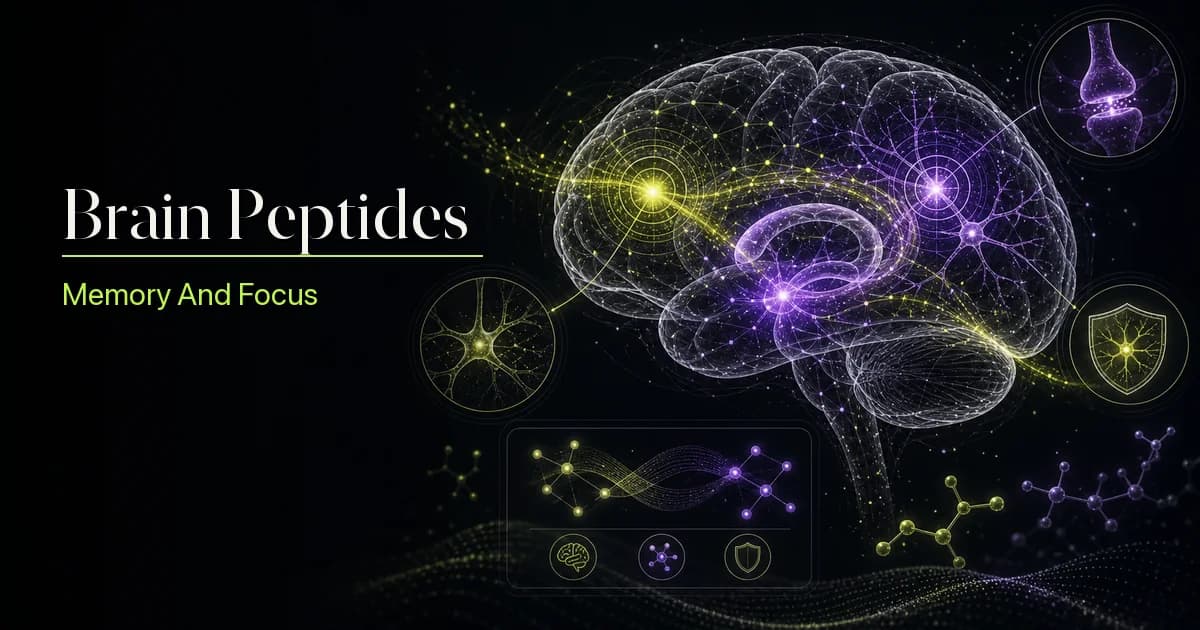
Your brain is the most metabolically demanding organ in your body, consuming roughly 20% of your total energy despite making up only 2% of your body weight. When cognitive performance slips — whether from stress, aging, poor sleep, or neurological strain — the effects ripple into every area of life. Research peptides offer a novel class of interventions that operate through mechanisms traditional nootropics simply cannot replicate: they directly influence neurotrophic factors, modulate receptor sensitivity, promote neurogenesis, and shield neural tissue from oxidative and inflammatory damage.
This guide breaks down the best peptides for brain function in 2026, ranked by evidence quality, mechanism of action, and real-world applicability. Whether your goal is sharper working memory, reduced anxiety, faster learning, or long-term neuroprotection, you'll find a targeted answer here.
- Semax — Best overall for focus, memory, and BDNF elevation
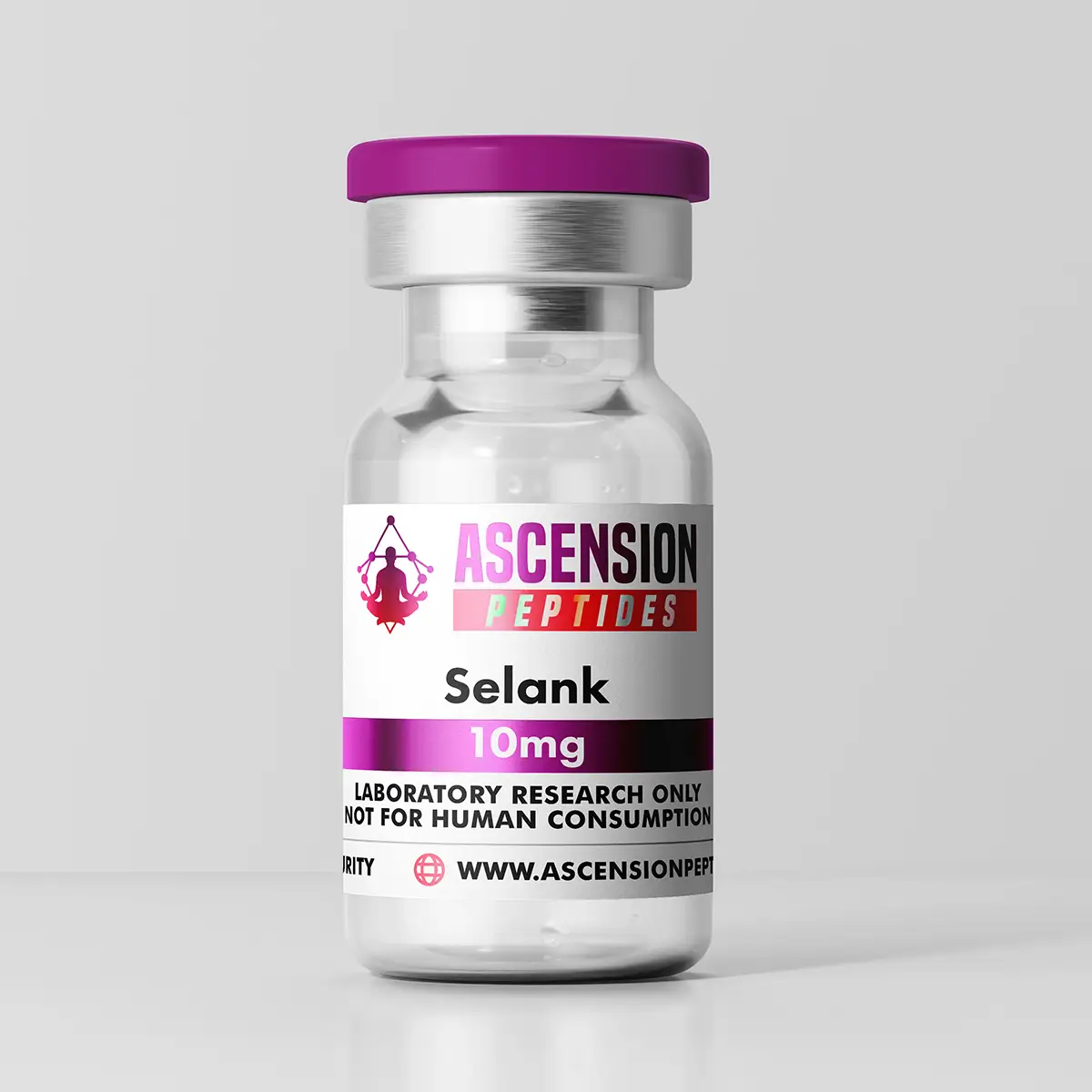
- Selank — Best for anxiety reduction + cognitive clarity
- Dihexa — Most potent for neuroplasticity and synaptogenesis
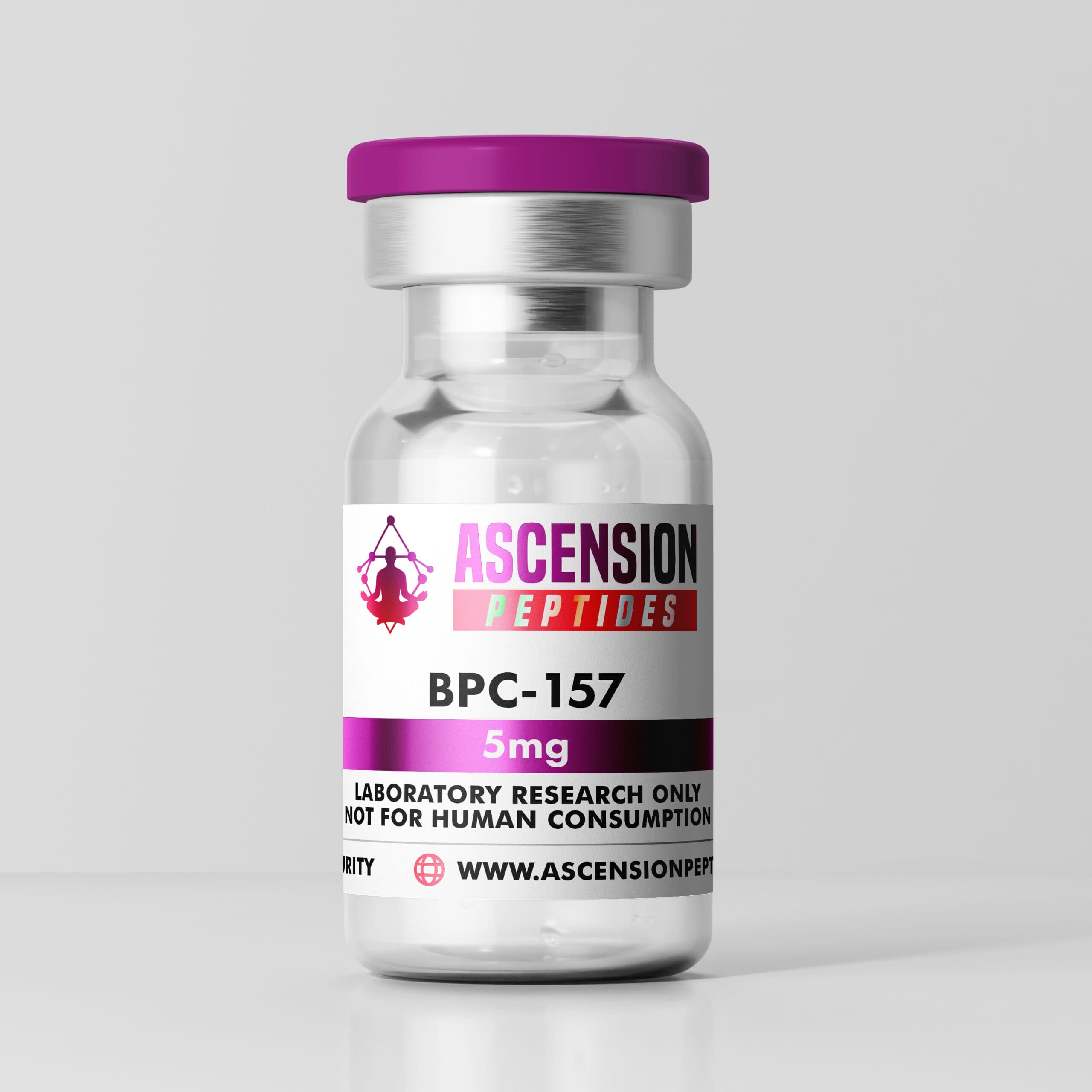
- BPC-157 — Best for neuroprotection and neural repair
- Epithalon — Best for anti-aging and long-term brain health
- GHK-Cu — Best for neuroinflammation and oxidative stress
How Peptides Work in the Brain
Unlike traditional stimulants or synthetic nootropics that force neurotransmitter release, research peptides work through more nuanced, physiological pathways. Understanding these mechanisms helps you choose the right compound for your specific cognitive goals.
The primary pathways through which brain-active peptides operate include:
- Neurotrophic factor upregulation: Many peptides — particularly Semax — directly increase brain-derived neurotrophic factor (BDNF) and nerve growth factor (NGF). These proteins are essential for neuron survival, synaptic plasticity, and the formation of new neural connections.
- GABAergic and serotonergic modulation: Peptides like Selank influence GABA and serotonin pathways to reduce anxiety and stabilize mood without the dependency or cognitive blunting associated with benzodiazepines.
- Neuroplasticity promotion: Dihexa acts as a hepatocyte growth factor (HGF) potentiator, stimulating synaptogenesis at concentrations orders of magnitude more potent than BDNF itself.
- Neuroprotection against oxidative stress: Compounds like GHK-Cu and BPC-157 reduce reactive oxygen species accumulation and dampen neuroinflammatory cascades that accelerate cognitive decline.
- Cholinergic and dopaminergic enhancement: Some peptides sensitize acetylcholine and dopamine receptor systems, improving attention, motivation, and working memory throughput.
This multi-pathway approach is what makes peptides uniquely valuable — they don't just mask cognitive fatigue; they address the underlying biological infrastructure of thought, memory, and mood.
The 6 Best Peptides for Brain Function, Reviewed
1. Semax — Best Overall Cognitive Enhancer
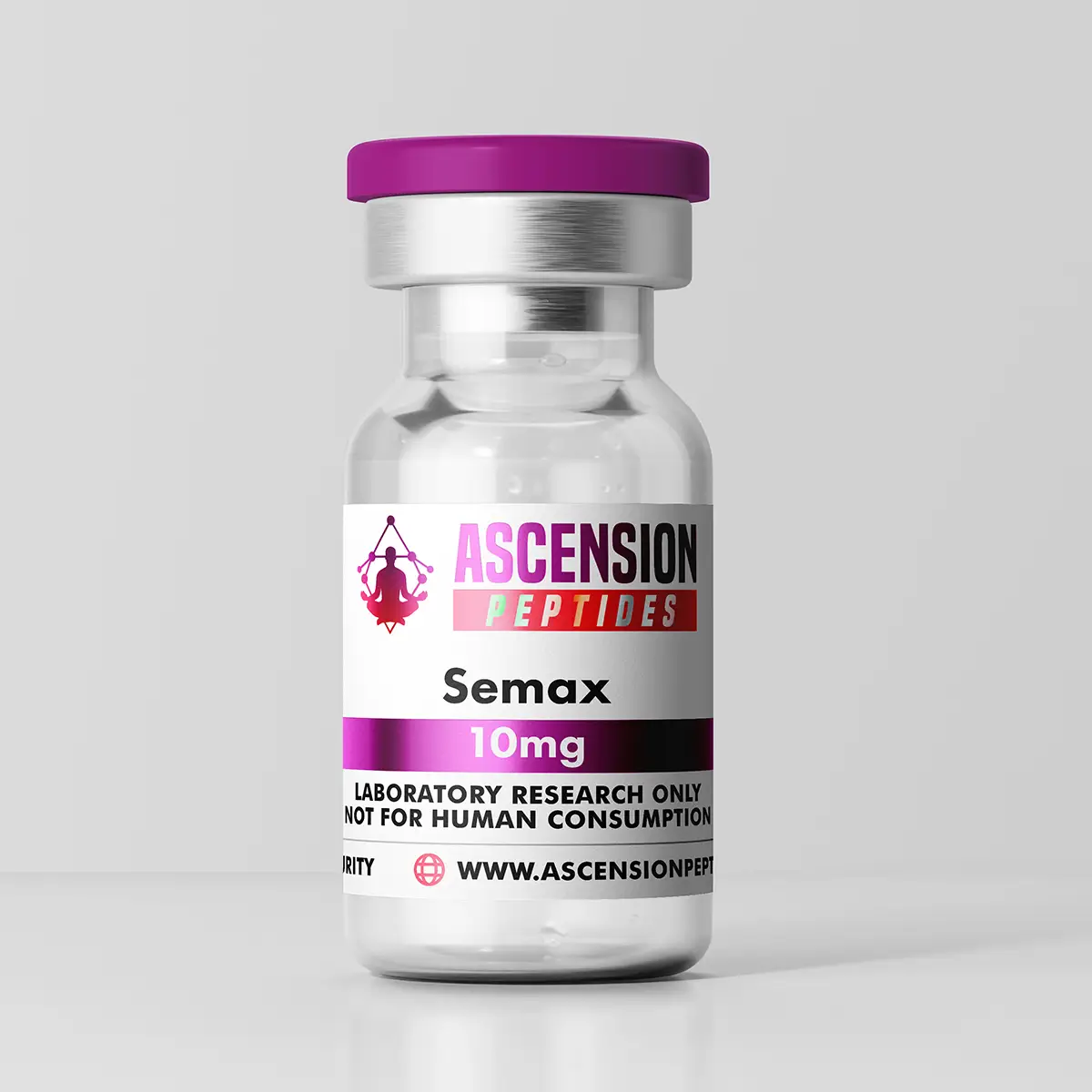
Semax is a synthetic heptapeptide derived from the ACTH(4-7) fragment, developed in Russia and used clinically for decades in cognitive enhancement and stroke recovery protocols. It is widely considered the gold standard among nootropic peptides for good reason.
Mechanisms: Semax dramatically increases BDNF and NGF expression in the hippocampus and prefrontal cortex — two brain regions central to memory consolidation and executive function. It also enhances dopaminergic and serotonergic neurotransmission, improving both motivation and emotional stability. Research suggests it modulates the enkephalin system to reduce stress-induced cognitive degradation.
Cognitive benefits supported by research:
- Improved working memory and attention span
- Faster information processing speed
- Enhanced learning consolidation
- Neuroprotection following ischemic events
- Reduced mental fatigue under cognitive load
Typical research protocol: 100–600 mcg intranasally, once or twice daily. Intranasal delivery provides direct access to the olfactory-brain pathway, bypassing the blood-brain barrier efficiently. Cycling 4–8 weeks on, 2–4 weeks off is commonly observed in research contexts.
2. Selank — Best for Anxiety + Cognitive Clarity
Selank is a synthetic analogue of the endogenous peptide tuftsin, developed alongside Semax at the Institute of Molecular Genetics in Moscow. Where Semax leans toward stimulatory cognitive enhancement, Selank occupies a unique space: it is simultaneously anxiolytic and nootropic — reducing anxiety without sedation or cognitive blunting.
Mechanisms: Selank modulates GABA-A receptors (explaining its anxiolytic effects) while also influencing serotonin metabolism and enkephalin stability. It reduces the breakdown of enkephalins, extending their calming effect on the nervous system. Crucially, it does not suppress the central nervous system the way benzodiazepines do — users report feeling calmer and clearer simultaneously.
Cognitive benefits:
- Significant reduction in anxiety and stress reactivity
- Improved learning speed and memory recall under pressure
- Enhanced focus without stimulant-like side effects
- Mood stabilization supporting sustained cognitive effort
Typical research protocol: 250–500 mcg intranasally, 1–2 times daily. Often cycled with Semax for a complementary stack targeting both performance and stress resilience.
3. Dihexa — Most Potent for Neuroplasticity
Dihexa (N-hexanoic-Tyr-Ile-(6) aminohexanoic amide) is a small peptide derived from angiotensin IV research at Washington State University. It is arguably the most potent pro-cognitive peptide discovered to date, demonstrated to be approximately 10 million times more potent than BDNF at inducing synaptogenesis in vitro.
Mechanisms: Dihexa binds to hepatocyte growth factor (HGF) and its receptor c-Met, triggering robust synaptogenesis — the formation of new synaptic connections between neurons. This is the molecular substrate of learning and memory consolidation. Animal models show dramatic improvements in spatial memory and problem-solving in cognitively impaired subjects.
Cognitive benefits:
- Unprecedented synaptogenesis at nanomolar concentrations
- Reversal of cognitive deficits in animal models of neurodegeneration
- Enhanced associative learning and long-term potentiation
Research notes: Dihexa has a much smaller human evidence base than Semax or Selank. It is a more experimental compound with unknown long-term safety data in humans. It is orally bioavailable and also available as a topical preparation, which is notable among nootropic peptides.
4. BPC-157 — Best for Neural Repair & Neuroprotection
Body Protection Compound-157 (BPC-157) is best known for its musculoskeletal healing properties, but its neurological applications are increasingly recognized in the research literature. It exerts potent neuroprotective and neuroregenerative effects through mechanisms distinct from classical nootropics.
Mechanisms: BPC-157 upregulates growth hormone receptor expression, accelerates VEGF-driven angiogenesis (blood vessel formation), and modulates both dopaminergic and serotonergic systems. In animal models, it reverses dopamine depletion, counteracts the neurotoxic effects of various drugs, and protects against excitotoxic damage. It also exerts strong anti-inflammatory effects in neural tissue.
Brain-specific benefits in research:
- Protection against traumatic brain injury sequelae
- Reversal of neurological deficits in dopamine-lesion models
- Reduction of neuroinflammation following injury
- Mood stabilization via serotonin pathway modulation
- Potential application in addiction recovery (dopamine reset)
Typical research protocol: 250–500 mcg subcutaneously or orally, once daily. Oral administration maintains surprising bioavailability due to BPC-157's stability in gastric acid.
5. Epithalon — Best for Long-Term Brain Aging
Epithalon (Epitalon) is a tetrapeptide (Ala-Glu-Asp-Gly) derived from the pineal gland peptide epithalamin. Its primary relevance to brain function is through telomere extension, circadian rhythm restoration, and reduction of age-related neurodegeneration.
Mechanisms: Epithalon activates telomerase, slowing the cellular aging process at the chromosomal level. In the context of brain health, this translates to preserved neuron longevity. It also restores melatonin secretion rhythms in aging subjects, improving sleep quality — a critical driver of memory consolidation and cognitive performance.
Cognitive benefits:
- Slowed age-related cognitive decline in animal studies
- Improved sleep architecture and circadian function
- Antioxidant activity reducing neuronal oxidative damage
- Long-term neuroprotective profile with favorable safety data
Typical research protocol: 5–10 mg per day via subcutaneous injection for 10–20 day cycles, repeated 1–2 times per year. Often used as a long-term anti-aging intervention rather than an acute cognitive booster.
6. GHK-Cu — Best for Neuroinflammation & Oxidative Stress
GHK-Cu (Copper Peptide GHK-Cu) is a naturally occurring tripeptide found in human plasma. While commonly associated with skin regeneration, its gene expression research reveals profound relevance to brain health — it resets the expression of over 4,000 human genes, many of which govern inflammation, antioxidant defense, and tissue repair.
Brain-specific mechanisms:
- Downregulates NF-κB inflammatory signaling in neural tissue
- Upregulates superoxide dismutase (SOD) and other antioxidant enzymes
- Promotes nerve regeneration and myelin repair signals
- Resets expression of genes dysregulated in Alzheimer's disease models
Typical research protocol: 1–2 mg subcutaneously or intranasally, 3–5 times per week. Often combined with Semax or Epithalon in anti-aging and neuroprotection stacks.
Research Stacking Protocols by Goal
Individual peptides are powerful — but strategic combinations can address multiple brain pathways simultaneously. Below are three evidence-informed stacking frameworks used in research contexts.
Focus & Memory Stack
Semax (500 mcg intranasal, morning) + Selank (250 mcg intranasal, afternoon). Semax drives BDNF-mediated memory consolidation while Selank smooths anxiety-driven cognitive interference. Together they cover stimulatory and anxiolytic dimensions of cognitive performance.
Neuroprotection & Repair Stack
BPC-157 (250 mcg subcutaneous, daily) + GHK-Cu (1 mg subcutaneous, 3x/week). Targets neuroinflammation, oxidative stress, and dopaminergic repair. Suitable for researchers investigating recovery from neurological injury or chronic stress exposure.
Anti-Aging Brain Health Stack
Epithalon (10 mg/day for 20 days, twice yearly) + GHK-Cu (1 mg, 3x/week ongoing) + Semax (300 mcg intranasal, daily). Combines telomere protection, gene-level antioxidant defense, and BDNF upregulation for comprehensive long-term brain aging research.
Neuroplasticity Maximization Stack
Dihexa (oral or topical, per compound-specific protocol) + Semax (400 mcg intranasal, daily). Combines the most potent known synaptogenesis agent with BDNF elevation for maximal learning and synaptic adaptation support in research models.
Where to Buy Brain Peptides: Vendor Quality Standards
The cognitive peptide market has expanded rapidly, and not all suppliers meet the purity standards required for reliable research. When sourcing peptides like Semax, Selank, or Dihexa, apply strict quality criteria.
- Third-party Certificate of Analysis (COA): Every batch should have an independent lab verification showing ≥98% purity. Ask for HPLC and mass spectrometry data specifically.
- US-based manufacturing: Domestic peptide labs face stricter regulatory scrutiny and faster shipping timelines. Avoid suppliers with no disclosed manufacturing location.
- Transparent labeling: Molecular weight, sequence, storage requirements, and batch number should all be present.
- Lyophilized powder format: Properly freeze-dried peptides indicate professional handling and extend shelf life. Pre-mixed solutions from unknown sources are a red flag.
- Responsive customer support: Legitimate research suppliers answer questions about their synthesis process, COA documentation, and storage recommendations.
For cognitive peptides specifically — particularly intranasal compounds like Semax and Selank — purity matters even more than with injectable peptides, since impurities have direct access to brain tissue via the olfactory route. A trusted vendor like Ascension Peptides consistently provides third-party tested, high-purity cognitive peptides with batch-specific COAs.
FAQ: Peptides for Brain Function
Which Brain Peptide Should You Research First?
The best peptide for brain function depends on your primary research objective:
- For sharp focus, memory, and BDNF upregulation: Start with Semax
- For anxiety reduction without sedation: Selank is unmatched
- For maximal neuroplasticity research: Dihexa is the most potent agent available
- For brain injury recovery or dopaminergic repair: BPC-157 has the broadest neuroprotective profile
- For long-term anti-aging brain health: Epithalon combined with GHK-Cu offers the strongest longevity-focused stack
For researchers newer to cognitive peptides, the Semax + Selank combination represents the best entry point: well-studied, complementary mechanisms, manageable dosing, and intranasal administration that avoids injection-related complexity. Both are available in high-purity, third-party tested format from Ascension Peptides.
The field of neuropeptide research is advancing rapidly. What these compounds offer — BDNF elevation, synaptogenesis, neuroinflammation control, and neurotransmitter modulation — represents a qualitatively different toolkit for brain optimization than anything available a decade ago. Staying current with the evidence and working with a medical professional to interpret it is the most valuable thing any researcher can do.