When it comes to research peptides for fat loss, two compounds have generated significant interest in the biohacking and performance research community: 5-Amino-1MQ and AOD-9604. Both target fat metabolism — but through completely different mechanisms. Understanding what each compound does, how they compare, and whether stacking them makes sense is essential before diving into any research protocol.
This guide breaks down the science, the differences, the stacking logic, and the safety considerations for both compounds — giving you a clear framework for evaluating them as research tools.
- 5-Amino-1MQ: NNMT inhibitor — works at the cellular metabolism level, boosts NAD+, increases energy expenditure
- AOD-9604: HGH fragment — directly stimulates lipolysis and inhibits lipogenesis without affecting blood glucose
- Best Use Case: AOD-9604 for targeted fat burning; 5-Amino-1MQ for systemic metabolic enhancement
- Stacking: Complementary mechanisms make them a logical pairing for research purposes
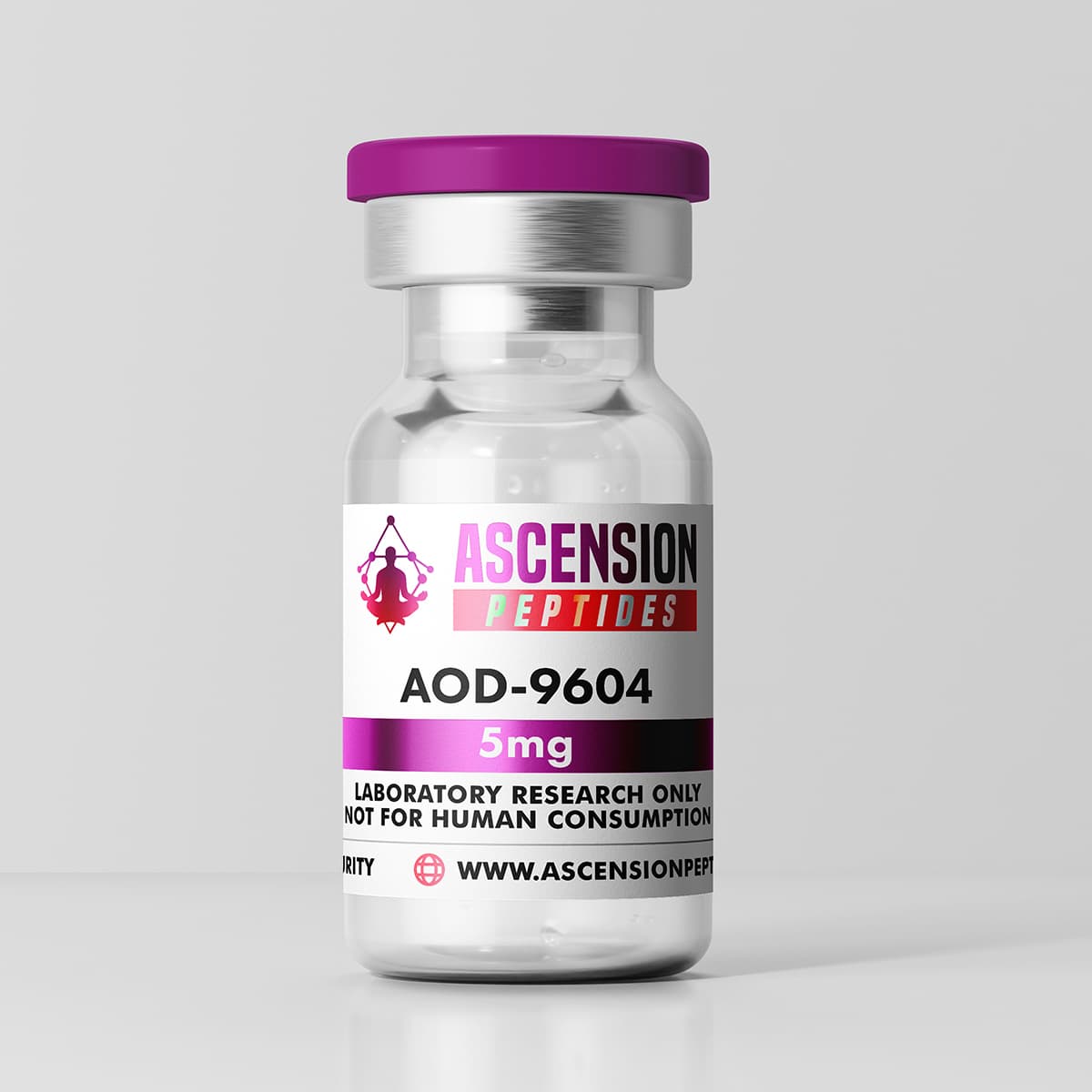
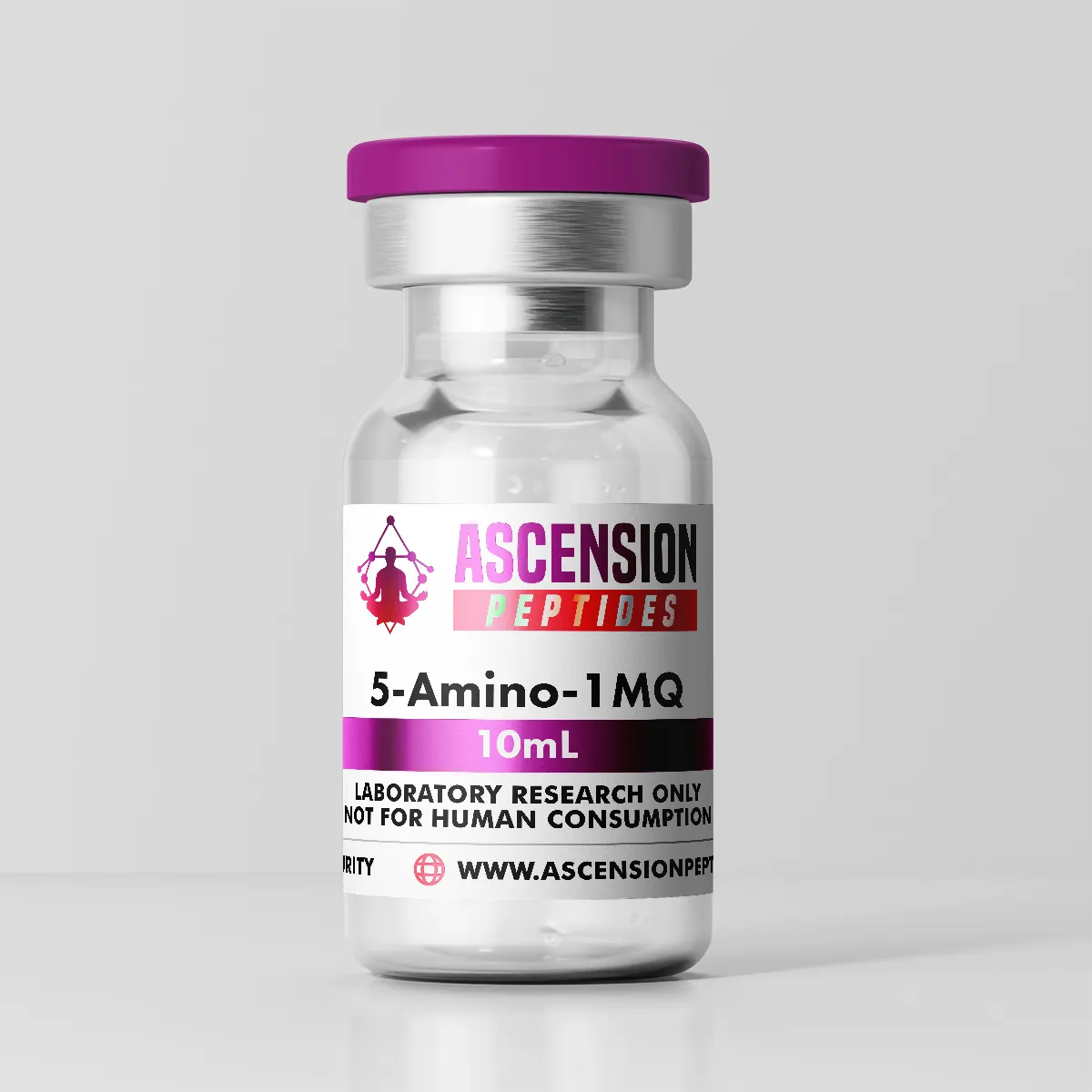
- Vendor Recommendation: Ascension Peptides for third-party tested, >99% purity compounds
5-Amino-1MQ: The NNMT Inhibitor Explained
5-Amino-1MQ (5-Amino-1-methylquinolinium) is a small-molecule compound developed to inhibit an enzyme called nicotinamide N-methyltransferase (NNMT). NNMT is found in adipose (fat) tissue and plays a key role in metabolic regulation — specifically, it consumes methyl groups from SAM (S-adenosylmethionine) and drains the NAD+ precursor pool, effectively suppressing the metabolic rate of fat cells.
By inhibiting NNMT, 5-Amino-1MQ:
- Allows NAD+ levels to rise inside fat cells
- Activates SIRT1, a key longevity and metabolic enzyme
- Increases energy expenditure in adipose tissue
- May reduce the size and number of fat cells over time
- Supports improved insulin sensitivity in preclinical models
Research published in Nature Communications demonstrated that NNMT inhibition in mice led to reduced fat mass and improved metabolic markers without changes in food intake — a notable finding that distinguishes this mechanism from appetite suppressants.
5-Amino-1MQ is typically administered orally at research doses ranging from 50–100mg per day, or via subcutaneous injection at 2.5–5mg per day, making it unique among peptides in its oral bioavailability potential.
AOD-9604: The HGH Fat-Loss Fragment
AOD-9604 (Advanced Obesity Drug 9604) is a synthetic peptide derived from the C-terminal end of human growth hormone — specifically amino acids 176–191. It was originally developed by Monash University in Australia as a safer alternative to HGH for fat reduction, without the blood sugar-disrupting effects associated with full-length growth hormone.
AOD-9604 works through two primary mechanisms:
- Stimulates lipolysis: Triggers the breakdown of stored fat (triglycerides) into free fatty acids for energy use
- Inhibits lipogenesis: Reduces the conversion of carbohydrates and other substrates into new fat stores
Because AOD-9604 does not bind to the IGF-1 receptor and does not significantly affect insulin-like growth factor levels, it avoids the hyperglycemia risk associated with full HGH administration. This makes it a cleaner tool for fat-specific research.
Typical research dosing for AOD-9604 sits at 300mcg per day, administered via subcutaneous injection, often in the morning in a fasted state to maximize lipolytic activity.
Fat Loss Benefits: Head-to-Head Comparison
Both compounds produce fat loss — but they do it differently, and for different research subjects, one may be more appropriate than the other.
5-Amino-1MQ Fat Loss Benefits
- Systemic metabolic upgrade: Rather than just burning fat at the site of injection, 5-Amino-1MQ works across all adipose tissue by restoring metabolic signaling at the cellular level
- Lean mass preservation: Early research suggests muscle tissue is spared while fat is preferentially metabolized
- Metabolic reprogramming: By activating SIRT1 and boosting NAD+, the compound may shift fat cells away from storage phenotype toward a more metabolically active state
- Potential epigenetic benefits: SIRT1 activation is associated with longevity-related gene expression, though human data is limited
AOD-9604 Fat Loss Benefits
- Direct lipolytic action: AOD-9604 triggers fat cells to release stored triglycerides — a fast, direct pathway to fat reduction
- No insulin disruption: Unlike full HGH, it does not impair glucose uptake or promote insulin resistance
- Cartilage and joint support: Secondary research has explored AOD-9604 for cartilage repair, making it potentially relevant for research subjects with joint concerns alongside body composition goals
- Well-tolerated profile: Phase II clinical data showed favorable tolerability even at high doses in human obesity trials

Stacking 5-Amino-1MQ and AOD-9604: Does It Make Sense?
From a mechanistic standpoint, stacking these two compounds is logical. They act on entirely different pathways, meaning they are non-competing and potentially additive:
- AOD-9604 acts as the direct fat-mobilization signal — it pushes triglycerides out of fat cells
- 5-Amino-1MQ upgrades the metabolic machinery of fat cells — making them less efficient at storing fat and more prone to burning energy
Together, they target fat loss from two angles: liberation of stored fat AND reduced capacity for new fat storage, while improving cellular energy metabolism simultaneously.
- AOD-9604: 300mcg subcutaneous injection upon waking, fasted state
- 5-Amino-1MQ: 50–100mg oral, or 2.5–5mg subcutaneous, taken in the morning
- Cycle Length: 8–12 weeks with a 4-week off period
- Optional additions: Ipamorelin / CJC-1295 for GH pulse support; BPC-157 for tissue recovery
- Purity standard: Always use third-party tested compounds with verified COA (>98% purity minimum)
Research subjects exploring broader metabolic stacks have also paired these compounds with Sermorelin or MK-677 to support growth hormone pulsatility alongside the lipolytic effects — though this adds complexity and requires careful monitoring of IGF-1 levels.
Safety Profile and Known Risks
Neither compound is FDA-approved for human therapeutic use. Both are classified as research chemicals. With that context established, here is what the available data suggests about their safety profiles:
5-Amino-1MQ Safety
- Research remains primarily in animal models — long-term human safety data is not yet available
- No significant adverse effects reported at standard doses in preclinical studies
- Potential concern: broad NNMT inhibition could have off-target effects on methylation pathways — this is an area requiring further study
- Individuals with pre-existing metabolic or epigenetic disorders should exercise extra caution
AOD-9604 Safety
- Has completed Phase II clinical trials — one of the more extensively studied peptides for fat loss
- Showed excellent tolerability at doses up to 1mg/day in human obesity trials
- No significant impact on blood glucose, IGF-1, or thyroid hormones observed
- Possible mild injection site reactions (redness, swelling) are the most commonly reported effects
- Not recommended for individuals with active malignancy given growth factor-adjacent mechanisms
General Stacking Safety Principles
- Begin each compound individually before combining to establish baseline tolerance
- Source only from vendors providing independent third-party COAs (Certificate of Analysis)
- Monitor relevant biomarkers during any research protocol (lipid panels, fasting glucose, IGF-1)
- Cycle off to avoid downregulation or unknown cumulative effects
Where to Buy 5-Amino-1MQ and AOD-9604
For research purposes, sourcing quality matters enormously. Impure or mislabeled compounds introduce significant risk and invalidate any research conclusions. When evaluating vendors for either compound, look for:
- Third-party HPLC testing with batch-specific COAs
- Purity of >98% verified by an independent lab
- US-based operations with clear contact information
- Transparent labeling with peptide sequences and molecular weight
- Reasonable but not suspiciously low pricing (quality synthesis has a cost floor)
Ascension Peptides is a vendor consistently recognized in the research community for meeting these standards across both 5-Amino-1MQ and AOD-9604 product lines.