Ipamorelin + CJC-1295 Dosage Guide: The Ultimate GH Stack Protocol (2026)
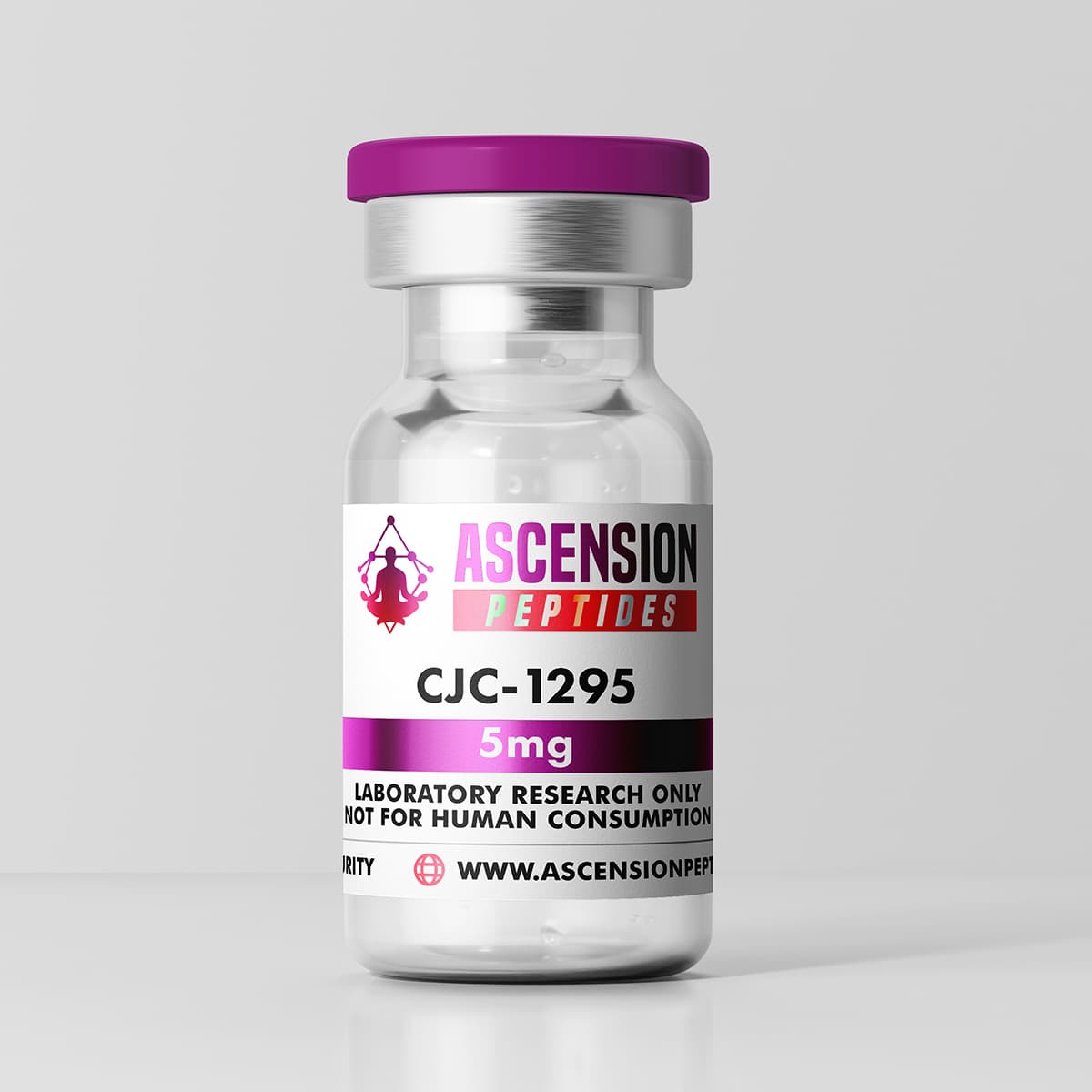
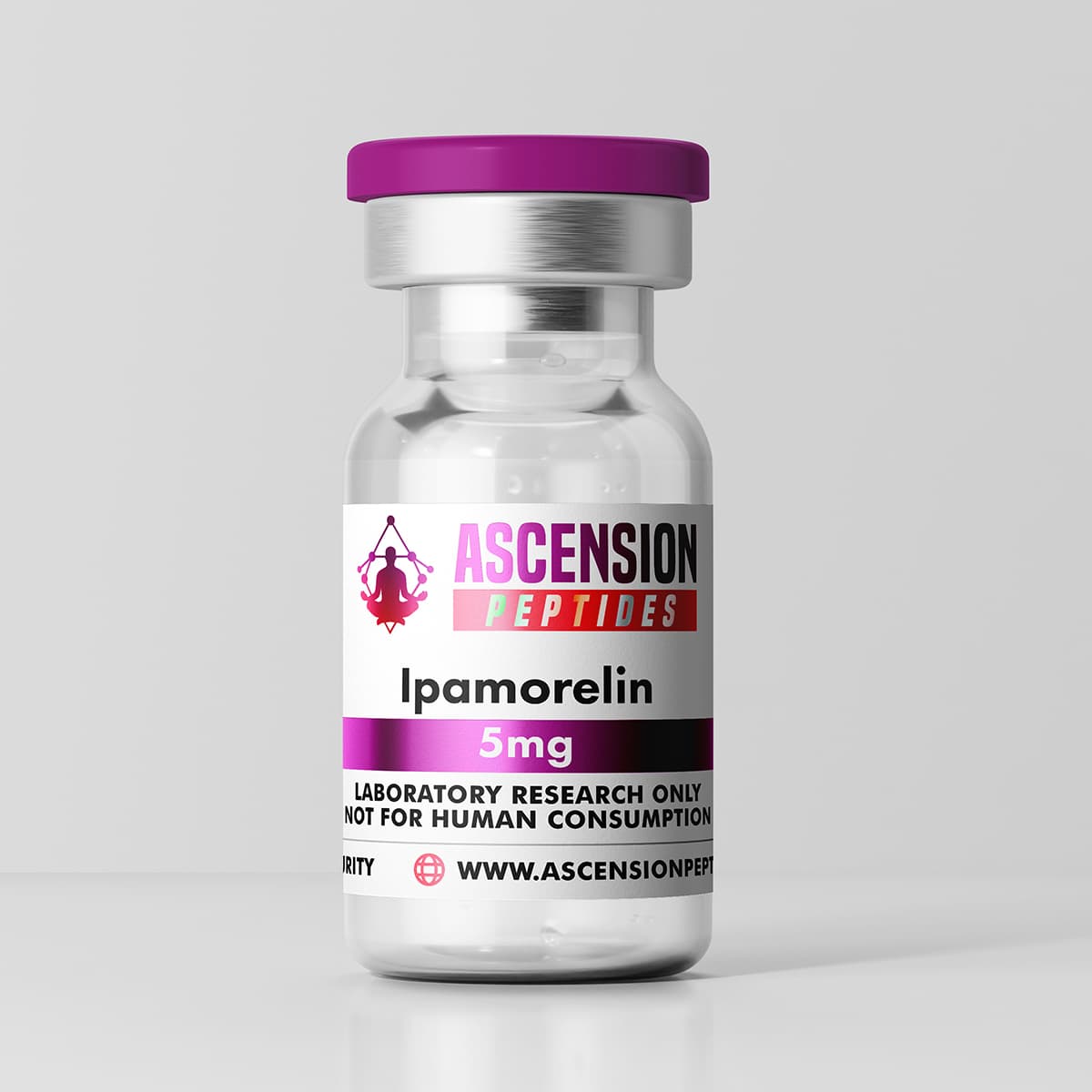
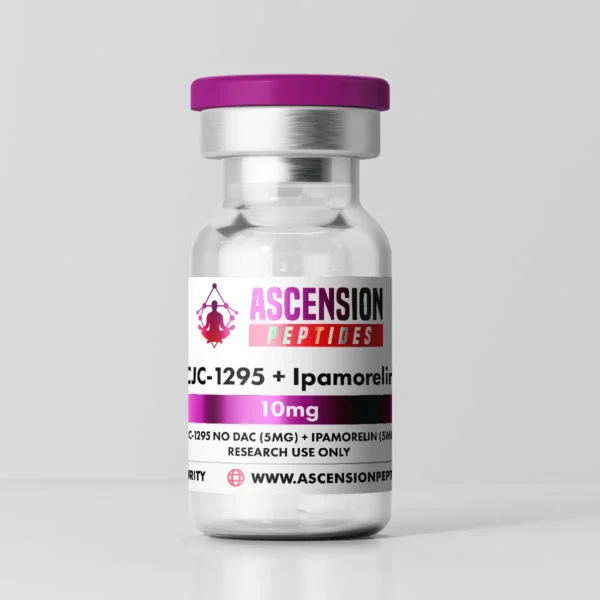
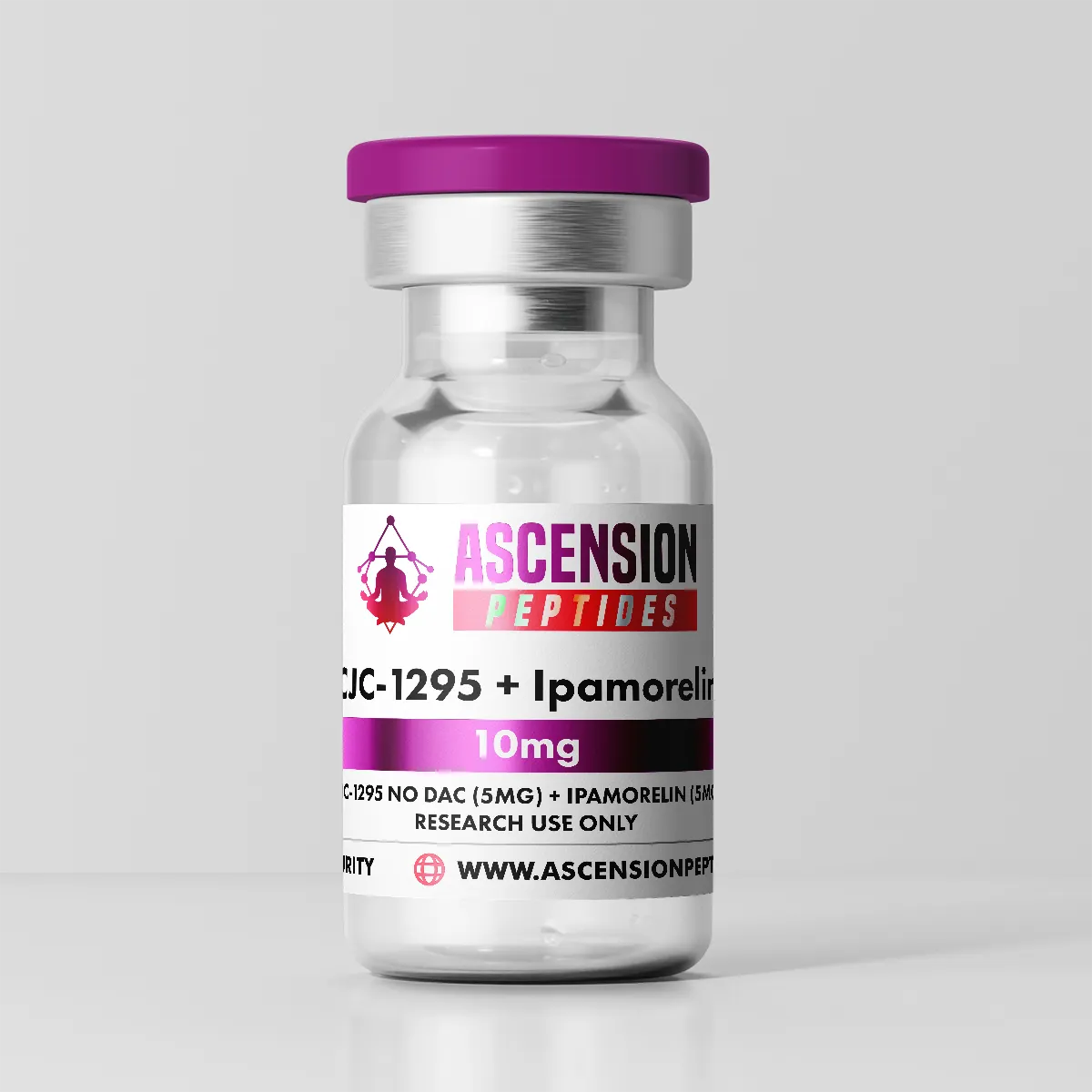
The ipamorelin and CJC-1295 (without DAC) combination is the most widely studied and referenced growth hormone secretagogue stack in contemporary peptide research. It pairs two distinct and complementary mechanisms: ipamorelin, a selective GHRP (growth hormone releasing peptide) that agonizes the ghrelin receptor (GHS-R1a) in the pituitary; and CJC-1295 without DAC (also known as Modified GRF 1-29 or Mod GRF 1-29), a GHRH (growth hormone releasing hormone) analog that agonizes the GHRH receptor. These two receptors are distinct, and their simultaneous activation produces a GH pulse that is significantly larger than either peptide can produce alone — often described as synergistic rather than merely additive. This combination closely mimics the dual endogenous signal (GHRH + ghrelin) through which the hypothalamus and pituitary naturally regulate GH release, making it the most physiologically coherent multi-peptide GH stack in the research literature.
- Ipamorelin dose: 200–300 mcg per injection
- CJC-1295 (no DAC) dose: 100–200 mcg per injection
- Combined in same injection: Yes — typically mixed and co-administered
- Frequency: 2–3 injections per day
- Route: Subcutaneous (SubQ)
- Cycle length: 8–12 weeks
- Timing: Fasted or 2–3 hours post-meal; bedtime dose is most critical
Understanding the Synergy: Why This Stack Works
To understand why the ipamorelin + CJC-1295 combination is so widely used, it helps to understand the dual-receptor model of GH release:
- GHRH (Growth Hormone Releasing Hormone): Secreted by the hypothalamus; acts on GHRH receptors in somatotroph cells to increase GH synthesis and release. CJC-1295 without DAC is a modified GHRH 1-29 fragment that replicates this signal with greater receptor stability.
- Ghrelin/GHRP signal: Produced by the stomach and hypothalamus; agonizes GHS-R1a on somatotrophs to amplify GH release and inhibit somatostatin (the GH-suppressing hormone). Ipamorelin replicates this signal with high selectivity.
- Synergistic amplification: When both signals arrive at the pituitary simultaneously, the resulting GH pulse is 3–5x larger than from GHRH alone. Research demonstrates that this combination can produce a GH pulse approximating natural physiological peak amplitude.
This complementary mechanism explains why the stack is used as a reference in comparative GH secretagogue research. For broader context on individual peptide comparisons, see the Growth Hormone Peptides Ranked overview.
Standard Dosage Protocols
The ipamorelin:CJC-1295 dose ratio varies across research frameworks, but a 2:1 or 1:1 ratio (ipamorelin:CJC-1295) is most common. CJC-1295 without DAC has a shorter half-life (~30 minutes) similar to ipamorelin (~2 hours), making them well-matched for co-administration:
For the CJC-1295 component, it is important to specify CJC-1295 without DAC (Drug Affinity Complex), also marketed as Modified GRF 1-29 or Mod GRF 1-29. CJC-1295 with DAC has a half-life of several days due to albumin binding, producing a different pharmacokinetic profile (continuous GH elevation rather than discrete pulses). The without-DAC version matches ipamorelin's short half-life for co-injection, producing the discrete synergistic GH pulses that most stack protocols target. See the CJC-1295 Dosage Guide for a full comparison of both forms.
Injection Frequency
The ipamorelin + CJC-1295 combination is designed to be co-administered in the same syringe (see mixing instructions below), and frequency follows ipamorelin's schedule since both peptides have similar short half-lives:
- Once daily (bedtime): The minimum viable protocol. A single pre-sleep injection produces one substantial GH pulse that amplifies the natural nocturnal surge. Suitable for anti-aging and sleep quality research where pulse amplitude at night is the primary variable.
- Twice daily (morning + bedtime): A common balanced protocol producing two GH pulses per day. Morning injection is administered fasted upon waking; bedtime injection 2–3 hours after the last meal. This is the most practical schedule for most research designs.
- Three times daily (morning + afternoon + bedtime): Maximum daily GH output protocol. Produces three discrete GH pulses. The afternoon injection is typically administered 2–3 hours after lunch and 1–2 hours before any training session. Used in body composition optimization and performance research.
Timing critical point: Both ipamorelin and CJC-1295 (no DAC) require a fasted or post-absorptive state for optimal GH pulse response. Elevated blood glucose and insulin suppress somatotroph response via somatostatin. Inject a minimum of 2–3 hours after a carbohydrate-containing meal, or in a fasted state.
Cycle Length
Standard research cycle: 8–12 weeks
The most commonly reported cycle length for the ipamorelin + CJC-1295 stack. Sufficient to observe meaningful changes in IGF-1, body composition markers, recovery rates, and sleep quality scores. Follow with a minimum 4-week washout to re-establish baseline GH parameters before re-initiation.
Extended cycle: 12–16 weeks
Used in anti-aging and longevity research models. The combined stack's low side effect profile (ipamorelin's selectivity minimizes cortisol/prolactin elevation) supports longer cycles. IGF-1 monitoring at 4-week intervals is recommended throughout.
Continuous low-dose maintenance
Some researchers use a once-daily bedtime dose continuously (indefinitely) as a GH optimization maintenance protocol, with monthly monitoring of IGF-1 and periodic washout weeks. This approach is used in age-related GH decline research models. The evidence base for this approach is primarily derived from long-term sermorelin and MK-677 trial data rather than the combination stack specifically.
Reconstitution & Mixing Guide
Both ipamorelin and CJC-1295 without DAC are supplied as lyophilized powders and require reconstitution. For co-administration, they can be combined in a single injection.
Individual reconstitution
Reconstitute each peptide separately first:
Ipamorelin (5 mg vial):
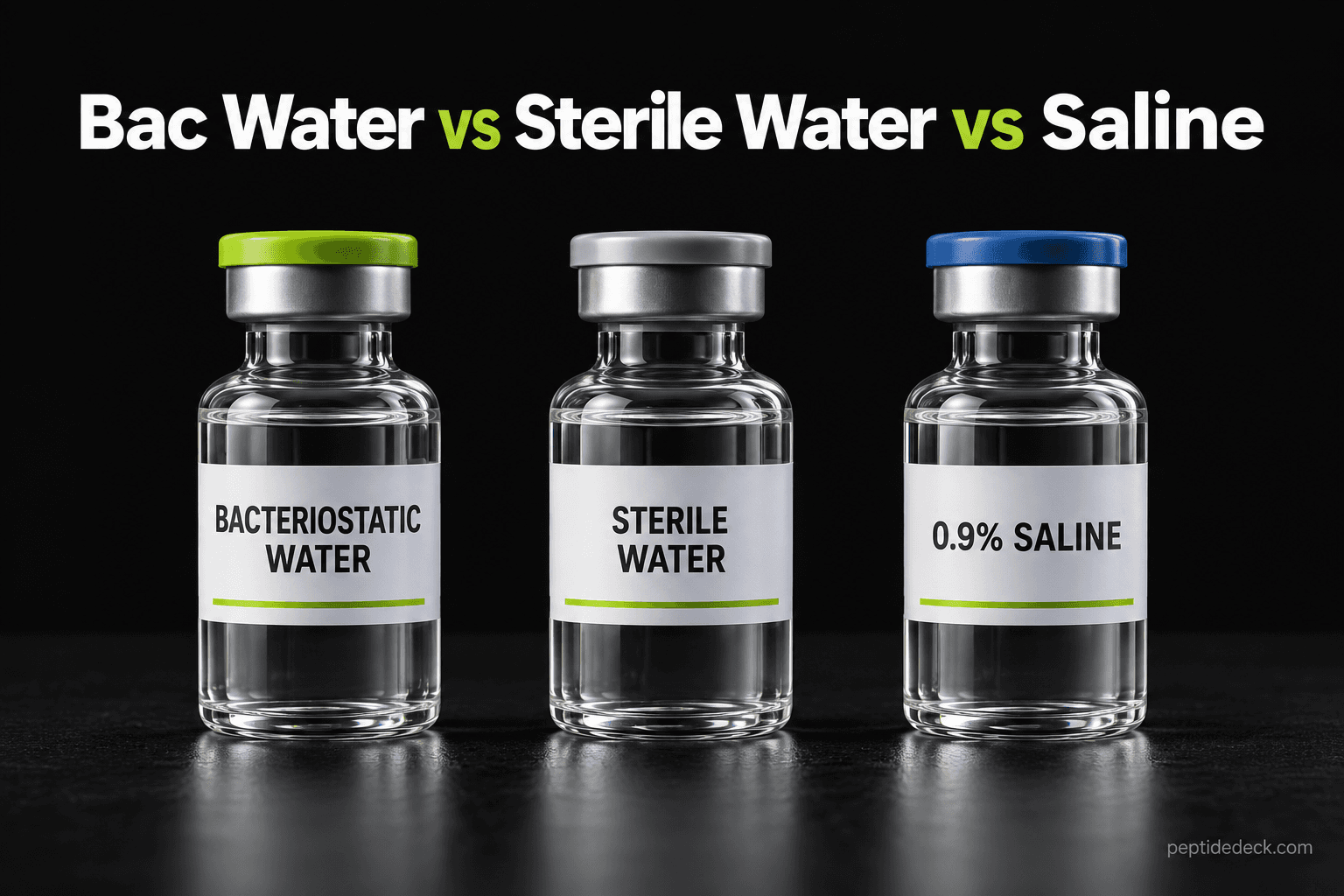
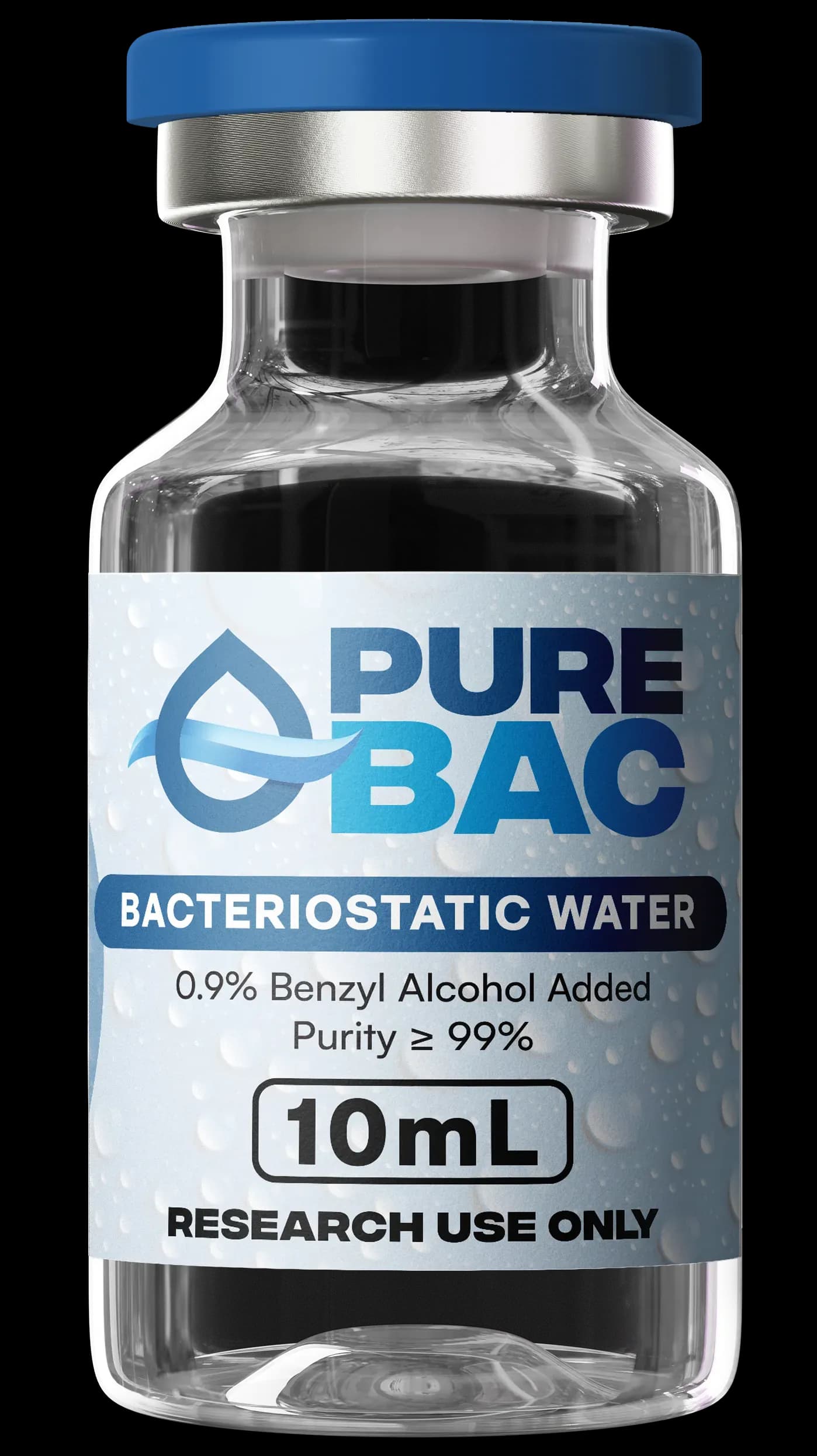
- Add 5 mL BAC water → 1,000 mcg/mL (easy measurement for small doses)
- Or add 2 mL BAC water → 2,500 mcg/mL
CJC-1295 without DAC (2 mg vial — common size):
- Add 2 mL BAC water → 1,000 mcg/mL (100 mcg dose = 0.1 mL)
- Or add 1 mL BAC water → 2,000 mcg/mL (100 mcg dose = 0.05 mL)
Co-mixing for single injection
To combine both peptides in one injection:
- Reconstitute each peptide in its own vial as described above.
- Draw the desired ipamorelin dose into an insulin syringe.
- Draw the desired CJC-1295 dose into the same syringe.
- Gently mix by rolling the syringe between your palms.
- Administer immediately — do not store the mixed syringe.
Both peptides are stable in solution and no adverse reaction between them has been documented. The combination can be administered in volumes of 0.2–0.5 mL, appropriate for SubQ delivery with an insulin syringe.
Injection Guide
SubQ technique
Use a 29–31 gauge, 0.5-inch insulin syringe. The small combined volumes (typically 0.2–0.4 mL) make SubQ the preferred and most practical route.
Recommended injection sites for rotating across the day's 2–3 injections:
- Abdomen: Multiple zones around the navel (upper left, upper right, lower left, lower right) — ideal for the bedtime and morning doses
- Outer thigh: Lateral quadricep area — good secondary site for afternoon doses
- Flank: Posterior love handle area — less common but well-tolerated
Rotating systematically through these sites across a multi-week cycle prevents localized tissue irritation and lipodystrophy. A simple rotation pattern (abdomen AM, thigh PM, flank bedtime) ensures consistent site recovery between uses.
Optimal injection timing summary
- Morning (first injection): Upon waking, fasted state. 30–45 minutes before breakfast. This captures the morning GH axis activation window.
- Afternoon/pre-workout (second injection if using 3×): 2–3 hours after lunch, 45–60 minutes before training. The pre-training GH pulse may enhance lipolysis and recovery.
- Bedtime (most important injection): 2–3 hours after last meal. 30–60 minutes before sleep. Amplifies the nocturnal slow-wave sleep GH surge. Avoid carbohydrates after this injection.
Stacking the Stack: Third Compounds
The ipamorelin + CJC-1295 stack is often used as a foundation to which additional peptides or compounds are added:
- + BPC-157: The most common addition for recovery-focused protocols. BPC-157 operates via a completely independent mechanism (GI cytoprotection, angiogenesis, growth factor upregulation) and complements the anabolic GH axis signal. See the BPC-157 Complete Guide.
- + TB-500: For injury-specific research, adding TB-500's systemic actin regulation to the GH stack provides a comprehensive recovery signal. TB-500 is dosed on its own twice-weekly loading/maintenance schedule independent of the GH stack.
- + MK-677: Adding the oral GH secretagogue MK-677 provides sustained IGF-1 elevation between the discrete GH pulses from ipamorelin/CJC-1295. This combination is for advanced GH axis research only, as total GH/IGF-1 elevation is substantial. See the MK-677 Dosage Guide.
- + Sermorelin: Using sermorelin instead of CJC-1295 in the stack is a lower-cost alternative that preserves the GHRP+GHRH synergy. The trade-off is shorter half-life and more precise timing requirements.
Side Effects & Safety Considerations
The ipamorelin + CJC-1295 combination is well-tolerated in research models, inheriting ipamorelin's favorable selectivity profile. Key considerations:
- Water retention: GH-mediated fluid retention is the most common reported finding. Most pronounced in weeks 1–3; typically self-limiting as the body adapts. Moderate sodium intake management helps.
- Mild hunger increase: Less pronounced than with GHRP-6 or MK-677, but a modest appetite increase is possible due to the ghrelin-mimetic component of ipamorelin. Not clinically significant at standard doses.
- Injection site reactions: Mild redness, itching, or small bruises at injection sites. Consistent site rotation minimizes this across a multi-injection daily schedule.
- Cortisol and prolactin: Ipamorelin's selectivity means neither cortisol nor prolactin is meaningfully elevated by this stack at standard doses. This distinguishes it from older GHRP-based stacks using GHRP-2 or GHRP-6.
- IGF-1 elevation: The primary downstream effect and a key monitoring marker. Total IGF-1 elevation with this combined stack is greater than with either peptide alone. Long-cycle protocols should include IGF-1 measurement at 4-week intervals. Sustained supraphysiological IGF-1 carries theoretical long-term implications that are not fully characterized.
- Headache or mild fatigue: Occasionally reported in the first 1–2 weeks of a cycle as the GH axis adjusts. Typically transient.
- No HPG axis impact: The ipamorelin + CJC-1295 stack does not affect testosterone, LH, FSH, or reproductive hormones. No post-cycle therapy (PCT) is required in research protocols.
- CJC-1295 with DAC caution: If CJC-1295 with DAC is mistakenly used instead of the no-DAC version, the pharmacokinetics change dramatically — the GH axis receives sustained stimulation rather than pulsatile activation. The DAC form requires different dosing intervals (weekly or bi-weekly) and produces a blunted pulsatile GH response. Always verify the form being used.
Frequently Asked Questions
This article is intended for informational and research purposes only. Ipamorelin and CJC-1295 are research peptides and are not approved by the FDA or any equivalent regulatory body for human use, diagnosis, treatment, or prevention of any medical condition. All information presented here is based on preclinical and available clinical research and should not be interpreted as medical advice. Consult a qualified healthcare professional before considering any peptide use.