Sleep is the most underrated performance and recovery tool available — and certain research peptides may meaningfully enhance what happens during those critical hours. If you're training hard, managing a high-stress lifestyle, or simply struggling to get genuinely restorative sleep, understanding the best peptides for sleep and recovery is worth your time.
This guide ranks the top five compounds based on available research evidence, proposed mechanisms, and real-world practitioner use. We cover what each peptide does, what the science actually shows, and who each compound is best suited for.
- #1 DSIP — Most direct sleep-inducing evidence; promotes delta (deep) sleep architecture
- #2 Epithalon — Circadian rhythm regulation via melatonin optimization
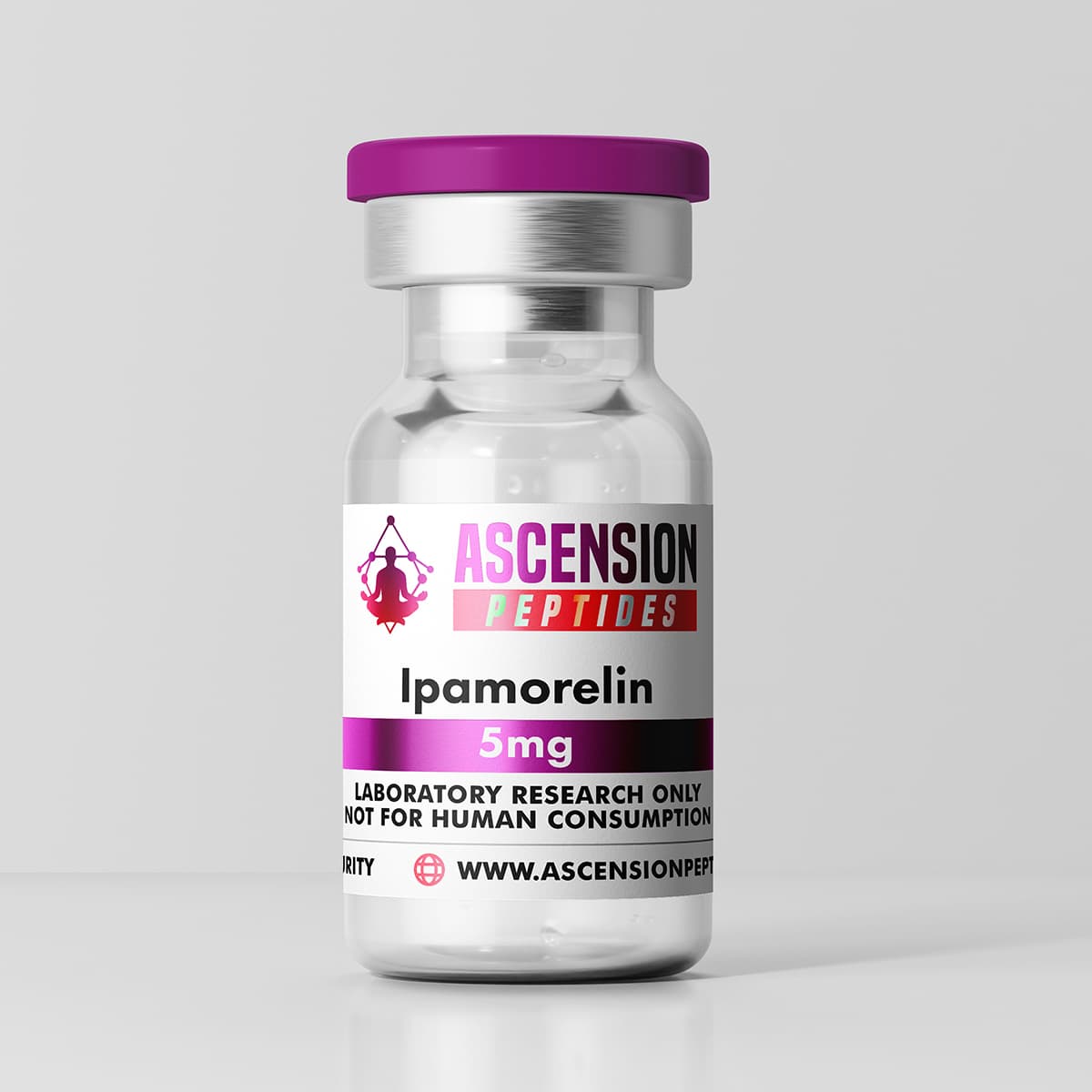
- #3 Ipamorelin — Growth hormone secretagogue; enhances GH pulse during sleep
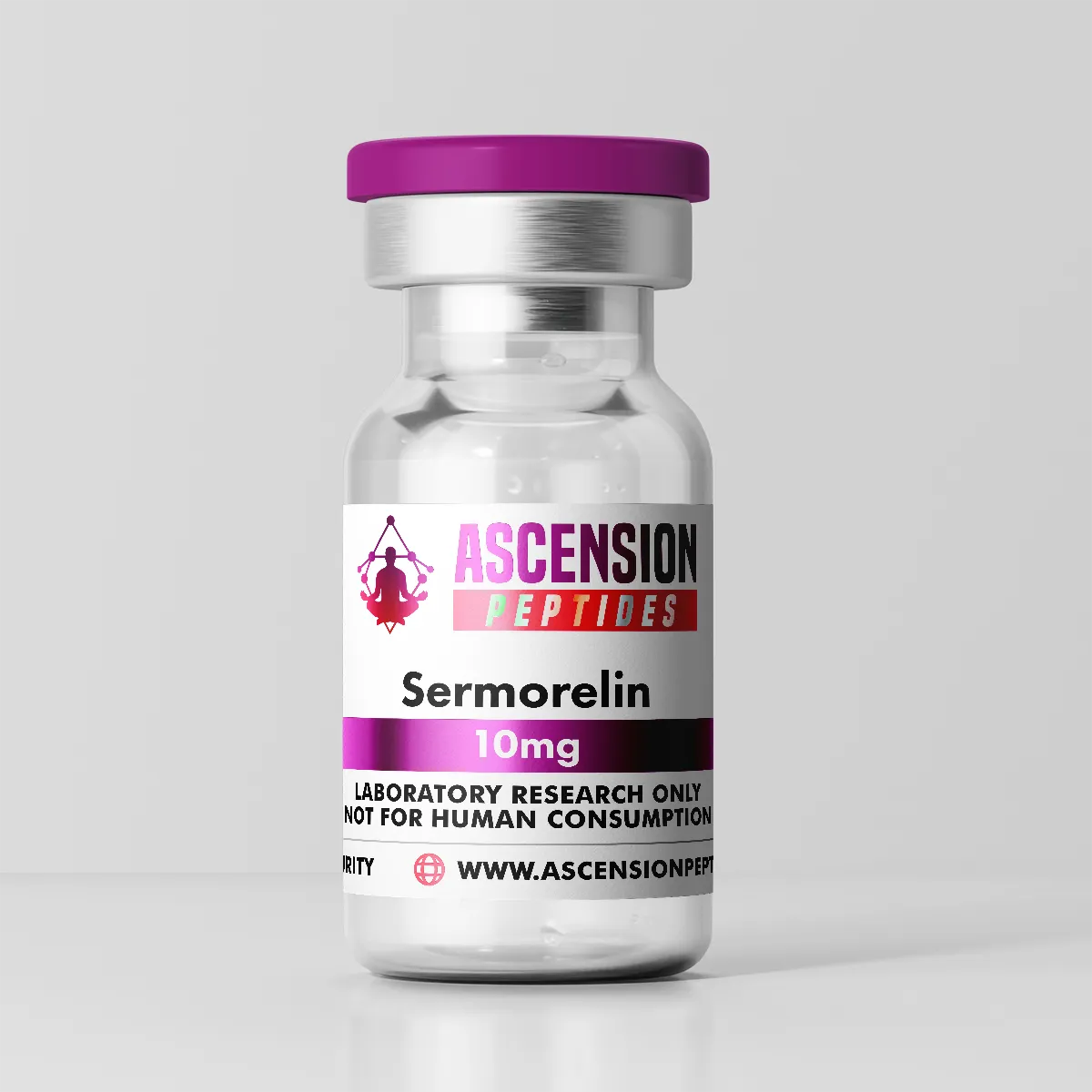
- #4 Sermorelin — GHRH analogue; restores youthful GH secretion patterns during deep sleep
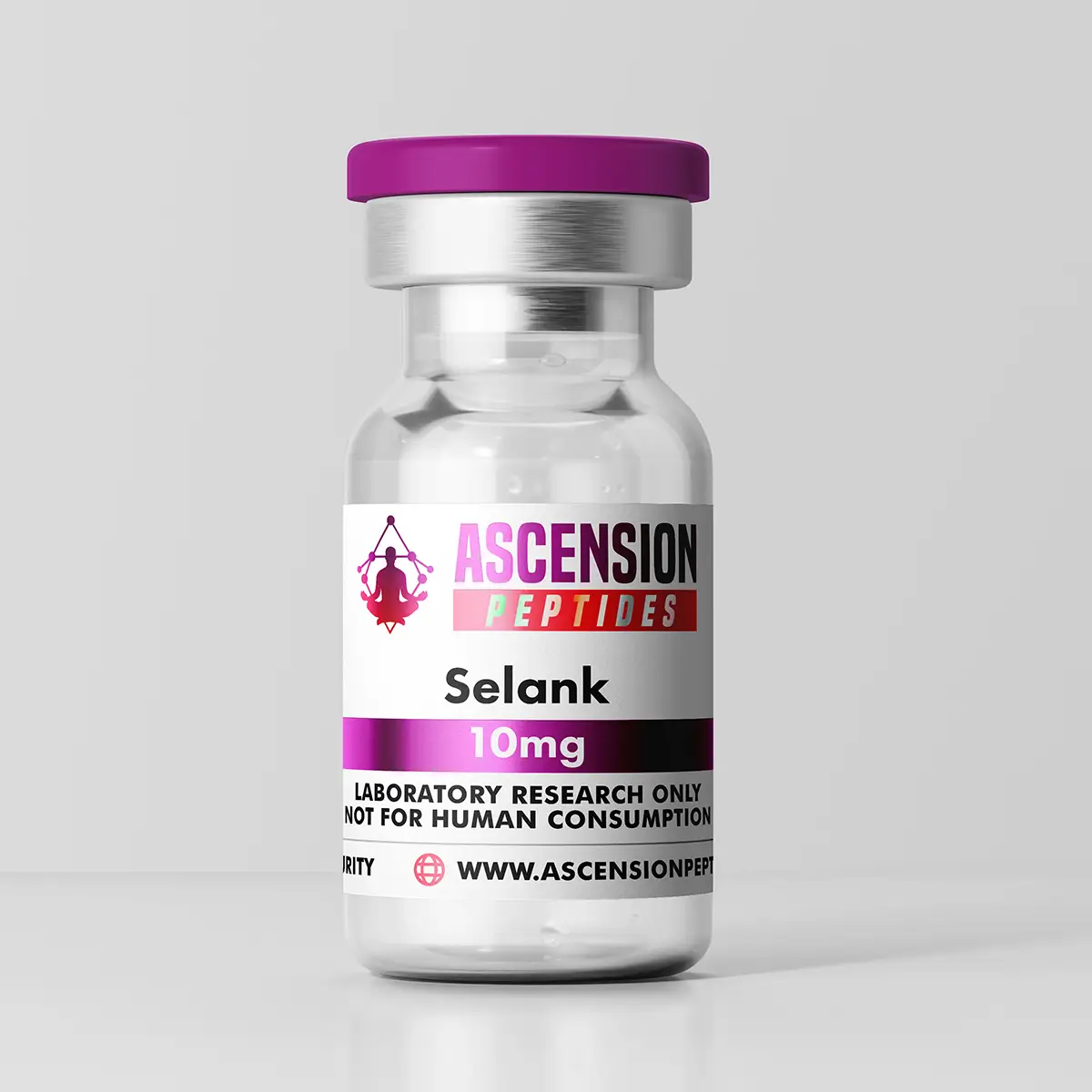
- #5 Selank — Anxiolytic peptide that reduces stress interference with sleep onset
The Sleep–Recovery Connection: Why Peptides Matter
Before ranking compounds, it's worth understanding why sleep is the most productive recovery window the human body has — and where peptides fit into that picture.
During deep, slow-wave sleep (SWS), several critical processes are running at full capacity:
- Growth hormone secretion: Approximately 70–80% of daily GH output occurs during slow-wave sleep, driven by natural GHRH pulses from the hypothalamus. GH coordinates tissue repair, muscle protein synthesis, and fat metabolism.
- Cellular repair: IGF-1 signaling downstream of GH drives collagen synthesis, muscle fiber repair, and organ regeneration — all peaking during sleep.
- Immune consolidation: Cytokine production and immune surveillance are upregulated during sleep, helping the body resolve inflammation and fight infection.
- Memory and neural repair: The glymphatic system — the brain's waste-clearance network — is most active during deep sleep, flushing metabolic byproducts including amyloid-beta.
- Cortisol trough: Cortisol reaches its lowest point during early sleep, creating the hormonal environment that permits GH release and anabolic repair to occur.
Peptides can support this system in two broad ways: by directly improving sleep architecture (more time in deep sleep, faster onset, fewer disruptions) or by amplifying the biological processes — particularly GH secretion — that occur within sleep.
The 5 Best Peptides for Sleep and Recovery, Ranked
1. DSIP (Delta Sleep-Inducing Peptide)
Evidence Level: Mixed; primarily clinical research from the 1970s–1990s, with renewed interest in recent years.
DSIP is a nonapeptide (nine amino acids) first isolated in 1974 from rabbit cerebral venous blood. It was identified by its ability to induce slow-wave, delta-stage sleep in recipients — which is where it gets its name. Delta sleep is the deepest stage of non-REM sleep and the phase most associated with physical recovery, GH secretion, and immune activity.
Research has proposed several mechanisms through which DSIP may influence sleep:
- Modulation of GABA-A receptor activity, producing mild anxiolytic and sedative effects
- Inhibition of somatostatin (which normally blunts GH release), potentially increasing GH output during sleep
- Reduction in cortisol levels, which may lower the arousal threshold and improve sleep continuity
- Direct action on circadian rhythm generators in the hypothalamus
Human studies from the 1980s and 1990s reported reductions in sleep latency (time to fall asleep), increased time in SWS, and reduced nocturnal awakenings. However, most of these studies were small, lacked rigorous controls, and used varying administration routes and doses.
Who it's best for: Individuals whose primary issue is poor sleep quality — difficulty reaching or maintaining deep sleep — rather than anxiety-driven insomnia.
Typical research context: 100–500 mcg administered subcutaneously 30–60 minutes before sleep. Often stacked with Epithalon for broader circadian support.
2. Epithalon (Epitalon)
Evidence Level: Moderate; animal and some human data on circadian regulation and melatonin output.
Epithalon is a synthetic tetrapeptide (Ala-Glu-Asp-Gly) derived from the pineal gland peptide Epithalamin, developed in Russia by the St. Petersburg Institute of Biogerontology. While it is best known in longevity research for its telomerase-activating properties, its sleep-relevant mechanism is arguably more direct: Epithalon appears to normalize and restore melatonin synthesis in the pineal gland.
Melatonin is the body's primary circadian signal, governing the timing of sleep onset, body temperature drop, and hormonal transitions into sleep. As we age — and under chronic stress — pineal gland function declines and melatonin output decreases, fragmenting sleep and disrupting circadian timing.
Research involving aging animals and elderly humans has shown that Epithalon treatment is associated with restored melatonin amplitude and improved sleep timing. Unlike exogenous melatonin supplementation, Epithalon works upstream — stimulating the body's own melatonin production rather than replacing it.
Who it's best for: Adults over 35 experiencing age-related sleep fragmentation, circadian disruption (shift work, travel), or declining melatonin output. Also used as a complement to DSIP in sleep-focused protocols.
Typical research context: 5–10 mg per day via subcutaneous injection, often run in 10-day cycles with periodic repetition across a year.
3. Ipamorelin
Evidence Level: Strong preclinical data; increasingly used in clinical peptide therapy practice.
Ipamorelin is a growth hormone secretagogue (GHS) — a compound that stimulates the pituitary to release growth hormone by mimicking ghrelin at the GHSR receptor. What makes Ipamorelin particularly well-suited for sleep-focused protocols is its selectivity: it produces clean, pulse-like GH release without meaningfully elevating cortisol, prolactin, or ACTH, which some other secretagogues do.
When Ipamorelin is administered in the evening, approximately 30–45 minutes before sleep, it is designed to coincide with — and potentially amplify — the body's natural GH pulse that occurs during early deep sleep. The result, according to proponents of this timing strategy, is enhanced GH output during the very window when the body is already primed for repair and recovery.
Research benefits attributed to elevated GH during sleep include:
- Accelerated muscle protein synthesis and repair
- Enhanced collagen and connective tissue remodeling (relevant for BPC-157 stack users focusing on injury recovery)
- Improved fat oxidation during the overnight fast
- Potentially deeper, more restorative sleep due to GH's involvement in SWS regulation
Who it's best for: Athletes, active adults, and anyone prioritizing physical recovery and body composition. Commonly stacked with CJC-1295 for a synergistic GHRH + GHSR effect.
4. Sermorelin
Evidence Level: Strong; FDA-approved history for GH deficiency in children; well-studied in adults.
Sermorelin is a synthetic analogue of growth hormone-releasing hormone (GHRH), comprising the first 29 amino acids of the naturally occurring 44-amino acid peptide. It directly stimulates the pituitary gland to produce and release GH — working upstream of the GH axis rather than at the receptor level like Ipamorelin.
Sermorelin has an important characteristic that makes it particularly relevant for sleep: endogenous GHRH is itself pulsatile and sleep-entrained, with its largest hypothalamic pulses occurring in synchrony with slow-wave sleep. Administering Sermorelin before sleep is designed to work with, rather than against, this natural rhythm — restoring the youthful GHRH-GH axis that declines with age.
Studies in older adults have shown that Sermorelin treatment can increase mean overnight GH concentrations, improve body composition, enhance energy levels, and — in some reports — improve subjective sleep quality. Because it works through the pituitary's own feedback mechanisms, it maintains physiological GH patterns rather than creating supraphysiological spikes.
Who it's best for: Adults over 40 experiencing age-related decline in GH output, with symptoms including poor recovery, increased body fat, low energy, and disrupted sleep. Often the first-line GH-axis peptide recommended in hormone optimization clinics.
5. Selank
Evidence Level: Moderate; clinical trials conducted primarily in Russia; increasingly studied internationally.
Selank is a synthetic heptapeptide developed at the Institute of Molecular Genetics in Russia as an anxiolytic compound. It is structurally related to the endogenous peptide tuftsin and has demonstrated meaningful anxiolytic, nootropic, and mood-stabilizing properties in clinical research — without the sedative side effects or dependency risks of benzodiazepines.
Selank's relevance to sleep is primarily indirect but highly practical: one of the most common causes of poor sleep onset and sleep fragmentation is elevated anxiety and psychological arousal. Selank appears to modulate GABA-ergic and serotonergic neurotransmission and may support BDNF expression, producing a calming effect that reduces the hyperarousal that prevents sleep.
Clinical studies have noted reductions in anxiety scores, improved mood stability, and — in anxious populations — faster sleep onset and improved sleep continuity. Unlike pharmaceutical sleep aids, Selank does not appear to suppress REM sleep or produce next-day cognitive impairment.
Who it's best for: Individuals whose sleep problems are rooted in anxiety, stress, or an overactive mind at bedtime. Also useful for high-performing individuals managing cognitive load who want sleep support without sedation.

How to Combine Sleep Peptides: Stack Strategies
- Deep Sleep & Circadian Stack: DSIP + Epithalon — addresses both sleep architecture and melatonin regulation
- Recovery & GH Stack: Ipamorelin + CJC-1295 (pre-sleep) — maximizes GH pulse during early SWS
- Anxiety-to-Sleep Stack: Selank (evening, intranasal) + Sermorelin (pre-sleep, SubQ) — addresses arousal and GH axis simultaneously
- Comprehensive Longevity Stack: Epithalon + Sermorelin — circadian normalization plus GH-axis restoration; commonly used in age-management protocols
Stacking should be approached conservatively. Starting with a single compound, observing effects, and adding a second compound only after establishing a baseline response is the research-informed approach. Multi-peptide stacks are more appropriate for experienced users working under clinical supervision.
Sourcing Sleep Peptides: What Matters
The quality of peptide research compounds varies significantly between vendors. For sleep peptides in particular — where purity and accurate dosing directly affect both safety and efficacy — sourcing from a reputable, third-party-tested supplier is non-negotiable.
When evaluating a vendor for sleep peptides, prioritize:
- Certificate of Analysis (COA): Must be from an independent third-party laboratory (not in-house). Look for HPLC and mass spectrometry verification showing ≥98% purity.
- US-based manufacturing: Domestic peptide synthesis is subject to stricter quality controls and avoids import contamination risks.
- Transparent labeling: Accurate concentration listed, sterile packaging, and proper lyophilization (freeze-dried powder) for stability.
- Responsive customer support: Reputable vendors can answer technical questions and provide documentation promptly.
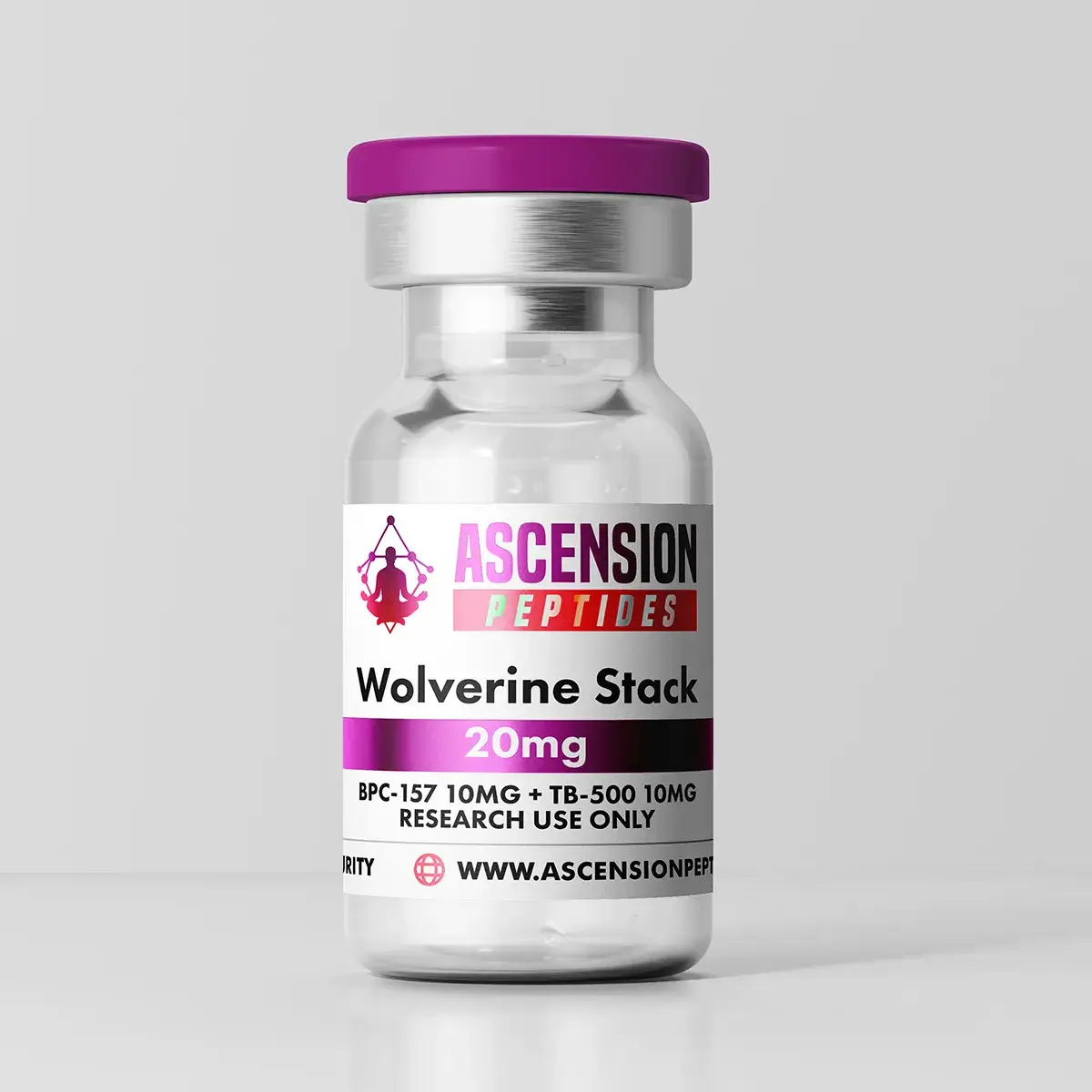
Ascension Peptides is one vendor that consistently meets these benchmarks for the compounds discussed in this guide, with third-party COAs available for all products.