Injury recovery is one of the most compelling use cases for peptide research. Whether you're dealing with a torn tendon, a chronic overuse injury, post-surgical healing, or stubborn muscle damage that won't resolve, certain peptides have shown remarkable potential in preclinical models for accelerating tissue repair, reducing inflammation, and restoring function.
The best peptides for injury recovery and healing aren't interchangeable — each compound works through a different biological mechanism, targets different tissue types, and operates on a different timeline. Getting the right match between injury type and peptide is the difference between mediocre results and a genuinely accelerated recovery.
This guide breaks down every major healing peptide, explains exactly how each one works, which injuries it targets best, realistic recovery timelines, and how to stack them for maximum effect.
How Healing Peptides Work: The Core Mechanisms
Before diving into specific compounds, it helps to understand the four primary pathways through which peptides accelerate healing:
Angiogenesis (New Blood Vessel Formation)
Injured tissue heals fastest when it has robust blood supply delivering oxygen, growth factors, and immune cells. Peptides like BPC-157 and TB-500 are potent angiogenic agents — they upregulate VEGF and other vascular growth factors to rapidly rebuild the vascular network around damaged tissue.
Fibroblast Activation & Collagen Synthesis
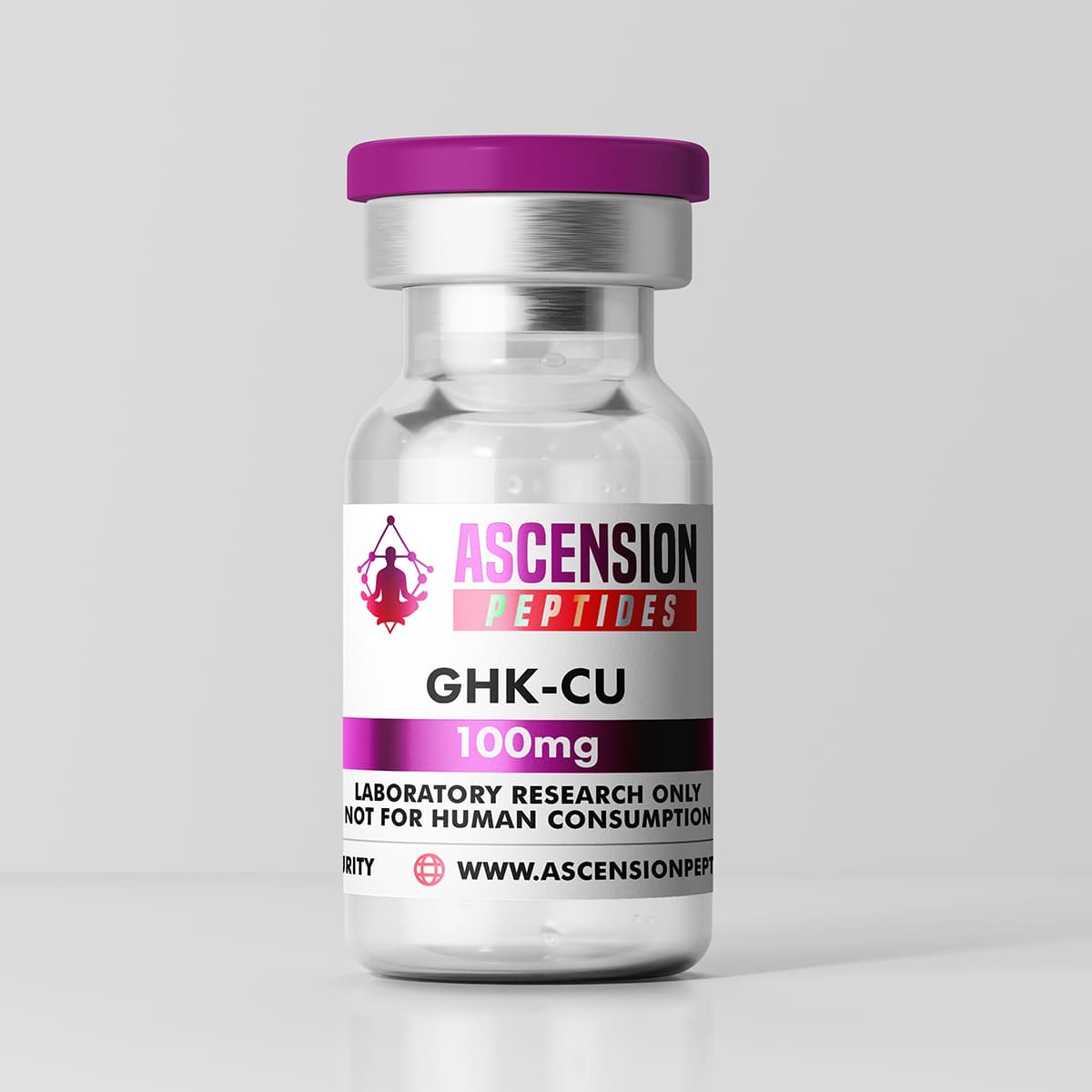
Fibroblasts are the structural repair cells that lay down new collagen and extracellular matrix. BPC-157 dramatically increases fibroblast proliferation and migration to injury sites, while GHK-Cu directly stimulates collagen types I, III, and IV — critical for tendon and skin repair.
Inflammation Modulation
Acute inflammation is necessary for healing — but chronic, unresolved inflammation destroys tissue. Healing peptides modulate the inflammatory cascade rather than simply suppressing it, allowing the productive early phase while preventing the damaging chronic phase.
Growth Hormone Axis Stimulation
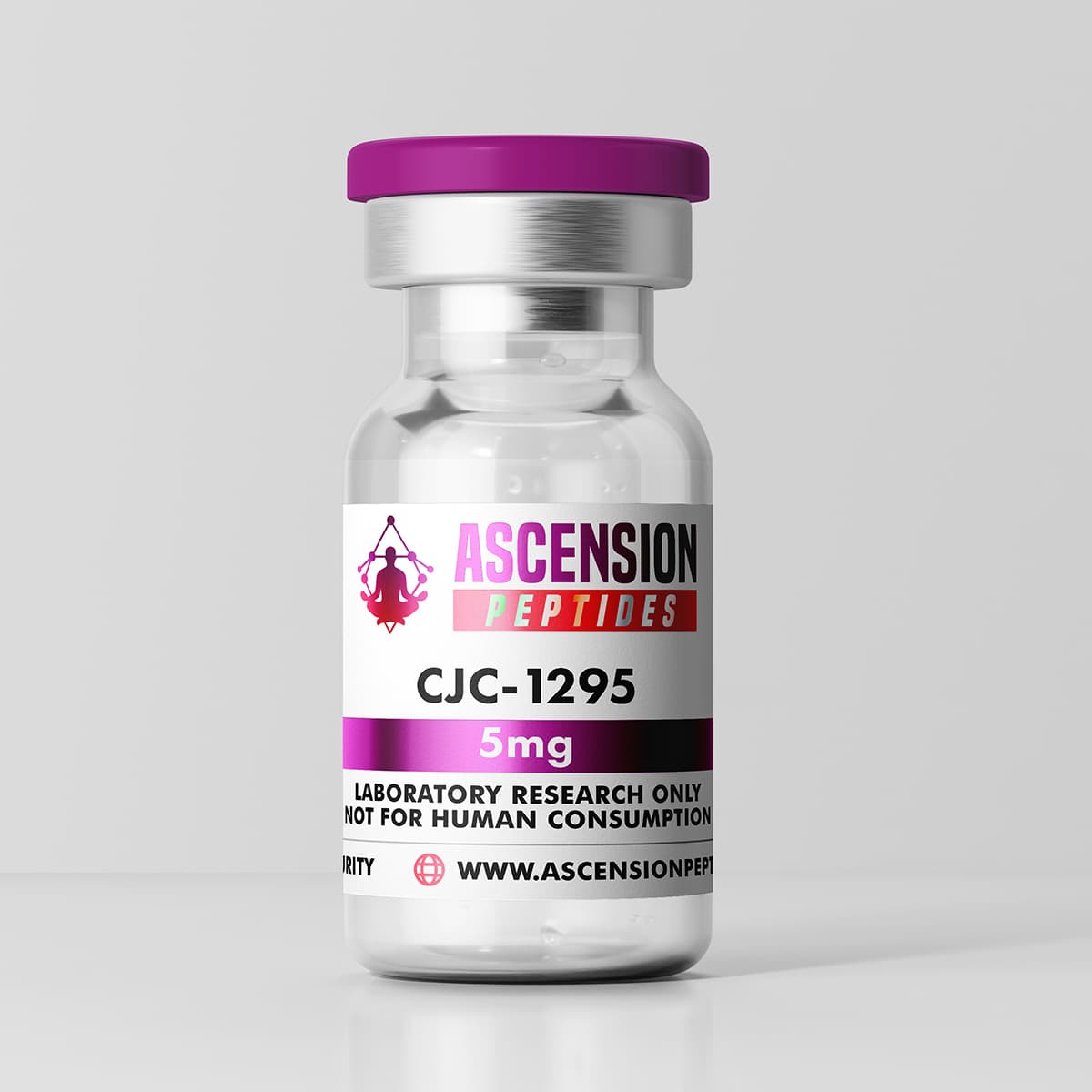
GH and IGF-1 are master regulators of tissue repair. Peptides like Ipamorelin and CJC-1295 pulse GH release from the pituitary, creating systemic anabolic and regenerative conditions that accelerate healing across every tissue type.
BPC-157: The Gold Standard for Local Tissue Repair
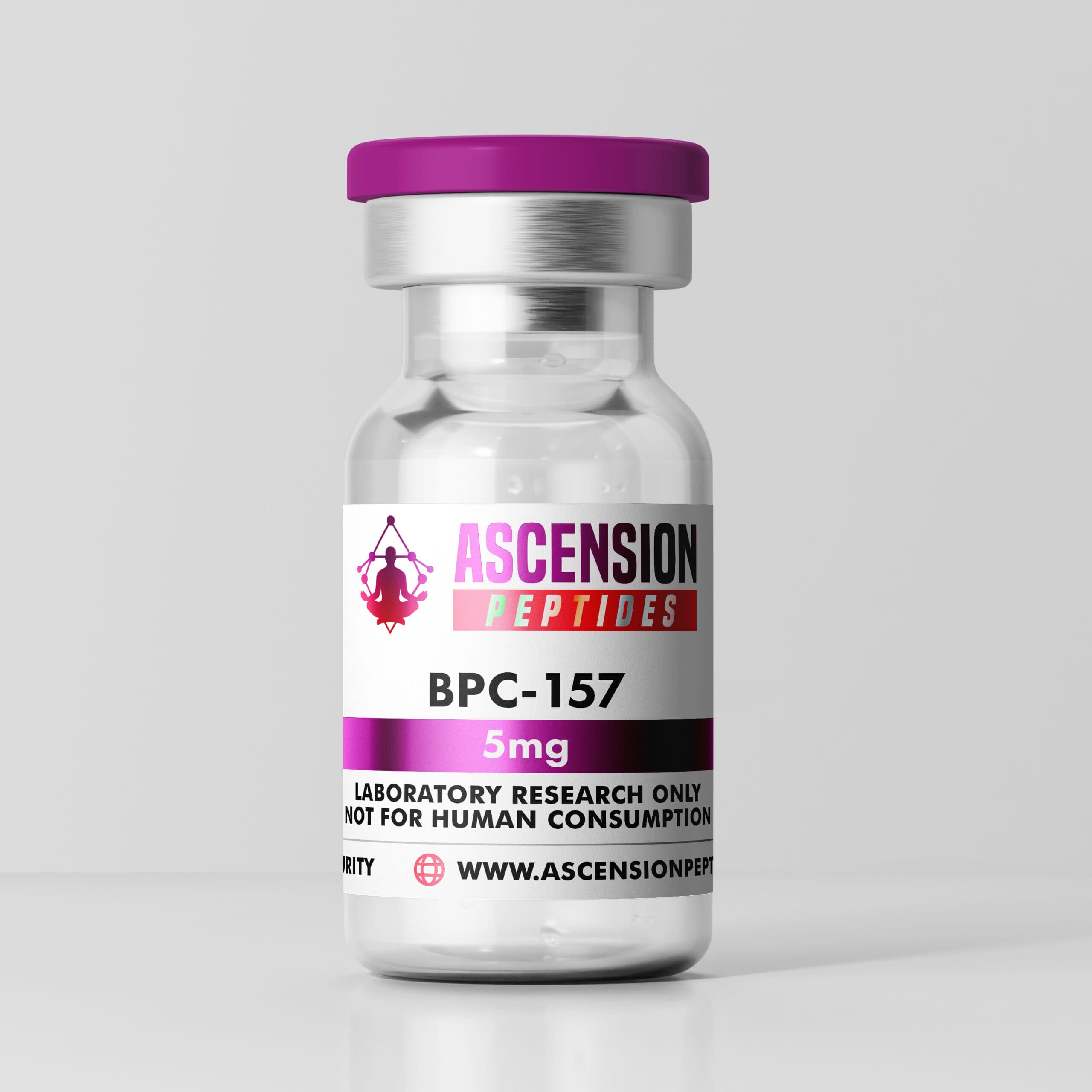
BPC-157 (Body Protection Compound 157) is derived from a protein found naturally in gastric juice and is the most studied healing peptide in preclinical research. Its speed and specificity make it the first-line choice for acute injuries.
What separates BPC-157 from other healing compounds is its local activity. When injected subcutaneously near an injury site, it concentrates its effects at that specific location — dramatically accelerating fibroblast growth, upregulating growth hormone receptors, and triggering rapid angiogenesis exactly where it's needed.
- Tendon injuries (Achilles, patellar, rotator cuff, bicep)
- Ligament tears and sprains (ACL, MCL, ankle)
- Muscle tears and strains (grades I–III)
- Joint inflammation and cartilage damage
- Bone fracture healing (secondary benefit)
- Gastrointestinal damage (ulcers, leaky gut, IBD)
- Nerve damage and neuropathy
BPC-157 Research Protocol
- Dose: 250–500mcg per injection
- Frequency: Twice daily (morning and evening)
- Injection site: Subcutaneous, as close to the injury as safely accessible
- Duration: 4–8 weeks depending on injury severity
- Form: Injectable (lyophilized powder reconstituted with bacteriostatic water) or oral (for gut-specific applications)
Realistic Healing Timeline with BPC-157
- Days 1–7: Noticeable reduction in acute pain and swelling
- Days 8–14: Improved range of motion, reduced stiffness
- Weeks 3–4: Clear structural healing progress, returning strength
- Weeks 6–8: Near-complete resolution of minor-to-moderate injuries
Important caveat: BPC-157 accelerates the body's natural healing — it doesn't bypass it. A 3-month injury may resolve in 6–8 weeks. A minor tendon strain may heal in 2–3 weeks instead of 6. Realistic expectations lead to better outcomes.
TB-500: The Systemic Healer for Chronic and Widespread Injuries
TB-500 is a synthetic version of Thymosin Beta-4, a naturally occurring peptide found in platelets and thymus tissue. Unlike BPC-157's localized action, TB-500 is a systemic healer — it circulates throughout the bloodstream, locates damaged tissue anywhere in the body, and promotes large-scale tissue regeneration.
TB-500 works by upregulating actin — the protein that forms the cytoskeleton of cells — enabling cell migration to injury sites, reducing fibrous scar formation, and improving tissue architecture over time. The result is higher-quality tissue repair compared to the body's default scarring response.
- Chronic overuse injuries (tendinopathies, stress fractures)
- Multiple simultaneous injury sites
- Post-surgical tissue repair and scar reduction
- Muscle fiber damage from high-volume training
- Cardiac and vascular tissue (emerging research)
- Neurological recovery (emerging research)
TB-500 Research Protocol
- Loading phase: 2.5–5mg twice weekly for 4–6 weeks
- Maintenance phase: 2–3mg once weekly for 4–8 weeks
- Injection site: Anywhere subcutaneous (it circulates systemically)
- Total duration: 8–16 weeks
TB-500 vs. BPC-157: How to Choose
This is the most common question in recovery peptide research. The answer depends on your injury profile:
- Choose BPC-157 for acute, localized injuries where you need fast pain relief and rapid structural repair at a specific site.
- Choose TB-500 for chronic injuries, systemic recovery needs, multiple injury sites, or post-surgical applications where tissue quality matters more than speed.
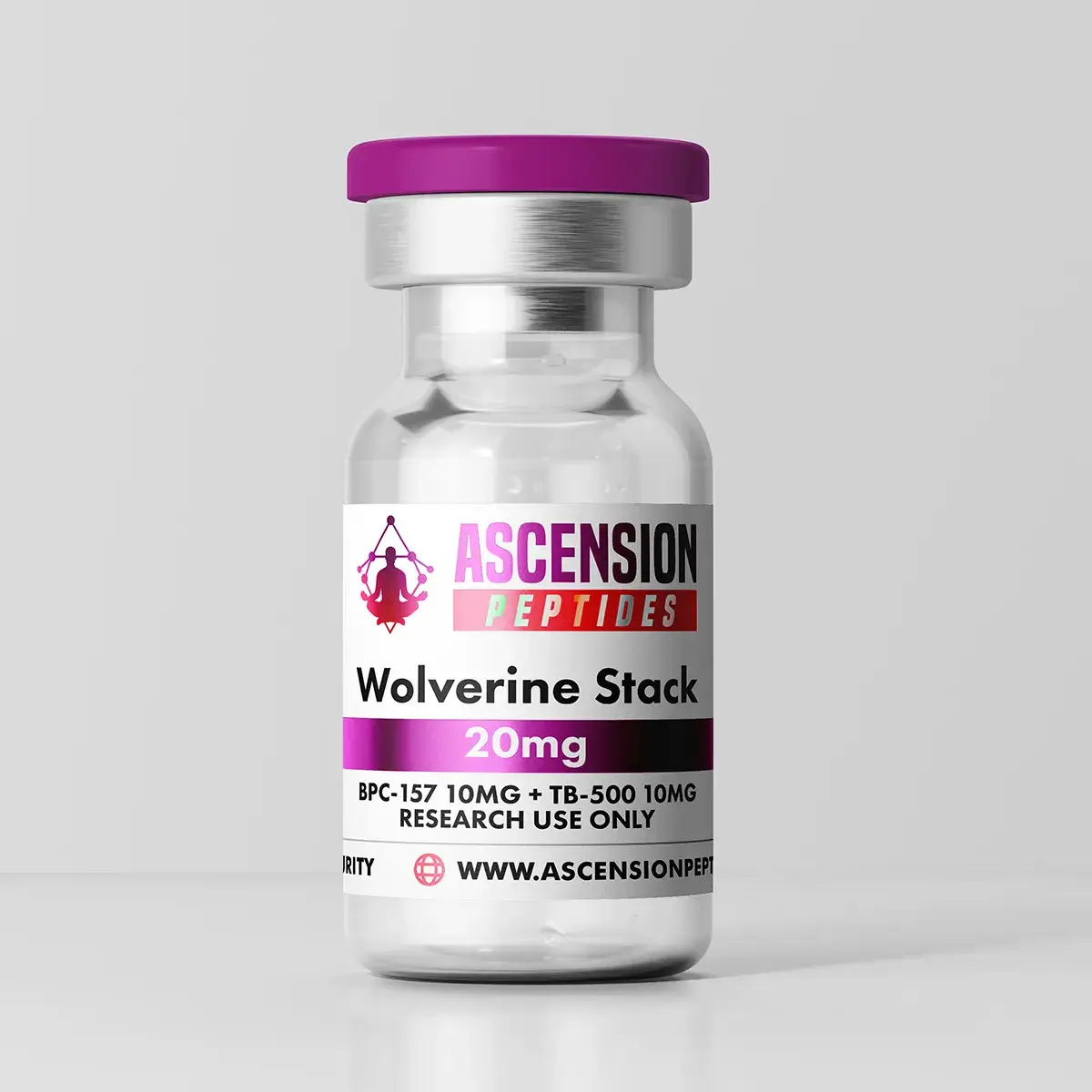
- Use both (the classic stack) for severe injuries, athletes with high training loads, or anyone who wants to maximize recovery across all dimensions.
GHK-Cu: The Connective Tissue and Collagen Specialist
GHK-Cu (Copper Peptide) is a naturally occurring tripeptide that declines significantly with age. It has a dual function: it directly stimulates collagen synthesis while simultaneously acting as a potent antioxidant and anti-inflammatory agent. For connective tissue injuries and skin healing, it's unmatched.
Research shows GHK-Cu upregulates collagen types I and III (structural), collagen IV (basement membrane), and elastin — the proteins that give connective tissue its strength and elasticity. It also promotes angiogenesis and reduces the activity of matrix metalloproteinases (MMPs), enzymes that break down tissue during chronic inflammation.
- Joint and cartilage degeneration
- Ligament and tendon structural integrity (long-term)
- Wound healing and surgical scars
- Skin damage and burns
- Age-related connective tissue degradation
- Bone density support
GHK-Cu Research Protocol for Injury Recovery
- Systemic (injectable): 1–2mg daily, subcutaneous
- Topical: Applied directly to wound sites or skin injuries 2–3x daily
- Duration: 8–12 weeks for structural connective tissue benefits
- Best use: Stacked with BPC-157 for comprehensive tendon/ligament repair
Ipamorelin + CJC-1295: The Recovery Amplifiers
Ipamorelin and CJC-1295 are growth hormone secretagogues — they don't directly repair tissue but they dramatically amplify your body's systemic recovery capacity by pulsing growth hormone release from the pituitary gland.
GH and its downstream mediator IGF-1 are master anabolic hormones that regulate protein synthesis, satellite cell activation (muscle repair), collagen production, and immune function. When GH levels are optimized through Ipamorelin/CJC-1295, every other healing process in the body becomes more efficient.
- Enhances protein synthesis — faster muscle fiber repair
- Boosts IGF-1 — promotes satellite cell proliferation in muscles
- Improves sleep quality — most tissue repair happens during deep sleep
- Increases collagen production systemically
- Reduces recovery time between training sessions
- Supports immune function during the healing period
Ipamorelin + CJC-1295 Research Protocol
- Ipamorelin dose: 200–300mcg per injection
- CJC-1295 (DAC) dose: 1–2mg once weekly; or CJC-1295 no-DAC at 100–200mcg per injection
- Frequency: 1–3x daily (before bed is most effective for GH pulse)
- Duration: 12–16 weeks for meaningful recovery enhancement
Best Peptide Stacks for Injury Recovery by Goal
Single peptides are effective, but combining compounds that work through complementary mechanisms produces synergistic results. Here are the most evidence-supported stacks for injury recovery research:
BPC-157 (500mcg 2x daily) + TB-500 (2.5mg 2x weekly) for 6–8 weeks.
BPC-157 handles local repair and immediate pain; TB-500 rebuilds tissue architecture systemically.
TB-500 (loading protocol) + GHK-Cu (1mg daily injectable) for 10–12 weeks.
Addresses long-standing tissue degeneration and rebuilds connective tissue quality.
BPC-157 (250mcg 2x daily) + TB-500 (2.5mg 2x weekly) + Ipamorelin/CJC-1295 (nightly).
Comprehensive approach targeting local healing, systemic tissue repair, and GH-driven anabolism.
GHK-Cu (1mg daily) + Ipamorelin/CJC-1295 (nightly) for 16 weeks.
Ideal for older athletes maintaining joint integrity and preventing re-injury.
Where to Buy Peptides for Injury Recovery
The quality of your peptides determines the quality of your results — and unfortunately, the research peptide market has significant variance in product quality. Here's what to look for when sourcing healing peptides:
Third-Party Testing & Certificate of Analysis (COA)
Every reputable vendor will provide a COA from an independent lab (not their own in-house testing) confirming purity, identity, and absence of contaminants. If a vendor can't produce a COA, don't buy from them.
Minimum 98% Purity
Research-grade peptides should be ≥98% pure. Sub-98% products contain unknown impurities that can cause unpredictable effects and reduce efficacy. The COA should explicitly state purity percentage from HPLC testing.
US-Based Manufacturing
US-based peptide labs are subject to stricter quality controls and more consistent supply chains. Look for vendors who manufacture domestically and store peptides under proper cold-chain conditions.
Transparent Pricing and No Pressure Sales
Legitimate vendors price peptides consistently with market rates ($30–$80 per vial depending on compound and dose). Suspiciously cheap pricing often signals underdosed or impure products.
Our recommended vendor for injury recovery peptides is Ascension Peptides — US-based, third-party tested, with COAs available for every product and consistent stock of BPC-157, TB-500, GHK-Cu, Ipamorelin, and CJC-1295.