What Is Retatrutide and Why Does Heart Rate Matter?
Retatrutide is a triple-receptor agonist that simultaneously activates the GLP-1 (glucagon-like peptide-1), GIP (glucose-dependent insulinotropic polypeptide), and glucagon receptors. This triple-action mechanism is what makes it one of the most potent weight-loss peptides currently in clinical investigation — Phase 2 trials demonstrated up to 24% body weight reduction over 48 weeks, significantly outperforming dual and single-receptor agents like semaglutide.
However, that same receptor profile — particularly the glucagon receptor activation — is associated with autonomic nervous system effects, including an increase in resting heart rate. For researchers evaluating retatrutide as a study compound, understanding this cardiovascular side effect is essential for responsible protocol design and subject monitoring. For the full risk picture beyond heart rate, see is retatrutide safe.
This article breaks down the mechanism behind retatrutide-induced heart rate elevation, how it compares to other peptides in the same class, how significant the increase actually is, and what signs warrant discontinuation or dose adjustment.
Why Does Retatrutide Increase Heart Rate?
The heart rate elevation seen with retatrutide is not a random side effect — it has a clear pharmacological basis rooted in the compound's receptor targets.
GLP-1 Receptor Activation
GLP-1 receptors are expressed in cardiac tissue, and their activation promotes a modest sympathomimetic effect. This means the heart beats slightly faster and with slightly more force. This mechanism is well-documented across the GLP-1 agonist class, including semaglutide and liraglutide, where increases of 1–4 bpm are routinely observed.
Glucagon Receptor Activation
Glucagon is a known positive chronotrope — it directly increases heart rate by acting on cardiac cells. Retatrutide's glucagon receptor agonism adds an additional layer of heart rate elevation beyond what GLP-1 alone would produce. This is the primary reason retatrutide tends to show greater heart rate increases than dual GIP/GLP-1 agents like tirzepatide.
Sympathetic Nervous System Tone
As retatrutide drives significant weight loss, baroreflex adjustments occur. The body's compensatory response to reduced adiposity and caloric intake can temporarily upregulate sympathetic tone, further contributing to elevated resting heart rate — especially in the early weeks of a research protocol.
Vasodilation and Reflex Tachycardia
Glucagon receptor activation also promotes vasodilation. This peripheral vasodilation can lower blood pressure slightly, triggering a compensatory reflex tachycardia as the heart works to maintain cardiac output. The combined picture is a compound that simultaneously lowers blood pressure while raising heart rate — a pattern distinct from most traditional cardiovascular medications.
What the Clinical Trial Data Shows
The Phase 2 retatrutide trial published in The New England Journal of Medicine (2023) provided the clearest picture of dose-dependent heart rate effects in human subjects. Key findings included:
In every dose group the rise peaked around week 24 and then declined at weeks 36 and 48 while participants stayed on treatment. These increases are statistically significant but generally classified as clinically mild in subjects without pre-existing cardiovascular conditions. No serious cardiac events were attributed directly to heart rate elevation in the Phase 2 data, though participants with baseline tachycardia or arrhythmias were excluded from trials.
It's worth noting that similar GLP-1 class drugs have shown the same pattern. Semaglutide increases heart rate by approximately 1–4 bpm, while tirzepatide (dual GLP-1/GIP) shows increases of 2–4 bpm. Retatrutide's glucagon component pushes this slightly higher, consistent with the pharmacology.
Retatrutide vs. Other Peptides: Heart Rate Side Effect Profile
Understanding how retatrutide compares to alternative research peptides helps researchers make informed protocol decisions when cardiovascular sensitivity is a consideration.
Researchers who require a metabolic or weight-loss-oriented peptide with minimal cardiovascular impact may consider semaglutide as an alternative, accepting a trade-off in potency. For research focused specifically on the glucagon axis or maximum weight-reduction outcomes, retatrutide's heart rate effect may be an acceptable cost.
How Serious Is the Heart Rate Increase? Putting It in Context
A 3–7 bpm resting heart rate increase sounds alarming in isolation, but context matters enormously in research interpretation.
Absolute vs. Relative Risk
A resting heart rate of 70 bpm rising to 75–77 bpm is not clinically significant for a healthy adult. Medical concern typically begins when resting heart rate sustains above 100 bpm (tachycardia) or when elevations occur on top of pre-existing cardiovascular conditions. In healthy research subjects, retatrutide's observed increases fall well within safe ranges.
Weight Loss Counterbalance
Paradoxically, the substantial weight loss retatrutide produces may ultimately lower resting heart rate over time, as adiposity itself is a driver of elevated baseline heart rate. In long-term protocols, the net effect on cardiovascular parameters may be neutral or even positive once significant weight loss has occurred.
Who Should Exercise Caution
Research protocols should be designed with extra caution — or retatrutide may be contraindicated — in subjects with:
- Pre-existing tachycardia or arrhythmias (e.g., atrial fibrillation, supraventricular tachycardia)
- Thyroid conditions, particularly hyperthyroidism (which already elevates heart rate)
- Use of stimulant compounds (caffeine stacking, sympathomimetic amines)
- History of heart failure or reduced ejection fraction
- Concurrent use of other agents known to elevate heart rate
Recommended Heart Rate Monitoring During Retatrutide Research
For researchers designing retatrutide protocols, the following monitoring approach reflects best practices based on available clinical data:
Establish Baseline Heart Rate
Record resting heart rate (seated, after 5 minutes of rest) on at least 3 separate occasions before beginning the protocol. Morning measurements are most consistent. A wearable heart rate monitor can provide continuous baseline data over 1–2 weeks.
Monitor Weekly During Dose Escalation
Heart rate elevation is most pronounced during dose escalation phases. Check resting heart rate at least twice weekly when moving between dose tiers (e.g., 2 mg → 4 mg → 8 mg). Note any symptoms such as palpitations, chest discomfort, or dizziness.
Set a Threshold for Protocol Pause
Define an a priori stopping rule before beginning research. A common threshold: pause the protocol if resting heart rate exceeds 100 bpm sustained for more than 48 hours, or if the subject experiences symptomatic palpitations not explained by exertion or anxiety.
Assess at Steady-State Dose
In the phase 2 trial, heart rate rose until about week 24 and then declined at weeks 36 and 48, so readings often ease after the first six months. Monthly spot-checks thereafter are generally sufficient for ongoing monitoring in subjects without cardiovascular risk factors.
Document and Report
Maintain a log of all heart rate measurements alongside dose, body weight, and any reported symptoms. This data is valuable for research integrity and for identifying individual variability in cardiovascular response to retatrutide.
Where to Buy Retatrutide for Research
For researchers sourcing retatrutide for legitimate research purposes, vendor quality is critical. Given the cardiovascular monitoring requirements, the last thing any researcher needs is dosing uncertainty from an impure or mislabeled compound.
When evaluating vendors, prioritize:
- Third-party tested purity: Look for ≥98% purity confirmed by independent HPLC and mass spectrometry testing
- Certificate of Analysis (COA): Should be batch-specific and from a named third-party laboratory
- US-based operations: Domestic vendors offer faster shipping and greater accountability
- Lyophilized format: Powder form with stated mg per vial offers more precise reconstitution control
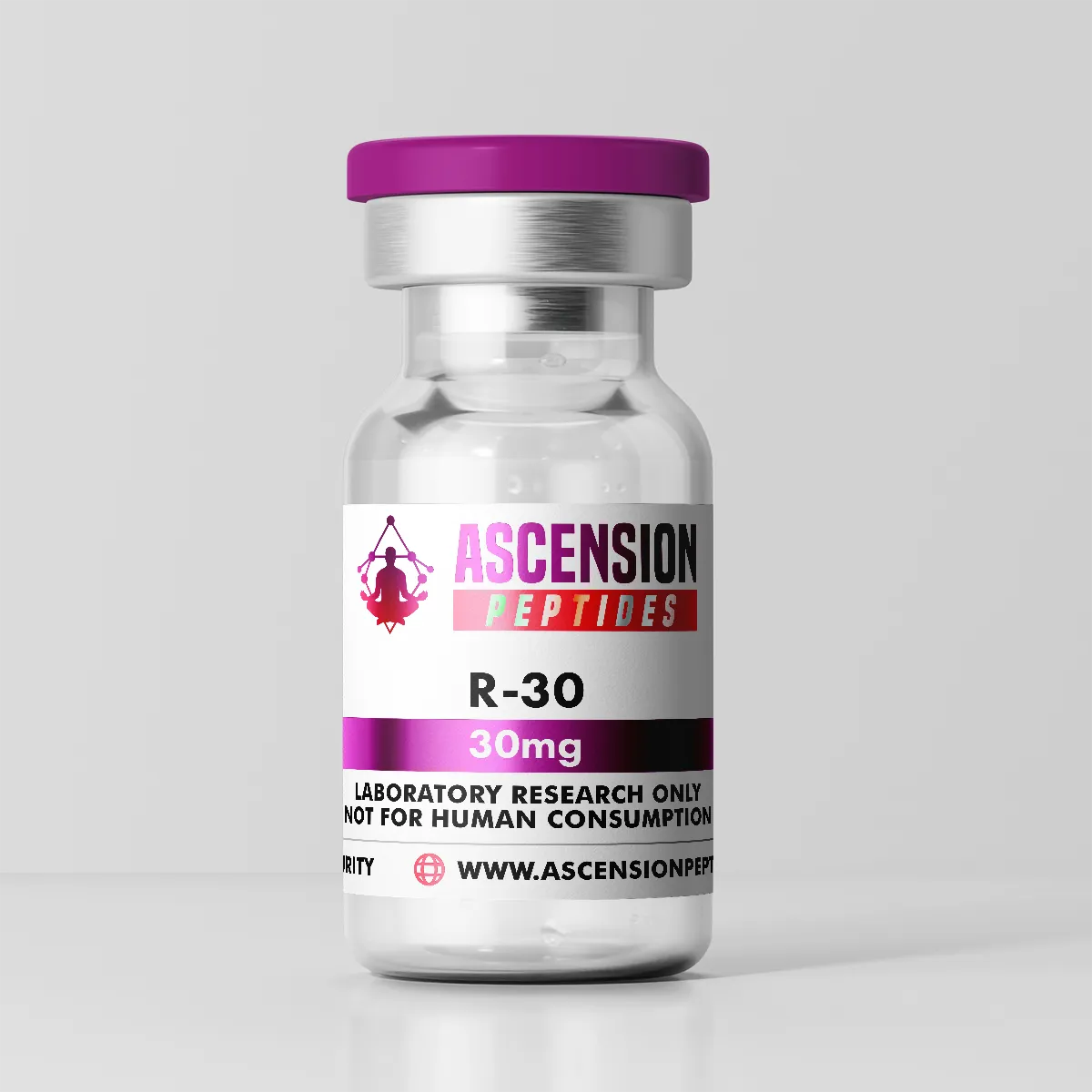
- Transparent pricing: Expect to pay $100–$250 per vial of research-grade retatrutide at list price depending on vial size (10 mg vs 30 mg at Ascension Peptides; $50–$125 with code PEPTIDEDECK)
Ascension Peptides is a consistently cited vendor in research communities for retatrutide, offering third-party tested product with accessible COA documentation and domestic US shipping.