
Retatrutide is the next generation of weight loss injections — an injectable medication developed by Eli Lilly. It's the first drug to simultaneously activate three metabolic receptors — GLP-1, GIP, and glucagon — which is why it's called a triple agonist. In Phase 2 trials, participants at the highest dose lost an average of 24.2% of their body weight over 48 weeks. Phase 3 data (TRIUMPH-4) pushed that to 28.7% at 68 weeks. No other injectable weight loss medication has matched those numbers.
🔑 Key Takeaways
- Triple agonist: Retatrutide activates GLP-1, GIP, and glucagon receptors simultaneously — the first drug of its kind
- Best-in-class weight loss: 24.2% average at 48 weeks (Phase 2), 28.7% at 68 weeks (Phase 3) — significantly more than tirzepatide or semaglutide
- Not yet FDA-approved: Currently in Phase 3 TRIUMPH trials, approval expected 2027–2028
- Broad metabolic effects: Reduces visceral fat by ~42%, liver fat by ~50%, triglycerides by ~30% in addition to weight loss
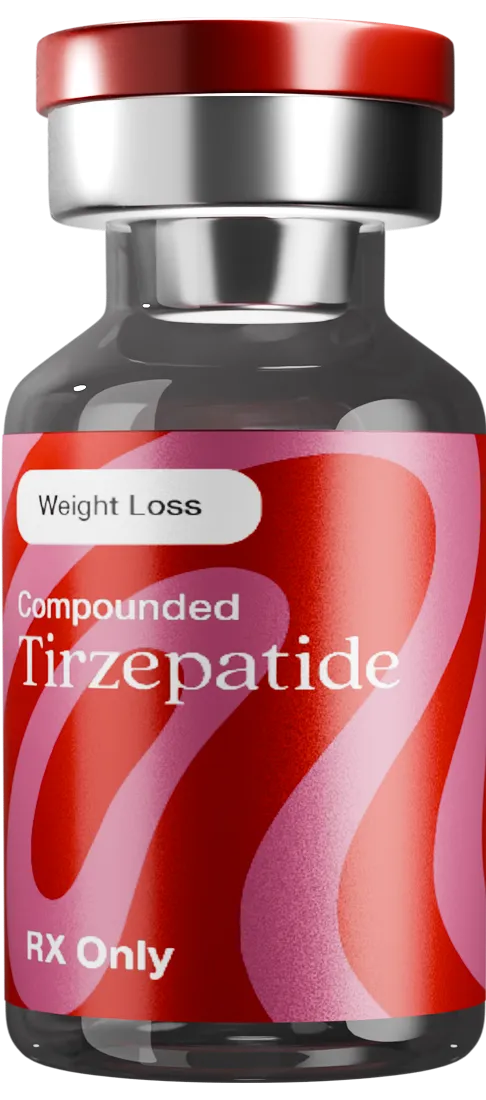
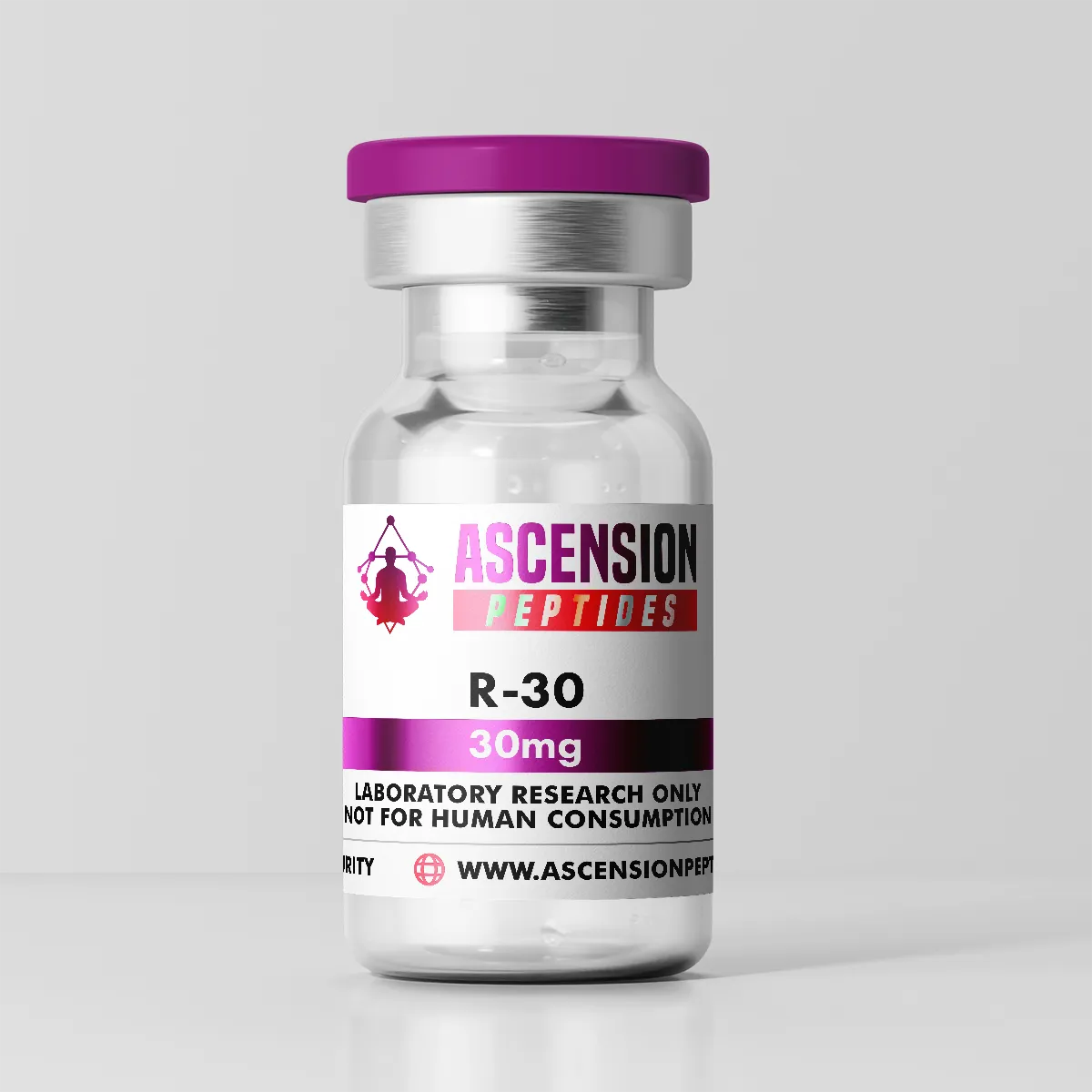
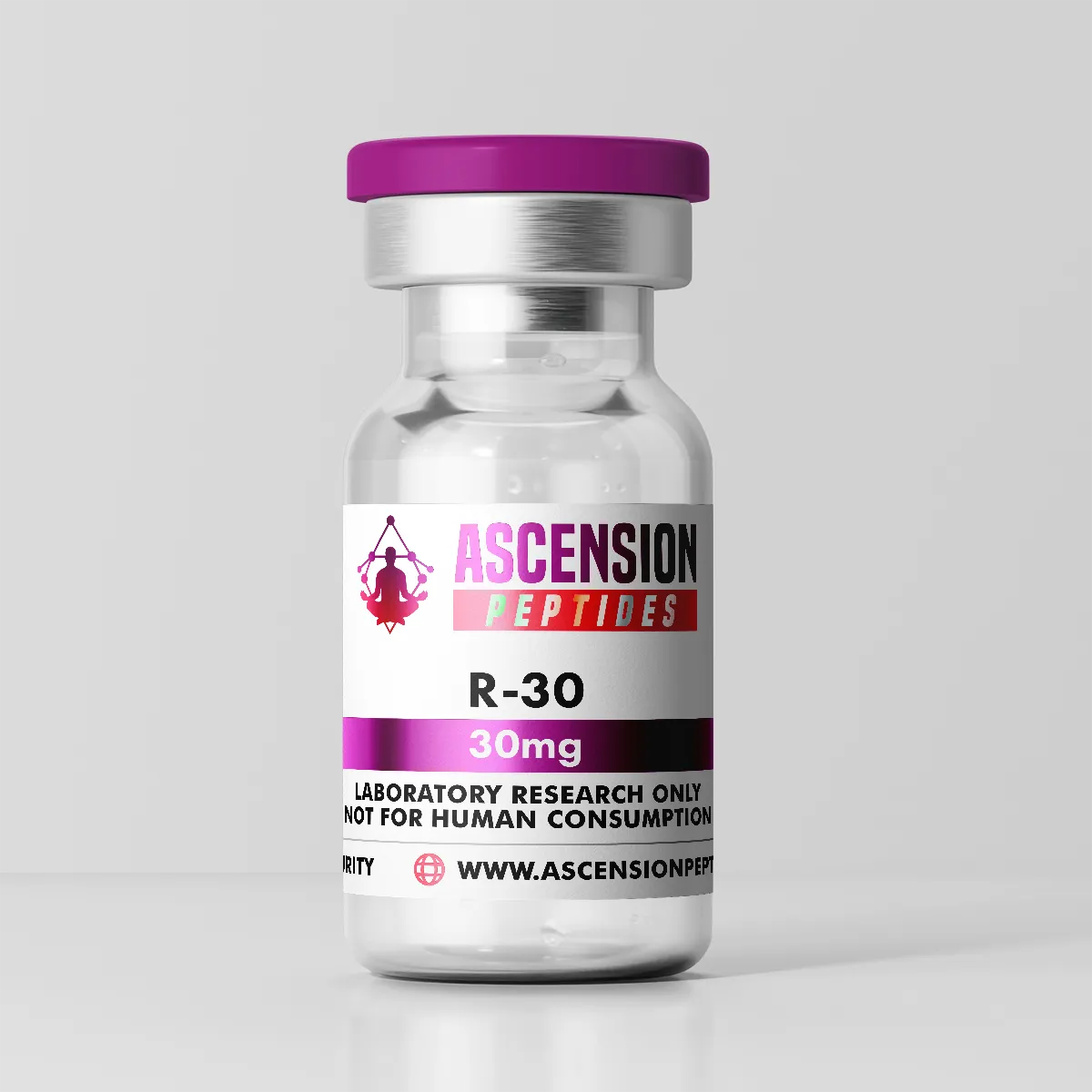
- Access now: Available through compounding pharmacies and research peptide vendors as R-10 (10mg) or R-30 (30mg) vials
- Once-weekly injection: Subcutaneous, 2mg → 12mg titration over 12+ weeks
What Is Retatrutide?
Retatrutide (development code: LY3437943) is a once-weekly injectable peptide developed by Eli Lilly for obesity and type 2 diabetes. It belongs to the incretin mimetic class alongside semaglutide (Ozempic, Wegovy) and tirzepatide (Mounjaro, Zepbound) — but it goes further than both by adding a third receptor target.
The name "triple agonist" refers to its mechanism: retatrutide is an agonist at three receptors simultaneously. Semaglutide targets one (GLP-1). Tirzepatide targets two (GLP-1 + GIP). Retatrutide targets all three: GLP-1 + GIP + glucagon. Each addition has produced meaningfully more weight loss in trials, and that pattern has held with retatrutide.
How Retatrutide Works: The Triple Mechanism
Each receptor target contributes something different to the overall effect. Understanding what each does explains why the combination is so much more powerful than any single pathway.
GLP-1 (Glucagon-Like Peptide-1)
GLP-1 is the foundation shared by all drugs in this class. GLP-1 receptor agonism reduces appetite by acting on hunger centers in the brain, slows gastric emptying (so you feel full longer), and stimulates insulin secretion in response to food. This is the core mechanism responsible for appetite suppression across all GLP-1 drugs.
GIP (Glucose-Dependent Insulinotropic Polypeptide)
GIP receptor activation improves insulin sensitivity and favorably shifts fat distribution — less visceral fat accumulating around organs, more subcutaneous fat under the skin. The addition of GIP to GLP-1 (as in tirzepatide) added approximately 5–7% more weight loss compared to GLP-1 alone. GIP also appears to reduce some of the GI side effects associated with pure GLP-1 agonism.
Glucagon (Retatrutide's Differentiator)
This is what sets retatrutide apart. Glucagon receptor activation increases resting metabolic rate — you burn more calories at rest — and promotes lipolysis, the breakdown of stored fat into usable energy. It also directly mobilizes liver fat, which is why retatrutide is being studied for metabolic-associated steatohepatitis (MASH/NASH). The glucagon component likely explains the additional 2–3% weight loss beyond tirzepatide and the outsized reduction in visceral and liver fat.
The short summary: GLP-1 reduces how much you eat. GIP optimizes how your body processes food. Glucagon increases how much you burn. Running all three simultaneously is why the weight loss numbers are in a different league.
Clinical Trial Results: What the Data Shows
Phase 2 Trial (NEJM, June 2023)
The Phase 2 trial enrolled 338 adults with obesity (BMI ≥30) or overweight with comorbidities and ran for 48 weeks. Results by dose group:
At the 12mg dose, 100% of participants lost at least 5% of body weight. The weight loss curve hadn't plateaued at 48 weeks — losses were still progressing — which suggested even greater results with longer treatment. The retatrutide dosage chart breaks down the full titration protocol.
Beyond Weight Loss: Metabolic Improvements
The visceral fat and liver fat reductions are particularly notable. A 42% reduction in visceral fat from a drug that produced 24% overall weight loss means the glucagon receptor component is preferentially targeting the metabolically dangerous fat depots. This is a different pattern from semaglutide and tirzepatide.
Phase 3 TRIUMPH-4 Update (2026)
Early data from the TRIUMPH-4 Phase 3 trial showed 28.7% average weight loss at 68 weeks on the 12mg dose — approximately 71 lbs for a 240-lb person. Full Phase 3 results across the TRIUMPH program are expected in late 2026, with FDA approval targeted for 2027–2028.
Retatrutide Dosing Protocol
Retatrutide uses a gradual dose escalation to minimize GI side effects as your body adjusts. The standard protocol from Phase 2 trials:
Some people titrate more slowly — staying at each dose for 6–8 weeks — if GI side effects are significant. The retatrutide dosing schedule covers the full titration with timing guidance, and the microdosing protocol explains how split dosing can reduce side effects during escalation.
Retatrutide vs Tirzepatide vs Semaglutide
FDA Approval Status
Retatrutide is not FDA-approved. It's an investigational drug in Phase 3 clinical trials under the TRIUMPH program. Key trials currently running include TRIUMPH-1 (obesity), TRIUMPH-2 (type 2 diabetes), TRIUMPH-3 (cardiovascular outcomes), and TRIUMPH-4 (obesity with knee osteoarthritis).
Based on current trial timelines and the FDA review process, approval is expected in 2027 or 2028 — similar to the 4–5 year timeline from Phase 2 publication (June 2023) to anticipated approval. The Phase 3 data available so far has been positive, with no major safety signals emerging.
Side Effects and Safety
The side effect profile of retatrutide closely mirrors other GLP-1 class medications, with GI effects being the most common — particularly during dose escalation.
Discontinuation due to side effects was ~16% in the Phase 2 trial at 12mg. This is comparable to tirzepatide. Most discontinuations occurred during the titration phase, not at steady-state maintenance doses. Slower titration significantly reduces dropout rates. For a complete breakdown, see the retatrutide side effects guide.
Who Is a Good Candidate?
Retatrutide is most relevant for:
- People with significant weight to lose (BMI ≥35, or ≥30 with metabolic comorbidities) who want the most effective option available
- People who plateaued on semaglutide or tirzepatide — the additional receptor targets may unlock further progress
- People with elevated liver fat or visceral adiposity — the glucagon component has disproportionate effects on these
- People with type 2 diabetes — TRIUMPH-2 data shows strong glycemic improvements alongside weight loss
It's less ideal for people who haven't tried other GLP-1 options first (semaglutide is a lower-risk starting point with more clinical data) or people who are very GI-sensitive and unwilling to manage the titration period carefully.
Where Retatrutide Is in 2026: TRIUMPH Phase 3 Status
Retatrutide is still investigational. Eli Lilly has not received FDA approval yet, but the TRIUMPH Phase 3 program is well underway. Here is the actual status as of May 2026:
- TRIUMPH-1 (obesity without diabetes): primary readout reported. Confirmed 22 to 24% weight loss at top dose at 72 weeks.
- TRIUMPH-2 (obesity with knee osteoarthritis): completed enrollment, readout expected late 2026.
- TRIUMPH-3 (obesity with cardiovascular risk): ongoing, longer follow-up.
- TRIUMPH-4 (obesity, longer titration): the 28.7% mean weight loss at 68 weeks figure that pushed retatrutide ahead of every other GLP-1 in head-to-head simulations.
- FDA submission: Lilly has not filed a New Drug Application yet. Most analysts expect a 2026 filing with 2027 approval if data hold.
What that means in practice: retatrutide is not available by prescription from a US pharmacy as a branded product yet. The only legal routes to obtain it today are enrolling in a TRIUMPH trial site, a compounding pharmacy (where state law permits during the ongoing FDA shortage list review), or a research-only vendor. For a breakdown of those routes, see our how to get retatrutide guide.
What Sets Retatrutide Apart from Mounjaro and Wegovy
The simple difference is target count. Semaglutide (Wegovy, Ozempic) hits one receptor: GLP-1. Tirzepatide (Mounjaro, Zepbound) hits two: GLP-1 and GIP. Retatrutide hits three: GLP-1, GIP, and glucagon. Adding the glucagon receptor is the part that makes retatrutide different from anything that has come before.
Glucagon activation in this context does not raise blood sugar the way you might expect. At the doses used in TRIUMPH, glucagon receptor activity increases resting energy expenditure, mobilizes hepatic fat stores, and contributes to additional weight loss beyond what GLP-1 plus GIP alone can produce. That is why retatrutide consistently outperforms tirzepatide in head-to-head modeling and trial benchmarks.
The trade-off is a slightly different side effect profile: more nausea early in titration, a small resting heart rate increase that is being studied, and the need for a slower dose ramp. We cover those details in retatrutide side effects and the heart rate question.
For a deeper apples-to-apples comparison, see retatrutide vs tirzepatide and our retatrutide vs semaglutide breakdown.
Frequently Asked Questions
References
- Jastreboff AM, et al. Triple-Hormone-Receptor Agonist Retatrutide for Obesity — A Phase 2 Trial. New England Journal of Medicine. 2023;389(6):514-526.
- Rosenstock J, et al. Retatrutide, a GIP, GLP-1 and glucagon receptor agonist, for people with type 2 diabetes. The Lancet. 2023;402(10401):529-544.
- Eli Lilly. TRIUMPH Phase 3 Program — Retatrutide Clinical Trial Updates. 2025–2026.
- Drucker DJ. The biology of incretin hormones. Cell Metabolism. 2006;3(3):153-165.
- Finan B, et al. Glucagon receptor signaling and its role in metabolism. Molecular Metabolism. 2021;45:101134.
For additional retatrutide guides and dosing protocols, Middleway Nutrition covers the clinical evidence in detail.
The information in this article is for educational purposes only and does not constitute medical advice. Always consult a healthcare professional before starting any new supplement or compound. Results vary by individual.