🔑 Key Takeaways
- Retatrutide vs semaglutide isn't a close race on weight loss — retatrutide averages ~24% body weight reduction vs ~15% for semaglutide in clinical trials
- Retatrutide is a triple agonist (GLP-1 + GIP + glucagon); semaglutide targets only GLP-1
- The glucagon receptor activation in retatrutide drives thermogenesis — actual fat burning, not just appetite suppression
- Semaglutide wins on FDA approval, safety data, and accessibility — it's been in use since 2017
- Retatrutide is not FDA-approved and only accessible via research channels in 2026 (FDA says it can't be compounded)
- Both are weekly subcutaneous injections; retatrutide tends to cause more nausea early in the dose-escalation phase
When people ask about retatrutide vs semaglutide, they're usually hoping for a simple answer. Here it is: if your only goal is maximum weight loss and you're willing to accept more unknowns, retatrutide wins outright. The numbers aren't close — 24% average body weight reduction versus 15%. That's a clinically massive gap.
But the retatrutide vs semaglutide question doesn't end at efficacy. Semaglutide is FDA-approved, extensively studied in millions of real-world patients, and available through your doctor. Retatrutide has finished its main Phase 3 trials but isn't approved; Lilly plans to file with the FDA in Q1 2027. It's not prescribable. You buy retatrutide online from a peptide vendor, or you don't get it at all in 2026.
So which one is right for you? That depends entirely on what you're optimizing for. This comparison breaks down the mechanism, the trial data, the side effects, and the practical realities of each — so you can make an informed call.
💡 Quick Verdict
In the retatrutide vs semaglutide matchup: retatrutide wins on efficacy, semaglutide wins on safety data and accessibility. Retatrutide's triple-agonist mechanism — hitting GLP-1, GIP, and glucagon receptors simultaneously — creates a fat-burning effect semaglutide simply can't match. ~24% average body weight loss in Phase 2 trials vs ~15% for semaglutide. But semaglutide has years of cardiovascular outcome data, FDA approval, and a predictable side effect curve. If raw weight loss is the goal and you're comfortable with research peptides, retatrutide is the choice. If you want medical oversight, insurance coverage, and a proven track record, semaglutide is still excellent.
The Core Difference in One Sentence
Semaglutide tells your brain you're full. Retatrutide tells your brain you're full and tells your fat cells to burn faster.
That single-sentence summary captures the fundamental gap in the retatrutide vs semaglutide comparison better than most clinical explanations. Semaglutide works through a single receptor pathway — GLP-1 — which is genuinely powerful. It's why Wegovy and Ozempic have transformed how we approach obesity treatment. Hundreds of thousands of people have lost meaningful weight on semaglutide. The drug works.
But retatrutide operates on three pathways at once, and that third lever — the glucagon receptor — is what separates the two in terms of fat loss outcomes. You're not just eating less on retatrutide. Your body is actively burning more. That distinction matters enormously when you're comparing long-term weight loss potential.
In the retatrutide vs semaglutide comparison, think of it this way: semaglutide reduced the calories coming in. Retatrutide reduces the calories coming in and increases the calories going out. Both directions at once.
How Each Works: Mechanism Breakdown
Semaglutide is a GLP-1 receptor agonist. GLP-1 (glucagon-like peptide-1) is a hormone your gut naturally releases after eating. It signals satiety to your brain, slows gastric emptying so you feel full longer, and lowers blood glucose by stimulating insulin secretion. Semaglutide mimics this hormone with a modified structure that dramatically extends its half-life — which is how a once-weekly injection can maintain effects that natural GLP-1 couldn't sustain for more than a few minutes.
It's effective. But it's working one dial.
Retatrutide, developed by Eli Lilly and not yet FDA-approved (its Phase 3 results are in), works three dials simultaneously:
- GLP-1 receptor — same satiety and glucose control mechanism as semaglutide. Reduces appetite, slows gastric emptying, improves insulin response.
- GIP receptor (glucose-dependent insulinotropic polypeptide) — enhances insulin secretion and sensitivity. GIP agonism amplifies the weight loss effects of GLP-1 when combined, as demonstrated by tirzepatide before retatrutide pushed things further.
- Glucagon receptor — this is the key differentiator in retatrutide vs semaglutide. Glucagon normally raises blood sugar, but when activated simultaneously with GLP-1 agonism, it drives thermogenesis in adipose (fat) tissue. Your fat cells generate heat. Caloric expenditure increases. This is active fat burning, not just appetite suppression.
The glucagon component is why retatrutide's weight loss numbers look almost implausible compared to what we were seeing from single-agonist drugs. You're not just eating less — you're also burning fat at an accelerated metabolic rate. That dual-direction effect is what makes the retatrutide vs semaglutide gap so wide on efficacy metrics.
Weight Loss Results: The Data Comparison
In the STEP-1 trial — the landmark semaglutide study that put Wegovy on the map — participants on 2.4mg lost an average of 14.9% of body weight over 68 weeks. That number shocked the medical community at the time. It was the most effective weight loss drug anyone had seen. Headlines called it a revolution in obesity treatment. They weren't wrong.
Then the retatrutide Phase 2 data dropped.
In Eli Lilly's Phase 2 trial (NEJM 2023, 48 weeks), participants on the 12mg dose of retatrutide lost an average of 24.2% of body weight. Real numbers: if you start at 250 lbs, semaglutide gets you to roughly 212 lbs. Retatrutide gets you to around 190 lbs. That's a 22-pound difference at the same starting weight — not a rounding error, and certainly not noise. It's a clinically meaningful gap, and it showed up consistently across the dose ranges studied in the retatrutide vs semaglutide data.
Even at the 8mg dose, retatrutide participants lost about 22.8% on average — still well ahead of semaglutide's benchmark. The 4mg group averaged around 17.1%, and even the 1mg group averaged 8.7%.
Important caveat: these are different trials, different patient populations, different timeframes. A true head-to-head randomized trial hasn't been published as of October 2026 (one against semaglutide in type 2 diabetes is due to finish in 2027). So the retatrutide vs semaglutide data comparison is cross-trial, not direct. But the effect sizes are large enough that researchers across the field aren't surprised by the direction — the triple mechanism was expected to outperform, and it did.
Side Effects: Which Is Harder to Tolerate?
Both peptides share the classic GLP-1 side effect profile: nausea, vomiting, diarrhea, constipation, and occasionally fatigue — particularly during dose escalation. That's not coincidence. When you slow gastric emptying and hit central satiety centers hard, your GI tract is going to object, at least initially.
The difference between retatrutide vs semaglutide on side effects comes down to intensity and predictability.
Semaglutide has a well-understood, relatively predictable side effect curve. Most people experience the roughest stretch in the first 4-8 weeks of dose escalation, then adaptation kicks in. By the time you reach maintenance dose, the majority of users have largely adjusted. The side effect profile is extensively documented — we have years of real-world data from millions of patients on Ozempic and Wegovy across diverse populations.
Retatrutide hits harder, especially early on. The glucagon receptor activation adds metabolic stress that doesn't exist with semaglutide. In the Phase 2 trial, nausea rates were elevated — roughly 40-50% of participants reported nausea at some point during escalation, with intensity often described as greater than what semaglutide users typically report at comparable stages. Vomiting was also more common in the higher dose groups during rapid escalation.
The good news: slow escalation — 4-week intervals between dose increases rather than 2-week — dramatically reduces GI burden. Most people who stick to the protocol adapt by weeks 12-16. For a detailed week-by-week breakdown of what to expect, our retatrutide side effects guide covers it thoroughly.
The other side effect consideration in the retatrutide vs semaglutide comparison is cardiovascular. Semaglutide has demonstrated direct cardiovascular benefits in large outcome trials like SUSTAIN-6 and SELECT — it reduces major cardiac events in high-risk patients. For retatrutide, cardiovascular outcome data is still accumulating. The glucagon receptor activation raises theoretical questions about heart rate elevation. Phase 2 data showed modest increases in resting heart rate at higher doses. Not a red flag, but something worth monitoring.
Dosing Protocols Compared
Both are once-weekly injections — a major quality-of-life advantage. But the operational experience is quite different in the retatrutide vs semaglutide comparison.
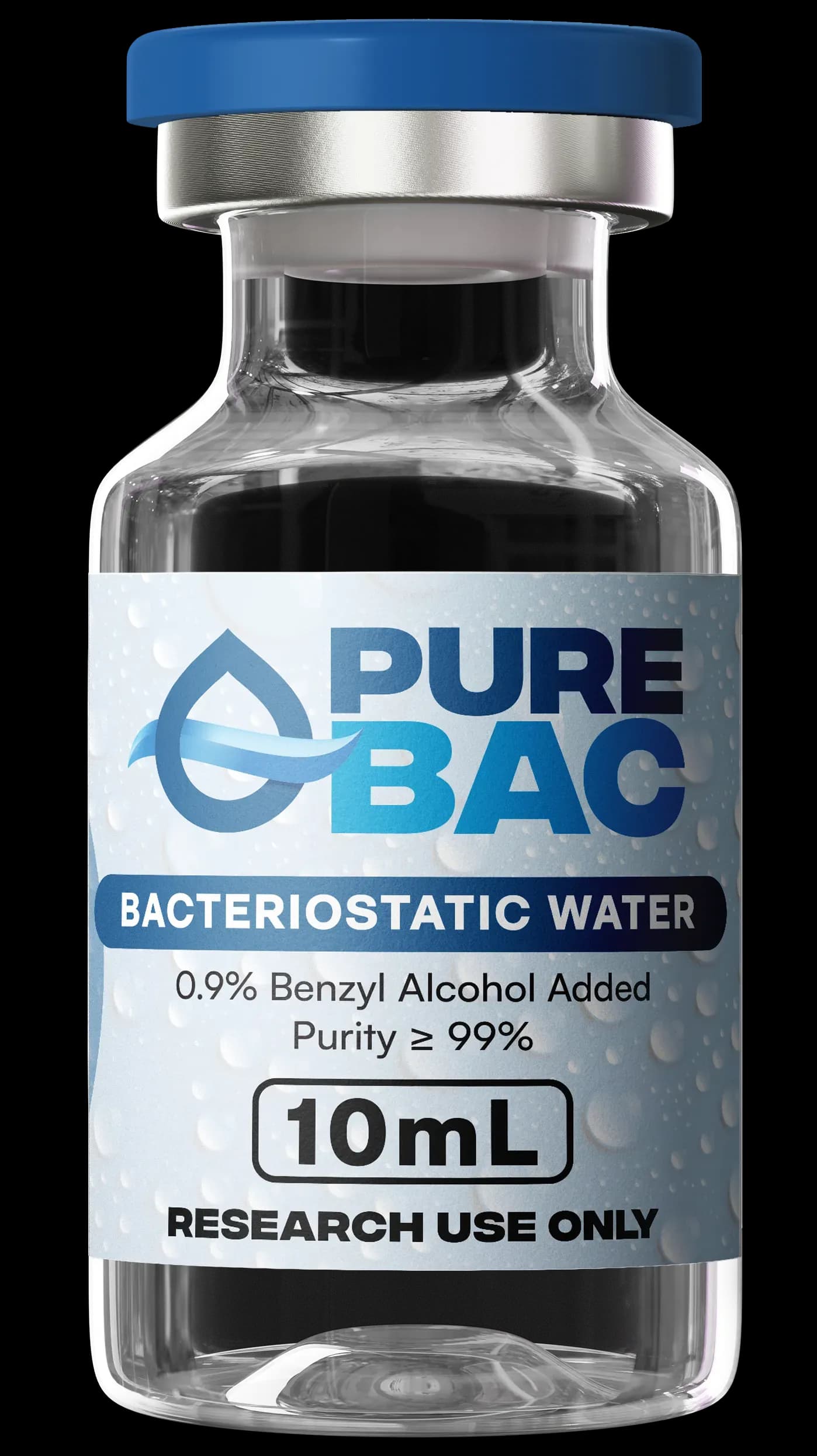
Semaglutide as Wegovy or Ozempic comes in a prefilled autoinjector pen. Click, inject, done. Clean, idiot-proof, barely a hassle. Retatrutide through research channels comes as lyophilized (freeze-dried) powder that you reconstitute with bacteriostatic water, draw into an insulin syringe, and self-inject. More steps, more variables, and a steeper learning curve for anyone new to peptide protocols.
The retatrutide dose escalation is also longer and more gradual — 20-24 weeks to reach a full maintenance dose, versus 16-20 weeks for semaglutide. Going faster on retatrutide has a direct cost: significantly worse GI side effects. Patience during the escalation phase isn't optional, it's strategic. For the full protocol with injection guidance, see our retatrutide dosing guide.
Cost & Accessibility
The retatrutide vs semaglutide cost comparison is more interesting than you'd expect, and it cuts against conventional wisdom.
Semaglutide (Wegovy/Ozempic):
- FDA-approved — prescribable through your doctor or telehealth platform
- List price about $1,349/month (Wegovy) or $1,028 (Ozempic), but NovoCare's self-pay price is $349/month for most doses (Ozempic 2 mg is $499) as of October 2026
- Many insurance plans now cover it for obesity (varies widely — requires prior auth)
- Compounded semaglutide available at lower cost through licensed compounding pharmacies
- Accessible at virtually any pharmacy nationwide
Retatrutide:
- Not FDA-approved — cannot be prescribed by physicians in the US
- Accessible only via research peptide suppliers in 2026
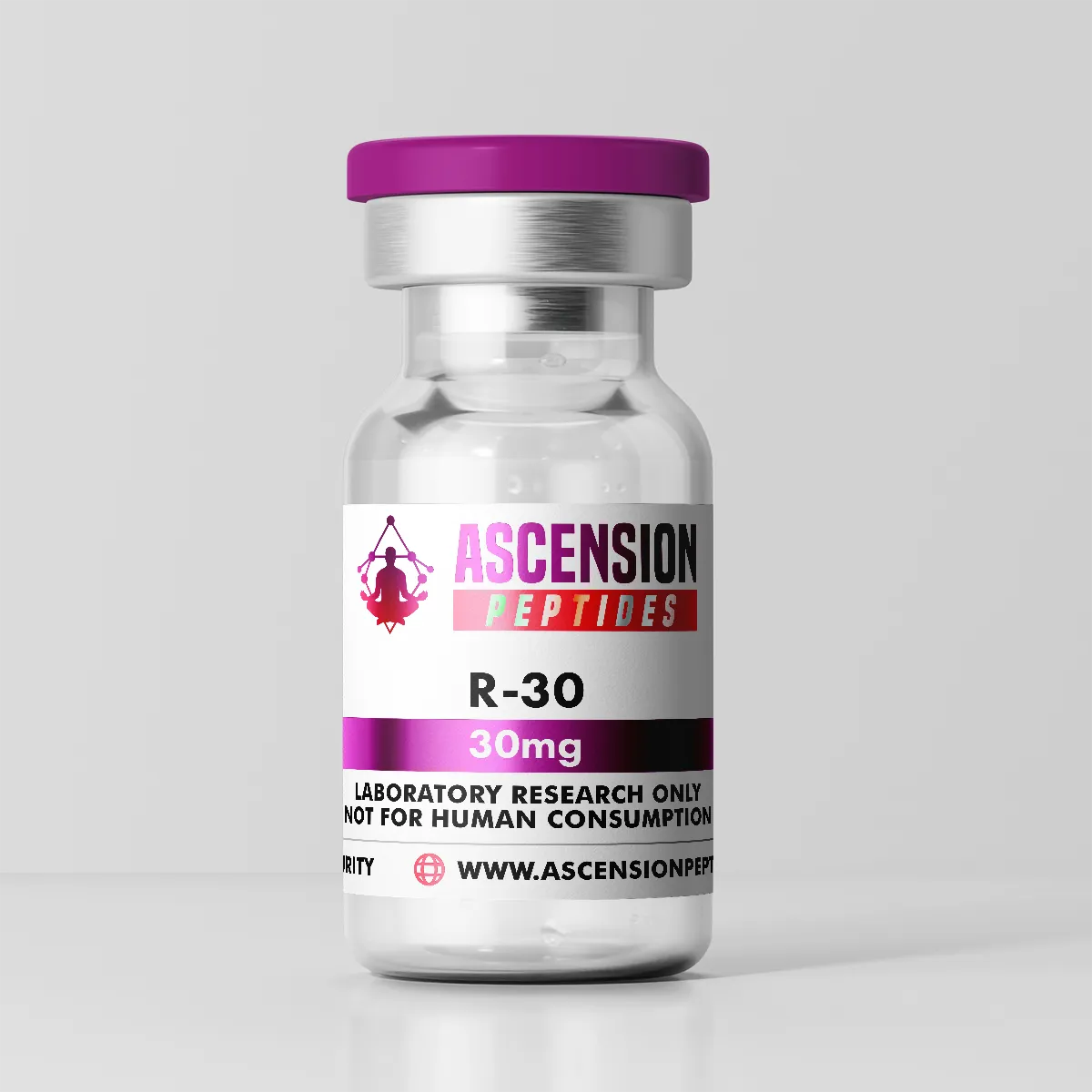
- About $35–$220/month at 2–12mg a week on Ascension's R-30 ($125 with code PEPTIDEDECK), or $70–$435 at the $250 list price
- No insurance coverage — ever, until approval
- Quality varies significantly across suppliers; third-party purity verification is non-negotiable
The cost math is surprising: out-of-pocket retatrutide through a quality peptide vendor is often substantially cheaper than out-of-pocket semaglutide. But you're trading regulatory oversight and physician support for that lower price. If your insurance covers semaglutide, that changes the calculus completely — $40 copay vs. $349 cash changes the retatrutide vs semaglutide decision pretty fast. Here is the full retatrutide cost per month at each dose.
Who Should Choose Retatrutide?
When people ask which side of the retatrutide vs semaglutide debate they should be on, the answer depends on more than just which drug performs better in trials.
You're a strong candidate for retatrutide if:
- You've plateaued on semaglutide or tirzepatide — the most common reason people make the switch. The triple mechanism offers ceiling beyond what dual or single agonists can reach.
- You have significant weight to lose (50+ lbs) and want the most aggressive fat loss protocol available in 2026
- You're comfortable with the research route — you understand what "not FDA-approved" means, you're willing to source responsibly, and you've done your diligence on suppliers
- You have at least informal medical oversight — baseline bloodwork, a doctor who knows what you're doing even if they're not prescribing it
- GLP-1 side effects haven't historically been brutal for you — if semaglutide made you severely ill for months, retatrutide will likely be harder
- You're optimizing for results over regulatory certainty — and you accept that long-term safety data is still accumulating
Who Should Stick With Semaglutide?
The retatrutide vs semaglutide decision shouldn't always land on retatrutide just because the numbers are bigger. Semaglutide is the right call if:
- You want a legitimate prescribing path — your doctor, a telehealth platform, a proper NDA medication with a clean chain of custody
- Insurance will cover it — then the cost comparison evaporates and you're getting a proven FDA-approved drug essentially free
- You're new to GLP-1 drugs entirely — start with the most-studied option in your class before escalating to a newer compound
- You have established cardiovascular disease or high cardiac risk — semaglutide's SELECT trial data demonstrating cardiovascular risk reduction in high-risk populations is genuinely valuable; retatrutide doesn't have equivalent data yet
- You need predictability — semaglutide's side effect profile is charted territory. You can read exactly what to expect and when.
- You don't want the complexity of reconstitution and self-injection — the autoinjector pen is a real quality-of-life advantage
15% average weight loss is still remarkable. Semaglutide fundamentally changed what was thought possible for non-surgical obesity treatment. For the full breakdown on what semaglutide can do for weight loss specifically, see our semaglutide for weight loss guide.
Where to Source Both for Research
When sourcing either side of the retatrutide vs semaglutide equation, supplier quality is the variable that separates results from disappointment. Especially with retatrutide — an underdosed vial doesn't just underperform, it gives you a false read on whether the compound is working for you at all. Our answer to "where can I buy retatrutide" starts with exactly that check.
Retatrutide — Ascension Peptides R-30:
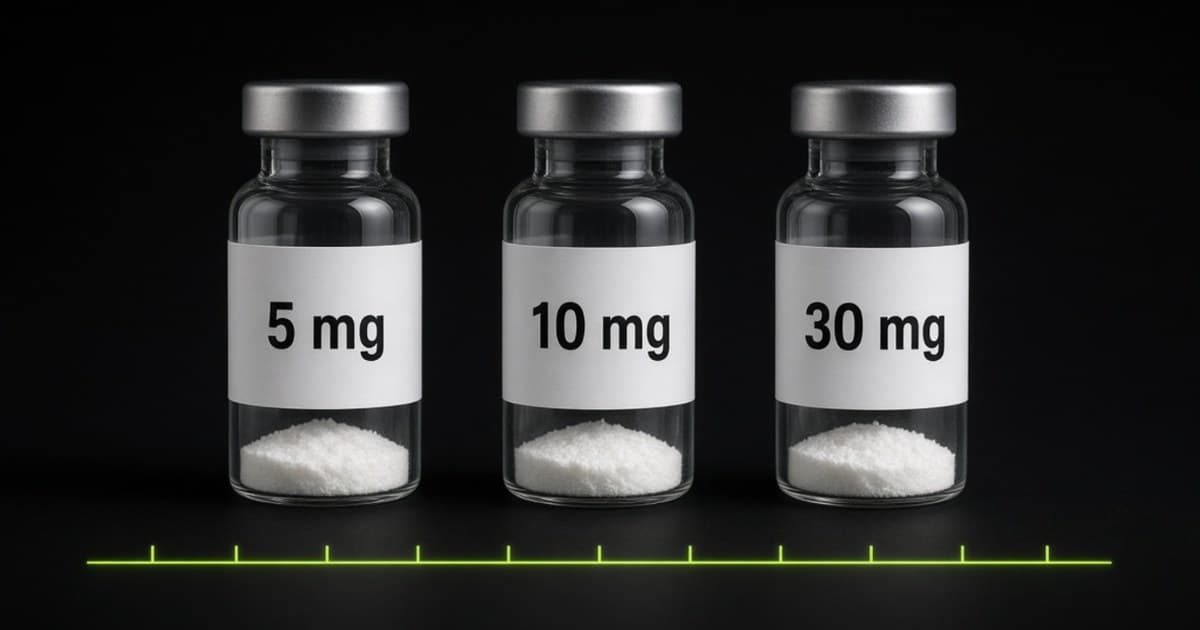
Ascension Peptides carries R-30 (30mg retatrutide) with 99%+ purity and third-party COA verification. The 30mg vial is the right format for the full escalation protocol — at 2mg/week starting dose, you have plenty of headroom before you need to reorder, and by the time you're at 8-12mg maintenance, you'll know exactly what you're working with.
Semaglutide — Ascension Peptides S-5:
If you're running the semaglutide side of the retatrutide vs semaglutide comparison for research, Ascension also carries S-5 semaglutide. Same testing standards. Same verified purity. Don't skip the COA check on any peptide you're injecting.
A word on the broader supplier landscape: the research peptide market is flooded with underdosed, contaminated, and mislabeled products. With compounds this potent and this mechanistically complex, purity isn't a preference — it's a safety requirement. Verify before you buy.
For a step-by-step breakdown of each option, see our guide on how to get retatrutide in 2026.