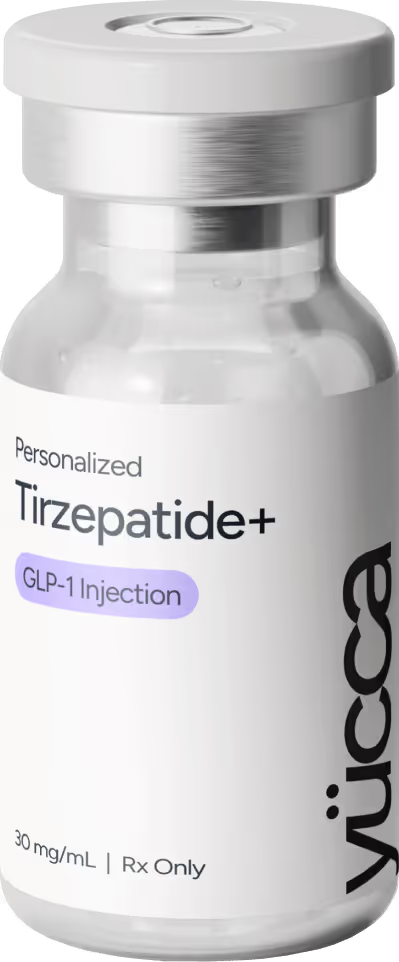
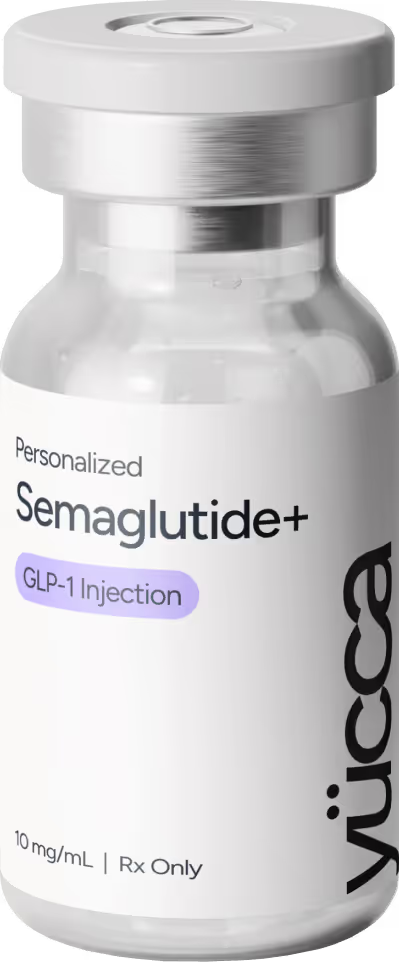
Retatrutide wins on weight loss numbers. 28.7% average body weight reduction in the TRIUMPH-4 Phase 3 trial vs tirzepatide's 20.9% in SURMOUNT. But tirzepatide is FDA-approved today, available at pharmacies, and covered by insurance for millions of people. Retatrutide isn't. That gap defines every decision between these two drugs in 2026.
🔑 Key Takeaways
- Retatrutide is a triple GLP-1/GIP/glucagon agonist; tirzepatide is a dual GLP-1/GIP agonist, the glucagon receptor is the key differentiator
- Retatrutide produces ~7% more weight loss on average based on available trial data; the gap may be larger in long-term real-world use
- Tirzepatide (Mounjaro/Zepbound) is FDA-approved and commercially available; retatrutide has completed Phase 3 but awaits FDA review
- Retatrutide has stronger liver fat reduction and may better preserve lean mass due to the glucagon component
- Side effect profiles are similar, GI symptoms dominate both, but retatrutide shows slightly higher heart rate elevation
- For maximum weight loss potential: retatrutide. For proven, accessible treatment today: tirzepatide.
This guide covers the mechanism differences that actually matter, the clinical data side by side, side effects compared, dosing protocols for both, how to choose based on your situation, and what the availability gap means for people who can't wait for FDA approval.
How They Work: The Receptor Difference That Changes Everything
Both drugs are injectable once-weekly peptides that mimic natural gut hormones in the GLP-1 family. Both suppress appetite, slow gastric emptying, and stimulate insulin release. The difference is a third receptor.
Tirzepatide targets two receptors:
- GLP-1 (Glucagon-like peptide-1), slows gastric emptying, suppresses appetite, stimulates glucose-dependent insulin release
- GIP (Glucose-dependent insulinotropic polypeptide), improves insulin sensitivity, has direct effects on adipose tissue metabolism, enhances the GLP-1 effect
Retatrutide adds a third:
- GLP-1, same mechanisms as tirzepatide
- GIP, same mechanisms as tirzepatide
- Glucagon receptor, increases energy expenditure through thermogenesis, promotes fat oxidation directly, reduces hepatic (liver) fat significantly, and may help preserve lean muscle mass during rapid weight loss
The glucagon component is where retatrutide's additional weight loss comes from. Glucagon accelerates fat burning beyond what appetite suppression and insulin sensitization alone achieve. Phase 2 data showed retatrutide reducing liver fat substantially more than expected from weight loss alone, with the glucagon pathway likely driving the extra benefit. This is particularly relevant for people with NAFLD or metabolic syndrome alongside obesity. The retatrutide liver fat data goes into the mechanism in more detail.
Why the glucagon receptor matters
Historically, glucagon was considered problematic in weight loss drugs because it raises blood sugar. Retatrutide solves this by combining glucagon activation with strong GLP-1 and GIP signaling that counteract the glucose-raising effect. The net result is fat oxidation and thermogenesis without meaningful glucose dysregulation, giving the drug a metabolic advantage that dual agonists simply can't replicate.
Clinical Trial Data: Head-to-Head Numbers
No direct head-to-head trial has been published. The comparison below draws from separate trials with different populations and durations, so interpret the numbers with that caveat in mind.
A 2025 network meta-analysis (Salhab et al., PMC) comparing 12 clinical trials found retatrutide achieved statistically superior absolute and percentage weight reduction compared to tirzepatide across all trials analyzed (p < 0.0001). The absolute difference of approximately 4-5 kg in favor of retatrutide was consistent across subgroups.
Side Effects Compared
The side effect profiles of both drugs are dominated by gastrointestinal symptoms, because both activate GLP-1 receptors in the gut and slow gastric emptying. The differences are in magnitude and a few drug-specific effects.
For a complete frequency-by-dose breakdown see the retatrutide side effects guide and the tirzepatide side effects guide. Retatrutide's GI side effect burden is generally higher than tirzepatide at equivalent weight-loss doses, more nausea and vomiting, particularly during dose escalation. The heart rate elevation is also more pronounced with retatrutide, reflecting glucagon receptor activation's cardiovascular effects. Both differences are manageable with proper escalation schedules but should be expected upfront.
The lean mass advantage is meaningful. The glucagon component in retatrutide appears to shift the composition of weight lost toward fat rather than muscle compared to dual agonists. For users concerned about muscle preservation during weight loss, this is a real pharmacological advantage.
Dosing Comparison
Both drugs use the same escalation principle: start low, go slow, hold whenever GI side effects are present. Neither drug requires hitting the maximum dose to achieve significant weight loss. Many users achieve their target weight on intermediate doses and maintain there indefinitely.
Onset of Action: How Fast Each One Works
Both drugs produce noticeable appetite changes within the first week, but the full effect builds over months. The realistic timelines:
Retatrutide is faster across every milestone. The gap widens at higher doses — by week 24, the average retatrutide user has lost about 35–50% more weight than a tirzepatide user at equivalent time on drug. For the full timeline see how long retatrutide takes to work and the tirzepatide timeline guide.
Cost: What You'll Actually Pay in 2026
Price is where the two drugs diverge sharply. Tirzepatide has retail pricing, insurance pathways, and compounding options. Retatrutide has none of that — it's research-grade or clinical-trial only until approval.
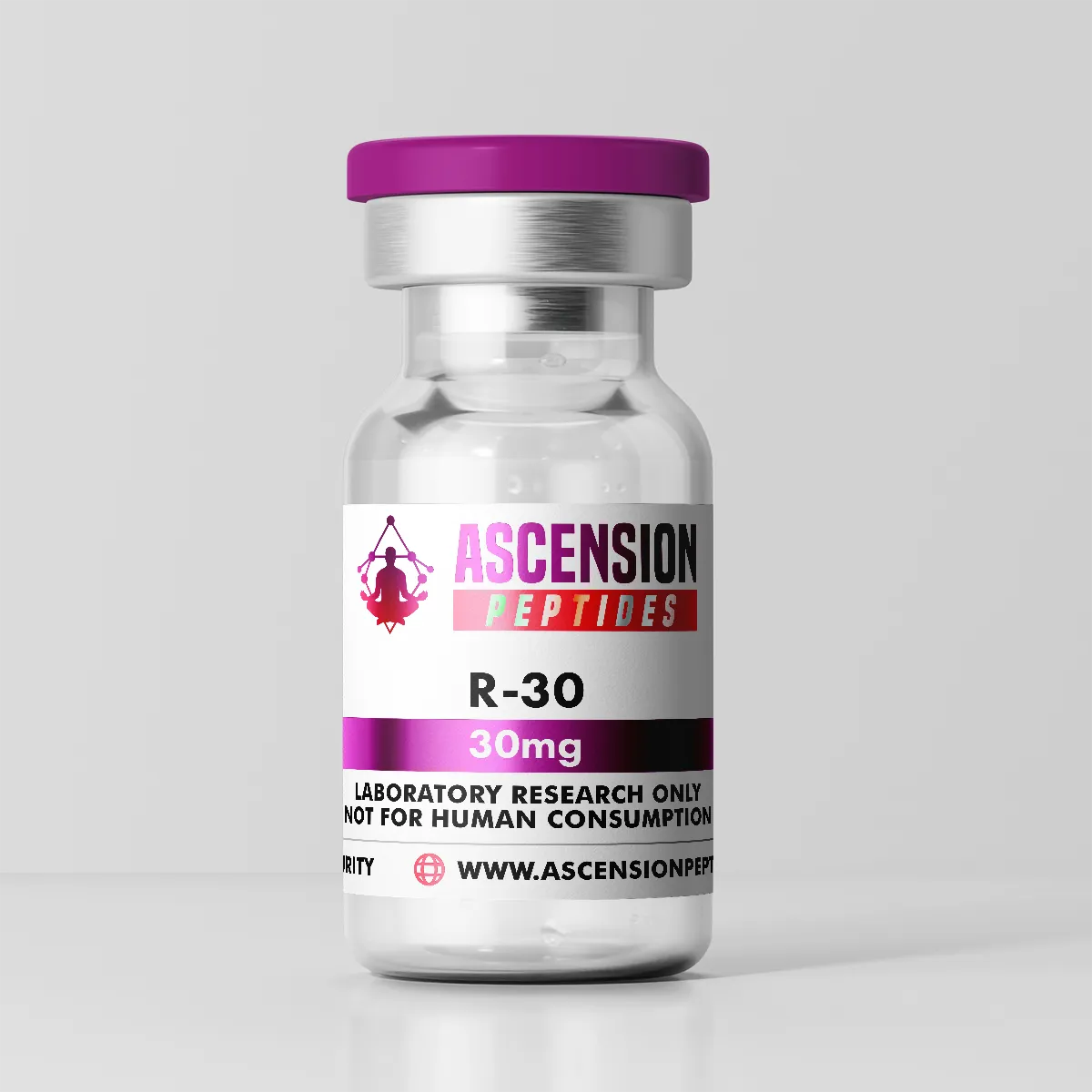
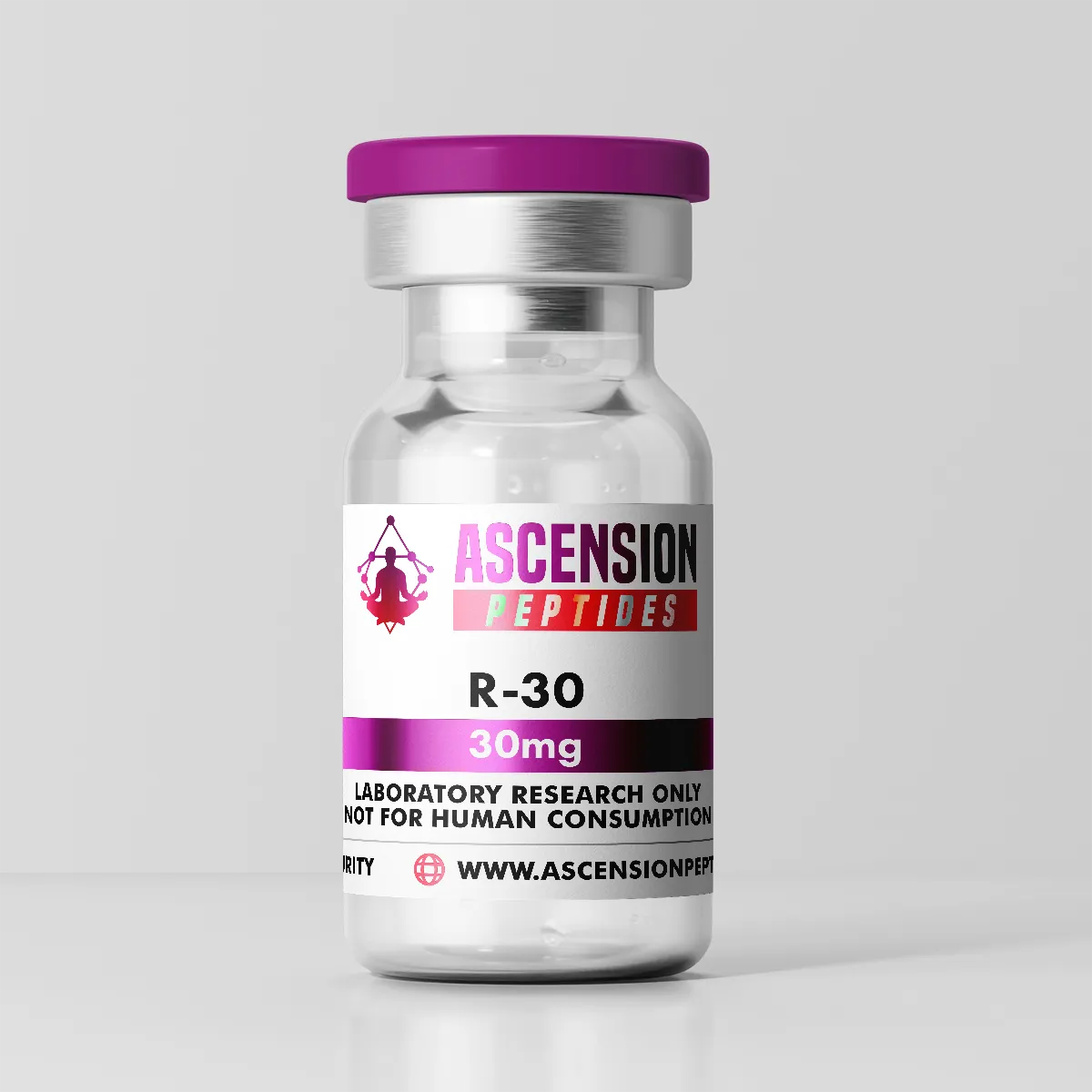
R-30: ~$200 per 30mg vial
On a per-kg-lost basis, research-grade retatrutide is dramatically cheaper than even compounded tirzepatide — but the trade-off is regulatory uncertainty and no clinical oversight. For the cheapest pharmacy-route option, see cheapest tirzepatide and the tirzepatide cost without insurance breakdown. For research-grade retatrutide pricing, see the retatrutide cost guide.
Availability in 2026: The Practical Reality
This is where the comparison becomes less academic and more real.
Tirzepatide availability
- FDA-approved as Mounjaro (type 2 diabetes) and Zepbound (obesity)
- Available at major US pharmacies with a prescription — see how to get tirzepatide in 2026
- Covered by many insurance plans for eligible diagnoses
- Compounded versions available through telehealth during shortage periods
- Research-grade available from peptide vendors as T-10
Retatrutide availability
- Phase 3 complete (TRIUMPH-4); FDA submission expected in 2026 — track the retatrutide FDA approval timeline
- Not yet FDA-approved; no commercial pharmacy availability
- Available through clinical trials (TRIUMPH program still enrolling some arms)
- Research-grade available from peptide vendors as R-10 (10mg) and R-30 (30mg) — see where to buy retatrutide for vetted vendors
- Some telehealth providers beginning to offer compounded retatrutide ahead of approval
How to Choose Between Them
Choose tirzepatide if:
- You want an FDA-approved option with full prescribing infrastructure
- You have insurance coverage that will offset the cost
- Your cardiovascular history warrants the backing of published CVOT data (SELECT trial)
- You want the most tested and well-understood GLP-1 option currently available
- You've previously tolerated a GLP-1 and want proven dose-escalation protocols
Choose retatrutide if:
- Maximum weight loss is the primary goal and the extra 6-8% matters to you
- You have significant liver fat (NAFLD/NASH), the glucagon component provides additional hepatic benefit
- Lean mass preservation during weight loss is important (athletes, active users)
- You've plateaued or had suboptimal results on tirzepatide or semaglutide
- You're accessing via research peptide channels and want the most potent available option
Switching From Tirzepatide to Retatrutide
This is increasingly relevant as retatrutide access grows. The practical switching protocol:
- Take the last tirzepatide dose, then wait one full week (the standard weekly injection interval)
- Start retatrutide at 2 mg regardless of what tirzepatide dose you were on
- Do not attempt to dose-match, retatrutide is a different molecule with different potency
- Expect some GI re-adjustment, even if you were fully tolerant of tirzepatide
- Escalate on the standard 4-week schedule; don't rush to higher doses because you "know" GLP-1s
The switch is generally well tolerated. The extra GI burden in the first 2-4 weeks reflects retatrutide's higher potency, not intolerance. Most people who were fully adapted to tirzepatide adapt to retatrutide within 4-8 weeks. Some users instead try a microdosing protocol to soften the GI re-adjustment.
Bottom Line: Side-by-Side Verdict
The clean read: tirzepatide if you want a fully-approved, insurance-friendly path with cardiovascular data already in the books. Retatrutide if maximum weight loss, faster results, liver fat, or lean-mass preservation outweigh the regulatory uncertainty.