💡 Quick Answer
The best peptides for brain fog are Semax and Selank — either solo or combined. Semax boosts BDNF and dopamine signaling for sharper focus; Selank calms excess cortisol that muddies thinking. BPC-157 can also help if your brain fog is gut-related. The Calm & Clarity blend (Semax + Selank) is the most practical starting point for most people.
You wake up, coffee in hand, and your brain just... won't start. Thoughts are slow. Words don't come easily. Simple tasks that should take ten minutes somehow stretch into an hour. That's brain fog — and if you've dealt with it chronically, you know how demoralizing it gets.
Conventional medicine doesn't have great answers for brain fog. "Sleep more, stress less, exercise" — sure, thanks. Peptides are a different story. A handful of them have genuine mechanistic reasons to help, and the research (though mostly preclinical) is legitimately interesting. This guide covers what actually works, why, and how to use it.
🔑 Key Takeaways
- Peptides for brain fog work through multiple pathways — BDNF upregulation, cortisol modulation, gut-brain axis repair, and synaptic plasticity
- Semax and Selank are the most studied and most practical options for immediate cognitive improvement
- BPC-157 is underrated for brain fog that originates from gut inflammation or chronic stress
- Dihexa is powerful but experimental — not a starting point for beginners
- Stacking Semax + Selank addresses both the "low signal" and "high noise" sides of brain fog simultaneously
- Most people see meaningful results within 2–4 weeks of consistent use
What Is Brain Fog?
Brain fog isn't a clinical diagnosis. It's a catch-all for a cluster of symptoms: slow thinking, poor working memory, difficulty finding words, mental fatigue, reduced ability to focus, and that general sense of your brain running through molasses.
The underlying causes vary wildly. Chronic inflammation. Disrupted sleep. Hormonal shifts (thyroid, cortisol, estrogen). Gut dysbiosis — the gut-brain axis is real and more bidirectional than most people realize. Long COVID. Nutrient deficiencies. Sometimes all of the above at once.
What they tend to share: disrupted neurotransmitter signaling, elevated neuroinflammation, reduced neuroplasticity, and often elevated cortisol that impairs hippocampal function. Which is exactly where several peptides for brain fog get their footholds.
How Peptides Target Brain Fog
Different peptides for brain fog hit different levers. That's actually what makes this category interesting — there isn't one mechanism, there are several, and stacking lets you hit multiple simultaneously.
BDNF Upregulation
Brain-derived neurotrophic factor is basically fertilizer for neurons. Low BDNF correlates strongly with brain fog, depression, and cognitive decline. Semax is one of the most potent BDNF inducers known outside of intense exercise.
Cortisol Modulation
Chronic stress elevates cortisol, which literally damages hippocampal neurons over time. Selank reduces anxiety-driven cortisol without sedation, which often clears brain fog driven by chronic stress.
Gut-Brain Axis Repair
Gut inflammation signals the brain through the vagus nerve. BPC-157 heals gut lining and reduces enteric inflammation — and a meaningful subset of brain fog sufferers see dramatic improvement from this alone.
Synaptic Plasticity
Dihexa and related compounds enhance the ability of neurons to form and strengthen connections. Relevant for fog that manifests as slow processing or impaired learning.
Best Peptides for Brain Fog
Let's be direct. There are dozens of peptides that get lumped into "cognitive enhancers," but for brain fog specifically — the foggy, slow, disconnected feeling — the list of genuinely useful options is shorter than the hype suggests.
Here's where peptides for brain fog actually stand:
Semax: The Cognitive Booster
Semax is a synthetic analogue of ACTH(4–7) — a fragment of adrenocorticotropic hormone — originally developed in Russia in the 1980s. It's been approved for clinical use in Russia and Ukraine for stroke recovery and cognitive impairment. Which tells you something: this one actually has human data behind it.
The mechanism isn't one thing, it's several at once. Semax stimulates BDNF production in the hippocampus and frontal cortex — two brain regions heavily implicated in memory and executive function. It also modulates dopaminergic and serotonergic tone, which matters enormously for the motivational and mood components of brain fog. Some people describe it as "lifting a weight off their thoughts."
What Semax Actually Feels Like
Subjectively? Most users report increased mental sharpness within 30–60 minutes of intranasal dosing. The effect isn't stimulant-like — it's not jittery or wired. Closer to a state of calm clarity. Words come faster. Attention is steadier. The mental groping for thoughts that characterizes brain fog tends to ease noticeably.
Some users notice improved mood alongside the cognitive effects. That makes sense given the serotonergic activity. A subset gets mild headaches the first few days as their brain adjusts — usually resolves within a week.
Semax Dosing for Brain Fog
Cycling matters with Semax. Extended continuous use may reduce receptor sensitivity. Most experienced users run 4–8 weeks on, then 2–4 weeks off.
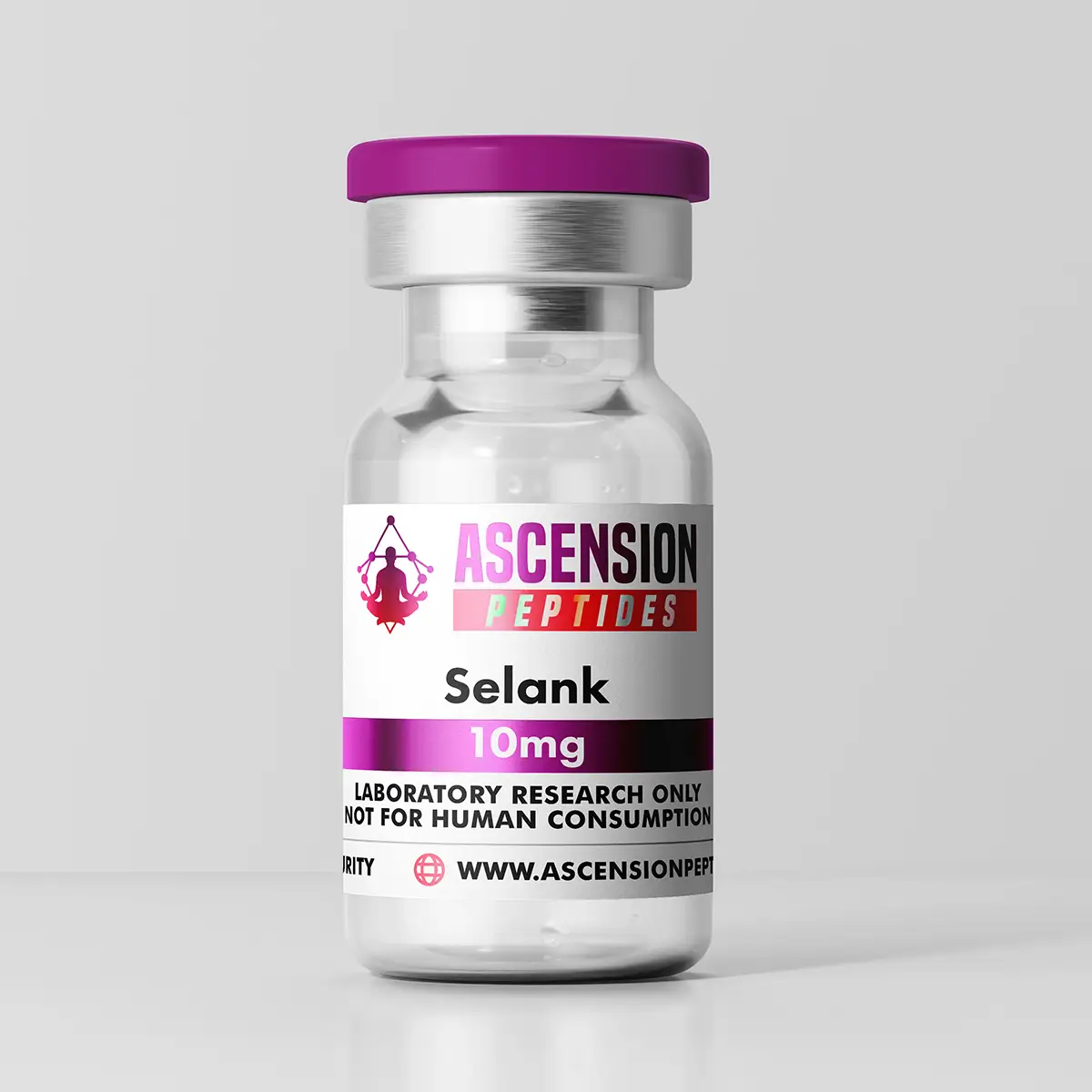
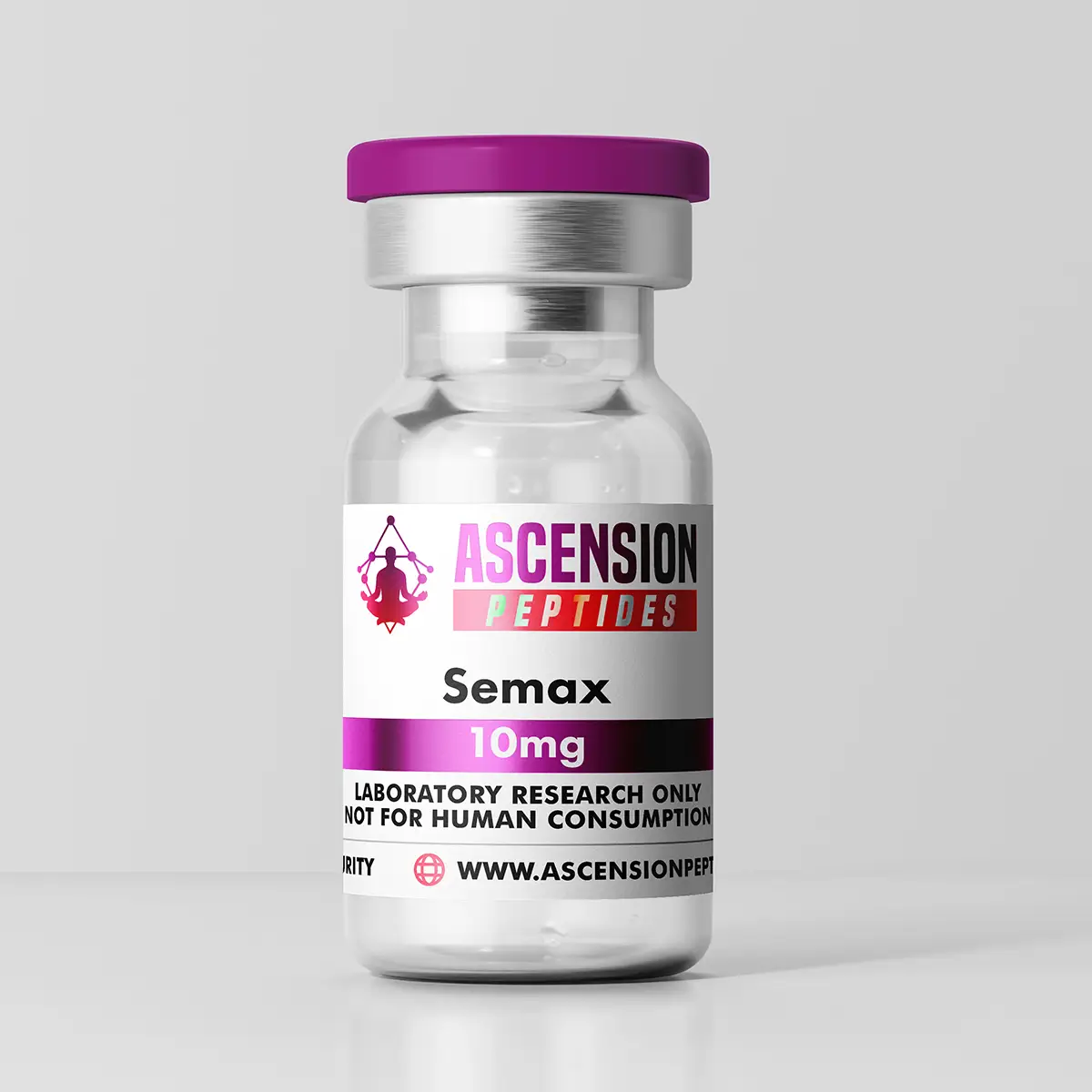
If you want to try Semax, Ascension Peptides carries Semax in a 10mg vial — their testing and sourcing is solid, which matters with nasal delivery compounds.
Selank: The Anxiety-Brain Fog Connection

Here's a pattern that comes up constantly with peptides for brain fog: many people who think they have a "focus problem" actually have an anxiety problem. Chronic low-grade anxiety floods the prefrontal cortex with cortisol, which literally impairs working memory and executive function. Fix the anxiety, fix the fog.
Selank is a heptapeptide originally developed at the Institute of Molecular Genetics in Moscow. It's structurally related to tuftsin (an immune peptide) and has been studied for anxiety disorders, fatigue, and cognitive impairment. Like Semax, it has genuine Russian clinical data — not just rodent studies.
How Selank Clears the Mental Static
Selank works through several overlapping mechanisms. It modulates GABA-A receptor sensitivity — not as a direct agonist (like benzodiazepines) but more subtly, which is why it doesn't cause sedation or dependence. It also increases serotonin and BDNF, and has been shown to reduce IL-6 and TNF-alpha (inflammatory cytokines that impair cognition when chronically elevated).
The anti-anxiety effect is real and noticeable within an hour of intranasal dosing. But what matters for brain fog is what happens alongside that: users consistently report sharper thinking, faster verbal retrieval, and a reduction in the "mental noise" that makes focusing difficult. It's quieting the interference so the signal can get through.
Selank Dosing
BPC-157: The Gut-Brain Axis
If you asked most people which peptides for brain fog they'd consider, BPC-157 probably wouldn't be top of mind. It's usually thought of as a healing peptide — tendons, gut lining, wounds. But the gut-brain connection makes it surprisingly relevant for a specific subset of brain fog sufferers.
BPC-157 (Body Protection Compound 157) is a pentadecapeptide derived from a gastric protein. It heals gut epithelium, reduces intestinal permeability ("leaky gut"), and modulates the enteric nervous system. Here's where brain fog enters the picture: the gut produces roughly 90% of the body's serotonin and communicates constantly with the brain via the vagus nerve. Gut inflammation doesn't stay in the gut — it signals the brain, and the brain responds by... slowing down.
Who BPC-157 Helps Most
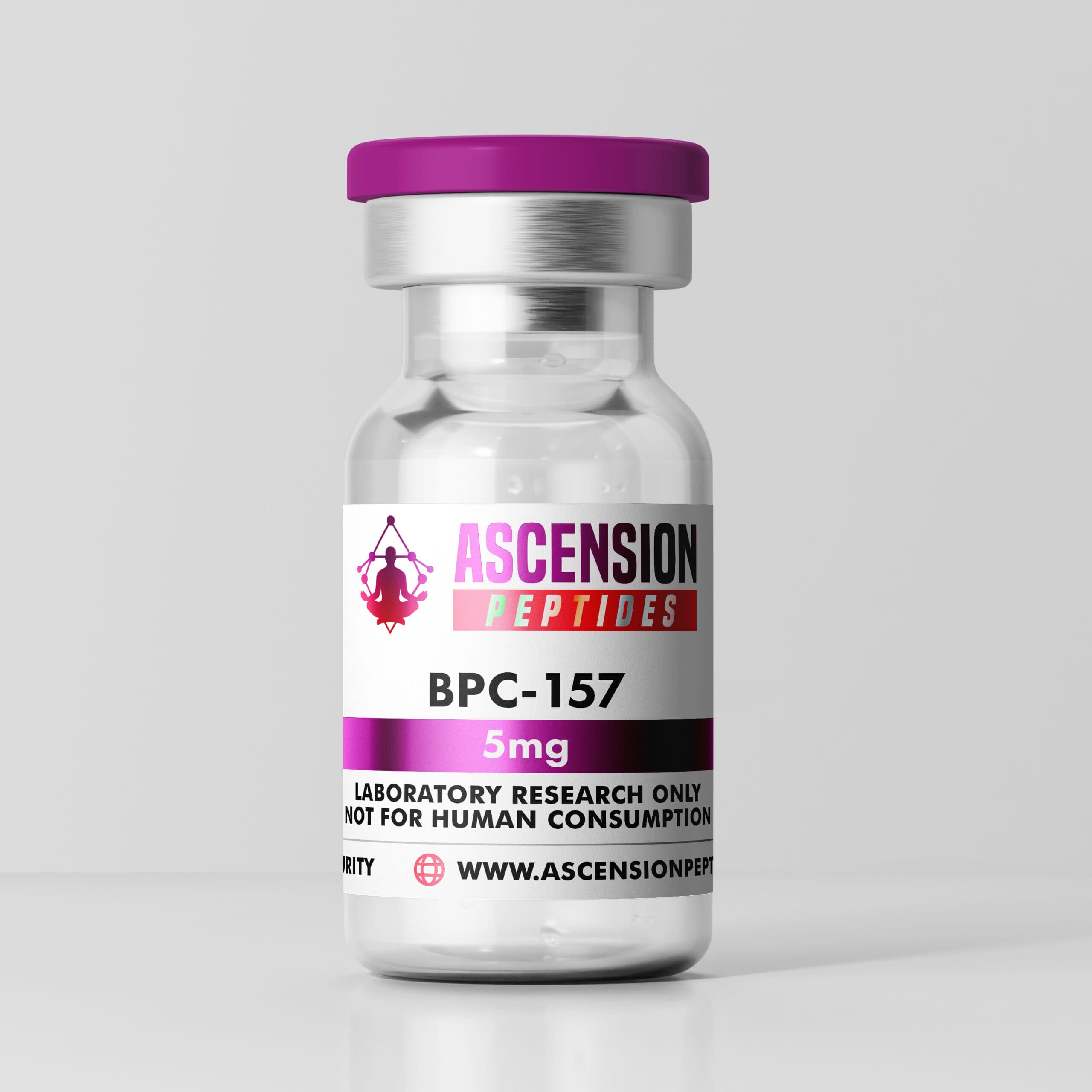
BPC-157 is likely most useful for brain fog that comes with: GI symptoms (bloating, irregular bowel, food sensitivities), post-antibiotic cognitive issues, mood changes tied to eating patterns, or history of gut injury/surgery. If your brain fog is purely stress-driven with no gut component, Semax/Selank will probably do more for you.
That said, BPC-157 also has direct central nervous system effects. It modulates dopamine and GABA signaling in the brain itself, accelerates nerve repair, and reduces neuroinflammation. Some users take it primarily for cognitive benefits with no gut issues at all — and still report improvement in clarity and mood.
BPC-157 Dosing for Cognitive Use
Dihexa: The Experimental Option
Dihexa is in a different league. Not because it's more powerful — though it may be — but because it's far less studied in humans and far more experimental. If Semax and Selank are like taking a well-mapped trail, Dihexa is cross-country without a compass.
Developed at Washington State University, Dihexa is a small molecule derived from angiotensin IV. It works by potentiating HGF/Met signaling — a pathway involved in synaptogenesis (the formation of new synaptic connections). In animal studies, it's been shown to have cognitive-enhancing effects roughly 10 million times more potent than BDNF by weight. That number gets thrown around a lot — worth noting it's from animal studies, and human equivalence is unknown.
What the Research Actually Shows
Rodent models show improved performance on spatial memory tasks, reversal of cognitive decline in aging models, and enhanced learning rates. There are essentially no published human clinical trials. What we know about effects in people comes from anecdotal reports — which range from "dramatic improvement" to "no effect" to "mild anxiety."
Given that Dihexa penetrates the blood-brain barrier and has lasting effects on synaptic architecture, the caution is warranted. This isn't something to start with. If you've tried Semax and Selank for 6–8 weeks and want to experiment further, Dihexa is a reasonable next step — but go low and slow.
How to Stack Peptides for Brain Fog
The case for stacking comes down to mechanism coverage. Brain fog rarely has one cause. Stacking Semax + Selank simultaneously addresses the "low cognitive signal" (BDNF, dopamine) and the "high noise" (anxiety, cortisol) sides of the problem. Adding BPC-157 covers the gut-brain axis if that's a contributing factor.
💡 Quick Answer
The most practical stack for most people: Semax + Selank intranasal in the morning. Ascension Peptides stocks both as separate vials — Semax 10mg and Selank 10mg — so you can run them together and adjust each one independently.
Stack 1: The Classic Brain Fog Stack
Semax + Selank — addresses both signal and noise. Best for stress-driven or idiopathic brain fog.
Stack 2: Gut-Brain Protocol
BPC-157 + Selank — best if GI symptoms accompany your brain fog. BPC-157 repairs the gut-brain signaling pathway; Selank quiets the central anxiety component.
Stack 3: Full Spectrum
Semax + Selank + BPC-157 — for persistent, multi-factorial brain fog. Run 6–8 weeks, evaluate, then cycle off for 4 weeks.
Protocol & Dosing
Practical protocols matter more than theoretical mechanisms. Here's how to actually run peptides for brain fog:
Practical Notes
- Intranasal peptides: sniff gently after spraying, don't blow your nose immediately
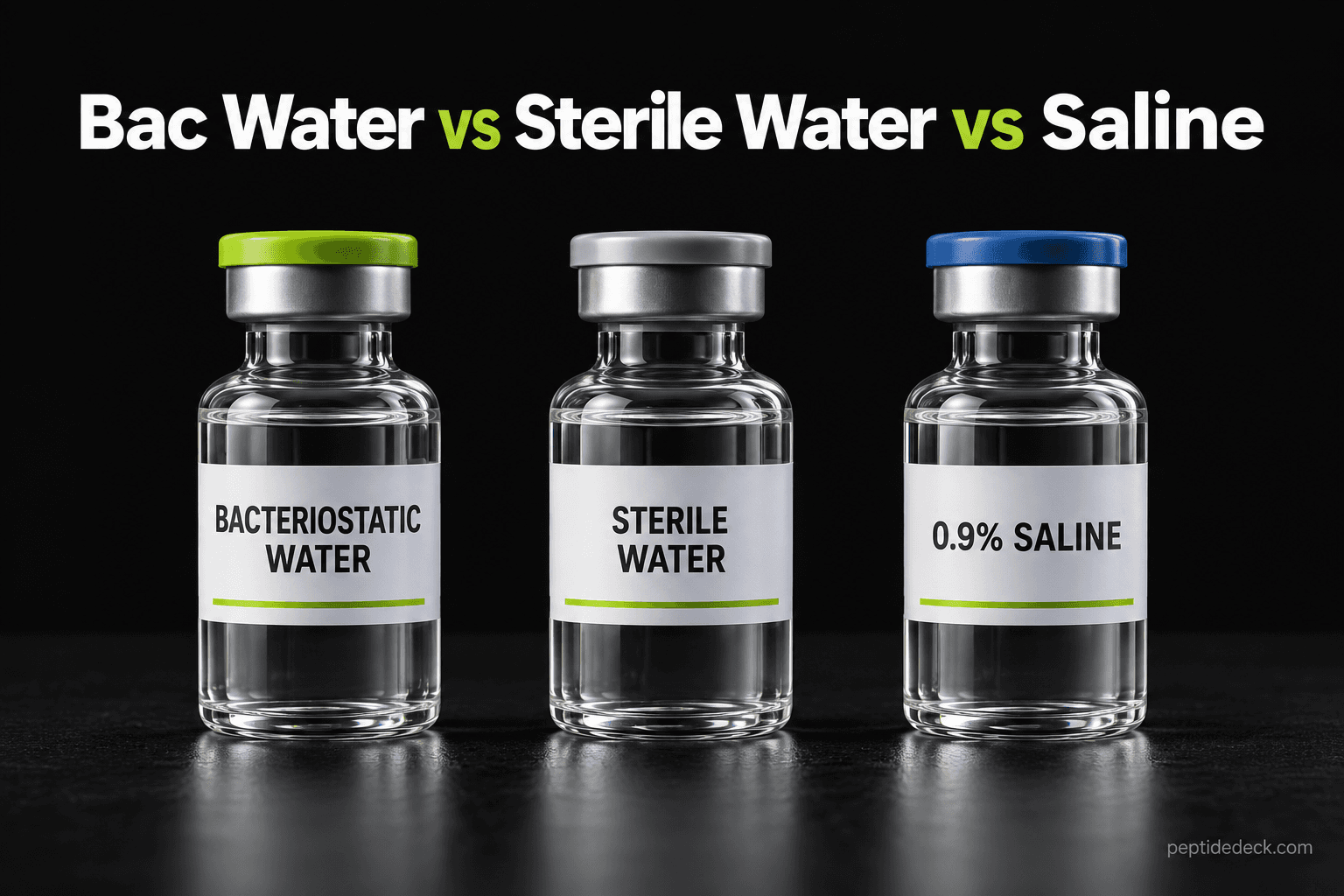
- Store peptides reconstituted in bacteriostatic water in the refrigerator
- Track your mental clarity with a simple daily 1–10 rating — it's easy to forget where you started
- Don't judge effectiveness in the first week; week 2–3 is when most people notice the shift
- If you're running Semax + Selank together, the Calm & Clarity blend simplifies storage and dosing considerably