Key Takeaways
- GLOW = GHK-Cu + BPC-157 + TB-500 — a triple-peptide stack for skin, collagen, and tissue repair
- GHK-Cu drives the skin benefits (collagen, elasticity, hair, anti-aging)
- BPC-157 and TB-500 add healing and tissue repair depth
- Most people notice skin improvements in 3-6 weeks
- One vial lasts 4-8 weeks depending on your protocol
- $145 from Ascension Peptides
What Is the GLOW Peptide Blend?
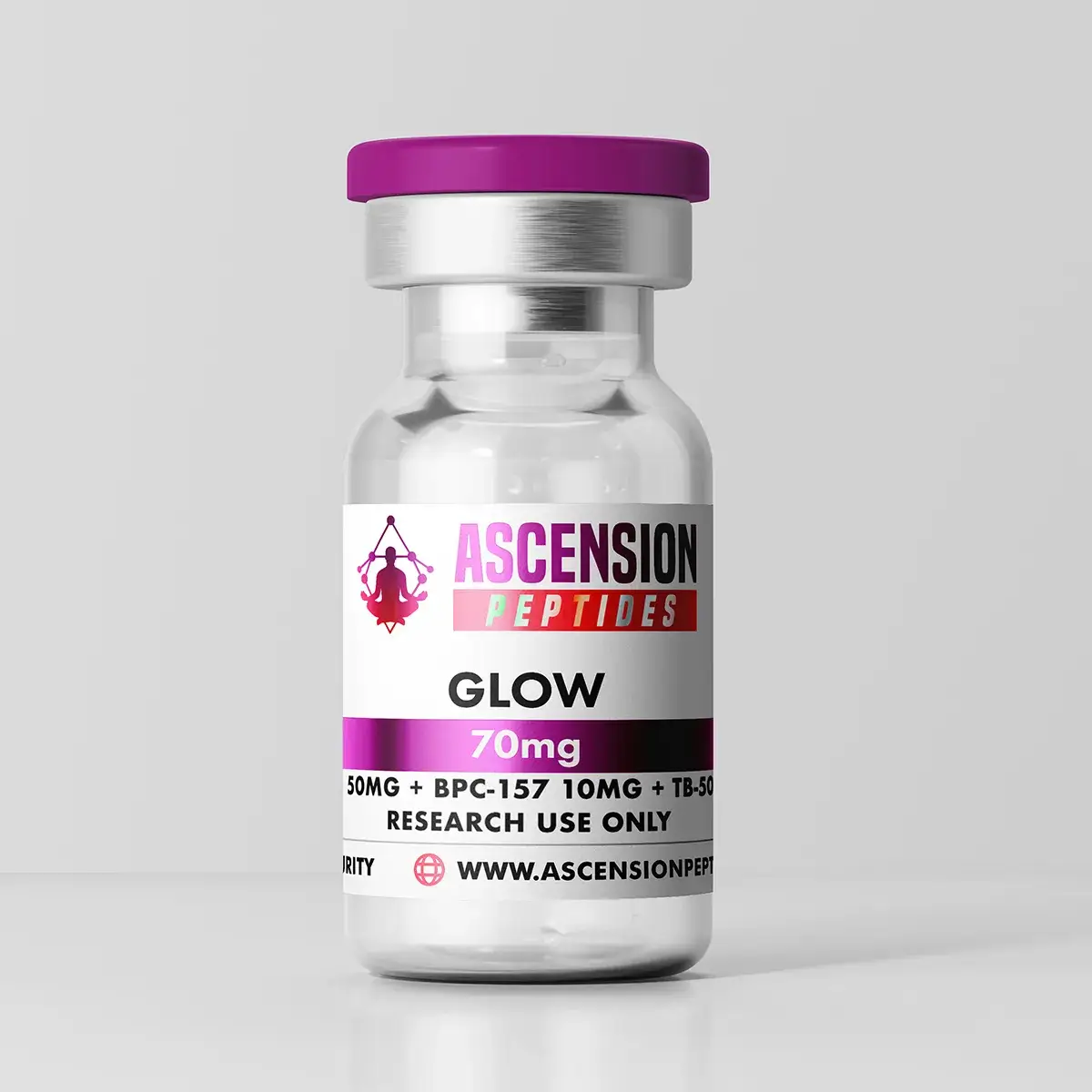
GLOW is Ascension Peptides' proprietary triple-peptide blend combining three well-studied compounds in a single vial: GHK-Cu (50mg), BPC-157 (10mg), and TB-500 (10mg). It's designed for people who want to address skin radiance, collagen repair, anti-aging, and soft tissue recovery — all at once, without managing three separate vials.
The blend targets a specific gap: GHK-Cu alone is powerful for skin, but adding BPC-157 and TB-500 brings an active healing layer that pure GHK-Cu products can't match. You get the anti-aging depth of copper peptides plus the repair acceleration of two of the most studied healing peptides available.
Who reaches for GLOW? People focused on skin anti-aging, wound healing, hair thinning, and joint or soft tissue recovery. Athletes who want recovery support and better skin at the same time. Anyone who's tried standalone GHK-Cu and wants more healing horsepower behind it.
What Each Peptide in GLOW Does
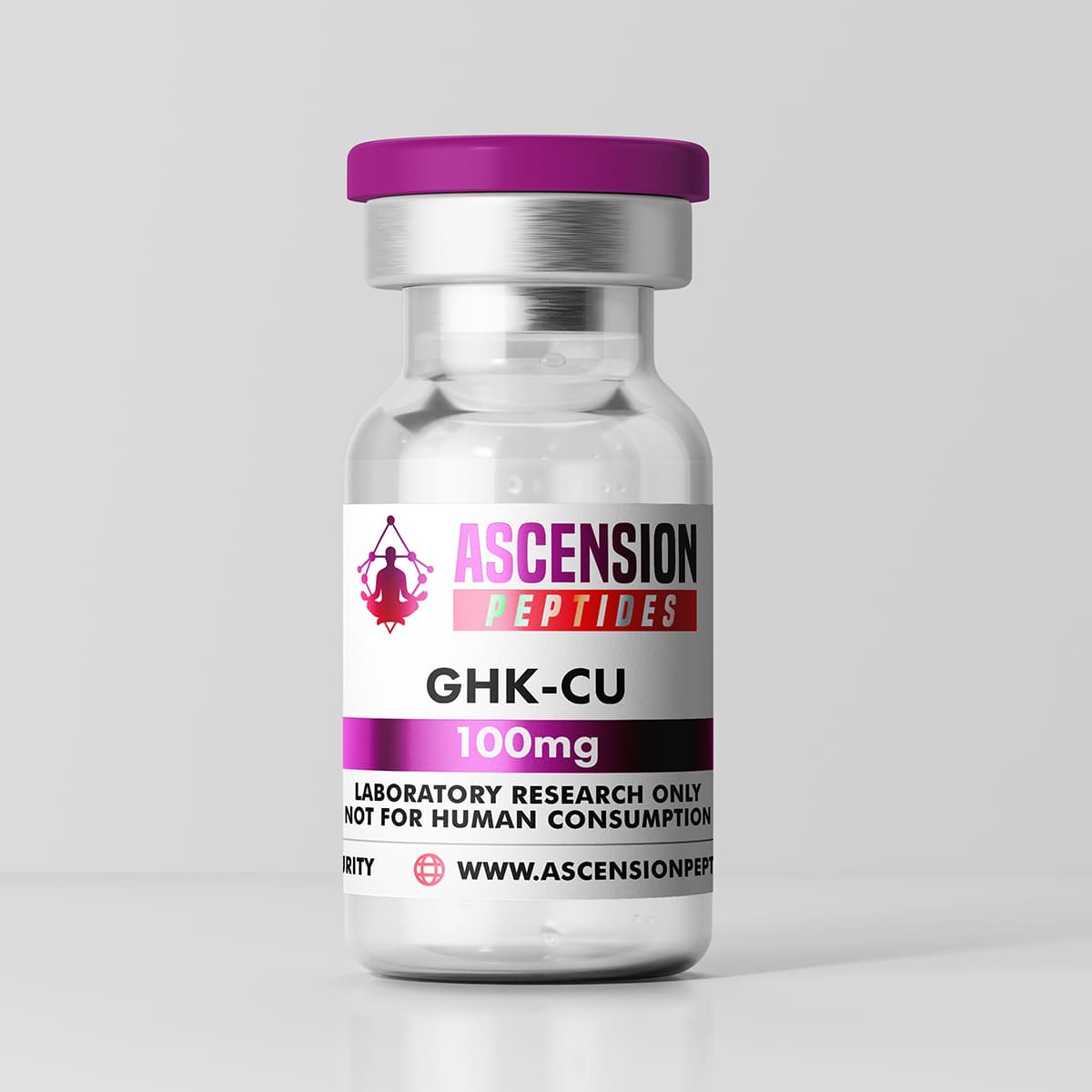
GHK-Cu (50mg) — The Skin Engine
GHK-Cu is a copper-binding tripeptide that occurs naturally in your body — but levels drop significantly with age. By your 60s, plasma GHK-Cu is a fraction of what it was in your 20s, and your skin shows it.
What it does when you replenish it:
- Stimulates collagen I, III, and elastin synthesis directly
- Activates skin stem cells and promotes wound healing
- Reduces the appearance of fine lines and improves skin density
- Upregulates over 4,000 genes involved in skin repair and anti-aging
- Promotes hair follicle size and density — documented in multiple studies
The 50mg dose in GLOW is substantial. Most standalone GHK-Cu vials come in 100mg, so you're getting half a standalone vial worth of GHK-Cu here — enough for a solid multi-week protocol at typical dosing.
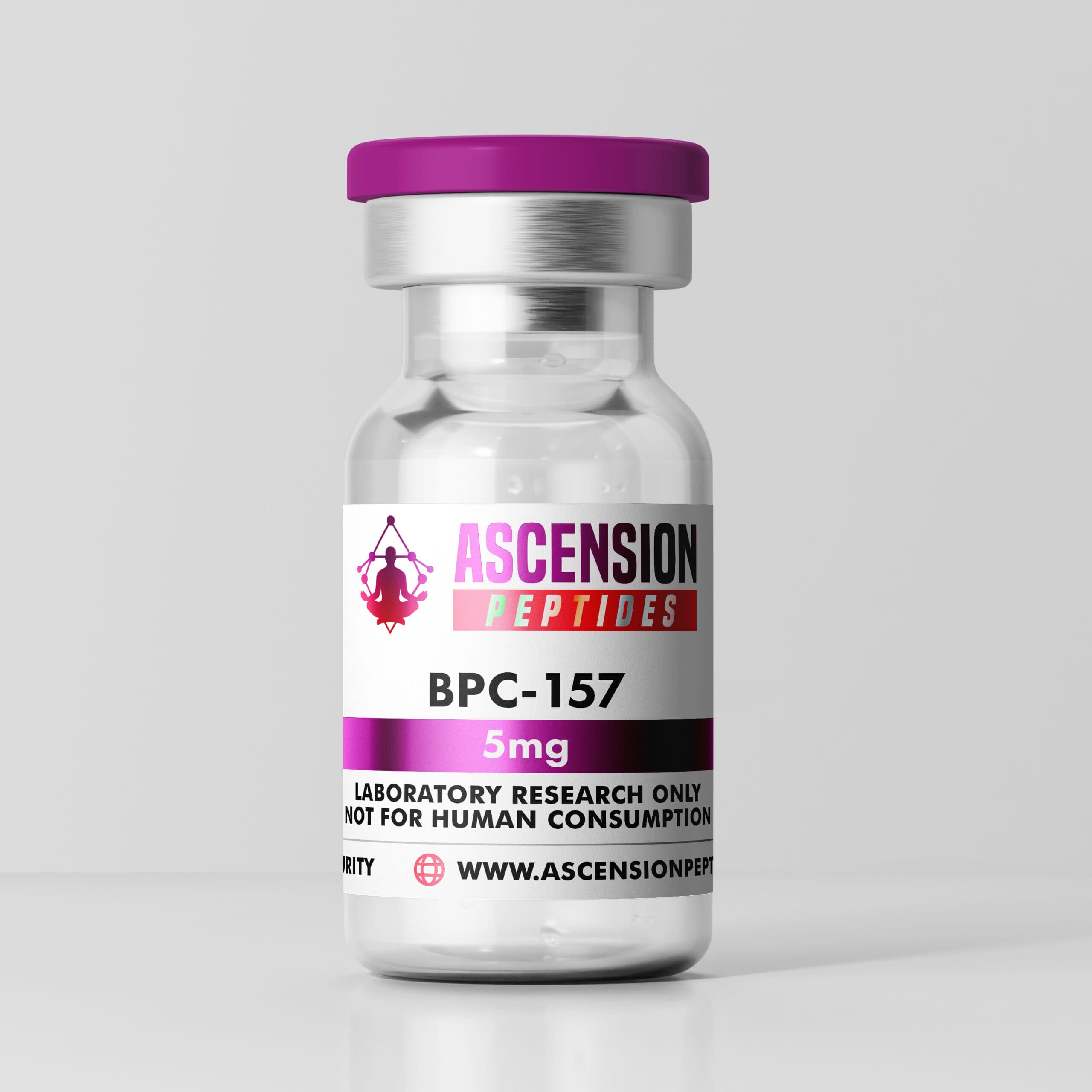
BPC-157 (10mg) — The Healer
BPC-157 (Body Protection Compound) is a peptide sequence originally isolated from gastric juice. It's one of the most studied healing peptides for tendons, ligaments, and skin — and it works fast.
- Accelerates healing of tendons, ligaments, and skin wounds
- Anti-inflammatory — reduces redness and skin irritation
- Improves angiogenesis (new blood vessel formation) in healing tissue
- Supports gut health — relevant if digestive dysfunction is contributing to skin issues
At 10mg per vial, the BPC-157 in GLOW represents a solid dose. It's not a token amount — it's enough to run a genuine healing protocol alongside the GHK-Cu.
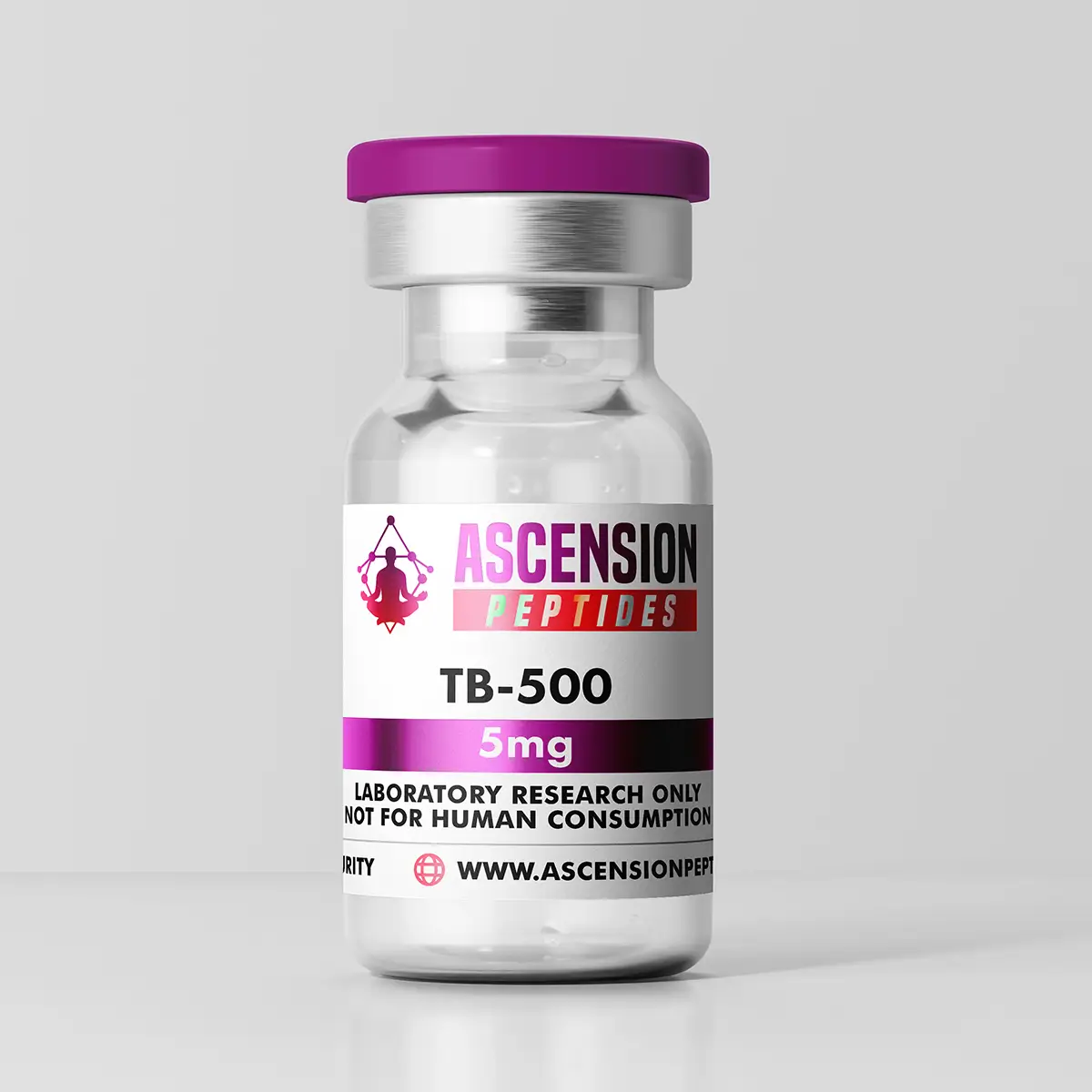
TB-500 (10mg) — The Recovery Amplifier
TB-500 is a synthetic fragment of Thymosin Beta-4, a protein that regulates actin — the building block of cell structure and movement. It plays a key role in tissue remodeling, cell migration, and repair.
- Promotes cell migration and tissue remodeling after injury
- Upregulates actin — essential for cell repair and movement
- Works synergistically with BPC-157 on healing (they target overlapping but distinct pathways)
- Reduces inflammation, improves blood vessel formation in healing tissue
- Faster healing from skin procedures, micro-injuries, and sun damage
TB-500 is the "recovery amplifier" in GLOW. It doesn't drive skin beauty on its own — that's GHK-Cu's job — but it creates the cellular environment where healing and remodeling happen faster and more completely.
GLOW Peptide Benefits
Collagen & Elasticity
GHK-Cu directly stimulates collagen I, III, and elastin synthesis. Your skin becomes firmer and more resilient over weeks of consistent use.
Skin Texture & Radiance
People consistently report smoother, more even skin tone and a visible "glow" effect within 4-6 weeks. The name isn't marketing — it reflects what users actually see.
Anti-Aging at the Cellular Level
GHK-Cu activates over 4,000 genes involved in skin repair, including wound healing pathways that slow down with age. It doesn't just mask aging — it works on the mechanisms behind it.
Wound & Scar Healing
BPC-157 accelerates surface healing, reduces scarring tendency, and minimizes post-procedure redness. Especially useful after microneedling, laser, or chemical peels.
Soft Tissue Recovery
The TB-500 + BPC-157 combination targets tendon, muscle, and fascia repair — the same tissue integrity pathways that keep skin healthy and resilient long-term.
Hair & Scalp
GHK-Cu has documented effects on hair follicle size and density. Several people on GLOW report reduced hair thinning alongside skin improvements — a welcome side effect of the collagen work.
GLOW Peptide Before and After — What to Expect Week by Week
Results from GLOW aren't linear. The peptides work on different timescales — BPC-157 and TB-500 modulate inflammation quickly, while GHK-Cu's collagen effects take weeks to build visibly. Here's what a typical protocol looks like:
Weeks 1–2
Most people notice little to nothing visually in the first two weeks. That doesn't mean nothing is happening — BPC-157 and TB-500 are starting to modulate inflammation systemically. You might notice faster healing on existing cuts or skin irritations. Any injection site reactions (redness, mild swelling) typically appear and resolve during this window.
Weeks 3–4
This is when most people first "notice something." Your skin starts to feel different — slightly more hydrated, firmer. Fine lines may begin to look softer as the early collagen response from GHK-Cu builds. If you're using GLOW partly for physical recovery, workout soreness and injury healing are noticeably faster by this point.
Weeks 5–8
Visible improvement in skin texture and tone is typical here. Collagen remodeling is in full effect — skin density improves, pores look tighter, and skin tone evens out. If you're on the longer end of this window, hair shedding often reduces around weeks 6-8. For people using GLOW alongside procedures like microneedling or laser, recovery time is significantly shorter.
GHK-Cu skin results — the primary active in GLOW:
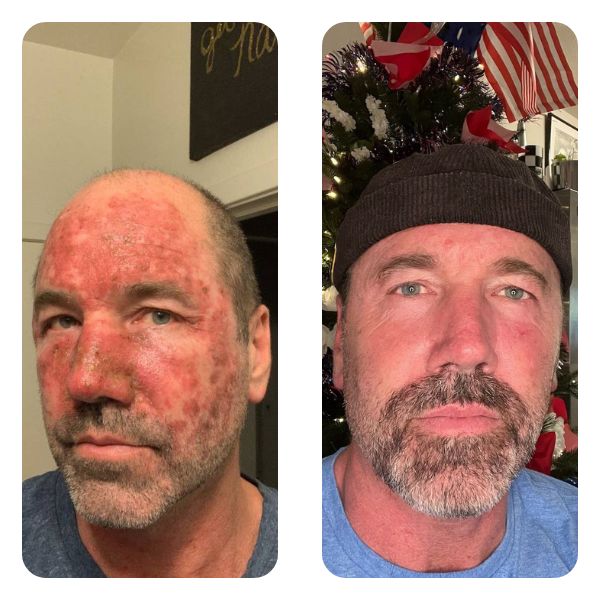
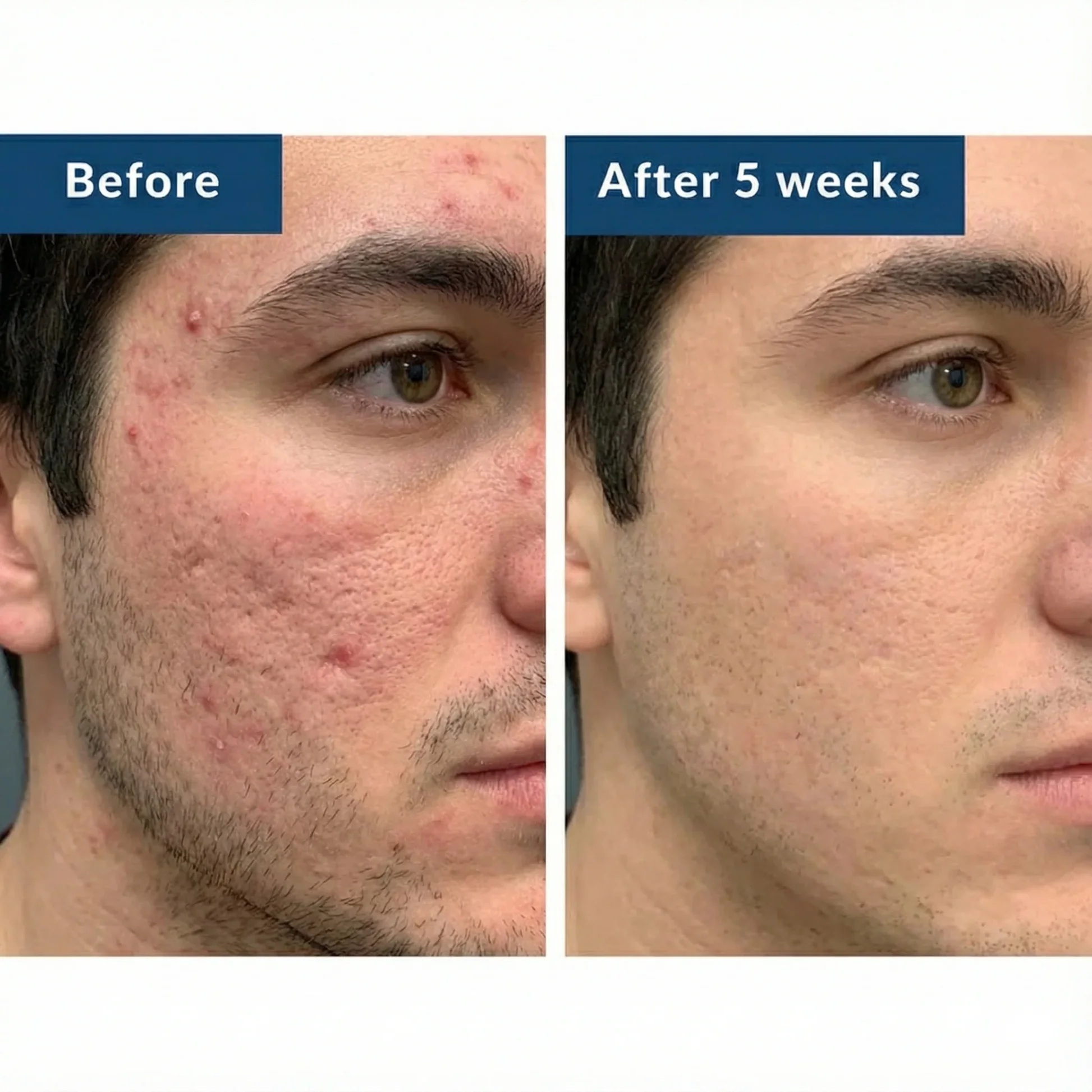
GHK-Cu results from community users — GLOW contains 50mg GHK-Cu per vial
Months 3+
Full skin transformation territory. The collagen and elastin changes are structural now — not just surface-level hydration shifts. Sustained use produces cumulative improvements that compound over time. Most people who reach this point run 8-12 week cycles with a break in between before starting again.

GLOW vs KLOW — What's the Difference?
If you've been looking at Ascension Peptides' blends, you've probably seen KLOW next to GLOW. They're almost identical. Here's the breakdown:
GLOW is essentially KLOW without KPV. KPV is a tripeptide with potent anti-inflammatory and gut-protective effects — particularly studied for IBD and intestinal inflammation. If you have gut inflammation, chronic systemic inflammation, or IBD, KLOW is the better pick.
If your focus is purely skin anti-aging and physical recovery — and you don't have gut issues driving your inflammation — GLOW is $20 cheaper and equally effective for those specific goals.
Who Should Use GLOW?
Good candidates:
- Anyone prioritizing skin anti-aging in their 30s-60s
- People recovering from skin procedures (laser resurfacing, microneedling, chemical peels)
- Those dealing with slow wound healing or persistent skin inflammation
- Athletes who want both recovery support and skin benefits from the same protocol
- People who've tried standalone GHK-Cu and want to add healing depth
GLOW may not be the best fit if:
- You have significant gut inflammation — KLOW with KPV addresses that specifically
- You need much higher doses of individual peptides for acute injury (standalone vials give you more flexibility)
- You're already running separate BPC-157 and TB-500 at therapeutic doses — GLOW/KLOW adds GHK-Cu and convenience, but may not justify the overlap
How to Use GLOW
GLOW comes as a lyophilized (freeze-dried) powder and needs reconstitution before use:
- Reconstitute with: 1-2mL bacteriostatic water
- Typical injection: 250-500mcg GHK-Cu equivalent per injection, 2-3x weekly
- Administration: Subcutaneous injection, rotate sites each time
- Storage: Refrigerate after reconstitution, use within 28 days
For the full dosage protocol with specific injection volumes and cycle lengths, see the GLOW dosage guide (publishing separately). You can also use the reconstitution calculator to work out your draw volumes based on concentration.
Where to Buy GLOW Peptide Blend
Ascension Peptides is the primary vendor carrying the GLOW blend. At $145 per vial, you're getting GHK-Cu 50mg + BPC-157 10mg + TB-500 10mg — roughly $160+ worth of peptides if purchased as three separate vials. The blend format is more convenient and marginally better value.
What you get buying from Ascension:
- Ships from the US
- Third-party tested for purity and peptide content
- KLOW also available at $165 if you want the KPV addition
Buy GLOW from Ascension Peptides →
GLOW Peptide Blend — FAQs
The information in this article is for educational purposes only and does not constitute medical advice. Always consult a healthcare professional before starting any new supplement or compound. Results vary by individual.