🔑 Key Takeaways
- BPC-157 is the top-ranked peptide for joint pain — it modulates growth factors, promotes blood vessel formation, and has direct analgesic properties independent of opioid pathways
- TB-500 distributes systemically and reduces inflammation body-wide — ideal for multi-joint pain or conditions like osteoarthritis
- The KLOW blend (BPC-157 + TB-500 + GHK-Cu + KPV) combines four synergistic compounds in one formulation for comprehensive joint support
- GHK-Cu targets cartilage specifically by stimulating collagen synthesis and reducing the enzymes that break cartilage down
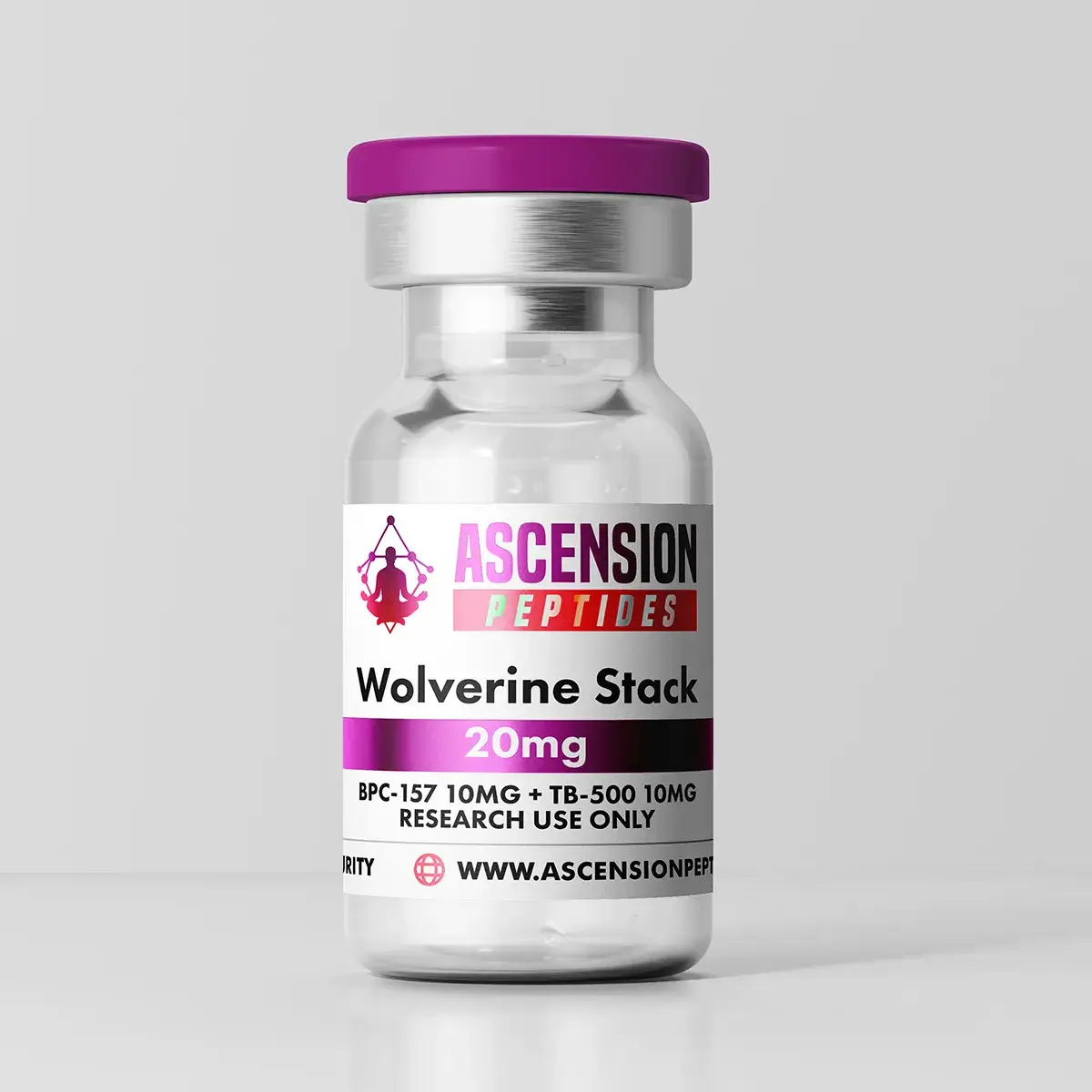
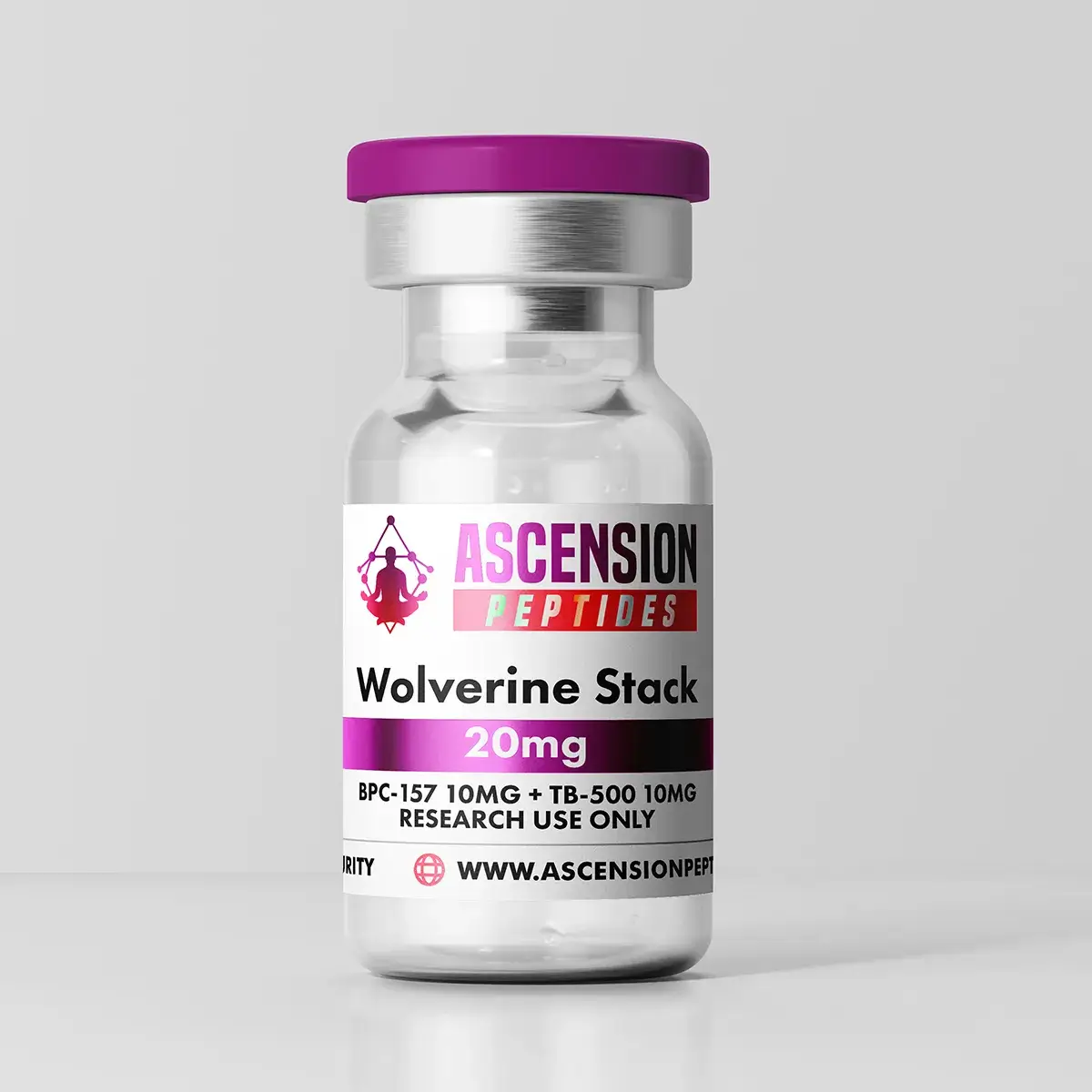
- The BPC-157 + TB-500 stack remains the most popular combination — different mechanisms, complementary benefits
Joint pain has a way of infiltrating everything. It's not just the pain itself — it's the hesitation before standing up, the mental math about whether stairs or the elevator is worth it, the slow withdrawal from activities you used to do without thinking. And the conventional toolkit? NSAIDs mask the signal. Corticosteroid shots buy you weeks, maybe months. Surgery is a last resort with its own recovery timeline. None of them actually fix what's broken at the cellular level.
That's the gap peptides fill. They don't just suppress inflammation or block pain signals — they engage the actual repair machinery: growth factors, cell migration, blood vessel formation, collagen synthesis. The mechanisms that your body uses to heal, amplified. For a broader look at peptides for overall joint health and prevention, see our best peptides for joint health guide. This article focuses specifically on pain relief and what actually works.
Why Joint Pain Is So Hard to Treat
Joint pain persists because the tissues involved — cartilage, tendons, ligaments, synovial membranes — are among the worst-healing structures in the body. Cartilage in particular has no direct blood supply. It relies on diffusion from synovial fluid for nutrients and waste removal. When cartilage is damaged, the repair signals that work elsewhere in the body can barely reach it.
The key insight: most joint pain comes from a cascade. Damaged cartilage triggers inflammation. Inflammation degrades more cartilage. Surrounding tendons and ligaments compensate and strain. The joint becomes unstable, causing more damage. Breaking this cycle requires addressing multiple points simultaneously — which is why peptide stacks often outperform single compounds.
BPC-157: #1 Ranked for Joint Pain
BPC-157 (Body Protection Compound-157) has accumulated the largest body of evidence of any repair-focused peptide. It's a 15-amino acid synthetic peptide derived from a protective protein found in human gastric juice, and its effects on musculoskeletal tissue are remarkably broad.
For complete dosing protocols, see our BPC-157 dosage guide.
Why BPC-157 Is #1 for Joint Pain
Multi-Tissue Repair
Accelerates healing of tendons, ligaments, muscles, cartilage, and bone — covering every structure in and around a joint.
Angiogenesis
Promotes new blood vessel formation via VEGF upregulation — critical for reaching avascular cartilage.
Direct Pain Relief
Has analgesic properties independent of opioid pathways — reduces pain signaling while the underlying damage heals.
NSAID Counteraction
Protects against NSAID-induced tissue damage — useful for people currently managing pain with ibuprofen or naproxen.
The Evidence
- Transected Achilles tendons: significantly improved biomechanical strength and collagen organization vs controls (Staresinic et al., J Orthop Res)
- MCL (knee ligament) injuries: faster healing with superior tissue quality
- Arthritis models: reduced inflammatory markers and cartilage protection from oxidative damage (Seiwerth et al., Frontiers in Pharmacology, 2021)
- Bone fractures: accelerated osteogenesis through BMP signaling pathway activation
- A 2021 Frontiers in Pharmacology review described BPC-157 as having "extraordinary regenerative potential" in musculoskeletal tissue
BPC-157 works through the nitric oxide (NO) system and activates the FAK-paxillin pathway, which drives cell migration and wound healing. This multi-pathway approach is partly why it works across so many tissue types — it's orchestrating a broader repair response rather than targeting a single receptor.
TB-500: Systemic Anti-Inflammatory and Mobility Restoration
TB-500 is a synthetic analog of Thymosin Beta-4, found in virtually every cell in the body. Where BPC-157 excels at localized repair, TB-500's strength is its systemic reach — making it particularly relevant for conditions affecting multiple joints simultaneously. For dosing protocols, see our TB-500 dosage guide.
How TB-500 Addresses Joint Pain
- Actin regulation: Binds G-actin to promote cell migration, proliferation, and differentiation — the building blocks of tissue repair
- Systemic anti-inflammatory: Downregulates inflammatory cytokines across the body, not just at a single site
- Blood vessel formation: Promotes angiogenesis in oxygen-deprived joint tissue through a mechanism distinct from BPC-157
- Stem cell mobilization: Enhances migration of endogenous repair cells to injury sites
- Neuroprotective effects: May reduce pain signal amplification — addressing the experience of pain alongside its cause
The KLOW Blend: Four Joint Peptides in One
For comprehensive joint pain management, the KLOW blend combines four peptides with complementary mechanisms in a single formulation. See our KLOW blend review for the complete breakdown.
The logic: BPC-157 handles direct repair signaling, TB-500 recruits cells to the damage, GHK-Cu builds new collagen matrix, and KPV suppresses the inflammatory cascade that's perpetuating the damage. Four mechanisms addressing four layers of the problem.
GHK-Cu: The Cartilage-Specific Peptide
GHK-Cu (Glycyl-L-Histidyl-L-Lysine-Copper) is a naturally occurring tripeptide-copper complex that declines dramatically with age — from ~200ng/mL at 20 to ~80ng/mL by 60. While best known for skin applications, its effects on connective tissue have direct implications for cartilage and joint health.
Why GHK-Cu Matters for Joint Pain
- Collagen synthesis: Upregulates type I and III collagen production in fibroblasts — the structural proteins of tendons, ligaments, and joint capsules
- MMP reduction: Reduces expression of matrix metalloproteinases — the enzymes that actively degrade cartilage during inflammation
- TGF-β modulation: Influences signaling involved in cartilage homeostasis and repair
- Antioxidant protection: Shields chondrocytes (cartilage cells) from oxidative stress damage
- Gene expression: Influences over 4,000 genes, many involved in tissue repair and inflammation resolution (Pickart et al., 2015)
A 2022 review on peptides for osteoarthritis specifically highlighted GHK-Cu's chondrogenic induction potential — its capacity to reprogram aged or damaged cells toward more regenerative behavior. For joint pain rooted in cartilage degradation, GHK-Cu addresses the problem at the most fundamental level.
GH Secretagogues: Indirect But Powerful Joint Support
Peptides like Ipamorelin and CJC-1295 address joint pain through an indirect but well-established pathway: stimulating your body's growth hormone and IGF-1 production. GH and IGF-1 are major drivers of collagen synthesis, cartilage regeneration, and connective tissue maintenance.
As GH secretion declines with age (~14% per decade after 30), the body's capacity to repair joint tissues declines proportionally. Restoring more youthful GH levels through secretagogue peptides provides systemic support for the repair processes that direct-acting peptides like BPC-157 are trying to enhance.
What GH Peptides Offer for Joint Pain
- Elevated IGF-1 supporting cartilage and bone matrix synthesis
- Improved lean body mass, reducing mechanical load on weight-bearing joints
- Enhanced recovery from exercise-induced joint stress
- Systemic anti-inflammatory effects mediated by GH receptor signaling
- Better sleep quality (GH peaks during deep sleep), which is when tissue repair is most active
Comparing All Joint Pain Peptides
Best Peptide Stacks for Joint Pain
The Classic Healing Stack: BPC-157 + TB-500
The most popular and most studied combination. BPC-157 drives localized tissue repair and angiogenesis while TB-500 provides systemic anti-inflammatory effects and stem cell mobilization. Different mechanisms, complementary benefits.
The Cartilage Focus Stack: BPC-157 + GHK-Cu
For joint pain rooted specifically in cartilage degradation. BPC-157 improves the local environment (blood supply, growth factors) while GHK-Cu stimulates the actual collagen and cartilage production. Particularly relevant for osteoarthritis.
The Comprehensive Stack: KLOW Blend + Ipamorelin
For severe or multi-joint pain in older adults. KLOW covers direct repair and inflammation (four peptides), while Ipamorelin provides systemic GH/IGF-1 support for overall tissue regeneration capacity. The most aggressive approach.
The Maintenance Stack: Oral Collagen + Periodic BPC-157
For ongoing joint health maintenance with periodic intervention. Daily oral collagen peptides (10–15g) provide continuous structural support, with 4-week BPC-157 cycles during flare-ups or after high-activity periods.
Practical Protocol Guide
For Acute Joint Injury
- BPC-157: 250–500mcg twice daily (SubQ) for 4–6 weeks
- TB-500: 2.5–5mg twice weekly for 4–6 weeks
- Support: Oral collagen 15g daily + vitamin C 500mg
- Rest/rehab: Follow physical therapy protocol; avoid aggravating activity
For Chronic Osteoarthritis Pain
- KLOW blend: Standard protocol per the KLOW review
- Duration: 8–12 weeks initially, reassess
- Support: Anti-inflammatory diet, weight management if applicable
- Movement: Low-impact exercise (swimming, cycling) to maintain synovial fluid circulation
For Back Pain
Back pain involves a complex interplay of discs, facet joints, muscles, and nerves. The BPC-157 + TB-500 stack is the most commonly used approach. For specific protocols, see our peptides for back pain guide.
What to Expect: Realistic Timelines
Sourcing Quality Peptides for Joint Pain
Peptide quality isn't academic — impure compounds can actually increase inflammation rather than reduce it. For joint pain applications, you need genuine purity because you're dealing with already-inflamed tissue.
What to Verify in a Supplier
- Third-party COAs: Mass spectrometry and HPLC purity testing from independent labs, batch-specific
- 98%+ purity: The minimum threshold for meaningful results
- Sterility testing: For injectable peptides — endotoxin and microbial contamination testing
- Proper lyophilization: Peptides should ship as freeze-dried powder, not pre-mixed solutions
- Cold-chain shipping: Temperature-controlled during transit, especially in summer
Lifestyle Factors That Amplify Peptide Benefits
Movement Is Medicine
Counter-intuitive but essential: joints need movement to heal. Synovial fluid circulates through compression and decompression during motion. Complete immobilization starves cartilage of nutrients. The key is appropriate movement — low-impact when pain is acute, progressively loaded as healing progresses.
Body Weight Matters More Than You Think
Every extra pound adds approximately 4 pounds of force across the knee during walking. At 20 pounds overweight, that's 80 extra pounds of force per step. No peptide stack overcomes chronic mechanical overloading.
Anti-Inflammatory Nutrition
What you eat directly feeds or fights joint inflammation. Increase omega-3 fatty acids (fish oil, salmon, sardines), reduce refined seed oils and processed sugar. Turmeric/curcumin and ginger have measurable anti-inflammatory effects in joints at adequate doses.
Sleep Quality
GH peaks during deep sleep — the same GH that drives collagen synthesis and tissue repair. Poor sleep undermines the very repair processes peptides are trying to enhance.