🔑 Key Takeaways
- BPC-157 and TB-500 remain the most popular peptides for joint health — they target different repair mechanisms and work well together
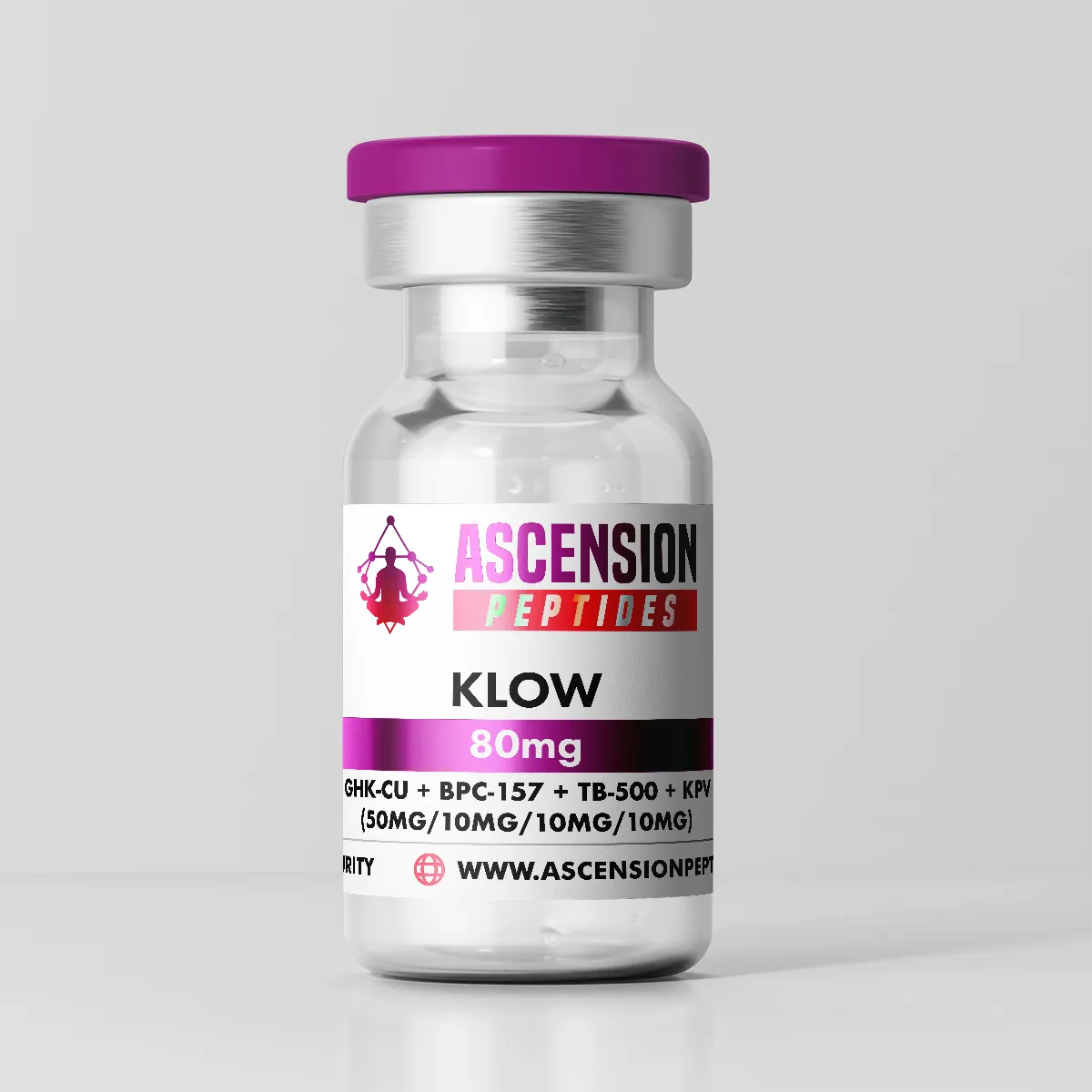
- The KLOW blend (BPC-157 + TB-500 + GHK-Cu + KPV) combines four healing peptides in one vial for comprehensive joint support
- Collagen peptides are the only option with extensive human clinical trial data — 10–15 weeks of supplementation consistently reduces joint pain scores
- GHK-Cu stimulates collagen synthesis and reduces inflammatory cytokines that drive cartilage breakdown
- Peptides work best alongside proper movement, weight management, and anti-inflammatory nutrition — they're tools, not miracles
Joint pain is the kind of problem that quietly takes over your life. It starts small — a twinge after a long run, stiffness when you stand up too fast, that clicking sound your knee makes on stairs. Then one morning you realize you've been unconsciously avoiding certain movements for months. You stopped squatting. You take the elevator now. You haven't played basketball in a year.
And here's what makes joint issues uniquely frustrating: cartilage has almost no blood supply. Unlike a pulled muscle that heals in weeks, damaged cartilage struggles to repair itself because it can't easily get the nutrients and growth signals it needs. This is exactly why peptides are so interesting for joint health — several of them specifically address blood vessel formation, cell migration, and tissue repair signaling that cartilage desperately needs.
This guide ranks the best peptides for joint health based on mechanism, evidence, and practical use. No hand-waving about "promising results" without substance. Just honest assessment of what works, what's speculative, and what matters.
Why Joints Break Down and What Peptides Can Do About It
Joint deterioration follows a predictable pattern, and understanding it helps you choose the right intervention:
The takeaway: joint health isn't one problem — it's several interconnected ones. That's why peptide stacks often outperform single compounds. Different peptides hit different parts of the breakdown cascade.
BPC-157: The Gold Standard for Joint Tissue Repair
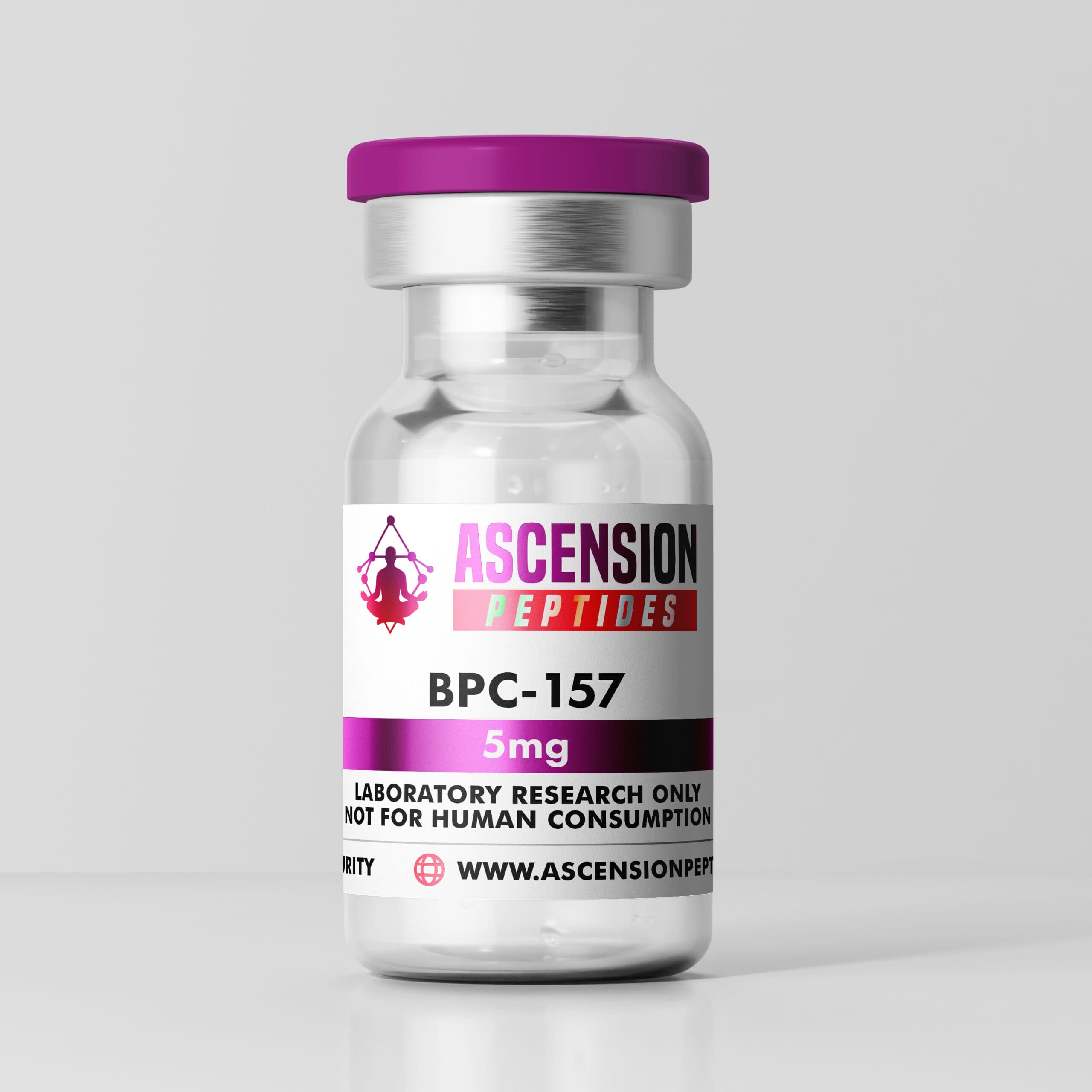
BPC-157 (Body Protection Compound-157) is a 15-amino acid peptide derived from a protective protein found in human gastric juice. It's the most widely used peptide for musculoskeletal healing, and for good reason — the breadth of evidence on connective tissue repair is substantial.
For full dosing protocols, see our BPC-157 dosage guide.
How BPC-157 Supports Joint Health
Tendon & Ligament Repair
Accelerates healing of tendons and ligaments by modulating growth factors including VEGF, EGF, and FGF — with improved biomechanical strength in healed tissue.
Angiogenesis
Promotes new blood vessel formation, delivering nutrients and repair signals to poorly vascularized joint tissues.
Anti-Inflammatory
Modulates inflammatory pathways without suppressing beneficial healing responses — unlike NSAIDs which can inhibit tissue repair.
NSAID Counteraction
Actually protects against NSAID-induced tissue damage, particularly in the gut — useful for people managing joint pain with ibuprofen or similar drugs.
What the Research Shows
The evidence for BPC-157 on connective tissue repair is extensive:
- Achilles tendon healing: significantly improved biomechanical strength and better collagen fiber organization (Staresinic et al., J Orthop Res, 2003)
- MCL (knee ligament) injuries: faster healing with superior tissue quality compared to controls
- Quadriceps muscle-tendon healing: enhanced functional recovery markers (Chang et al., 2011)
- Bone fracture healing: accelerated osteogenesis through BMP signaling (Sebecic et al., 1999)
A key detail: BPC-157 works through the nitric oxide (NO) system and modulates multiple growth factors simultaneously. This multi-pathway approach is partly why it shows effects across so many tissue types — it's not targeting a single receptor but orchestrating a broader healing response.
For a deep dive into specific injury applications, see our BPC-157 for injuries guide.
TB-500 (Thymosin Beta-4): Systemic Repair Signaling
TB-500 is a synthetic fragment of Thymosin Beta-4, a 43-amino acid protein your body naturally produces. It works through fundamentally different mechanisms than BPC-157, which is why they're often used together.
For dosing specifics, check our TB-500 dosage guide.
How TB-500 Differs from BPC-157
Where BPC-157 modulates growth factors and the NO system, TB-500 regulates actin — a fundamental structural protein involved in cell movement, division, and shape:
- Cell migration: TB-500 helps repair cells (fibroblasts, endothelial cells) actually reach the injury site — a critical step in healing poorly vascularized tissues like cartilage
- Angiogenesis: Promotes new blood vessel formation through a mechanism distinct from BPC-157
- Anti-inflammatory: Reduces inflammatory markers in damaged tissue, creating a better environment for repair
- Systemic distribution: TB-500 distributes broadly throughout the body — you don't need to inject near the injury site
Research Evidence
Thymosin Beta-4 (the parent protein) has been studied across multiple tissue types:
- Corneal healing: FDA-approved trials show accelerated wound closure
- Cardiac tissue: reduced scar formation and improved function after heart injury (Bock-Marquette et al., Nature, 2004)
- Tendon repair: improved collagen organization and tensile strength in healing tendons
- Wound healing: faster closure with better tissue quality
The KLOW Blend: Four Peptides in One
For people who want comprehensive joint support without managing four separate vials, the KLOW blend combines BPC-157, TB-500, GHK-Cu, and KPV in a single formulation. It's essentially a joint repair stack pre-mixed.
See our KLOW dosage guide for detailed protocols.
What Each Component Does
The logic here is sound: BPC-157 handles growth factor signaling, TB-500 drives cell migration to the injury, GHK-Cu stimulates new collagen production, and KPV suppresses the inflammation that's driving ongoing damage. Four different mechanisms addressing four different aspects of joint deterioration.
Collagen Peptides: The Evidence-Based Foundation
Unlike injectable peptides that signal repair processes, collagen peptides provide the actual structural building blocks your joints need. And crucially, they're the only joint peptide category with substantial human clinical trial data.
Types That Matter for Joints
- Type II Collagen: The primary structural protein in cartilage — most directly relevant for joint cushioning and osteoarthritis
- Type I Collagen: Dominant in tendons, ligaments, and bone — supports the structures surrounding joints
- Hydrolyzed Collagen: Enzymatically broken down for oral absorption — contains mixed types
Human Clinical Trial Data
This is where collagen peptides separate themselves from injectable options:
- A 24-week RCT with athletes showed collagen hydrolysate (10g/day) significantly reduced activity-related joint pain vs. placebo (Clark et al., Curr Med Res Opin, 2008)
- Knee osteoarthritis patients receiving type II collagen showed improved WOMAC pain scores at 90 days (Lugo et al., J Int Soc Sports Nutr, 2013)
- Cartilage collagen synthesis markers increased with supplementation, suggesting actual tissue-level effects, not just symptom masking
- Safety profile across 6+ month studies is excellent — no significant adverse effects reported
💡 Pro Tip
Oral collagen peptides are the easiest entry point for joint support — no injections, widely available, and backed by real human data. Start with 10–15g daily of hydrolyzed collagen for at least 12 weeks before assessing results. Add vitamin C (500mg) to support collagen synthesis.
GHK-Cu: The Regenerative Copper Peptide
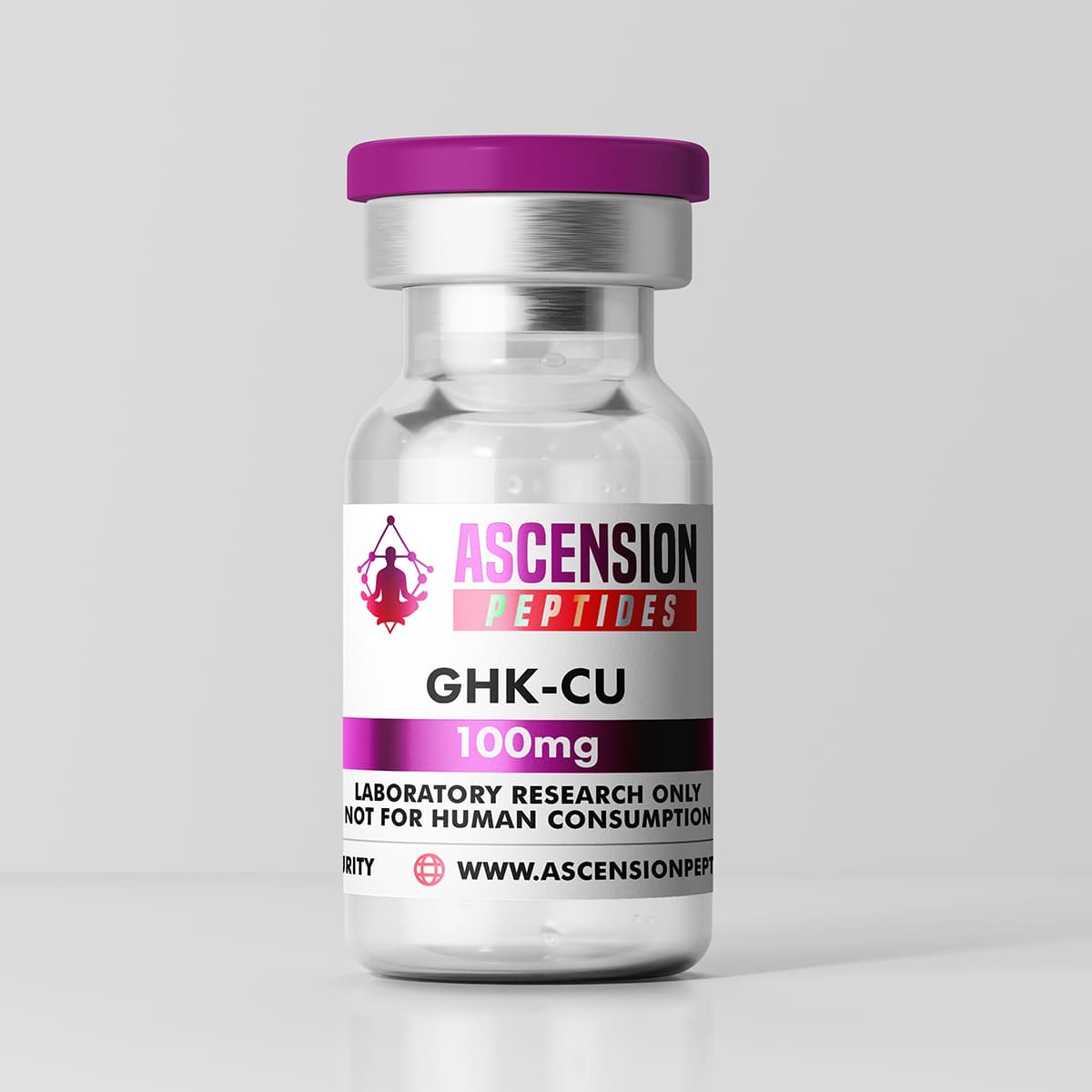
GHK-Cu (Glycyl-L-Histidyl-L-Lysine-Copper) is a naturally occurring tripeptide that declines dramatically with age — from ~200 ng/mL at age 20 to ~80 ng/mL by age 60. While best known for skin rejuvenation, its effects on connective tissue have broader implications for joint health.
Joint-Relevant Mechanisms
- Collagen synthesis stimulation: Upregulates production of collagen types I and III — the structural proteins that comprise tendons, ligaments, and joint capsules
- Anti-inflammatory gene expression: Reduces IL-6 and TGF-β — two cytokines heavily involved in joint destruction
- Antioxidant activity: Scavenges free radicals that damage cartilage and surrounding tissues
- Tissue remodeling: Promotes healthy breakdown and rebuilding of damaged extracellular matrix — cleaning up damaged tissue rather than just adding new material on top
GHK-Cu's broad gene expression effects are particularly interesting: a 2010 Broad Institute study found it influences over 4,000 genes, many involved in tissue repair, inflammation, and extracellular matrix remodeling (Pickart et al., 2015).
GH Secretagogues: Indirect Joint Support Through Growth Hormone
Peptides like Ipamorelin, CJC-1295, and Sermorelin don't directly target joints — they stimulate growth hormone (GH) release, which in turn elevates IGF-1 levels. The connection to joint health is indirect but real:
- GH stimulates collagen synthesis throughout the body — not just in one area
- IGF-1 promotes chondrocyte proliferation and cartilage matrix production
- Both hormones support overall tissue repair and recovery capacity
- GH levels decline ~14% per decade after age 30 — correlating with reduced healing capacity
This approach is slower and less targeted than using BPC-157 or TB-500 directly. But for general joint health maintenance (rather than specific injury recovery), optimizing GH/IGF-1 levels provides a systemic baseline of support.
The BPC-157 + TB-500 Stack: Why Combining Works
The most popular peptide combination for joint and tendon repair is BPC-157 + TB-500. And the logic isn't just "more peptides = better" — they genuinely address different mechanisms:
For comprehensive injury protocols, see our best peptides for tendon repair guide.
Comparing All Joint Health Peptides
Building a Joint Health Protocol: Practical Framework
For Acute Injury Recovery
- Primary: BPC-157 (250–500mcg twice daily) + TB-500 (2–5mg twice weekly)
- Support: Oral collagen peptides (15g daily) + vitamin C (500mg daily)
- Duration: 4–8 weeks, reassess after 4
- Lifestyle: Follow physical therapy protocol, adequate protein intake (1.6g/kg), quality sleep
For Chronic Joint Maintenance
- Foundation: Oral collagen peptides (10g daily) — ongoing
- Periodic support: BPC-157 cycles (4 weeks on, 4 weeks off) if inflammation flares
- Systemic: GH secretagogue if GH optimization is a broader goal
- Lifestyle: Anti-inflammatory diet, appropriate exercise (low-impact when needed), weight management
For Comprehensive Healing (Multi-Joint or Severe)
- Primary: KLOW blend (combines BPC + TB + GHK-Cu + KPV)
- Support: Oral collagen + omega-3 fatty acids (2–4g EPA/DHA daily)
- Duration: 6–12 weeks with medical monitoring
- Lifestyle: Physical therapy, gradual return to activity, sleep optimization
Lifestyle Factors That Make or Break Joint Recovery
Peptides accelerate healing, but they can't overcome consistently poor habits. These factors matter as much as anything you inject:
Movement and Exercise
Counter-intuitive but critical: joints need movement to stay healthy. Synovial fluid — the lubricant inside joint capsules — circulates through compression and decompression during movement. Complete rest leads to nutrient deprivation in cartilage. The key is appropriate movement — low-impact when injured (swimming, cycling, walking), progressive loading as healing allows.
Body Weight
Every extra pound of body weight adds roughly 4 pounds of force across the knee during walking. At 20 pounds overweight, that's 80 extra pounds of force per step — thousands of steps per day. No peptide offsets that mechanical load. Weight management is arguably the single most impactful intervention for weight-bearing joint health.
Anti-Inflammatory Nutrition
What you eat directly influences the inflammatory environment inside your joints:
- Increase: Omega-3 fatty acids (salmon, sardines, fish oil), colorful vegetables, turmeric/curcumin, ginger, berries
- Decrease: Refined seed oils, processed foods, excess sugar, alcohol — all drive inflammatory signaling
Sleep Quality
Growth hormone peaks during deep sleep — the same GH that drives collagen synthesis and tissue repair. Chronically poor sleep reduces GH output and impairs the overnight repair processes that joints depend on. If you're using peptides but sleeping 5 hours, you're handicapping the very processes those peptides are trying to enhance.
When to See a Doctor vs When Peptides Make Sense
Not every joint problem is a peptide problem. Some situations require professional medical evaluation first:
See a Doctor First If:
- Joint is swollen, hot, or red — could indicate infection or autoimmune flare
- Pain started after a significant trauma (fall, impact, twist)
- Joint locks, catches, or gives way — suggests mechanical damage
- Pain is getting progressively worse despite rest
- You have systemic symptoms (fever, fatigue, rash) alongside joint pain
Peptides Make Sense For:
- Chronic overuse injuries that aren't resolving with rest and PT
- Post-surgical recovery (with surgeon's knowledge)
- Age-related joint stiffness and mild osteoarthritis
- Athletic joint maintenance and injury prevention
- Tendinopathies (tennis elbow, patellar tendinitis, Achilles issues)