🔑 Key Takeaways
- Peptides for back pain work by accelerating tissue repair, reducing inflammation, and promoting angiogenesis — not just masking symptoms.
- BPC-157 is the best-studied option for musculoskeletal pain, with strong evidence for disc, tendon, and nerve-related injury.
- TB-500 targets muscle fiber repair and soft tissue healing, making it a strong complement to BPC-157.
- The BPC-157 + TB-500 stack is widely used for stubborn back injuries that don't respond well to standard treatment.
- Results typically begin within 2–4 weeks, with most users reporting meaningful improvement by week 6–8.
Back pain is one of the most common and most undertreated conditions out there. You've probably tried the standard options — rest, physical therapy, NSAIDs, maybe cortisone shots. Some of those help. None of them actually fix the underlying damage.
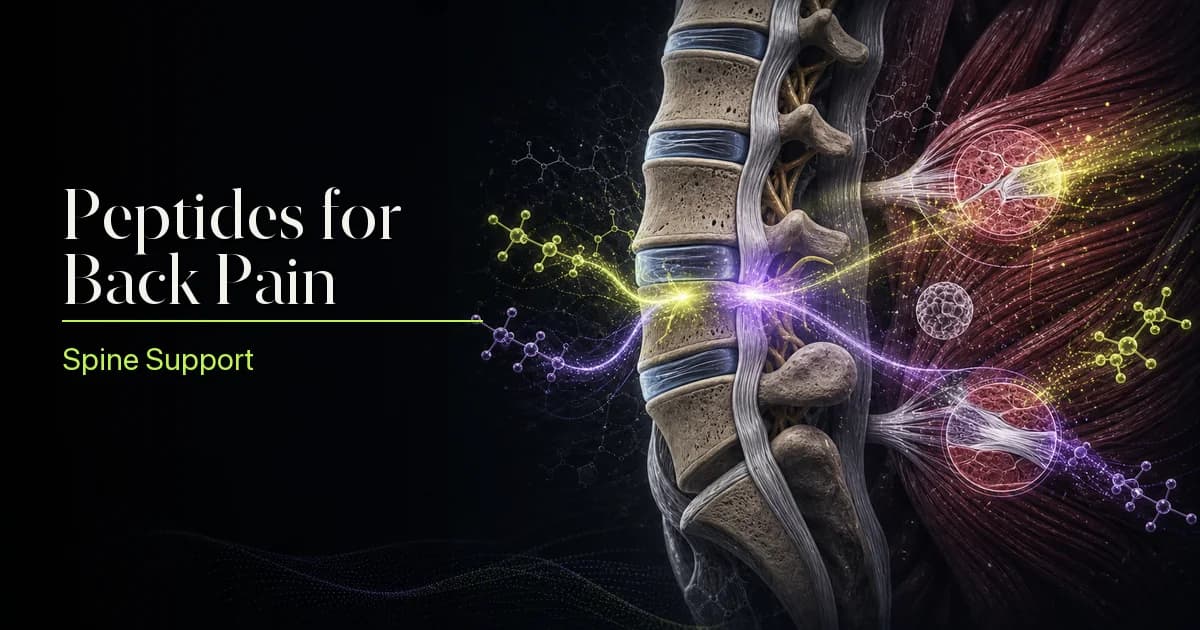
That's what makes peptides for back pain interesting. They don't just reduce inflammation or block pain signals. The leading candidates, BPC-157 and TB-500, work at the tissue level — promoting repair of damaged structures, rebuilding blood supply to injured areas, and reducing the chronic inflammatory environment that keeps many back injuries from healing.
This guide breaks down which peptides matter for back pain, how they differ, how people are using them, and what you can realistically expect.
💡 Quick Answer
BPC-157 is the go-to peptide for back pain, particularly for disc-related issues, nerve irritation, and connective tissue damage. TB-500 is its strongest complement for muscle strain and soft tissue injury. Many users run them as a stack. Typical protocol: 250–500mcg of each, twice daily, for 8–12 weeks.
Why Peptides for Back Pain?
Most pain treatments work downstream — they reduce swelling, block prostaglandins, or interrupt pain signaling. That's useful for short-term relief, but it doesn't address the structural problem. A herniated disc is still herniated. Scar tissue is still scar tissue. Damaged tendons around your lumbar facet joints don't regenerate just because you took ibuprofen.
Peptides for back pain operate differently. BPC-157 and TB-500 have both shown, in animal and some human studies, the ability to:
- Accelerate tendon, muscle, and ligament repair
- Stimulate angiogenesis (new blood vessel formation) in damaged tissue
- Reduce chronic inflammation at the site of injury
- Support nerve healing alongside musculoskeletal repair
- Modulate growth factors involved in tissue remodeling
This isn't pain management. It's closer to accelerated recovery. The distinction matters — especially for people with chronic back issues where the pain persists because the underlying damage never fully healed.
BPC-157: The Most Studied Option
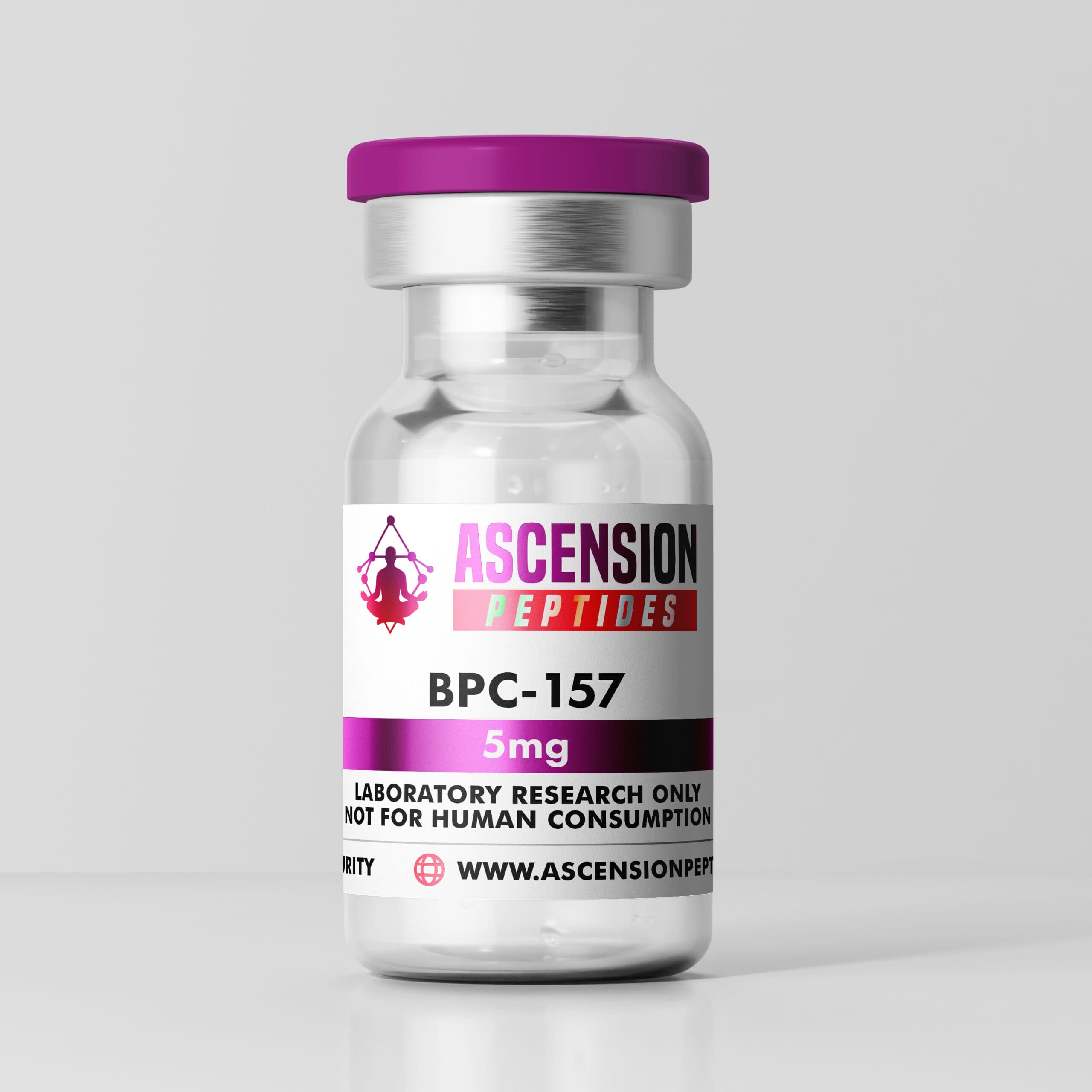
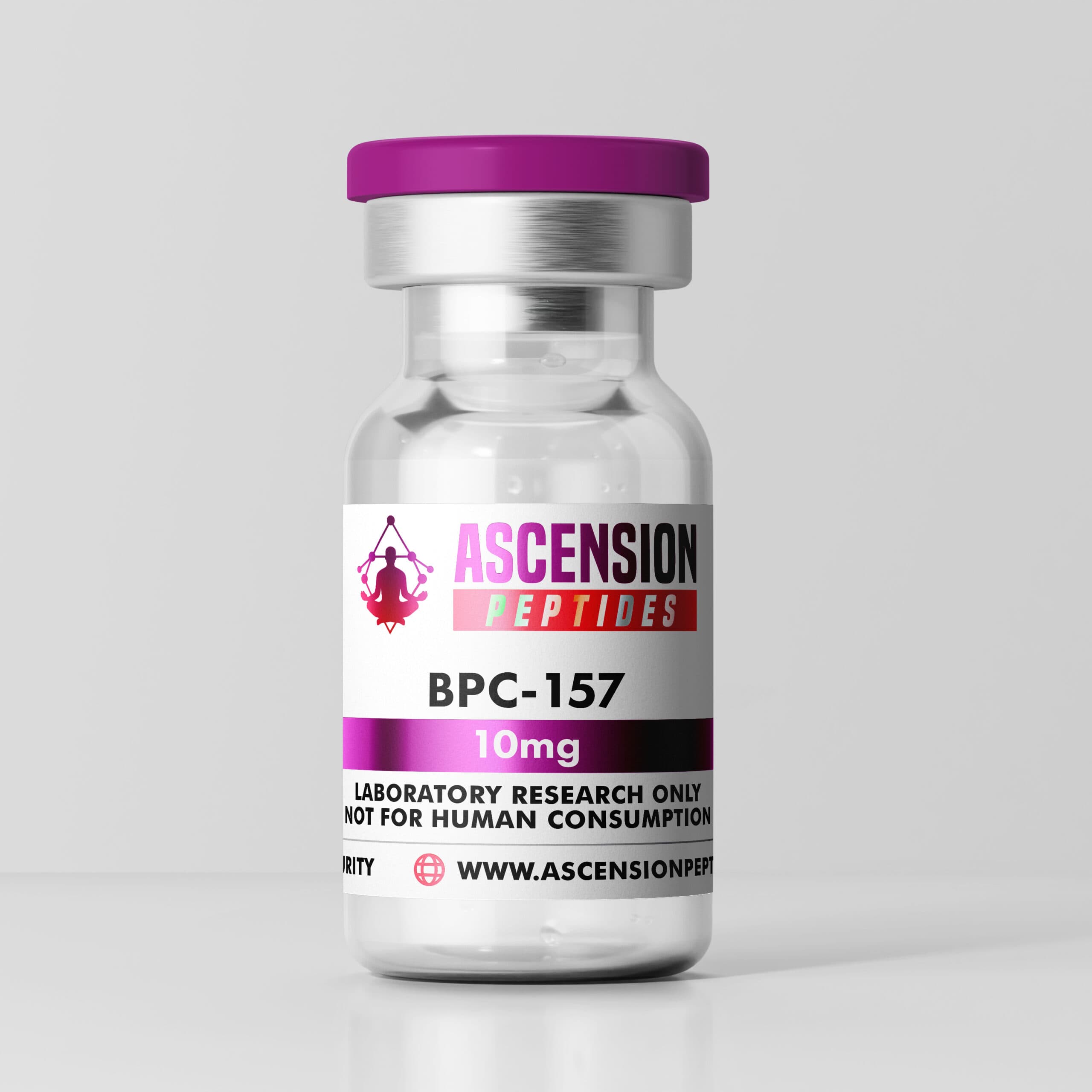
BPC-157 (Body Protection Compound-157) is a synthetic pentadecapeptide derived from a protein found in gastric juice. It's been studied across a wide range of injury models — tendons, ligaments, muscles, nerves, and gut tissue — with consistently positive results in animal studies.
For back pain specifically, BPC-157 is most relevant for:
Disc & Spinal Tissue Repair
BPC-157 has shown the ability to promote healing in connective tissue surrounding spinal structures, potentially addressing the source of disc-related pain rather than just symptoms.
Nerve Healing
Multiple animal studies show BPC-157 supports peripheral nerve repair. For back pain caused by nerve compression or irritation (like sciatica), this may be particularly relevant.
Anti-Inflammatory Action
BPC-157 modulates pro-inflammatory pathways without broadly suppressing immune function — more targeted than NSAIDs and without the GI side effects of long-term NSAID use.
Angiogenesis
It promotes new blood vessel formation in damaged tissue — critical for healing in areas with poor blood supply, like spinal discs and certain ligaments.
If you're looking at BPC-157 for back pain, the most common dosing range is 200–500mcg per injection, once or twice daily. Some users prefer systemic injections (sub-Q in the abdomen); others inject near the injury site for localized effect.
TB-500: For Muscle and Soft Tissue
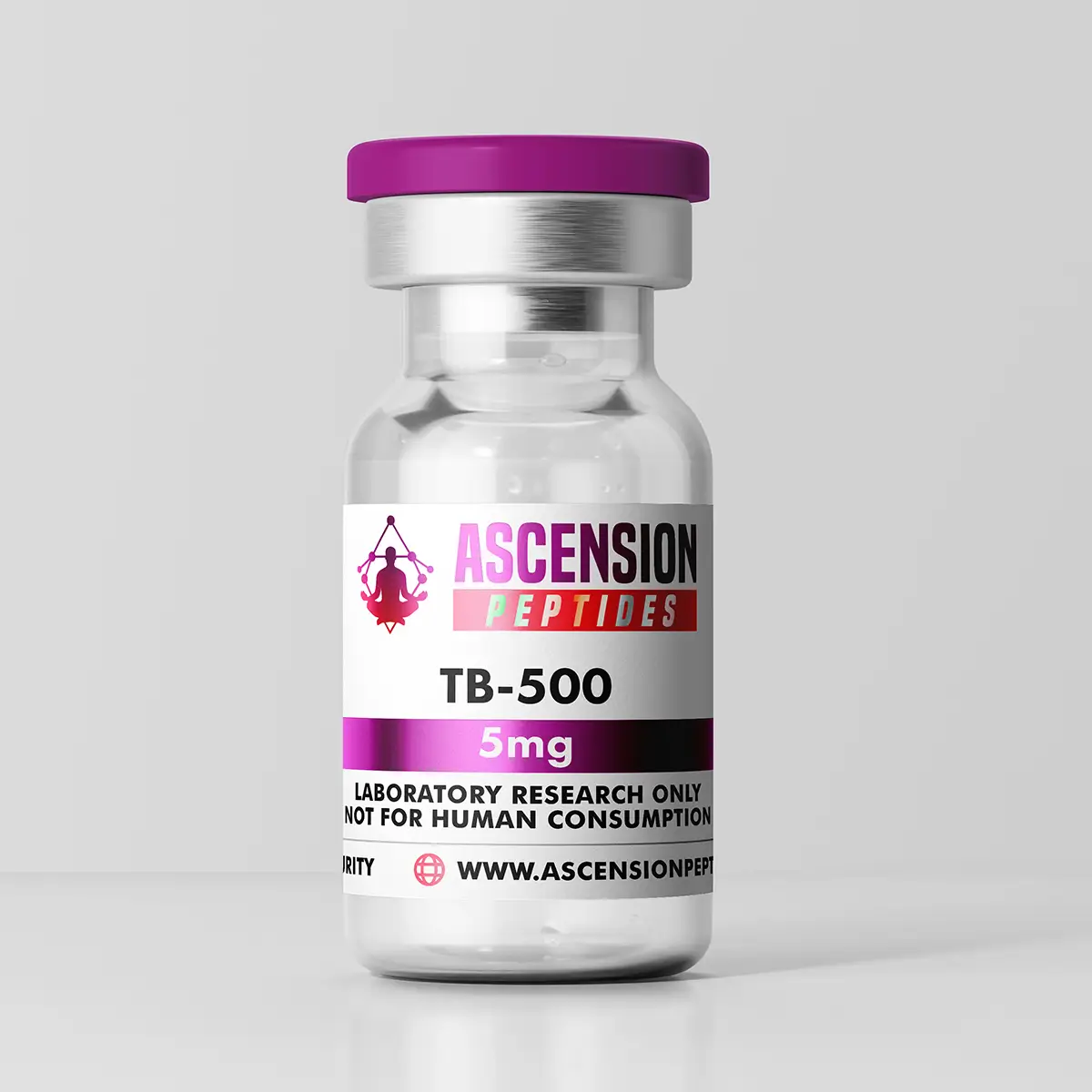
TB-500 is a synthetic version of Thymosin Beta-4, a naturally occurring peptide that plays a key role in tissue repair, cell migration, and inflammation regulation. Where BPC-157 shines for disc and nerve-related issues, TB-500 tends to be the stronger choice for muscle tears, strains, and soft tissue damage.
For back pain with a significant muscle component — spasms, strains, chronic tension — TB-500 offers:
- Muscle fiber repair: TB-500 promotes the regeneration of damaged muscle cells and accelerates recovery from strains.
- Reduced scar tissue formation: It appears to reduce fibrosis (scar tissue) that can limit mobility and cause chronic pain after injury.
- System-wide effect: TB-500 is typically dosed systemically (not locally) and has a broader anti-inflammatory and repair-promoting effect throughout the body.
- Flexibility and range of motion: Anecdotally, many users report improved flexibility alongside pain reduction — likely related to its effects on actin, a protein involved in muscle contraction and cell movement.
TB-500 is typically dosed at 2–2.5mg per week, often split across two injections. Higher loading doses (4–5mg/week) are sometimes used in the first two weeks for severe or chronic injuries.
BPC-157 + TB-500 Stack for Back Pain
Running these two peptides for back pain together is the most common advanced protocol in the community. The rationale makes sense: BPC-157 targets the disc, connective tissue, and nerve-level damage; TB-500 handles the muscle and soft tissue component. Together they cover more ground than either alone.
A typical stacking approach:
- BPC-157: 250–500mcg, once or twice daily, subcutaneous
- TB-500: 2–2.5mg, twice per week, subcutaneous
- Duration: 8–12 weeks minimum for chronic injuries
Some users report dramatically faster results with the stack compared to either peptide alone. That said, the stack also costs more and requires managing two different vials and dosing schedules. For someone with a clear single-cause injury (pure muscle strain vs. pure disc herniation), starting with one peptide makes more economic sense.
Herniated Disc vs Muscle Strain: Which Peptide?
This is the practical question that matters most when choosing peptides for back pain. The answer depends on what's actually causing your pain.
If you haven't had imaging done and you're guessing at the cause, that's worth addressing before or alongside any peptide protocol. Knowing whether you have a disc issue, a structural problem, or primarily soft tissue damage helps target the right peptides for back pain more precisely.
Dosing Protocol for Back Pain
Peptides for back pain are typically run for longer than performance-focused protocols — recovery from structural damage takes time, and the peptides need to work across the full healing cycle.
What to Expect: Timeline
Managing expectations matters here. Peptides for back pain are not instant pain relievers — they work by promoting the biological processes that lead to actual tissue repair. That takes time.
- Week 1–2: Subtle reduction in acute inflammation. Some users report minor improvements in morning stiffness. Don't expect dramatic changes yet.
- Week 3–4: More noticeable reduction in pain, especially activity-related. Range of motion often starts improving.
- Week 5–8: The phase where most users report meaningful, sustained improvements. Pain intensity drops, flare-ups become less frequent.
- Week 8–12: Continued improvement, particularly for chronic conditions. Some users plateau here; others continue improving post-cycle as tissue remodeling continues.
Post-cycle, many people maintain improvements even after stopping — which suggests actual tissue repair rather than ongoing symptom suppression.
Other Options (Semax for Pain, SS-31)
BPC-157 and TB-500 get most of the attention, but they're not the only peptides with relevance to back pain.
Semax: A neuroprotective peptide originally developed in Russia, Semax has interesting applications for nerve-related pain. It increases BDNF (brain-derived neurotrophic factor) and has been used for conditions involving chronic nerve pain and cognitive decline. For back pain with a significant neuropathic component — burning, shooting, or electric sensations — some users add Semax to their protocol. Typical dose is 200–600mcg intranasally.
SS-31 (Elamipretide): A mitochondria-targeting peptide that reduces oxidative stress in damaged cells. Less commonly used for back pain specifically, but relevant for degenerative conditions where cellular energy production is impaired — as is often the case in chronic disc disease and age-related spinal degeneration. Still quite experimental in the research peptide context.
Lifestyle Factors That Support Peptide Protocols
Peptides for back pain aren't a standalone fix. The biological repair they accelerate needs the right environment to work properly. What you do alongside the protocol matters.
Sleep: Tissue repair happens primarily during sleep, especially deep slow-wave sleep. BPC-157 and TB-500 promote the cellular mechanisms of repair, but that repair work happens on a circadian schedule. Skimping on sleep while running a peptide protocol for back pain is like hiring contractors and then locking them out of the building at night. Aim for 7–9 hours, prioritize sleep quality, and avoid heavy alcohol use which disrupts deep sleep stages.
Protein intake: Collagen and soft tissue repair require amino acid substrates. If you're in a caloric deficit or eating low protein, you're limiting the raw materials for the recovery BPC-157 and TB-500 are trying to drive. A minimum of 1.6g protein per kilogram of body weight is reasonable during an active injury protocol.
Movement: Complete rest is counterproductive for most back injuries. Gentle, controlled movement improves circulation to damaged tissue, helps guide remodeling, and prevents the secondary deconditioning that often extends recovery timelines. Physical therapy, yoga, or swimming alongside peptides for back pain typically produces better outcomes than peptides plus bed rest.
Avoiding reinjury: This is obvious but worth stating. Peptides accelerate healing, but they don't produce superhuman tissue resilience during the healing process. Returning to heavy lifting or high-impact activity too soon while on a peptide protocol is a common mistake. Progressive return to load, not immediate full activity, is the right approach.
Stacking Peptides With Other Recovery Tools
Peptides for back pain stack well with several other interventions that operate through complementary mechanisms:
- Low-level laser therapy (LLLT) / red light therapy: Photobiomodulation has evidence for reducing inflammation and accelerating soft tissue repair. Running LLLT alongside BPC-157 targets overlapping biological pathways and may produce synergistic effects. The combination is popular among biohackers and athletes recovering from chronic injuries.
- Collagen peptides / glycine supplementation: Supporting collagen synthesis with dietary peptides and glycine (3–5g daily) gives your body more substrate for connective tissue repair. This is inexpensive and pairs well with BPC-157.
- Magnesium: Muscle tension and spasm are magnified by magnesium deficiency — common in people with chronic pain. Magnesium glycinate or threonate at 300–400mg before bed often reduces night-time back pain and muscle tension.
- CBD / anti-inflammatory protocols: Reducing the inflammatory burden through diet and targeted anti-inflammatory compounds can support the repair environment peptides need. This doesn't mean NSAIDs — those can actually impair tendon healing at high doses. Omega-3s, curcumin, and CBD have softer anti-inflammatory effects without the healing interference.