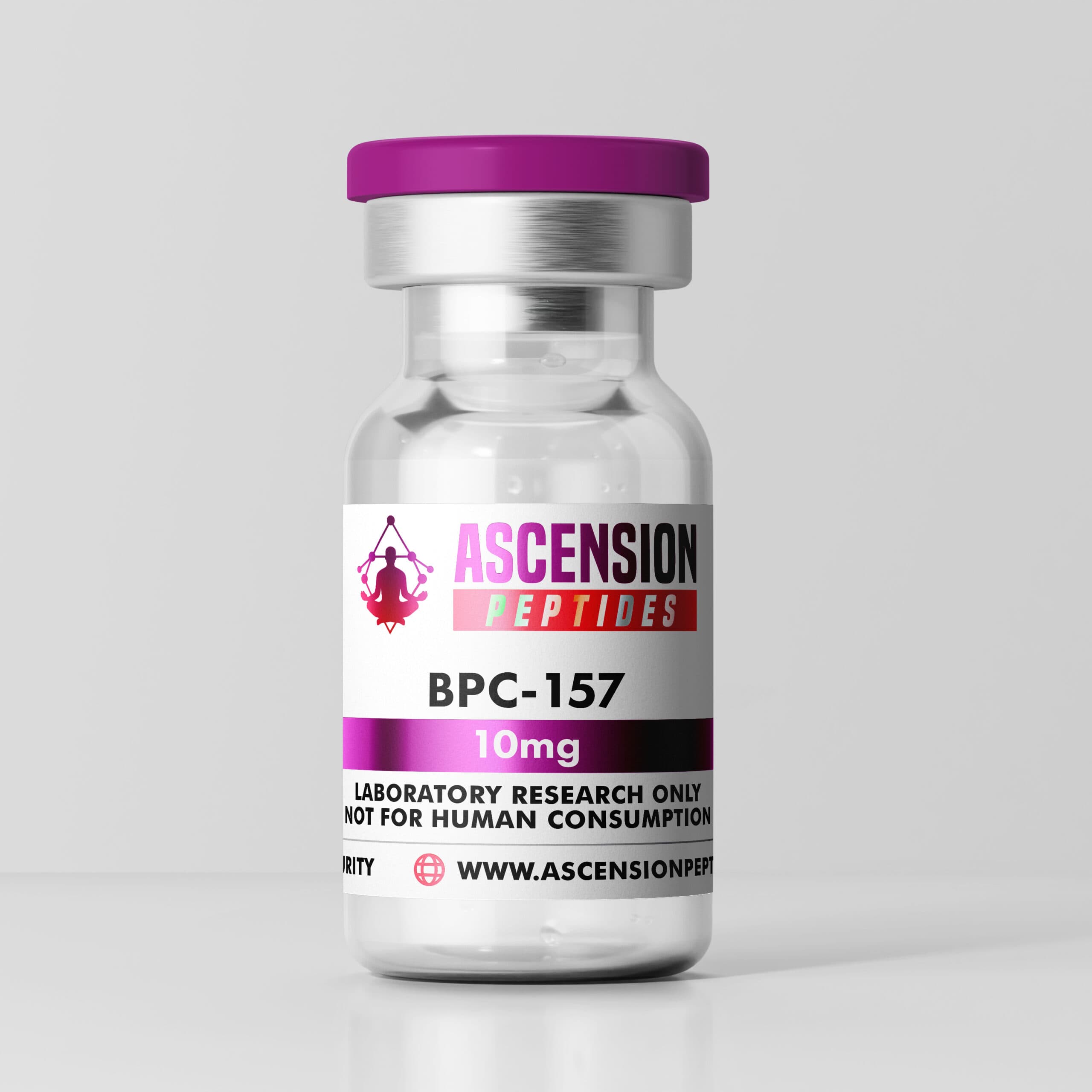
Injectable Peptides: The Safety Question Everyone Is Asking
As research peptides gain traction in fitness, longevity, and biohacking communities, one question keeps coming up: are peptides safe to inject? It's a fair question — self-administered injections sound intimidating, and the research compound space is largely unregulated. But "safe" is never a binary answer. Safety depends on the specific peptide, the quality of the source, your injection technique, and whether you understand what you're putting into your body.
This guide breaks down what the current research tells us about injectable peptide safety, which peptides have the best track records, what the actual risks look like, and how to minimize them. Whether you're a researcher evaluating study protocols or someone who wants to understand the landscape, this article gives you an honest picture.
The Two Categories of Peptide Safety Risk
When researchers and users ask about injectable peptide safety, there are really two distinct risk categories that often get conflated:
1. Compound-Specific Risks
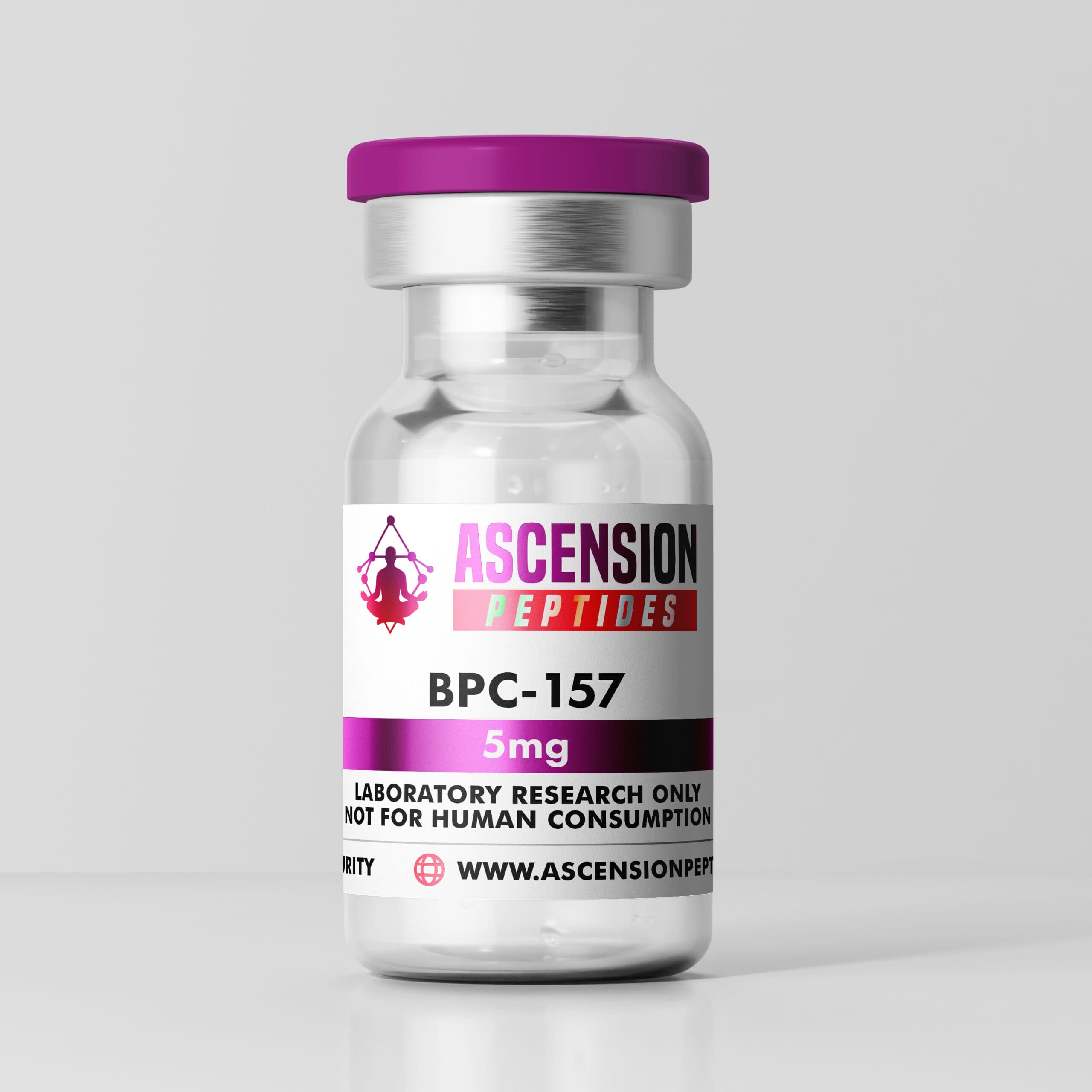
These are risks related to the peptide molecule itself — its mechanism of action, how it interacts with receptors, potential hormonal effects, and known side effect profiles from existing literature. Some peptides have extensive safety data (like BPC-157, studied across hundreds of animal model studies), while others are very new with limited human data (like Retatrutide).
2. Administration-Related Risks
These are risks tied to the act of injecting — not the peptide itself. Contamination from unsterile technique, infection at the injection site, improper reconstitution leading to degraded or contaminated product, and air embolism from poor syringe handling all fall here. This category accounts for the majority of adverse events reported in the research peptide community.
Safety Rankings: Which Injectable Peptides Have the Best Track Records?
Not all peptides carry the same risk profile. Here's a ranked breakdown based on available research literature:
Peptides like Sermorelin and Semaglutide have the advantage of FDA-approved counterparts and formal clinical trial data, giving researchers substantially more safety information to work with. Newer compounds require more caution simply due to the absence of long-term human data.
What Are the Actual Risks of Injecting Peptides?
Injection Site Reactions
The most commonly reported issue across all injectable peptides is localized injection site reactions — redness, mild swelling, bruising, or a small lump at the injection site. These are almost always temporary and resolve within 24–48 hours. They're more common with subcutaneous (sub-Q) injections and can be minimized by rotating injection sites regularly.
Infection Risk
If bacteriostatic water or the peptide vial is contaminated, or if the injection site isn't properly cleaned, there is a real risk of localized or systemic infection. This is the most serious preventable risk associated with peptide injection and underscores the importance of sterile sourcing and sterile technique. Abscesses from peptide injections, while rare in the literature, do occur in community settings where technique is poor.
Hormonal Disruption
Peptides that stimulate growth hormone release — like Ipamorelin, CJC-1295, or Sermorelin — can influence the hypothalamic-pituitary axis over time. Long-term or high-dose use may affect natural GH pulsatility. Research suggests these effects are largely reversible upon discontinuation, but this remains an area requiring more long-term human data.
Allergic Reactions
Peptide-related allergic reactions are rare but documented. They can range from mild itching and hives to, in very rare cases, anaphylaxis. Risk increases with peptides containing carrier proteins or excipients. Pure, high-quality peptides from third-party tested sources carry lower allergenicity risk.
Unknown Long-Term Effects
Honest safety analysis must acknowledge what we don't know. Most research peptides have limited or no long-term human safety data. The absence of reported harm is not the same as demonstrated safety over years or decades. This is a legitimate reason for caution, particularly with newer compounds.
Best Practices for Safe Peptide Injection in Research Contexts
Source Only from Third-Party Tested Suppliers
The single highest-impact safety decision is where you buy your peptides. Only use vendors who provide a Certificate of Analysis (COA) from an independent third-party lab showing >99% purity and no detectable contaminants. Avoid vendors with no COA, vague sourcing claims, or suspiciously low prices. Ascension Peptides is one example of a vendor known for third-party testing and transparent COA documentation.
Use Pharmaceutical-Grade Bacteriostatic Water
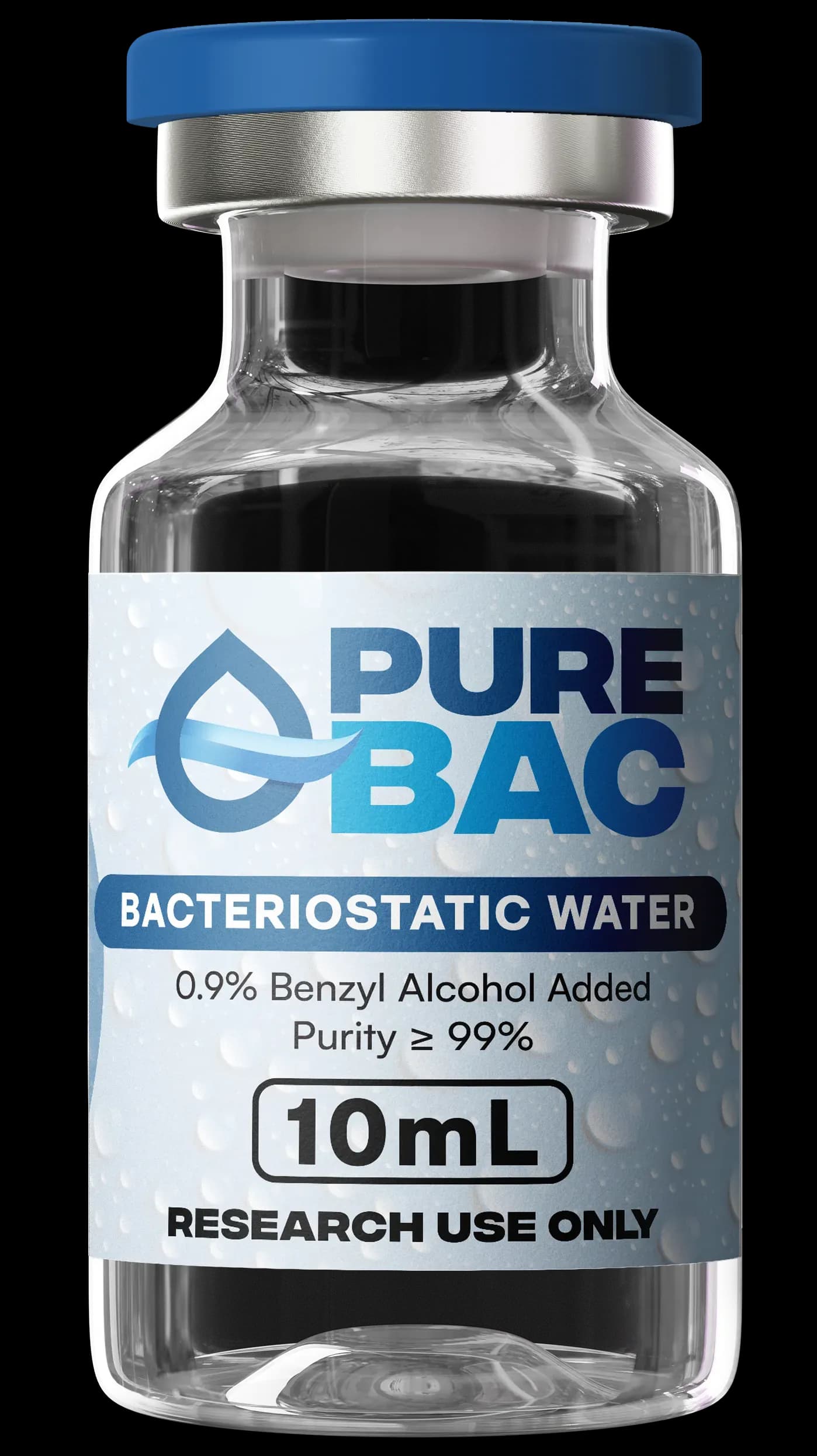
Always reconstitute lyophilized (freeze-dried) peptides using bacteriostatic water (BAC water) — not saline, not tap water, not distilled water. BAC water contains benzyl alcohol as a preservative, preventing bacterial growth in reconstituted vials. Use a new sterile syringe for each draw to avoid introducing contaminants.
Practice Sterile Injection Technique
Clean the injection site with an alcohol swab and allow it to dry fully before injecting. Use insulin syringes (typically 29–31 gauge) for subcutaneous injections. Never reuse needles — they dull rapidly and increase infection risk and injection pain. Dispose of used sharps in a proper sharps container.
Rotate Injection Sites
Repeated injections into the same site cause lipodystrophy (breakdown of subcutaneous fat) and increased scar tissue over time. Rotate between the abdomen, outer thigh, and upper arm. Keep a simple log to track injection sites and ensure consistent rotation.
Start with Conservative Doses
Begin at the lower end of the researched dose range to assess individual tolerance before moving to standard protocol doses. Most adverse reactions, when they do occur, are dose-dependent — lower starting doses reduce this risk substantially.
Store Peptides Correctly
Lyophilized peptides should be stored in a freezer until reconstitution. Once reconstituted with BAC water, refrigerate at 2–8°C and use within 28–30 days. Improperly stored peptides degrade rapidly and may form aggregates that increase injection site irritation and reduce efficacy.
Warning Signs That a Peptide Source May Be Unsafe
- No Certificate of Analysis available — any reputable vendor will readily provide COA documentation upon request or have it publicly listed.
- Price significantly below market rate — peptide synthesis at pharmaceutical grade is not cheap. Suspiciously low prices almost always reflect cut corners on purity or testing.
- No clear information on peptide origin or synthesis method — opacity about manufacturing is a red flag.
- Vials that appear cloudy, have visible particles, or have an unusual smell — these are signs of contamination or degradation. Discard immediately.
- No HPLC or mass spectrometry testing data — COAs should include specific analytical methods. A simple "tested for purity" statement without methodology is meaningless.
- Vendors selling peptides labeled "for human use" — research peptides must be sold for research purposes only. Vendors who make direct human use claims are operating outside legal frameworks.
Frequently Asked Questions
The Bottom Line: Are Peptides Safe to Inject?
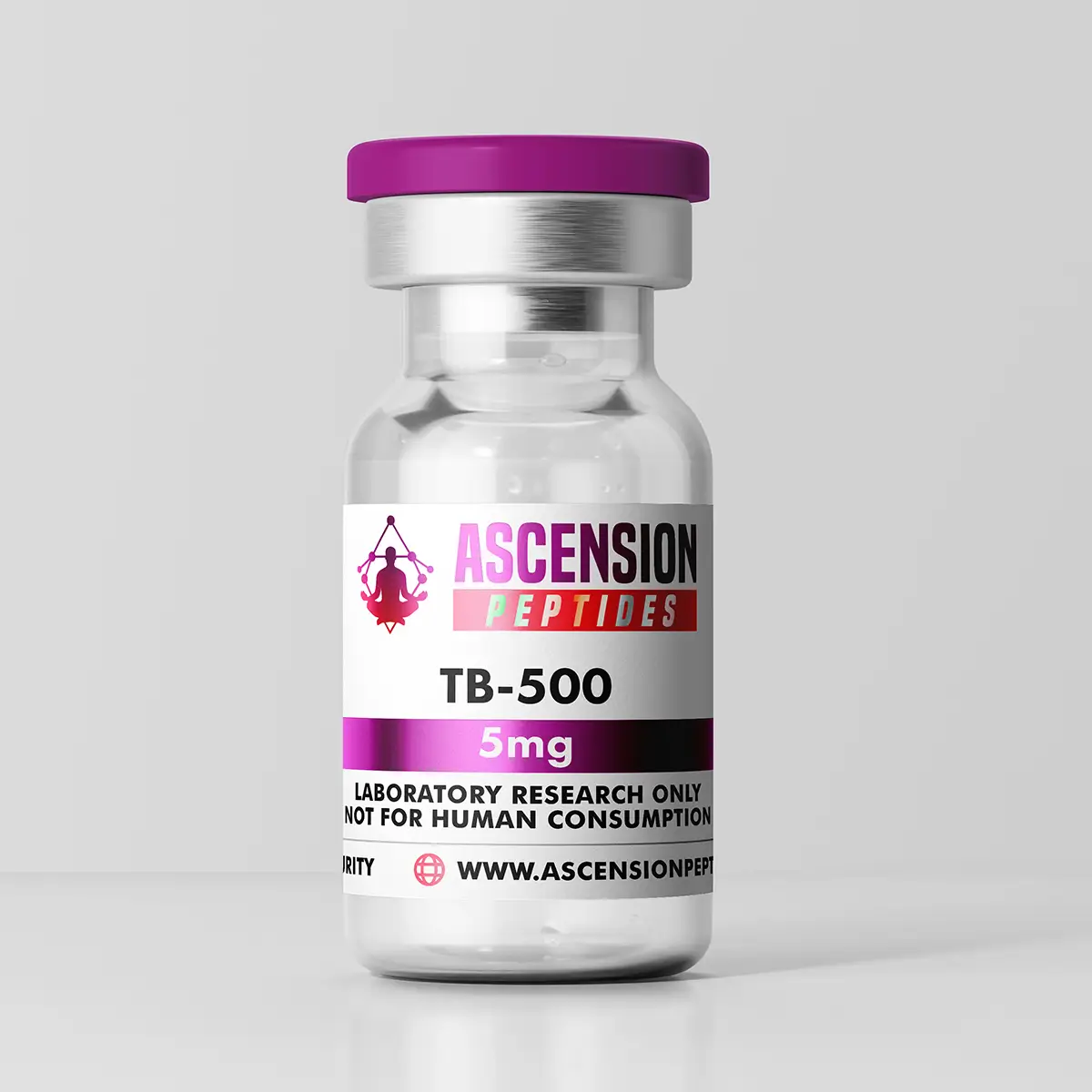
The honest answer is: it depends heavily on the variables you control. Peptides like BPC-157, TB-500, and Ipamorelin have accumulated substantial research data suggesting a favorable safety profile at appropriate doses. Clinically validated compounds like Sermorelin and Semaglutide have even more robust safety records.
But safety isn't guaranteed by the compound alone. A high-purity peptide, properly reconstituted, injected with sterile technique, at a conservative dose, sourced from a vendor with third-party testing — that is a fundamentally different risk profile than an untested compound from an unknown lab, reconstituted carelessly and injected without proper hygiene. The former is manageable research risk. The latter is reckless.
If you're sourcing research peptides, prioritize vendors who provide complete COA documentation with HPLC and mass spectrometry data. Ascension Peptides is one vendor recognized in the research community for meeting this standard. No matter the source, never skip sterile technique, always start conservatively, and never assume the absence of reported harm equals proven safety — especially for newer compounds where long-term human data simply doesn't exist yet.