AOD 9604 has earned a reputation as one of the safest fat-loss peptides in the research space — but that doesn't mean side effects are impossible. Understanding what the clinical data actually shows, what real users report, and how to distinguish normal adjustment from genuine concern is essential before starting any protocol.
This guide cuts through the noise. No exaggeration, no dismissal. Just a complete, evidence-based breakdown of AOD 9604 peptide side effects drawn from six published clinical trials, peer-reviewed research, and documented user experience.
What Is AOD 9604 and Why Does It Have a Unique Safety Profile?
AOD 9604 is a synthetic peptide consisting of amino acids 176–191 from the C-terminus of human growth hormone, with an added tyrosine residue at the N-terminus. This 16-amino-acid fragment was specifically engineered to replicate growth hormone's fat-metabolizing effects while eliminating the broader hormonal consequences that make full-length HGH problematic for many users.
This design distinction is critical to understanding its safety profile. Full-length growth hormone raises IGF-1 levels, disrupts blood sugar regulation, causes water retention, and frequently triggers joint pain and carpal tunnel syndrome. AOD 9604 was engineered to avoid every one of these pathways — and clinical data confirms it largely succeeds.
Unlike peptides such as Ipamorelin or CJC-1295, which work by stimulating endogenous growth hormone release, AOD 9604 acts more directly on fat tissue through beta-3 adrenergic receptors, stimulating lipolysis and inhibiting lipogenesis without triggering a cascade of systemic hormonal changes.
What the Clinical Trials Actually Found
The foundation of AOD 9604's safety reputation is its clinical trial record — arguably the strongest of any fat-loss peptide available for research. Six randomized, double-blind, placebo-controlled trials involving over 900 participants have evaluated the compound in humans.
The findings are consistent across all studies:
- No serious adverse events were attributed to AOD 9604 in any trial
- No participant withdrawals due to peptide-related side effects
- Adverse event rates statistically indistinguishable from placebo across all dose groups
- No effect on serum IGF-1 levels at any tested dose
- No impairment of carbohydrate metabolism or insulin sensitivity
- No anti-AOD 9604 antibodies detected at any point during trials — meaning the immune system does not appear to react against it
Researchers specifically screened for the side effects most associated with growth hormone therapy. Water retention: absent. Joint pain: absent. Elevated blood glucose: absent. Carpal tunnel symptoms: absent. This wasn't accidental — it was the entire point of the peptide's molecular design.
Common AOD 9604 Side Effects: What Users Actually Experience
While clinical trials paint an encouraging picture, real-world use introduces variables that controlled studies don't always capture — compounding quality, injection technique, individual physiology, and stacking with other compounds. Here is what is most commonly reported:
Injection Site Reactions (Most Common)
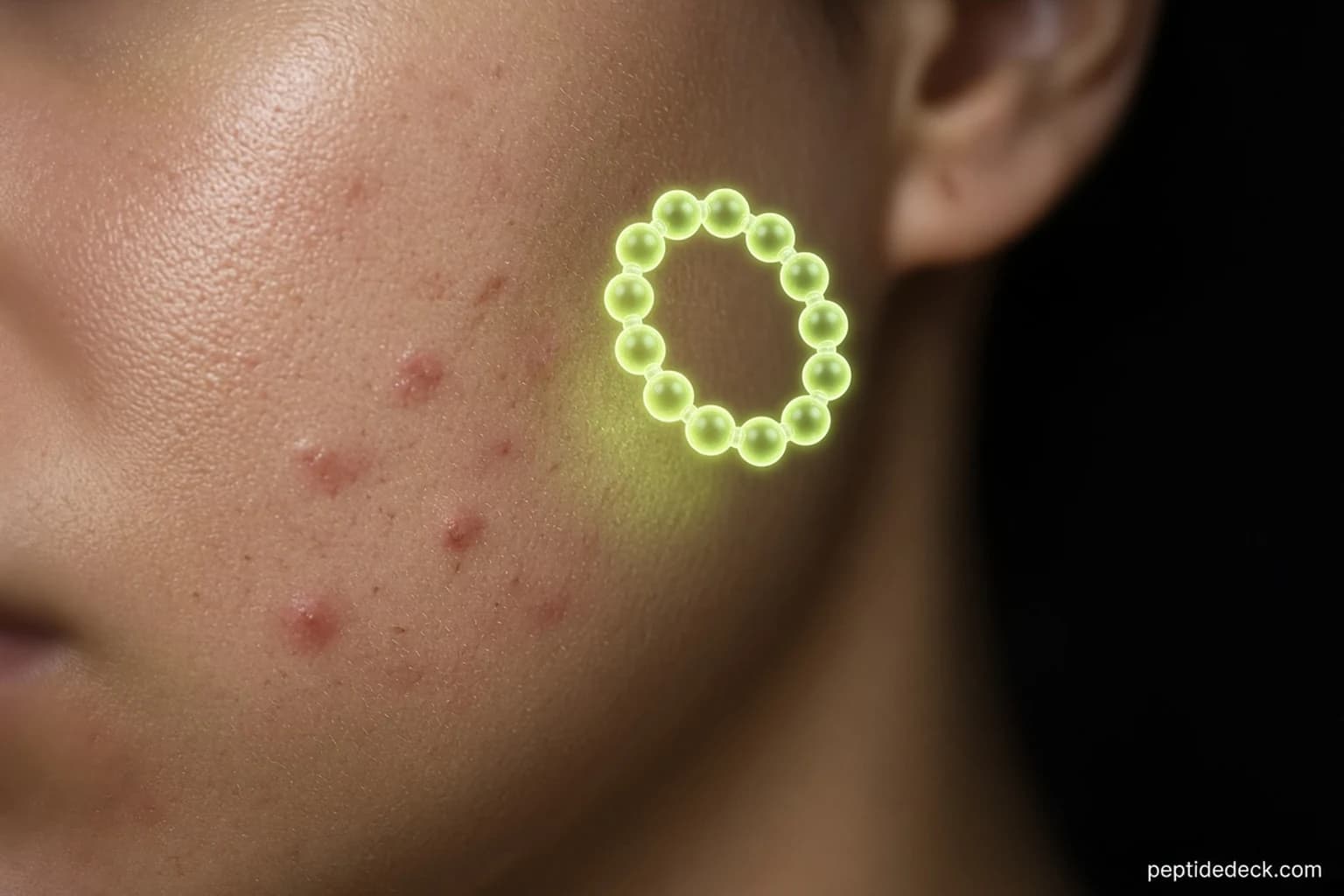
The most frequently reported AOD 9604 side effect is localized to the injection site itself. This is not unique to AOD 9604 — it is a property of subcutaneous peptide injection in general.
- Redness (erythema) — mild flushing around the injection point, typically resolving within 30–60 minutes
- Mild swelling or raised bump — a small wheal forming under the skin, which usually flattens within an hour
- Itching or burning sensation — often associated with slightly acidic reconstituted solution or rapid injection speed
- Bruising — occasional, especially with improper technique or thin skin areas
- Nodule formation — rare, associated with repeated injection in the exact same spot
Most injection site reactions are technique-dependent, not compound-dependent. Rotating injection sites, injecting slowly, and ensuring bacteriostatic water is at room temperature dramatically reduces their frequency.
Mild Systemic Reactions (Less Common)
A smaller subset of users report mild systemic effects, particularly in the first week of use:
- Transient fatigue — some users report feeling briefly tired 30–60 minutes post-injection, typically resolving without intervention
- Mild headache — occasionally reported, often attributable to dehydration or fasting protocols used alongside AOD 9604
- Nausea — rare, more common when injecting on a completely empty stomach
- Flushing or warmth — a brief warm sensation, usually mild and transient
- Dizziness — infrequent, typically positional; ensure adequate hydration
What AOD 9604 Does NOT Typically Cause
Factors That Increase Side Effect Risk
AOD 9604 is generally well-tolerated, but certain factors can increase the likelihood or severity of adverse reactions:
Peptide Quality and Purity
The single biggest variable in peptide side effects is not the compound — it is the quality of the source. Impure peptides with bacterial endotoxins, incorrect amino acid sequences, or contaminated reconstitution water cause reactions that get attributed to the peptide itself. Always source from vendors providing third-party Certificates of Analysis (COA) showing ≥98% purity and endotoxin testing.
Dosage
AOD 9604 is commonly researched at 300–500 mcg per day. Higher doses don't appear to provide proportionally better results and may increase injection site reaction frequency. The clinical trials found optimal effects in the 500 mcg daily range for body composition; exceeding this without clear rationale increases risk without established benefit.
Injection Technique
Subcutaneous injection into the same site repeatedly, injecting cold solution, injecting too rapidly, or using dull needles all amplify local reactions. Technique matters as much as the compound.
Stacking with Other Compounds
AOD 9604 is frequently stacked with BPC-157, TB-500, or GLP-1 receptor agonists like Semaglutide. Any side effects experienced in a stack should not automatically be attributed to AOD 9604 — isolating variables is essential to understanding which compound is responsible.
Individual Physiology
People with needle phobia, hypersensitive skin, or prior allergic reactions to peptide therapies warrant additional caution. A small test dose (100–150 mcg) before committing to a full protocol is a reasonable harm-reduction strategy.

How to Minimize AOD 9604 Side Effects: Step-by-Step Protocol
Source High-Purity, COA-Verified Peptide
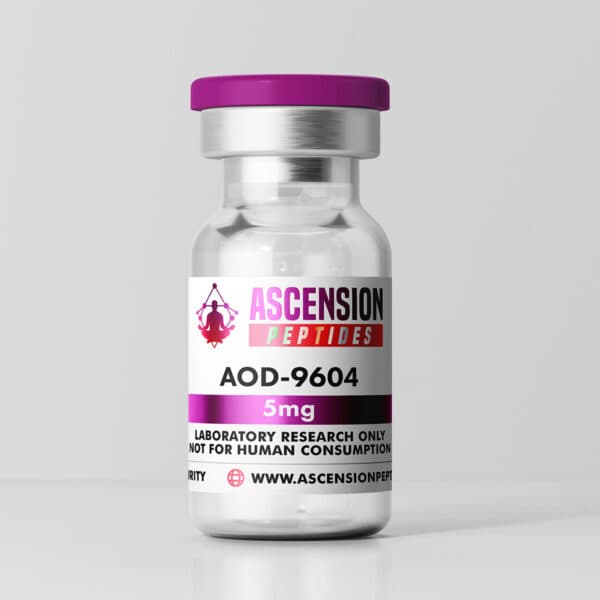
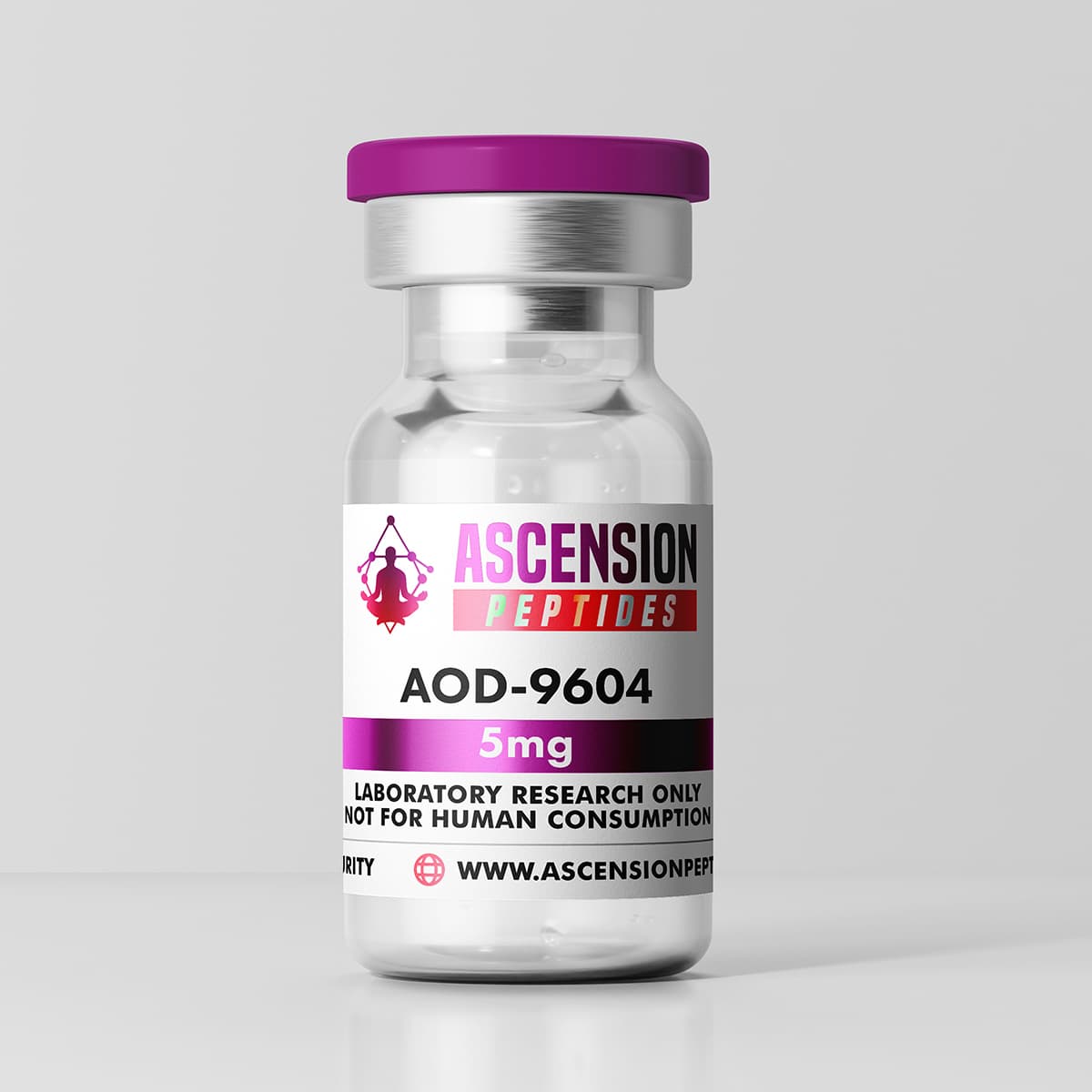
Purchase AOD 9604 only from vendors providing third-party HPLC purity reports (≥98%) and mass spectrometry confirmation. Endotoxin testing is a bonus indicator of quality. Ascension Peptides is one vendor known for meeting these standards.
Start with a Lower Test Dose
Begin at 150–200 mcg for the first 2–3 injections to assess individual tolerance before moving to the standard 300–500 mcg research dose. This allows you to identify any unusual sensitivity early.
Use Proper Reconstitution Technique
Reconstitute with bacteriostatic water. Allow the solution to reach room temperature before injection. Never shake — swirl gently. Inject the water down the side of the vial, not directly onto the lyophilized powder.
Rotate Injection Sites Systematically
Inject subcutaneously into the abdomen, rotating sites in a grid pattern. Never inject the same spot twice in a row. This prevents nodule formation, chronic irritation, and fat atrophy at the injection site.
Inject Slowly and Use the Right Needle
Use a 27–31 gauge, 0.5-inch insulin syringe. Inject over 5–10 seconds rather than pushing rapidly. This reduces pressure-related tissue irritation and the associated burning sensation.
Time Your Injections Appropriately
Administer AOD 9604 30 minutes before exercise or first thing in the morning in a fasted state — common protocols that may enhance fat-metabolizing effects. Avoid injecting immediately before bed if you experience any transient flushing or energy changes.
Stay Hydrated and Monitor Baseline Labs
Dehydration amplifies headache and dizziness risk. Maintain baseline blood glucose and IGF-1 measurements before starting and after 4–6 weeks. Confirm these remain stable as expected based on the clinical data.
Warning Signs That Warrant Stopping Use
While serious reactions are rare, the following signs warrant discontinuation and medical consultation:
- Persistent injection site hardness or abscess — may indicate infection, particularly if accompanied by warmth and fever
- Systemic allergic response — hives spreading beyond the injection site, difficulty breathing, or throat tightening require immediate medical attention
- Unexplained blood glucose changes — while AOD 9604 should not affect insulin sensitivity, any individual presenting with symptoms of hypoglycemia or hyperglycemia should investigate immediately
- Severe or worsening headaches — particularly if accompanied by vision changes or neurological symptoms
- Rapid or irregular heartbeat — discontinue and evaluate, though this is not a documented effect of AOD 9604 specifically
It bears repeating: these serious reactions are not documented in the clinical literature for AOD 9604. Their absence from controlled trials is meaningful. However, individual variation and compounding quality mean vigilance remains appropriate.
AOD 9604 Side Effects Compared to Similar Peptides
Context matters when evaluating any compound's safety profile. Here is how AOD 9604 compares to related peptides commonly used in fat-loss and body composition research:
- vs. Full-Length HGH: HGH frequently causes water retention, joint pain, elevated blood glucose, carpal tunnel, and IGF-1 elevation. AOD 9604 causes none of these. The comparison strongly favors AOD 9604 for safety.
- vs. Semaglutide: GLP-1 agonists commonly cause significant nausea, vomiting, and GI distress. AOD 9604 has a substantially milder GI side effect profile.
- vs. Ipamorelin: Both have clean safety profiles. Ipamorelin can cause mild GH-pulse-related flushing and headache. AOD 9604 side effects are more localized to injection site.
- vs. Sermorelin: Similar injection site profile; both considered low-risk. Sermorelin operates through a different mechanism (GHRH stimulation) and may cause transient cortisol or prolactin changes not seen with AOD 9604.
Frequently Asked Questions: AOD 9604 Side Effects
The Bottom Line on AOD 9604 Safety
AOD 9604 has arguably the strongest human clinical safety data of any fat-loss peptide currently in the research space. Six controlled trials, 900+ participants, and a side effect profile statistically equivalent to placebo make this a notable finding in peptide research.
The realistic side effect picture is this: injection site reactions (redness, mild swelling, brief itching) are the most common experience and are largely technique-dependent. Mild systemic effects like transient fatigue or headache occur in a smaller subset of users. The serious concerns associated with growth hormone — IGF-1 elevation, insulin resistance, water retention, joint damage — are absent based on current evidence.
The biggest modifiable risk factor is not the compound — it is the quality of the source. Impure peptides cause reactions that are incorrectly attributed to AOD 9604. Sourcing from vendors with verified third-party COAs showing ≥98% purity, proper endotoxin testing, and accurate mass spectrometry is the single most effective risk-reduction step available.
For researchers interested in exploring related peptides, see our guides on Ipamorelin, Sermorelin, and CJC-1295 for comparison on mechanisms and safety profiles.