🔑 Key Takeaways
- Allies of Skin Multi Peptides line uses clinical-grade peptide concentrations (9% in the lifting serum) — far above typical skincare formulations
- Key actives include GHK-Cu (copper peptide), signal peptides, neurotransmitter-inhibiting peptides, and growth factors
- Real structural skin changes (collagen density, wrinkle depth) take 12–16 weeks — surface hydration improvements appear in 2–4 weeks
- Copper peptides and vitamin C shouldn't be applied simultaneously — the Allies system cleverly separates them
- Best for skincare enthusiasts who understand ingredient science and want research-backed formulations at real concentrations
Most luxury skincare brands charge a premium for fragrance, packaging, and marketing budgets. Allies of Skin does something different: it charges a premium for clinical concentrations of ingredients that actually work. Founded by Nicolas Travis after a severe facial injury required real wound-healing science — not wishful thinking — the brand built its Multi Peptides collection around the same copper peptides and growth factors used in clinical tissue regeneration research.
That origin story matters because it explains why the formulations are denser, more active, and more carefully engineered than most competitors. When your product development starts with "I need this to actually heal tissue," you end up with very different formulations than when it starts with "what sounds good in an ad."
💡 Quick Reference: Allies of Skin Multi Peptides Line
- Core Philosophy: Clinical concentrations of actives, not token percentages
- Key Ingredients: Copper peptides (GHK-Cu), growth factors, matrikines, antioxidant blends
- Primary Claims: Lifting, firming, wrinkle reduction, brightening
- Best For: Enthusiasts who want research-backed formulations in a luxury format
- Price Range: $60–$180 USD depending on product
What Makes Multi Peptides Formulations Different?
The word "peptide" appears on thousands of skincare labels, but concentration and formulation quality vary enormously. A product can legally claim to contain copper peptides with less than 0.01% active material — far below any threshold where measurable skin changes occur.
The Concentration Difference
The Multi Peptides & GF Advanced Lifting Serum contains 9% total peptides alongside growth factors. That 9% figure matters because most competitors operate at 1–3% peptide content while making similar claims. It's the difference between a therapeutic dose and a marketing dose.
Three Peptide Categories in the Formulations
- Signal Peptides (Matrikines): Short amino acid chains that signal fibroblasts to upregulate collagen, elastin, and hyaluronic acid synthesis. Palmitoyl tripeptide-1 and palmitoyl tetrapeptide-7 are the most researched
- Carrier Peptides: Structures like GHK-Cu (copper peptide) that stabilize and deliver trace elements essential for enzymatic skin repair
- Neurotransmitter-Inhibiting Peptides: Acetyl hexapeptide-3 (Argireline) and similar compounds that temporarily reduce muscle micro-contractions, softening expression lines
Growth Factors Add Another Layer
Epidermal Growth Factor (EGF) and its analogs stimulate keratinocyte proliferation and tissue remodeling — the same processes wound-healing researchers have relied on for decades (Pickart et al., 2012).
The Science Behind GHK-Cu in Skincare
Why Copper Peptides Work
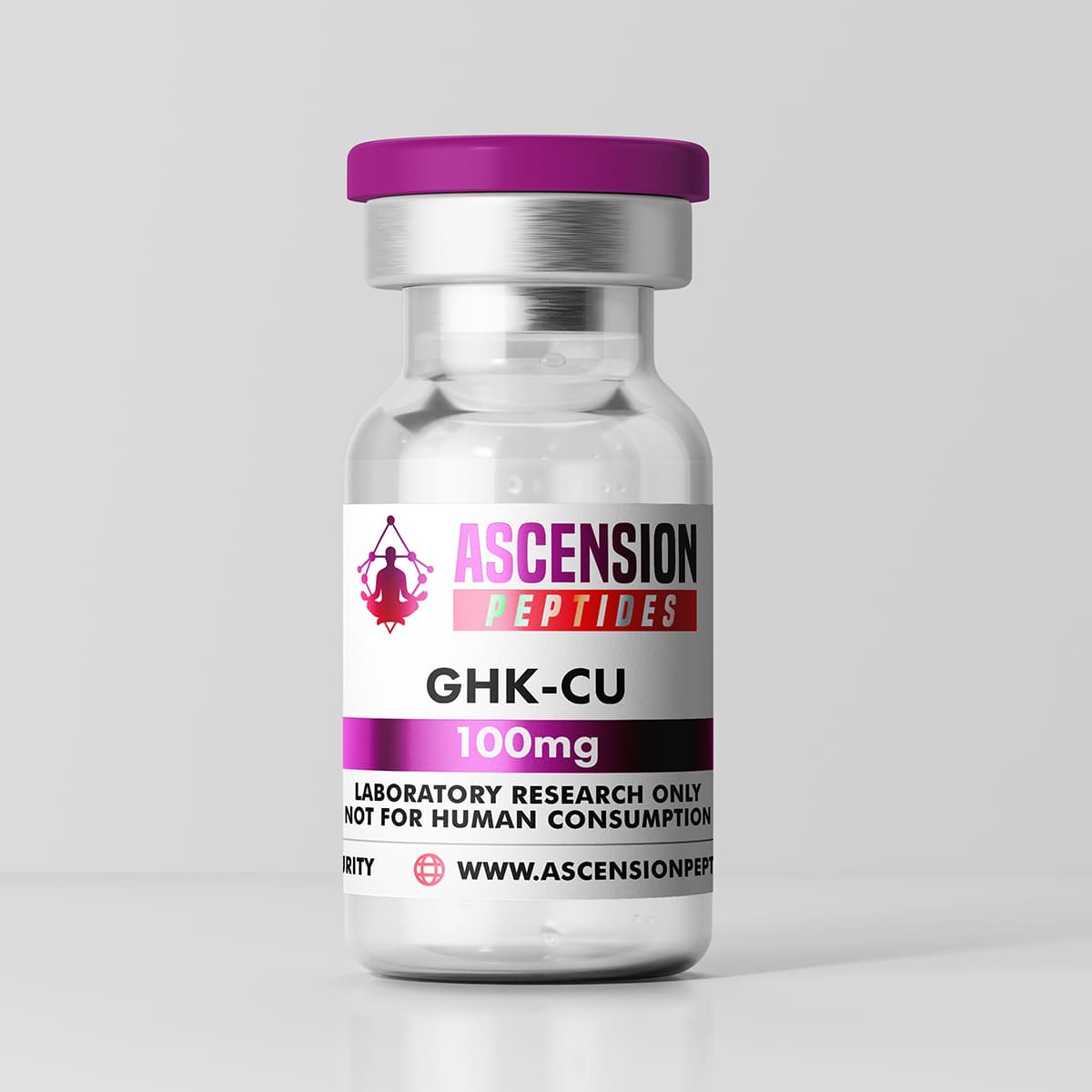
GHK-Cu is a naturally occurring tripeptide-copper complex that stimulates fibroblast activity, promotes collagen and glycosaminoglycan synthesis, and demonstrates antioxidant activity. At 3% topical concentration — the level in serious formulations — measurable changes in skin density have been documented in controlled settings (Pickart, 2008).
The Aging Decline
GHK-Cu levels in human plasma decline from ~200 ng/mL at age 20 to ~80 ng/mL by age 60. This decline correlates directly with reduced wound healing capacity and collagen turnover — making exogenous topical application a logical intervention. For more on this, see our best peptides for skin tightening guide.
What GHK-Cu Actually Does at the Cellular Level
It modulates over 4,000 human genes. It upregulates collagen I and III synthesis by 30–70% in fibroblast cultures. It inhibits MMP-1 (the primary collagenase driving age-related collagen breakdown). And it activates superoxide dismutase and catalase — endogenous antioxidant enzymes that protect existing dermal proteins from oxidative degradation.
Product Breakdown: What Each One Does
Multi Peptides & GF Advanced Lifting Serum
The flagship product targets five clinically recognized wrinkle types: forehead lines, frown lines, crow's feet, nasolabial folds, and neck laxity. The formulation stacks 9% peptides with growth factors, glycolipids (which enhance peptide delivery), and a 3% copper peptide complex.
Peptides & Antioxidants Firming Daily Treatment
Where the lifting serum is intensive treatment, this daily moisturizer is maintenance. It combines 7 firming peptides with 9 antioxidants and a 16.5% repair complex. The antioxidant blend (superoxide dismutase, tocopherol acetate, resveratrol) addresses a problem peptide-only skincare ignores: oxidative stress degrades the very collagen peptides work to build.
It also includes 13 brightening agents — relevant for users dealing with hyperpigmentation from UV exposure or post-inflammatory origins alongside aging concerns.
1A Overnight Mask
Night application matters because skin barrier permeability peaks during sleep. The 1A mask leverages this with vitamin C derivatives, copper peptides, and multi-molecular-weight hyaluronic acid. Vitamin C in overnight formulas stays stable because UV-induced oxidation isn't a factor — giving dual anti-aging and brightening utility.
Building a Multi Peptides Protocol
Recommended Daily Sequence
Cleanse
pH-balanced cleanser to avoid disrupting barrier integrity.
Apply Lifting Serum
On damp skin — peptides penetrate more effectively with slight hydration. Wait 60–90 seconds before next layer.
Firming Daily Treatment
Locks in serum actives and adds antioxidant protection.
SPF (AM only)
Non-negotiable. UV exposure degrades collagen faster than any peptide can rebuild it.
1A Overnight Mask (PM)
Replace daily treatment on nights prioritizing recovery and remodeling.
Ingredient Compatibility: What to Avoid
Copper Peptides + Vitamin C
Copper peptides and ascorbic acid in direct combination can oxidize each other, reducing efficacy of both. The Allies system cleverly addresses this by placing vitamin C primarily in the overnight mask while daytime products emphasize the peptide-antioxidant-GF stack that doesn't conflict with copper chemistry.
Exfoliating Acids
Avoid layering strong AHAs or BHAs directly with peptide serums in the same step. Acids disrupt the pH environment peptides require. If using AHAs/BHAs, apply on alternate evenings or after a 30-minute gap.
Retinoid Compatibility
Retinoids can be used within the same routine — apply after peptide serums and before heavier moisturizers. Research suggests peptides may complement retinoid-based remodeling by providing the signaling material that retinoids stimulate fibroblasts to respond to.

Realistic Timelines: What Research Supports
Here's what peer-reviewed dermatological research — not brand claims — suggests for topical peptides at clinical concentrations:
Setting Expectations
Anyone expecting visible lifting after two weeks is likely reacting to the hydration surge from hyaluronic acid, not actual structural change. That hydration effect is real and worthwhile, but it's the beginning of the process, not the result.
How Topical Peptides Compare to Injectable Approaches
Different Mechanisms, Different Results
Topical peptides work through surface-level dermal signaling — maintenance, prevention, gradual improvement. Research peptides administered systemically (like injectable GHK-Cu studied in clinical settings) operate through different bioavailability pathways and are not equivalent. Topical skincare peptides are cosmetic products; research peptides are a separate regulatory category entirely.
The Complementary View
For those interested in the broader research on peptides for skin health, our guides to GHK-Cu and anti-wrinkle peptides cover both topical and systemic research contexts.
Who Should Use the Allies of Skin Multi Peptides Line?
Ideal Users
Skincare enthusiasts who've moved past basics and want formulations matching their ingredient knowledge. If you understand the difference between a signal peptide and a carrier peptide, if you've been burned by products with impressive actives at invisible concentrations, and if you're willing to commit to a 12–16 week minimum for structural results — this line delivers.
Not Ideal For
Beginners who haven't established basic routines (cleanser, moisturizer, SPF). Budget-conscious shoppers — there are effective but less concentrated alternatives at lower price points. Those seeking instant results — this is a slow, evidence-based approach.
Value Assessment
Price Context
At $60–$180 per product, Allies of Skin sits in the luxury tier. The value proposition isn't luxury packaging — it's the 9% peptide load and 3% copper peptide concentration that cheaper products can't match. Whether that justifies 3–5× the price of mainstream peptide skincare depends on whether you value clinical concentrations over adequate-but-lower ones.
Cost Per Active Ingredient
When you compare cost per percentage point of active ingredient rather than cost per bottle, Allies of Skin actually becomes competitive with some mid-range brands that use token concentrations. A $30 serum with 0.5% peptides is arguably more expensive per unit of active than a $120 serum with 9%.
The Science of Peptide Skincare: Deeper Research
Published Evidence Base
The peptide skincare field has a growing body of controlled studies. GHK-Cu specifically has demonstrated:
- Collagen I and III synthesis upregulation in fibroblast cultures (Pickart et al., 2012)
- MMP-1 inhibition reducing collagen degradation
- Wound healing acceleration in animal and human studies (Pickart, 2008)
- Gene expression modulation affecting over 4,000 genes (Pickart et al., 2014)
- Antioxidant enzyme upregulation (SOD, catalase)
Palmitoyl Peptide Research
Palmitoyl tripeptide-1 (Matrixyl 3000 component) mimics collagen fragments that naturally signal fibroblasts to produce more collagen. Studies show measurable wrinkle depth reduction after 2–4 months of twice-daily application at adequate concentrations (Lintner et al., 2009).
Argireline (Acetyl Hexapeptide-3)
This neurotransmitter-inhibiting peptide works by reducing SNARE complex formation at the neuromuscular junction, temporarily relaxing muscle micro-contractions. It's sometimes called "topical Botox" though the mechanism and magnitude of effect are different. Clinical studies show modest but measurable wrinkle reduction with consistent use.