🔑 Key Takeaways
- Anti-wrinkle peptides fall into three classes: neurotoxin-like (Argireline, SNAP-8), signal peptides (Matrixyl), and copper peptides (GHK-Cu)
- Each class targets different wrinkle types — match the peptide to your specific concern for best results
- GHK-Cu is the most versatile option for overall skin quality and long-term structural repair
- Argireline has the most published evidence for expression lines; results appear in 4–8 weeks
- Combining peptides from different classes produces complementary effects — but sequence and timing matter
The anti-wrinkle peptide market has exploded. Projected to surpass $1.2 billion by 2027, it's being driven by people who want smoother skin without needles — and the science has gotten genuinely good enough to deliver on that promise. At least partially.
But here's what most skincare marketing gets wrong: not all anti-wrinkle peptides do the same thing. Some mimic Botox by relaxing facial muscles. Others tell your skin to make more collagen. Still others reprogram gene expression to rebuild skin structure from the ground up. Using the wrong type for your concern is like taking ibuprofen for a broken bone — it might feel slightly better, but you're missing the actual problem.
This guide breaks down every major anti-wrinkle peptide, what it actually does at the molecular level, which wrinkle types it targets, and how to combine them intelligently. No marketing fluff. Just mechanisms, evidence, and practical application.
Understanding Wrinkle Formation: Two Different Problems
Before choosing a peptide, you need to know what kind of wrinkles you're dealing with. This isn't cosmetic trivia — it determines which compounds will actually work for you.
Dynamic Wrinkles (Expression Lines)
These form from repeated muscle contractions. Every time you squint, frown, or raise your eyebrows, the overlying skin folds. Over decades, those folds become permanent creases. The main sites: forehead lines, the "11" lines between your eyebrows (glabella), and crow's feet. Botox works on these by paralyzing the muscles. Neurotoxin-like peptides try to achieve a milder version of the same effect topically.
Static Wrinkles (Structural Aging)
These are visible even when your face is completely relaxed. They result from collagen breakdown, elastin degradation, and declining fibroblast activity — accelerated by UV exposure, oxidative stress, and the natural aging process that starts in your mid-twenties. Signal peptides and copper peptides target these by supporting the skin's repair machinery.
Why This Distinction Matters
Using a neurotoxin-like peptide on static wrinkles does almost nothing — the wrinkle isn't caused by muscle movement. Using a collagen-stimulating peptide on fresh expression lines works, but slowly and indirectly. Match the mechanism to the problem.
Class 1: Neurotoxin-Like Peptides
These target the SNARE complex — the protein machinery that controls acetylcholine release at the neuromuscular junction. By disrupting SNARE assembly, they reduce muscle contraction intensity without full paralysis.
Argireline (Acetyl Hexapeptide-3)
Argireline is the most studied anti-wrinkle peptide period. A six-amino-acid sequence mimicking the N-terminal of SNAP-25, it competes for incorporation into the SNARE complex. Published by Blanes-Mira et al. (2002), the foundational research demonstrated both in vitro SNARE inhibition and clinical wrinkle depth reduction.
A clinical trial found approximately 30% wrinkle depth reduction at 10% concentration after 30 days of twice-daily periorbital application. Multiple independent labs have confirmed the mechanism. The evidence base is the strongest of any cosmeceutical peptide — though most studies remain small (n=10–60) and industry-adjacent.
SNAP-8 (Acetyl Octapeptide-3)
SNAP-8 is literally Argireline with two extra amino acids (Alanine + Aspartic Acid) appended to improve SNARE binding affinity. Manufacturer data claims ~30% greater potency than Argireline in vitro. The catch: this hasn't been independently verified in peer-reviewed head-to-head clinical trials. It's a theoretically improved version with a thinner evidence base. Read our full Argireline vs SNAP-8 comparison for the detailed breakdown.
Leuphasyl (Pentapeptide-18)
Leuphasyl works upstream of the SNARE complex. Instead of blocking vesicle fusion, it mimics enkephalins to reduce nerve cell excitability — meaning fewer nerve signals reach the neuromuscular junction in the first place. Think of it as turning down the volume before Argireline mutes the speaker. Early data suggests synergy when combined with Argireline — dual-level muscle relaxation from a single topical application.
SYN-AKE (Dipeptide Diaminobutyroyl Benzylamide Diacetate)
A synthetic tripeptide mimicking the waglerin-1 peptide from temple viper venom. Rather than targeting SNARE, SYN-AKE acts as a competitive antagonist at the nicotinic acetylcholine receptor — blocking the muscle's ability to respond to acetylcholine. Manufacturer studies claim 52% wrinkle reduction after 28 days. Independent verification is minimal, and the snake venom marketing angle has led to some exaggerated commercial claims.
Class 2: Signal Peptides (Collagen Stimulators)
Signal peptides work by telling fibroblasts to produce more collagen, elastin, and other extracellular matrix components. They address the structural deficit behind static wrinkles rather than the muscular mechanism behind dynamic ones.
Matrixyl (Palmitoyl Pentapeptide-4)
Matrixyl is a lipopeptide — a pentapeptide (KTTKS) coupled with a palmitic acid chain for skin penetration. The KTTKS sequence is a fragment of type I procollagen, and when fibroblasts detect it, they interpret it as a collagen breakdown signal and respond by upregulating new collagen synthesis. It's a feedback loop: the presence of collagen fragments triggers repair.
Published research in the International Journal of Cosmetic Science demonstrated that Matrixyl stimulates collagen I, III, and IV synthesis in human fibroblast cultures. Clinical studies report improvements in wrinkle depth and skin roughness after 2–4 months of consistent use. Unlike neurotoxin-like peptides, Matrixyl works on static wrinkles — the lines visible at rest.
Matrixyl 3000 (Palmitoyl Tripeptide-1 + Palmitoyl Tetrapeptide-7)
The evolution of Matrixyl. This is a combination of two peptides: Pal-GHK (a collagen synthesis stimulator) and Pal-GQPR (which suppresses the inflammatory cytokine IL-6 that accelerates collagen breakdown). The dual mechanism — stimulating production while reducing destruction — makes it theoretically more complete than the original Matrixyl. Manufacturer data shows superior performance, though independent comparative studies are limited.
Matrixyl Synthe'6 (Palmitoyl Tripeptide-38)
The latest generation targets six major skin matrix components simultaneously: collagen I, III, and IV, fibronectin, hyaluronic acid, and laminin-5. The broader stimulation profile addresses skin structure more comprehensively than earlier Matrixyl variants that focused primarily on collagen. Still relatively new with a growing but limited evidence base.
Class 3: Copper Peptides
GHK-Cu (Copper Tripeptide-1)
GHK-Cu is arguably the most versatile anti-aging peptide available. It's not just an anti-wrinkle compound — it's a biological reprogramming agent that modulates over 4,000 genes involved in skin repair, inflammation, and tissue remodeling.
The peptide GHK naturally occurs in human plasma (declining with age from ~200 ng/mL at 20 to ~80 ng/mL at 60). When complexed with copper, it activates copper-dependent enzymes involved in collagen crosslinking, superoxide dismutase production, and wound healing. Research by Pickart et al. documented its effects on gene expression patterns, showing upregulation of collagen, decorin, and tissue inhibitors of metalloproteinases (TIMPs) while downregulating inflammatory and tissue-destructive pathways.
What GHK-Cu Actually Does
- Collagen and elastin stimulation: Direct fibroblast activation, not just fragment-signaling like Matrixyl
- Anti-inflammatory: Suppresses TGF-β signaling, reduces scar tissue formation
- Antioxidant: Upregulates superoxide dismutase and other protective enzymes
- Wound healing: Accelerates skin repair, shown in clinical studies on aged skin
- Gene expression modulation: Shifts gene expression patterns toward a younger profile
- Hair growth: Stimulates hair follicle development (secondary benefit)
GHK-Cu is available in both topical formulations and injectable form for research use. Topical concentrations of 0.01–1% are typical in cosmeceutical products. For detailed research protocols and dosing, see our complete GHK-Cu guide.
Head-to-Head Comparison: All Major Anti-Wrinkle Peptides
Which Peptide for Which Concern?
For Expression Lines (Forehead, Crow's Feet, Frown Lines)
Start with Argireline at 10% solution concentration. It has the best evidence and widest availability. Add Leuphasyl for potential synergy — the upstream/downstream combination targets the neuromuscular pathway at two points. SNAP-8 is a reasonable upgrade if budget allows, but the evidence advantage over Argireline isn't confirmed independently.
For Fine Lines and Overall Texture
Matrixyl 3000 addresses the collagen deficit that causes fine lines at rest. GHK-Cu provides the broadest support — collagen, elastin, antioxidant protection, and gene expression modulation. For maximum impact on overall skin quality, GHK-Cu is the strongest single-compound choice.
For Deep Static Wrinkles
No topical peptide will erase deep nasolabial folds. But GHK-Cu + Matrixyl combination addresses the structural deficit from multiple angles. Set realistic expectations: improvement in skin quality and texture, reduction in wrinkle depth, but not elimination of established deep creases. For skin tightening, injectable-grade GHK-Cu in research contexts shows more dramatic results than topical formulations.
For Prevention (Under 35)
GHK-Cu levels naturally decline with age, so supplementing topically makes biological sense even before significant wrinkles appear. Combine with broad-spectrum SPF (the single most effective anti-aging intervention) and retinol for a prevention-focused protocol.
Building a Multi-Peptide Protocol
Smart skincare combines peptides from different classes for complementary effects. Here's how to layer them:
Morning Protocol
- Step 1: Gentle cleanser
- Step 2: Argireline or SNAP-8 serum (target expression-line areas)
- Step 3: GHK-Cu serum (full face)
- Step 4: Moisturizer with hyaluronic acid
- Step 5: SPF 30+ (non-negotiable)
Evening Protocol
- Step 1: Double cleanse
- Step 2: Matrixyl or Matrixyl 3000 serum
- Step 3: Retinol (alternate nights if sensitive)
- Step 4: Night moisturizer
What NOT to Combine
- Copper peptides (GHK-Cu) + vitamin C in the same application. Vitamin C can reduce copper ions, potentially inactivating the peptide. Apply at different times of day.
- Multiple SNARE-targeting peptides at full concentration. Argireline + SNAP-8 together at 10% each is unnecessary — use 5% each, or pick one.
- Peptides + strong chemical peels in the same routine. The disrupted barrier doesn't help peptide activity and may cause irritation.
Evidence Reality Check: What Peptides Can and Can't Do
Honest assessment time.
What Anti-Wrinkle Peptides Can Do
- Reduce wrinkle depth by 20–35% over 4–16 weeks (depending on peptide and wrinkle type)
- Improve skin texture, firmness, and hydration measurably
- Stimulate collagen production in aging skin
- Reduce the intensity (not eliminate) of expression-line formation
- Serve as complementary treatments alongside professional procedures
What They Can't Do
- Replace Botox for deep expression lines (partial effect vs. complete paralysis)
- Eliminate deep nasolabial folds or marionette lines
- Reverse severe photoaging on their own
- Work without consistent daily use over weeks to months
- Produce permanent changes — results reverse when you stop using them
Peptides are real science with measurable effects. They're not miracles. The sweet spot is using them consistently alongside SPF and retinol as part of a comprehensive approach.
Peptide Stability and Storage
pH Sensitivity
Most anti-wrinkle peptides are stable at pH 5.0–7.0, which aligns with healthy skin surface pH (~5.5). Formulations below pH 4.0 or above pH 8.0 risk peptide degradation. This is why acid serums and peptide serums shouldn't be layered directly — separate them by time of day.
Heat and Light
Store peptide serums away from heat and direct light. GHK-Cu is particularly sensitive to oxidation — look for airless pump packaging rather than open-neck bottles. Refrigeration extends shelf life for all peptide products.
Shelf Life
Most commercial peptide serums maintain potency for 6–12 months once opened. Research-grade peptide powders (lyophilized) last 12–24 months at -20°C. Reconstituted solutions should be used within 28 days and stored at 4°C.
Sourcing Research-Grade Anti-Wrinkle Peptides
For researchers working with peptides directly (not commercial serums), quality matters enormously. Requirements:
- HPLC purity ≥98% with batch-specific COA
- Mass spectrometry verification of molecular identity
- Proper lyophilization and cold-chain shipping
- Transparent third-party testing documentation
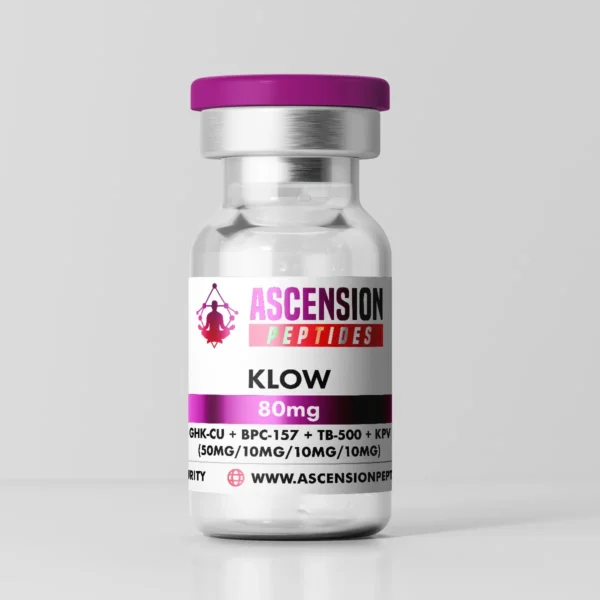
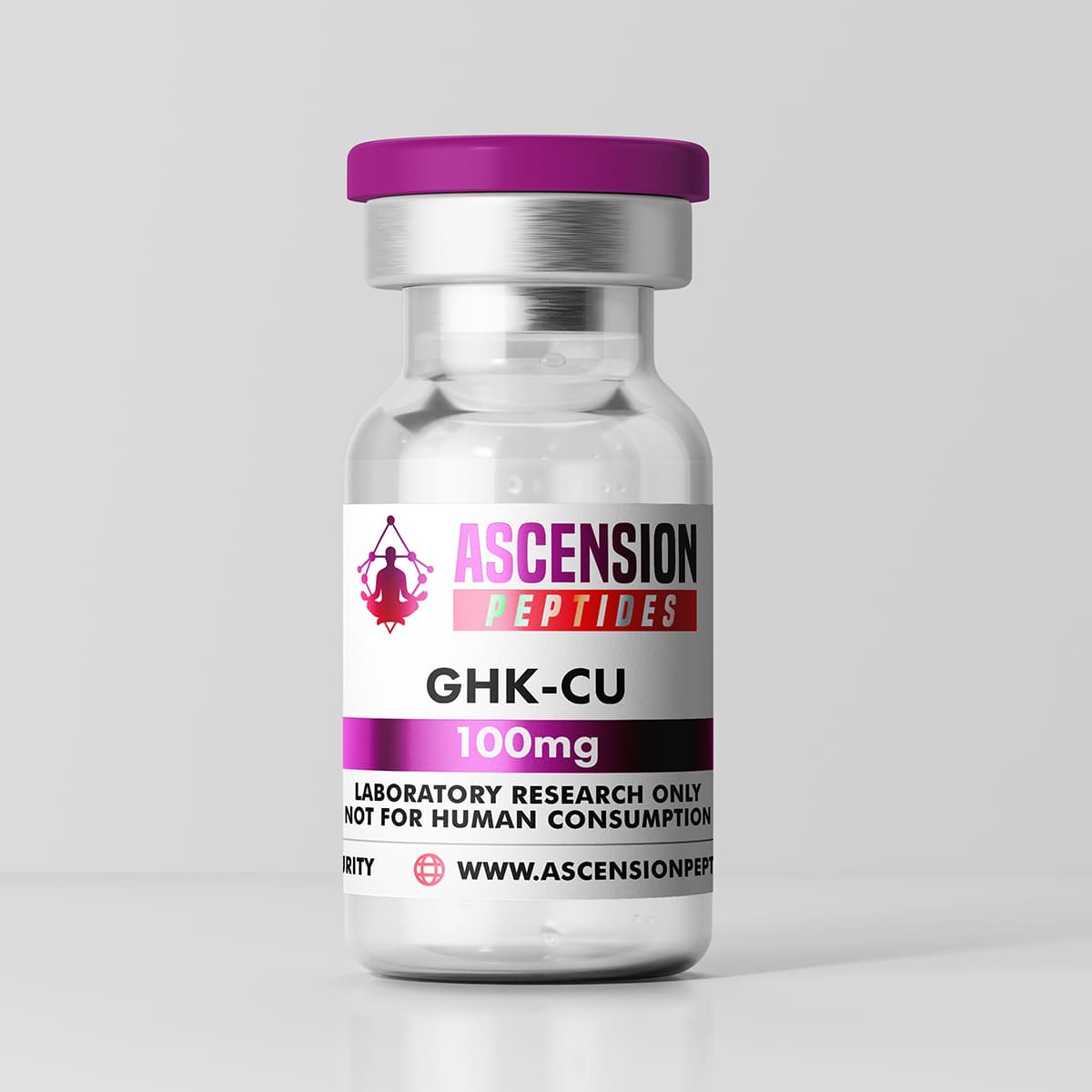
Ascension Peptides carries GHK-Cu and other research peptides with transparent COA documentation. For a deep dive into GHK-Cu specifically, see our GHK-Cu benefits and dosage guide. For skin-related peptide comparisons, check our peptides for skin guide.