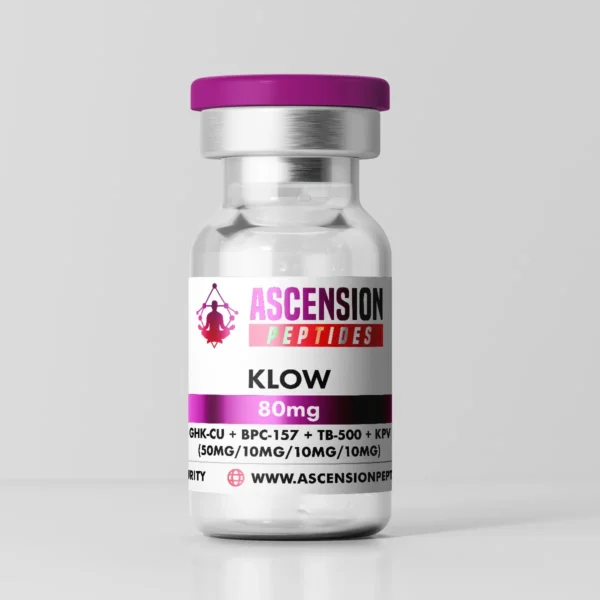
💡 Quick Answer
Peptides for skin are short amino acid chains that signal your skin to produce more collagen, repair damaged tissue, and regulate inflammation. The most effective skin peptides, GHK-Cu, Matrixyl, and Argireline, work through different mechanisms, which is why they're often stacked. Lab-grade GHK-Cu, in particular, has a depth of evidence that most topical skincare ingredients simply can't match.
Here's something that took me a while to understand: the skincare industry and the peptide research world are talking about completely different things when they say "peptides for skin."
Skincare brands will sell you a $180 serum with 0.01% peptide concentration in a base of water, silicones, and fragrance. Meanwhile, the research literature on copper peptides has been building since the 1970s, clinical studies showing actual measurable changes in collagen density, wound contraction rates, and inflammatory cytokine levels. Not vibes. Not marketing. Measurement.
This guide covers both worlds, but it leans heavily into the science. If you've ever wondered why some people get genuinely striking skin transformations from peptides for skin while others see nothing, the answer is almost always dosage, delivery, and compound selection. Let's get into it.
🔑 Key Takeaways
- Peptides for skin work by signaling cells to produce collagen, regulate inflammation, and repair damaged tissue, not by physically filling wrinkles
- GHK-Cu (copper peptide) is the most evidence-backed skin peptide, with research going back decades and covering wound healing, collagen synthesis, and anti-inflammatory effects
- Matrixyl and Argireline work through different mechanisms, signal peptides vs. neuropeptides, making them complementary, not interchangeable
- Lab-grade peptides provide dramatically higher concentrations than standard topical skincare products
- Peptides and retinol aren't really competitors, they work on different pathways and can be used together
- GHK-Cu specifically activates over 4,000 human genes and may be one of the most biologically active compounds you can use on skin
Do Peptides Actually Work for Skin?
Yes, with the strongest clinical evidence for GHK-Cu, Matrixyl, and Argireline.
A 2001 double-blind placebo-controlled trial of topical GHK-Cu showed significant improvements in skin thickness and wrinkle depth comparable to retinoic acid, without the irritation. A 2009 randomized clinical study of 3% Matrixyl found measurable reductions in wrinkle volume with histological confirmation of increased collagen density at 12 weeks. Argireline at 10% concentration reduced wrinkle depth by 27% after 28 days of twice-daily application in a 2002 trial, confirmed again in 2021 research at the same concentration.
The honest framing: topical peptides work at concentrations used in actual clinical trials, which are often higher than what mass-market skincare products contain. A "peptide serum" with 0.01% of a single peptide in a fragrance base will not reproduce what the research found. Properly formulated products at clinically-validated concentrations, or lab-grade compounds compounded to the study doses, do work.
The 7 Best Peptides for Skin: Quick Comparison
What Are Skin Peptides?
Peptides are chains of amino acids, the same building blocks that make up proteins, just shorter. A dipeptide has two amino acids. A tripeptide has three. Most skin-active peptides range from 2 to about 20 amino acids long.
Your skin is mostly protein. Collagen alone accounts for roughly 70-80% of the dry weight of skin. Elastin, keratin, fibronectin, all proteins. When skin ages, these proteins degrade faster than they're replaced. Peptides for skin work, at least partly, by signaling the machinery that makes those proteins to speed up.
The signaling part is key. Peptides aren't building blocks you apply topically and expect to integrate directly into skin structure. They're messengers. Specifically, many of them mimic collagen breakdown fragments, which is the body's signal that collagen is degraded and needs to be replaced. When your skin detects these fragments, it ramps up collagen synthesis in response. Clever, right? The peptide fakes a wound signal without the wound.
There are four main categories of skin peptides:
- Signal peptides, Tell cells to produce collagen, elastin, and hyaluronic acid (Matrixyl, palmitoyl tripeptide-1)
- Carrier peptides, Transport minerals like copper directly into tissue (GHK-Cu)
- Neuropeptides, Inhibit muscle contraction at the neuromuscular junction (Argireline, SNAP-8)
- Enzyme-inhibiting peptides, Block enzymes that break down collagen (soy peptides, certain rice-derived sequences)
Most people don't realize these categories exist, which is why "peptides for skin" gets treated as one monolithic thing when it's really a toolkit with different instruments.
How Peptides Work on Skin
The mechanism varies by type, but the general idea is receptor-mediated signaling. Peptides bind to receptors on skin cells, mainly fibroblasts, which are the cells responsible for producing collagen and other extracellular matrix proteins, and trigger a cascade of intracellular responses.
For signal peptides like Matrixyl, the primary target is TGF-β (transforming growth factor-beta) signaling. TGF-β is a cytokine that, among other things, tells fibroblasts to produce collagen. Matrixyl activates this pathway, which is why it shows up in clinical studies with measurable increases in collagen I, III, and IV density.
GHK-Cu works differently, and this is where it gets genuinely remarkable. GHK (glycyl-L-histidyl-L-lysine) is a naturally occurring tripeptide found in human plasma, urine, and saliva. It binds copper with high affinity, and the resulting complex (GHK-Cu) has a staggering range of biological effects. A 2012 genome-wide study by Loren Pickart found that GHK-Cu modulates the expression of over 4,000 human genes, roughly 31% of the human genome. It upregulates genes involved in collagen synthesis, anti-oxidation, nerve regeneration, and anti-cancer protection. It downregulates genes involved in inflammation and cancer progression.
That's not a serum ingredient. That's a signaling molecule with systemic reach.
Argireline and SNAP-8 work at the neuromuscular junction. They're hexapeptides (6 amino acids) that inhibit the release of acetylcholine from nerve terminals, which means the muscles responsible for facial expressions contract with slightly less force. Less muscle contraction over time = shallower dynamic wrinkles. It's a different mechanism from collagen synthesis entirely.
The Best Peptides for Skin in 2026
Not every compound marketed as anti-aging peptides has clinical backing. The anti-aging peptides worth your attention are the ones with named sequences, known mechanisms, and actual clinical data. Here are the ones that qualify, at least the ones with enough research that the mechanism is plausible and the effect size is measurable.
GHK-Cu (Copper Peptide)
The most researched skin peptide. Stimulates collagen, reduces inflammation, promotes wound healing, and activates thousands of genes involved in tissue repair. Used in both topical and injectable research protocols.
Matrixyl (Palmitoyl Pentapeptide-4)
A signal peptide that mimics collagen breakdown fragments, prompting fibroblasts to increase collagen I, III, and IV production. Multiple peer-reviewed studies show measurable wrinkle reduction at 3-4% concentrations.
Argireline (Acetyl Hexapeptide-3)
Inhibits acetylcholine release at the neuromuscular junction, reducing the depth of expression lines. Best for forehead and crow's feet. Works through a different pathway than collagen peptides, complementary, not competitive.
SNAP-8 (Acetyl Octapeptide-3)
A longer version of Argireline with a slightly modified sequence. Some comparative studies suggest better wrinkle depth reduction than Argireline alone, though both work on the same SNARE complex pathway.
Palmitoyl Tripeptide-1 + Tetrapeptide-7
These two are usually sold together as "Matrixyl 3000." The tripeptide-1 handles collagen stimulation; the tetrapeptide-7 has anti-inflammatory effects. Good evidence for wrinkle reduction when combined at clinical concentrations.
Leuphasyl
Another neuropeptide, often combined with Argireline for synergistic effect on muscle relaxation. Less common but shows up in high-end formulations aimed at dynamic wrinkles around the mouth and eyes.
GHK-Cu: The Gold Standard for Skin Regeneration
GHK-Cu deserves its own section. It's not just the most studied skin peptide, it's genuinely in a different category from everything else in terms of biological breadth.
Discovered by Loren Pickart in 1973 (originally as a factor in human plasma that restored protein synthesis in aging liver tissue), GHK was later found to have exceptional copper-binding affinity. The copper-complexed form, GHK-Cu, turned out to be far more bioactive than the peptide alone. Copper is essential for the cross-linking of collagen and elastin, which gives skin its structural strength and elasticity. Without adequate copper in the right form, newly synthesized collagen fibers don't mature properly.
What GHK-Cu does for skin specifically:
- Increases collagen synthesis in fibroblasts (confirmed in multiple in vitro and clinical studies)
- Stimulates elastin and glycosaminoglycan production
- Promotes angiogenesis (new blood vessel formation), which improves skin oxygenation and nutrient delivery
- Reduces oxidative damage by increasing superoxide dismutase activity
- Accelerates wound healing, this is probably its best-documented effect, with clinical data going back to the 1980s
- Has demonstrated anti-inflammatory effects through multiple pathways including NF-kB inhibition
- May reverse some UV photodamage by increasing the turnover of damaged cells
In a 2001 double-blind placebo-controlled trial, topical GHK-Cu significantly increased skin thickness and reduced fine lines and wrinkle depth compared to placebo after 12 weeks. The effect size was comparable to retinoic acid, without the irritation.
The lab-grade angle matters here. Cosmetic GHK-Cu products typically contain 0.01-1% concentration, partly due to cosmetic regulation and partly because copper-peptide complexes can be destabilized in certain formulations. Lab-grade GHK-Cu, particularly lyophilized powder reconstituted for topical or subcutaneous use, can be used at much higher concentrations with consistent potency.
For a detailed breakdown of mechanisms, evidence, and protocols, see our GHK-Cu peptide benefits and dosage guide.
Matrixyl (Palmitoyl Pentapeptide-4): The Collagen Booster
Matrixyl is one of the few cosmetic peptides with genuinely solid clinical evidence behind it. It was developed by Sederma (now part of Croda) and patented in the early 2000s. The active molecule is palmitoyl pentapeptide-4, a five-amino-acid sequence (Lys-Thr-Thr-Lys-Ser) attached to a palmitic acid fatty chain. The fatty chain is the delivery mechanism; it makes the peptide lipophilic enough to penetrate the stratum corneum.
The sequence itself mimics the N-terminal fragment of type I procollagen, essentially, it's a fragment that your skin would naturally produce when collagen is degrading. This tricks fibroblasts into upregulating collagen synthesis, as if repair is needed. Among all peptides for collagen stimulation specifically, Matrixyl has the most rigorous clinical backing in controlled human trials.
A 2009 randomized double-blind clinical study published in the International Journal of Cosmetic Science found that 3% Matrixyl over 12 weeks significantly reduced wrinkle volume and depth, with histological confirmation of increased collagen density. That's not an in-vitro study or anecdotal evidence, it's measured in actual human skin biopsies.
Matrixyl 3000 (the combination of palmitoyl tripeptide-1 and palmitoyl tetrapeptide-7) is a reformulation that adds an anti-inflammatory component. It's common in higher-end serums. Honestly, either version is worth using, the original or the 3000 formulation. The main thing to look for is actual % concentration on the label, not just the presence of the ingredient.
Argireline (Acetyl Hexapeptide-3): The Botox Alternative
The "Botox in a bottle" claim is overstated, but not completely wrong. Argireline doesn't freeze muscles. What it does is partially inhibit the SNARE complex, which is the protein machinery that enables synaptic vesicles to fuse with the nerve terminal membrane and release acetylcholine. Less acetylcholine released = slightly weaker muscle contraction = less exaggerated expression lines over time.
Botox works upstream by cleaving SNAP-25, one of the SNARE proteins. Argireline competes with SNAP-25 for binding within the complex, blocking vesicle fusion without cleaving anything. The effect is reversible, continuous (requires ongoing application), and dose-dependent.
The clinical data is decent. A 2002 study found that 10% Argireline reduced wrinkle depth by 27% after 28 days of twice-daily application around the eyes. A more recent 2021 study confirmed comparable results at 10% concentration. The key: concentration matters enormously. Most OTC products contain 2-5% Argireline, which is below the studied range. Some lab-grade formulations go to 10% or higher.
Peptides for Skin vs Retinol: Which Is Better?
Wrong question. They work on different things.
Retinol (vitamin A) and its derivatives work primarily by binding to retinoic acid receptors in the nucleus, which then regulate gene expression for cell turnover. Retinol speeds up the shedding of surface skin cells, which reduces the appearance of fine lines, evens pigmentation, and forces faster collagen synthesis. It's aggressive. It can cause significant irritation, peeling, and photosensitivity, especially at higher concentrations.
Peptides for skin work downstream of that. They target specific signaling pathways, TGF-β for collagen synthesis, copper-mediated repair mechanisms for tissue remodeling, SNARE inhibition for expression lines. They're generally much better tolerated. Almost no irritation. No photosensitivity. You can use them morning and evening without concern.
If you're dealing with pigmentation, texture, or acne, retinol or retinoids are probably your first choice. If you're dealing with wrinkle depth, skin laxity, or you can't tolerate retinol, peptides for skin are the better starting point. For most people, running both (alternating AM/PM, or using peptides as a buffer) gives better results than either alone.
Peptides for Specific Skin Concerns
Where peptides for skin really earn their place is in targeted applications. Different compounds hit different problems, so the "which peptide?" question always depends on what you're actually treating.
Aging & Wrinkles
The classic application. GHK-Cu + Matrixyl hits this from two angles, carrier peptide remodeling plus direct collagen signal. Add Argireline if you have prominent expression lines around eyes and forehead. This three-peptide combination covers all the main anti-aging mechanisms without needing anything else.
Wound Healing & Scarring
GHK-Cu has the best evidence here by a wide margin. It was originally studied as a wound healing compound, not an anti-aging one. It promotes re-epithelialization, increases local blood flow, reduces scar formation, and modulates the inflammatory response to keep healing on track. If you have surgical scars, acne scarring, or persistent dermal damage, GHK-Cu is the peptide to focus on. Our before and after gallery has documented cases of significant scar reduction.
Acne & Inflammation
This is underappreciated. GHK-Cu has notable anti-inflammatory effects, it inhibits multiple inflammatory pathways including TNF-α and interleukin-6. For inflammatory acne, there's reasonable early-stage support for GHK-Cu reducing the severity and duration of breakouts. It also reduces post-inflammatory hyperpigmentation, which is often worse than the acne itself for darker skin tones.
Skin Barrier & Hydration
Signal peptides that stimulate glycosaminoglycan (GAG) production can improve the skin's ability to retain water. Matrixyl, in addition to collagen synthesis, also increases hyaluronic acid production in some studies. GHK-Cu increases the expression of several genes related to lipid synthesis in skin cells. Both support barrier function, though neither is as direct as, say, ceramides for barrier repair.
Hyperpigmentation
Honestly? Peptides are not the strongest tool for pigmentation. Vitamin C, niacinamide, arbutin, kojic acid, all work more directly on melanin synthesis. GHK-Cu can reduce some post-inflammatory discoloration (via anti-inflammatory pathways rather than direct melanin inhibition), but don't expect miracles if your main concern is sun damage or melasma.
How to Use Lab-Grade Peptides on Skin
This is where things diverge from standard skincare advice. Lab-grade peptides are typically sold as lyophilized (freeze-dried) powder or liquid, not pre-formulated serums. Using them requires a bit more knowledge but gives you dramatically more control over concentration, combination, and delivery.
GHK-Cu: Topical Protocol
Layering Protocol: Getting the Most from Multiple Peptides
Cleanse
Use a gentle, low-pH cleanser. Don't strip the skin, you want the barrier intact for peptide absorption.
Apply Argireline (if using)
Apply to expression-prone areas first, forehead, crow's feet, around mouth. Water-based, thin consistency, absorbs fast.
Apply GHK-Cu or Matrixyl
Collagen signal peptides go next. Wait 60-90 seconds between layers. Don't layer directly over wet Argireline.
Seal with Moisturizer
Peptides need to stay in contact with the skin surface long enough to penetrate. A light moisturizer helps prevent evaporation and supports absorption.
SPF (AM only)
Peptides don't increase UV sensitivity, but UV is the primary cause of collagen degradation. If you're spending effort on collagen peptides, please use sunscreen.
💡 Pro Tip
Peptides and retinol don't have to be enemies. Use your retinol on Monday/Wednesday/Friday evenings, and your peptide stack on the other days. Or use retinol PM and peptides AM. Running them in parallel, not in competition, is how you get the full benefit of both without the irritation of stacking too many actives in one application.
Where to Get Skin Peptides
If you've decided peptides for skin are worth experimenting with, the next question is sourcing. Three main routes, and they're not equal.
Topical Skincare Products
The easiest route, but often the least effective. You're trusting the brand to have used therapeutic concentrations (most don't), to have formulated for actual stability (many fail here), and to have avoided ingredients that degrade the peptides (not always avoided). Products like The Ordinary Buffet, NIOD CAIS, and Paula's Choice Peptide Booster are decent, they've at least published their peptide combinations. But you're generally looking at sub-therapeutic concentrations and limited evidence of actual skin change.
Compounding Pharmacies
If you have a prescriber willing to write for it, compounding pharmacies can make custom GHK-Cu formulations at clinical concentrations. This is legitimate, regulated, and effective. The barrier is access, you need a prescriber familiar with peptide protocols, which rules out most conventional dermatology practices.
Lab-Grade Peptide Suppliers
This is the option that gets the most attention in peptide communities, and for good reason. Lab-grade GHK-Cu from a quality supplier gives you pharmaceutical-grade purity (typically ≥98%), known concentration, and the flexibility to formulate at whatever percentage you want.
Ascension Peptides carries GHK-Cu 100mg, lyophilized, high-purity, third-party tested. It's the supplier we consistently recommend because the quality is consistent and the company has been operating in this space long enough to have an actual track record. You can reconstitute it in bacteriostatic water for topical use (in a serum base or gel), or in sterile water for subcutaneous dosing.
If you want a pre-formulated multi-peptide approach for skin radiance without the DIY work, their GLOW Advanced Peptide Blend is specifically designed for skin recovery and radiance. Multi-compound, ready to use in research protocols.
Frequently Asked Questions
References
- Pickart, L., et al. (2015). GHK Peptide as a Natural Modulator of Multiple Cellular Pathways in Skin Regeneration. BioMed Research International.
- Pickart, L., & Margolina, A. (2018). Regenerative and Protective Actions of the GHK-Cu Peptide in the Light of the New Gene Data. International Journal of Molecular Sciences, 19(7), 1987.
- Hussain, M., et al. (2013). Formulation design and in vivo efficacy of topical GHK-Cu. Journal of Cosmetic Dermatology.
- Robinson, L. R., et al. (2005). Topical palmitoyl pentapeptide provides improved anti-aging benefit. International Journal of Cosmetic Science, 27(3), 155-160.
- Lintner, K. (2002). Anti-aging effects of palmitoyl pentapeptide (Matrixyl) in human volunteers. Cosmetics & Toiletries.
- Blanes-Mira, C., et al. (2002). A synthetic hexapeptide (Argireline) with antiwrinkle activity. International Journal of Cosmetic Science, 24(5), 303-310.
- Wang, Y., et al. (2021). Argireline (Acetyl Hexapeptide-3) topical effectiveness on expression wrinkles. Clinical, Cosmetic and Investigational Dermatology.
- Pickart, L. (2008). The human tri-peptide GHK and tissue remodeling. Journal of Biomaterials Science, Polymer Edition, 19(8), 969-988.
- Farwick, M., et al. (2011). Facial skin bleaching and collagen boosting with Matrixyl 3000. Personal Care Magazine.
- Reddy, B., et al. (2012). Biologically active peptides: their mechanism of action. Research in Biotechnology.