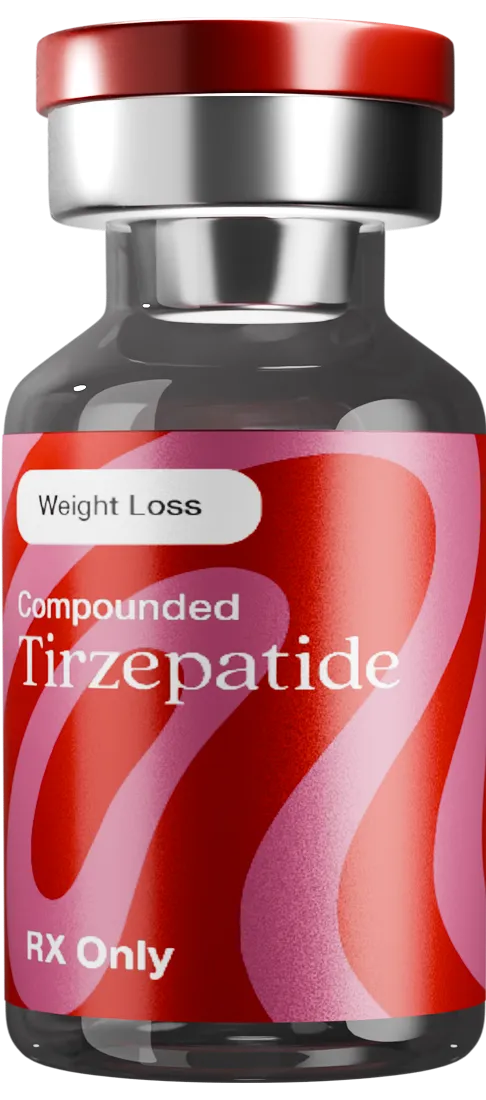


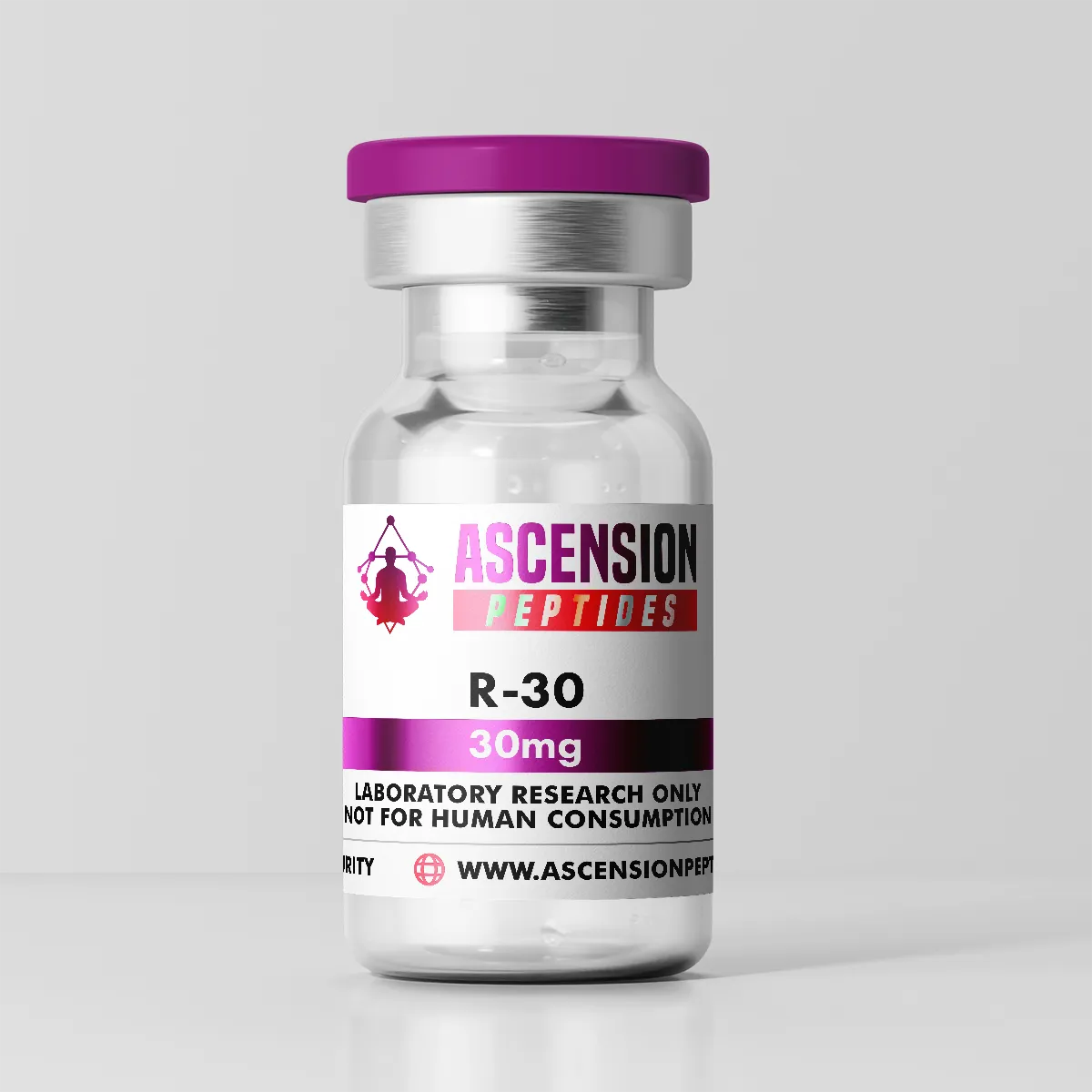
The retatrutide cagrilintide stack, often shortened to RetaCagri, pairs two of the most closely watched compounds in obesity science: retatrutide, a once-weekly triple agonist that hits the GLP-1, GIP, and glucagon receptors, and cagrilintide, a long-acting amylin analog. The logic is simple on paper, combining the most powerful incretin-based weight-loss molecule in development with a second appetite pathway that works through amylin. This guide covers the rationale behind the combo, what the trial data actually shows for each component, the research dosing figures people report, the expected benefits and side effects, and the honest research-only and sourcing caveats in 2026.
🔑 Key Takeaways
- RetaCagri pairs retatrutide (a triple GLP-1, GIP, and glucagon receptor agonist) with cagrilintide (a long-acting amylin analog), so it recruits incretin and amylin appetite pathways at the same time.[1][2]
- In its phase 2 obesity trial, retatrutide produced mean weight loss of up to 24.2 percent at 48 weeks on the 12 mg dose versus 2.1 percent for placebo, the highest figure reported for any single incretin agent so far.[1]
- Cagrilintide alone delivered about 10.8 percent weight loss at 26 weeks on its top 4.5 mg dose, beating liraglutide 3.0 mg in the same study.[2]
- The only GLP-1 plus amylin combination with large trial proof is CagriSema (cagrilintide plus semaglutide), which reached roughly 20.4 percent at 68 weeks in REDEFINE 1. There is no published trial of retatrutide combined with cagrilintide, so RetaCagri is an extrapolation, not a validated protocol.[2][3]
- The stack is not FDA approved. Components sold as research peptides are for laboratory use only, and gastrointestinal side effects dominate both molecules, which can compound when they are used together.[1][2][3]
What Is the RetaCagri Stack?
RetaCagri means running two separate investigational compounds at once. The first is retatrutide, the once-weekly triple agonist from Eli Lilly. Unlike drugs that target a single hormone receptor, retatrutide activates the receptors for glucagon-like peptide 1 (GLP-1), glucose-dependent insulinotropic polypeptide (GIP), and glucagon at the same time.[1] The GLP-1 and GIP arms suppress appetite and improve insulin response, while the glucagon arm is thought to raise energy expenditure, which sets it apart from dual agonists. Our explainer on what retatrutide is covers that mechanism in depth, and our overview of GLP-1 covers the core hormone everything here builds on.
The second component is cagrilintide, the long-acting amylin analog from Novo Nordisk. Amylin is a hormone co-secreted with insulin that slows gastric emptying, promotes satiety, and signals fullness to the brain through a pathway largely independent of GLP-1. Cagrilintide is engineered to last about a week per injection, suiting once-weekly dosing alongside a once-weekly incretin drug, and it is the same molecule that anchors CagriSema.[2][3] For the standalone picture, our cagrilintide benefits and dosage guide covers it in isolation.
Why Combine a Triple Agonist With an Amylin Analog?
The rationale rests on hitting two different satiety systems. Incretin drugs like retatrutide work mainly through GLP-1, GIP, and glucagon signaling, while amylin analogs like cagrilintide work through the separate amylin pathway in the hindbrain, so stacking them layers two complementary appetite-suppressing mechanisms rather than pushing harder on one. The reason anyone takes this seriously is the CagriSema precedent: adding cagrilintide to the GLP-1 drug semaglutide outperformed either component alone in trials.[3] RetaCagri swaps in retatrutide, the stronger and broader incretin molecule, betting the same additive logic carries over. That bet is reasonable, but it has not been tested in a controlled trial, which is the most important thing to understand before going further.
The Evidence: What the Trials Actually Show
There is strong, peer-reviewed data for each ingredient separately, plus solid combination data for a closely related pairing. There is no direct RetaCagri trial. Here is the honest breakdown.
Retatrutide on Its Own
The headline evidence is the phase 2 obesity trial published in the New England Journal of Medicine by Jastreboff and colleagues in 2023. In adults with obesity and without type 2 diabetes, mean body weight fell by 24.2 percent at 48 weeks on the 12 mg dose, versus a 2.1 percent reduction on placebo.[1] At that top dose, every participant lost at least 5 percent of body weight and 83 percent lost 15 percent or more, the largest reductions reported for a single incretin-based agent to date, which is why retatrutide became the backbone of stacking interest. See our retatrutide versus tirzepatide comparison for how it ranks against the current market leader.
Cagrilintide on Its Own
Cagrilintide has its own phase 2 dose-finding trial, published in The Lancet by Lau and colleagues in 2021. Over 26 weeks, the top 4.5 mg dose produced about 10.8 percent weight loss (roughly 11.5 kg), versus 3.0 percent on placebo, and it edged out the active comparator liraglutide 3.0 mg, which managed about 9.0 percent.[2] A roughly 10 percent result from amylin alone is meaningful, and it confirms that the amylin pathway moves weight independently of GLP-1, which is the mechanistic justification for adding it to an incretin drug in the first place.
The Combination Proof of Concept: CagriSema
The closest real-world validation of a GLP-1 plus amylin stack comes from CagriSema, which combines cagrilintide 2.4 mg with semaglutide 2.4 mg. In the phase 3 REDEFINE 1 trial reported by Garvey and colleagues, CagriSema produced a mean weight reduction of about 20.4 percent at 68 weeks versus 3.0 percent for placebo, with higher figures among fully adherent participants.[3] A companion trial in type 2 diabetes (REDEFINE 2) showed roughly 13.7 percent versus 3.4 percent for placebo.[3] CagriSema is the live evidence that amylin plus incretin is additive in humans. Our CagriSema comparison goes deeper on those numbers.
There is no published RetaCagri trial
Everything above describes retatrutide alone, cagrilintide alone, and cagrilintide with semaglutide. No controlled study has tested retatrutide combined with cagrilintide. The expected benefits of RetaCagri are inferred from those separate datasets and the CagriSema precedent, not measured directly. Treat any combined weight-loss figure you see as a projection, and assume the side-effect burden could be higher than either drug alone.[1][2][3]
RetaCagri Reported Research Dosing
There is no approved or clinically established dose for this combination. The figures below summarize the per-component ranges from the published monotherapy and combination trials, plus the conservative titration logic people apply when running two appetite suppressants together. They are context, not a protocol to follow. The two compounds are separate vials, not co-formulated, so each is reconstituted and dosed on its own. Anyone handling lyophilized peptides should first read our guide to reconstituting peptides to get the dosing math right.
The recurring theme in cautious protocols is slow, staggered escalation: start both low, raise one at a time, and hold a dose for several weeks before climbing, since the gastrointestinal effects of two appetite drugs can stack. Lower-intensity approaches often borrow from our microdosing retatrutide protocol, using sub-trial doses to limit nausea while still recruiting both pathways. None of this substitutes for medical supervision.
Expected Benefits of the RetaCagri Stack
Because the combination has not been trialed, expected benefits are projected from the parts:
- Larger appetite suppression. Recruiting both the incretin and amylin pathways targets satiety from two angles, the same mechanism that let CagriSema outperform semaglutide alone.[3]
- Strong total weight loss. Retatrutide alone reached 24.2 percent and cagrilintide alone about 10.8 percent in their trials, so the rationale is meaningful additional weight reduction, though the true combined figure is unknown.[1][2]
- Metabolic improvements. Retatrutide improved glycemic and cardiometabolic markers in phase 2, and the amylin pathway adds slowed gastric emptying and earlier fullness.[1][2]
- Possible dose flexibility. Adding cagrilintide could in principle let someone hold retatrutide at a lower, better-tolerated dose while still increasing total effect, though this is a hypothesis rather than a proven strategy.
For how these compounds rank in the wider landscape, see our roundup of the best GLP-1 options for weight loss and the guide to next-generation amylin analogs.
RetaCagri Side Effects and Safety
Both drugs share a gastrointestinal side-effect profile, and combining them is the main safety concern. In the retatrutide trial, the most common adverse events were nausea, diarrhea, vomiting, and constipation, generally mild to moderate and concentrated during dose escalation.[1] Cagrilintide showed the same pattern: gastrointestinal disorders led, with nausea reported in 20 to 47 percent of recipients versus about 18 percent on placebo, plus injection-site reactions.[2] Our write-ups on retatrutide side effects and cagrilintide side effects break down frequency and management for each.
The honest concern with the stack is additive tolerability. Two appetite-suppressing drugs that both slow the gut and blunt hunger can amplify nausea, vomiting, and dehydration, plus the practical issues of any potent GLP-1 regimen: muscle loss without adequate protein and resistance training, and gallbladder problems with fast weight loss. Because no combined safety study exists, the long-term safety of RetaCagri specifically is uncharacterized.[1][2][3]
Who should be most cautious
- Anyone pregnant, trying to conceive, or breastfeeding (no adequate safety data, and incretin drugs are not used in pregnancy).
- People with a personal or family history of medullary thyroid carcinoma or MEN2, or a history of pancreatitis or gallbladder disease.
- Anyone prone to severe nausea or dehydration, since two appetite drugs can compound gastrointestinal effects.
- Anyone expecting the stack to behave like a tested, approved therapy. It has not been trialed as a combination.[1][3]
Research-Only Status and Where to Source
Neither retatrutide nor cagrilintide is FDA approved for weight loss as of 2026, and the combination certainly is not. Retatrutide is still in late-stage trials, and cagrilintide is approved only as the CagriSema combination, which Novo Nordisk has filed for review.[3] Both compounds circulate primarily as research peptides labeled for laboratory use only, not for human consumption. For the realistic access picture, see our breakdown of how to get retatrutide in 2026, which covers compounding, telehealth, and trial routes.
If you are sourcing research material despite the caveats, quality is everything, because the gray market is inconsistent. Prioritize US-based manufacturing, third-party purity testing with a published certificate of analysis, and clear lot numbers. Our where to buy retatrutide guide and our cagrilintide buying guide apply those vetting standards, and our pramlintide guide covers where the first approved amylin drug fits. Treat any RetaCagri purchase as experimental and verify every vendor claim before ordering.
Frequently Asked Questions
Bottom Line
The retatrutide cagrilintide stack is a mechanistically sensible idea built on impressive parts. Retatrutide is the strongest single incretin molecule in development, with up to 24.2 percent weight loss in phase 2, and cagrilintide is a validated amylin analog that delivered about 10.8 percent on its own and powers the CagriSema combination that reached roughly 20 percent in phase 3.[1][2][3] What RetaCagri is not is a tested protocol. No trial has studied the two together, the combined side-effect burden is likely higher than either alone, and both compounds remain research-only with no FDA approval. If you are drawn to the concept, read it as an experimental extrapolation, weigh sourcing quality carefully, and involve a qualified clinician first.
References
- Jastreboff AM, et al. Triple-Hormone-Receptor Agonist Retatrutide for Obesity, A Phase 2 Trial. N Engl J Med. 2023 (PMID 37366315).
- Lau DCW, et al. Once-weekly cagrilintide for weight management in people with overweight and obesity, a phase 2 trial. Lancet. 2021;398(10317):2160-2172 (PMID 34798060).
- Garvey WT, et al. Coadministered Cagrilintide and Semaglutide in Adults with Overweight or Obesity (REDEFINE 1). N Engl J Med. 2025 (PMID 40544433).
- Davies MJ, et al. Cagrilintide-Semaglutide in Adults with Overweight or Obesity and Type 2 Diabetes (REDEFINE 2). N Engl J Med. 2025 (PMID 40544432).