CagriSema — the combination of cagrilintide and semaglutide — produced up to 22.7% body weight loss in Phase 3 REDEFINE trials, making it the most effective obesity drug combination ever to reach late-stage clinical testing.
At-a-Glance Key Takeaways
- Cagrilintide is a long-acting amylin analog (not a GLP-1 agonist) developed by Novo Nordisk
- It suppresses appetite via amylin receptors (AMY1R, AMY2R, AMY3R) and the calcitonin receptor in the brainstem
- Standalone: ~10–11.8% weight loss over 68 weeks at 2.4mg/week
- Combined with semaglutide (CagriSema): up to 22.7% body weight reduction in Phase 3 data
- Titration starts at 0.16mg/week and steps up to 2.4mg/week over ~20 weeks
- Main side effects: nausea, injection-site reactions, appetite suppression (can be extreme)
- Not FDA approved — currently in Phase 3 trials; research use only
- Retatrutide (R-30) is the closest approved-research alternative with comparable multi-pathway efficacy
Cagrilintide has moved fast. What started as a Phase 1 safety study is now one of Novo Nordisk's most closely watched assets — and for good reason. Its mechanism is fundamentally different from GLP-1 drugs, its combination data with semaglutide has rewritten expectations for what's possible in obesity pharmacology, and Phase 3 REDEFINE results are arriving now. Here's everything the research shows.
What Is Cagrilintide?
Cagrilintide (also called AM833) is a synthetic, fatty-acid-acylated analog of human amylin — a peptide hormone co-secreted alongside insulin by pancreatic beta cells after meals. Native amylin signals fullness, slows gastric emptying, and blocks inappropriate glucagon release. The problem: native amylin has a half-life measured in minutes, making it useless for chronic obesity treatment.
Cagrilintide solves that by adding structural modifications — including a fatty acid side chain — that extend its half-life to approximately one week. A single subcutaneous injection provides continuous receptor engagement across a 7-day window, making it compatible with other once-weekly injection protocols like semaglutide.
Novo Nordisk developed cagrilintide from the same research pipeline that produced semaglutide. Its primary clinical application is the CagriSema combination — a fixed-ratio formulation of cagrilintide 2.4mg + semaglutide 2.4mg, both dosed weekly via subcutaneous injection.
How Cagrilintide Works: Mechanism of Action
Cagrilintide binds to three amylin receptor subtypes (AMY1R, AMY2R, AMY3R) and the calcitonin receptor (CTR) — receptors concentrated in the area postrema and nucleus tractus solitarius, brainstem regions that integrate satiety signals from the gut, bloodstream, and brain. This is anatomically and mechanistically distinct from where semaglutide acts (GLP-1 receptors in the vagus nerve and hypothalamus).
What that receptor activation does in practice:
- Reduces meal size and eating frequency: Amylin receptor activation signals fullness earlier in a meal and extends the time before hunger returns. In research subjects, this translates to measurably lower caloric intake without conscious restriction.
- Delays gastric emptying: Food moves more slowly from the stomach into the small intestine, blunting post-meal glucose spikes and prolonging the feeling of fullness for hours after eating.
- Suppresses glucagon: Like native amylin, cagrilintide blocks inappropriate post-meal glucagon release — improving glucose regulation independent of insulin.
- Reduces hedonic eating drive: Acting on hypothalamic circuits, cagrilintide appears to blunt the brain's reward-seeking response to food — the kind of appetite that kicks in even when you're not physically hungry.
- Additive effect with GLP-1 agonism: Because the two pathways converge on appetite suppression but via separate neurological routes, stacking cagrilintide with semaglutide produces a combined effect neither drug achieves alone.
Cagrilintide Benefits: What the Research Shows
1. Standalone Weight Loss (~10–11.8% Over 68 Weeks)
In Phase 2 dose-escalation trials, cagrilintide at 2.4mg/week produced dose-dependent weight reductions averaging 8–10% at 26 weeks. Phase 3 REDEFINE data has since provided longer-duration outcomes: approximately 11.8% average body weight reduction over 68 weeks as a standalone compound, with roughly one-third of participants achieving 15% or more weight loss.
For context: this is comparable to injectable liraglutide 3mg/day (Saxenda) outcomes, but achieved with a single weekly injection rather than daily dosing.
2. CagriSema: Up to 22.7% Weight Loss (Phase 3)
The combination of cagrilintide 2.4mg + semaglutide 2.4mg — branded as CagriSema — produced approximately 15.6% mean body weight reduction at 20 weeks in a key Phase 2 trial. Phase 3 REDEFINE data has pushed that ceiling further: up to 22.7% weight loss in the combination arm, representing one of the largest weight reductions ever recorded in a late-stage pharmaceutical trial for obesity.
To put that in perspective: Ozempic/Wegovy (semaglutide alone) typically produces 12–15% weight loss at its highest approved dose. CagriSema appears to add another 7–10 percentage points on top of that.
3. Improved Glycemic Control
Even in non-diabetic research participants, cagrilintide produced measurable improvements in fasting glucose and HbA1c markers — primarily via glucagon suppression and improved post-meal glucose handling. This positions it as a compound with metabolic benefits beyond pure weight loss.
4. Predominantly Fat Mass Loss
Preliminary body composition data from early-phase trials suggests cagrilintide's weight loss comes predominantly from fat mass, with preserved lean mass percentages. This is a meaningful distinction from general caloric restriction, which typically erodes both fat and muscle. Larger Phase 3 body composition data is still emerging.
5. Potentially Better GI Tolerability Than High-Dose GLP-1 Monotherapy
In combination trials, adding cagrilintide may allow meaningful appetite suppression with lower semaglutide doses — potentially reducing the GI burden associated with escalating semaglutide to its maximum dose. This is an area of active investigation in Phase 3 safety data.
Cagrilintide Dosage: Clinical Trial Protocols
Cagrilintide is administered subcutaneously — abdomen, thigh, or upper arm — once weekly. All research protocols use a slow, stepwise titration to minimize GI side effects at initiation. Starting too high amplifies nausea and, in some cases, can suppress appetite so aggressively that adequate caloric intake becomes difficult.
The 2.4mg/week maintenance dose is the most extensively studied and is the dose selected for ongoing Phase 3 REDEFINE trials. In CagriSema combination protocols, both agents are escalated on parallel schedules to their respective 2.4mg maintenance doses — minimizing GI burden while maximizing long-term efficacy.
Higher doses (up to 4.5mg/week) have been explored in Phase 1 safety studies. These produced greater weight loss but also significantly higher rates of nausea, vomiting, and injection-site reactions. The 2.4mg dose represents the current efficacy/tolerability optimum in the literature.
Cagrilintide Side Effects: Safety Profile From Clinical Trials
Cagrilintide's side effect profile is consistent with amylin-class compounds, with partial overlap with GLP-1 agonists given shared downstream effects on gastric motility:
- Nausea: Most commonly reported — particularly during dose escalation. Generally mild-to-moderate and transient. Often resolves within 1–2 weeks of each dose step-up.
- Vomiting: Less frequent than nausea; more common at higher doses or when titration is accelerated.
- Extreme appetite suppression: Some participants report this as the most disruptive effect — appetite reduction so pronounced that hitting daily calorie targets requires conscious effort. This is particularly relevant for active researchers or athletes.
- Injection site reactions: Redness, mild swelling, or bruising at the injection site. Site rotation (abdomen → thigh → upper arm on a rotating schedule) minimizes these effects.
- Fatigue: Reported in a minority of participants during the early escalation phase, typically resolving within 2–4 weeks.
- Constipation or diarrhea: GI motility changes consistent with slowed gastric emptying. Adequate hydration and fiber intake help manage this.
Trials to date have not identified significant cardiovascular safety signals or hepatotoxicity at a rate above placebo. Long-term safety data is still emerging from the REDEFINE Phase 3 program, which includes cardiovascular outcomes endpoints.
One interaction worth noting: in participants with type 2 diabetes co-administering insulin, cagrilintide's glucagon-suppressing effects may require insulin dose adjustment. Blood glucose monitoring is especially important in that context.
Cagrilintide vs. Other Weight Loss Peptides
How does cagrilintide stack up against other compounds in the peptide research space?
- vs. Semaglutide: Different receptor targets (amylin vs. GLP-1). Cagrilintide alone produces slightly less weight loss than high-dose semaglutide in direct comparison, but the combination (CagriSema) substantially outperforms either agent alone. They are complementary, not competing.
- vs. Tirzepatide: Tirzepatide (GIP + GLP-1 dual agonist) produces ~20–22% weight loss in Phase 3 trials — comparable to CagriSema. Different mechanism (no amylin pathway), but similar efficacy ceiling. Tirzepatide is already FDA approved (Mounjaro/Zepbound); CagriSema is not.
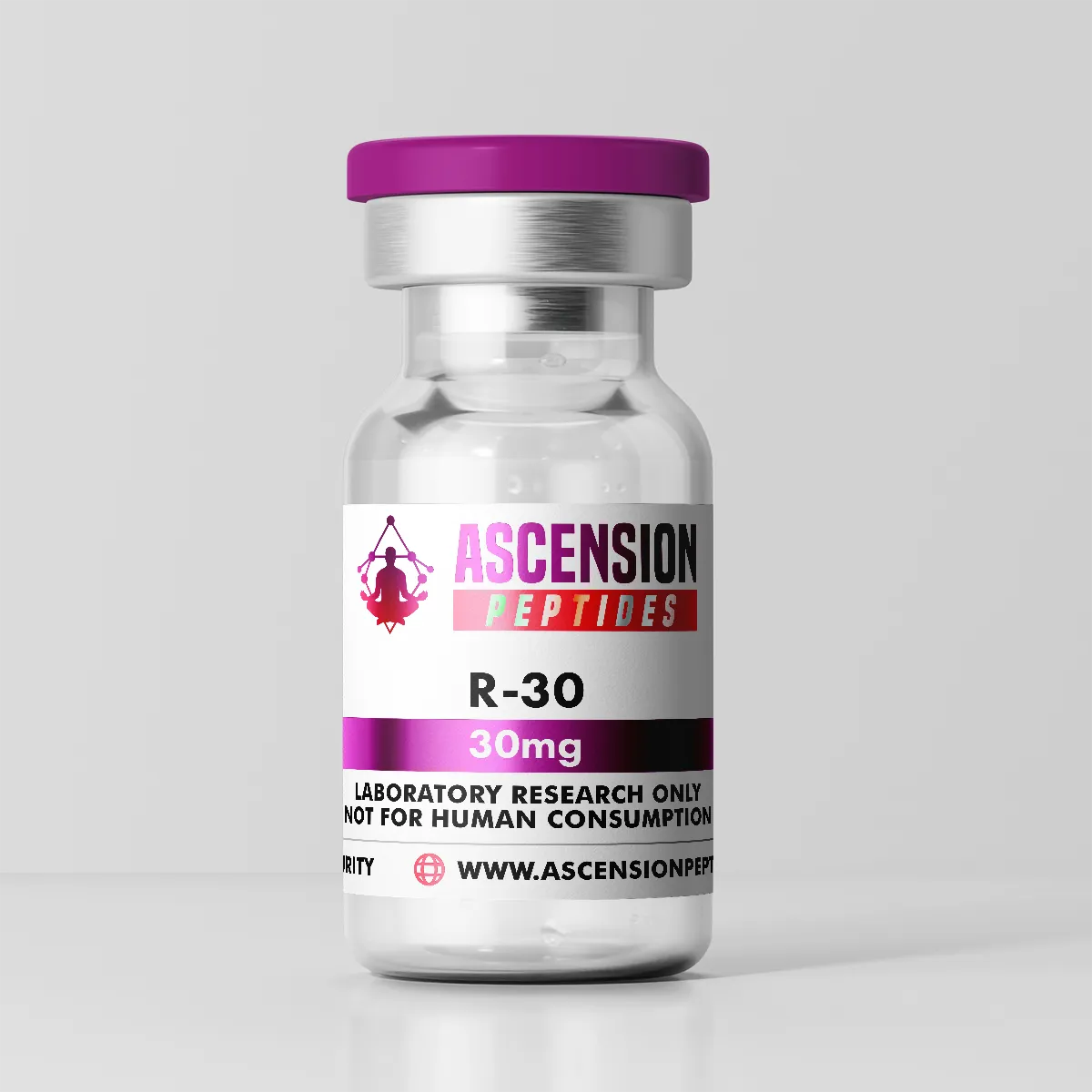
- vs. Retatrutide: Retatrutide is a tri-agonist (GIP + GLP-1 + glucagon receptors) showing up to 24% weight loss in Phase 2 trials — potentially the highest efficacy ceiling currently in development. Like cagrilintide, it's not yet FDA approved. Different mechanism means different patient populations may respond differently.
- vs. Ipamorelin/CJC-1295: Growth hormone secretagogues studied for body composition, not obesity treatment. Entirely different mechanism — GH release and fat mobilization rather than satiety signaling. They don't compete with cagrilintide.
FDA Status and Where Development Stands
As of 2026, cagrilintide is not FDA-approved for any indication — standalone or combination. The REDEFINE Phase 3 program is the pivotal trial package:
- REDEFINE 1: CagriSema vs. placebo in adults with obesity or overweight — primary weight loss endpoint. Phase 3 results showing up to 22.7% weight loss.
- REDEFINE 2: CagriSema in adults with type 2 diabetes — weight loss and glycemic endpoints.
- Additional REDEFINE sub-studies: Cardiovascular outcomes, body composition, dose-ranging.
Regulatory submission is anticipated pending completion of the full REDEFINE data package. Given the efficacy data already public, CagriSema is widely expected to receive priority review when submitted.
For researchers: cagrilintide is currently available only as a research compound through select peptide vendors. It is classified as investigational and is not approved for therapeutic use in humans outside of clinical trials.
Where to Get Cagrilintide for Research
Because cagrilintide is not FDA-approved, it is available only for verified research purposes through licensed research chemical suppliers. When evaluating a source, look for:
- Certificate of Analysis (COA) from an independent laboratory
- Verified purity ≥98% via HPLC and mass spectrometry
- Clear "For Research Use Only" labeling
- US-based or GMP-compliant manufacturing
- Transparent batch testing records and COA accessibility
The Best Available Alternative Right Now
If you're researching multi-mechanism weight loss peptides and can't wait for CagriSema to clear FDA review, retatrutide is the most comparable compound currently available for research. It targets three receptor pathways (GIP + GLP-1 + glucagon), has demonstrated up to 24% weight loss in Phase 2 trials, and is available now through established peptide suppliers.
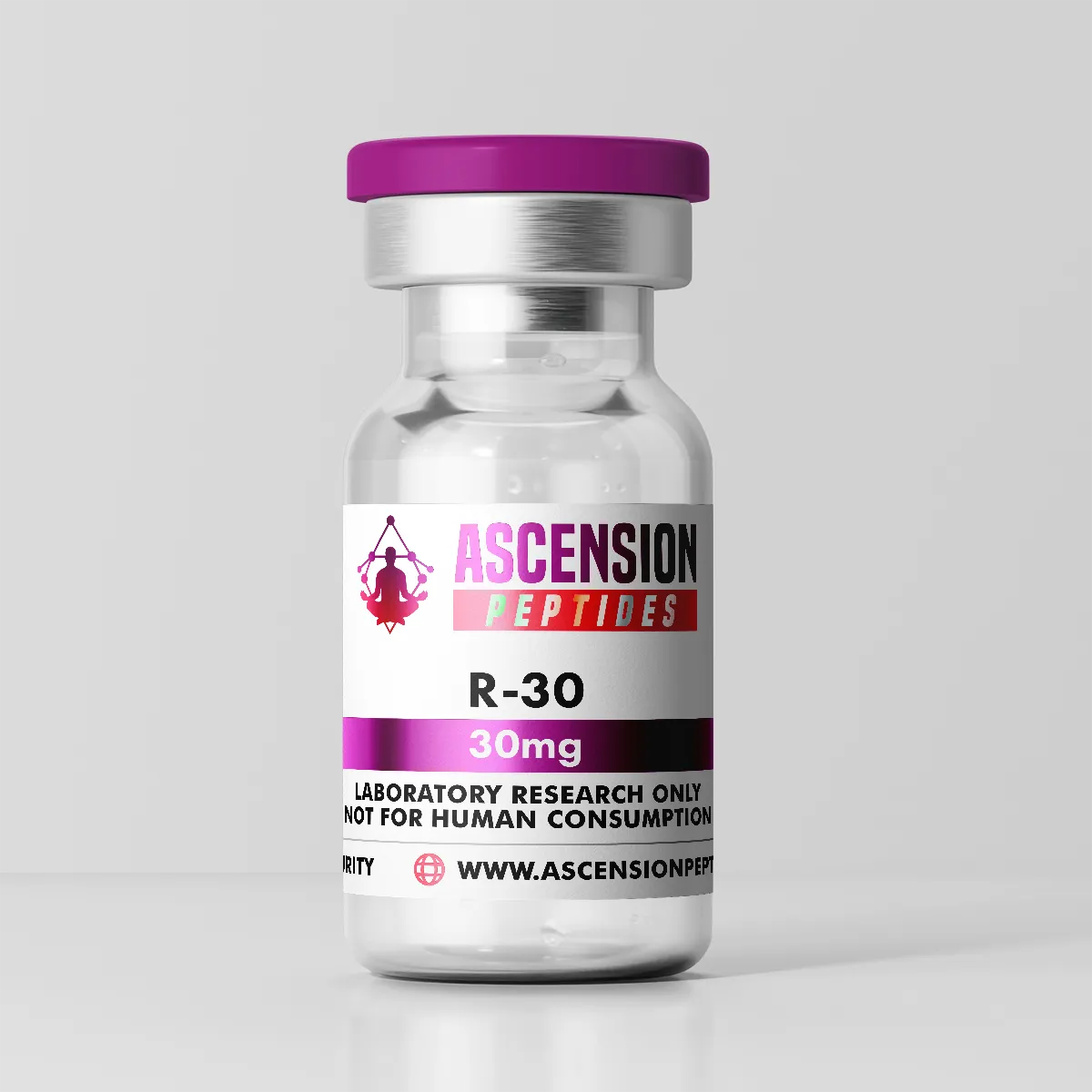
R-30 Retatrutide — Best Available Now
Triple-agonist (GIP + GLP-1 + glucagon) with Phase 2 data showing up to 24% weight loss. Third-party tested, COA available, ships fast.
View R-30 at Ascension Peptides →Related comparisons: cagrilintide vs semaglutide and cagrilintide plus tirzepatide vs CagriSema.