🔑 Key Takeaways
- Cagrilintide is a long-acting amylin analogue with an ~8-day half-life, enabling once-weekly dosing for research applications
- Combined with semaglutide (CagriSema), clinical trials showed 22.7% body weight reduction — among the strongest results in metabolic peptide research
- Always require batch-specific COAs with HPLC and mass spectrometry — HPLC alone can't verify the acylation modifications
- Expect $80–$180 per 5mg vial from reputable US vendors; prices significantly below this range signal quality concerns
- Store lyophilized at -20°C; reconstituted at 4°C for up to 28 days
Cagrilintide went from an obscure pipeline compound to one of the most sought-after peptides in metabolic research almost overnight. And honestly? The data justifies the hype. In the REDEFINE 1 trial, cagrilintide combined with semaglutide produced 22.7% body weight reduction over 68 weeks — with 60% of participants crossing the 20% threshold. As a standalone compound, it still managed 11.8% weight loss in Phase 2 data. Those are numbers that get labs moving fast.
But here's what most buyers don't think about: cagrilintide is a 39-amino-acid acylated peptide with specific structural modifications designed to prevent the fibril formation that makes native amylin unusable. It's not simple to synthesize correctly. A degraded or poorly made vial doesn't just waste money — it produces meaningless data. And the research peptide market has grown fast enough that quality variance between vendors is enormous.
This guide covers everything you need to know before you buy cagrilintide: what the compound actually is, how to evaluate vendors, what purity standards matter, storage protocols, dosing data from published research, and where to buy cagrilintide online from a source you can actually trust in 2026.
What Is Cagrilintide? The Science Behind the Compound
Cagrilintide (AM833, developed by Novo Nordisk) is a long-acting acylated amylin analogue designed for once-weekly subcutaneous administration. Unlike native amylin — which has a half-life of minutes and aggregates into toxic fibrils almost immediately — cagrilintide has been engineered with strategic amino acid substitutions and a fatty acid chain that stabilizes the molecule, extends its half-life to roughly eight days, and eliminates the aggregation problem.
Receptor Activity
At the receptor level, cagrilintide activates amylin receptors (AMY1, AMY2, AMY3) and calcitonin receptors. This dual activation produces metabolic effects that are fundamentally different from GLP-1 agonists. Rather than primarily targeting gastric emptying and incretin pathways, cagrilintide works largely through central nervous system mechanisms — specifically neurons in the area postrema and nucleus of the solitary tract that regulate satiety and energy balance.
Key Physiological Actions
- Satiety enhancement: Reduced food intake through CNS-mediated fullness signaling — a distinct pathway from GLP-1's appetite effects
- Gastric emptying: Slowed via a different mechanism than GLP-1, which explains why combining both compounds doesn't simply double the nausea
- Glucagon suppression: Without the hypoglycemia risk seen with insulin secretagogues
- Body composition: Preferential fat mass reduction with relative preservation of lean mass in clinical data
- Bone metabolism: Potential effects via calcitonin receptor activity — an area of ongoing investigation
Why CagriSema Works So Well
The reason cagrilintide + semaglutide produces such dramatic results isn't because you're just stacking two appetite suppressants. The compounds hit genuinely different pathways that converge on the same metabolic outcomes. Semaglutide acts on peripheral GLP-1 receptors and specific brain regions. Cagrilintide acts on amylin receptors in different brain nuclei. Together, they create a more complete satiety signal than either compound alone — which is why the combination data from REDEFINE trials shows synergistic rather than simply additive effects.
Why Vendor Selection Matters More When You Buy Cagrilintide
I'll be blunt about this: the vendor you choose when you buy cagrilintide matters more than for most other research peptides. Here's why.
BPC-157 is a 15-amino-acid peptide. Get the sequence right, hit decent purity, and it works. Cagrilintide is a 39-amino-acid acylated peptide with specific modifications at multiple positions designed to prevent fibril formation and extend half-life. If those modifications aren't correct, you have a peptide that looks right on HPLC but behaves nothing like cagrilintide at the receptor level.
What to Evaluate Before Buying
The hierarchy of vendor quality indicators, from most to least important:
Purity Standards: What the Numbers Actually Mean
Let's get specific about purity, because a lot of vendors throw numbers around without context. If you plan to buy cagrilintide online, this is the section that separates a good order from a wasted one.
HPLC Purity
High-Performance Liquid Chromatography separates the components of your sample and tells you what percentage is the target peptide. For cagrilintide research, you want ≥98%. This means the remaining 2% could be truncated peptide fragments, synthesis byproducts, or degradation products. At 95% purity, that 5% unknown fraction becomes meaningful — especially at the microgram dosing levels used in cagrilintide research.
Mass Spectrometry Verification
This is where it gets critical for cagrilintide specifically. Mass spec confirms the molecular weight matches the expected structure — including the fatty acid acylation. A peptide with the correct amino acid sequence but missing or incorrect acylation would show good HPLC purity (because the peptide is "pure") but wrong mass spec data. And it would behave differently at the receptor.
Endotoxin Testing
For any research application involving injection — even in animal models — endotoxin levels need to be below established thresholds. The standard LAL (Limulus Amebocyte Lysate) test should show < 0.5 EU/mg. Vendors who don't offer this data for injectable-grade products aren't meeting basic quality expectations.
Cagrilintide Side Effects to Understand Before You Buy Cagrilintide
Understanding the side effect profile of cagrilintide matters for research design, and it matters even more before you buy cagrilintide for any extended protocol. The published clinical data shows a predictable pattern:
Common Side Effects (from Published Trials)
- Nausea: The most frequently reported event. Dose-dependent, typically peaks during escalation and diminishes over 4–6 weeks at stable doses. Reported in 20–40% of participants depending on dose level.
- Injection site reactions: Mild erythema or nodule formation in 5–15% of participants. Generally transient and self-resolving.
- Decreased appetite: This is both the intended effect and a "side effect" depending on context. Nearly universal at therapeutic doses.
- Constipation: Likely related to reduced food intake and slowed GI motility. Reported in 10–15% of participants.
- Headache: Moderate incidence, particularly during the dose escalation phase.
Less Common but Notable
- Vomiting (usually associated with too-rapid dose escalation)
- Diarrhea (paradoxical, but reported in some participants)
- Dizziness
- Fatigue during the first 2–3 weeks
The side effect profile is generally milder than what's reported with high-dose GLP-1 agonists — likely because amylin receptor activation produces a more "natural" satiety signal compared to the more intense gastric effects of GLP-1 activation. This is reflected in the REDEFINE trial discontinuation rates, which were lower than comparable semaglutide trials at equivalent weight loss levels.
Dosing Frameworks from Published Research
The following dosing data comes from published clinical literature. It's presented for research context and educational reference — not as guidance for human use.
Phase 2 dose-finding data (Lau et al., Lancet 2021) showed clear dose-response: 0.3mg produced ~3% weight loss, 1.2mg ~6.4%, 2.4mg ~8.1%, and 4.5mg ~10.8% over 26 weeks. The 2.4mg dose was selected as the primary dose for the Phase 3 CagriSema combination trials based on the balance between efficacy and tolerability.

Reconstitution and Handling Protocol
Prepare Your Work Area
Clean the workspace. Gather bacteriostatic water, alcohol swabs, insulin syringes, and the lyophilized cagrilintide vial. Let the vial reach room temperature (15–20 minutes) before opening.
Swab Both Vial Tops
Alcohol-swab the rubber stopper on both the cagrilintide vial and the bacteriostatic water vial. Allow to dry completely — 15–20 seconds.
Add Solvent Slowly
Draw the desired volume of bacteriostatic water and inject it down the inside wall of the cagrilintide vial. Do not spray directly onto the powder. For a 5mg vial, 2mL of bacteriostatic water gives a concentration of 2.5mg/mL — manageable for precise dosing.
Dissolve by Gentle Rolling
Roll the vial gently between your palms. Never shake, vortex, or agitate aggressively. Cagrilintide should dissolve within 2–5 minutes to produce a clear, colorless solution. Any cloudiness or particulates indicate a problem.
Store Properly
Reconstituted solution goes in the refrigerator (4°C) immediately. Use within 28 days. Label the vial with reconstitution date and concentration.
How Cagrilintide Compares to Alternatives
For researchers evaluating which metabolic peptide to study, here's how cagrilintide fits into the broader landscape — and why its mechanism matters beyond the weight loss numbers:
vs. Semaglutide
Semaglutide is a GLP-1 agonist. Cagrilintide is an amylin analogue. They're fundamentally different compounds hitting different receptor systems. Semaglutide has more clinical data, FDA approval, and a longer track record. Cagrilintide has a unique mechanism that complements GLP-1 action rather than duplicating it. If your research question is about amylin receptor biology or combination metabolic interventions, cagrilintide is the compound — semaglutide doesn't answer those questions.
vs. Pramlintide (Symlin)
Pramlintide is the only approved amylin analogue — but it requires 2–3x daily injections due to its short half-life. Cagrilintide's once-weekly dosing and improved stability make it dramatically more practical for sustained research protocols. The pharmacokinetic profile isn't even comparable.
vs. Tirzepatide
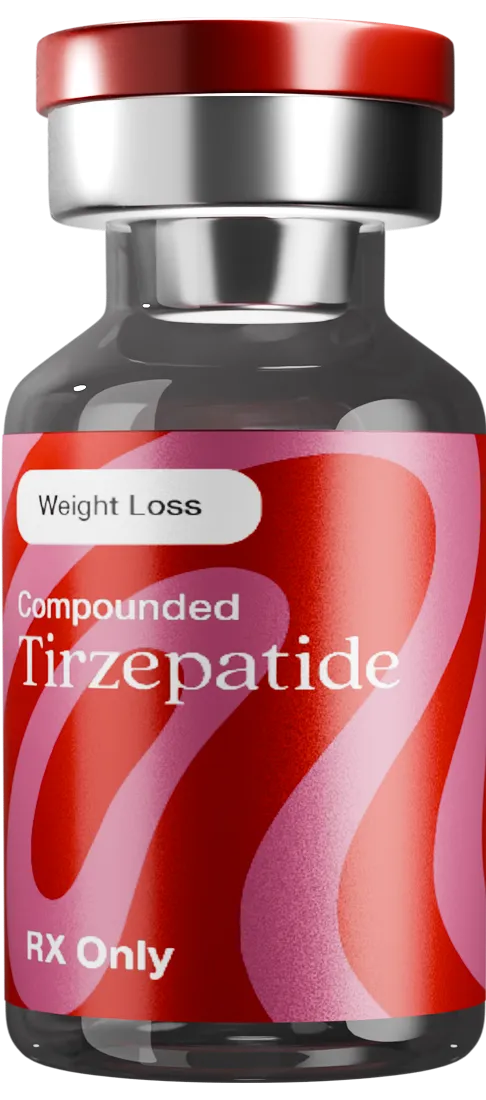
Tirzepatide (GLP-1/GIP dual agonist) is a closer comparator in terms of clinical efficacy but still works through incretin pathways rather than amylin signaling. For researchers specifically interested in amylin biology, tirzepatide doesn't substitute. For those purely comparing weight loss compounds, both produce impressive data through different mechanisms.
Legal Status and Regulatory Context
Cagrilintide is not FDA-approved for any clinical use as of 2026. It's available legally in the United States as a research compound — sold with research-use-only labeling. It is not a controlled substance, and purchasing it for legitimate research purposes is legal under current US regulatory frameworks.
The regulatory landscape for research peptides is evolving. The FDA has increased scrutiny of the research peptide market as compounds like semaglutide and tirzepatide gained massive public attention. Researchers should maintain proper documentation of procurement, storage, and use. International researchers need to check their own country's import regulations — the EU, UK, Canada, and Australia all have distinct frameworks.
Where to Buy Cagrilintide in 2026
Given everything discussed above — the synthesis complexity, the purity requirements, the storage sensitivity — here's where to buy cagrilintide that actually meets the spec.
The vendor criteria that matter when you buy cagrilintide: batch-specific third-party COA with both HPLC and mass spectrometry, ≥98% purity, US-based fulfillment, cold-chain shipping, and support that can discuss technical specifications intelligently. Anyone listing cagrilintide for sale without those basics is not a serious source.
Ascension Peptides meets these standards and is a recommended source for researchers procuring cagrilintide. Their documentation practices, purity verification, and domestic fulfillment infrastructure make them a reliable choice for serious research. They also carry related compounds for researchers studying alternative metabolic peptides and combination protocols.
Building Your Research Protocol
For Monotherapy Research
Start with the escalation framework from published trial data. Cagrilintide's 8-day half-life means steady-state is reached after approximately 5 weeks of consistent dosing — so researchers should design protocols with at least a 6-week run-in before evaluating primary endpoints.
For Combination Research (CagriSema Modeling)
The published REDEFINE protocol initiated both cagrilintide and semaglutide simultaneously with parallel dose escalation. Researchers modeling this approach should be aware that combining two dose escalation schedules increases the complexity of tolerability assessment and adverse event attribution.
Controls and Documentation
Maintain records of: vendor and batch number, reconstitution date and volume, storage conditions throughout the study period, dosing schedule, and any observed effects. This documentation is essential for reproducibility and publication-quality research. For the best peptide sources in 2026, our vendor comparison guide covers additional options if you are still deciding where to buy cagrilintide for a longer protocol.