GLP-1 (glucagon-like peptide-1) is a hormone your small intestine naturally releases after you eat. It signals your brain that you're full, tells your pancreas to release insulin, slows down digestion, and keeps blood sugar stable. The drugs you've heard about — Ozempic, Wegovy, Mounjaro, and retatrutide — all work by mimicking or amplifying this hormone.
Key Takeaways
- GLP-1 = glucagon-like peptide-1, a gut hormone released after eating
- Its main jobs: reduce appetite, trigger insulin, slow digestion, stabilize blood sugar
- Natural GLP-1 lasts only 2-3 minutes — pharmaceutical versions last days to weeks
- Semaglutide, tirzepatide, and retatrutide are all GLP-1 receptor agonists
- Weight loss happens because GLP-1 makes you genuinely less hungry, not just disciplined
- Research peptide versions (S-5, T-10/T-30, R-10/R-30) available without prescription
What Is GLP-1?
GLP-1 stands for glucagon-like peptide-1. It's an incretin hormone — a hormone released by your gut in response to food. Specifically, it's produced by L-cells in your small intestine and colon, within minutes of eating.
Your body uses GLP-1 to coordinate several things at once:
- Appetite suppression — GLP-1 acts on the hypothalamus (the brain's hunger control center) to signal fullness. You feel satisfied with less food.
- Insulin release — GLP-1 tells your pancreas to release insulin in response to elevated blood sugar. This is glucose-dependent, meaning it doesn't cause dangerous low blood sugar on its own.
- Slowed gastric emptying — food moves more slowly from your stomach into the small intestine, keeping blood sugar from spiking after meals and extending the feeling of fullness.
- Glucagon suppression — GLP-1 inhibits glucagon (the hormone that raises blood sugar), which helps keep blood sugar more stable.
The problem: natural GLP-1 has a half-life of just 2-3 minutes. It's broken down almost immediately by an enzyme called DPP-4. That's where pharmaceutical GLP-1 agonists come in.
What Are GLP-1 Agonists?
GLP-1 agonists are drugs (or research peptides) that mimic GLP-1 but resist the DPP-4 enzyme that breaks it down naturally. This means they can stay active in your body for hours, days, or even a week — producing sustained GLP-1 effects.
The result: consistent appetite suppression, improved blood sugar control, and significant weight loss.
GLP-1 agonists approved by the FDA:
- Exenatide (Byetta/Bydureon) — first approved (2005), twice daily or weekly injection. See our glp 1 shots guide for what the injection actually feels like.
- Liraglutide (Victoza/Saxenda) — daily injection, 5-10% weight loss
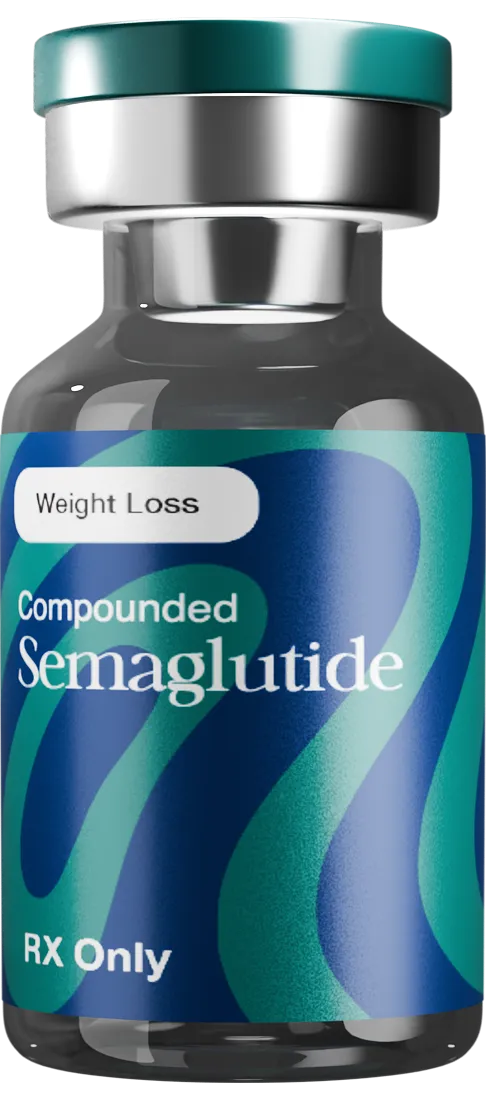
- Semaglutide (Ozempic/Wegovy/Rybelsus) — once weekly, 15% average weight loss
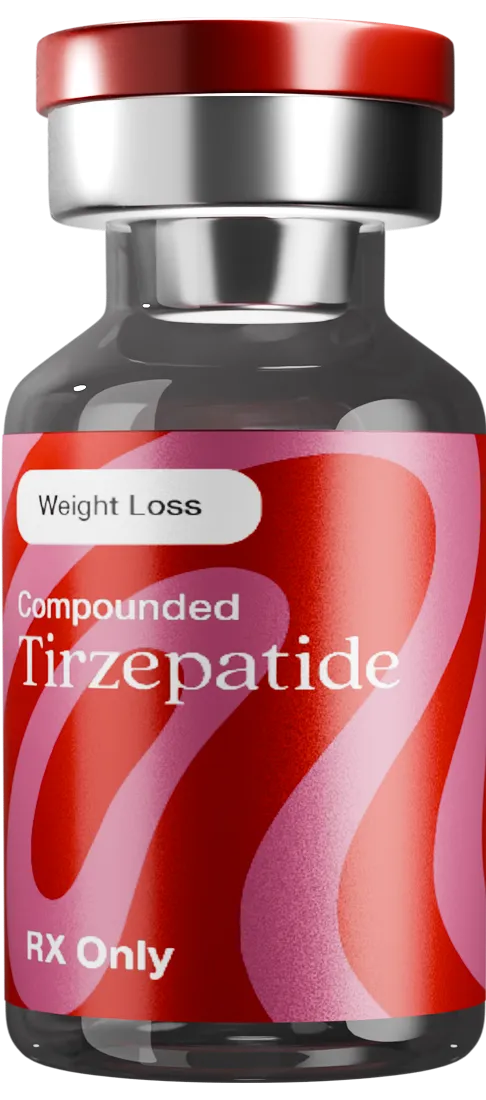
- Tirzepatide (Mounjaro/Zepbound) — dual GLP-1/GIP, once weekly, 20-22% average weight loss
- Retatrutide (LY3437943) — triple GLP-1/GIP/glucagon, Phase 3 trials, ~24% average weight loss
How GLP-1 Causes Weight Loss
This is the key question most people have. GLP-1 doesn't just suppress appetite mechanically — it changes how hunger actually feels.
People on GLP-1 agonists consistently report:
- Food cravings become less intense or disappear
- They feel satisfied with much smaller portions
- They think about food less throughout the day
- The compulsive urge to overeat fades
This is because GLP-1 receptors are present in the brain's reward circuits, not just the hunger center. GLP-1 agonists appear to reduce the reward value of food — making the experience of restraint much easier than through willpower alone.
The weight loss breakdown:
- Semaglutide 2.4mg: people eat ~30% fewer calories on average → ~15% body weight loss over 68 weeks
- Tirzepatide 15mg: adds GIP receptor effects (insulin sensitivity, fat storage) → ~21% body weight loss
- Retatrutide 12mg: adds glucagon receptor (thermogenesis, fat burning) → ~24% body weight loss
Single, Dual, and Triple Agonists Explained
As research advanced, scientists realized that adding more receptor targets increases effectiveness:
GIP (glucose-dependent insulinotropic polypeptide) improves insulin sensitivity and affects how fat cells store energy. Adding GIP to GLP-1 is why tirzepatide outperforms semaglutide.
Glucagon increases thermogenesis (heat/energy production) and promotes fat oxidation in the liver. Adding glucagon to GLP-1 + GIP is why retatrutide outperforms tirzepatide.
GLP-1 Beyond Weight Loss
GLP-1 agonists are showing benefits that go well beyond weight management:
- Cardiovascular protection — semaglutide reduced major cardiovascular events by 26% in the SUSTAIN-6 trial
- Kidney protection — emerging data shows reduced kidney disease progression
- Liver disease (NASH/NAFLD) — GLP-1 reduces liver fat accumulation
- Cognitive effects — early research suggests GLP-1 receptors in the brain may have neuroprotective effects (Alzheimer's research ongoing)
- Addiction reduction — GLP-1 reduces cravings not just for food but alcohol and nicotine (active research area)
Natural GLP-1 vs Pharmaceutical GLP-1
Can you boost GLP-1 naturally? Yes, to a modest degree:
- High-fiber foods increase GLP-1 secretion
- High-protein meals trigger stronger GLP-1 release
- Exercise increases GLP-1 secretion
- Fermented foods and gut microbiome health affect baseline GLP-1
But natural boosts are small compared to pharmaceutical doses — you can't eat your way to Ozempic levels.

Research Peptide GLP-1 Options (No Prescription)
For people who want GLP-1 effects without a prescription or brand-name pricing, Ascension Peptides carries three options:
- S-5 (Semaglutide 5mg) — $44 — the research form of the Ozempic/Wegovy molecule
- T-10/T-30 (Tirzepatide 10mg/30mg) — $80/$125 — the research form of Mounjaro/Zepbound
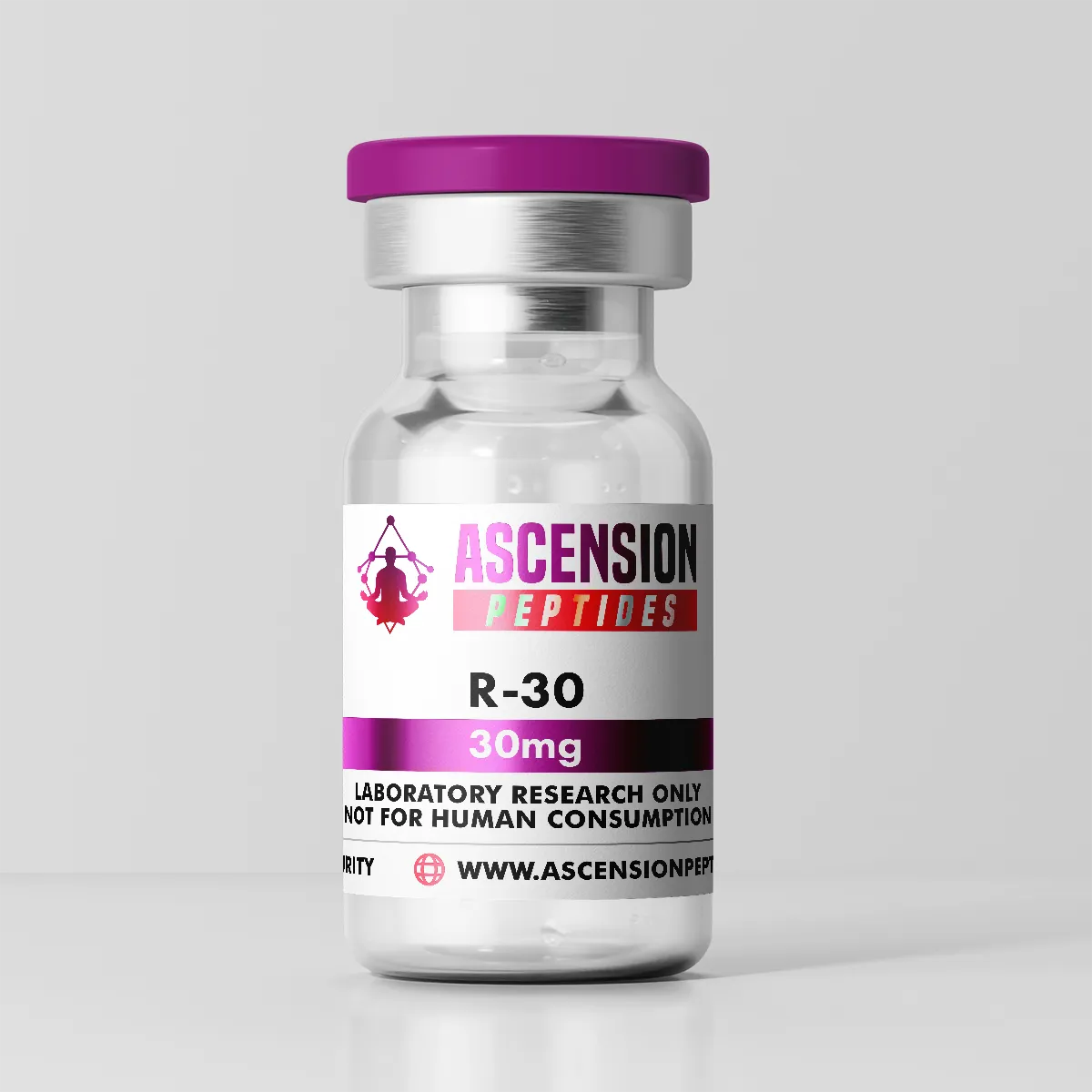
- R-10/R-30 (Retatrutide 10mg/30mg) — $80/$200 — the triple agonist with no prescription version available
All three require reconstitution and subcutaneous injection — see our full buying guide for step-by-step instructions.
GLP-1 Side Effects Overview
The main side effects of GLP-1 agonists come directly from their mechanism — slowing gastric emptying:
- Nausea (most common, front-loaded)
- Constipation or diarrhea
- Vomiting
- Fatigue early on
These typically peak in weeks 2-6 and improve significantly by week 12. Slow dose titration is the key to minimizing them. For full details, see our semaglutide side effects guide.
The pipeline keeps widening. VK2735 is pursuing an oral GLP-1/GIP tablet, and eloralintide targets amylin instead of GLP-1 altogether.
Frequently Asked Questions
For prescribed options, see a list of GLP-1 providers.
The information in this article is for educational purposes only and does not constitute medical advice. Always consult a healthcare professional before starting any new supplement or compound. Results vary by individual.