What Are Triple Agonist Peptides?
Triple agonist peptides represent one of the most exciting frontiers in metabolic research. Unlike earlier GLP-1 single agonists such as Semaglutide, or dual agonists that pair GLP-1 with GIP, triple agonists simultaneously activate three distinct receptors: the glucagon-like peptide-1 receptor (GLP-1R), the glucose-dependent insulinotropic polypeptide receptor (GIPR), and the glucagon receptor (GCGR).
This tri-receptor engagement offers a theoretically superior metabolic impact compared to mono- or dual-agonism. GLP-1 activation suppresses appetite and improves insulin secretion. GIP complements this by enhancing fat metabolism and adding to the incretin effect. Glucagon receptor activation accelerates energy expenditure and promotes hepatic fat reduction — an effect that single and dual agonists largely lack.
Two research compounds have emerged in this class: the well-studied Retatrutide (LY3437943, developed by Eli Lilly) and the newer, less-documented UBT251. Understanding how these two compounds compare is critical for researchers selecting the right tool for their metabolic, obesity-related, or hepatic research models.
Retatrutide: The Established Triple Agonist
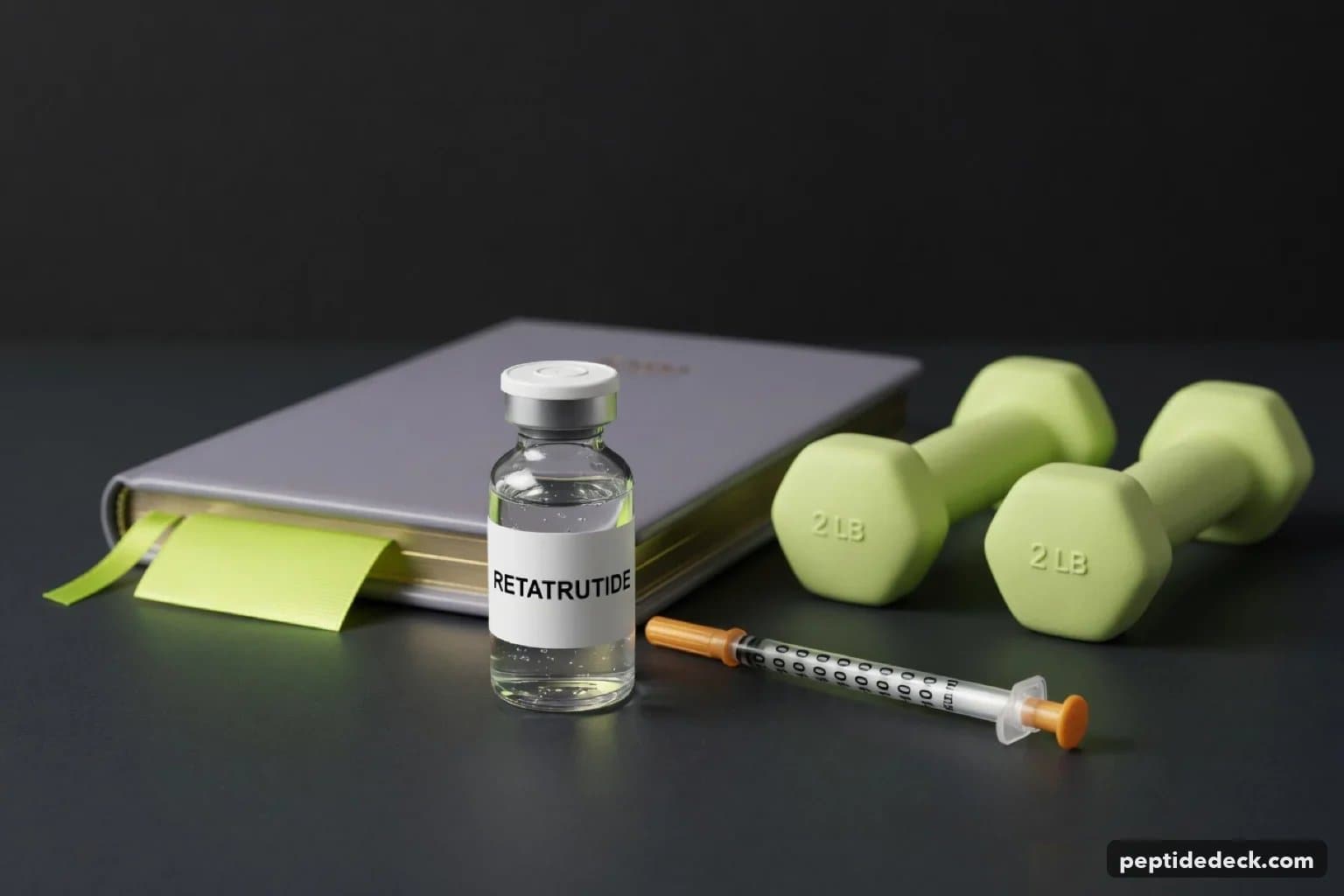
Retatrutide has accumulated the most robust clinical dataset of any triple agonist currently available for research purposes. Developed by Eli Lilly, it entered Phase 2 clinical trials in 2021 and published landmark results in 2023 showing average body weight reductions of up to 24% over 48 weeks in obese participants — a figure that surpassed even the clinical results of Semaglutide and Tirzepatide at comparable timepoints.
Mechanism of Action
Retatrutide is engineered as a single peptide molecule that activates all three receptors with balanced but differentiated affinity. Its GLP-1R activity drives satiety signaling and slows gastric emptying. GIPR engagement adds an adipose-modulating effect and may reduce the nausea side effects associated with pure GLP-1 agonism. The glucagon receptor component is perhaps most distinctive — it elevates basal metabolic rate, promotes lipolysis, and has shown particular promise in reducing hepatic fat accumulation in early NASH (non-alcoholic steatohepatitis) research models.
Clinical Data Summary
- Phase 2 results: Up to 24.2% mean body weight reduction at 48 weeks (12 mg weekly dose)
- Hepatic fat: Significant reductions in liver fat fraction observed in metabolic dysfunction-associated steatotic liver disease (MASLD) subgroups
- Lipid profiles: Favorable improvements in triglycerides and LDL cholesterol noted across dose cohorts
- Tolerability: GI adverse events (nausea, vomiting, diarrhea) consistent with the GLP-1 class but manageable with slow titration
- Phase 3: The TRIUMPH program has reported; TRIUMPH-1 (NEJM, September 2026) showed 28.3% weight loss at 80 weeks on 12 mg (efficacy estimand; 25.0% counting everyone randomized), and Eli Lilly plans to file with the FDA in Q1 2027
Research Profile
For preclinical and academic researchers, Retatrutide's detailed pharmacokinetic profile is well-documented. It has a half-life of about 6 days, enabling weekly subcutaneous dosing in human trials. In rodent models, similar long-acting formulations have been studied with reproducible results. This depth of available literature makes experimental design more straightforward for investigators building on existing data.
UBT251: The Emerging Contender
UBT251 is a newer triple agonist research peptide developed with a similar receptor targeting strategy — GLP-1R, GIPR, and GCGR co-agonism. While the compound has generated interest in the research community, it remains at an earlier stage of characterization compared to Retatrutide. It comes from The United Laboratories (TUL) in China, whose subsidiary United Biotechnology licensed worldwide rights outside Greater China to Novo Nordisk in March 2025; in February 2026 the companies reported up to 19.7% mean weight loss at 24 weeks in a Chinese phase 2 obesity trial (2, 4 or 6 mg weekly, versus 2.0% on placebo).
Mechanism of Action
UBT251 is designed with a distinct molecular architecture intended to optimize the balance between the three receptor activities. Some early preclinical data suggest that UBT251 may carry a slightly different GLP-1R to GCGR ratio compared to Retatrutide, which could translate into a different tolerability or efficacy profile. However, without peer-reviewed head-to-head data, these distinctions remain speculative at this stage.
The compound's developers have emphasized the possibility of enhanced glucagon receptor selectivity, which could theoretically amplify the thermogenic and hepatic fat-clearing benefits relative to the appetite-suppression pathway. This is an area of active investigation and represents UBT251's primary differentiation hypothesis.
Available Evidence
- Preclinical models: Some rodent obesity and metabolic dysfunction studies have been reported, showing weight reduction and lipid improvements consistent with triple agonism
- Human trials: Two Chinese phase 2 trials reported toplines in early 2026: up to 19.7% mean weight loss at 24 weeks in obesity, and an HbA1c drop of up to 2.16 points in type 2 diabetes versus 1.77 for semaglutide 1 mg. Phase 3 trials are starting in China and Novo Nordisk is running a global phase 2, but peer-reviewed results remain sparse
- Half-life and formulation: Not as well-characterized in public literature; dosing interval parameters require additional validation
- Receptor affinity data: Some in vitro binding data has been referenced in presentations but comprehensive published pharmacology is limited
Research Potential
UBT251 represents an interesting research tool precisely because of its novelty. For researchers specifically studying the differential contribution of glucagon receptor activation in a triple agonist context, or those looking to compare molecular scaffolds within the same receptor class, UBT251 offers a distinct compound for experimental comparison. However, the gap in published human data means researchers must proceed with greater caution and more limited reference points.
UBT251 vs Retatrutide: Direct Comparison Table
Which Triple Agonist Is Right for Your Research?
Choose Retatrutide If:
- Your research requires a compound with extensive peer-reviewed clinical backing
- You are designing experiments that need established pharmacokinetic parameters (half-life, titration schedules, dose-response curves)
- Your focus involves MASLD, NASH, or hepatic steatosis — areas where Retatrutide has the most differentiated data
- You need to cite comparative efficacy benchmarks against known compounds like Semaglutide or Tirzepatide
- Reproducibility across research sites is a priority — Retatrutide's profile is more standardized
Choose UBT251 If:
- Your research focus is specifically on comparing molecular scaffold differences within triple agonist peptides
- You are investigating glucagon receptor-dominant signaling effects within a triple agonist framework
- Your lab is engaged in early discovery work where novelty of the compound is a feature, not a limitation
- You want to contribute to the characterization literature for an under-studied compound class
- You have the infrastructure to validate dosing and pharmacokinetics independently
Where to Source Triple Agonist Peptides for Research
Given that both UBT251 and Retatrutide are research compounds — not FDA-approved therapeutics — sourcing quality matters enormously for experimental validity. Impure or degraded peptides can produce inconsistent results, confound data, and in some cases introduce safety risks in in vitro or animal models.
Verify Third-Party Testing
Always request a Certificate of Analysis (COA) from an independent third-party laboratory — not just the vendor's in-house testing. Look for HPLC purity data showing ≥98% purity and mass spectrometry confirmation of the correct molecular weight.
Check for US-Based Manufacturing or Sourcing
US-based peptide suppliers operating under GMP-adjacent standards offer better quality control and more reliable chain of custody documentation. Overseas sources with no regulatory oversight carry substantially higher contamination and substitution risks.
Confirm Peptide-Specific COA
Ensure the COA is specific to the batch you are ordering — not a generic document for the compound class. Batch numbers on COAs should match product labels.
Evaluate Vendor Reputation
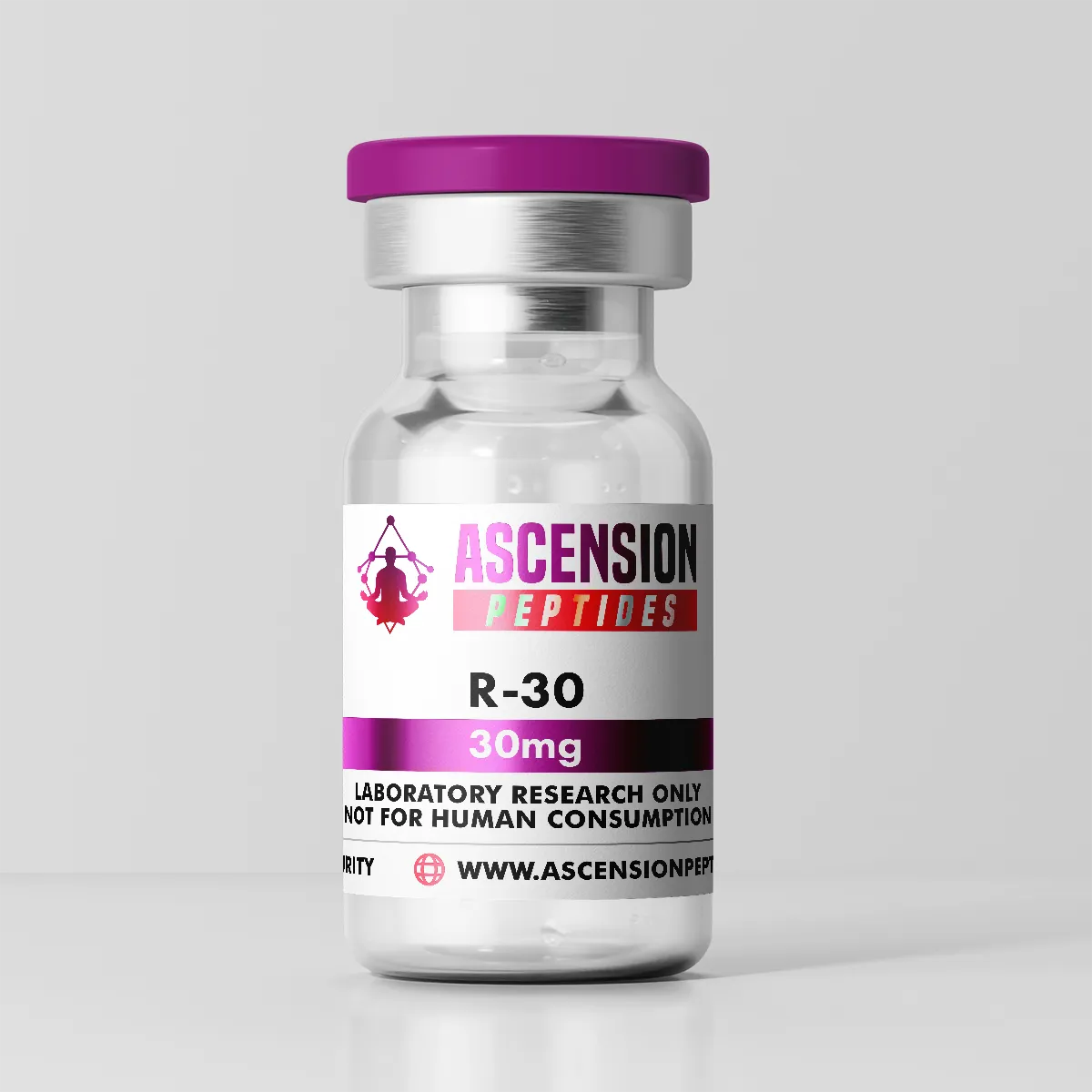
Research community forums, academic researcher reviews, and vendor transparency (clear refund/replacement policies, responsive customer service) are all indicators of a trustworthy supplier. Ascension Peptides is a well-regarded US-based vendor with documented COA practices for research peptides.
Store and Handle Correctly
Triple agonist peptides, like most research peptides, require lyophilized storage at -20°C and careful reconstitution with bacteriostatic water. Improper storage degrades the compound and invalidates experimental results.