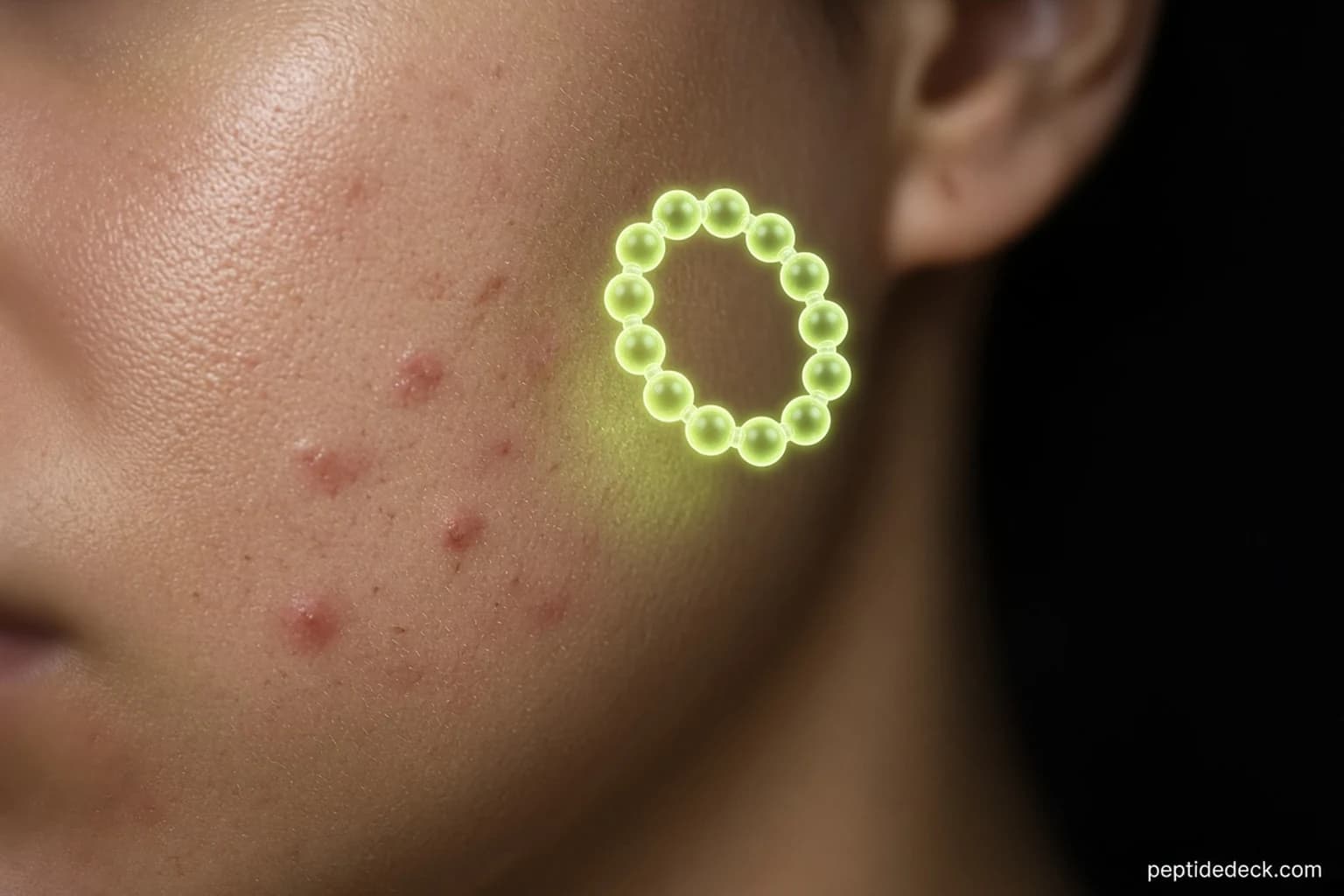
🔑 Key Takeaways
- Biomimetic peptides are synthetic compounds that replicate natural biological signaling molecules — engineered for stability and precision
- Major categories include matrikines (GHK-Cu), tissue repair (BPC-157), growth hormone secretagogues, neuropeptides, and antimicrobials
- Key advantage over natural peptides: resist enzymatic degradation, bypass production bottlenecks, and deliver controlled doses
- Engineering advances including hydrogel encapsulation and self-assembling nanostructures are transforming delivery
- Research spans skin repair, musculoskeletal healing, cognitive enhancement, antimicrobial defense, and longevity
Experienced researchers know something beginners often miss: the prefix on biomimetic peptides tells you nearly everything you need to know. "Bio" means life. "Mimetic" means imitating. Put them together and you get synthetic compounds that mirror the exact amino acid sequences your body already produces — but engineered with a precision nature cannot replicate on its own.
These are not approximations or rough copies. Biomimetic peptides are molecular analogs designed to interact with growth factor receptors, regulate gene transcription, stimulate fibroblast activity, and trigger tissue repair cascades with measurable, repeatable accuracy. The science behind them is not theoretical — it is clinical, documented, and increasingly refined with each new generation of compounds.
And here's what makes this space genuinely exciting right now: delivery technology has finally caught up with molecular design. We're not just making better peptides — we're getting dramatically better at putting them where they need to go.
💡 Quick Reference: What Are Biomimetic Peptides?
- Synthetic short-chain amino acid sequences that replicate natural biological signaling molecules
- Engineered to resist enzymatic degradation better than endogenous peptides
- Target specific receptors, transcription factors, and extracellular matrix proteins
- Studied in skin repair, collagen synthesis, tissue regeneration, antimicrobial defense, and longevity
- Oligopeptides of 10–15 amino acids shown to regulate Ki-67, type I procollagen, AP-1, and SIRT6 in human fibroblast cultures
How Biomimetic Peptides Work at the Molecular Level
To understand biomimetic peptides, you first need to understand why the body's own peptide signaling degrades over time. Natural signaling peptides — growth factors, cytokines, matricellular proteins — are degraded rapidly by proteases, diluted in circulation, and produced in declining quantities as we age. Biomimetic peptides solve all three problems simultaneously.
Overcoming Enzymatic Degradation
They're engineered with modified amino acid sequences or unusual linkages that resist enzymatic cleavage, extending their half-life in biological environments. D-amino acid substitution at vulnerable cleavage sites is one common approach — it dramatically increases protease resistance without meaningfully altering receptor binding (Lau & Dunn, 2018, Bioorg Med Chem).
Bypassing Production Bottlenecks
Because they're administered in controlled doses, you're not waiting for the body to upregulate synthesis — you're providing the finished signal directly. This is particularly relevant in aging, where endogenous peptide production declines precisely when signaling needs increase.
Core Mechanisms of Action
At the molecular level, biomimetic peptides achieve their effects through several distinct mechanisms:
- Receptor agonism: Binding to cell surface receptors (integrins, growth factor receptors, GPCRs) and triggering signaling cascades identical to natural ligands
- Gene transcription regulation: Influencing transcription factors like AP-1 and SIRT6 that govern collagen synthesis, cellular aging, and stress response
- Extracellular matrix modulation: Stimulating or inhibiting matrix metalloproteinases (MMPs) responsible for tissue remodeling
- Paracrine signaling: Acting as cell-to-cell messengers coordinating responses across multiple cell populations
Published research demonstrates that oligopeptide biomimetics of 10–15 amino acids can regulate Ki-67 (proliferation marker), type I procollagen, AP-1 transcription factor, and SIRT6 (longevity-associated deacetylase) in human fibroblast cultures. Intradermal administration in clinical studies produced measurably denser collagen fibers in the dermis after just two weeks (PMC, 2019).
Major Categories of Biomimetic Peptides
Biomimetic peptides aren't a single compound class — they span a wide spectrum of biological targets. Understanding the major categories helps researchers select the right compound for a given protocol.
Matrikine and Matricellular Biomimetics
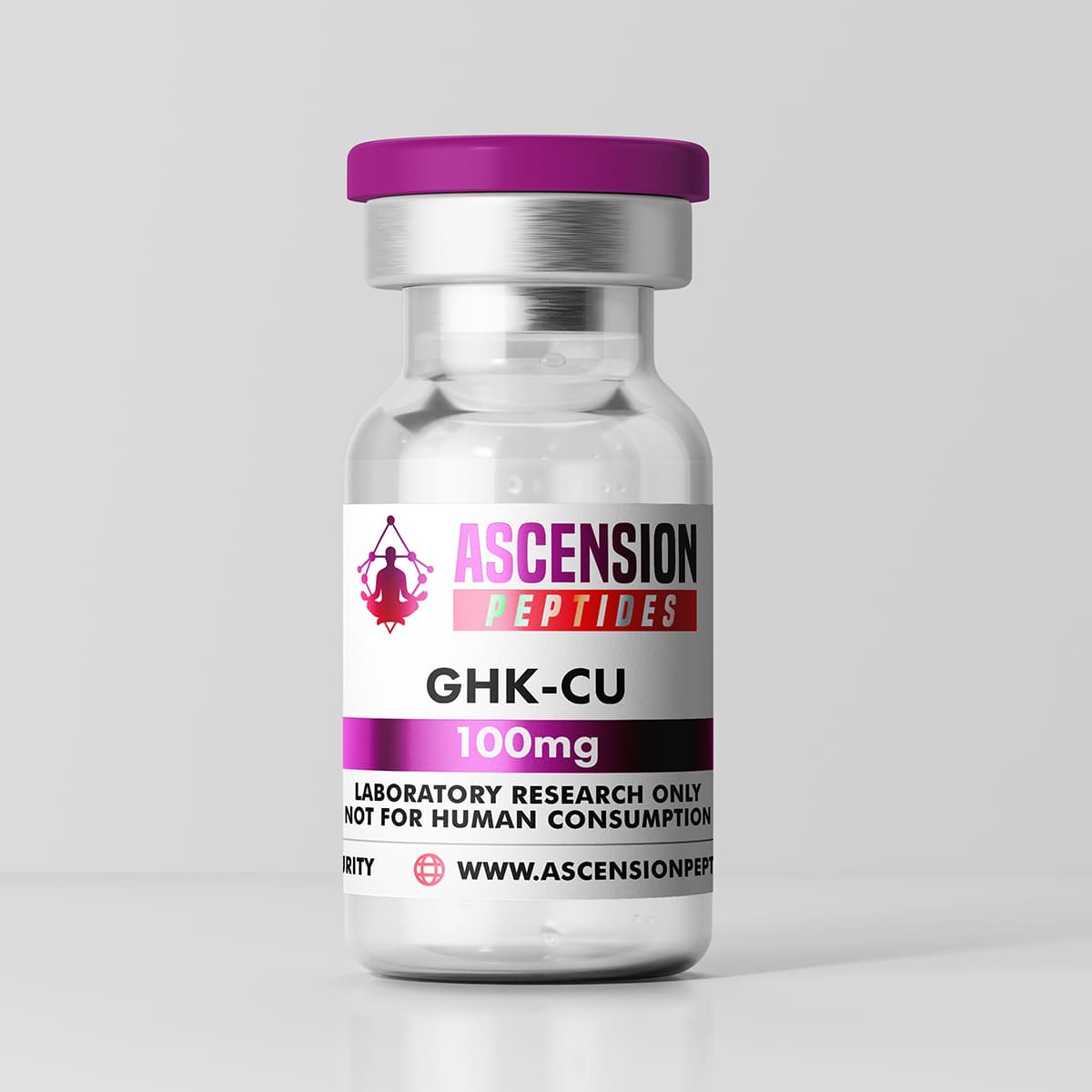
Matrikines are peptide fragments released during extracellular matrix remodeling that act as signaling molecules. GHK-Cu is the most studied example — a copper-binding tripeptide found naturally in human plasma that declines sharply with age. Research shows GHK-Cu upregulates collagen, elastin, and glycosaminoglycan synthesis while simultaneously activating antioxidant defense genes (Pickart et al., 2012).
Growth Factor-Mimicking Peptides
Rather than using full growth factor proteins (large, unstable, costly), researchers have developed short peptide sequences mimicking the active binding domains of EGF, FGF, and IGF-1. These fragments bind the same receptors with comparable selectivity without the immunogenicity risks of full-length protein administration.
Tissue Repair and Cytoprotective Biomimetics
BPC-157 is among the most studied tissue-repair peptides, derived from a gastroprotective protein in human gastric juice. Its biomimetic design promotes angiogenesis, modulates nitric oxide systems, and accelerates tendon, muscle, bone, and gut repair through multiple overlapping pathways (Sikiric et al., 2018).
Antimicrobial Biomimetic Peptides
An emerging category involves peptides engineered to combat bacterial infections. Research in ACS Nano describes biomimetic peptide nanonets — self-assembling structures that physically trap bacteria, disrupt biofilms, and reroute macrophage activity toward pathogen clearance. In vivo results demonstrated treatment alleviating systemic bacterial infections without notable cytotoxicity (ACS Nano, 2022).
Longevity and Epigenetic Biomimetics
Epithalon exemplifies this category — a tetrapeptide (Ala-Glu-Asp-Gly) mimicking a fragment of epithalamin from the pineal gland. Research demonstrates Epithalon's ability to activate telomerase, extend telomere length, regulate melatonin secretion, and modulate gene expression patterns associated with biological aging.
The GHK-Cu Deep Dive: Gold Standard Biomimetic
Why GHK-Cu Leads the Category
GHK-Cu (glycyl-L-histidyl-L-lysine copper) has the deepest evidence base of any biomimetic peptide. It's a naturally occurring tripeptide-copper complex that declines from ~200 ng/mL in plasma at age 20 to ~80 ng/mL by age 60. This decline correlates with reduced wound healing, collagen turnover, and antioxidant capacity — making exogenous supplementation a logical research target.
Documented Effects
Published studies demonstrate GHK-Cu's effects on:
- Collagen I and III synthesis (upregulation by 30–70% in fibroblast cultures)
- Elastin production and glycosaminoglycan synthesis
- MMP-1 inhibition (reducing collagen degradation)
- Antioxidant enzyme upregulation (SOD, catalase)
- Wound healing acceleration in both animal and clinical models
- Gene expression modulation — affecting over 4,000 genes in human genome studies
Topical vs. Injectable Research
GHK-Cu has been studied both topically (in skincare formulations, typically 0.1–3% concentration) and via subcutaneous injection. Topical application produces measurable dermal changes; systemic administration shows broader effects on wound healing and tissue remodeling. For those interested in skin tightening peptides, GHK-Cu remains the reference compound.
Biomimetic Peptide Delivery: Engineering Advances
The therapeutic potential of any peptide is only as good as its delivery mechanism. This is where recent advances have been most transformative.
Key Engineering Strategies
D-Amino Acid Substitution
Replacing L-amino acids with mirror-image D-forms at vulnerable sites increases protease resistance without altering receptor binding.
PEGylation
Attaching polyethylene glycol chains extends circulating half-life and reduces immunogenicity.
Hydrogel Encapsulation
Next-generation matrices provide controlled release directly at repair sites — enabling weeks-long therapeutic windows from single administrations.
Self-Assembling Nanostructures
Peptides engineered to form fibers, gels, or sheets at physiological conditions create localized scaffolds mimicking the extracellular matrix.
Hydrogel Delivery Research
A landmark study in Advanced Functional Materials demonstrated that biomimetic peptide-loaded hydrogels maintained therapeutic concentrations at injury sites for up to 21 days, compared to hours for free peptide injection. This extended release profile transformed single-dose applications into sustained regenerative protocols (Adv Funct Mater, 2021).
Biopolymer Conjugation
Collagens, elastin, silk fibroin, and keratin have all been investigated as carrier matrices. These materials aren't merely inert carriers — they contribute structural support while the peptide cargo drives cellular reprogramming. The result is composite therapeutics addressing both physical architecture and biochemical signaling simultaneously.
Skin Biology and Anti-Wrinkle Applications
The cosmeceutical application of biomimetic peptides has the largest body of clinical evidence. For a comprehensive overview, see our anti-wrinkle peptides guide.
What the Evidence Shows
Studies confirm that topically or intradermally applied biomimetic oligopeptides measurably increase dermal collagen density, reduce MMP-1 expression, and upregulate SIRT6. These are structural changes in the dermis itself — not surface-level cosmetic improvements. Histological imaging confirms the difference.
Key Compounds for Skin
- GHK-Cu: Collagen stimulation, wound healing, antioxidant — decades of published research
- Palmitoyl tripeptide-1 (Matrixyl 3000): Signal peptide that mimics collagen fragments to stimulate fibroblast production
- Acetyl hexapeptide-3 (Argireline): Neurotransmitter-inhibiting peptide that relaxes muscle micro-contractions
- Copper peptide complexes: Multiple tripeptide-copper combinations studied for wound healing and anti-aging
Musculoskeletal and Tissue Repair Applications
Tendon and Ligament Research
BPC-157 has demonstrated consistent results in animal models for tendon-to-bone healing, muscle fiber repair, and bone fracture acceleration. TB-500 (thymosin beta-4 fragment) has been studied for actin sequestration governing cell migration and wound closure.
Cartilage and Joint Research
Biomimetic peptides designed to mimic cartilage matrix proteins are being explored for osteoarthritis applications. These include sequences that stimulate chondrocyte proliferation and glycosaminoglycan production within damaged cartilage.
Bone Regeneration
BMP-mimicking peptides represent an active research area. Short peptide sequences derived from bone morphogenetic proteins can stimulate osteoblast differentiation and bone formation when incorporated into scaffold materials.
Neurological and Cognitive Applications
Semax and Selank
Semax and Selank are Russian-developed biomimetic peptides mimicking fragments of ACTH and tuftsin respectively. Semax has demonstrated upregulation of BDNF (brain-derived neurotrophic factor) in rodent models, while Selank shows modulation of the IL-6/IL-1 cytokine axis relevant to neuroinflammation (Dolgikh et al., 2009).
Neuroprotective Peptide Research
Biomimetic peptides derived from nerve growth factor (NGF) and BDNF binding domains are being explored for neurodegenerative disease applications. These fragments can potentially cross the blood-brain barrier more readily than full-length growth factors.
Growth Hormone Axis Modulation
Peptides like Ipamorelin, CJC-1295, and Sermorelin function as biomimetics of endogenous GHRH or ghrelin. Their biomimetic design triggers physiological GH release patterns rather than the supraphysiological surges of exogenous HGH — a meaningful distinction for safety. For more on this approach, see our peptide therapy guide.
Research Protocols and Best Practices
Sourcing Standards
- Third-party Certificate of Analysis for every batch — compound-specific, not generic
- HPLC purity ≥98%
- Mass spectrometry identity verification
- US-based manufacturing under documented conditions
- No proprietary blends — single-compound vials only
Storage and Handling
Store lyophilized peptides at -20°C, protected from light and moisture. Once reconstituted, use within the peptide's stability window (typically 2–4 weeks refrigerated). Avoid freeze-thaw cycling, which can denature helical conformations and reduce activity.