Lyme disease affects an estimated 476,000 Americans every year, according to the CDC — and for a significant portion of those patients, symptoms persist long after a standard course of antibiotics. Fatigue, joint pain, neurological fog, and immune dysregulation can linger for months or even years in what researchers term Post-Treatment Lyme Disease Syndrome (PTLDS). It is within this difficult-to-treat landscape that peptide therapy has emerged as a subject of serious research interest.
This guide breaks down the best peptides studied in the context of Lyme disease recovery — examining how each targets immune modulation, bacterial biofilm disruption, inflammation control, and tissue repair. This is a research-framed overview intended for educational purposes only.
- BPC-157 — Tissue repair, gut healing, systemic anti-inflammatory
- TB-500 — Immune modulation, musculoskeletal recovery
- Thymosin Alpha-1 — T-cell activation, direct immune enhancement
- Selank — Neurological symptom support, anxiety, cognitive function
- GHK-Cu — Anti-inflammatory signaling, tissue regeneration
- Epithalon — Immune system restoration, anti-aging, cellular repair
Why Standard Treatment Often Falls Short
Lyme disease is caused by Borrelia burgdorferi, a spiral-shaped bacterium transmitted through the bite of infected black-legged ticks. In its early stages, it presents with fever, fatigue, the characteristic bull's-eye rash, and aching joints. Standard treatment — typically a 2–4 week course of doxycycline or amoxicillin — is effective for most patients when caught early.
However, a meaningful subset of patients continues to experience debilitating symptoms post-treatment. Researchers believe several mechanisms contribute to this persistence: bacterial biofilm formation (which shields Borrelia from antibiotics), immune dysregulation triggered by the infection, neuroinflammation, and residual tissue damage. This is where adjunctive therapies, including peptides, are attracting scientific attention.
Peptides — short chains of amino acids — can be designed or identified to interact with specific biological pathways. Several peptides under active research demonstrate properties relevant to Lyme disease recovery: modulating immune responses, breaking down biofilms, reducing systemic inflammation, and promoting healing of damaged tissues including nerves, joints, and the gut lining.
The Best Research Peptides for Lyme Disease Recovery
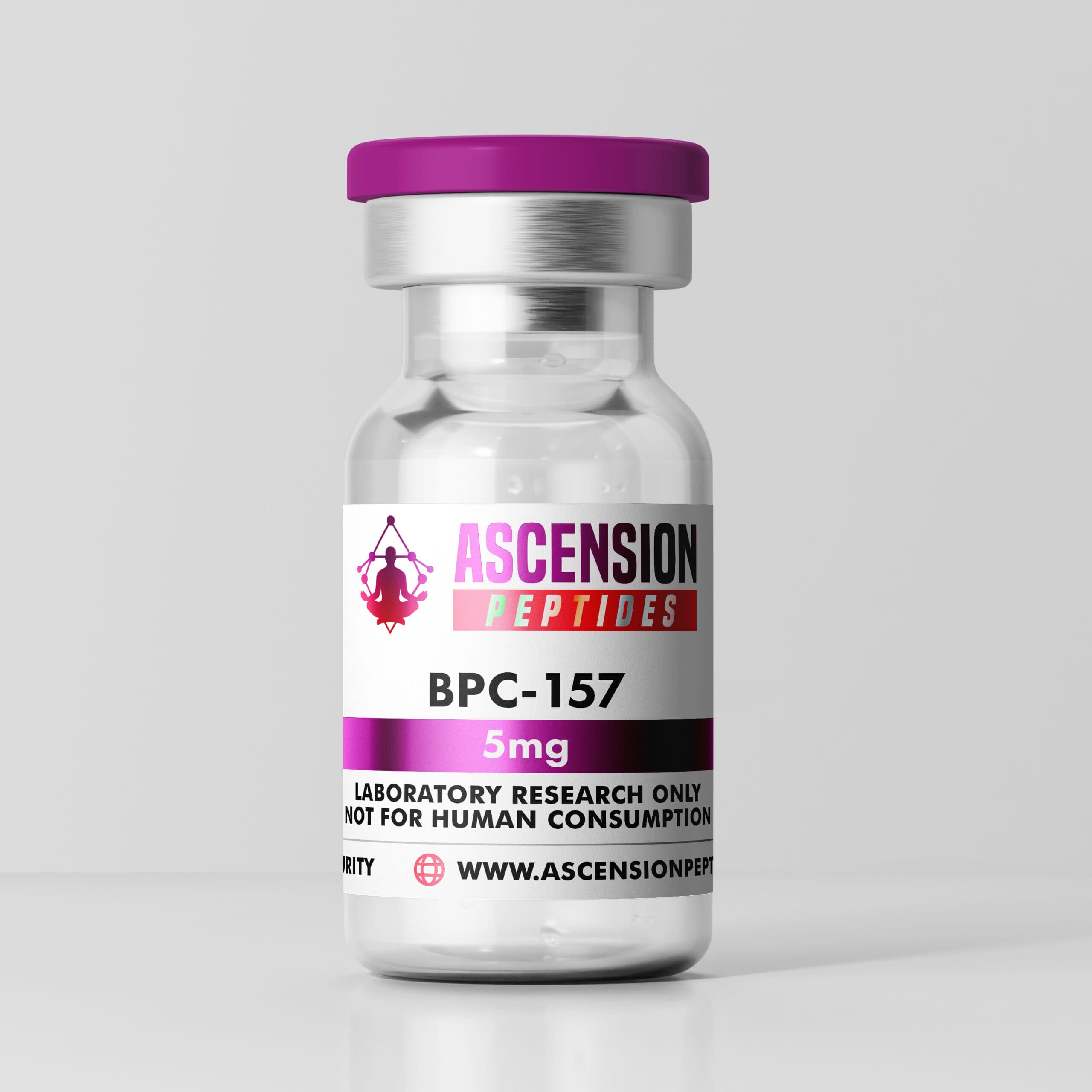
1. BPC-157 — Systemic Healing and Anti-Inflammatory Core
BPC-157 (Body Protective Compound 157) is arguably the most researched peptide for systemic healing. Derived from a protein found in gastric juice, BPC-157 has demonstrated potent anti-inflammatory, angiogenic, and tissue-regenerative properties across numerous preclinical studies.
In the context of Lyme disease, BPC-157 is of interest for several reasons. First, many Lyme patients develop gut dysbiosis and leaky gut syndrome as a result of prolonged antibiotic use — BPC-157 has been extensively studied for gastrointestinal mucosal repair. Second, its systemic anti-inflammatory effects may help modulate the chronic inflammation that drives PTLDS symptoms in joints and connective tissues. Third, emerging research suggests BPC-157 may support neurological recovery, relevant to the cognitive and neurological symptoms many chronic Lyme patients experience.
Research highlights: studies in rodent models show BPC-157 accelerates tendon and ligament healing, reduces inflammation markers, and may upregulate growth hormone receptor expression — all potentially beneficial in the context of Lyme-related musculoskeletal damage.
2. TB-500 (Thymosin Beta-4) — Immune Modulation and Musculoskeletal Recovery
TB-500, the synthetic form of Thymosin Beta-4, is a naturally occurring peptide found in virtually all human and animal cells. Its primary research applications center on tissue repair, immune modulation, and reduction of inflammatory cytokines.
Lyme disease commonly causes arthritis-like joint inflammation and soft tissue damage. TB-500 has been studied for its ability to reduce pro-inflammatory cytokines such as TNF-alpha and IL-6 — the same cytokines implicated in Lyme arthritis and PTLDS inflammatory cascades. Additionally, TB-500 promotes actin polymerization, which is critical for cell migration and tissue repair, potentially helping restore damaged connective tissue affected by chronic Borrelia infection.
Its immunomodulatory properties are particularly relevant: rather than simply suppressing immunity (which could be counterproductive in an active infection), TB-500 appears to help regulate and balance immune response — a nuanced distinction that makes it of interest for chronic Lyme's immune dysregulation picture.
3. Thymosin Alpha-1 — Direct Immune System Activation
Thymosin Alpha-1 (Tα1) is one of the most clinically studied immunomodulatory peptides available. Originally isolated from thymic tissue, it plays a central role in T-cell maturation and activation — the frontline defenders of adaptive immunity.
For Lyme disease sufferers, particularly those with PTLDS, immune exhaustion and T-cell dysfunction are well-documented. Research shows that Borrelia can suppress T-cell responses and downregulate immune surveillance, making it harder for the body to clear residual infection. Thymosin Alpha-1 has been studied in the context of several chronic infections and immune-deficient conditions for its ability to restore T-cell counts, enhance NK (natural killer) cell activity, and upregulate interferon production.
Clinically, Tα1 (marketed as Zadaxin) has been approved in over 35 countries for use in hepatitis B, hepatitis C, and as an adjunct in cancer immunotherapy — giving it one of the stronger evidence profiles among research peptides relevant to immune-related conditions like chronic Lyme disease.
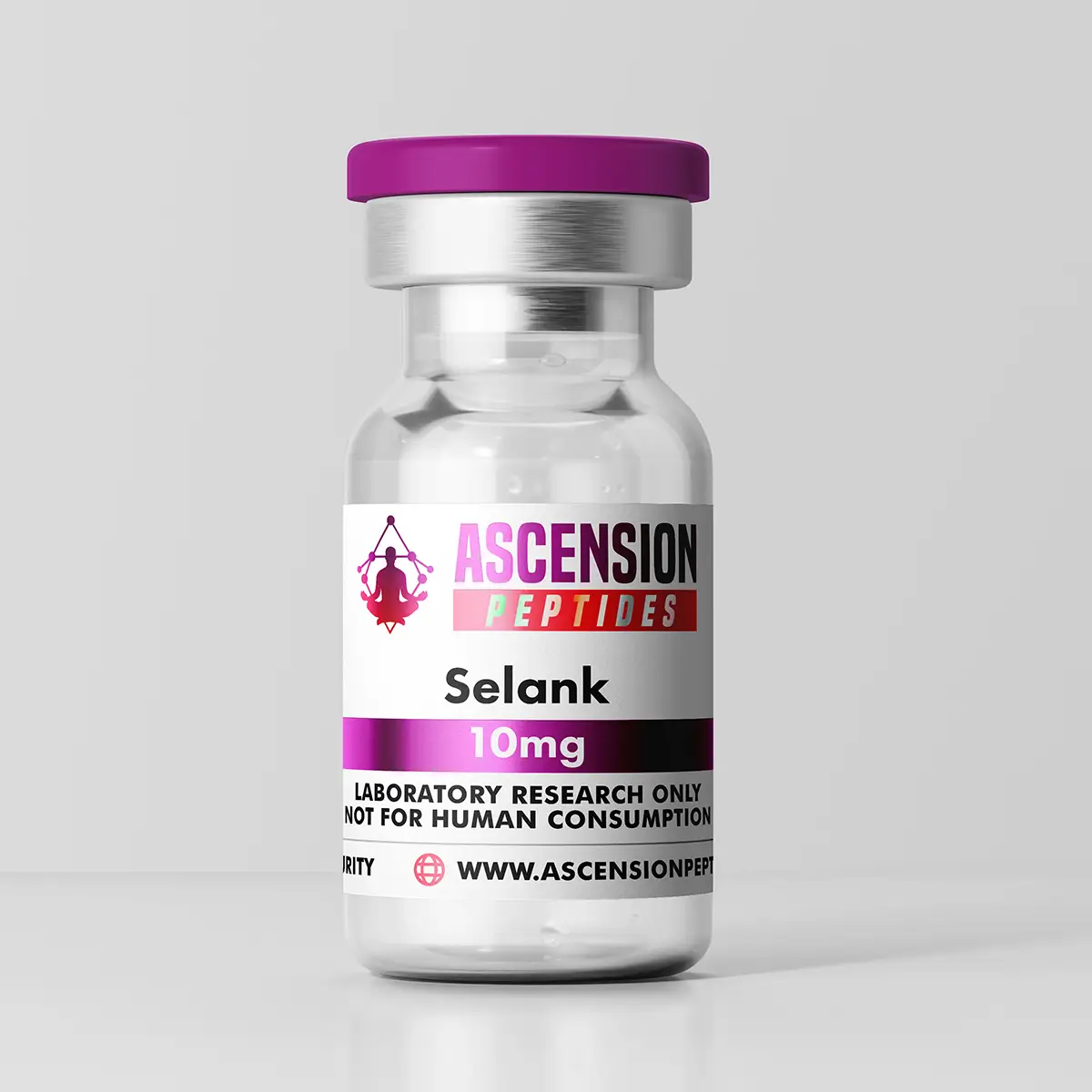
4. Selank — Neurological Symptoms and Cognitive Support
Neuro-Lyme is a recognized subset of Lyme disease characterized by cognitive impairment, anxiety, depression, and neuroinflammation. Selank, a synthetic analog of tuftsin developed by the Institute of Molecular Genetics in Russia, has been studied extensively for its anxiolytic, nootropic, and immunomodulatory properties.
Selank's mechanism of action involves modulation of GABA-A receptor activity (explaining its calming effects), upregulation of BDNF (Brain-Derived Neurotrophic Factor), and regulation of interleukins — particularly IL-6, which is frequently elevated in neuroinflammatory conditions. For Lyme patients struggling with the cognitive and mood symptoms that standard antibiotics do not address, Selank represents a compelling area of research interest.
Additionally, Selank has demonstrated immunomodulatory effects in research settings, including increased expression of interferons and enhanced T-helper cell activity — complementary to the immune-focused peptides listed above.
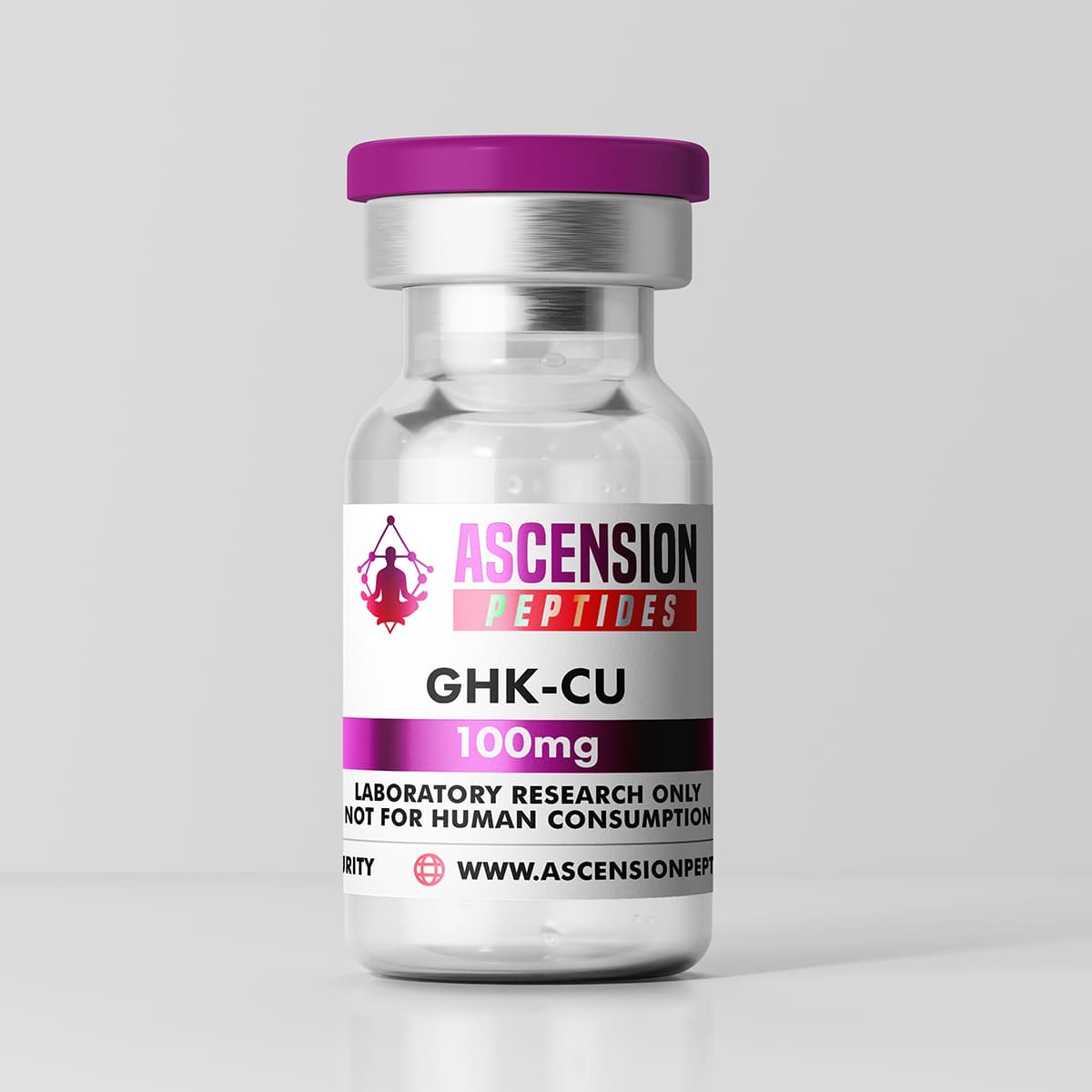
5. GHK-Cu — Anti-Inflammatory Signaling and Tissue Regeneration
GHK-Cu (Copper peptide GHK) is a naturally occurring tripeptide that has attracted substantial research interest for its broad biological activity. It modulates over 4,000 human genes according to recent genomic analyses, with particular influence over genes involved in inflammation, tissue remodeling, and antioxidant defense.
In Lyme disease recovery research, GHK-Cu is of interest primarily for its anti-inflammatory gene regulation and its ability to promote collagen and glycosaminoglycan synthesis — critical for repairing the connective tissue damage that Borrelia infection can cause in joints and skin. GHK-Cu also appears to downregulate TGF-beta pathways implicated in fibrosis, which can develop as a consequence of chronic Lyme-related inflammation.
Its antioxidant properties are also relevant: oxidative stress is significantly elevated in chronic Lyme patients, and GHK-Cu has been shown to upregulate superoxide dismutase and other antioxidant enzymes in preclinical models.
6. Epithalon — Immune Restoration and Cellular Longevity
Epithalon (Epithalamin) is a tetrapeptide (Ala-Glu-Asp-Gly) derived from the pineal gland. Developed by the St. Petersburg Institute of Bioregulation and Gerontology, it has been studied for over four decades, primarily in the context of aging, immune restoration, and telomerase activation.
Chronic Lyme disease creates a state of accelerated immune aging and cellular stress. Epithalon's research profile includes restoration of T-cell function in aged or immunosuppressed subjects, regulation of melatonin production (relevant to the sleep disruption common in Lyme patients), and potential stimulation of telomerase — an enzyme that maintains chromosomal integrity. These properties make it a candidate of interest for the systemic immune fatigue that characterizes long-term Lyme disease.
- 🛡️ Immune modulation — Restoring balanced T-cell and NK cell function (Thymosin Alpha-1, TB-500, Epithalon)
- 🔥 Inflammation reduction — Downregulating IL-6, TNF-alpha, and TGF-beta (BPC-157, GHK-Cu, TB-500)
- 🧠 Neuroinflammation support — BDNF upregulation, GABA modulation (Selank)
- 🔧 Tissue repair — Collagen synthesis, gut lining restoration, angiogenesis (BPC-157, GHK-Cu)
- 🧬 Cellular restoration — Telomerase activation, antioxidant defense (Epithalon, GHK-Cu)

How to Source Research Peptides Safely
If you are a researcher or clinician investigating these peptides, sourcing quality matters enormously. Here is what to verify before purchasing any research peptide:
- Third-party Certificate of Analysis (COA): Every legitimate vendor should provide HPLC and mass spectrometry testing results from an independent lab confirming ≥99% purity.
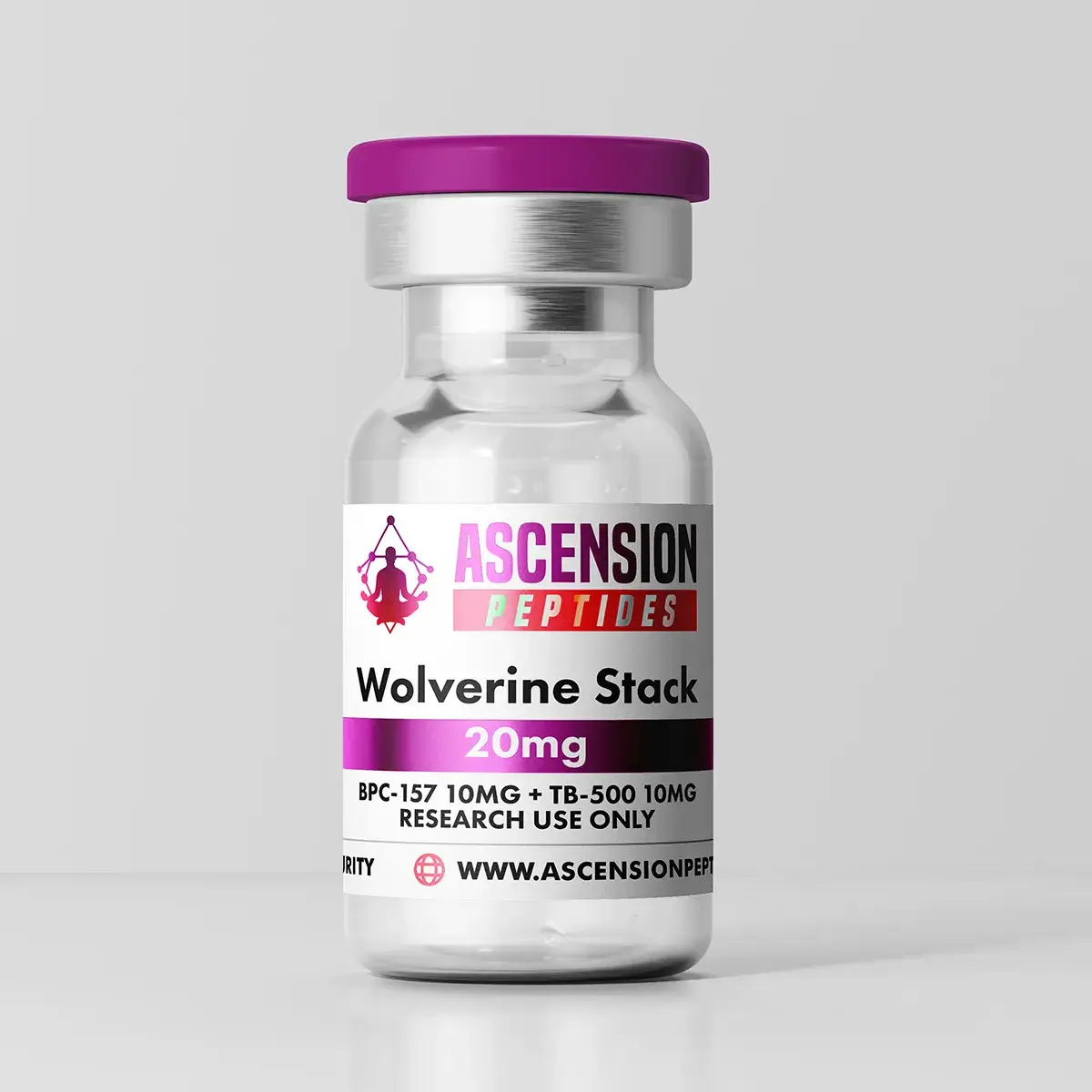
- US or GMP-certified manufacturing: Look for vendors who manufacture in FDA-registered or GMP-compliant facilities. Ascension Peptides is one vendor with a strong reputation for purity and verified COAs.
- Transparent labeling: Peptide name, sequence, molecular weight, batch number, and expiration date should all be clearly listed.
- No claims of medical treatment: Reputable research vendors sell strictly for research purposes and do not make disease treatment claims.
- Customer support and documentation: Legitimate vendors can provide sourcing documentation and answer technical questions about their products.
FAQs: Peptides and Lyme Disease Research
The Research Landscape for Peptides and Lyme Disease
The intersection of peptide therapy and Lyme disease recovery is an evolving research frontier. For patients with PTLDS or chronic Lyme-related immune dysfunction, the limitations of current standard treatments have created genuine demand for adjunctive options that target the underlying mechanisms — immune dysregulation, chronic inflammation, neurological damage, and tissue deterioration.
Peptides like BPC-157, TB-500, Thymosin Alpha-1, Selank, GHK-Cu, and Epithalon each address distinct aspects of this complex disease picture. None of them are approved Lyme disease treatments — but their mechanistic profiles make them compelling subjects for ongoing research and, increasingly, for clinicians working in integrative and functional medicine spaces.
If you are sourcing these compounds for research, prioritize vendors like Ascension Peptides that offer third-party COA documentation, verified purity above 98%, and transparent manufacturing information. Quality sourcing is the foundation of any credible research protocol.