KLOW is the peptide blend people come back to again and again because they can see results in the mirror. It contains four peptides , GHK-Cu, BPC-157, TB-500, and KPV , that all work on tissue repair and regeneration from different angles. Results vary, but the pattern is consistent: skin starts looking different around weeks 3-4, and keeps improving.
🔑 Key Takeaways
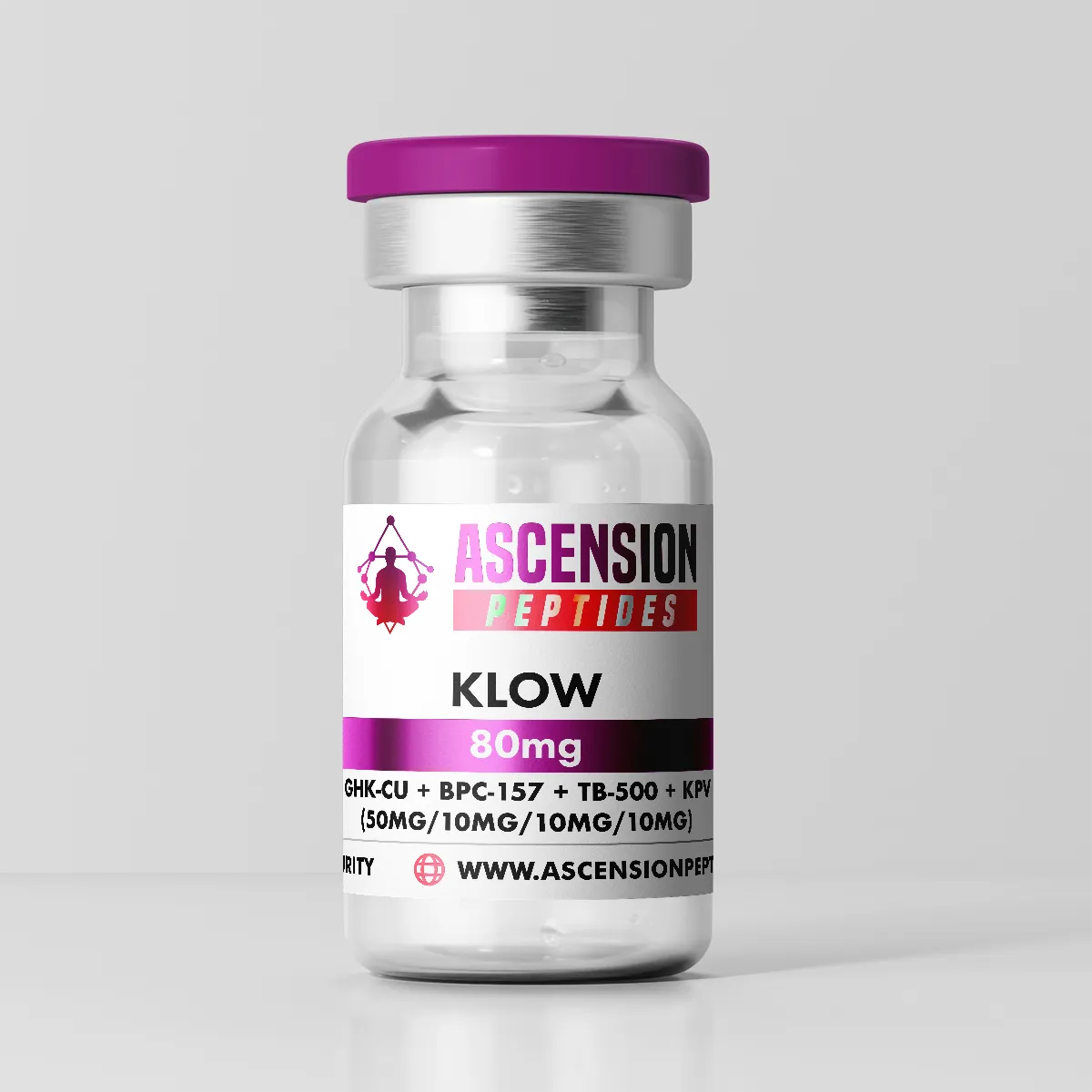
- KLOW = GHK-Cu (50mg) + BPC-157 (10mg) + TB-500 (10mg) + KPV (10mg)
- Most noticeable results: skin texture and tone (weeks 3-6), wound/scar healing (weeks 2-4)
- Hair regrowth results take the longest: 8-16 weeks minimum
- GHK-Cu drives the skin and hair effects; BPC-157 + TB-500 drive tissue healing; KPV handles inflammation
- Two standard protocols: 0.1mL (4 mg blend at 2mL) once daily, or 0.1-0.2mL 3x per week, subcutaneous
- One vial lasts 4-8 weeks depending on dose
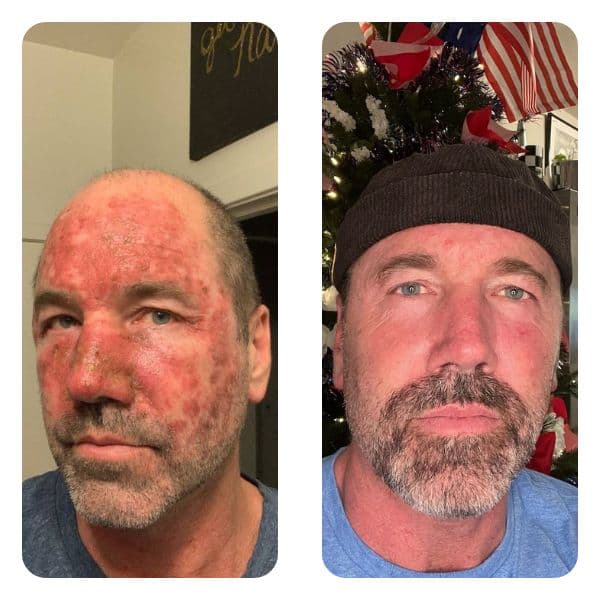
KLOW community results , skin transformation and healing outcomes:
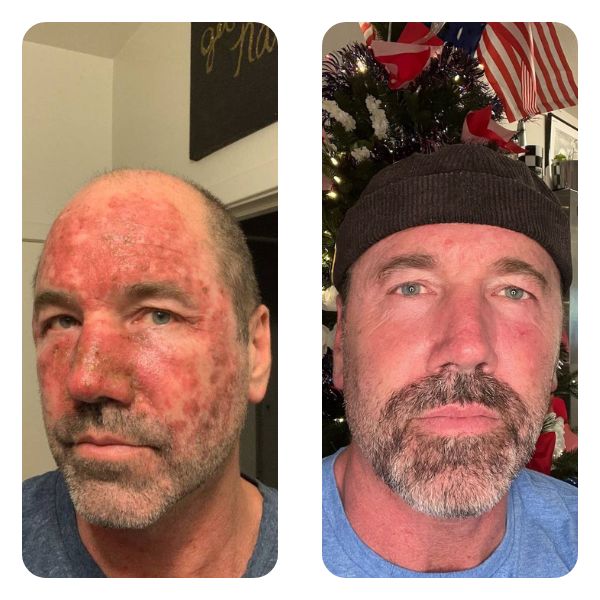
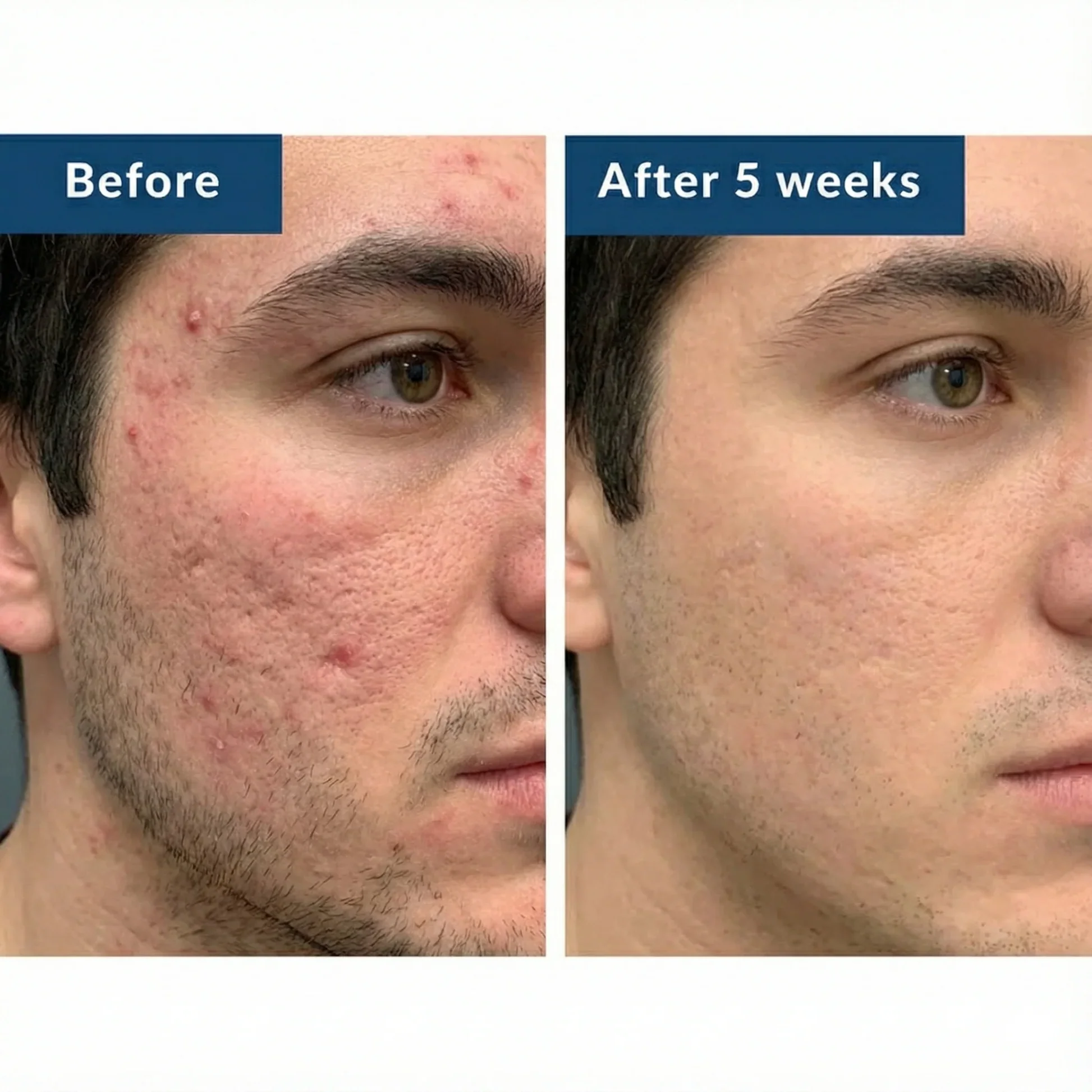
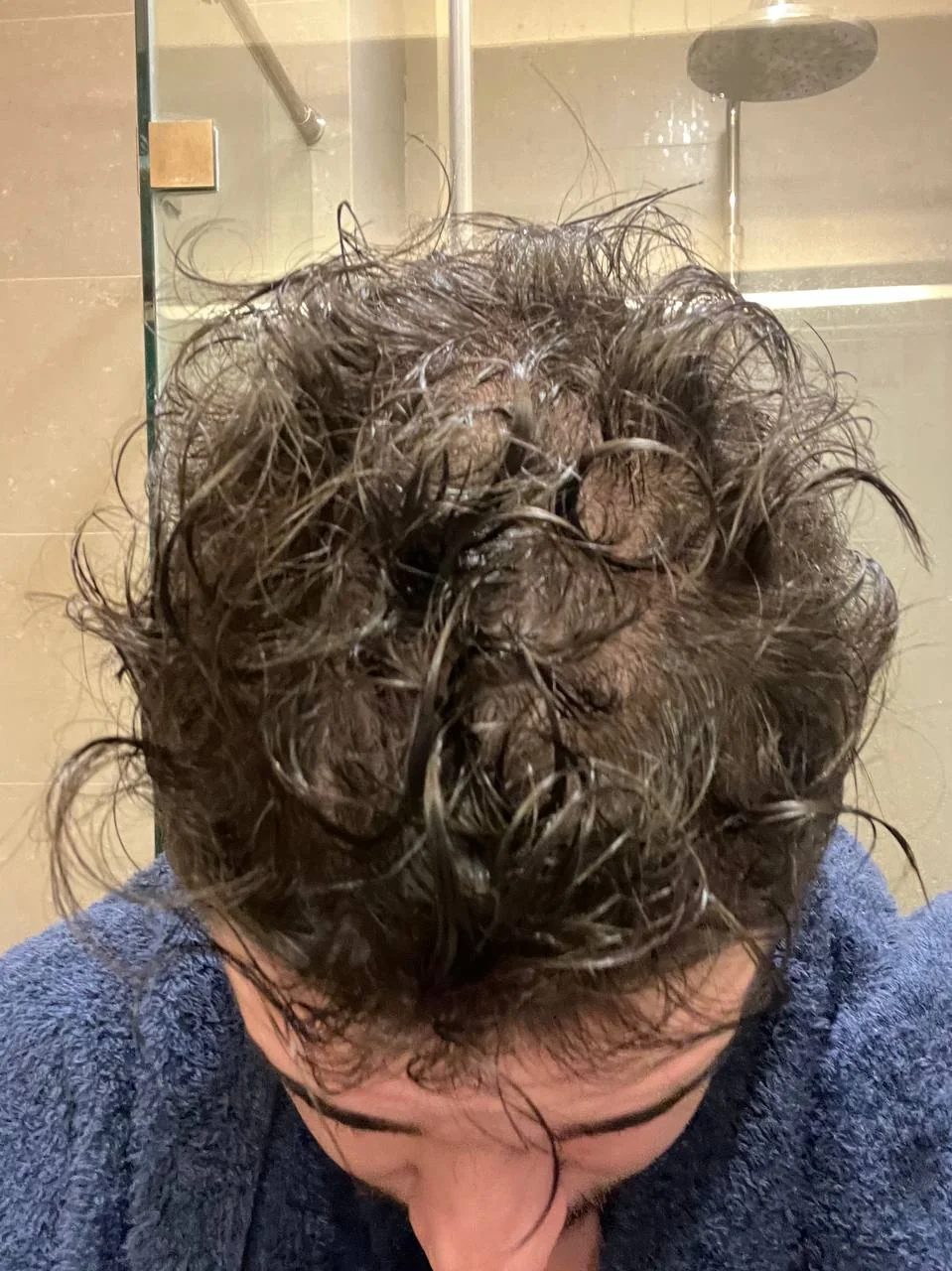
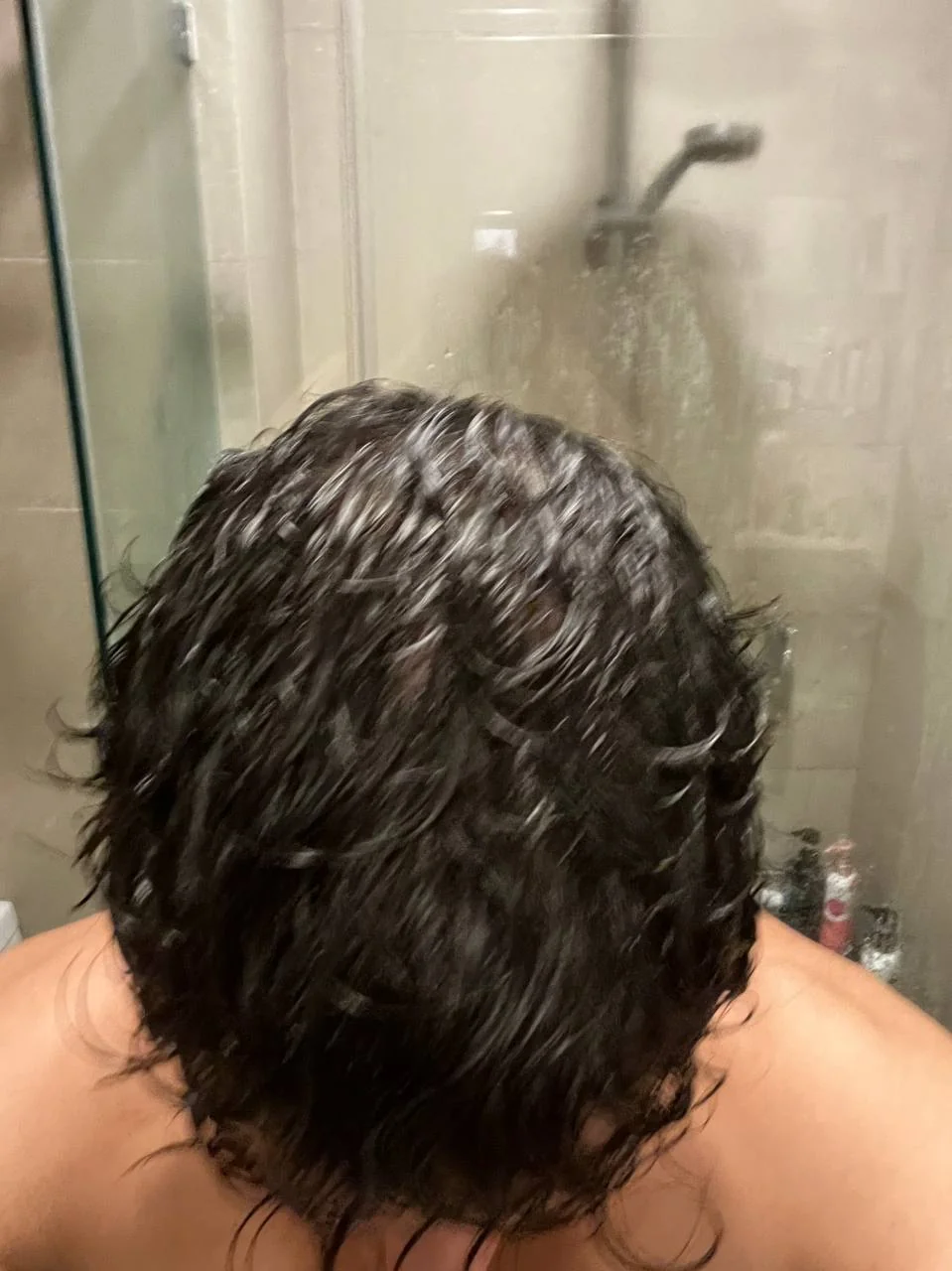
Results from community members using GHK-Cu-containing peptide blends including KLOW. Individual results vary.
What KLOW Actually Contains , Why It Works
Four peptides, each doing a specific job. They don't just add together , they compound.
- GHK-Cu (50mg): The primary skin and hair driver. Stimulates collagen and elastin production, activates skin stem cells, and enlarges miniaturized hair follicles. This is a naturally occurring copper peptide your body makes less of as you age , by your 60s, serum levels have dropped by more than half.
- BPC-157 (10mg): Accelerates healing of tendons, muscles, and skin wounds. Strong anti-inflammatory. Also shows gut healing benefits , relevant if you're dealing with any digestive issues alongside the skin goals.
- TB-500 (10mg): Promotes cell migration and tissue remodeling. Works in parallel with BPC-157 , they target healing from different angles, although the only head-to-head test, a 2026 tendon study in 32 lab animals, found TB-500 alone gave the significant strength gain and adding BPC-157 gave no extra benefit (Biçer 2026, PMID 42542926). Reduces inflammation, supports new blood vessel formation.
- KPV (10mg): A tripeptide derived from alpha-MSH. Powerful anti-inflammatory , specifically effective for gut and skin inflammation. This is the ingredient that separates KLOW from GLOW. If you have any chronic inflammatory issue, KPV is doing meaningful work here.
The reason the blend works so well: GHK-Cu rebuilds structure, BPC-157 and TB-500 accelerate the healing environment, and KPV calms the inflammatory signals that would otherwise slow everything down. That is the mechanistic theory. It has not been tested: no study has given people the four-peptide blend, and the one controlled test of two of its parts together found no added benefit over either alone.
KLOW Results by Area , What Users Actually Report
Skin Results (Most Common)
Skin is where most people see KLOW working first , and most clearly. The changes aren't dramatic at week one; they sneak up on you. Around week 2-3, skin texture starts shifting , feels slightly different, less rough, more supple. By week 3-4, most users describe skin as noticeably more hydrated and pores looking smaller. Week 6-8 is when tone improves visibly and fine lines start softening.
Acne and rosacea respond well, and that's mostly KPV's doing. The anti-inflammatory effect hits the redness cycle that keeps both conditions running. Many users see meaningful redness reduction by week 4. Scars are slower , the collagen remodeling needed for scar tissue takes real time. Most users don't see scar changes until week 8-12, and significant improvement is often a 3-4 month story.
Hair Results
Hair is the slowest of all the KLOW results , which confuses people who don't expect it. Hair follicle cycles are genuinely slow. You're waiting for a biological process that operates on a 3-4 month clock.
Some users notice increased shedding in weeks 2-4. This is telogen effluvium , old, miniaturized hairs making way for new follicle activity. It's not a sign KLOW is failing; it's often a sign it's working. Shedding typically slows around week 6-8, and hair starts feeling thicker. Visible density improvements don't really show up until week 12-16. For best results, pair subcutaneous KLOW with topical GHK-Cu applied directly to the scalp , the systemic and local effects reinforce each other.
Healing and Recovery
This is where the results come fastest. Existing injuries, post-workout soreness, wounds , users often notice healing speed increasing within days. By week 2, it's usually obvious.
Post-procedure recovery (laser resurfacing, microneedling, chemical peels) is dramatically shortened. Tendon and ligament injuries respond within 3-4 weeks in most cases , each of BPC-157 and TB-500 has animal tendon data behind it, though combining them showed no extra benefit in the one study that tested it. Gut inflammation from KPV is a bonus many users don't expect; quite a few report digestive improvements alongside the skin results.
Anti-Aging
The structural anti-aging effects, actual collagen density changes, measurable skin thickness, are cumulative. Short cycles (4 weeks) show some changes but not the full picture. 8 to 12 week cycles is where visible structural changes happen. Long-term users who've cycled for 6+ months consistently report the most dramatic reversal of skin aging signs. This one requires patience, but the results are more durable than most other anti-aging interventions.
What klow users notice between before and after
Across community before-and-after reports, the pattern is consistent: changes start showing in the first month and compound from there, as the four pathways work in parallel.
- Week 1 to 2: Calmer gut and less bloating, smoother morning energy, occasional vivid dreams (KPV plus BPC-157 quieting low-grade inflammation).
- Week 2 to 4: Skin starts looking more even-toned in photos, fine surface lines soften, recent nicks and scrapes heal noticeably faster (GHK-Cu plus BPC-157 driving ECM repair).
- Week 4 to 8: Old nagging joint, tendon, or ligament issues stop showing up as often, sleep deepens, hair feels thicker in the shower (TB-500 systemic repair plus GHK-Cu follicle activation).
- Week 8 to 12: Side-by-side before-and-after photos start to show real structural skin change rather than just better lighting. Stubborn injuries that haven't moved in months turn the corner.
For the full klow peptide benefits breakdown by mechanism and dose ratio, see our KLOW peptide blend review.
How Long Before You See KLOW Results?
KLOW vs GLOW , Which Gets Better Results?
Honest answer: for skin specifically, they're nearly identical. The GHK-Cu dose is the same, BPC-157 is the same, TB-500 is the same. The difference is KPV , 10mg of a potent anti-inflammatory that GLOW doesn't include. If you have any chronic inflammatory condition, gut issues, IBD, or just a generally inflamed system, KLOW is almost certainly the better choice. If you're purely after skin aesthetics and have no inflammatory concerns, GLOW saves you $10 a vial ($110 vs $120 listed at Ascension, November 5, 2026).
KLOW Protocol for Best Results
💡 Standard Protocol
Reconstitute with 2mL BAC water. Inject 0.1-0.2mL subcutaneously, 3x per week (Mon/Wed/Fri). Cycle 8-12 weeks, then take 4 weeks off. Rotate injection sites , abdomen, outer thigh, and upper arm all work well.
- Reconstitution: 2mL BAC water gives easy math , each 0.1mL (10 units) contains 4mg of blend: 2.5mg GHK-Cu plus 0.5mg each of BPC-157, TB-500 and KPV
- Dose: 0.1-0.2mL per injection
- Frequency: 3x per week (Mon/Wed/Fri)
- Cycle length: 8-12 weeks on, 4 weeks off
- Injection route: Subcutaneous , abdomen, outer thigh, or upper arm
- Site rotation: Every injection , don't hit the same spot twice in a row
KLOW per draw: what each injection actually contains
Every draw carries all four peptides in a fixed 5:1:1:1 ratio, so you cannot raise one without the others. At 2 mL of water:
So the 3x weekly protocol above is 4–8 mg of blend per shot (2.5–5 mg GHK-Cu). The other common schedule is once daily at 10 units. Both side by side:
Both are community conventions, not trial doses. The KLOW dosage guide and KLOW dosage chart use the daily schedule as their default.
Full dosage breakdown: KLOW Dosage Guide
Frequently Asked Questions
Sources
- Biçer O, Adanir O, et al. Effects of BPC-157 and TB-500 on Achilles tendon healing: a histopathological and biomechanical study. Jt Dis Relat Surg 2026;37(3):822-837. PMID 42542926
- HHS. Enforcement Discretion Policy Regarding 503A Compounding Using Certain Peptide Bulk Drug Substances, notice of availability. Federal Register, October 30, 2026 (91 FR 68526). federalregister.gov; AJMC. HHS draft policy eases enforcement on 6 compounded peptides (October 29, 2026). ajmc.com