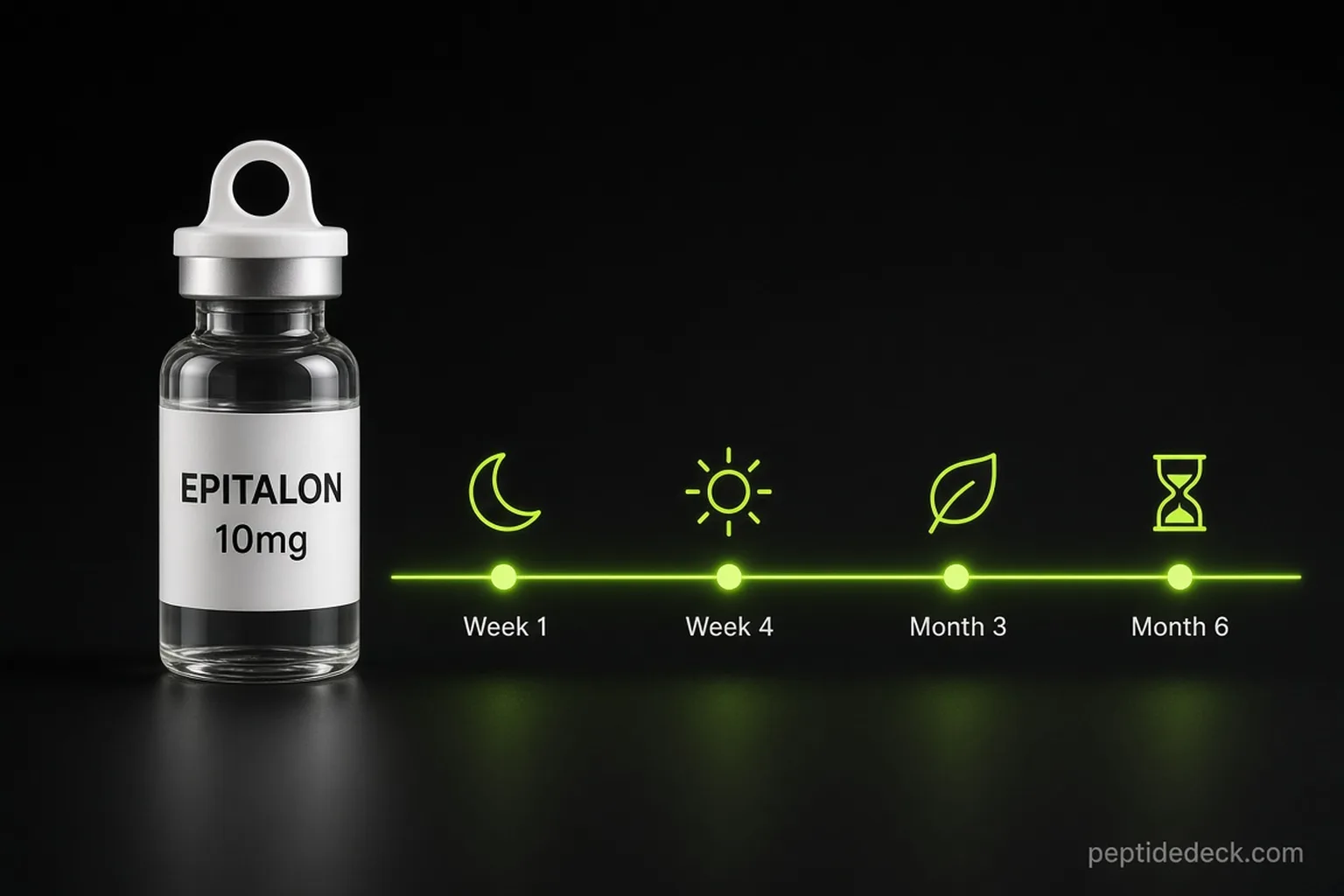
Epithalon results start with sleep. That's what most people notice first, often within the first week of a course, and it's also the part the human studies back up best. This guide lays out Epithalon results week by week and year by year, separates what people report from what the trials measured, and shows how to tell whether a course is doing anything for you.
🔑 Key Takeaways
- The first result is usually in sleep, and there's a reason it shows up so fast
- Who notices the most is not random, and younger people often feel little
- The long-term numbers come from a slightly different peptide than the one sold
- Telomere results exist, but not where most people think
- A simple two-line log tells you more than a telomere test
You're probably here because you want to know if it works before you spend money on it. Fair. Epithalon is sold on big promises, and "anti-aging" is hard to feel in a mirror. So let's be specific about what changes, when, and for whom.
What Epithalon Results Look Like
Most results are quiet ones. Epithalon (also spelled Epitalon) is a four-amino-acid peptide, Ala-Glu-Asp-Gly, built to copy the active part of a pineal gland extract called Epithalamin. The pineal gland runs your night-time melatonin, so the first effects people report are about sleep and daily rhythm, not muscles or weight.
For the broader picture of what it's used for, see our guide to epitalon benefits. Here we stay on one question: what should you expect to notice?
Week One: Sleep Changes First
Sleep is the fast result. If you already know the feeling of lying awake at 2 a.m. for no reason, this is where Epithalon earns its reputation.
There's a physical reason for it. In a study of older adults, both the pineal extract Epithalamin and synthetic Epitalon raised night-time melatonin in people whose pineal output had dropped, bringing the daily rhythm back toward normal. Older people with low melatonin are exactly the group that tends to report deeper sleep and more vivid dreams in the first few nights.
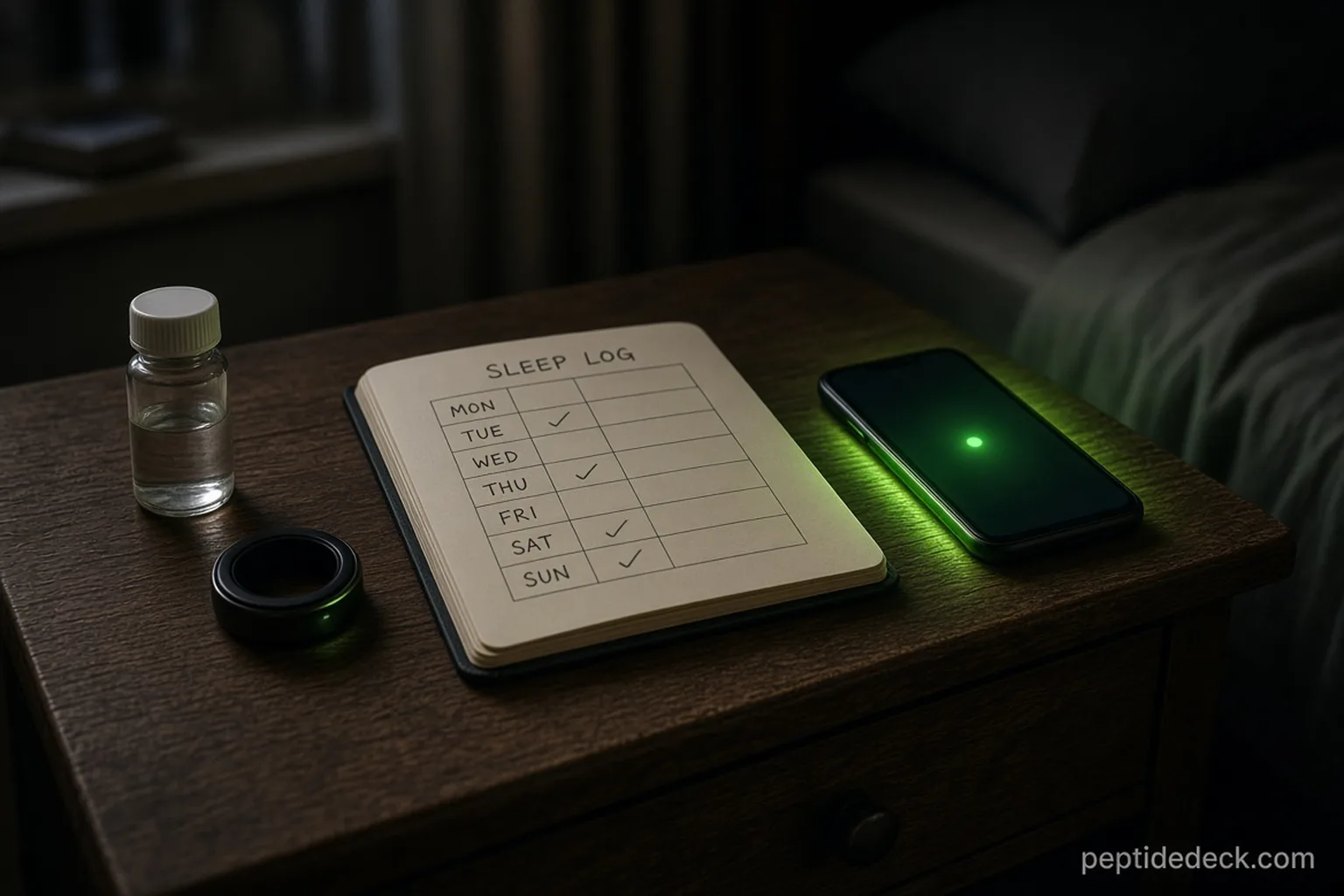
That also explains the most common complaint. If you're 30, sleeping well and making plenty of melatonin, there may be little for Epithalon to correct, so a course can feel like nothing happened.
End of the Course: Weeks Two to Four
The early buzz fades into a routine. A typical course runs 5-10 mg a day for 10-20 days, repeated two or three times a year, and our Epithalon dosage guide covers the schedules in detail.
By the end of a course, people who noticed a sleep change usually describe it as steadier rather than dramatic: fewer night wakings, an easier time getting up. Some report steadier daytime energy. That part is anecdotal, and no controlled trial has measured it.
What you shouldn't expect in this window: visible skin changes, weight loss or anything you'd see in a photo. The claims you'll find online about those have no human data behind them.
What a Course Costs
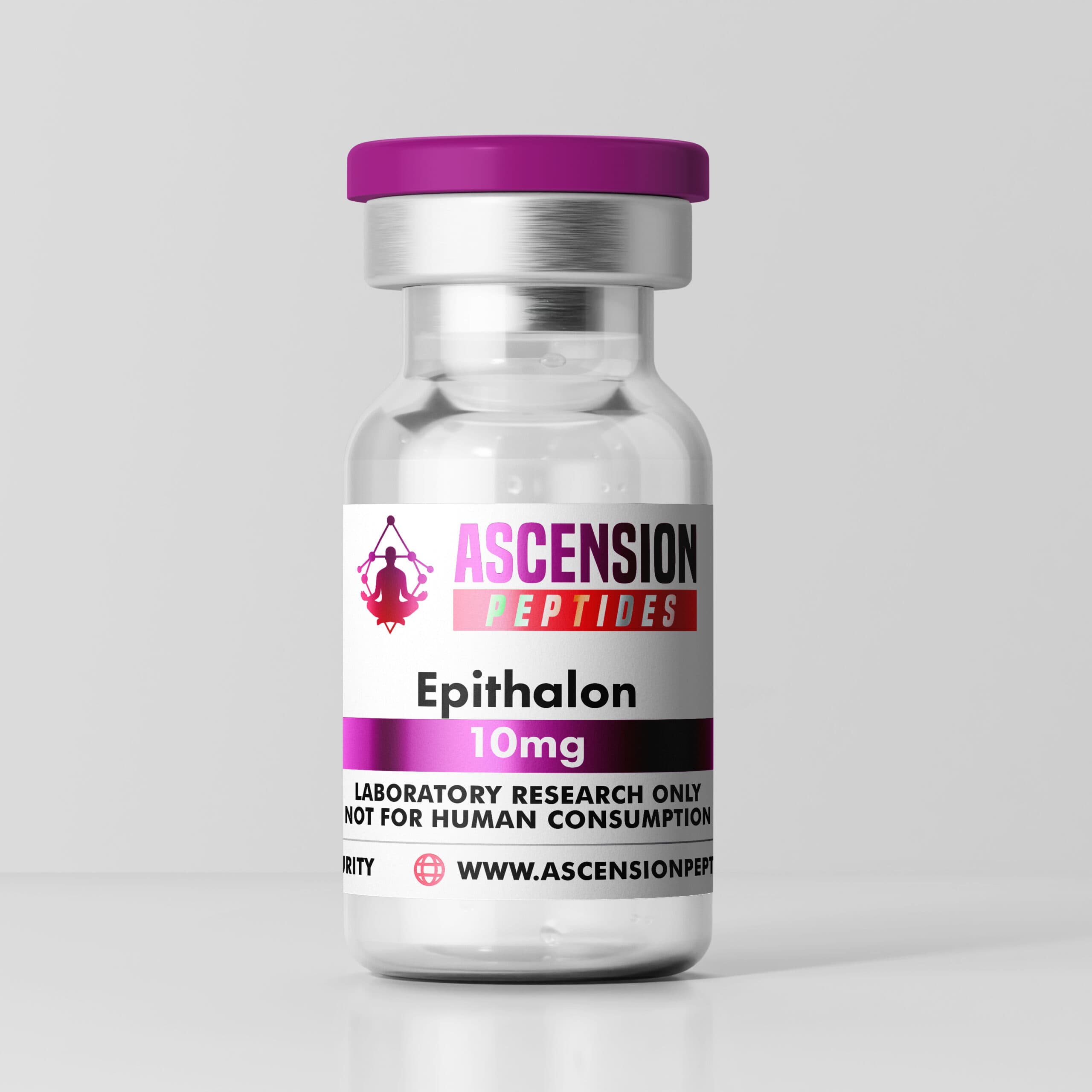
Results depend on dose, and dose drives cost. Because a course uses several milligrams a day, a single 10mg vial covers only one or two days. If you're comparing Epithalon for sale, work out the price of the whole course, not the vial. At Ascension a 10mg vial is $50, or $25 with code PEPTIDEDECK:
That's the honest number to plan around. The low-dose course is the one most people start with, and it's enough to find out whether the sleep effect shows up for you. Use our peptide calculator to work out the draw for your vial.
Long-Term Epithalon Results: The Study Everyone Quotes
This is where the big claims come from. Between the 1990s and early 2000s, doctors in St. Petersburg and Kyiv followed 266 people over 60 for six to eight years. Some were given courses of the pineal extract Epithalamin, some the thymus extract Thymalin, some both, during the first two to three years.
Compared with the control group, the Epithalamin group had a 1.6-1.8 times lower death rate over the follow-up. People given both extracts every year for six years did even better, with a 4.1 times lower death rate. A separate 15-year follow-up of 79 people with heart disease found that six courses of Epithalamin over three years slowed age-related decline in the heart and blood vessels, kept physical endurance from falling and normalised the daily melatonin rhythm.
Two honest caveats. Both studies used Epithalamin, the natural extract, not the synthetic Epithalon sold today, which was designed to copy it. And they came from the same group of scientists who developed the peptides, without the independent replication you'd want before trusting a 4-fold claim. Our comparison of Epithalon vs Thymalin looks at the two extracts side by side.
Telomere Results: Where the Evidence Stands
Telomeres are the part you can't feel. They're the protective caps on your chromosomes, and they shorten as cells divide.
In cell cultures, Epithalon switched on telomerase, the enzyme that rebuilds them, in human cells that normally don't make it. Aging cells given Epithalon grew their telomeres back to the length seen in younger cells and went on to divide 10 more times than untreated cells. We found no published human trial that measured telomere length before and after an Epithalon course, so this is a promising mechanism, not a proven result in people.
That's also why a telomere test is a poor way to judge a course. A single test has wide error margins, and a before-and-after pair tells you little about something that changes over years. The same telomerase effect is behind the cancer question; our Epithalon side effects guide covers it honestly.
How to Tell If Epithalon Is Working for You
Write it down, or you won't know. Sleep improvements are easy to talk yourself into or out of, so a simple record before and during a course beats memory.
Start the log a week before your first dose. That week is your baseline. If time-to-sleep and night wakings don't move by the end of the course, a second course at the same dose is unlikely to change that, and it's reasonable to stop.
Why Some People See No Epithalon Results
Three reasons cover most of it. First, age: the melatonin effect was seen in older adults whose levels had dropped, so younger people often have less to fix. Second, expectations: people looking for visible anti-aging changes in a month are measuring the wrong thing. Third, the vial: an underfilled or degraded product won't do anything, which is why a batch certificate of analysis matters more than the price.
If you're weighing Epithalon against other longevity options, our Epitalon vs NAD+ comparison covers which one tends to show results faster.
Frequently Asked Questions
Sources
- Korkushko OV, et al. Normalizing effect of the pineal gland peptides on the daily melatonin rhythm in old monkeys and elderly people. Adv Gerontol. 2007;20(1):74-85. PubMed
- Khavinson VKh, Morozov VG. Peptides of pineal gland and thymus prolong human life. Neuro Endocrinol Lett. 2003;24(3-4):233-40. PubMed
- Korkushko OV, et al. Peptide geroprotector inhibits rapid aging of elderly people: results of 15-year follow-up. Bull Exp Biol Med. 2011;151(3):366-9. PubMed
- Khavinson VKh, et al. Epithalon peptide induces telomerase activity and telomere elongation in human somatic cells. Bull Exp Biol Med. 2003;135(6):590-2. PubMed
- Khavinson VKh, et al. Peptide promotes overcoming of the division limit in human somatic cell. Bull Exp Biol Med. 2004;137(5):503-6. PubMed
- Araj SK, et al. Overview of Epitalon, a highly bioactive pineal tetrapeptide with promising properties. Int J Mol Sci. 2025;26(6):2691. PubMed
Medical Disclaimer: This article is for informational purposes only and does not constitute medical advice. Epithalon is not approved as a medicine in the US, and most of the evidence comes from small studies by the group that developed it. Talk to your doctor before starting any peptide, especially if you have a history of cancer or take medicines that affect sleep.