🔑 Key Takeaways
- Research peptides are synthetic compounds sold for laboratory and research use — not FDA-approved drugs
- The Wolverine Stack (BPC-157 + TB-500 pre-blended) is one of the most popular healing stacks available
- Ascension Peptides carries 30+ research peptides with third-party COAs and reliable shipping
- Prices range from $45–180 depending on the compound, with significant savings over clinical sources
You've done the reading. You know which peptides interest you. Now you need to actually buy them — and that's where it gets tricky. The research peptide market is half legitimate vendors and half operations selling relabeled bulk powder with questionable purity. Figuring out which is which shouldn't require a PhD in supply chain analysis.
Ascension Peptides has become the default answer for a reason. They carry one of the broadest catalogs in the space — everything from BPC-157 and ipamorelin to retatrutide and the Wolverine Stack — with batch-specific third-party testing on everything they sell. No "trust us" claims, no membership gimmicks, just peptides and proof of purity. That matters more than marketing ever will.
This guide covers what research peptides actually are, the most popular compounds people are buying right now, how the Wolverine Stack works, and how to spot vendors worth avoiding.
What Are Research Peptides? (And How They Differ from Prescription Drugs)
Research peptides are synthetically produced peptide compounds sold for laboratory, in vitro, and research applications. They're not FDA-approved medications. They don't go through the clinical trial pipeline that prescription drugs do. And they're not sold for human consumption — that's the legal distinction that allows them to exist in the marketplace.
The practical reality is more nuanced. Many research peptides are identical in molecular structure to compounds that have been studied in clinical settings, are used off-label by physicians, or are analogs of endogenous human peptides. BPC-157, for example, is derived from a protein naturally found in human gastric juice. Ipamorelin is a synthetic ghrelin-receptor agonist studied in Phase II clinical trials. These aren't random chemicals — they're well-characterized molecules with published research behind them.
The "for research use only" designation is primarily a regulatory and legal framework. It means the vendor isn't making medical claims, isn't marketing them as drugs, and isn't providing dosing instructions for human use. What researchers do with them in controlled settings is a separate matter. For a deeper look at the legal landscape, our peptide legality guide covers federal and state-level regulations in detail.
Most Popular Research Peptides People Buy in 2026
Based on vendor sales data, community discussions, and search trends, here's what's actually moving:
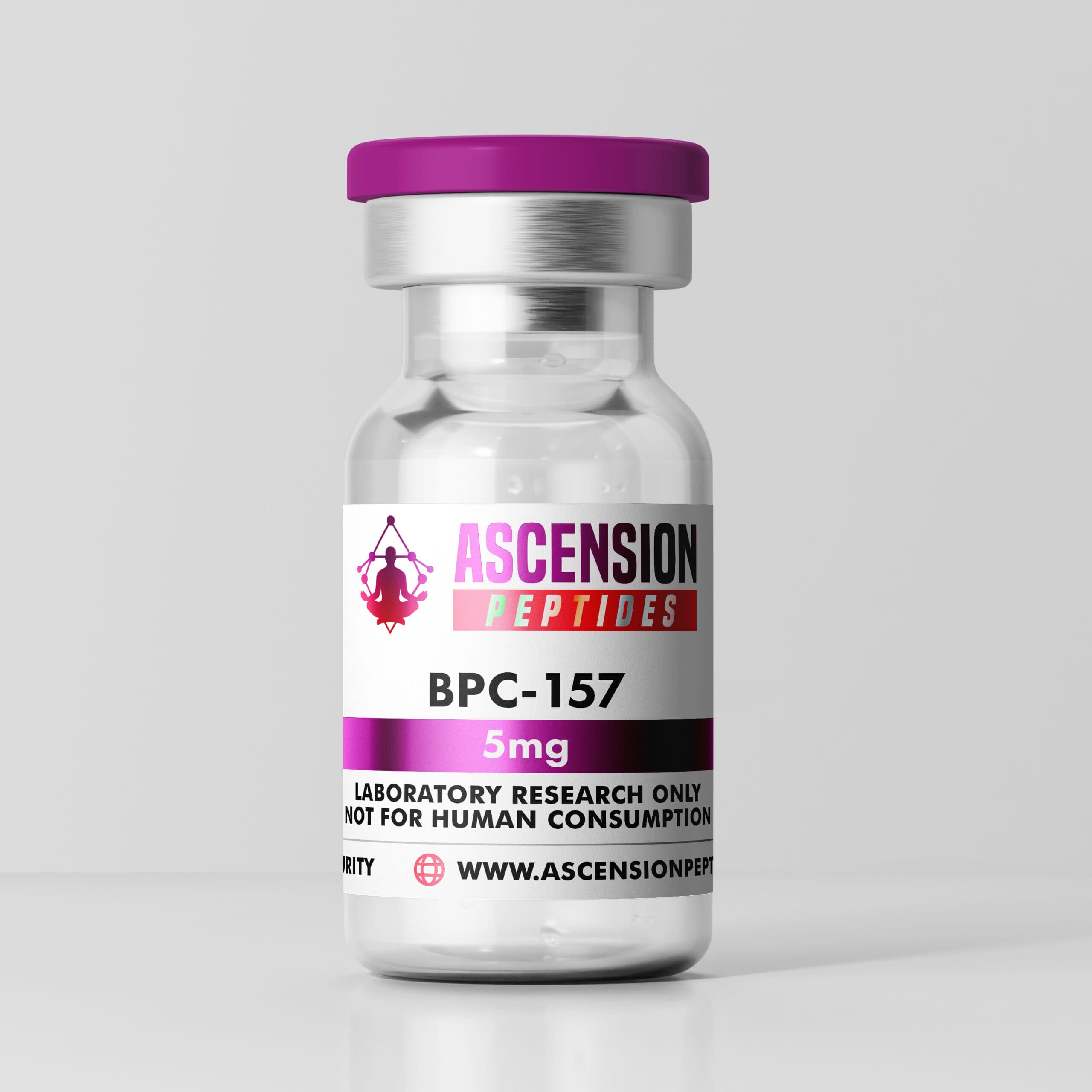
BPC-157
The healing peptide. Gut repair, tendon recovery, tissue regeneration. The single most popular research peptide by volume.
Ipamorelin
Clean growth hormone release without cortisol or prolactin spikes. The entry-level GH secretagogue everyone starts with.
Retatrutide
Triple-agonist (GLP-1/GIP/glucagon) for weight loss. Up to 24% body weight reduction in trials. The next-gen tirzepatide.
Wolverine Stack
BPC-157 + TB-500 pre-blended. The most popular healing stack — two synergistic compounds in one vial.
Semaglutide
GLP-1 agonist for appetite suppression and weight loss. The peptide behind Ozempic and Wegovy.
PT-141
Melanocortin receptor agonist for sexual function. Works on desire, not mechanics — unlike Viagra.
Other compounds with strong demand: CJC-1295, sermorelin, TB-500 (standalone), GHK-Cu, Thymosin Alpha-1, and Semax. The market has expanded significantly from the BPC-157/ipamorelin-dominated landscape of a few years ago.
The Wolverine Stack: What It Is and Why It's Everywhere
The Wolverine Stack is a pre-made blend of BPC-157 and TB-500 (Thymosin Beta-4 fragment) in a single vial. The name is... well, it's a marketing name that references the Marvel character's healing factor. But the underlying combination is serious.
BPC-157 and TB-500 are the two most studied peptides in the tissue repair category, and they work through complementary mechanisms:
BPC-157 promotes angiogenesis (new blood vessel formation), modulates nitric oxide pathways, upregulates growth factors, and has demonstrated tissue-protective effects across dozens of animal studies (Sikiric et al., 2018). It's particularly noted for gut, tendon, and ligament healing.
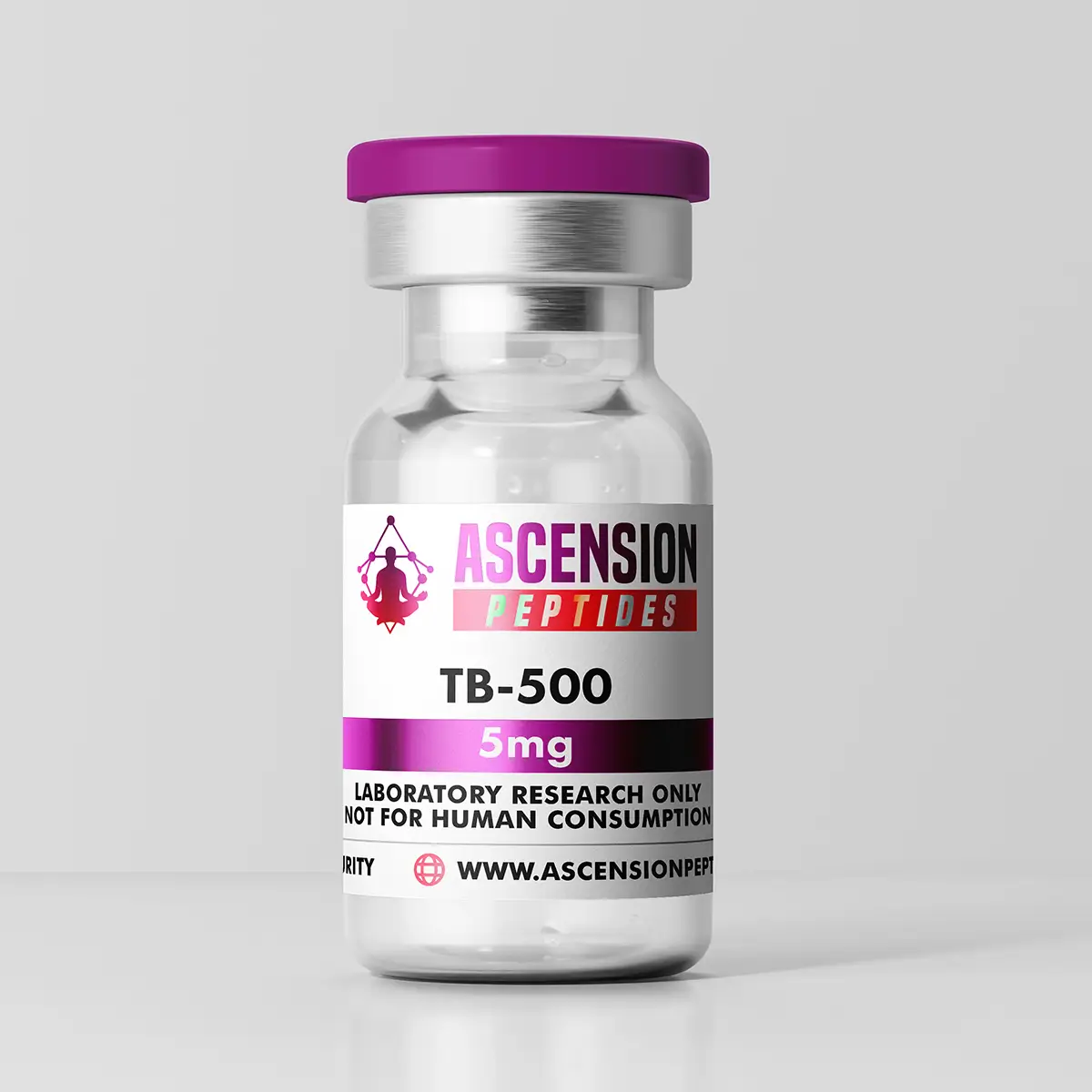
TB-500 promotes cell migration and differentiation, reduces inflammation, and supports tissue remodeling. It activates actin, a protein involved in cell structure and movement — essentially helping cells migrate to injury sites more efficiently (Philp et al., 2004). It's been studied extensively in veterinary contexts, particularly equine recovery.
Together, they hit healing from two angles: BPC-157 creates the vascular infrastructure and signaling environment, while TB-500 mobilizes the cellular response. The stack concept isn't just marketing — the mechanistic synergy is well-reasoned. For dosing details, our Wolverine Stack dosage guide has the complete protocol.
Where to Buy the Wolverine Stack
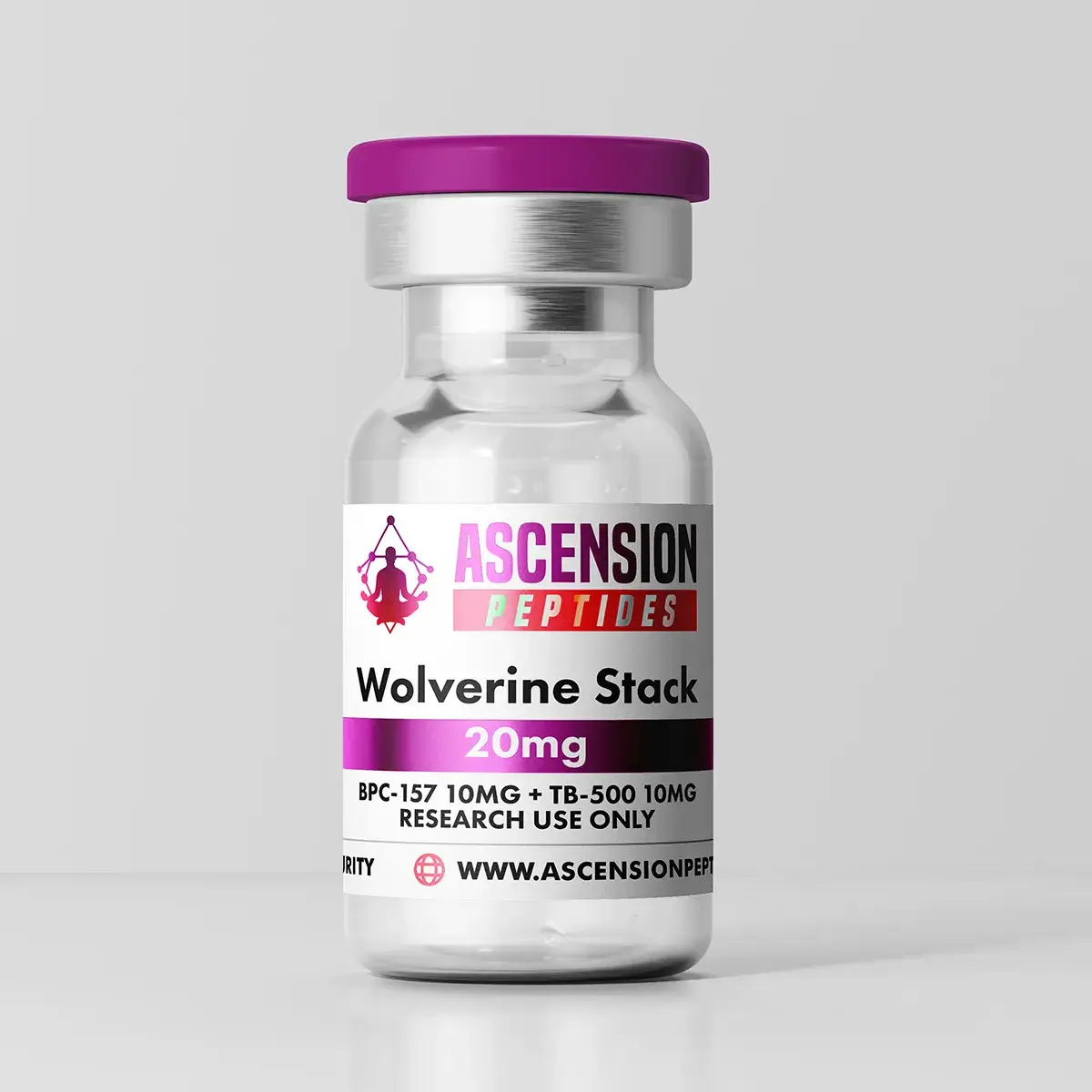
Ascension Peptides carries the Wolverine Stack as a 20mg vial (BPC-157 10mg + TB-500 10mg). It's one of their best sellers, and consistently in stock.
The value proposition compared to buying each peptide separately is straightforward. Two separate 10mg vials would run about $70 each ($140 total) plus two reconstitutions, two storage protocols, two injection draws. The Wolverine Stack streamlines all of that into a single vial at a comparable or slightly better price point.
For a deep look at what's in the stack and the research behind it, see our complete Wolverine Stack guide.
Why Ascension Peptides Is the Go-To Source
I'll spare you the generic "they're good" review and get specific about what actually separates Ascension from the field:
Catalog breadth. They carry 30+ peptides, from mainstream compounds (BPC-157, semaglutide, ipamorelin) to specialized ones (FOXO4-DRI, SS-31, Semax). Most vendors carry 10–15 products and call it a day. A broad catalog signals stable manufacturing relationships and serious investment in the space.
Batch-specific COAs. Not a generic "we tested this compound once three years ago" certificate. Each batch gets its own third-party testing — HPLC for purity, mass spectrometry for identity. The COA ships with your order, and you can verify the testing lab independently.
Consistent stock. Nothing is more frustrating than finding the right vendor and discovering your compound is perpetually "out of stock" or "backordered." Ascension maintains reliable inventory across their catalog. This matters because peptides lose potency when improperly stored — a vendor with consistent turnover means fresher product.
Shipping quality. Insulated packaging, cold packs in warm weather, tracking on every order. Peptides are biological molecules — heat degrades them. A vendor that ships in a standard envelope during July doesn't understand their product.
No nonsense pricing. No "member discounts," no tiered loyalty programs, no "subscribe and save 5%." The price is the price. Transparent, consistent, and competitive.
Full Product Catalog: Top Sellers and Pricing
Prices are approximate and may vary. Check Ascension's website for current pricing and availability. They also carry bacteriostatic water, syringes, and other supplies — so you can get everything you need in one order.
How to Order Research Peptides
If you've never ordered research peptides before, the process is simpler than you might expect:
Browse the Catalog
Visit Ascension Peptides and browse their product categories. Each product page includes compound details, vial size, and current pricing.
Check COAs
Review the certificate of analysis for any product you're considering. Look for HPLC purity (should be 98%+) and mass spectrometry identity confirmation from a third-party lab.
Add Supporting Supplies
You'll need bacteriostatic water for reconstitution and insulin syringes for dosing. Ascension sells BAC water — grab a vial or two with your order to avoid a separate purchase.
Checkout and Wait
Standard payment methods accepted. Shipping is typically 2–4 business days within the US, with insulated packaging and cold packs when needed. You'll get tracking info via email.
Understanding Research Peptide Purity and Testing
Purity isn't just a number — it's the difference between a compound that works as expected and one that doesn't. Or worse, one that contains harmful impurities.
HPLC (High-Performance Liquid Chromatography) measures purity by separating the sample into its components. A result of "99.2% purity" means 99.2% of the sample is the target peptide and 0.8% is other stuff — synthesis byproducts, truncated sequences, or degradation products. Anything above 98% is considered research-grade. Below 95%, you start questioning whether the vendor actually tested what they're selling.
Mass Spectrometry confirms molecular weight, which verifies identity. An HPLC test might tell you something is 99% pure, but mass spec tells you that "something" actually matches the expected molecular weight of, say, BPC-157 (1419.53 Da) and not a different peptide that happens to be similar.
Endotoxin Testing screens for bacterial contamination. This is less commonly reported but matters for injectable preparations. High endotoxin levels can cause injection site reactions, fever, and in extreme cases, systemic inflammation.
Ascension provides HPLC and MS data with every batch. This is baseline — not premium. The fact that some vendors DON'T provide this should be the red flag, not the fact that Ascension does.
Buy Research Peptides: What to Know About Legality
The legal framework for research peptides in the United States is more permissive than most people assume. Here's the short version:
Research peptides are not controlled substances. They're not on any DEA schedule. Purchasing, possessing, and using them for research purposes is legal. This applies to BPC-157, TB-500, ipamorelin, GHK-Cu, PT-141, and the vast majority of compounds sold by research vendors.
Some compounds have additional regulatory considerations. Semaglutide and tirzepatide, for example, are FDA-approved drugs under brand names (Ozempic, Mounjaro). The research peptide market exists because these compounds are also available in non-branded research form, but the regulatory environment is more complex and evolving. The FDA has specifically targeted some compounding pharmacies producing these compounds.
"For research use only" is a meaningful designation. It's not just a wink-and-nod. Vendors who sell research peptides are not allowed to provide dosing instructions for human use, make therapeutic claims, or market their products as drugs. Buying from a vendor that respects this framework protects both you and them. For the complete regulatory picture, see our peptide legality guide.
Red Flags: How to Spot Unreliable Peptide Vendors

The research peptide market has a low barrier to entry. Anyone can set up a website, source bulk powder from overseas, and start selling. Here's how to identify the ones not worth your money:
No COA or generic COAs. A certificate of analysis without a batch number, without a lab name, or that looks identical across every product is worthless. Real testing produces specific results for specific batches. If every COA looks like a template with the same numbers, it probably is.
Therapeutic claims in marketing. "Cures joint pain!" "Reverses aging!" "Lose 30 lbs guaranteed!" — any vendor making direct health claims is either ignorant of FDA regulations or doesn't care about compliance. Neither is someone you want handling your research materials.
Suspiciously low prices. Peptide synthesis costs money. Quality control costs money. Cold-chain shipping costs money. If a vendor undercuts the market by 50%, ask yourself what they're cutting. It's almost always purity testing and quality control.
Website quality and professionalism. This sounds superficial, but it's actually predictive. A vendor that can't be bothered to build a functional, informative website is unlikely to invest in proper COAs, quality manufacturing, or reliable customer support. The website IS the storefront — and it reflects operational standards.
No physical address or contact information. Legitimate businesses have addresses, phone numbers, and responsive email support. If the only way to reach a vendor is a contact form that disappears into the void, keep looking.
Popular Research Peptide Stacks Beyond the Wolverine
The Wolverine Stack gets the most attention, but it's not the only combination people run. Here are other common stacks:
FIT Stack (CJC-1295 + Ipamorelin): The go-to GH optimization combo. CJC-1295 provides extended GHRH signaling while ipamorelin gives a clean GH pulse through the ghrelin receptor. Available as a pre-made blend from Ascension.
BPC-157 + GHK-Cu: Healing plus skin/tissue regeneration. BPC-157 handles deep tissue repair while GHK-Cu promotes collagen synthesis, skin remodeling, and has broad anti-inflammatory properties. Popular with people dealing with both injury recovery and age-related tissue quality decline.
Ipamorelin + BPC-157: GH optimization plus tissue repair. The GH boost from ipamorelin may synergize with BPC-157's healing mechanisms, since growth hormone itself plays a role in tissue regeneration. Logical combination even if the specific interaction hasn't been studied directly.
KLOW Blend: Ascension's proprietary combination of GHK-Cu, BPC-157, Thymosin Beta-4, and KPV — targeting inflammation, healing, and skin health in a single vial. It's the "everything" healing stack for people who don't want to buy four separate products.
How to Store Research Peptides Properly
You spent money on quality peptides. Don't ruin them with bad storage.
Unreconstituted (powder form): Store in a freezer for long-term storage (months to years) or refrigerator for medium-term (weeks to months). Keep in the original sealed vial away from light. Lyophilized peptides are remarkably stable when kept cold and dry.
Reconstituted (mixed with BAC water): Refrigerate at 2–8°C. Use within 3–4 weeks. Never freeze reconstituted peptide — the freeze-thaw cycle can damage the molecular structure. Keep the rubber stopper clean (alcohol swab before each draw).
During shipping: This is why vendor choice matters. Peptides shipped in summer heat without insulation can degrade before they reach you. Ascension uses insulated packaging and cold packs — a detail that sounds minor until your compound arrives as degraded mush.
Where to Buy Research Peptides: The Bottom Line
The research peptide market isn't going to clean itself up. There will always be sketchy vendors selling untested powder at cut-rate prices. Your job is to buy from the ones that do it right.
Ascension Peptides does it right. Broad catalog, batch-specific third-party testing, consistent stock, proper shipping, transparent pricing. Whether you're looking at the Wolverine Stack for healing research, ipamorelin for GH optimization, retatrutide for weight loss, or anything else in the peptide category — they've earned their reputation by being reliably good.
That's not exciting. It's not flashy. But when you're ordering research compounds that need to be exactly what the label says, boring reliability beats marketing sizzle every single time. For more vendor analysis, see our best peptide source guide for 2026 and our legit peptide vendors roundup.