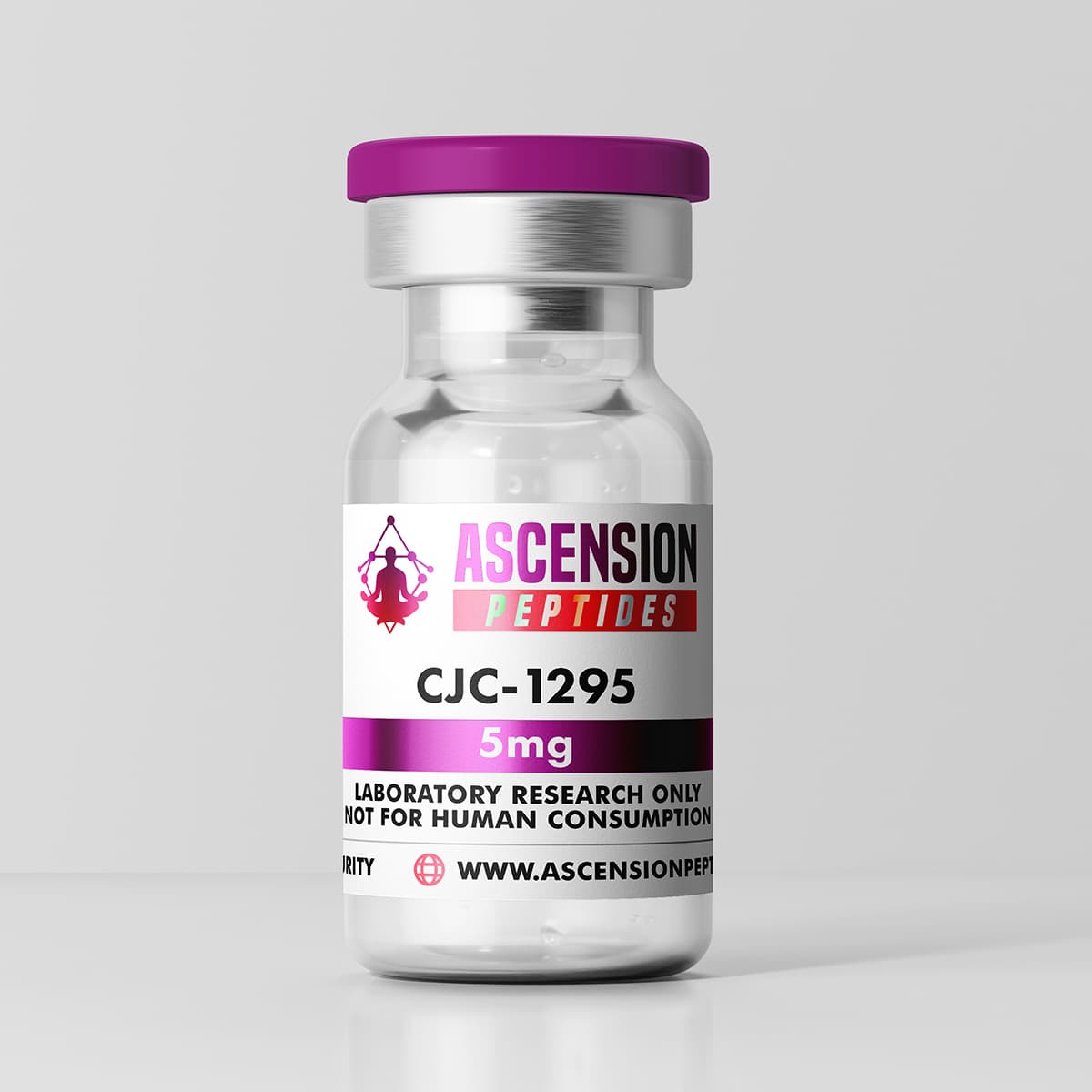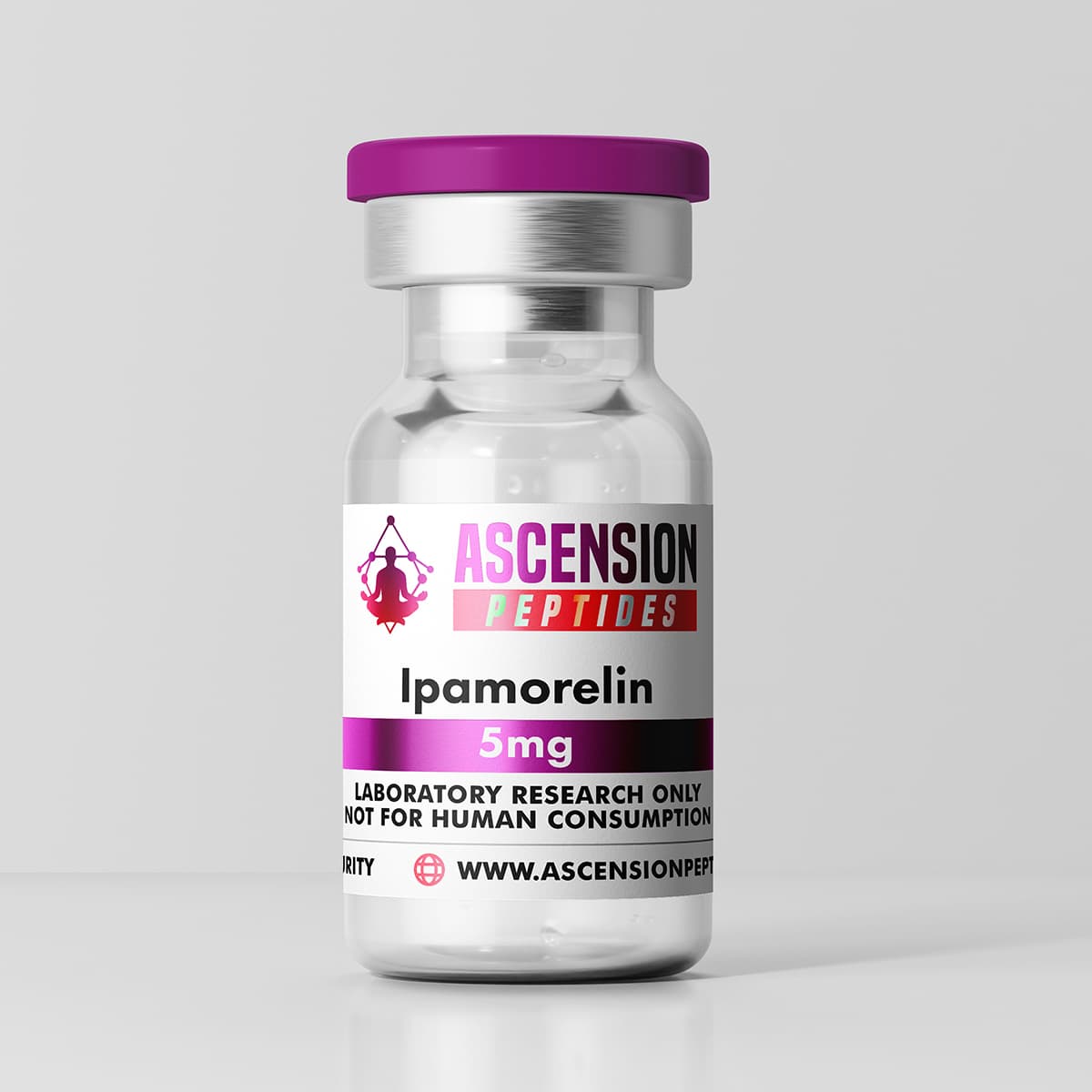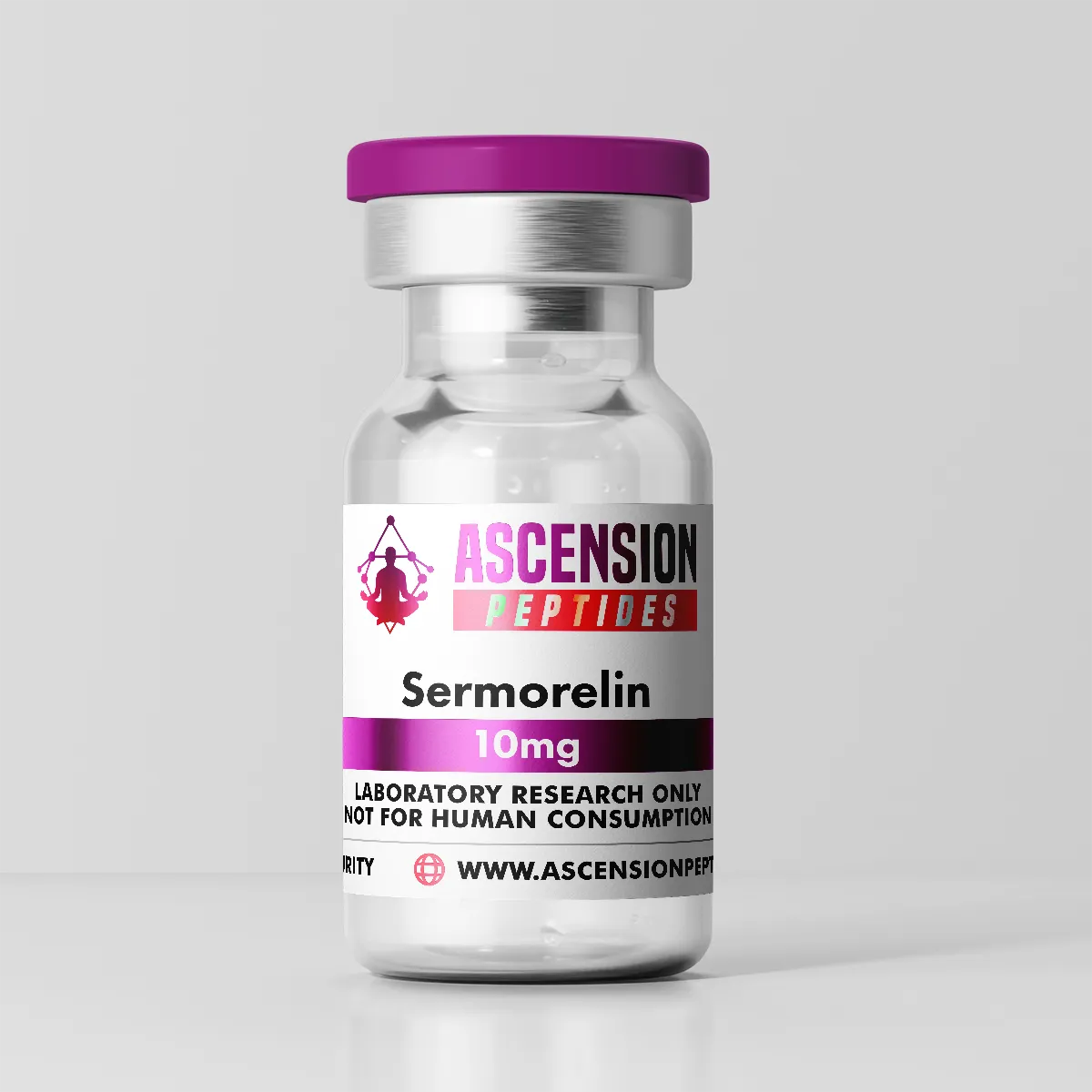
When researchers and biohackers explore growth hormone optimization, two distinct paths emerge: the convenience of oral MK-677 (Ibutamoren) versus the precision of injectable GH secretagogues like Ipamorelin, Sermorelin, and CJC-1295. Both approaches activate endogenous GH release — but how they get there, what they produce, and the side-effect profiles they carry are meaningfully different.
This guide delivers a head-to-head comparison built on mechanism, pharmacokinetics, and practical research considerations. Whether you prioritize convenience, pulse fidelity, or cost, understanding the core differences will sharpen your protocol decisions.
- MK-677: Oral, ~24-hour half-life, non-pulsatile, once-daily dosing, higher appetite stimulation
- Ipamorelin: Injectable, ~2-hour half-life, clean pulsatile GH release, minimal cortisol/prolactin elevation
- Sermorelin: Injectable, ~15-min half-life, GHRH-class, mimics natural GH axis signaling most closely
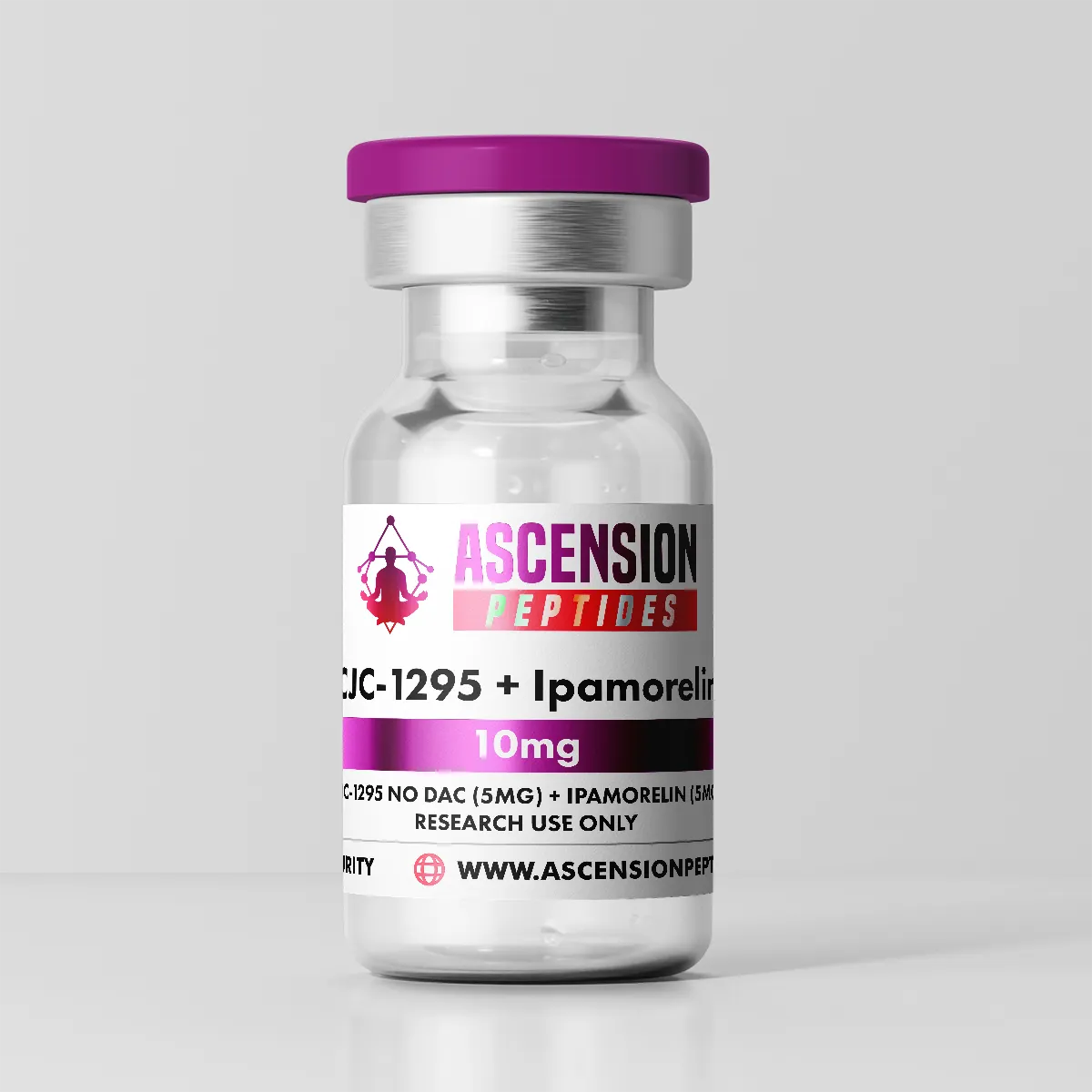
- CJC-1295: Injectable, long-acting GHRH analog, often stacked with Ipamorelin for synergistic pulses
- Bottom line: MK-677 wins on convenience; injectables win on precision and side-effect control
What Makes MK-677 Different From True Peptides
MK-677 is not technically a peptide. It is a non-peptide small molecule — a ghrelin mimetic — that binds to the growth hormone secretagogue receptor (GHS-R1a), the same receptor targeted by peptide-based secretagogues like Ipamorelin, GHRP-2, and Hexarelin. The key distinction is structural: MK-677's non-peptide chemistry resists gastrointestinal degradation, granting it oral bioavailability that conventional peptides simply cannot achieve.
This single property makes MK-677 the only widely available oral compound capable of stimulating endogenous GH release. For researchers who want GH optimization without needles, that is a significant advantage. But oral bioavailability is not the whole story — and understanding MK-677's pharmacokinetics reveals why injectable alternatives remain scientifically compelling.
MK-677 Pharmacokinetics: The 24-Hour Half-Life Problem
MK-677's plasma half-life sits at approximately 24 hours. A single oral dose maintains sustained GHS-R1a activation throughout the day and night. Compare this to injectable secretagogues: Sermorelin clears in roughly 15 minutes, Ipamorelin in 1–2 hours, and even long-acting CJC-1295 (with DAC) operates on a weekly timescale by design rather than accidentally.
The 24-hour half-life of MK-677 means the ghrelin receptor experiences continuous stimulation rather than discrete, physiologically timed pulses. This is not inherently bad — it produces consistent GH and IGF-1 elevation — but it diverges significantly from the pulsatile GH release pattern that the human body uses natively. That divergence has downstream consequences for side effects and long-term receptor dynamics.
Injectable GH Secretagogues: Mechanism and Class Overview
Injectable GH secretagogues fall into two primary mechanistic classes, and understanding both is essential for intelligent protocol design.
GHRH Analogs (Sermorelin, CJC-1295)
Sermorelin is a truncated analog of endogenous Growth Hormone-Releasing Hormone (GHRH). It binds GHRH receptors on pituitary somatotrophs, directly triggering GH synthesis and release. Because Sermorelin operates through the GHRH pathway — distinct from the ghrelin/GHS-R1a axis — it most closely replicates the brain's own GH signaling cascade. Its 15-minute half-life means GH pulses are sharp, brief, and physiologically authentic.
CJC-1295 is a modified GHRH analog engineered for extended half-life. The Drug Affinity Complex (DAC) version binds albumin in the bloodstream, extending its activity to 6–8 days. Non-DAC CJC-1295 (often called Mod GRF 1-29) has a shorter duration and is frequently stacked with Ipamorelin for synergistic pulsatile release.
GHRPs / Ghrelin Mimetics (Ipamorelin, GHRP-2)
Ipamorelin belongs to the growth hormone-releasing peptide (GHRP) class — the same mechanistic family as MK-677, but administered by injection and with a dramatically shorter half-life (~2 hours). Ipamorelin is widely favored in research contexts because it produces selective GH release with minimal elevation of cortisol or prolactin — a cleaner hormonal profile than older GHRPs like GHRP-2 or Hexarelin.
MK-677 vs Injectables: Key Differences That Matter in Practice
GH Pulse Pattern: Pulsatile vs. Tonic Stimulation
The most clinically relevant difference between MK-677 and injectable secretagogues is the GH release pattern. Healthy human physiology produces GH in discrete pulses — primarily at night during slow-wave sleep — with clear troughs between peaks. This pulsatility is essential for maintaining receptor sensitivity and avoiding desensitization.
Injectable peptides, particularly Ipamorelin and Sermorelin, preserve this pulsatile architecture. A single subcutaneous injection triggers a sharp GH pulse within 15–30 minutes that resolves within 2 hours, leaving the receptor unoccupied and sensitive for the next administration.
MK-677's 24-hour half-life produces a fundamentally different pattern: sustained, near-constant GHS-R1a activation. Research does show that MK-677 meaningfully elevates baseline GH and IGF-1 — but the continuous receptor stimulation blunts the sharp peaks seen with injectables and keeps ghrelin signaling active around the clock, including its appetite-stimulating effects.
IGF-1 Elevation: Both Work, But Differently
Both approaches reliably elevate IGF-1 — the downstream marker most commonly used to gauge GH axis activity. Research on MK-677 at 25 mg/day has demonstrated IGF-1 increases of 40–89% above baseline in study populations. Injectable stacks like CJC-1295 + Ipamorelin produce comparable IGF-1 elevation when dosed consistently, though the magnitude varies with individual pituitary reserve and injection frequency.
For researchers primarily tracking IGF-1 as an outcome marker, MK-677's once-daily dosing offers a practical advantage for compliance. However, IGF-1 elevation alone does not capture the full hormonal picture — pulse fidelity and downstream receptor dynamics matter too.
Side-Effect Profiles: A Critical Distinction
MK-677's around-the-clock ghrelin receptor activation produces side effects that injectable peptides largely avoid:
- Appetite stimulation: Ghrelin is the hunger hormone. Sustained GHS-R1a activation by MK-677 produces significant, often persistent appetite increases — useful for some research applications, problematic for others.
- Water retention: Reported frequently with MK-677, particularly at doses above 15 mg/day. Driven by GH-mediated sodium retention and aldosterone interactions.
- Insulin resistance: MK-677 research has flagged clinically meaningful increases in fasting glucose and reduced insulin sensitivity, particularly at higher doses and in older subjects. This is a legitimate safety consideration for metabolic research.
- Morning grogginess / lethargy: Common, especially early in MK-677 protocols. Attributed to overnight GH and ghrelin receptor activity during sleep architecture.
Injectable peptides — especially Ipamorelin — present a cleaner side-effect profile. Because GHS-R1a stimulation is brief and pulse-limited, sustained appetite elevation is uncommon. Ipamorelin specifically shows minimal cortisol or prolactin co-stimulation, a known issue with older GHRPs like GHRP-2. Sermorelin's GHRH-pathway mechanism produces virtually no appetite effect and carries the longest human safety record of any GH secretagogue class.
Convenience and Compliance
MK-677 wins this category outright. A single oral capsule or liquid dose once daily, no refrigeration required for the compound itself, no needles, no reconstitution. For research subjects who are needle-averse or for protocols prioritizing long-term compliance, this is a genuine advantage.
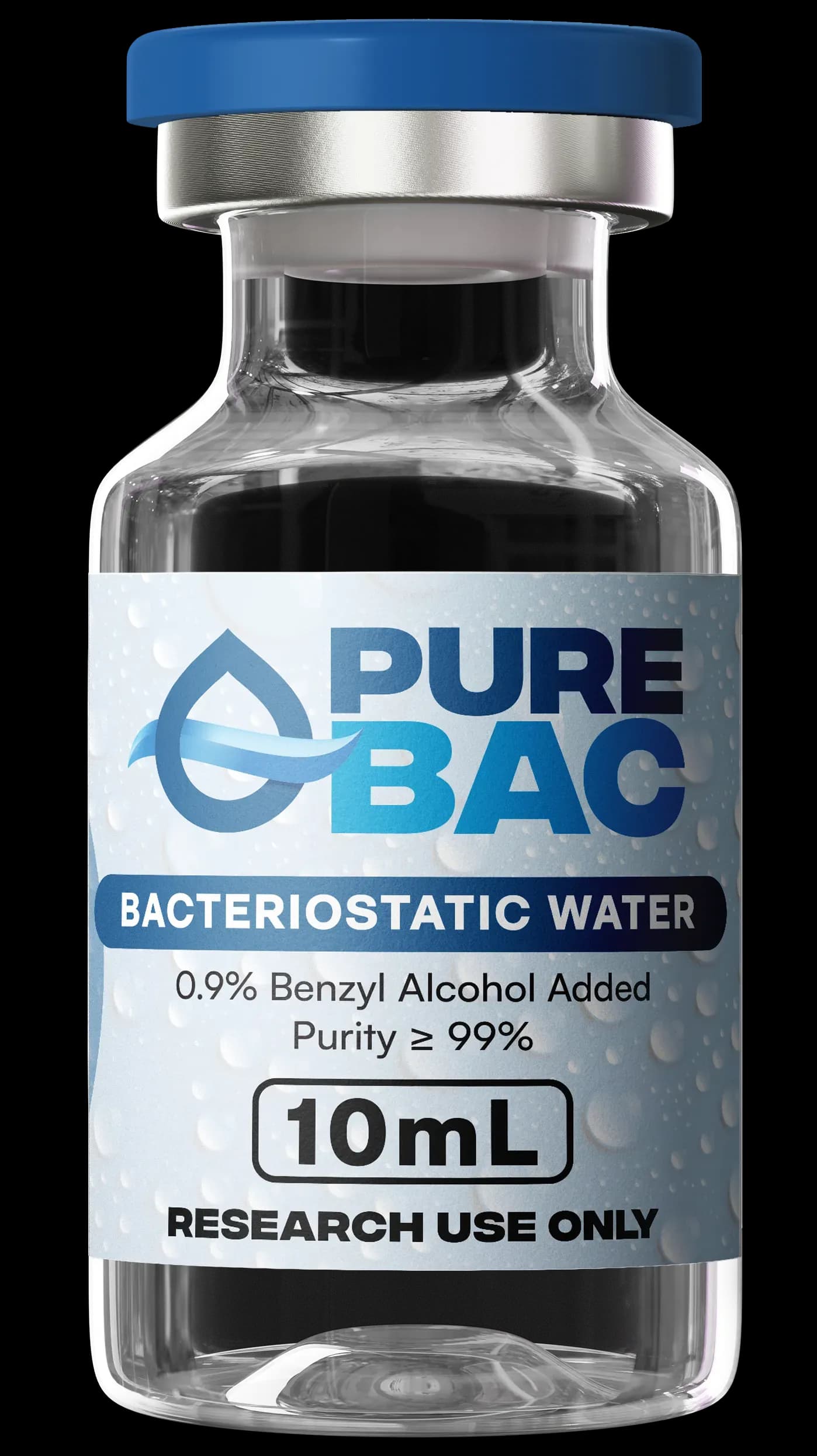
Injectable secretagogues require subcutaneous injections — typically 1–3 times daily for optimal pulsatile effect. Compounds must be reconstituted with bacteriostatic water, kept refrigerated after reconstitution, and administered with sterile technique. The barrier to consistent use is meaningfully higher.
Cost Considerations
On a per-month basis, MK-677 is generally more cost-effective than injectable peptide stacks. High-quality oral MK-677 from a reputable research vendor typically runs significantly less than a CJC-1295 + Ipamorelin protocol when vial cost, bacteriostatic water, and syringes are factored in. Sermorelin tends to sit between the two in cost.
Which Approach Fits Your Research Objectives?
- Choose MK-677 if: Needle-averse subjects, long-term compliance is the priority, appetite stimulation is a desired effect (e.g., muscle gain / caloric surplus protocols), or budget is a primary constraint.
- Choose Ipamorelin if: Clean GH pulses matter, minimal appetite/cortisol effects are required, or the research design requires physiologically authentic pulsatile GH release.
- Choose Sermorelin if: Mimicking endogenous GHRH signaling most closely is the objective, or working with a conservative clinical research framework that benefits from Sermorelin's established safety record.
- Choose CJC-1295 + Ipamorelin stack if: Maximum synergistic GH pulse amplitude is the goal — GHRH + GHRP co-administration produces significantly greater GH release than either alone.
- Consider combining MK-677 + low-dose Ipamorelin if: Researchers want IGF-1 elevation with some pulsatile overlay while minimizing injection frequency — though this adds complexity and should be approached cautiously.
Population-Specific Considerations
Research on older adult populations (60+) shows MK-677 significantly improves IGF-1 and nitrogen balance — relevant for muscle wasting and sarcopenia research. However, the insulin resistance signal in older subjects warrants close glucose monitoring in this population.
For research focused on sleep quality and GH secretion during slow-wave sleep, injectable Ipamorelin or Sermorelin administered 30–60 minutes before sleep may more authentically augment natural nocturnal GH pulses than MK-677's sustained overnight activation.
Sourcing Quality Research-Grade Compounds
Regardless of which approach a research protocol favors, compound quality is non-negotiable. Impure or mislabeled peptides and small molecules undermine data integrity and introduce unknown variables. When sourcing either MK-677 or injectable GH secretagogues, prioritize vendors who provide third-party tested compounds with published Certificates of Analysis (COA) confirming ≥99% purity via HPLC.
Ascension Peptides is a research-grade supplier that maintains third-party COA documentation across its compound catalog, including both MK-677 and injectable peptides like Ipamorelin, Sermorelin, and CJC-1295. US-based sourcing with verifiable purity documentation should be the baseline standard for any serious research application.
For the specific matchup rather than the category, see MK-677 vs CJC-1295.