Not all growth hormone peptides are equal — and choosing the wrong one can mean months of suboptimal results while the right protocol delivers noticeable changes in body composition, sleep, and recovery within weeks.
- Best for beginners: Ipamorelin — cleanest side effect profile, no cortisol spike
- Best stack: Ipamorelin + CJC-1295 — synergistic GH pulses 2–10x above baseline
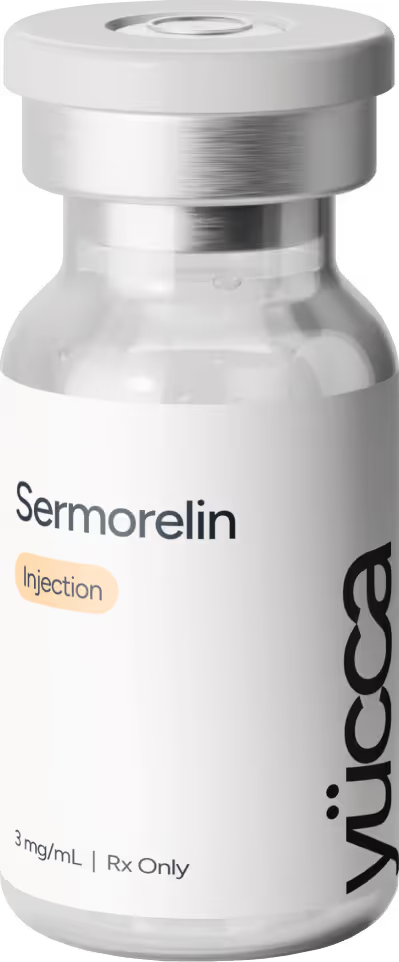
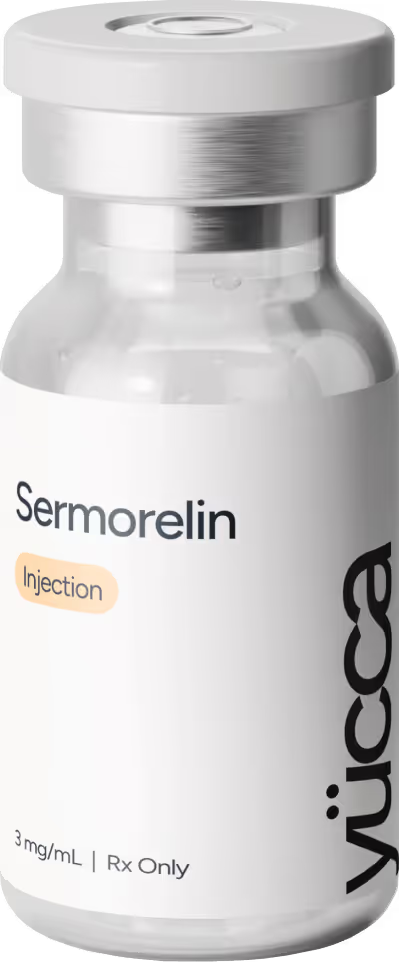
- Best long-term option: Sermorelin — former FDA approval, excellent safety data
- Best for fat loss: Tesamorelin — only FDA-approved GHRH, strongest visceral fat research
- Best oral option: MK-677 (Ibutamoren) — no injection required, sustained IGF-1 elevation
- Best for bulking: GHRP-6 — strong hunger stimulation, potent GH release
- Most potent single compound: Hexarelin — highest GH output, desensitizes faster
Growth hormone peptides have become one of the most researched areas in performance optimization and longevity protocols. This guide ranks all seven major GH peptides based on mechanism, potency, side effect profile, and real-world use cases — so you can match the right compound to your goals without guesswork.
How GH Peptides Work
Growth hormone doesn't get released in a constant stream — it fires in pulses, mostly at night during deep sleep. These pulses are controlled by two opposing hormones from the hypothalamus: growth hormone releasing hormone (GHRH), which triggers release, and somatostatin, which puts the brakes on.
GH peptides exploit this system through two distinct receptor pathways:
- GHRH receptor agonists — mimic or amplify GHRH, loading the pituitary's somatotroph cells with releasable GH. Examples: Sermorelin, CJC-1295, Tesamorelin.
- Ghrelin receptor agonists (GHRPs) — bind the ghrelin receptor (GHS-R1a) to trigger GH release pulses independently of GHRH. Examples: Ipamorelin, GHRP-6, Hexarelin, MK-677.
A GHRH analogue loads the somatotrophs while a GHRP pulls the trigger. Using both simultaneously produces GH pulses 2–10x greater than either compound alone — and more closely mimics the youthful, high-amplitude GH release pattern that declines with age.
Because these peptides work through your pituitary rather than replacing GH directly, your body's natural feedback mechanisms stay largely intact. That's a significant safety and physiology advantage over exogenous HGH, which can suppress the natural GH axis with prolonged use.
The Rankings: Best GH Peptides in 2026
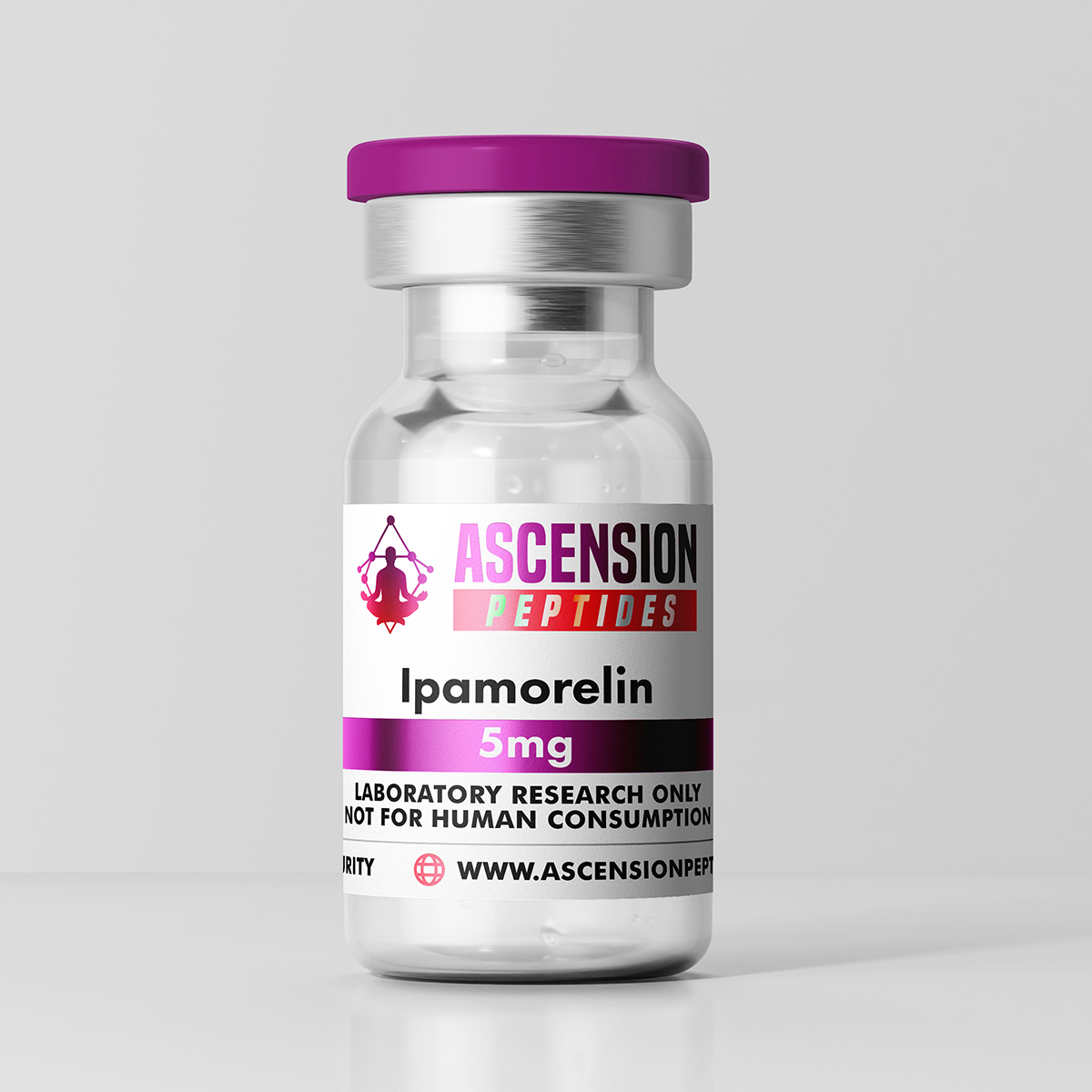
#1 — Ipamorelin: Best for Beginners and Clean GH Stimulation
Ipamorelin is the consensus starting point for anyone new to GH peptides, and for good reason. It's a selective ghrelin receptor agonist (GHSR agonist) that stimulates strong GH pulses with a uniquely clean side effect profile. Unlike older GHRPs, Ipamorelin does not meaningfully raise cortisol, prolactin, or ACTH — which means you get the GH benefit without hormonal interference that can blunt muscle-building and recovery.
It's a pentapeptide with a half-life of around 2 hours, making it ideal for precise dosing around training or sleep. The standard research dose is 100–300 mcg subcutaneously, 2–3 times daily, with pre-sleep administration being particularly well-studied for its effect on nocturnal GH pulses.
- Mechanism: Ghrelin receptor agonist (GHSR-1a)
- GH pulse strength: Moderate-to-strong, highly selective
- Cortisol/Prolactin: No significant elevation
- Half-life: ~2 hours
- Best for: Beginners, body recomposition, anti-aging, long-term use
See the full Ipamorelin dosage guide for protocol details.
Research-grade, third-party tested. Get Ipamorelin 5mg →
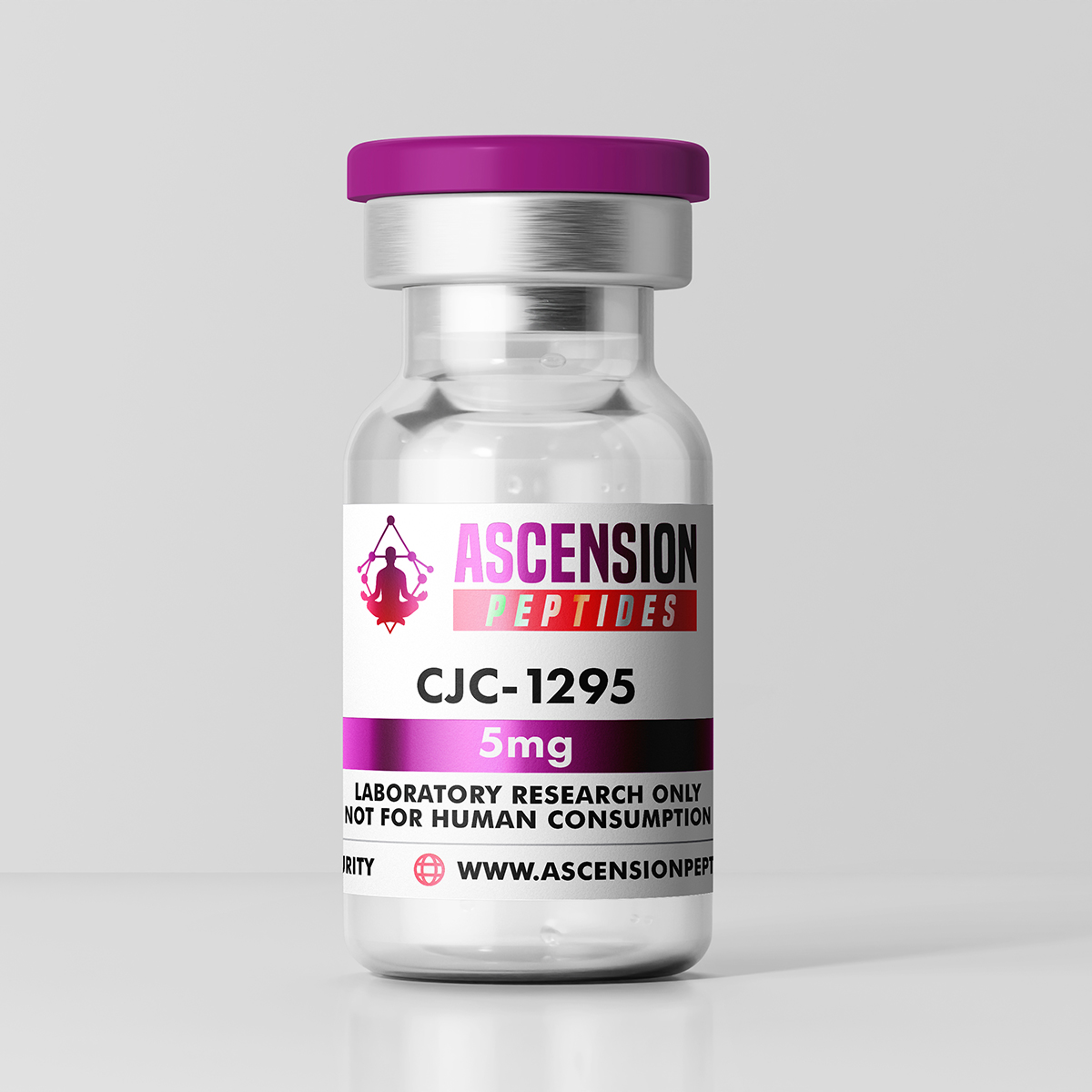
#2 — CJC-1295: Best Pairing for Ipamorelin
CJC-1295 is a modified GHRH analogue that comes in two forms: with DAC (Drug Affinity Complex) and without DAC (also called Modified GRF 1-29). The DAC version binds albumin in the bloodstream, extending its half-life to 6–8 days and creating a sustained elevation in baseline GH. The no-DAC version produces sharper, more physiological pulses with a half-life of about 30 minutes.
When combined with Ipamorelin, CJC-1295 loads the pituitary's GH reserves while Ipamorelin triggers clean release. The result is a synergistic GH pulse significantly larger than either compound alone — consistently the most effective injectable GHS stack in the literature. Read the detailed Ipamorelin + CJC-1295 dosage guide for protocol specifics.
- Mechanism: GHRH receptor agonist
- GH pulse strength: Strong sustained elevation (with DAC) or amplified pulses (no DAC)
- Cortisol/Prolactin: Minimal elevation
- Half-life: 6–8 days (with DAC), ~30 min (no DAC)
- Best for: Stack protocols with Ipamorelin, sustained IGF-1 elevation, muscle building
Get both compounds in one order. Buy the FIT Stack →
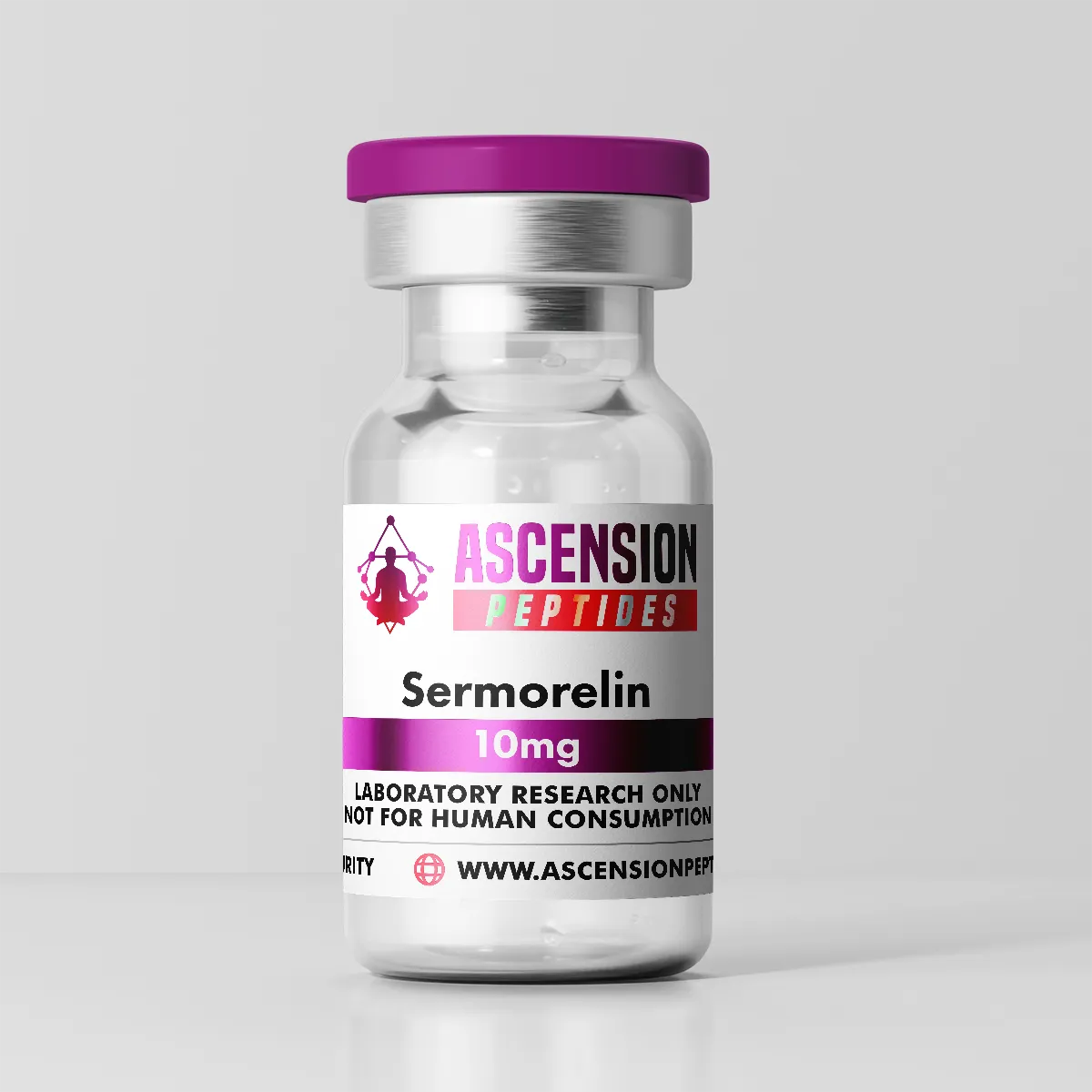
#3 — Sermorelin: Best for Long-Term Use and Safety
Sermorelin is the synthetic analogue of the first 29 amino acids of endogenous GHRH — it's essentially a shorter version of the hormone your hypothalamus already produces. This makes it uniquely physiological: GH release is subject to normal somatostatin feedback, so it self-regulates and can't produce dangerous supraphysiologic GH overshoot.
Sermorelin was once FDA-approved for pediatric growth hormone deficiency, giving it a clinical safety record that no other peptide in this category can match. Its half-life is very short (10–20 minutes), so it requires precise timing — typically pre-sleep to amplify the natural nocturnal GH pulse. It's the go-to choice for anyone prioritizing a conservative, evidence-backed long-term protocol. Read more in the Sermorelin complete guide.
- Mechanism: GHRH receptor agonist (GHRH 1-29 analogue)
- GH pulse strength: Moderate, highly physiologic
- Cortisol/Prolactin: No significant elevation
- Half-life: 10–20 minutes
- Best for: Anti-aging, long-term GH axis support, conservative protocols, stacking with Ipamorelin
Former FDA-approved GHRH analogue — research-grade, high purity. Get Sermorelin 10mg →
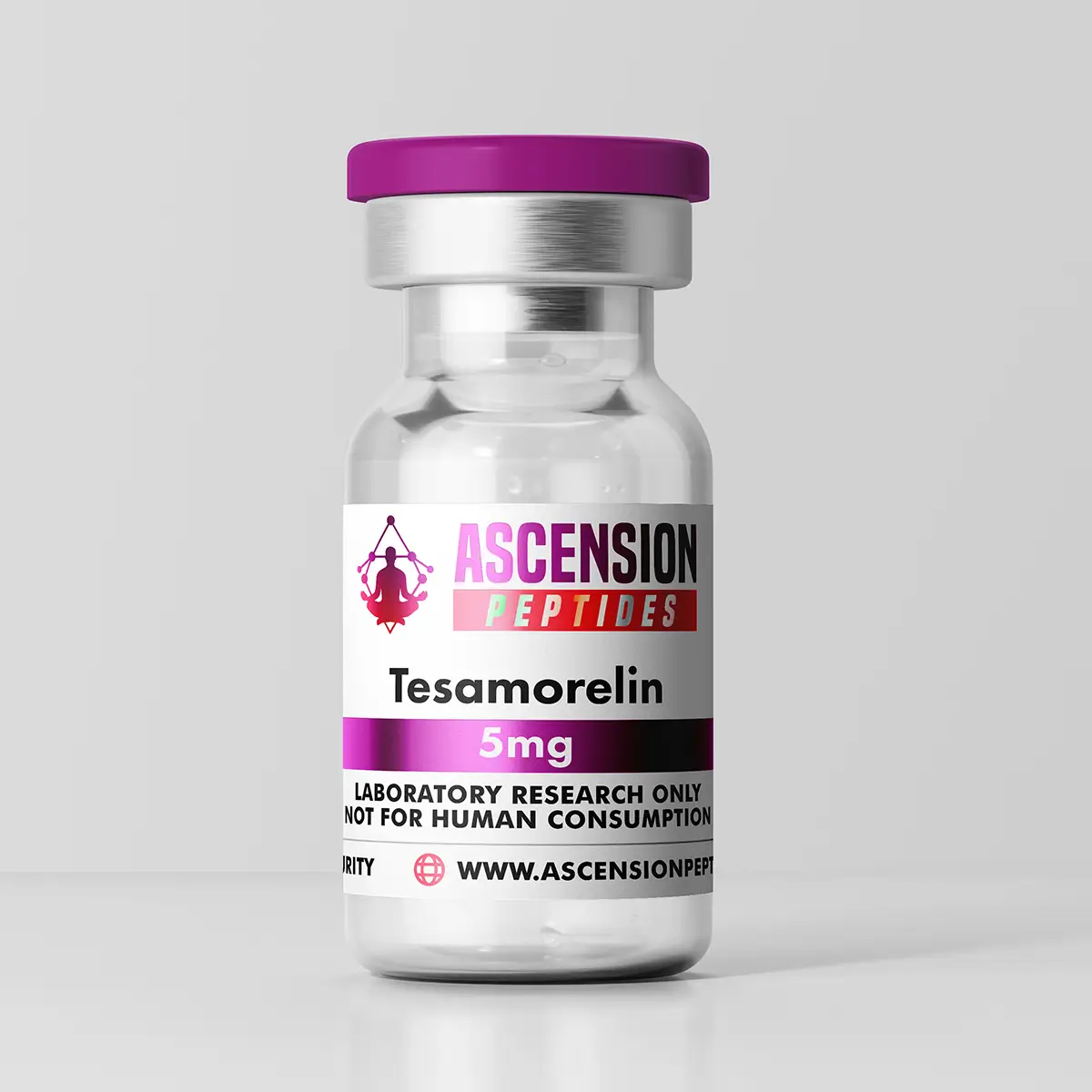
#4 — Tesamorelin: Best for Visceral Fat Reduction
Tesamorelin is the most clinically validated GHRH analogue in this list — it's currently FDA-approved under the brand name Egrifta for HIV-associated lipodystrophy. It's a stabilized analogue of GHRH with a half-life of around 26–38 minutes, producing targeted GH stimulation with a particularly strong track record for visceral fat reduction.
The clinical data on Tesamorelin's fat loss effect is more robust than for any other peptide here — multiple randomized controlled trials show significant reductions in visceral adipose tissue. It's more targeted than Sermorelin or CJC-1295, but also harder to source and typically more expensive. Full breakdown in the Tesamorelin review.
- Mechanism: GHRH receptor agonist (stabilized GHRH analogue)
- GH pulse strength: Moderate-to-strong, targeted
- Cortisol/Prolactin: Minimal
- Half-life: 26–38 minutes
- Best for: Visceral fat reduction, metabolic optimization, clinical-grade protocols
#5 — MK-677 (Ibutamoren): Best Oral Option
MK-677 is the only compound in this list that doesn't require injection — it's an orally bioavailable, non-peptide ghrelin mimetic originally developed by Merck. Once daily dosing (typically 10–25 mg) produces sustained 24-hour elevation of both GH and IGF-1, making it the most convenient entry point into GH peptide protocols.
The tradeoffs are real though: MK-677 causes notable water retention in many users, can significantly increase appetite, and may elevate fasting glucose slightly with long-term use. It's also non-pulsatile — GH stays elevated rather than spiking and falling, which diverges from the natural pattern. Still, the sheer convenience factor and strong IGF-1 elevation make it a top choice for those who won't inject.
- Mechanism: Oral ghrelin mimetic (non-peptide)
- GH pulse strength: Strong, sustained (non-pulsatile)
- Cortisol/Prolactin: Mild elevation possible
- Half-life: ~24 hours
- Best for: Oral protocol, IGF-1 elevation, sleep quality, those avoiding injections
#6 — GHRP-6: Best for Bulking (If You Can Handle the Hunger)
GHRP-6 is one of the original synthetic GHRPs studied in the 1980s and 90s. It produces strong GH pulses through ghrelin receptor activation, but it comes with a side effect that's either a feature or a bug depending on your goals: intense hunger stimulation. GHRP-6 dramatically increases appetite — a direct consequence of its potent ghrelin receptor activity.
If you're in a hard bulk and want to eat more while amplifying GH, GHRP-6 can serve that purpose. But it also elevates cortisol and prolactin more than Ipamorelin, especially at higher doses — which limits its value for recomposition or long-term protocols where hormonal cleanliness matters.
- Mechanism: Ghrelin receptor agonist (GHSR-1a)
- GH pulse strength: High
- Cortisol/Prolactin: Moderate-to-high (dose-dependent)
- Half-life: 1–2 hours
- Best for: Aggressive bulking, appetite stimulation, high-calorie protocols
#7 — Hexarelin: Most Potent GHRP (Niche Use)
Hexarelin is the most potent GHRP available — it produces higher GH pulses than Ipamorelin or GHRP-6 at equivalent doses. However, it has a significant limitation: receptor desensitization happens faster than with any other GHRP in this list. Efficacy drops noticeably within weeks of continuous use, making it impractical for long-term protocols.
Hexarelin also elevates cortisol and prolactin at higher doses. Some research has explored cardioprotective properties via cardiac GHS receptors — an interesting secondary application. But for most goals, the faster desensitization and side effect profile make it a niche pick over Ipamorelin or Sermorelin.
- Mechanism: Ghrelin receptor agonist (hexapeptide)
- GH pulse strength: Very high (strongest GHRP)
- Cortisol/Prolactin: Moderate-to-high
- Half-life: ~2 hours
- Best for: Short-term maximum GH output, cardioprotection research, cycling protocols
Head-to-Head Comparison Table
| Peptide | Mechanism | GH Increase | Side Effects | Cost (approx.) | Best For |
|---|---|---|---|---|---|
| Ipamorelin | GHSR agonist (GHRP) | Moderate–High | Minimal — no cortisol/prolactin | ~$35–55/vial | Beginners, recomp, long-term |
| CJC-1295 | GHRH analogue | High (especially stacked) | Minimal | ~$35–55/vial | Stacking with Ipamorelin |
| Sermorelin | GHRH analogue (1-29) | Moderate, physiological | Very low — self-regulating | ~$50–80/vial | Anti-aging, long-term protocols |
| Tesamorelin | GHRH analogue (stabilized) | Moderate–High | Low | ~$80–120/vial | Visceral fat, metabolic goals |
| MK-677 | Oral ghrelin mimetic | High, sustained (IGF-1) | Water retention, hunger, glucose | ~$40–70/month | Oral protocol, IGF-1 elevation |
| GHRP-6 | GHSR agonist (GHRP) | High | High hunger, cortisol | ~$25–40/vial | Bulking, appetite stimulation |
| Hexarelin | GHSR agonist (GHRP) | Very High | Desensitization, cortisol | ~$40–60/vial | Short cycles, max GH output |
Best Stacks: Getting the Most from GH Peptides
Stack #1: Ipamorelin + CJC-1295 (The Gold Standard)
This is the most studied and most recommended GH peptide stack in the space. CJC-1295 loads the pituitary somatotrophs with releasable GH, while Ipamorelin pulls the trigger with a clean, selective pulse. Together, they produce synergistic GH release 2–10x above baseline — significantly more than either compound alone.
The full CJC-1295 + Ipamorelin dosage guide covers timing, injection sites, and expected effects. Ascension's FIT Stack includes both compounds ready to stack.
Stack #2: Sermorelin + Ipamorelin (Conservative Long-Term Protocol)
This stack swaps CJC-1295 for Sermorelin, trading some raw output for a more physiological profile. Sermorelin's self-regulating nature — it remains subject to somatostatin feedback — means GH release stays within the body's normal bounds, preventing the sustained supraphysiologic elevation some researchers associate with long-acting CJC-1295 DAC.
It's the preferred stack for those on longer protocols (6+ months), older individuals focused on anti-aging rather than peak performance, or anyone wanting the cleanest possible hormonal environment. Typical dosing mirrors the Ipamorelin + CJC-1295 stack: 200–300 mcg Sermorelin + 100–200 mcg Ipamorelin, pre-sleep.
Learn more about Sermorelin's clinical background at the Sermorelin complete guide.
Beginner's Guide: Which GH Peptide to Start With
If you're new to GH peptides, the choice comes down to what you're optimizing for and whether you're willing to inject.
Start with Ipamorelin alone if you want to test tolerance with the cleanest possible compound. Run 100–200 mcg pre-sleep for 4–6 weeks, note how you respond, then add CJC-1295 for a full stack.
Start with the FIT Stack (Ipamorelin + CJC-1295) if you want to jump straight to the most effective injectable protocol. This is what most people do, and the side effect profile is still very manageable.
Start with MK-677 if injections are a dealbreaker. 10 mg daily for the first two weeks, moving to 20–25 mg if tolerated. Expect some water retention in the first few weeks as your body adjusts.
Avoid GHRP-6 and Hexarelin as first compounds — the appetite stimulation from GHRP-6 can be overwhelming if you're not expecting it, and Hexarelin's faster desensitization makes it a poor long-term choice. Work up to those if you have specific reasons to use them.