🔑 Key Takeaways
- Bio peptides (bioactive peptides) are short amino acid chains (2–50 residues) that produce measurable biological effects through specific receptor binding
- Four major categories: tissue repair (BPC-157), GH secretagogues (Ipamorelin), skin/anti-aging (GHK-Cu), and neuropeptides (Semax/Selank)
- Food-derived bio peptides from dairy, collagen, and fermented foods are distinct from synthetic research peptides
- Quality verification through third-party COAs with ≥98% HPLC purity is non-negotiable for research compounds
- The field is expanding rapidly — from cosmeceutical applications to targeted drug delivery and antimicrobial therapy
The term bio peptide appears everywhere in 2026 — in longevity clinics, skincare labs, sports performance research, and biohacking forums. Yet clear, consolidated information remains surprisingly hard to find. Marketing language drowns out the science, and broad categories get lumped together as if a collagen-boosting skin peptide and a growth-hormone-releasing research compound are the same thing.
They are not. And that distinction matters enormously.
This guide cuts through the noise. Below you'll find a research-grounded breakdown of what bio peptides actually are at the molecular level, the four major functional categories, the mechanisms behind their most studied benefits, the best dietary and supplemental sources, and the safety considerations most resources skip.
💡 Quick Reference: What Is a Bio Peptide?
- Short chains of amino acids (typically 2–50 residues) that carry specific biological signals
- Produced naturally in the body, derived from food proteins, or synthesized in research settings
- Act on receptors throughout the body to regulate repair, immunity, hormones, and more
- Distinguished from proteins by their smaller size and higher receptor specificity
What Is a Bio Peptide? The Molecular Foundation
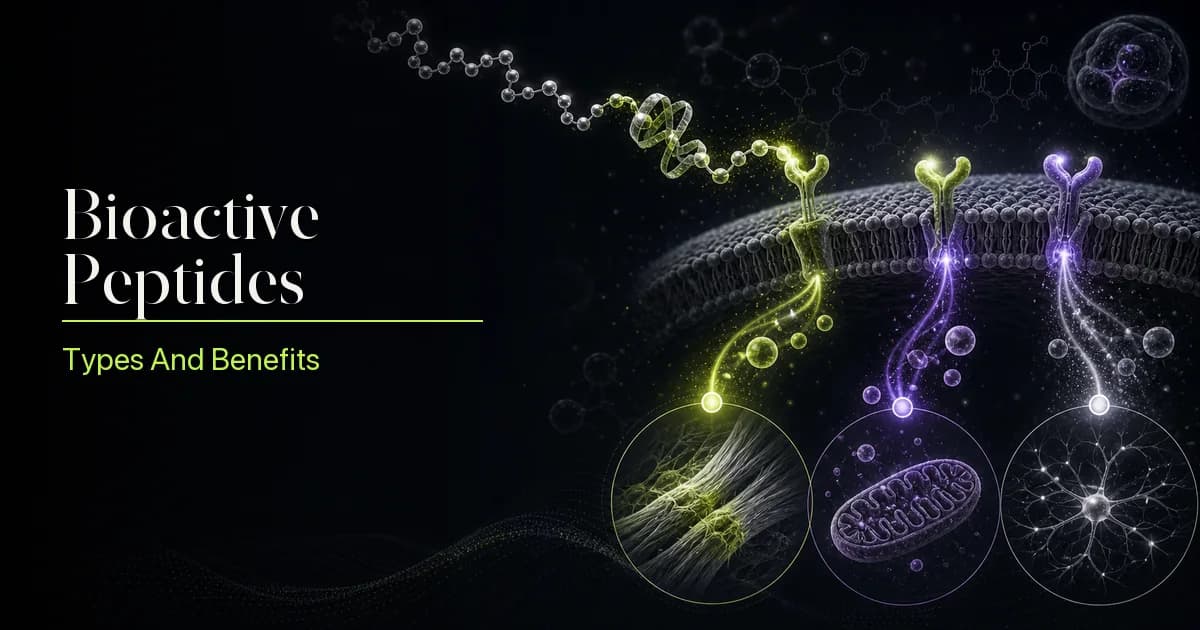
A bio peptide — short for bioactive peptide — is a sequence of amino acids, typically between 2 and 50 residues long, that produces a measurable biological effect by binding to specific receptors or modulating cellular pathways. The term distinguishes these functional molecules from inert peptides that are simply structural building blocks.
Why Sequence Specificity Matters
The key word is specific. Unlike generic protein fragments, bio peptides have precise amino acid sequences that fit particular receptors the way a key fits a lock. Changing even one amino acid can eliminate the biological effect entirely — or create a completely different one. This sequence specificity is what makes them powerful as research tools.
The Size Advantage
Full proteins (100+ amino acids) are too large to cross cell membranes or reach certain receptor sites efficiently. Peptides in the 2–50 residue range navigate biological barriers more readily, giving them unique pharmacokinetic profiles compared to both small-molecule drugs and large-protein biologics.
Three Sources of Bio Peptides
- Endogenous: Produced naturally within the body — insulin, repair peptides released after tissue injury
- Food-derived: Released from dietary proteins during digestion — casein, whey, collagen, plant proteins yield bioactive fragments
- Synthetic/research: Engineered in laboratories to mimic, amplify, or modify natural peptide activity
The Four Major Categories of Bio Peptides
1. Tissue Repair and Regeneration Peptides
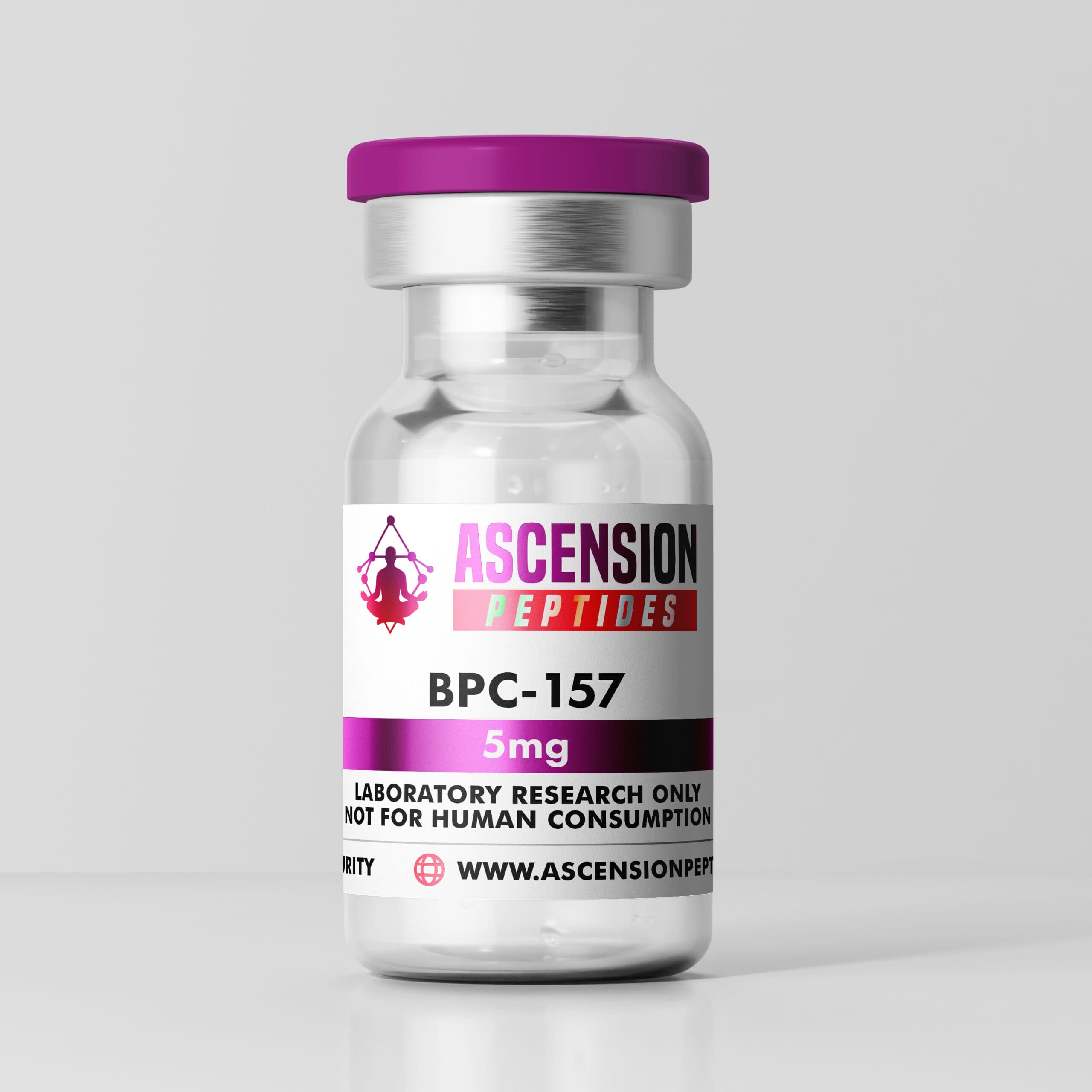
These accelerate healing by promoting cellular migration, collagen synthesis, angiogenesis, and growth factor release at injury sites. BPC-157 is the most extensively studied — a 15-amino-acid sequence derived from gastric juice protein. Animal research suggests it accelerates tendon, muscle, and gut healing through nitric oxide modulation and VEGF upregulation (Sikiric et al., 2018). For a detailed dosage overview, see our BPC-157 dosage guide.
TB-500 (Thymosin Beta-4) is another repair peptide with promise for angiogenesis and inflammation reduction in damaged tissue.
2. Growth Hormone Secretagogues
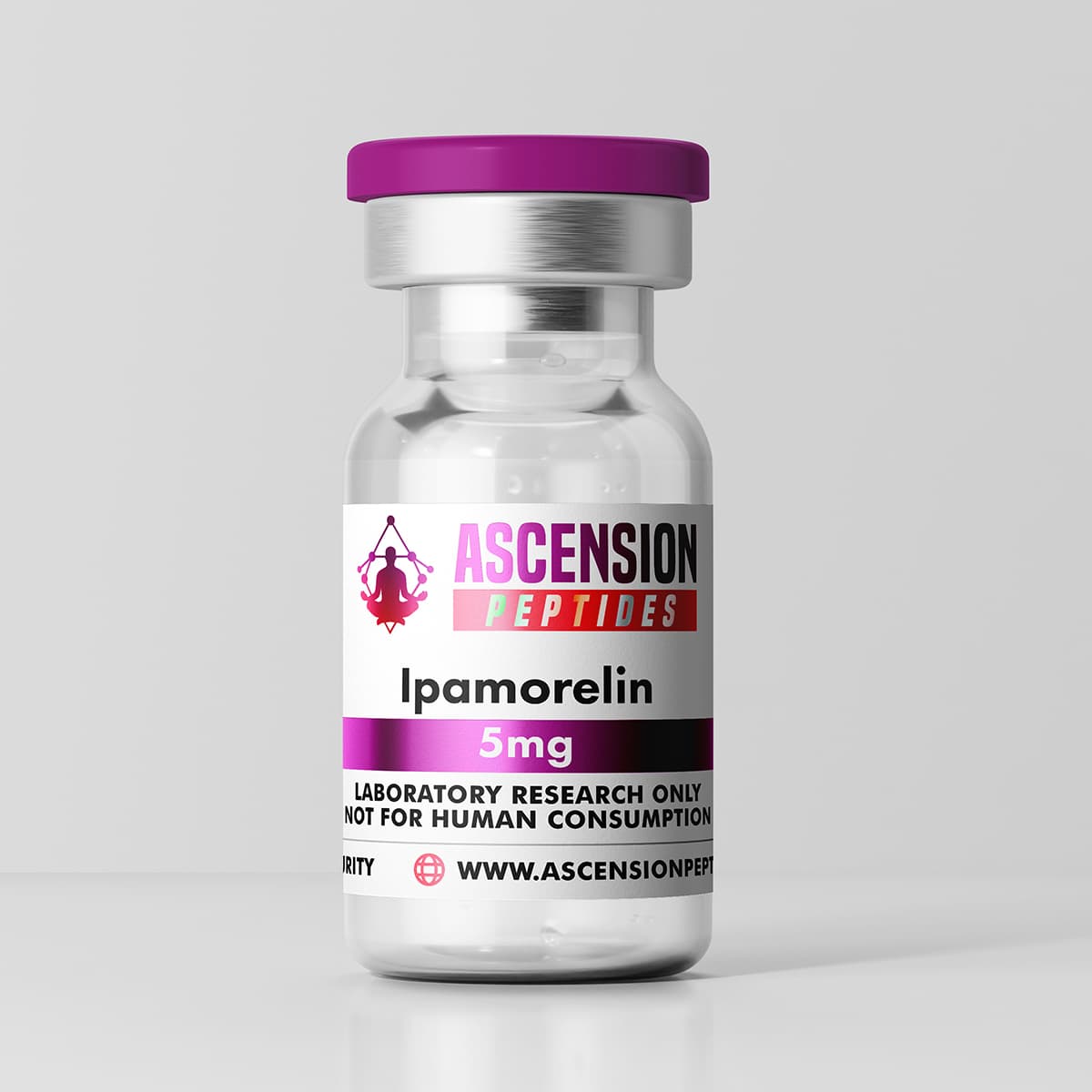
This category includes peptides that stimulate the pituitary gland to release growth hormone naturally, rather than introducing exogenous GH directly. Key compounds include Ipamorelin, CJC-1295, and Sermorelin. They amplify the body's own pulsatile GH release — a more physiologically nuanced approach than direct GH administration.
3. Skin and Anti-Aging Peptides
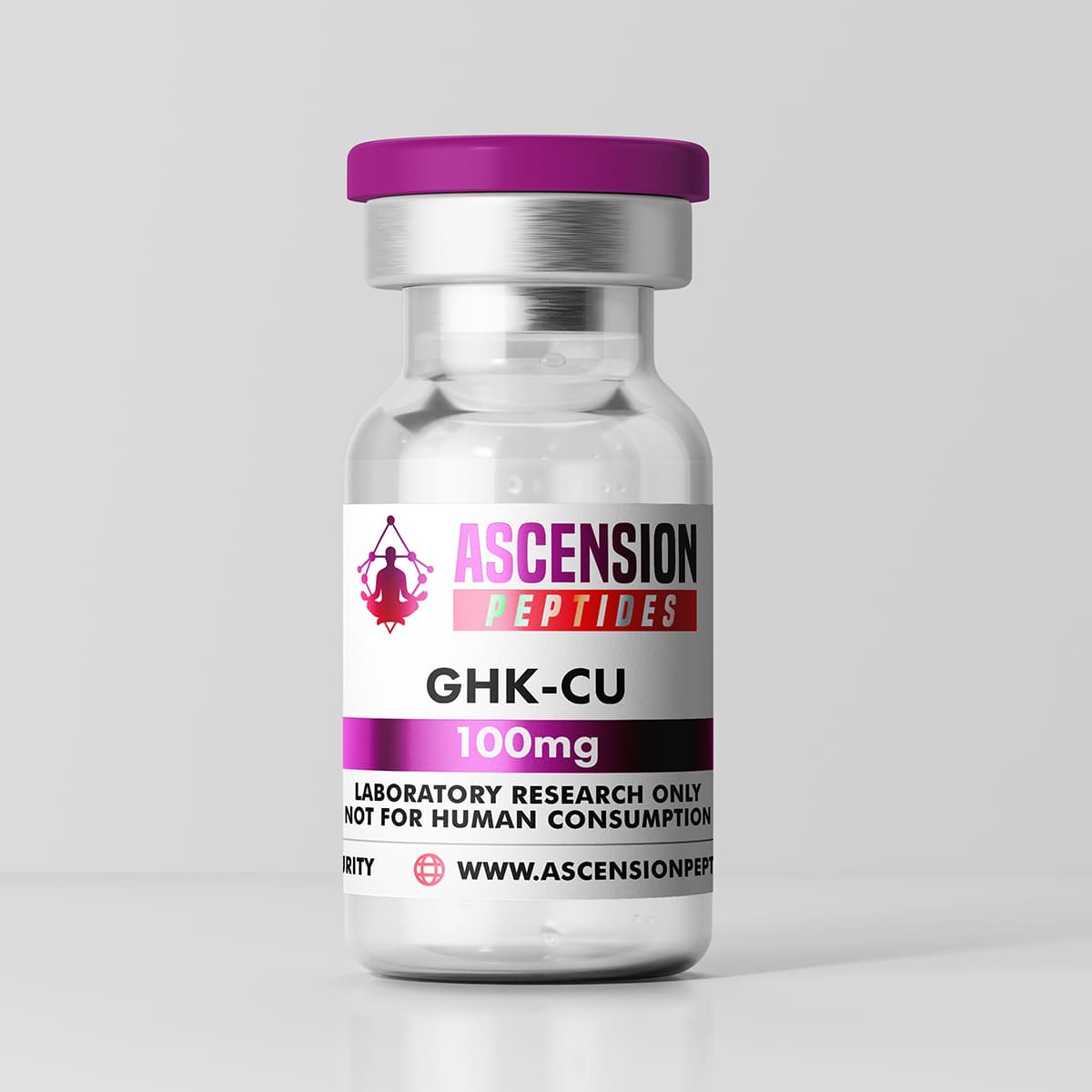
Cosmeceutical research has identified numerous peptides that modulate collagen production, inhibit muscle contraction (reducing expression lines), or act as antioxidants. GHK-Cu is the best-studied — a tripeptide-copper complex with documented collagen-stimulating, wound-healing, and antioxidant properties across multiple studies (Pickart et al., 2012).
4. Neuropeptides and Cognitive Modulators
Some bio peptides cross the blood-brain barrier to influence mood, cognition, and stress response. Selank and Semax are synthetic analogues of naturally occurring neuropeptides with documented anxiolytic and nootropic properties. PT-141 (Bremelanotide) acts on melanocortin receptors in the CNS and has FDA approval for HSDD.
How Bio Peptides Work: Core Mechanisms
Receptor Binding and Signal Transduction
Most bio peptides exert effects by binding to G protein-coupled receptors (GPCRs), tyrosine kinase receptors, or nuclear receptors. This triggers intracellular signaling cascades — phosphorylation events, second messenger systems (cAMP, IP3), or gene expression changes.
Enzyme Inhibition or Activation
Some peptides directly inhibit enzymes involved in inflammation or tissue breakdown. ACE-inhibitory peptides from milk proteins block angiotensin-converting enzyme to reduce blood pressure — one of the most robustly documented food-derived bio peptide mechanisms (Hernandez-Ledesma et al., 2014).
Epigenetic Modulation
Emerging research suggests certain peptides — particularly bioregulatory peptides like Epithalon — may influence gene expression at the epigenetic level, potentially explaining long-duration effects that outlast the peptide's circulation presence.
Antioxidant Activity
Many bio peptides reduce oxidative stress by scavenging free radicals or upregulating endogenous antioxidant enzymes (SOD, catalase). GHK-Cu is a well-quantified example of this mechanism.
Food-Derived Bio Peptides: What You Can Get From Diet
Dairy-Derived Peptides
Casein and whey yield casomorphins, lactoferrin fragments, and ACE-inhibitory peptides with antihypertensive research backing. Fermented dairy (aged cheese, yogurt, kefir) concentrates these bioactive fractions through microbial proteolysis.
Collagen-Derived Peptides
Collagen hydrolysate produces dipeptides (hydroxyproline-glycine) shown in clinical studies to accumulate in cartilage and support skin elasticity. These are among the most commercially successful bio peptide supplements.
Marine and Plant-Derived Peptides
Fish, shellfish, soy, and fermented plant foods all produce bioactive peptides with documented antioxidant and antihypertensive properties. Marine peptides are a particularly active research area.
The Bioavailability Gap
Food-derived bio peptides are generally consumed orally and absorbed (at least partially) through the GI tract. Their effects are typically modest and cumulative — fundamentally different from the acute, high-dose effects of synthetic research peptides administered by injection.
Food-Derived vs. Synthetic Research Peptides
Understanding Peptide Therapy
The concept of peptide therapy encompasses the clinical and research use of synthetic peptides to address specific health goals. This ranges from GH secretagogue protocols for body composition to BPC-157 for tissue repair to GHK-Cu for skin health. Each application has its own evidence base, dosing considerations, and safety profile.
How Peptide Therapy Works
Most peptide therapy protocols involve subcutaneous injection of reconstituted lyophilized peptides. The peptide enters systemic circulation, binds to target receptors, and produces its specific biological effect. Timing, dose, and cycle length vary by compound. For practical guidance on administration, see our guide on how to inject peptides.
Bio Peptide Safety Considerations
Food-Derived Peptides
Generally recognized as safe. Primary risk is allergenic — individuals with milk or fish allergies should be cautious with peptides from those sources. Low bioavailability limits both effects and risks.
Topical Skin Peptides
Well-tolerated in cosmeceutical formulations. Skin sensitivity reactions are possible but rare. These don't enter systemic circulation in meaningful quantities through intact skin.
Synthetic Research Peptides
This category demands the most caution:
- Injection site reactions (redness, swelling, irritation)
- Water retention and blood pressure changes (some GH secretagogues)
- Hormonal axis effects with chronic use
- Unknown long-term safety profiles
- Quality control risks from unverified suppliers
Quality Verification: The Non-Negotiables
What to Require
Batch-specific Certificate of Analysis from an independent third-party laboratory showing:
- HPLC purity ≥98%
- Mass spectrometry molecular weight confirmation
- Endotoxin testing (for injectable compounds)
- Sterility testing where applicable
Red Flags
Vendors who cannot produce a COA, offer pricing far below market rates, or make explicit therapeutic claims. Quality research peptides have real production costs. If it's suspiciously cheap, it's probably not what it claims to be.
Where to Source
For those evaluating research peptide sources, see our guide to finding the best peptide source in 2026. US-based suppliers with batch-specific COAs, HPLC verification, and clear research-use labeling are the minimum standard.
The Most Researched Bio Peptides
By Evidence Base
Deepening Your Bio Peptide Knowledge
Bio peptides are not one thing — they're a framework for understanding how short amino acid sequences carry biological instructions. For specific applications:
- Tissue repair: BPC-157 dosage guide
- Growth hormone: Ipamorelin, CJC-1295, Sermorelin compound pages
- Skin and anti-aging: Peptide therapy guide
- Cognitive: Selank, Semax compound pages
- Administration: How to inject peptides