Nootropic peptides represent one of the most compelling frontiers in cognitive science. Unlike traditional smart drugs that simply modulate neurotransmitter levels for a few hours, the best nootropic peptides work at a structural level — promoting synapse formation, stimulating neurotrophin production, and protecting neurons from oxidative stress and excitotoxicity. The result, at least in early research models, is cognitive enhancement that may be more durable than anything a racetam or stimulant can offer.
This 2026 guide covers the eight most researched nootropic peptides organized by primary mechanism: BDNF and neurotrophic support, synaptogenesis, neuroprotection, and anxiolytic/mood-cognition pathways. Where regulatory approvals outside the US exist, we note them. Everything here is framed as research information — none of these compounds are FDA-approved for cognitive use in humans.
1. Semax — ACTH-Derived Neurotrophic Peptide
Semax (Met-Glu-His-Phe-Pro-Gly-Pro) is a synthetic heptapeptide derived from the ACTH(4-7) fragment with a stabilizing Pro-Gly-Pro C-terminal extension. It has been approved in Russia for decades for stroke recovery, optic nerve disorders, and cognitive deficits — giving it a clinical track record unusual among research peptides.
Its cognitive mechanisms center on robust upregulation of BDNF (brain-derived neurotrophic factor) and NGF (nerve growth factor) in the hippocampus and cortex. In animal models, Semax consistently improves spatial memory, attention, and learning acquisition. It also modulates the dopaminergic and serotonergic systems, contributing to improved motivation and working memory.
Semax is typically administered intranasally at doses of 300–600 mcg per day in research contexts. Intranasal delivery allows direct nose-to-brain transport, bypassing first-pass metabolism. Anecdotal reports from self-experimenters describe improved focus, verbal fluency, and reduced mental fatigue — effects that appear within days rather than weeks.
- Primary mechanism: BDNF/NGF upregulation, dopamine modulation
- Regulatory status: Approved in Russia; not FDA-approved
- Administration: Intranasal
- Key strength: Decades of clinical use data outside the US
2. Selank — Anxiolytic Peptide with Cognitive Upside
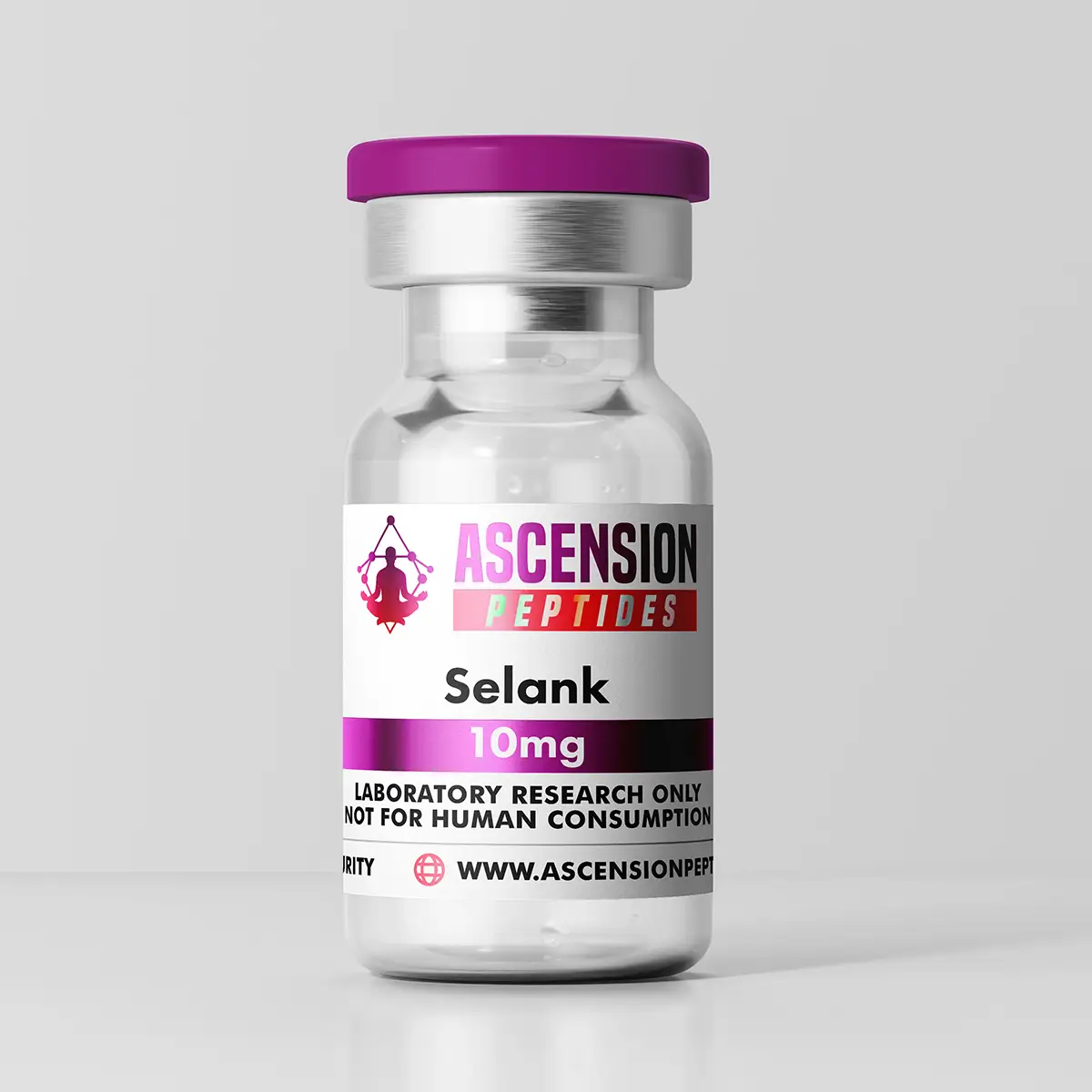
Selank is a synthetic analog of the endogenous tetrapeptide tuftsin, developed by the Institute of Molecular Genetics in Russia, where it holds approval as an anxiolytic and nootropic agent. Its primary cognitive benefit comes through a dual pathway: reducing anxiety (which impairs working memory and attention) while simultaneously upregulating BDNF expression.
In clinical trials conducted in Russia, Selank demonstrated significant improvements in memory consolidation, attention, and learning in patients with anxiety-related cognitive deficits. Unlike benzodiazepines, it does not cause sedation or dependence, and its anxiolytic effect is accompanied by a mild stimulating quality that supports mental clarity.
Selank also modulates enkephalin degradation, increasing levels of endogenous opioid peptides that play a role in memory encoding. Its IL-6 and interferon-related immune effects may additionally support brain health in inflammatory contexts. For anyone whose cognitive performance is blunted by chronic stress or anxiety, Selank represents one of the most evidence-supported peptide options available.
3. Dihexa — The Synapse-Formation Peptide
Dihexa (N-hexanoic-Tyr-Ile-(6) aminohexanoic amide) is a small peptide derived from angiotensin IV research at Washington State University. What makes Dihexa extraordinary in preclinical models is its potency: animal studies suggest it may be roughly 10 million times more potent than BDNF itself at promoting synaptogenesis — the formation of new synaptic connections between neurons.
Dihexa works by binding to the hepatocyte growth factor (HGF) receptor c-Met, triggering downstream signaling cascades that drive dendritic spine growth and new synapse formation. In aged rat models of cognitive impairment, Dihexa reversed deficits in spatial memory and object recognition. These results have made it one of the most discussed peptides in research nootropic communities.
It is worth noting that Dihexa has no human clinical trial data as of 2026. All evidence comes from preclinical animal models. Given its potency at HGF/c-Met signaling — a pathway also relevant in oncology — some researchers have raised theoretical concerns about long-term proliferative effects that would require human study to evaluate. Dihexa should be treated as an early-stage research compound.
4. PE-22-28 — TREK-1 Inhibitor and Synapse Promoter
PE-22-28 is a synthetic peptide analog of spadin, which itself is derived from the propeptide of the NTSR3/sortilin receptor. Its mechanism involves inhibition of TREK-1 potassium channels, which when overactive suppress synaptic plasticity and contribute to depressive states that impair cognition.
By inhibiting TREK-1, PE-22-28 promotes synaptogenesis in the hippocampus, the brain region most critical for memory formation and retrieval. Animal studies have shown antidepressant effects with a faster onset than SSRIs, alongside improvements in hippocampus-dependent memory tasks. As with Dihexa, no human trials exist yet, but the mechanistic rationale is scientifically compelling and the compound has attracted significant research interest.
5. Epithalon — Telomere Support and Neuroprotection
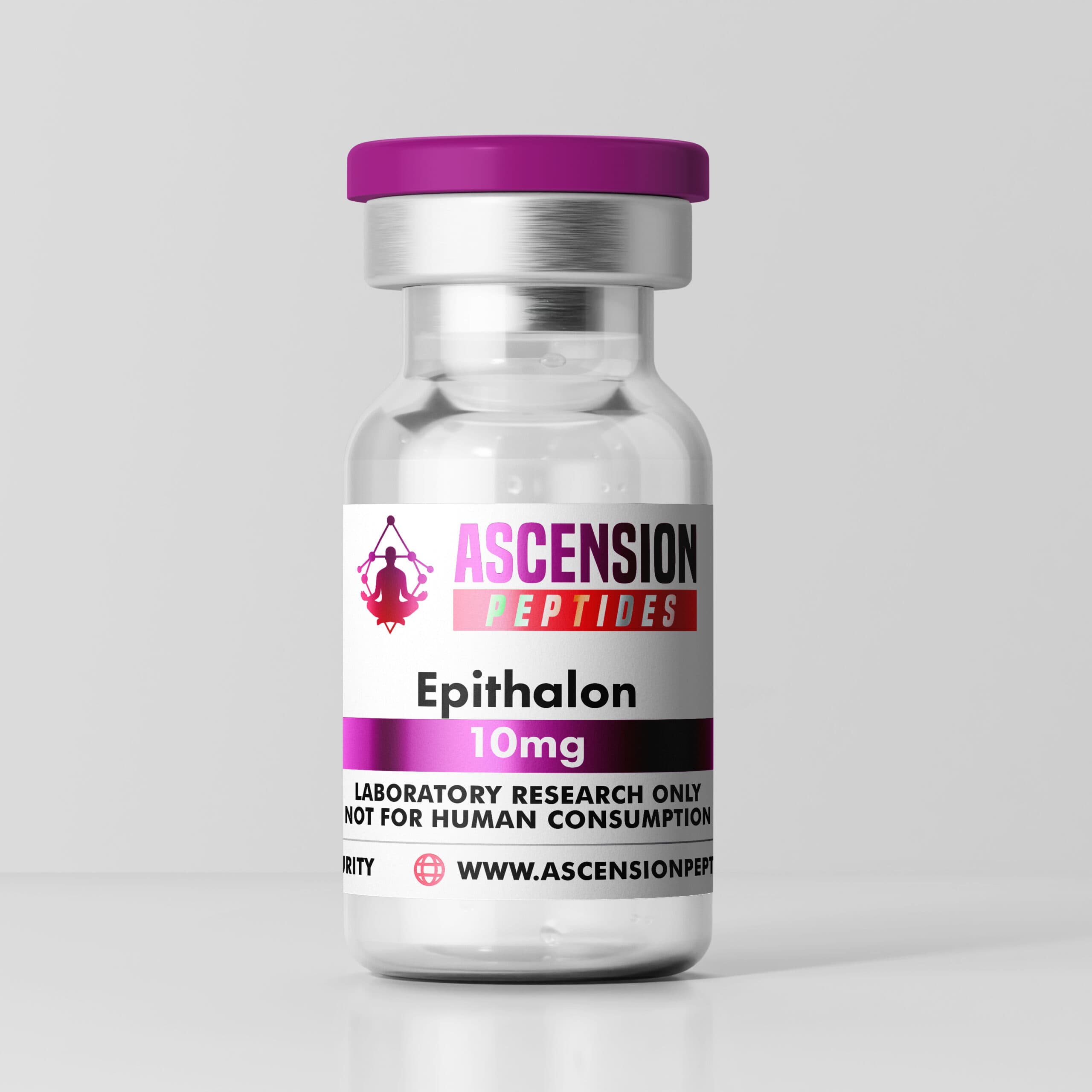
Epithalon (Ala-Glu-Asp-Gly) is a tetrapeptide derived from the pineal gland peptide epithalamin. Originally researched by Professor Vladimir Khavinson in Russia, Epithalon has accumulated an unusually large body of animal and limited human research focused on aging and longevity, with neurological benefits emerging as a key finding.
Epithalon's primary mechanism involves activation of telomerase, the enzyme responsible for maintaining telomere length. Short telomeres are associated with cellular aging, cognitive decline, and increased neurodegeneration risk. In animal models, Epithalon has demonstrated neuroprotective effects, including preservation of retinal function and reduction in age-related cognitive decline markers.
From a cognitive standpoint, Epithalon's benefits are more likely to manifest over long-term use as an anti-aging intervention than as an acute cognitive enhancer. It also normalizes melatonin production — a significant benefit given melatonin's role in memory consolidation during sleep. Researchers interested in longevity-oriented cognitive maintenance protocols often pair Epithalon with more acutely acting nootropic peptides like Semax.
6. Davunetide (NAP) — Microtubule Stabilization
Davunetide, also known as NAP (Asn-Ala-Pro-Val-Ser-Ile-Pro-Gln), is an eight-amino-acid peptide derived from activity-dependent neuroprotective protein (ADNP). It works through a unique mechanism: stabilizing microtubules in neurons, which are essential for axonal transport, synaptic vesicle trafficking, and neuronal structural integrity.
Tau pathology — the neurofibrillary tangles associated with Alzheimer's disease — is fundamentally a microtubule destabilization problem. Davunetide has shown protective effects against tau pathology in preclinical models and has entered Phase II clinical trials for progressive supranuclear palsy. While those trials have had mixed results, the compound's mechanism remains scientifically validated and of interest for neuroprotective research.
At picogram-to-nanogram doses in animal models, Davunetide improved performance in spatial memory tasks and protected against excitotoxic neuronal death. Its intranasal administration route makes it practically accessible for research purposes.
7. Humanin — Mitochondrial Peptide and Cognitive Protector
Humanin is a 21-amino-acid peptide encoded within the mitochondrial 16S rRNA gene — making it one of the few known mitochondrial-derived peptides (MDPs) with systemic signaling effects. Its discovery came from screening a library of genes expressed in surviving neurons from Alzheimer's patients' brains, giving it an inherently neuroprotective pedigree.
Humanin protects neurons from amyloid-beta toxicity, oxidative stress, and apoptosis. It activates JAK2/STAT3 signaling pathways and interacts with insulin-like growth factor binding protein 3 (IGFBP-3), reducing neuronal death signals. In animal models, Humanin administration improved memory and spatial learning while reducing Alzheimer's-associated pathology.
Importantly, endogenous Humanin levels decline with age, making supplementation an area of active longevity research. Its cognitive benefits in preclinical studies are predominantly neuroprotective rather than acutely enhancing — positioning it alongside Epithalon as a longer-term brain health compound.
8. Cerebrolysin — The Peptide Mixture with Clinical Data
Cerebrolysin is not a single peptide but a standardized mixture of low-molecular-weight peptides and amino acids derived from porcine brain tissue. It contains fragments of BDNF, NGF, CNTF, and other neurotrophins, effectively delivering a broad neurotrophic cocktail. It is approved in multiple European and Asian countries for Alzheimer's disease, stroke recovery, and traumatic brain injury.
The clinical evidence for Cerebrolysin is more robust than for almost any other nootropic peptide on this list. Multiple randomized controlled trials have demonstrated improvements in cognitive function in Alzheimer's patients, with effects comparable to or exceeding standard pharmacological treatments in some studies. Its mechanisms include neurotrophic support, anti-apoptotic signaling, amyloid-beta reduction, and synaptic plasticity enhancement.
Cerebrolysin requires intravenous or intramuscular administration, which limits its accessibility in research settings compared to intranasal peptides. However, for serious researchers interested in peptide nootropics with the strongest clinical evidence base, Cerebrolysin remains the benchmark compound.
Where to Source Nootropic Peptides: What to Look For
Given the range of vendors selling research peptides online, quality verification is critical. When evaluating a source for nootropic peptides like Semax, Selank, or Epithalon, prioritize these criteria:
- Third-party Certificate of Analysis (COA): Every batch should have an independent lab certificate showing purity ≥98% and mass spectrometry confirmation of the correct molecular structure.
- US-based manufacturing: Domestic manufacturing generally means tighter quality controls and faster, more reliable shipping without customs complications.
- HPLC purity testing: High-performance liquid chromatography confirms peptide purity independently of the vendor's own claims.
- Transparent peptide sequencing data: Reputable vendors publish the amino acid sequence verification alongside mass spec data.
- Research-only framing: Legitimate vendors sell these compounds explicitly for research purposes — avoid any vendor making overt medical claims or guaranteeing results.
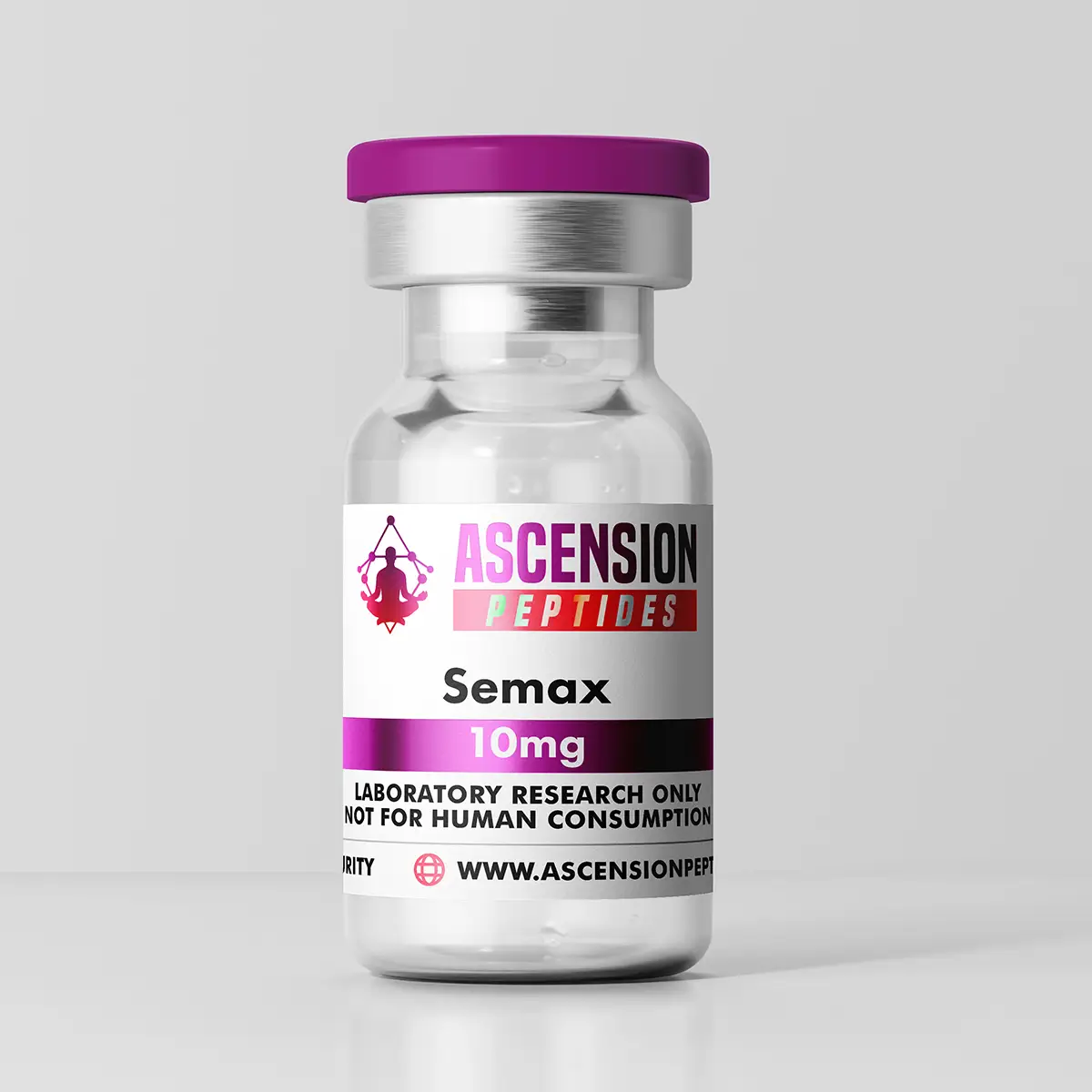
Ascension Peptides is one vendor frequently cited in research communities for meeting these quality standards across their nootropic peptide inventory, including Semax and Selank. Always verify current COA documentation before purchasing any peptide compound.