Stubborn fat that resists every intervention. Energy levels that have quietly eroded over months or years. A metabolism that seems to have switched into permanent conservation mode. If any of this sounds familiar, the problem may not be effort or discipline — it may be a single enzyme operating in your fat cells right now, actively suppressing the metabolic machinery your body needs to burn stored fat.
That enzyme is NNMT (nicotinamide N-methyltransferase). And 5-Amino-1MQ is the research compound specifically engineered to inhibit it. This complete guide covers the mechanism, the evidence, dosing protocols, stacking strategies, and everything researchers need to understand before working with this compound.
- Full name: 5-Amino-1-methylquinolinium
- Compound class: Small molecule NNMT inhibitor (not a traditional peptide)
- Primary research application: Fat loss, metabolic optimization, NAD+ preservation
- Typical injectable dose: 150–500 mcg/day subcutaneous
- Cycle length: 8–12 weeks, with 4-week off period
- Research status: Preclinical; not FDA-approved for human use
What Is 5-Amino-1MQ?
5-Amino-1MQ, formally known as 5-amino-1-methylquinolinium, is a synthetic small molecule compound — not a peptide in the traditional amino-acid-chain sense, but frequently grouped with research peptides because of how it is supplied, used, and studied in the same research contexts. Its sole documented mechanism is selective inhibition of the NNMT enzyme, which places it in a unique category among metabolic research compounds.
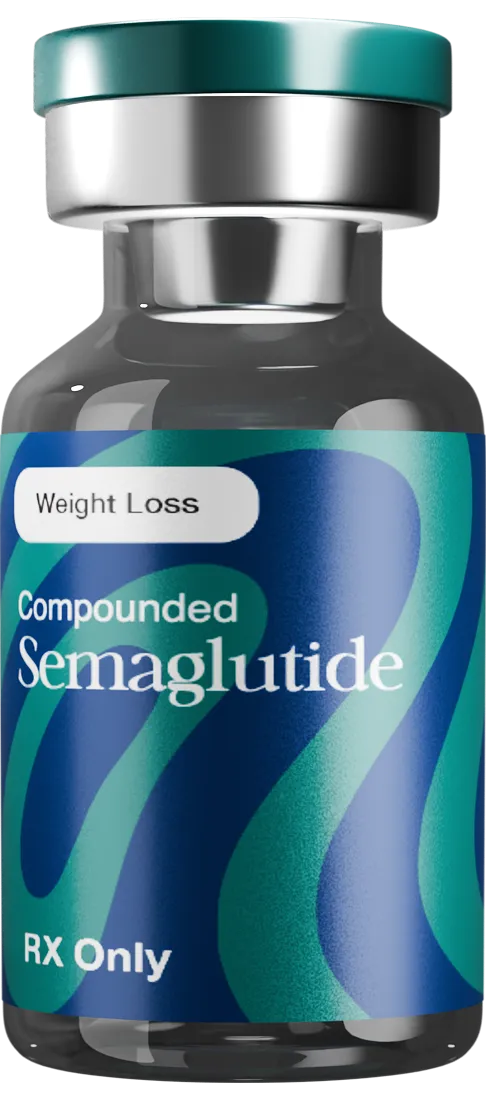
Unlike GLP-1 receptor agonists such as Semaglutide, which suppress appetite centrally, or growth hormone secretagogues like Ipamorelin, which stimulate anabolic signaling, 5-Amino-1MQ operates at a more fundamental level: the regulation of cellular energy currency itself. By blocking NNMT, it preserves the availability of SAM (S-adenosylmethionine) and supports NAD+ biosynthesis — two factors that are tightly coupled to how efficiently your cells metabolize fat.
The compound was first described in academic literature in the context of obesity research, with early animal studies published in journals including Nature Chemical Biology showing meaningful reductions in adiposity without changes to food intake. That finding — fat loss without appetite suppression — is what has made it a topic of intense interest among metabolic researchers.
How 5-Amino-1MQ Works: The NNMT Mechanism
To understand why 5-Amino-1MQ matters, you need to understand what NNMT does — and why its overactivity is a problem in the context of fat accumulation.
NNMT is an enzyme found primarily in adipose (fat) tissue. Its job is to methylate nicotinamide (a form of vitamin B3), converting it into 1-methylnicotinamide and effectively removing it from the NAD+ biosynthesis pathway. In research models of obesity, NNMT is significantly upregulated in white adipose tissue — meaning overweight subjects have an enzyme that is actively consuming the precursors needed to make NAD+ before those precursors can serve their metabolic purpose.
Here is why that matters:
- NAD+ depletion slows cellular metabolism. NAD+ is required for the enzymes (sirtuins, PARP) that regulate mitochondrial function, fat oxidation, and cellular repair. When NNMT is overactive, NAD+ levels fall, and fat cells enter a lower-energy, storage-preferring state.
- SAM depletion impairs methylation. NNMT consumes SAM in the methylation process. SAM is also required for hundreds of other enzymatic reactions including those involved in gene expression, fat metabolism, and neurotransmitter synthesis. Its overconsumption by NNMT creates a systemic deficit.
- The result is a metabolically inactive adipose environment. Fat cells that are low in NAD+ and SAM are fat cells that are very good at holding on to stored triglycerides and very poor at releasing them for oxidation.
5-Amino-1MQ competitively inhibits NNMT, reducing its activity and allowing NAD+ precursors and SAM to be redirected toward their intended metabolic functions. The downstream effect in animal studies has been increased fat oxidation, reduced adipocyte size, improved insulin sensitivity, and preservation of lean mass — all without caloric restriction.
NNMT overactivity → depletes NAD+ precursors and SAM → fat cells become metabolically sluggish → fat storage is favored over fat burning.
5-Amino-1MQ blocks NNMT → NAD+ biosynthesis is restored → adipose tissue becomes more metabolically active → fat oxidation increases.
5-Amino-1MQ Research: What the Evidence Shows
The research base for 5-Amino-1MQ is primarily preclinical, meaning the available data comes from cell culture studies and animal models rather than human clinical trials. Researchers should weigh this context carefully. That said, the findings are consistently compelling in the models where they have been tested.
Fat Loss Without Caloric Restriction
The landmark study most cited in 5-Amino-1MQ research demonstrated that mice on a high-fat diet treated with the compound showed significant reductions in fat mass compared to controls — without any changes in food intake. This points to a purely metabolic mechanism rather than an appetite-suppressive one, which has significant implications for research into obesity driven by metabolic dysfunction rather than hyperphagia.
Preservation of Lean Mass
In the same research models, lean mass (muscle tissue) was preserved or marginally improved during periods of fat loss. This is a critical distinction from simple caloric restriction, which typically degrades both fat and muscle. The preservation of lean mass during a cut is one of the most sought-after properties in metabolic research compounds, and it places 5-Amino-1MQ alongside agents like BPC-157 and TB-500 in terms of tissue-preservation interest.
Improved Insulin Sensitivity
NNMT inhibition in adipose tissue has been associated with improved glucose uptake and insulin sensitivity in preclinical models. This is mechanistically consistent with the restoration of NAD+-dependent sirtuin activity (particularly SIRT1), which plays a well-documented role in insulin signaling and glucose homeostasis.
NAD+ and Energy Metabolism
By preserving NAD+ precursor availability, 5-Amino-1MQ research suggests downstream improvements in mitochondrial function — the energy-generating organelles within cells. Enhanced mitochondrial efficiency translates to better substrate utilization, which in plain terms means cells are better at burning both glucose and fat for energy rather than storing excess as adipose tissue.
5-Amino-1MQ Dosage: Research Protocols

Because 5-Amino-1MQ is a research compound without human clinical trial data, dosage guidance is extrapolated from animal study data, pharmacokinetic modelling, and researcher community consensus. The following reflects current research practice and should not be interpreted as medical advice.
- Beginner dose: 150 mcg/day subcutaneous injection
- Intermediate dose: 250–350 mcg/day
- Advanced dose: Up to 500 mcg/day
- Injection site: Subcutaneous (abdomen, thigh)
- Frequency: Once daily
- Cycle length: 8–12 weeks
- Off period: Minimum 4 weeks before resuming
New researchers typically begin at 150 mcg daily to assess individual tolerance before progressing upward. The subcutaneous injection route is standard for the injectable formulation. Some research protocols split larger doses into morning and evening administrations, though the half-life data to fully support this practice in humans is not yet established.
Unlike many peptides which require refrigeration and careful handling, 5-Amino-1MQ is relatively stable, though standard peptide storage practices (cool, dark, away from moisture) should be followed.
5-Amino-1MQ Stacking: Research Combinations
5-Amino-1MQ is increasingly studied in combination with other research compounds, particularly where complementary mechanisms can produce additive or synergistic metabolic effects. The following are commonly explored research stacks.
5-Amino-1MQ + CJC-1295/Ipamorelin (Body Composition Stack)
Combining NNMT inhibition with growth hormone secretagogues is a logical pairing. CJC-1295 and Ipamorelin stimulate endogenous GH release, which promotes lipolysis and lean mass preservation. 5-Amino-1MQ addresses the cellular-level metabolic environment in adipose tissue. Together, they work on separate but complementary pathways — one signaling the body to release fat, the other ensuring the fat-cell environment is primed to respond.
5-Amino-1MQ + BPC-157 (Recovery and Metabolism Stack)
For researchers focused on maintaining training performance during a cut, pairing 5-Amino-1MQ with BPC-157 addresses both the metabolic and the recovery dimensions. BPC-157's well-documented tissue repair and anti-inflammatory properties complement the metabolic environment improvements offered by NNMT inhibition.
5-Amino-1MQ + Semaglutide (Aggressive Fat Loss Research)
Some research protocols combine 5-Amino-1MQ with GLP-1 receptor agonists like Semaglutide. The rationale: Semaglutide reduces caloric intake via central appetite suppression while 5-Amino-1MQ enhances the metabolic efficiency of the resulting caloric deficit. This dual-mechanism approach addresses both the intake and expenditure sides of energy balance. Note that this combination represents an advanced research protocol and introduces compounded variables.
5-Amino-1MQ + Sermorelin (Anti-Aging/Longevity Stack)
Given the NAD+ preservation properties of 5-Amino-1MQ, researchers interested in longevity and cellular health sometimes pair it with Sermorelin, a GHRH analogue that supports IGF-1 production and overall anabolic signaling. NAD+-dependent sirtuins are key regulators of the longevity pathways associated with caloric restriction mimetics, making NNMT inhibition of interest beyond simple fat loss applications.
5-Amino-1MQ: Safety Profile and Considerations
The safety profile of 5-Amino-1MQ in human subjects has not been formally characterized through clinical trial data. Preclinical animal studies have not identified significant toxicity at research doses, and the compound appears to be well-tolerated in the models studied. Researcher-reported experiences in the community suggest the following observations, though these are anecdotal and should be treated accordingly:
- Injection site reactions (mild redness, transient discomfort) are possible with any subcutaneous injection protocol
- No significant hormonal suppression has been documented, which distinguishes it from anabolic research compounds
- Because NNMT plays roles in liver metabolism and methylation cycles, researchers with pre-existing hepatic conditions should approach with caution
- Potential interactions with methylation-dependent pharmacological agents (including certain antidepressants and methylfolate-dependent compounds) are theoretically plausible and warrant research attention
Standard research practice includes baseline bloodwork (metabolic panel, liver enzymes, fasting glucose, insulin) before beginning any protocol involving 5-Amino-1MQ, with repeat testing at the midpoint and end of cycle.
Where to Buy 5-Amino-1MQ for Research
Because 5-Amino-1MQ is a research compound rather than a pharmaceutical product, sourcing quality material requires careful vendor evaluation. The peptide research supply market varies dramatically in quality, and purity verification is critical for any serious research application.
When evaluating vendors for 5-Amino-1MQ, researchers should look for:
- Third-party Certificate of Analysis (COA): Independent lab testing confirming identity and purity, ideally showing ≥98% purity via HPLC
- Mass spectrometry verification: Confirms the compound is what it claims to be, not a cheaper substitute
- US-based manufacturing: Reduces regulatory risk and typically signals higher quality control standards
- Transparent sourcing: Reputable vendors publish their testing methodology and lab partnerships
- Proper storage and shipping: Cold chain where indicated, discreet packaging
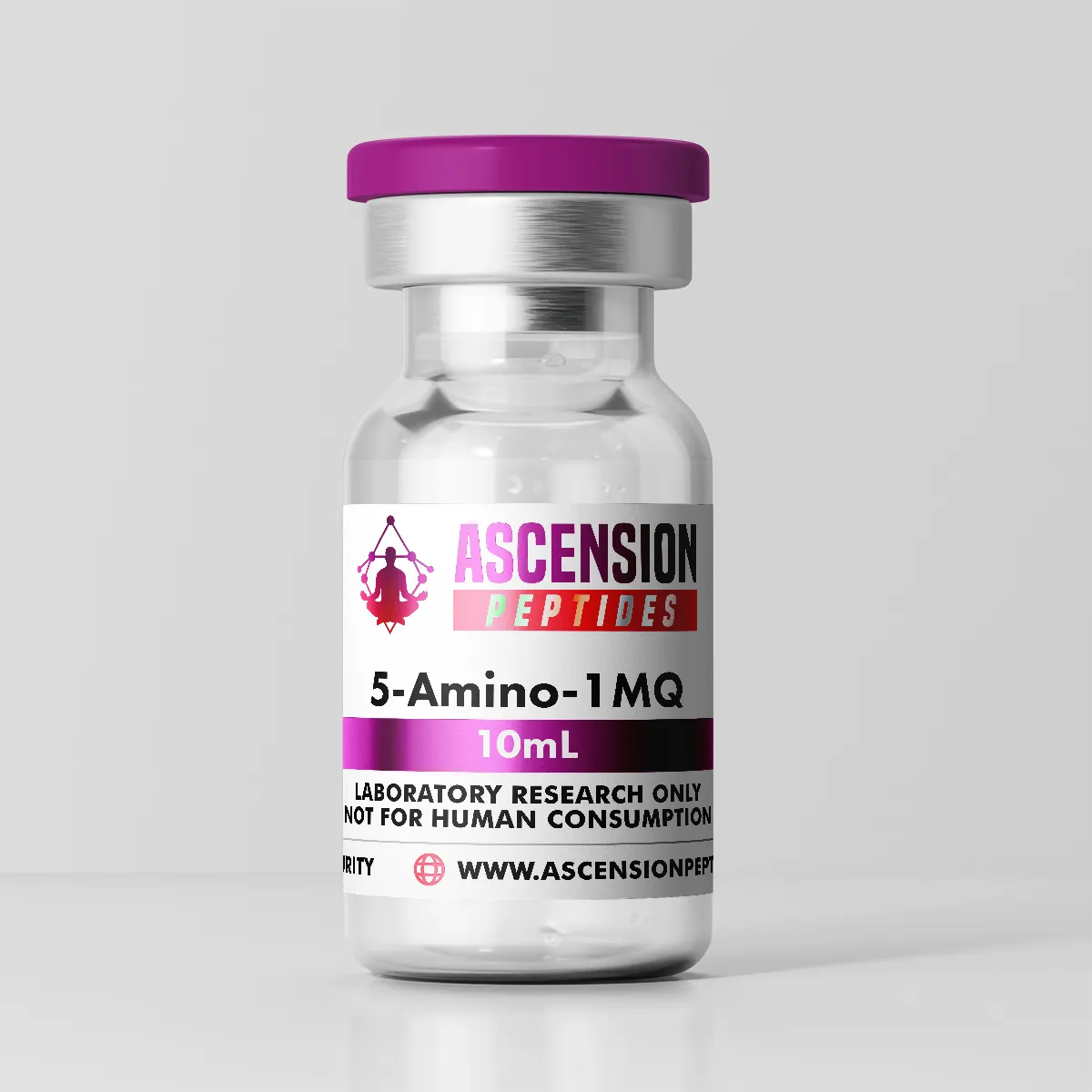
Ascension Peptides is a vendor that researchers frequently cite for meeting these criteria on 5-Amino-1MQ and related compounds, offering verified purity documentation and US-based sourcing for research applications.