Immune Peptides
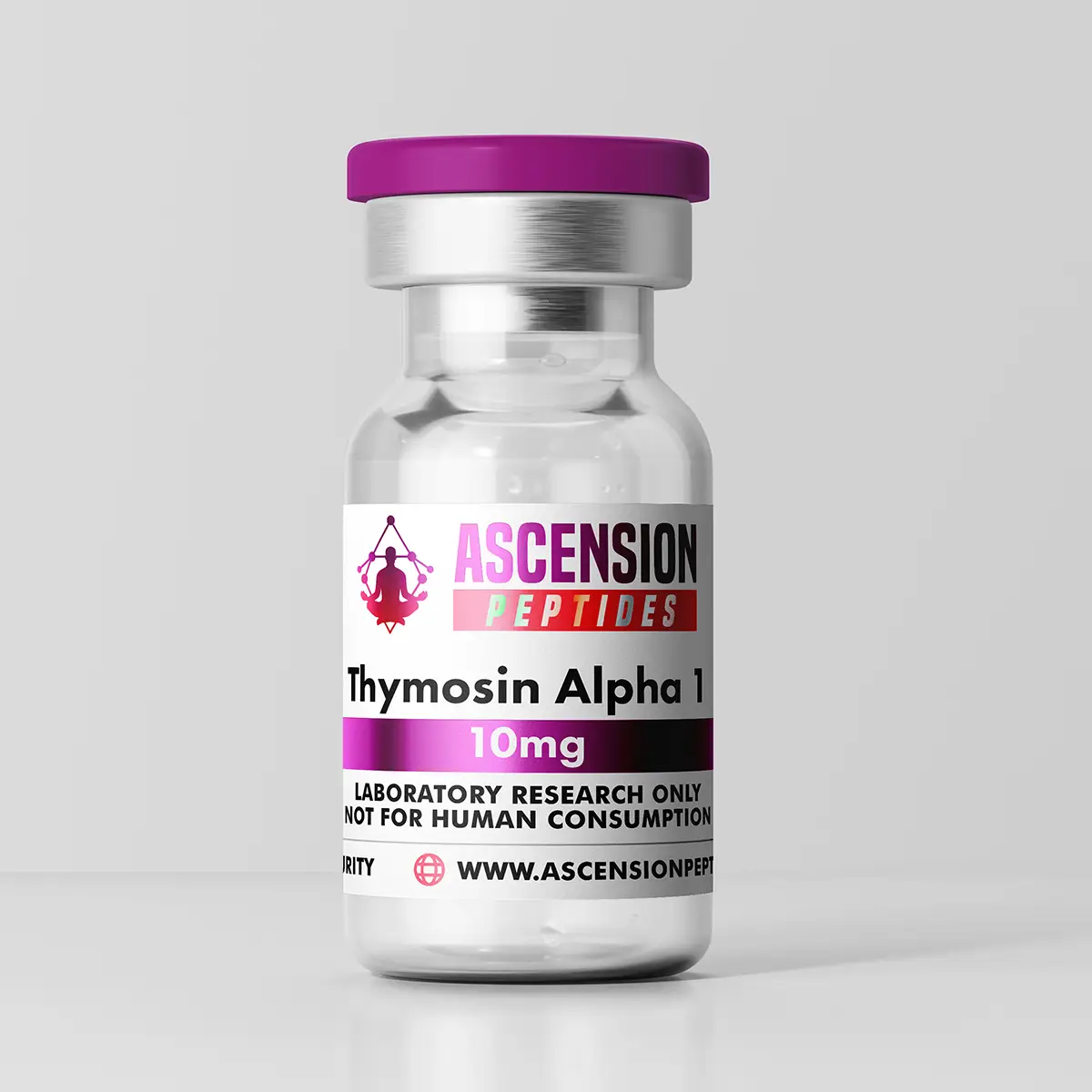
Thymosin Alpha-1
with codePEPTIDEDECKat checkout· list $99.99
- Purity
- 99%+
- Vial
- 10mg
- Form
- Lyophilized powder in sealed borosilicate vial
- Half-life
- ~2 hours in preclinical pharmacokinetic studies
Thymosin Alpha-1 for sale at PeptideDeck: a synthetic 28-amino acid immunomodulatory peptide (Thymalfasin) derived from thymosin fraction 5, supplied as 99%+ pure lyophilized powder in a sealed 10mg research vial. If you are searching for where to buy Thymosin Alpha-1 online with independently verified purity and US domestic shipping, this is the vetted source we recommend.
About Thymosin Alpha-1
Buy Thymosin Alpha-1 at PeptideDeck and receive a 10mg research vial of the synthetic 28-amino acid immune-modulating peptide, sourced from a vetted US peptide supplier with batch-level certificate of analysis documentation. Thymosin Alpha-1 for sale here is independently tested for identity and purity before release, supplying 99%+ pure lyophilized powder in a sealed borosilicate vial. Researchers evaluating where to buy Thymosin Alpha-1 for immunology research, T-cell biology, or cytokine modulation studies will find this listing among the most quality-documented and consistently stocked US sources available. Purchase Thymosin Alpha-1 knowing each vial ships from a domestic US warehouse with lot traceability to a published COA. Thymosin Alpha-1 for sale on this page is supplied strictly for in-vitro laboratory research and is not intended for human or veterinary use.
Thymosin Alpha-1 (Thymalfasin, also marketed under the brand name Zadaxin by SciClone Pharmaceuticals) is one of the best-characterized synthetic immunomodulatory peptides in the published pharmacology literature. The compound is the subject of an extensive research record spanning in-vitro immunology studies, animal infection models, and clinical investigation in multiple countries for chronic viral hepatitis and immunodeficiency states. This depth of published literature makes Thymosin Alpha-1 a tractable research tool for immunology laboratories that require a well-characterized positive control or mechanistic probe in T-cell and cytokine research designs.
The Thymosin Alpha-1 price at this listing is $71.00 per 10mg vial, representing a Thymosin Alpha-1 price per mg of $7.10. For researchers comparing Thymosin Alpha-1 for sale options, the 10mg vial format is appropriate for multi-experiment immunology research programs. The compound is frequently purchased alongside other immune research peptides for combination cytokine and T-cell activation studies.
Where to Buy Thymosin Alpha-1
Researchers seeking where to buy Thymosin Alpha-1 online for immunology research need to evaluate suppliers on three criteria: purity documentation from an independent laboratory, identity confirmation by mass spectrometry showing the expected 3,108 Da molecular mass, and US domestic fulfillment that reduces transit risk. PeptideDeck lists Thymosin Alpha-1 for sale exclusively from suppliers that satisfy all three criteria.
When you purchase Thymosin Alpha-1 through this listing, you receive a 10mg vial from a specific named production lot with COA documentation, shipped from a domestic US warehouse via tracked courier in discreet packaging. The Thymosin Alpha-1 price at $71.00 per 10mg vial is competitive for 99%+ purity material from a COA-documented US supplier. Thymosin Alpha-1 for sale here is available for same-day dispatch on in-stock orders.
Volume pricing for research institutions requiring multiple Thymosin Alpha-1 vials may be available; contact the vendor directly through the checkout link for institutional procurement inquiries. Payment methods include major credit cards and select alternative options through an encrypted checkout.
Quality Assurance & COA
Every Thymosin Alpha-1 10mg vial through this listing undergoes a rigorous quality process before release. HPLC-UV analysis confirms purity at 99%+ with peak identity matching the Thymosin Alpha-1 reference standard. Electrospray ionization mass spectrometry confirms the expected molecular mass of approximately 3,108 Da within instrument tolerance. Endotoxin testing by LAL assay is conducted on selected production lots, which is particularly important for immune research applications where endotoxin contamination would confound cytokine and T-cell activation endpoints.
The lot-specific COA is issued by the independent testing laboratory and can be provided to researchers on request via the vendor's support channel. Buying Thymosin Alpha-1 with access to a verifiable, endotoxin-tested, lot-traceable COA is especially critical for immunology research where contamination artifacts can invalidate cytokine secretion and cell activation data.
Mechanism of Action
Thymosin Alpha-1 exerts its documented preclinical immunomodulatory effects through several converging signaling pathways centered on T-cell biology, innate immune activation, and cytokine network regulation. The compound's mechanism has been the subject of extensive investigation over four decades, making it one of the most thoroughly characterized synthetic immunomodulatory peptides available for laboratory research.
The primary documented mechanism involves Toll-like receptor (TLR) signaling, specifically TLR9 on plasmacytoid dendritic cells (pDCs) and TLR2/TLR4 on monocyte-derived dendritic cells. Published research has documented that Thymosin Alpha-1 acts as a TLR agonist-like modulator, enhancing the sensitivity of dendritic cells to pathogen-associated molecular patterns and upregulating co-stimulatory molecule expression including CD80, CD86, and MHC class II. This dendritic cell activation effect is the proposed upstream mechanism for downstream T-cell effects documented in immunology research.
Thymosin Alpha-1 has been studied for its effects on T-helper cell subset polarization. In preclinical models, the compound has been shown to promote Th1 polarization, characterized by increased IL-12 and IFN-gamma production, with concurrent suppression of Th2-associated cytokines IL-4 and IL-13. This Th1/Th2 regulatory activity is mechanistically relevant to research models of chronic viral infection, tumor immunology, and autoimmune disease where T-helper subset balance is an important experimental endpoint.
Natural killer (NK) cell activation represents a third documented mechanism: published studies have shown that Thymosin Alpha-1 enhances NK cell cytotoxic activity and increases perforin and granzyme B expression in NK cell culture research models, which has been proposed as a mechanism for documented anti-tumor effects in preclinical animal models.
Regulatory T-cell (Treg) biology is a fourth mechanistic research axis: published studies in murine models have documented that Thymosin Alpha-1 can modulate Foxp3+ Treg frequency and function, with context-dependent effects depending on the immune state of the research model. This bidirectional regulatory capacity has supported investigation of Thymosin Alpha-1 in autoimmune and transplant tolerance research applications.
Cytokine network effects extend beyond T-cell and NK cell biology: Thymosin Alpha-1 has been documented to upregulate IL-2 production by T-cells, enhance IL-12 secretion by macrophages, and modulate TNF-alpha and IL-6 production in monocyte culture systems, providing a broad cytokine network modulation profile for immunology research applications.
Chemical Profile
Thymosin Alpha-1 is a 28-amino acid synthetic peptide with the full primary sequence: Ac-Ser-Asp-Ala-Ala-Val-Asp-Thr-Ser-Ser-Glu-Ile-Thr-Thr-Lys-Asp-Leu-Lys-Glu-Lys-Lys-Glu-Val-Val-Glu-Glu-Ala-Glu-Asn-OH. The compound has a molecular formula of C129H215N33O55 and a molecular weight of approximately 3,108 g/mol. The compound is also known by the INN Thymalfasin.
Thymosin Alpha-1 was originally isolated from thymosin fraction 5, a calf thymus extract, by Goldstein and collaborators at George Washington University in the 1970s. The 28-residue synthetic form is N-terminally acetylated, which is essential for biological activity in immunology research models; non-acetylated forms show significantly reduced receptor engagement.
The CAS registry number for Thymosin Alpha-1 is 62304-98-7. The compound is supplied as a lyophilized white to off-white powder, freely soluble in water and standard research buffers. Each 10mg vial in this listing is independently verified by HPLC for purity at 99%+ and by mass spectrometry confirming the expected molecular mass of approximately 3,108 Da.
Research Applications
Thymosin Alpha-1 has accumulated an extensive preclinical research portfolio spanning immunology, infectious disease biology, oncology, and aging research. It is one of the few synthetic peptides with a regulatory-approved clinical analogue (Zadaxin), which provides the compound with a documented translational research track record that most research peptides lack.
In infectious disease research models, Thymosin Alpha-1 has been investigated in animal models of viral hepatitis (particularly hepatitis B and C in woodchuck and murine systems), HIV immunology, and influenza infection, with documented effects on viral replication markers, cytotoxic T-cell activity, and seroconversion endpoints. This infectious disease research record is the foundation of its regulatory approval in some countries.
Oncology research represents a second major application cluster: published animal studies have investigated Thymosin Alpha-1 as a biological response modifier in tumor immunology research, with documented effects on tumor growth endpoints, cytotoxic T-lymphocyte activity, and NK cell tumor killing in syngeneic rodent tumor models. These findings have supported investigation as an adjuvant in cancer immunology research protocols.
Sepsis and critical illness immunology represents a more recently developed research application: published clinical and preclinical research has examined Thymosin Alpha-1 in the context of immunoparalysis in sepsis models, with documented effects on monocyte HLA-DR expression recovery and cytokine production restoration. This application has attracted significant research interest following the COVID-19 pandemic, during which Thymosin Alpha-1 was studied in several Asian clinical trials for severe respiratory infection.
Aging research applications include investigation of Thymosin Alpha-1 in models of immune senescence, thymic involution, and age-associated immunodeficiency, connecting the compound's thymic origin to contemporary immunogerontology research. All applications above are documented in preclinical animal research and in-vitro cell culture models unless otherwise noted; clinical study citations are provided in the references section.
Reconstitution & Dosing Reference
Thymosin Alpha-1 10mg vials are supplied as lyophilized powder and require reconstitution with sterile bacteriostatic water before use in liquid-phase research protocols. The following reconstitution math is provided as a laboratory reference only and is not a human dosing protocol.
Standard 10mg reconstitution references used in immunology research:
- Add 1.0 mL BAC water to 10mg vial: yields 10,000 mcg/mL (10 mcg per 1 uL draw). - Add 2.0 mL BAC water to 10mg vial: yields 5,000 mcg/mL (5 mcg per 1 uL draw). - Add 5.0 mL BAC water to 10mg vial: yields 2,000 mcg/mL (2 mcg per 1 uL draw).
For cell culture research: at a 10,000 mcg/mL stock, each microliter contains 10 mcg (approximately 3.2 nanomoles at 3,108 g/mol). Serial dilution into culture media allows researchers to achieve working concentrations across the range documented in published dendritic cell, T-cell, and NK cell research. Published in-vitro immunology studies have commonly employed working concentrations in the range of 0.1 to 10 micrograms/mL for T-cell activation and cytokine secretion endpoint assays.
Inject BAC water slowly into the lyophilized vial along the glass wall. Swirl gently; do not shake. Allow 2 to 5 minutes for complete dissolution. Filter reconstituted Thymosin Alpha-1 through a 0.22 micron syringe filter before use in sterile cell culture systems.
Storage & Handling
Store unopened Thymosin Alpha-1 lyophilized vials at minus 20 degrees Celsius for long-term stability. Short-term storage at standard refrigeration (2 to 8 degrees Celsius) for up to two weeks is acceptable for sealed vials. Once reconstituted with bacteriostatic water, refrigerate the Thymosin Alpha-1 solution at 2 to 8 degrees Celsius and use within 28 to 30 days.
Protect reconstituted Thymosin Alpha-1 solution from UV light exposure, which can accelerate oxidation of the methionine-free but cysteine-absent 28-residue chain. Do not freeze reconstituted solution; freeze-thaw cycles promote aggregation and reduce effective concentration. For multi-week research programs, aliquot reconstituted Thymosin Alpha-1 into single-use volumes and store at minus 80 degrees Celsius to maximize working stock stability.
On receipt of Thymosin Alpha-1 vials, inspect for cake uniformity and seal integrity. Log the lot number, receipt date, and COA reference in laboratory inventory for full chain-of-custody traceability through the life of the research stock.
Research Benefits
Synthetic 28-aa immunomodulatory peptide (N-Ac-Thymalfasin), CAS 62304-98-7, ~3,108 g/mol
99%+ purity by HPLC-UV, ESI-MS identity confirmed, endotoxin-tested, lot-specific COA
Documented TLR9 agonist-like activity on plasmacytoid dendritic cells in preclinical models
Investigated for Th1 polarization, IL-12, IFN-gamma upregulation in T-cell culture research
Studied in NK cell cytotoxic activation and Foxp3+ Treg modulation models
Research record across infectious disease, tumor immunology, and sepsis immunoparalysis models
Freely water-soluble lyophilized powder, 10mg sealed vial, same-day US shipping
One of few research peptides with a regulatory-approved clinical analogue (Zadaxin)
Product Specifications
| Molecular Weight | ~3,108 g/mol (C129H215N33O55, N-terminally acetylated) |
| Sequence | Ac-Ser-Asp-Ala-Ala-Val-Asp-Thr-Ser-Ser-Glu-Ile-Thr-Thr-Lys-Asp-Leu-Lys-Glu-Lys-Lys-Glu-Val-Val-Glu-Glu-Ala-Glu-Asn-OH (28 aa) |
| Half-Life | ~2 hours in preclinical pharmacokinetic studies |
| Purity | 99%+ |
| Form | Lyophilized powder in sealed borosilicate vial |
| Storage | Store lyophilized at -20°C long-term; reconstituted solution at 2-8°C, use within 30 days. |
Frequently Asked Questions
Scientific References
Hepatology · 2001
Clinical Infectious Diseases · 2015
Clinical Infectious Diseases · 2020
Expert Opinion on Biological Therapy · 2010
References provided for informational research context only. PeptideDeck does not imply clinical application or endorse any human use.
You May Also Like
View all →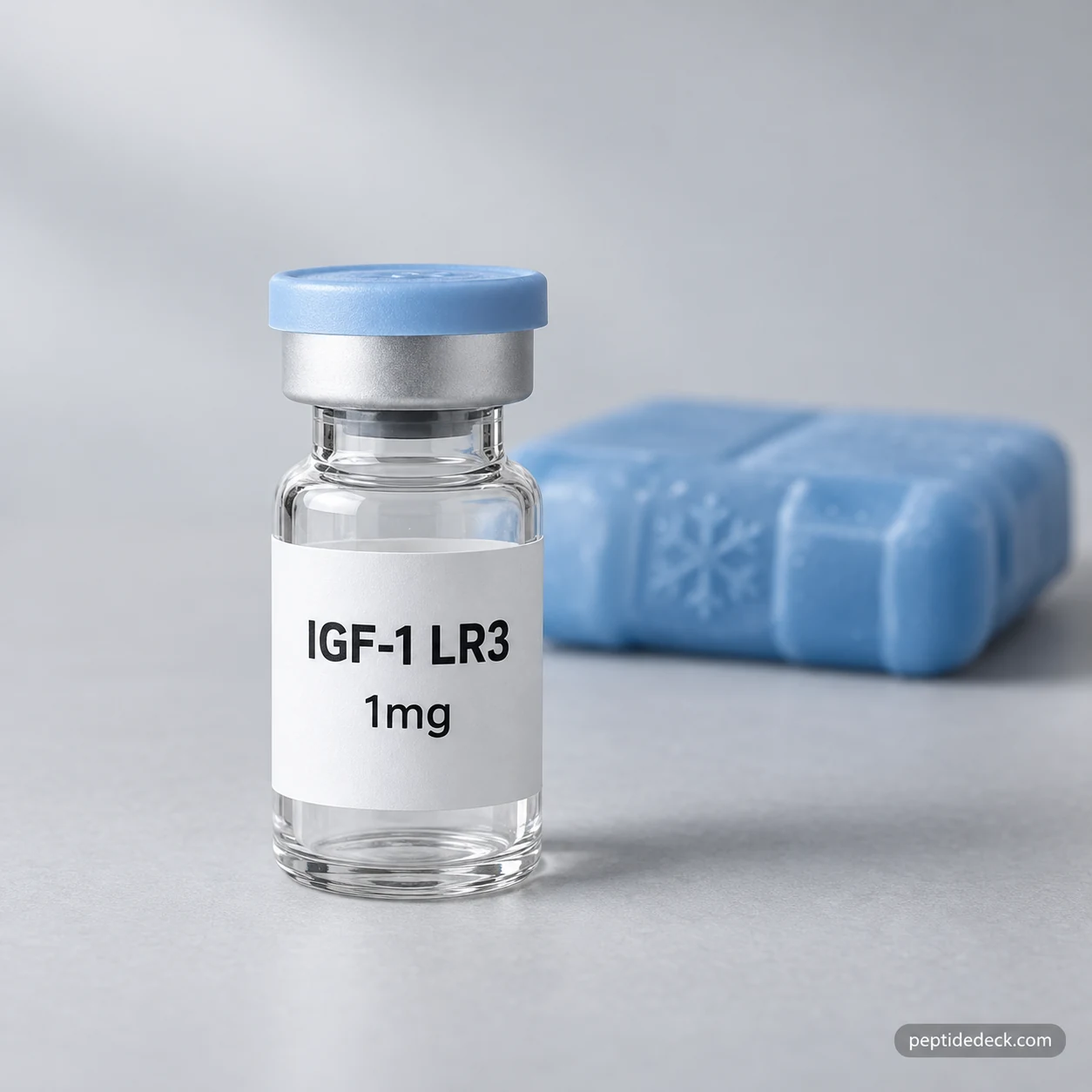
Growth Factor Peptides
IGF-1 LR3
Long R3 Insulin-like Growth Factor-1, 1mg vial
Growth Hormone Releasing Hormone (GHRH) Analogues
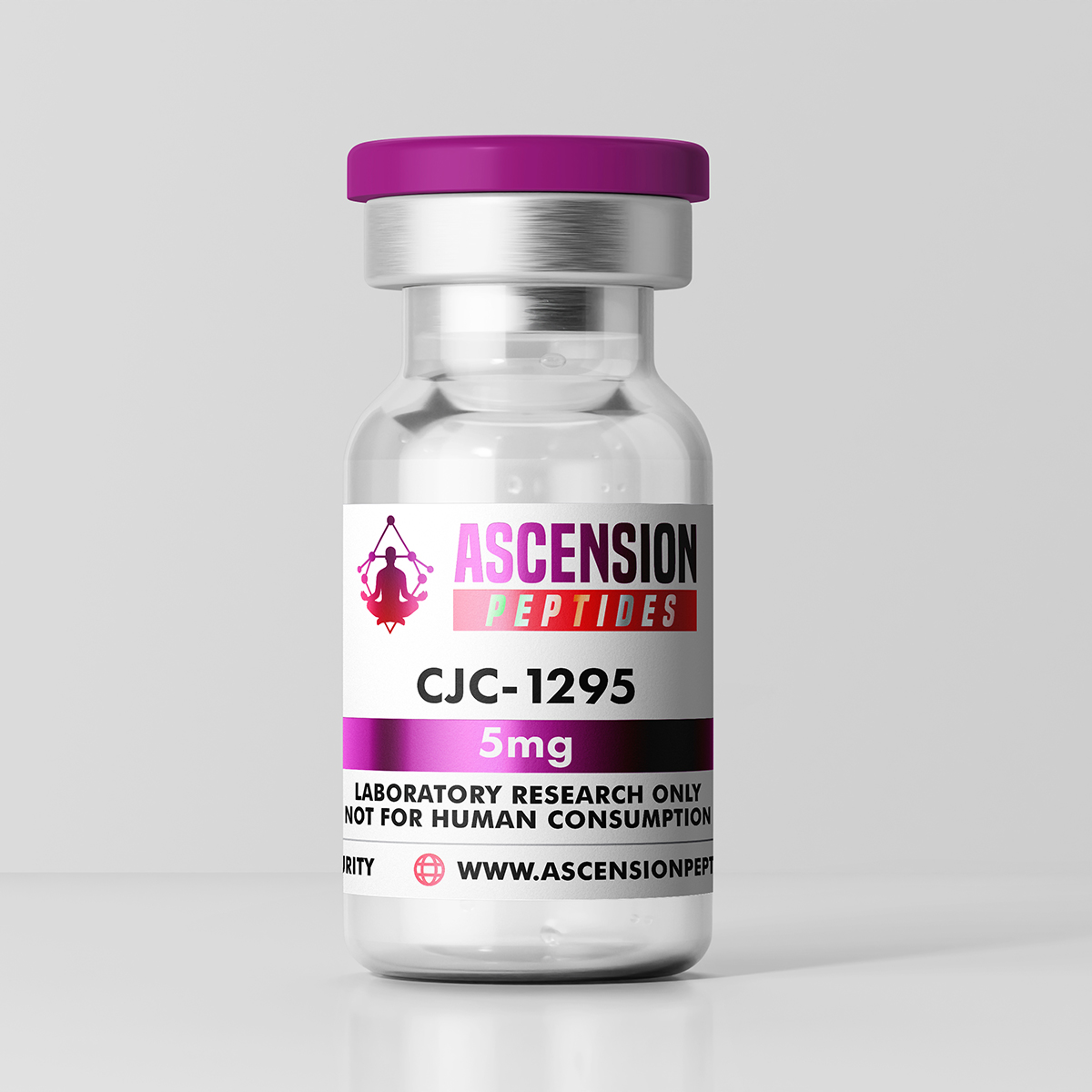
CJC-1295 (No DAC)
Modified GRF (1-29) GHRH Analogue, 5mg Lyophilized Vial
Copper Peptides
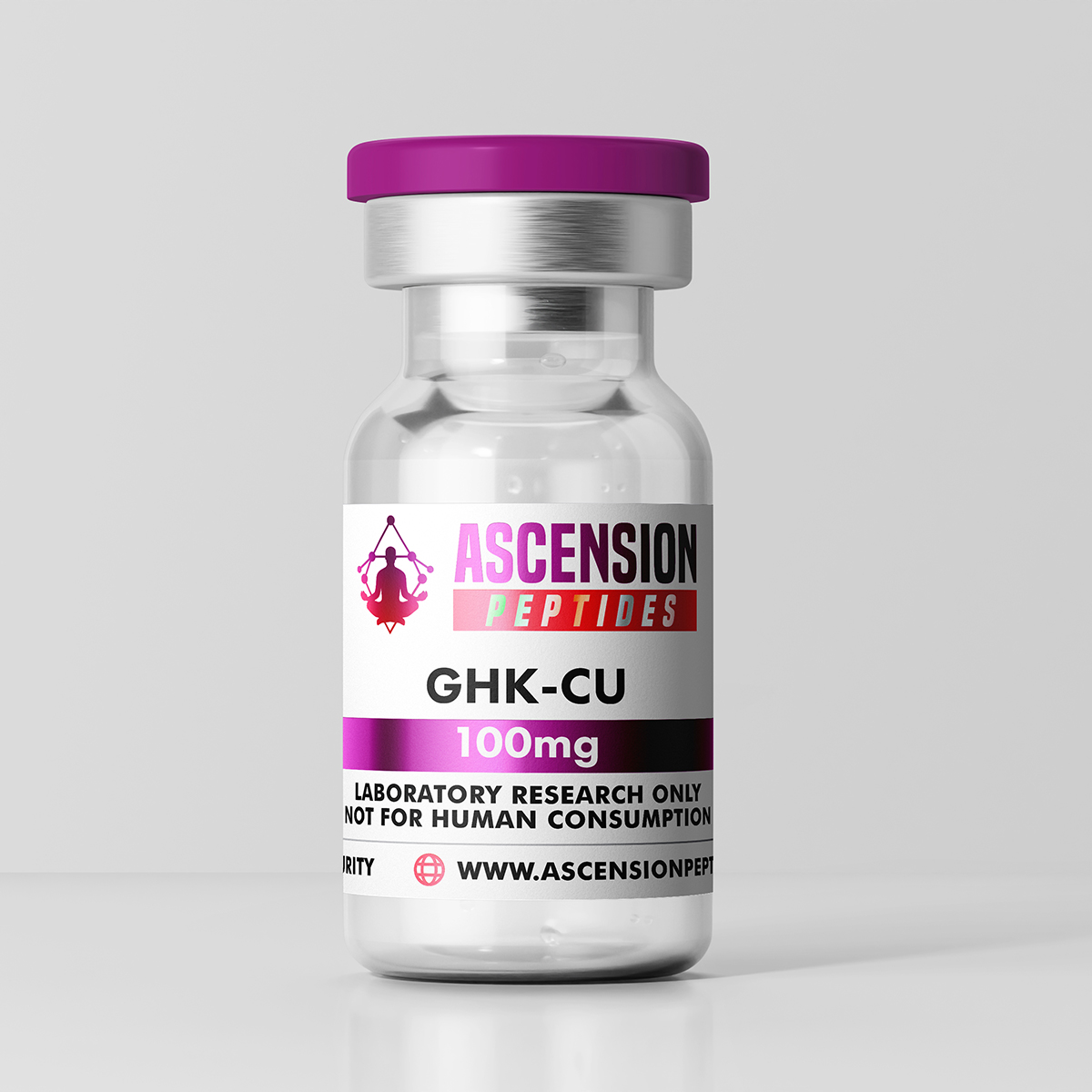
GHK-Cu
GHK-Cu For Sale: 50mg 99%+ Purity Copper Tripeptide

Healing & Recovery Peptides
BPC-157
Body Protection Compound 5mg: 99%+ Purity Research Vial
Research Use Only. All products sold by PeptideDeck are strictly for in-vitro laboratory research and are not intended for human or veterinary use, diagnosis, or treatment. Not for resale.