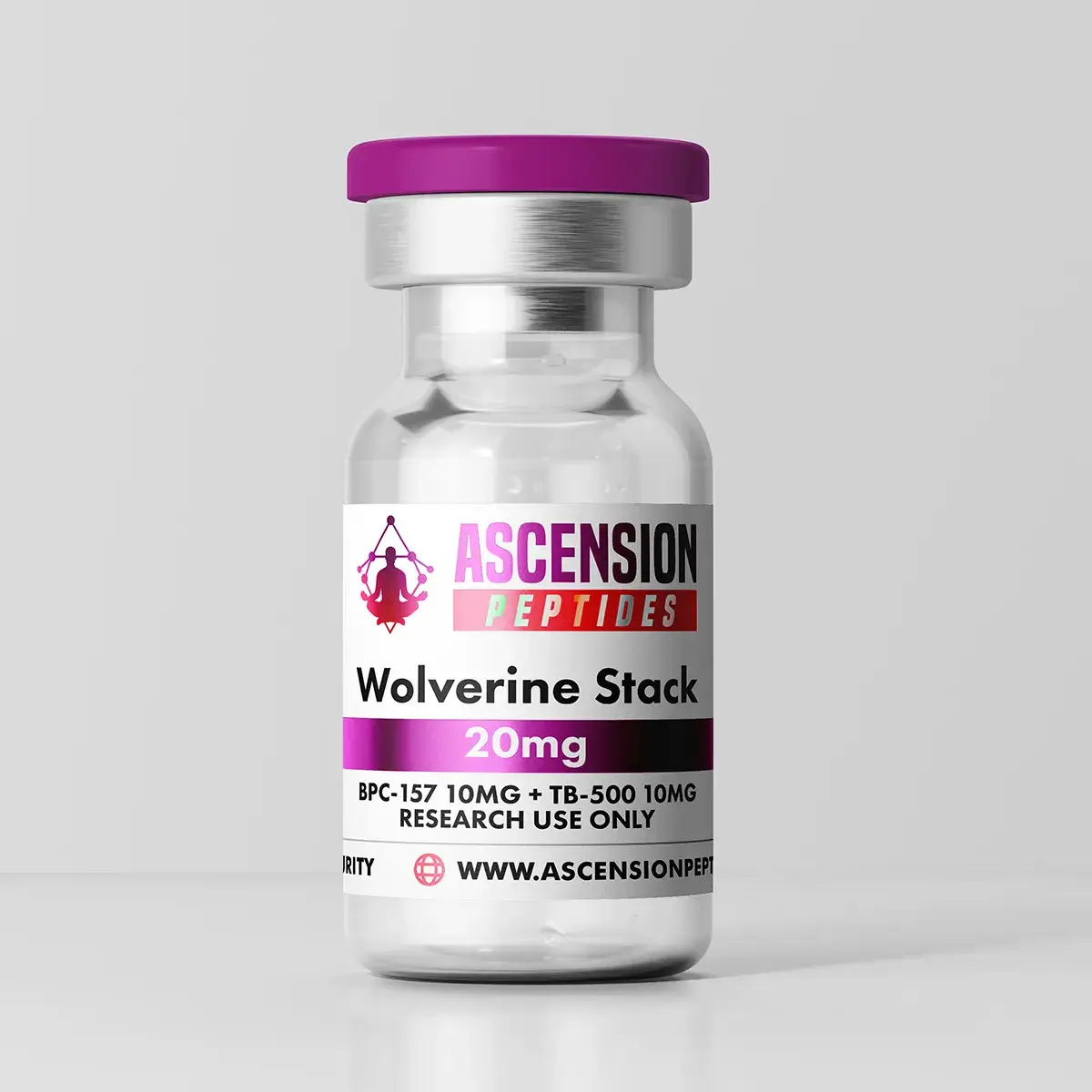
If you've done any research into peptide-based tissue repair, you've encountered BPC-157 and TB-500. These are the two most studied healing peptides in the space, with decades of preclinical data and a well-established reputation in the research community. Most serious protocols use them together — which is exactly why this vendor packages them as the Wolverine Stack.
This review breaks down what's in the stack, why the combination works, how to use it in research protocols, and whether $130 is worth it versus buying the peptides separately.
What's in the Wolverine Stack?
The Wolverine Stack from this vendor contains:
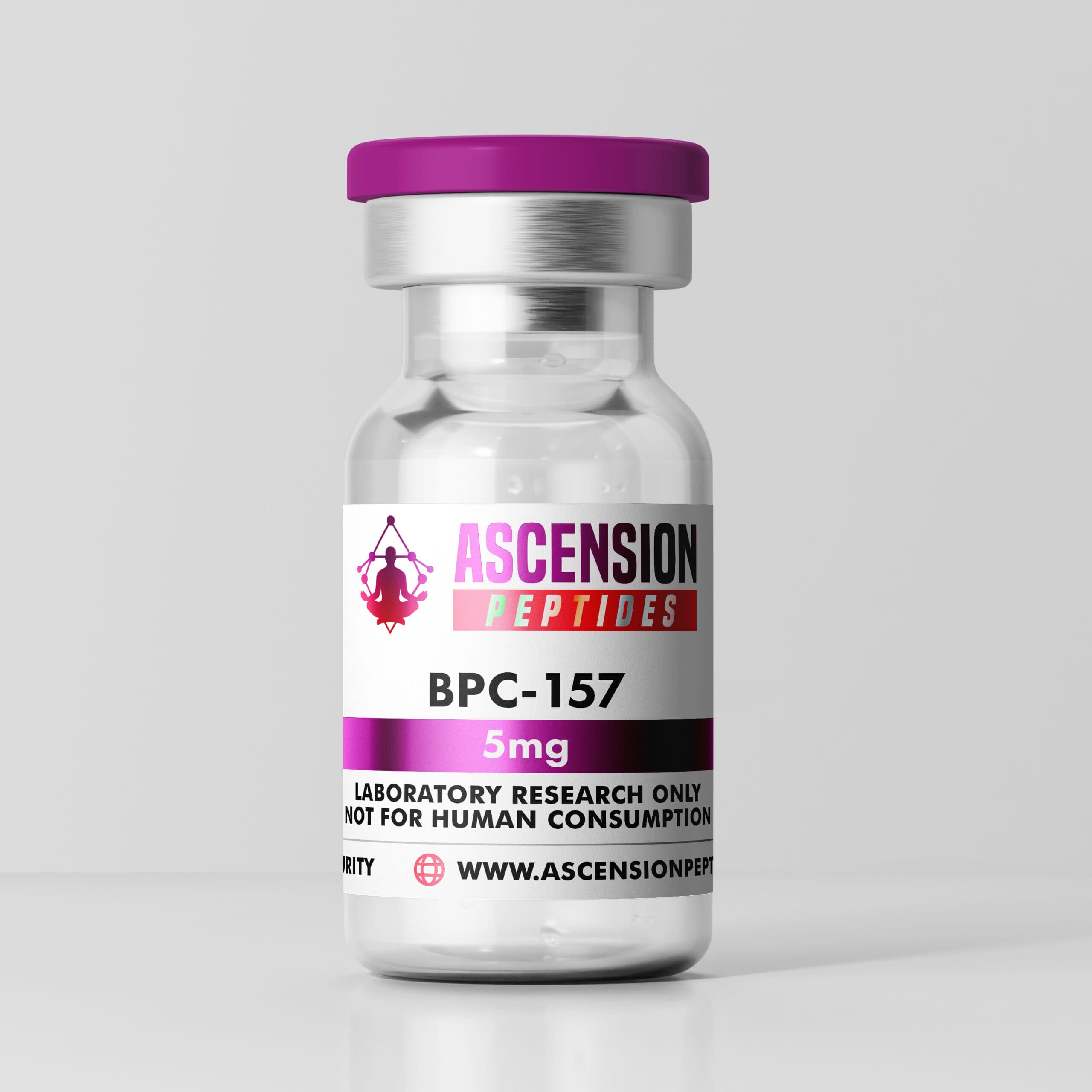
- BPC-157 — Body Protection Compound 157, a synthetic pentadecapeptide derived from gastric juice proteins
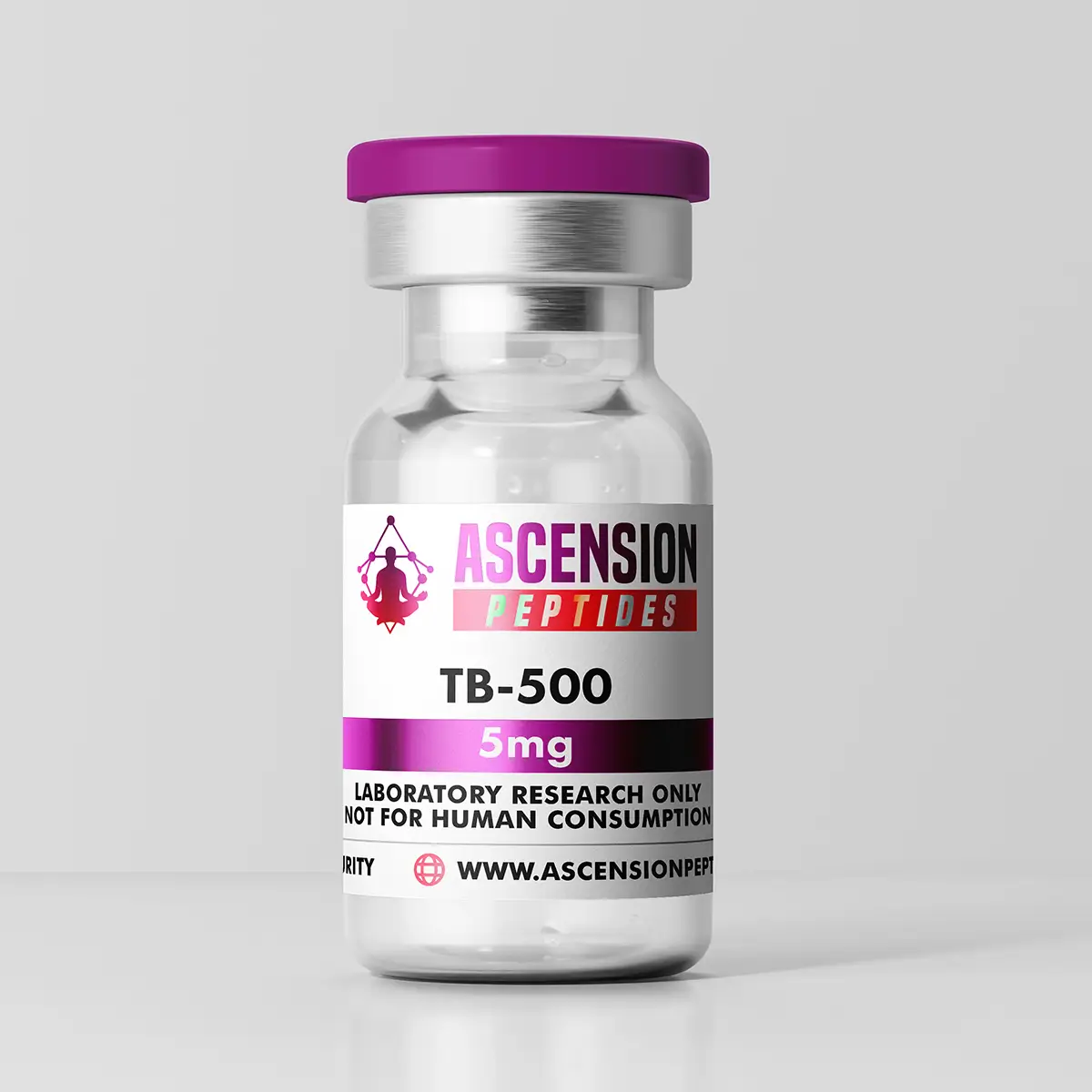
- TB-500 — Thymosin Beta-4 fragment, a synthetic analog of the naturally occurring tissue repair protein
Both compounds arrive as lyophilized (freeze-dried) powder in individual vials with third-party COA documentation — Ascension's standard for every product. Purity is ≥98% HPLC verified for both components.
BPC-157: The Localized Healer
BPC-157 is a 15-amino acid peptide with a remarkable body of preclinical evidence. Its primary mechanisms of action include:
- Nitric oxide pathway upregulation — improves blood flow to damaged tissue
- VEGF stimulation — promotes angiogenesis (new blood vessel formation) at injury sites
- Fibroblast activation — accelerates collagen synthesis in tendons and ligaments
- Gastric and intestinal mucosal protection — unique among healing peptides for its gut-specific effects
- Dopamine and serotonin pathway modulation — potential mood and motivation effects in CNS research
Animal models show BPC-157 consistently accelerating healing of tendons, ligaments, muscles, bones, and gut tissue. The compound appears to work both locally (injected near an injury site) and systemically (subcutaneous injection with whole-body distribution). A 2018 study demonstrated accelerated Achilles tendon healing with structural improvements in tensile strength — a finding that directly maps to the most common clinical concern for athletes and active researchers.
Typical research dosing: 250–500 mcg daily, subcutaneous or local injection near the target tissue.
TB-500: The Systemic Repair Agent
TB-500 is a synthetic fragment of Thymosin Beta-4 — specifically the AcSDKP sequence that drives most of the protein's biological activity. While BPC-157 tends to work best at the site of injury, TB-500 operates systemically, promoting cell migration and proliferation across tissues.
Its primary mechanisms:
- Actin upregulation — actin is the cytoskeletal protein fundamental to cell movement and structural integrity; TB-500 promotes actin polymerization in injured tissue
- Anti-inflammatory signaling — reduces inflammatory cytokine expression in damaged tissue
- Stem cell activation — promotes migration of progenitor cells to injury sites
- Angiogenesis — like BPC-157, promotes blood vessel growth to support repair
TB-500 is especially valuable for deep tissue injuries, widespread inflammation, and post-surgical recovery where systemic rather than localized effects are needed. It also shows cardiovascular benefits in some research contexts — cardiac tissue repair and protection against ischemic damage.
Typical research dosing: 2–2.5 mg twice weekly for 4–6 weeks (loading), then 2 mg once weekly (maintenance).
Why the Combination Works Better Than Either Alone

BPC-157 and TB-500 are mechanistically complementary, not redundant. Here's why stacking them makes sense:
Used together, BPC-157 handles the acute, localized phase of healing while TB-500 drives the systemic, deep tissue repair. The result is faster recovery and more complete structural restoration than either compound produces independently — which is why this stack has become the default protocol in injury research.
Research Protocol
A typical Wolverine Stack research protocol:
- BPC-157: 300–500 mcg subcutaneous daily (or divided into 2x daily for acute injuries), injected near the target site when possible
- TB-500: 2–2.5 mg subcutaneous, twice weekly for first 4–6 weeks, then once weekly maintenance
- Duration: 8–12 weeks for chronic injuries; 4–6 weeks for acute injuries with ongoing maintenance
- Reconstitution: Bacteriostatic water (available separately from Ascension). Add 2mL BAC water to each vial. Refrigerate after reconstitution, use within 28 days.
Value vs. Buying Separately
this vendor sells BPC-157 (5mg) at $59.99 and TB-500 (5mg) at $45 individually. That's $104.99 bought separately for 5mg of each. The Wolverine Stack at $130 costs more — but check what you're getting in the bundle: the stack format may include larger quantities of each compound. Confirm the exact contents on the product page.
The primary value of the bundle isn't just price — it's convenience. You know the compounds are sourced from the same batch documentation system, arrive together, and are designed to be used as a coordinated protocol. For researchers running this stack regularly, the stack format simplifies ordering.
Who Is the Wolverine Stack For?
- Researchers studying tendon and ligament repair mechanisms
- Studies investigating post-surgical tissue recovery
- Research on gut-brain axis healing and intestinal repair
- Cardiovascular tissue protection research
- Any protocol requiring comprehensive musculoskeletal repair investigation
FAQ
Can BPC-157 and TB-500 be mixed in the same syringe?
Technically possible, but not recommended for research integrity. They have different dosing frequencies (BPC-157 daily vs TB-500 twice weekly), so co-injection would be impractical for maintaining independent dosing schedules. Keep them in separate vials and administer separately.
How long before healing effects are observed in research?
BPC-157 typically shows measurable tissue changes in animal models within 2–4 weeks for acute injuries. TB-500's systemic effects tend to emerge over 4–8 weeks. Combined protocols in research settings commonly demonstrate significant structural improvements by week 8–12.
Is the Wolverine Stack safe to research with?
Both BPC-157 and TB-500 have extensive safety data from preclinical research with favorable tolerability profiles. Neither is FDA-approved for human use. All research should be conducted within appropriate regulatory frameworks.
What's the difference between the Wolverine Stack and the KLOW blend?
The Wolverine Stack focuses on BPC-157 and TB-500 for core tissue repair. KLOW adds GHK-Cu and KPV for a broader spectrum: GHK-Cu for skin and extracellular matrix remodeling, KPV for anti-inflammatory and gut-specific effects. KLOW is the more comprehensive blend; the Wolverine Stack is more targeted for musculoskeletal research.
This content is for informational and educational purposes only. BPC-157 and TB-500 are research compounds not approved by the FDA for human use. All dosing information is derived from published preclinical research and is presented for research context only. PeptideDeck may earn a commission from purchases through affiliate links at no additional cost to you.