Healing peptides represent one of the most compelling frontiers in regenerative research. Whether the goal is accelerating recovery from musculoskeletal injury, supporting gut mucosa repair, or promoting wound healing at a cellular level, a handful of peptides have accumulated meaningful preclinical evidence — and in some cases, early human data — that makes them worth understanding in depth.
This guide ranks the best healing peptides by strength of evidence, explains their mechanisms, and helps researchers and informed readers understand what the science actually says — and where it falls short.
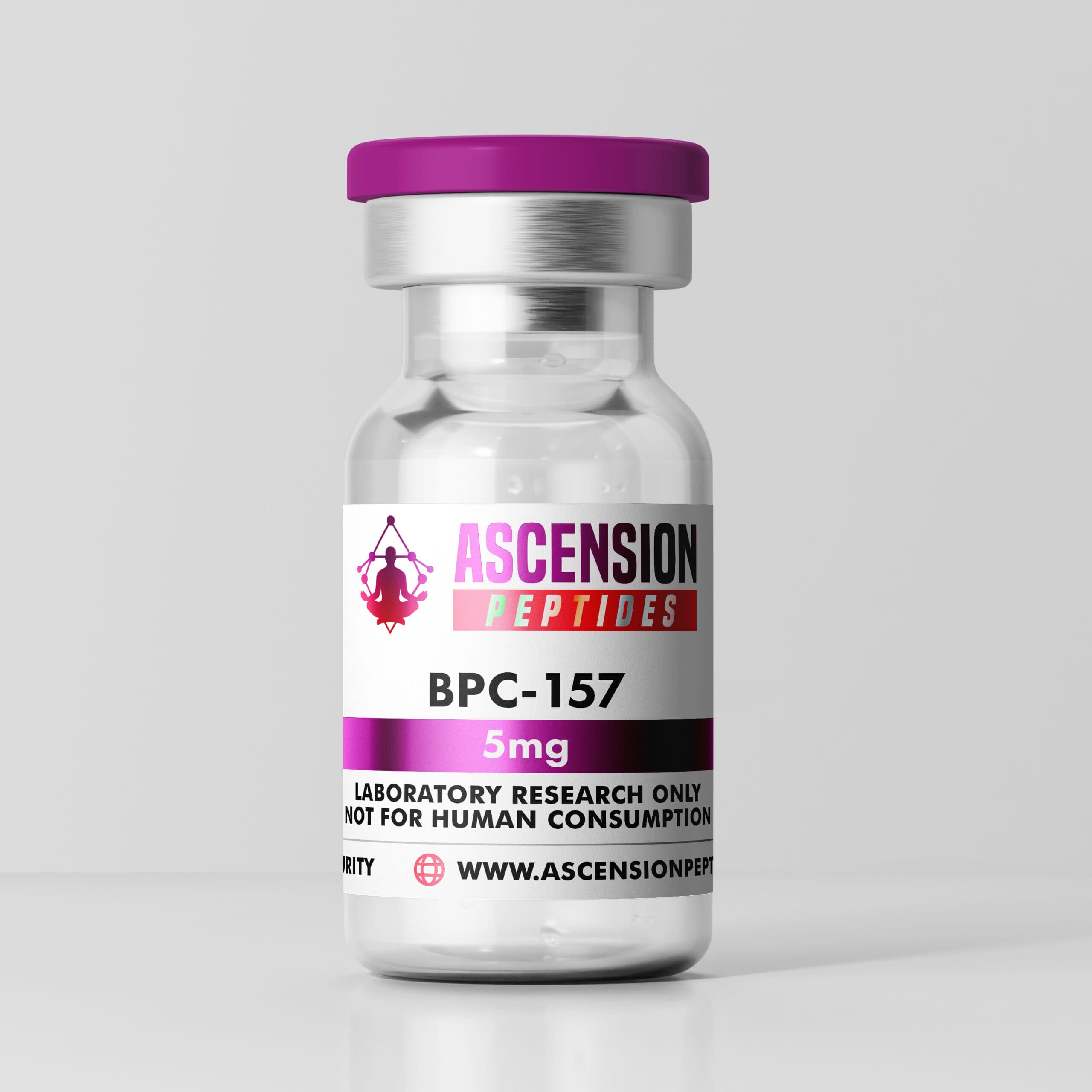
- #1 BPC-157 — Broadest preclinical evidence; tendon, muscle, gut, bone
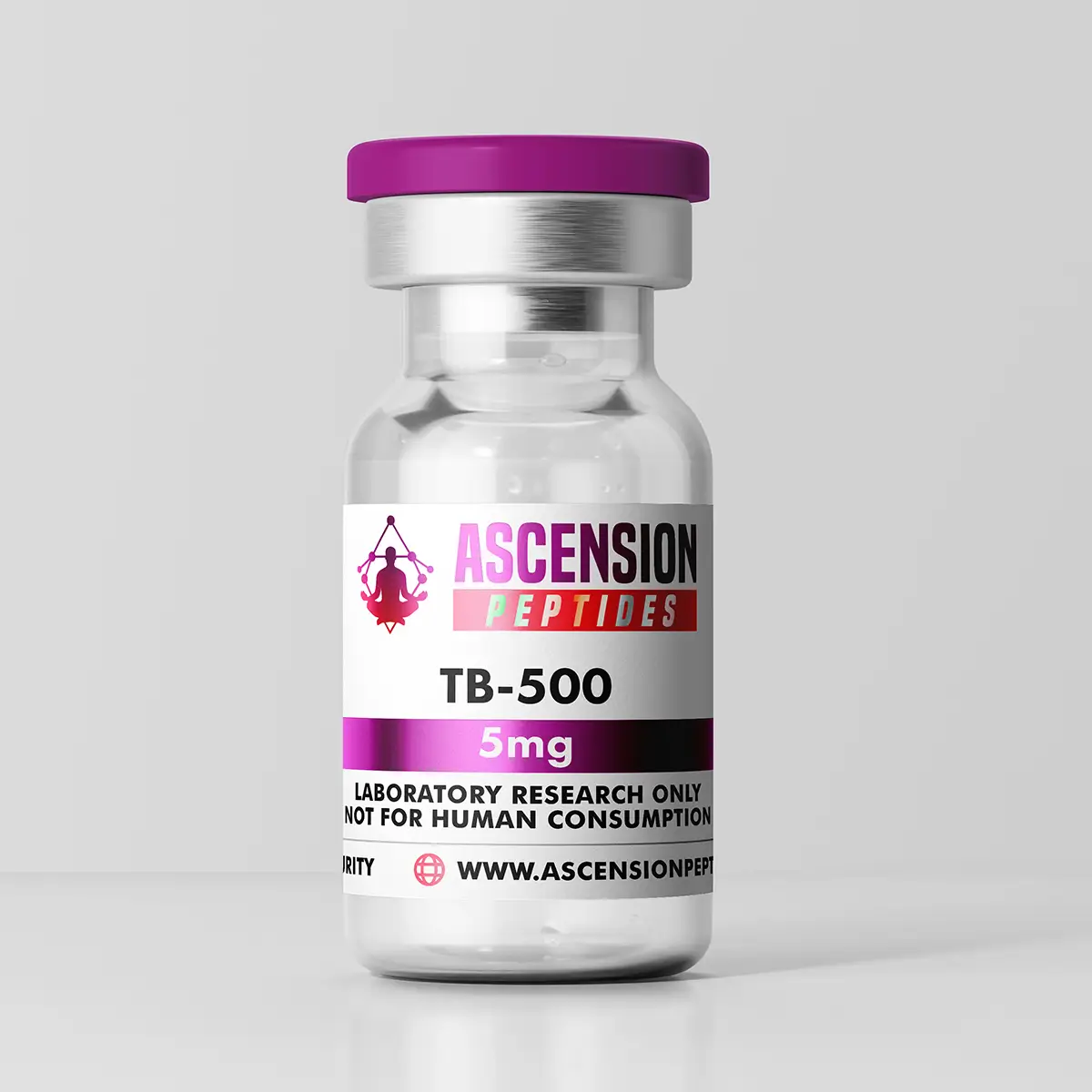
- #2 TB-500 — Systemic tissue repair; actin-modulating mechanism
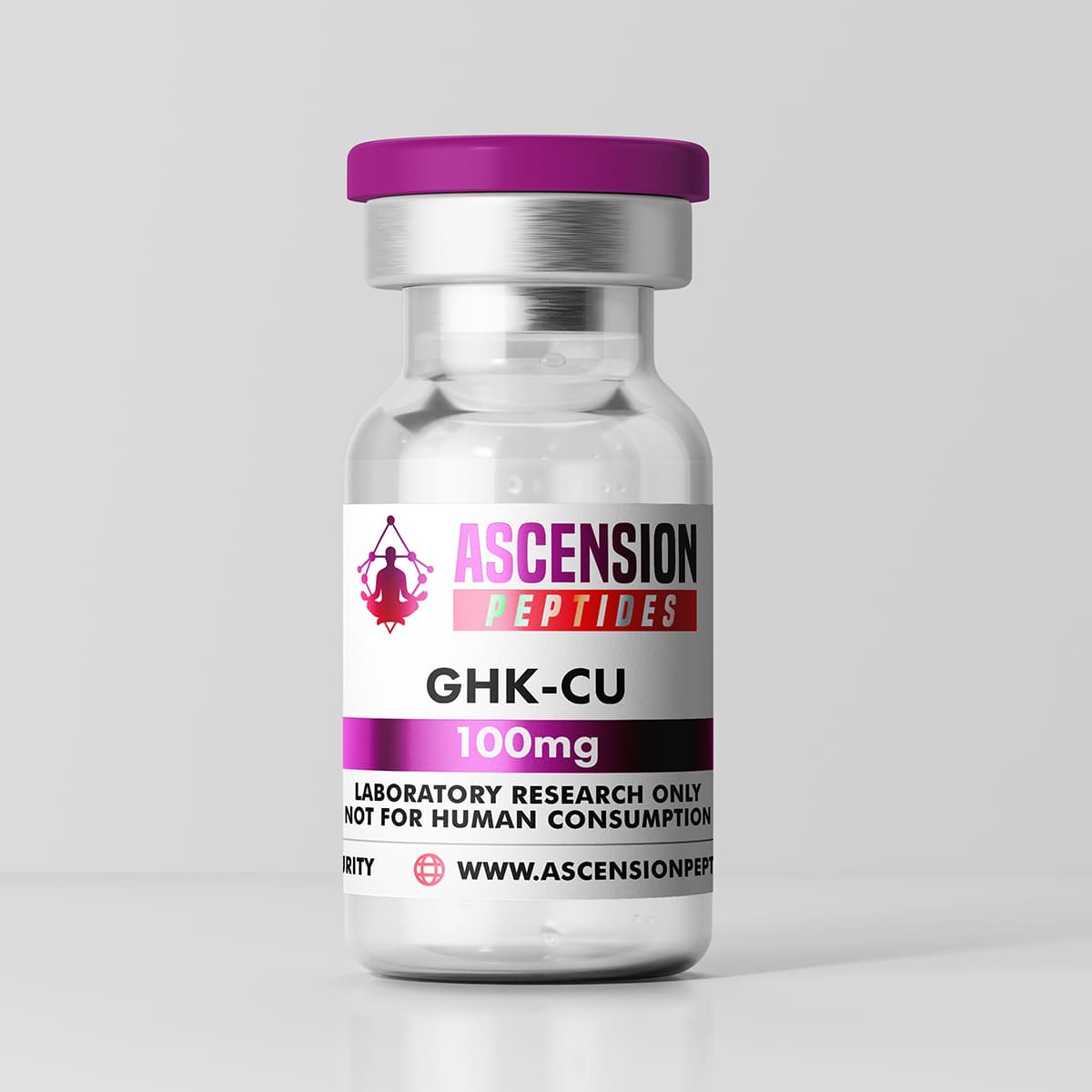
- #3 GHK-Cu — Skin and wound healing; collagen synthesis
- #4 Epithalon — Cellular repair and anti-aging at the telomere level
- #5 Thymosin Alpha-1 — Immune-mediated healing; used in 35+ countries
Note: None of these peptides are FDA-approved for healing indications. All are research compounds.
How Peptides Accelerate Tissue Repair
Peptides are short chains of amino acids — the same building blocks that make up proteins. When specific peptide sequences are introduced into biological systems, they can bind to receptors, upregulate gene expression, and trigger cascades that the body would normally activate during repair — but at a faster or more targeted rate.
The key mechanisms shared across most healing peptides include:
- Angiogenesis: Stimulating new blood vessel formation to deliver oxygen and nutrients to damaged tissue
- Growth factor modulation: Upregulating VEGF, EGF, FGF, and other factors that signal repair
- Collagen synthesis: Increasing the structural scaffolding needed for tendon, skin, and cartilage repair
- Anti-inflammatory signaling: Reducing chronic inflammation that delays healing
- Cell migration and proliferation: Accelerating the movement of fibroblasts and stem cells to injury sites
Understanding these mechanisms is critical when evaluating research claims — because a peptide that works via one pathway may not address the same injury type as one that works via another.
The 5 Best Healing Peptides, Ranked by Evidence
1. BPC-157 — The Most Studied Healing Peptide
Evidence Level: Predominantly preclinical (100+ animal studies); limited but emerging human data
Best For: Tendon, ligament, muscle, gut, bone repair
BPC-157 (Body Protection Compound) is a 15-amino-acid synthetic peptide derived from a protein found in human gastric juice. It has arguably the most extensive body of preclinical research of any healing peptide — spanning over a hundred animal studies across diverse tissue types.
A 2019 systematic review confirmed that BPC-157 improved outcomes across muscle, tendon, ligament, and bone injury models in animal subjects. A 2025 systematic review of 36 studies (1993–2024) reinforced these findings, highlighting its role in promoting healing through growth factor upregulation and inflammation reduction. Mechanistically, BPC-157 activates the nitric oxide system, promotes angiogenesis, and modulates multiple growth factors including VEGF, EGF, and FGF.
Human data remains limited but notable: a pilot study in two healthy adults showed IV infusion was well-tolerated with no adverse effects, and an intra-articular injection study reported 91.6% of patients experiencing significant knee pain reduction. These are small samples — but they point in a consistent direction.
2. TB-500 — Systemic Repair and Inflammation Control
Evidence Level: Strong preclinical; emerging translational data
Best For: Muscle, tendon, cardiovascular tissue, wound healing
TB-500 is a synthetic analog of Thymosin Beta-4, a naturally occurring peptide found in virtually all human and animal cells. Its mechanism is distinct from BPC-157: TB-500 works primarily by upregulating actin — the protein responsible for cell structure and movement — which accelerates cell migration to injury sites.
This makes TB-500 particularly effective for systemic or diffuse injuries where healing needs to occur across a large tissue area. Research in animal models has demonstrated benefits in cardiac tissue repair, skeletal muscle healing, and chronic wound resolution. Its anti-inflammatory properties are also well-documented in preclinical settings, with studies showing significant reductions in pro-inflammatory cytokines following administration.
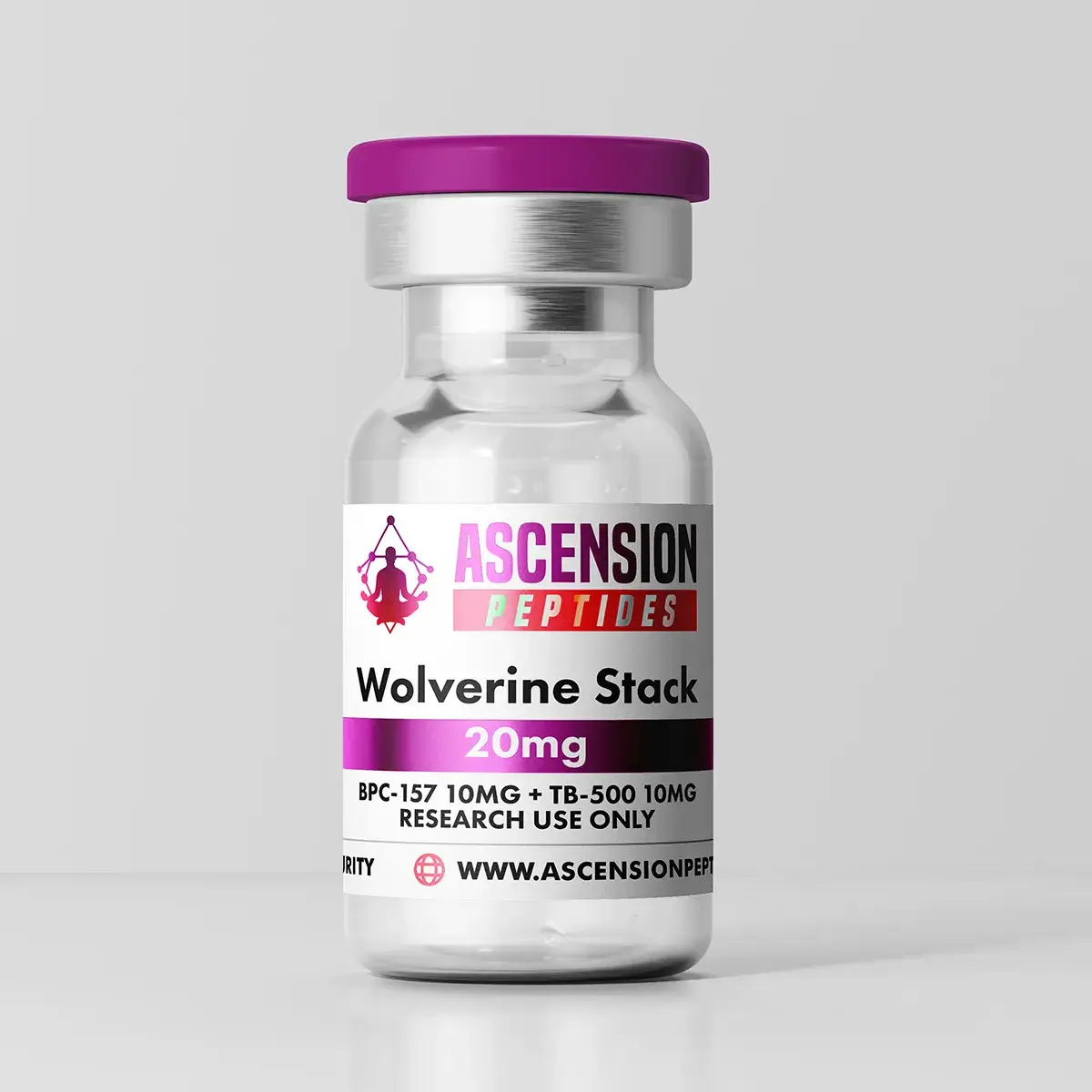
Some researchers combine TB-500 with BPC-157 in a "healing stack," reasoning that their complementary mechanisms — BPC-157's angiogenic and growth factor effects alongside TB-500's actin-mediated cell migration — may produce additive benefits. This combination has not been formally studied in controlled trials.
3. GHK-Cu — Skin, Wound, and Collagen Repair
Evidence Level: Moderate preclinical; some human cosmetic/wound data
Best For: Skin repair, wound healing, collagen remodeling, anti-aging
GHK-Cu (Copper Peptide GHK-Cu) is a naturally occurring tripeptide-copper complex found in human plasma, saliva, and urine. It was first isolated in 1973 and has since accumulated a substantial research record in skin biology and wound healing.
GHK-Cu is one of the few healing peptides with documented human skin data. Studies have shown that topical GHK-Cu increases collagen and elastin synthesis, accelerates wound contraction, and promotes the production of glycosaminoglycans — the structural molecules that give connective tissue its integrity. It also stimulates nerve outgrowth and angiogenesis in wound beds.
At the gene expression level, GHK-Cu has been shown in microarray studies to modulate the expression of over 4,000 genes involved in regeneration and inflammation, suggesting a remarkably broad biological footprint for a three-amino-acid sequence. Like BPC-157, it was placed in FDA Category 2 in 2024, restricting compounding in the US.
4. Epithalon — Cellular Repair at the Telomere Level
Evidence Level: Moderate preclinical; some Russian clinical data (limited peer review)
Best For: Cellular aging, DNA repair, tissue regeneration over time
Epithalon (also spelled Epitalon) is a synthetic tetrapeptide (Ala-Glu-Asp-Gly) derived from Epithalamin, a natural extract of the pineal gland. Its primary mechanism involves the activation of telomerase — the enzyme responsible for maintaining telomere length and thus cellular replication capacity.
Preclinical research, primarily from Russian institutions, suggests Epithalon promotes repair at the cellular level by enabling cells that would otherwise have reached their replication limit to continue dividing. This has implications not just for longevity research but for tissue regeneration — particularly in contexts where aging or chronic disease has compromised the body's baseline repair capacity.
While the clinical dataset is smaller and less rigorously peer-reviewed than the evidence for BPC-157 or TB-500, Epithalon's mechanism is well-defined and biologically plausible. It is typically included in protocols aimed at long-term regenerative support rather than acute injury recovery.
5. Thymosin Alpha-1 — Immune-Mediated Healing
Evidence Level: Strong; approved in 35+ countries for immune conditions
Best For: Immune modulation, infection-related tissue damage, chronic inflammatory conditions
Thymosin Alpha-1 is a 28-amino-acid peptide derived from the thymus gland. Unlike the other compounds on this list, it has achieved regulatory approval in over 35 countries for conditions including hepatitis B, hepatitis C, and as an adjunct in cancer therapy — making it one of the more clinically validated peptides discussed here.
Its relevance to healing is primarily through immune modulation: Thymosin Alpha-1 enhances T-cell function, promotes dendritic cell maturation, and reduces the chronic, low-grade inflammation that impairs tissue repair in many disease contexts. For researchers studying healing in immunocompromised or chronically inflamed subjects, it represents a well-characterized option with genuine human safety data.
Despite its approval record internationally, Thymosin Alpha-1 was placed in FDA Category 2 in 2024, restricting its compounding availability in the United States.
Choosing the Right Healing Peptide for the Goal
Not all healing peptides are equally suited to every injury type. Use this reference to match compound to context:
- Acute tendon/ligament injury: BPC-157 (first choice), TB-500 (complementary)
- Muscle tear or strain: TB-500 + BPC-157 combination
- Skin wounds, burns, scarring: GHK-Cu (topical or systemic)
- Gut lining repair (leaky gut): BPC-157 (strong preclinical data)
- Long-term cellular regeneration: Epithalon
- Immune-driven inflammatory damage: Thymosin Alpha-1
It's also worth noting that healing peptides are frequently researched in combination protocols. The BPC-157 + TB-500 stack is the most commonly cited, with researchers reasoning that angiogenesis (BPC-157) and cell migration (TB-500) are sequential steps in the healing cascade that may benefit from simultaneous support.
What to Look For When Sourcing Healing Peptides
The quality of peptide research compounds varies significantly between suppliers. For anyone obtaining these compounds for legitimate research purposes, the following quality indicators are non-negotiable:
- Third-party Certificate of Analysis (COA): Every batch should be independently verified by a certified lab — not just tested in-house by the manufacturer
- Purity ≥98%: Research-grade peptides should meet this minimum standard; anything below introduces confounding variables
- HPLC and Mass Spectrometry verification: These are the gold-standard analytical methods for confirming peptide identity and purity
- US-based or GMP-compliant manufacturing: Domestic production under quality-controlled conditions reduces contamination risk
- Transparent labeling: Molecular weight, amino acid sequence, and storage requirements should all be clearly documented
Ascension Peptides is one vendor that researchers have cited for meeting these standards — offering third-party tested compounds with publicly available COAs and verified purity levels. As with any supplier, independent verification of COA documentation is recommended before use in any research context.
Frequently Asked Questions
Conclusion: The State of Healing Peptide Research in 2026
The science behind healing peptides is genuinely compelling — but it demands honest interpretation. The majority of the evidence is preclinical, derived from rodent and in vitro models that do not always translate directly to human outcomes. BPC-157 and TB-500 have the strongest injury-specific datasets. GHK-Cu has meaningful human skin data. Epithalon offers an intriguing cellular mechanism. Thymosin Alpha-1 bridges the gap between research compound and approved therapy.
What the field lacks — and what researchers and clinicians most need — is large-scale, peer-reviewed human clinical trials. Until those exist, these compounds remain research tools: powerful in the laboratory, promising in emerging human applications, but not yet established as standard-of-care therapies.
For researchers and informed readers evaluating these compounds, the priority should always be sourcing verified, high-purity materials from suppliers who provide independent third-party COAs — and approaching all use within the boundaries of applicable research regulations.