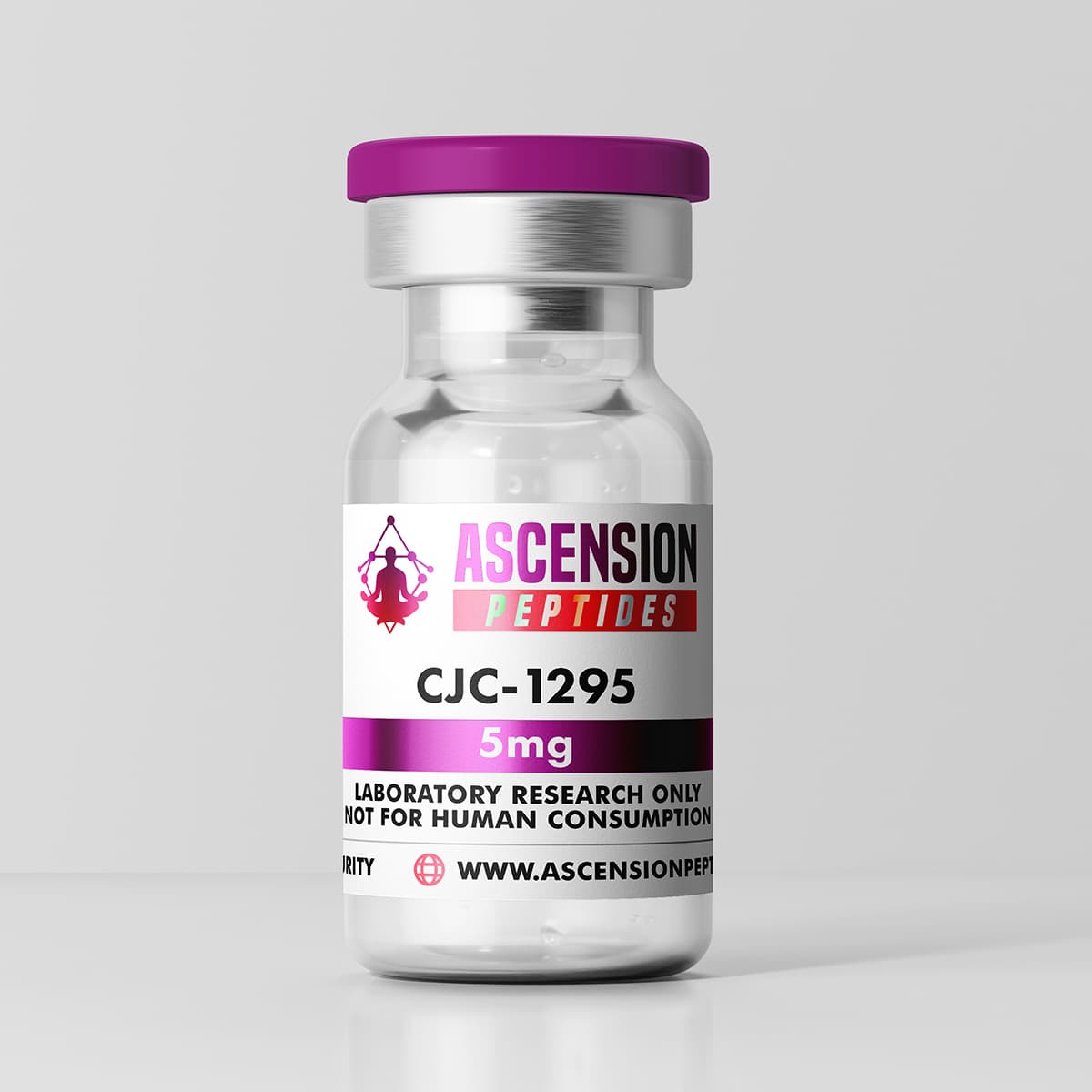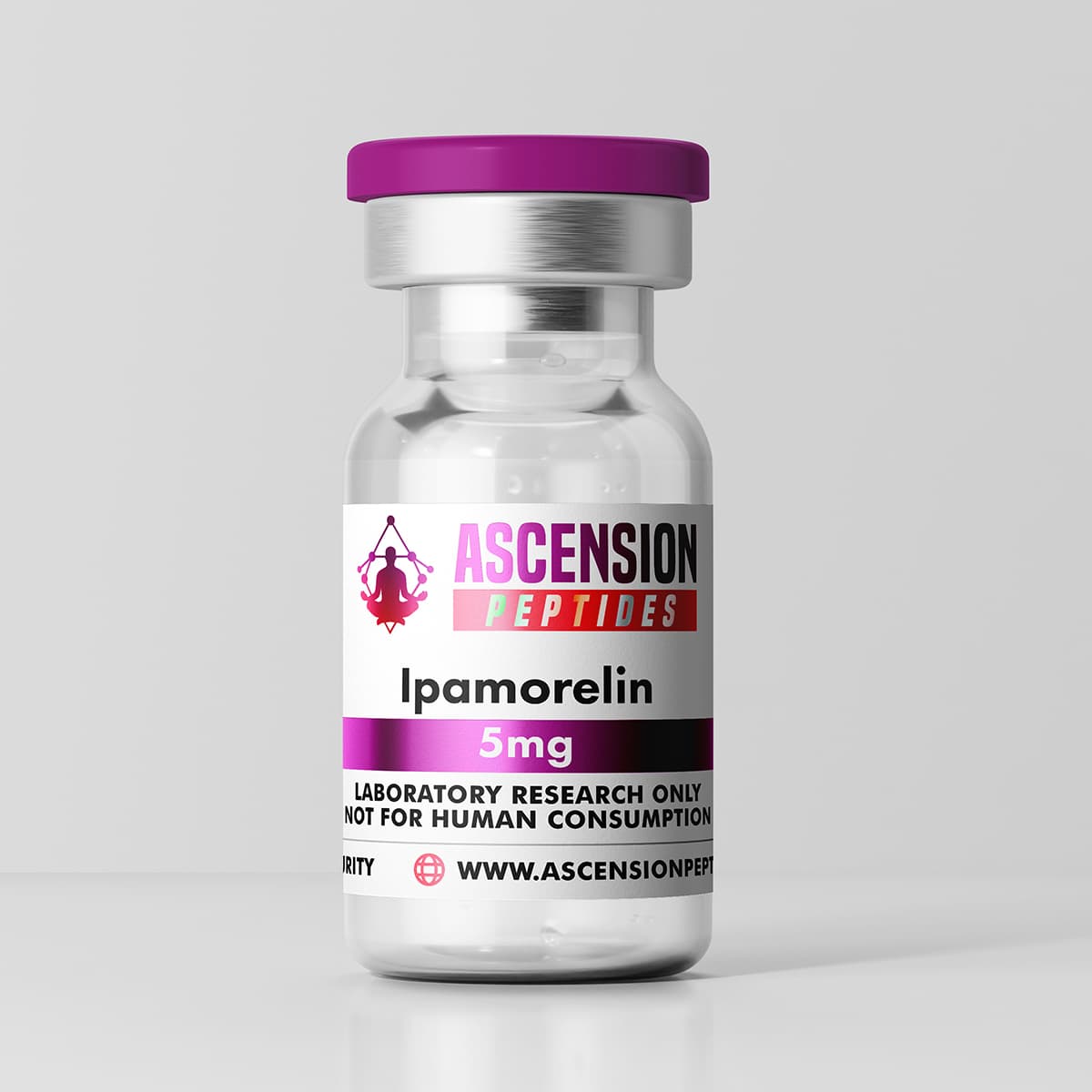
Ipamorelin is one of the cleanest GH peptides available — mild side effect profile, no cortisol spike, stacks naturally with CJC-1295. Finding a legit source is the only real hurdle.
🔑 At a Glance
- Best source: Ascension Peptides — COA tested, US-based, reliable
- Purity requirement: ≥98% HPLC verified — always ask for COA
- Typical price: $40–60 for 5mg, $70–90 for 10mg
- No prescription needed: Available as a research peptide in the US
- Red flags: No COA, under $25 for 5mg, ships only from overseas
- Best stack: Buy with CJC-1295 — they're almost always run together
The research peptide market has exploded over the last few years, and with it came a flood of vendors ranging from excellent to outright dangerous. This guide cuts through the noise. We'll show you what separates trustworthy ipamorelin sources from sketchy ones, what fair pricing looks like in 2026, and where we'd personally point someone who wants to buy ipamorelin today.
Where to Buy Ipamorelin: Our Top Pick
If you want the short answer: Ascension Peptides is our top pick for ipamorelin in 2026. They're US-based, ship domestically only (a good sign, actually — more on that below), and every product comes with a third-party Certificate of Analysis.
Their ipamorelin 5mg vials are currently priced at $50, which puts them right in the fair-market range. Not the cheapest option out there — but cheap isn't what you're shopping for when you're injecting something into your body.
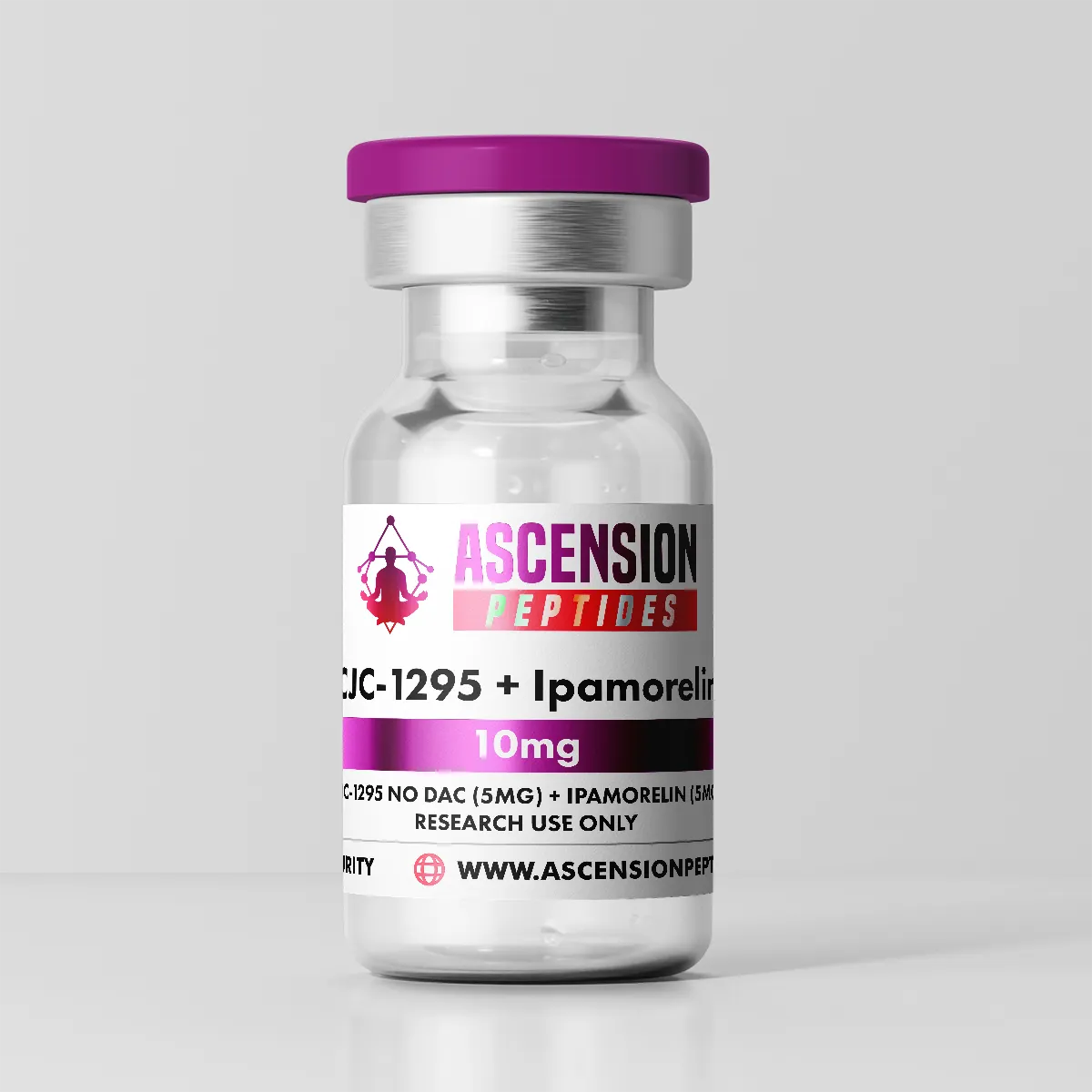
Ascension also sells a FIT Stack (CJC-1295 + Ipamorelin) if you're planning to run both together — which most people do. See the stack section below.
What we look for in any vendor recommendation: third-party COA, domestic shipping, transparent pricing, no mystery products. Ascension checks every box. If you want more context on what ipamorelin actually does before you buy, see our ipamorelin benefits guide.
What to Look for in an Ipamorelin Vendor
Not all peptide vendors are created equal. Some are genuinely running quality operations with third-party testing. Others are repackaging cheap overseas powder with no QC whatsoever. Here's how to tell the difference.
Certificate of Analysis (COA)
This is the single most important thing. A COA is a lab report — ideally from an independent third-party lab — that shows the purity of the peptide you're buying. Look for:
- HPLC purity ≥98%
- Mass spectrometry confirmation (verifies the correct peptide, not a substitute)
- Batch-specific COA (not a generic one that covers all products)
- Third-party lab name visible — not an internal "quality assurance" document
US-Based Operations
Domestic vendors aren't automatically better, but they carry a lot more accountability. They're operating under US business regulations, subject to US consumer protection laws, and can be held responsible in a way that a mystery operation shipping from a foreign country cannot. Domestic shipping also means faster delivery and no customs delays — and no questions about whether the peptide degraded in a hot shipping container for three weeks.
Track Record and Transparency
Look for vendors who've been around for at least a couple of years, have real community discussions about them (not just paid reviews), and are transparent about their sourcing. Check Reddit — r/Peptides in particular. If a vendor has consistent complaints about purity, misdosing, or customer service issues, you'll find them fast.
Reconstitution Supplies Available
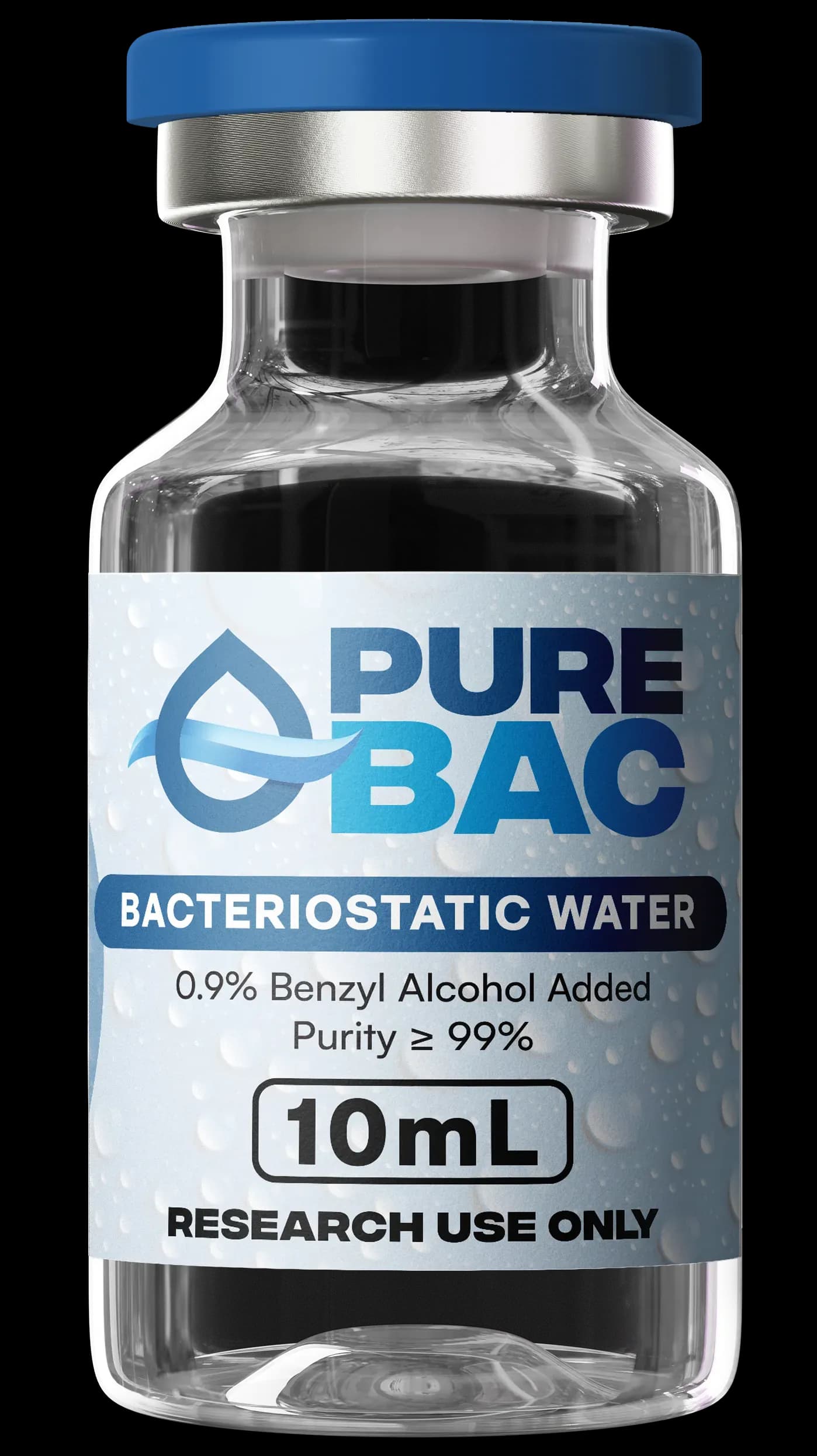
A vendor that also sells bacteriostatic water, syringes, and reconstitution supplies is more likely to be a serious operation than one that just sells raw peptide vials with no support materials. Ascension carries bacteriostatic water and other essentials alongside their peptides.
Red Flags: Vendors to Avoid
The research peptide market has no shortage of bad actors. These are the warning signs that should make you stop and reconsider immediately.
- No COA available — non-negotiable dealbreaker
- Price under $25 for 5mg — below cost for legitimate synthesis, something's wrong
- Ships only from China or Eastern Europe — no accountability, high degradation risk
- Generic or recycled COA documents — not batch-specific
- Aggressive discount codes and flash sales — often used to move low-quality stock fast
- No physical address, no real company identity — nowhere to hold them accountable
- Wildly inconsistent user reports — some vials working, some not
The biggest risk with bad ipamorelin isn't that it does nothing — it's that you don't know what you're actually injecting. Mislabeled peptides, wrong concentrations, and contaminated vials are all documented problems with bottom-tier vendors. The savings aren't worth the uncertainty. See our ipamorelin side effects guide to understand why product quality matters so much here.
Ipamorelin Pricing Guide
Here's what the market looks like in 2026 for legitimate, COA-verified ipamorelin from US-based research vendors.
Ascension's ipamorelin 5mg is currently $50 — right in the middle of fair range. That's what quality synthesis and third-party testing costs. If you see something substantially cheaper, ask why.
Bulk pricing does exist — some vendors discount 3-pack or 5-pack orders by 10–15%. That's legitimate. What's not legitimate is a price point that's structurally below what quality manufacturing should cost. Pure ipamorelin with proper COA doesn't get cheap just because a vendor decided to undercut.
Buying Ipamorelin vs Buying the CJC-1295 Stack
Ipamorelin and CJC-1295 are almost never run alone. The combination is so standard in the research community that most vendors now sell them as a stack — and for good reason. They work through different but complementary mechanisms, and the combined effect on GH pulse amplitude is meaningfully stronger than either alone.
So the question of "where to buy ipamorelin" often really means "should I buy ipamorelin standalone or get the stack?" Here's how to think about it:
If you're new to both compounds, the FIT Stack is probably the most practical starting point. If you want to fine-tune doses independently — running CJC-1295 with DAC at a different schedule than ipamorelin, for example — buying them separately gives you that control. Our ipamorelin + CJC-1295 dosage guide covers the specific protocol in detail.
What You Get: Vial Sizes, Reconstitution, Shelf Life
A few practical things to know before you order.
Vial Sizes
Most US vendors sell ipamorelin in 2mg and 5mg vials. The 5mg is the most common and practical size for most research protocols. A standard 200–300mcg dose per injection means a 5mg vial gives you roughly 17–25 doses before you're reconstituting a new vial.
Reconstitution
Ipamorelin ships lyophilized (freeze-dried powder). You'll need bacteriostatic water to reconstitute it. The standard approach is adding 1–2mL of bacteriostatic water to a 5mg vial:
Add bacteriostatic water slowly
Use a fresh syringe. Inject slowly down the side of the vial — don't spray directly onto the powder.
Gently swirl, don't shake
Roll the vial between your hands until the powder dissolves. Shaking can degrade the peptide.
Refrigerate immediately
Reconstituted ipamorelin should be stored at 2–8°C (standard fridge). Don't freeze it.
Shelf Life
- Lyophilized (unreconstituted): Up to 24 months when stored properly at room temperature or refrigerated
- Reconstituted: Typically stable for 4–6 weeks refrigerated, after which potency degrades
- At room temperature: Avoid — heat accelerates degradation significantly