sciencePeptideDeck
PeptidesBlogToolsAboutShopopen_in_newAI Coach
search
Database Access
Home/Blog/Peptide Guides/Peptides for Tendon Healing: The Best Options for Injury Recovery
Peptide Guides

Peptides for Tendon Healing: The Best Options for Injury Recovery

Tendons heal slowly — sometimes frustratingly so. Peptides for tendon healing like BPC-157 and TB-500 can significantly accelerate the process by stimulating collagen synthesis, reducing inflammation, and improving tissue remodeling.

March 13, 2026
11
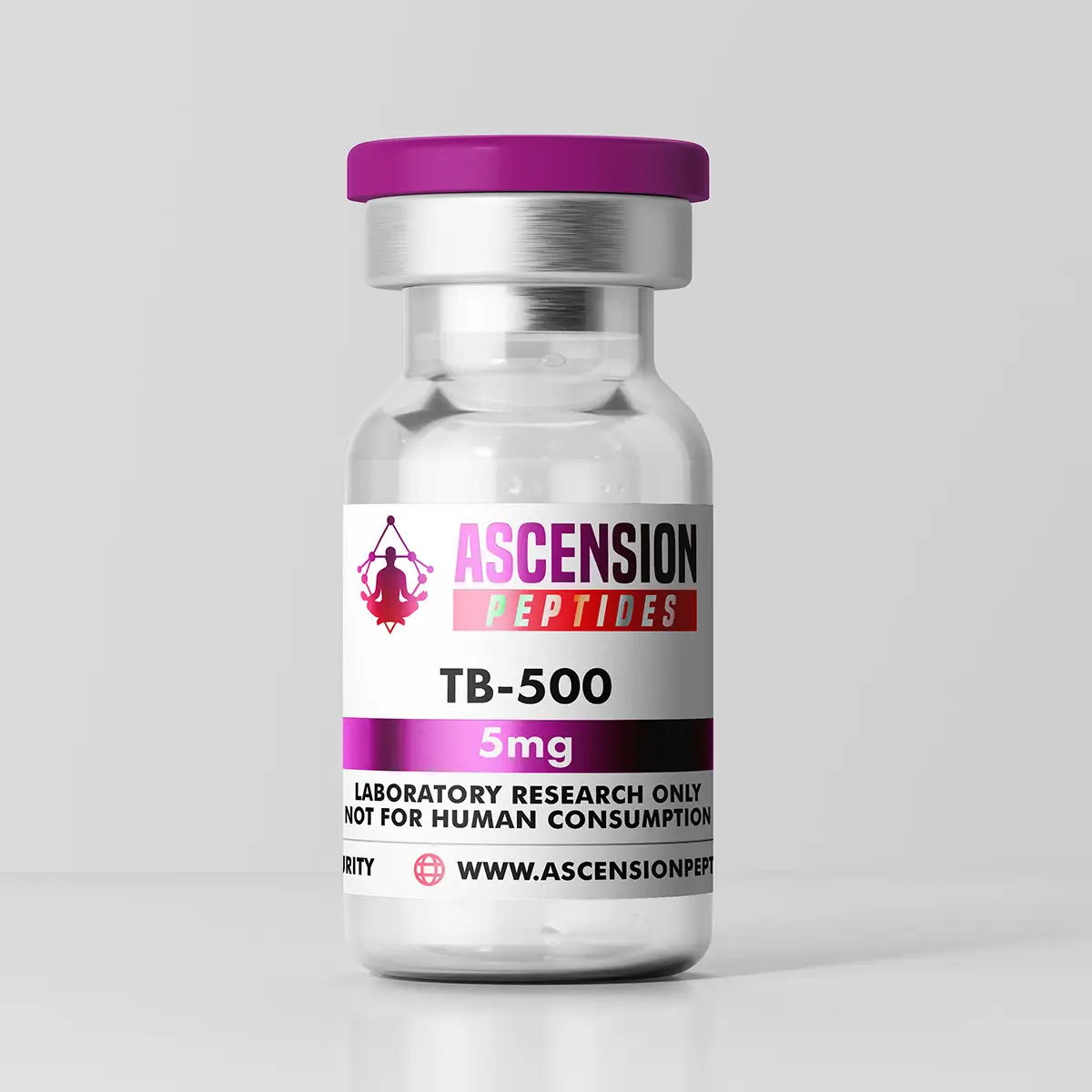
Top PickTB-500 5mg

The essential complement to BPC-157 for tendon healing — TB-500 drives cell migration and tissue remodeling, improving the mechanical quality of repaired tendons.

Use code PEPTIDEDECK for 20% off

Buy Now

💡 Quick Answer

The two best-studied peptides for tendon healing are BPC-157 and TB-500. BPC-157 drives collagen synthesis and reduces inflammation directly at the injury site. TB-500 enhances cell migration and tissue remodeling, particularly useful for chronic tendon damage. Together, they're the standard recovery stack in the research peptide world — and the results in animal models are genuinely impressive.

Medical Disclaimer: This content is for informational purposes only and does not constitute medical advice. Always consult a qualified healthcare provider before starting any new supplement, medication, or treatment. PeptideDeck may earn a commission from affiliate links at no additional cost to you.

Tendons are among the most frustrating tissues to injure. A torn muscle heals in weeks. A broken bone heals in months. Tendon injuries — Achilles tears, patellar tendinopathy, rotator cuff damage, tennis elbow — can linger for years. Conventional rehab helps, but it's slow. Peptides for tendon healing have emerged as one of the more compelling research areas in sports medicine, and for good reason.

This guide breaks down what the research actually shows, how to use these compounds, and what realistic expectations look like.

🔑 Key Takeaways

  • Tendons heal slowly because they have poor blood supply — peptides for tendon healing work partly by improving vascularization
  • BPC-157 is the most well-studied peptide for tendon healing, with multiple animal studies showing accelerated repair
  • TB-500 (Thymosin Beta-4) enhances cell migration and flexibility of new connective tissue, complementing BPC-157 perfectly
  • The BPC-157 + TB-500 stack is widely regarded as the gold standard protocol for tendon injuries
  • PEG-MGF offers a different angle — particularly useful during remodeling when you want the new tissue to be mechanically strong
  • Timeline for meaningful improvement: 4–8 weeks, depending on injury severity

Why Tendons Are Hard to Heal

The fundamental problem with tendons is blood supply. Most tissues have rich capillary networks that deliver oxygen, nutrients, and the cellular machinery for repair. Tendons are fibrous, dense structures with minimal vascularity — especially in the "critical zone" of tendons like the Achilles (roughly 2–6cm above the heel), which is where most injuries occur and where healing is slowest.

Without adequate blood flow, the healing cascade stalls. Fibroblasts (the cells that produce collagen) arrive slowly. Inflammatory debris gets cleared slowly. New collagen is laid down in a disorganized fashion — which is why healed tendons are often weaker and less elastic than the original tissue, even after months of rehab.

Peptides for tendon healing work partly by addressing this vascular problem directly. BPC-157, for example, is a potent angiogenic agent — it stimulates the growth of new blood vessels into the injured tissue, which accelerates every subsequent step of the healing process.

ℹ️ Note: The research on peptides for tendon healing is predominantly preclinical — rodent and in vitro studies. Human clinical trials are limited. That said, the animal models show consistent, significant effects, and the compounds have good safety profiles. The gap between preclinical and clinical data doesn't mean they don't work — it reflects the general lag in peptide research funding.

How Peptides Speed Up Tendon Repair

Tendon repair happens in three overlapping phases: inflammation (3–5 days), proliferation (weeks to months), and remodeling (months to years). Peptides for tendon healing can accelerate all three — but they work best in specific phases.

🔬

Angiogenesis

BPC-157 stimulates VEGF (vascular endothelial growth factor) and drives new capillary formation into avascular tendon zones, delivering oxygen and healing factors where they're needed most.

🏗️

Collagen Synthesis

Both BPC-157 and TB-500 upregulate collagen type I and III production by fibroblasts — the structural proteins that form the actual tendon matrix.

🚶

Cell Migration

TB-500 (Thymosin Beta-4) is particularly powerful at driving stem cell and progenitor cell migration to the injury site — bringing the workforce to where it's needed.

🌊

Anti-Inflammatory

Chronic tendon injuries often involve persistent low-grade inflammation that prevents proper healing. BPC-157 modulates the inflammatory cascade without fully suppressing it — a balance conventional NSAIDs don't achieve.

BPC-157 for Tendons

BPC-157 (Body Protection Compound 157) is a 15-amino acid peptide originally isolated from gastric juice. It was studied primarily for gut healing initially — but its effects on connective tissue turned out to be remarkable.

In a widely cited 2010 study published in the Journal of Physiology, rats with severed Achilles tendons showed dramatically accelerated healing when treated with BPC-157 compared to controls. Tendon healing was not only faster — the new tissue was better organized and had superior mechanical properties. Follow-up studies confirmed similar effects in patellar tendon injury, rotator cuff models, and ligament repairs.

The mechanisms are layered. BPC-157 activates the FAK-paxillin pathway, driving tendon cell migration and proliferation. It upregulates the expression of the growth hormone receptor in tendon cells. It promotes angiogenesis via NO (nitric oxide) and VEGF signaling. And it reduces the oxidative stress that stalls the healing cascade in chronic injuries.

Local vs. Systemic Injection for Tendon Healing

There's an ongoing debate in the peptide community about whether to inject BPC-157 locally (near the injury site) or systemically (subcutaneous, away from the injury). Honestly, both seem to work — the peptide has systemic effects regardless of injection site. That said, some users prefer local injection for acute injuries, arguing the concentration gradient helps. For chronic tendinopathy, systemic subcutaneous injection is more practical and still highly effective.

⚠️ Warning: Local injection near tendons should only be done with proper technique and sterile equipment. Improper injection into or directly through a tendon carries infection risk. If you're not confident in injection technique, subcutaneous systemic injection is the safer choice.

BPC-157 5mg from Ascension Peptides is the standard vial size for a tendon healing protocol — sufficient for approximately 10–20 days depending on dose.

TB-500 for Tendon Flexibility

TB-500 is the synthetic version of Thymosin Beta-4 — a naturally occurring peptide found in high concentrations in platelets and wound fluid. It's one of the first compounds released after tissue injury, which tells you something about its role in the healing process.

TB-500's superpower is cell migration. It binds actin (a key component of the cell's internal skeleton) and dramatically enhances the ability of cells to move through tissue toward an injury site. More fibroblasts reaching the injury means faster collagen deposition. More stem cells means better-quality repair tissue.

Where TB-500 particularly stands out for tendons is in the remodeling phase. New collagen laid down during the proliferation phase needs to be remodeled — organized into proper fiber alignment, cross-linked for strength, and integrated with the surrounding tissue. TB-500 drives this remodeling process, which is why tendons healed with TB-500 treatment tend to have better mechanical properties than those without.

TB-500 Dosing for Tendons

PhaseDoseFrequencyDurationNotes
Loading (acute injury)2–2.5mgTwice weeklyWeeks 1–4Higher frequency front-loads repair signals
Maintenance2–2.5mgOnce weeklyWeeks 5–8+Sustains remodeling phase
Chronic tendinopathy2mgOnce weekly8–12 weeksLonger course for longstanding issues

TB-500 is typically administered subcutaneously or intramuscularly. Subcutaneous is easier and well-absorbed. Some users prefer IM for faster onset, but the evidence for superior outcomes is anecdotal.

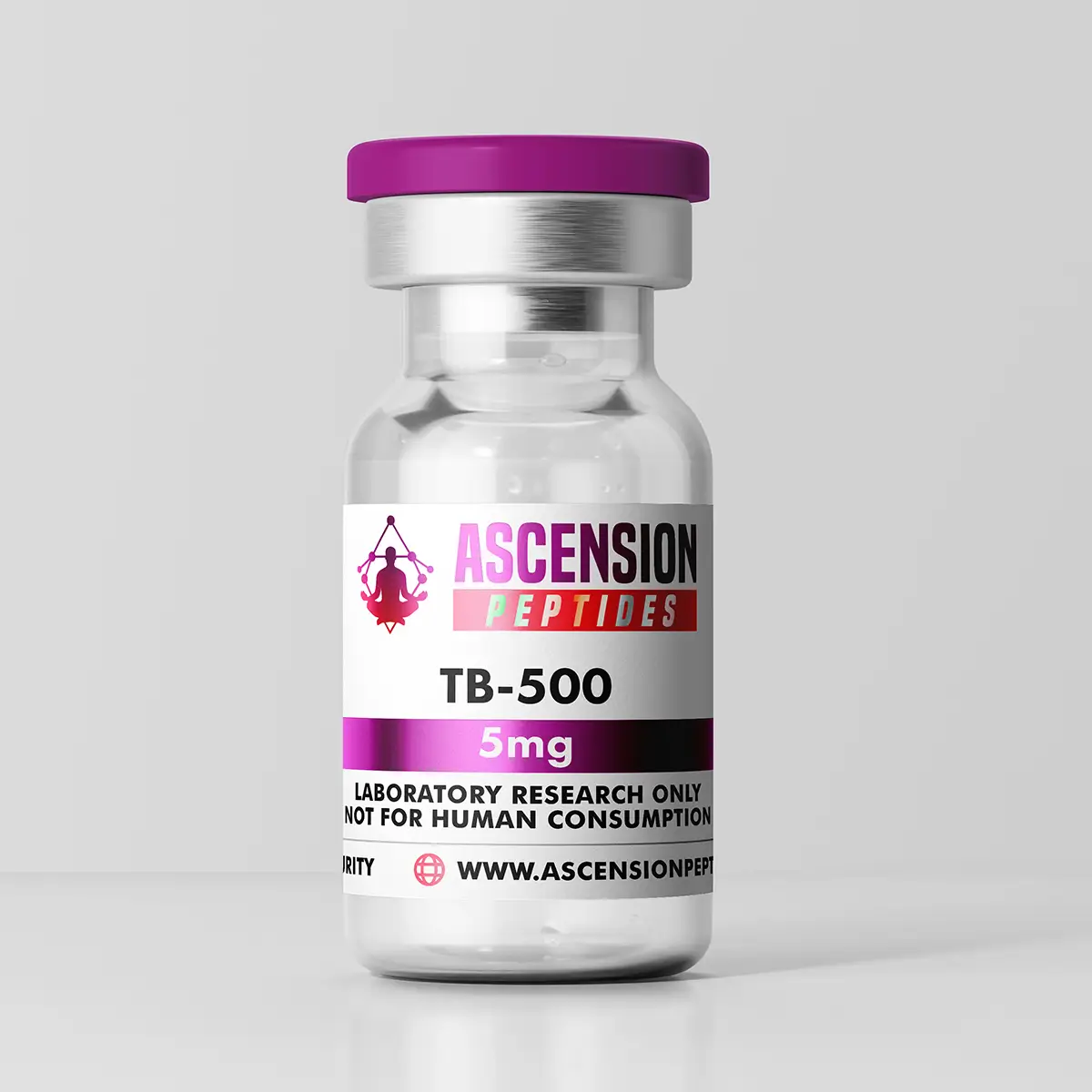
Grab TB-500 5mg from Ascension Peptides for the standard tendon healing protocol. Each 5mg vial provides 2–3 doses depending on your protocol, so you'll want 2–3 vials for a full 8-week course.

Top Pick TB-500 5mg The essential complement to BPC-157 for tendon healing — TB-500 drives cell migration and tissue remodeling, improving the mechanical quality of repaired tendons. Use code PEPTIDEDECK for 20% off
Buy Now
You

How do I reconstitute Retatrutide 5mg with 2ml BAC water for 250mcg doses?

PeptideCoach

Add 2 mL BAC water to the 5 mg vial, swirl gently. Concentration = 2.5 mg/mL. For 250 µg, draw 0.1 mL (≈10 IU).

Reconstitution Calculator
Concentration
2.50mg/mL
Volume
0.100mL
Doses
20per vial
10 IU
draw line
How much to draw? Dosing schedule Side effects
Try our AI

Personalized protocols & interactive calculators

Try PeptideCoach

The BPC-157 + TB-500 Stack

Running BPC-157 and TB-500 together is the closest thing to a consensus protocol for peptides for tendon healing. The mechanisms are complementary: BPC-157 handles the acute inflammation, angiogenesis, and initial collagen synthesis; TB-500 drives cell migration and improves the quality of the remodeled tissue. They work in sequence naturally, but there's evidence of synergy when both are present simultaneously.

💡 Stack Protocol

BPC-157: 250–500mcg daily, subcutaneous injection, for 6–8 weeks.
TB-500: 2–2.5mg twice weekly (loading) for 4 weeks, then once weekly for 4 more weeks.
These can be run simultaneously — no timing restriction between them.

Anecdotally, users report that injuries that had plateaued with physiotherapy alone begin showing renewed progress within 2–3 weeks of starting this stack. The progression isn't always dramatic week-to-week, but the trajectory changes. Tendons that had been tender and restricted for months start loosening. Pain with movement decreases. Range of motion improves.

✓ Good to Know: Continue physiotherapy and appropriate loading while using peptides for tendon healing. Mechanical loading signals are essential for proper collagen fiber alignment — peptides accelerate the process, but the tendon still needs the stimulus to organize correctly.

PEG-MGF for Tendon Remodeling

PEG-MGF (Pegylated Mechano Growth Factor) is a variant of IGF-1 that's particularly relevant in the later stages of tendon repair — the remodeling phase, weeks 4–12+. While BPC-157 and TB-500 dominate the early healing phase, PEG-MGF can be useful once the tendon has structurally repaired but the new tissue lacks the mechanical quality of the original.

MGF is produced by muscle and connective tissue in response to mechanical strain. It activates satellite cells (stem cells for muscle and connective tissue) and promotes protein synthesis. The PEG modification extends its half-life dramatically — from minutes to days — which is why the synthetic version is far more practically useful than the native form.

For tendon applications, PEG-MGF may improve the strength and elasticity of repaired tissue, particularly at the tendon-muscle junction. The evidence is mostly preclinical, but the mechanistic logic is sound. It's typically added during the later phase of a recovery protocol rather than at the start.

Dosing Protocols for Tendon Recovery

Here's how to structure a full tendon healing protocol:

WeekBPC-157TB-500PEG-MGFNotes
1–4250–500mcg/day SC2–2.5mg 2x/week SC—Acute phase: angiogenesis + early repair
5–8250mcg/day SC2mg 1x/week SC200mcg 2x/week (optional)Proliferation + early remodeling
9–12Continue or taper2mg every 2 weeks200mcg 2x/week if addingLate remodeling, tissue quality
ℹ️ Note: This is a research protocol, not medical advice. Actual dosing should be discussed with a healthcare provider. The above represents the range reported in the research community.

Injection Technique for Tendon Protocols

  • Use a 27–29g insulin-type syringe for subcutaneous injection
  • Clean injection site with alcohol swab, allow to dry
  • Pinch skin, inject at 45° angle into subcutaneous fat
  • Rotate injection sites to avoid tissue buildup
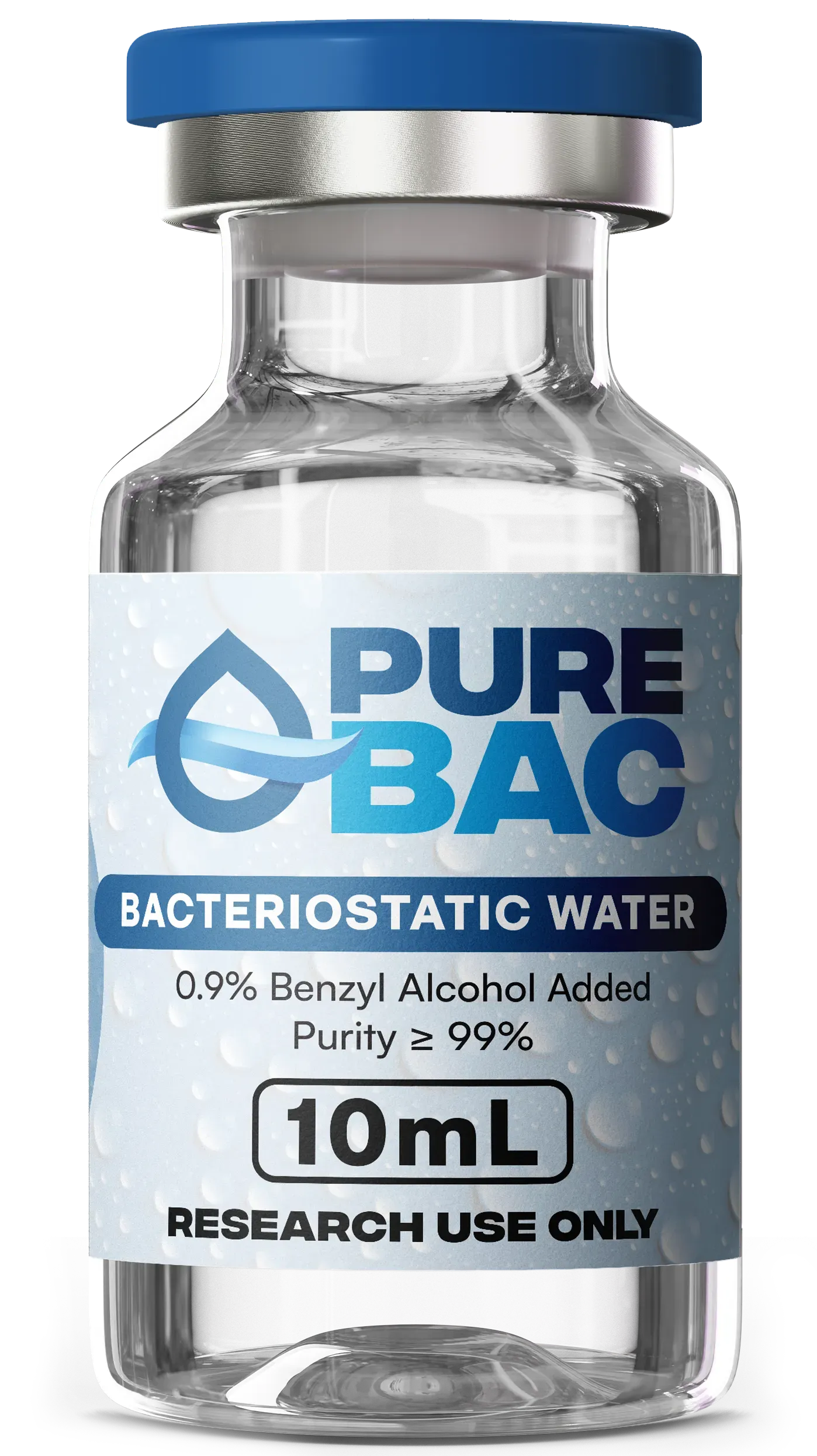
  • Store peptides in bacteriostatic water at 4°C (refrigerator), not frozen

What to Expect: Timeline

Managing expectations is important. Peptides for tendon healing aren't magic — they accelerate a biological process that still takes time. Here's a realistic timeline:

TimeframeWhat You Might NoticeWhat's Happening Biologically
Days 1–7Reduced inflammation, some pain reliefBPC-157 modulating inflammatory cascade
Week 2–3Decreased morning stiffness, improved range of motionAngiogenesis, early collagen deposition
Week 4–6More functional use of the tendon, less pain with loadingActive proliferation, new tissue forming
Week 6–10Noticeable strength recovery, reduced sensitivityRemodeling — collagen cross-linking and alignment
Week 10–12+Near-normal function in many casesContinued remodeling and tissue maturation

Chronic tendinopathy (years-old injuries) responds more slowly than acute injuries. Some cases that didn't respond to 6+ months of physiotherapy show meaningful improvement after 8–12 weeks of peptide protocols. Others don't — peptides for tendon healing aren't a guarantee, and structural damage beyond a certain threshold may require surgical intervention regardless.

⚠️ Warning: Do not use pain relief from peptides as a signal to resume heavy loading too quickly. Reduced pain is a sign of healing, but the tendon may not yet have the mechanical strength to handle full load. Gradual, progressive loading under professional guidance remains essential.

Frequently Asked Questions

How long does it take for peptides for tendon healing to work?
Most users notice reduced inflammation and some pain relief within 1–2 weeks. Meaningful structural improvement — reduced stiffness, better range of motion — typically appears by week 3–5. Full tendon remodeling continues for months, but the trajectory improves noticeably within the first 4–6 weeks of the BPC-157 + TB-500 protocol.
Should I inject BPC-157 near the injury or anywhere?
Both approaches work. Local injection (near the injury site, not into the tendon itself) may have advantages for acute injuries by delivering higher local concentrations. Systemic subcutaneous injection (abdomen, thigh) is safer, easier, and still highly effective due to BPC-157's systemic signaling properties. Most people use systemic injection unless they're experienced with needles and know the local anatomy well.
Can I use peptides for tendon healing alongside physiotherapy?
Yes — and you should. Peptides accelerate the biological side of healing; physiotherapy ensures the mechanical side is optimized. Collagen fibers need mechanical loading to align properly. Peptides without loading can result in repair tissue that's cellular but disorganized. The combination is substantially more effective than either alone.
Are BPC-157 and TB-500 safe to stack together?
The combination is well-tolerated based on community reports. There are no known dangerous interactions between the two — their mechanisms are complementary rather than conflicting. The main considerations are the general precautions for each compound individually (sterile administration, appropriate dosing). No human clinical trial data exists for the combined stack specifically.
Do peptides for tendon healing work for chronic (old) injuries?
Yes, though the timeline is longer and results vary more than with acute injuries. Chronic tendinopathy involves scar tissue, calcification in some cases, and degenerative changes that take longer to address. Many users with multi-year tendon problems have reported significant improvement after 8–12 weeks of the BPC-157 + TB-500 stack, particularly when combined with consistent eccentric loading protocols.
Can peptides for tendon healing prevent re-injury?
Potentially — if the repaired tissue is actually stronger and better organized than the original (which BPC-157 and TB-500 may contribute to), the structural basis for re-injury is reduced. But this isn't a substitute for proper load management and progressive return to activity. Don't rush back to full training just because the pain is gone.
What's the best peptide for Achilles tendon specifically?
BPC-157 is the most studied for Achilles tendon specifically — the 2010 rat study used an Achilles transection model. The BPC-157 + TB-500 stack is the standard recommendation. Considering that the Achilles critical zone is particularly avascular, BPC-157's angiogenic effects are especially relevant here.
How much do peptides for tendon healing cost?
A full 8-week BPC-157 + TB-500 stack runs roughly $100–200 for quality peptides from a reliable source. BPC-157 5mg vials run $40–60 each; you may need 2–4 vials depending on dose. TB-500 5mg vials run $50–70; 3–4 vials covers a full protocol. Compare that to PRP injections ($500–1000+ per session) or surgery ($20,000+), and the cost-to-benefit is compelling even just for the research angle.
Medical Disclaimer: This content is for informational purposes only and does not constitute medical advice. Always consult a qualified healthcare provider before starting any new supplement, medication, or treatment. PeptideDeck may earn a commission from affiliate links at no additional cost to you.
Top PickTB-500 5mgThe essential complement to BPC-157 for tendon healing — TB-500 drives cell migration and tissue remodeling, improving the mechanical quality of repaired tendons.Use code PEPTIDEDECK for 20% off
Buy Now

Related Topics

peptides for tendon healingtendon repair peptidesBPC-157TB-500injury recovery

Table of Contents12 sections

Why Tendons Are Hard to HealHow Peptides Speed Up Tendon RepairBPC-157 for TendonsLocal vs. Systemic Injection for Tendon HealingTB-500 for Tendon FlexibilityTB-500 Dosing for TendonsThe BPC-157 + TB-500 StackPEG-MGF for Tendon RemodelingDosing Protocols for Tendon RecoveryInjection Technique for Tendon ProtocolsWhat to Expect: TimelineFrequently Asked Questions

Related Articles

Semaglutide Side Effects: What to Expect, How Long They Last & How to Manage
12
Peptides for Skin: The Complete Guide to Anti-Aging, Collagen & Repair (2026)
14
Peptides for Brain Fog: What Actually Works and Why
11

More Articles

View All
Semaglutide Side Effects: What to Expect, How Long They Last & How to Manage
Peptide Guides

Semaglutide Side Effects: What to Expect, How Long They Last & How to Manage

Mar 1312
Peptide Guides

Peptides for Skin: The Complete Guide to Anti-Aging, Collagen & Repair (2026)

Mar 1314
Peptide Guides

Peptides for Brain Fog: What Actually Works and Why

Mar 1311
Back to Blog
sciencePeptideDeck
Contact© 2026 PeptideDeck. Research Purposes Only. Not for human consumption.