One in seven GLP-1 users has microdosed. That number did not exist until a survey of more than 75,000 people put a figure on it, and almost every other "statistic" about taking semaglutide or tirzepatide below the labelled dose is still a headline or a guess. This page separates the two. It collects the GLP-1 microdosing statistics that have a source behind them: national usage polls, the dose-arm results buried in the approval trials, side effects and dropout by dose, compounding enforcement, real prices, and what PeptideDeck's own readers ask.
🔑 Key Takeaways
- Microdosing finally has a denominator. Fifteen percent of injectable users have done it, nearly half of them from day one, and more than a third set the dose themselves. The reasons are ranked below.
- The low-dose data hides inside the big trials. Every approval trial ran participants through the small doses first, and in the real world most people never leave them. The dose-distribution numbers are the surprise of this page.
- Side effects scale with dose, and so does dropout. The nausea and discontinuation figures by dose arm explain why microdosing exists at all.
- Almost nobody stays on. The three-year persistence figure is a single digit, and the regain curve after stopping has a measured half-life.
- The compounded supply that made microdosing easy is shrinking. Two shortage-list dates, one lawsuit count and one warning-letter blitz tell you how fast.
How Many People Use GLP-1 Drugs in 2026
Start with the denominator.
Microdosing only makes sense as a share of something, and the something is the largest drug-adoption wave of the decade. These are the usage figures with a named survey or dataset behind them.
- 12% of US adults were taking a GLP-1 drug in late 2025 and 18% had taken one at some point, according to KFF's poll of 1,350 adults; current use had risen 6 points in 18 months. (KFF, 2025)
- 15% of women versus 9% of men were current users, and use peaked at 22% among adults aged 50 to 64. (KFF, 2025)
- 76% got the drug from a doctor, 17% from an online provider or website, and 9% from a med spa. (KFF, 2025)
- 56% of users said the drugs were difficult to afford, 27% of insured users paid the full cost themselves, and 14% of past users stopped because of cost against 13% because of side effects. (KFF, 2025)
- 11% of US adults take a GLP-1 for weight loss in 2026, up from 3% in 2024, and 15% have ever done so, in Gallup's June 2026 survey of 5,065 adults. (Gallup, 2026)
- 91% of adults are now aware of GLP-1 weight-loss drugs, up from 80% in 2024. (Gallup, 2026)
- 12.4% of adults reported taking a GLP-1 for weight loss across 2025, up from 5.8% in February 2024; use among women (15.2%) outpaced men (9.7%). (Gallup, 2025)
- 39.9% to 36.4%: the US adult obesity rate fell from its 2022 peak to 37.0% in 2025 and 36.4% so far in 2026. (Gallup, 2026)
- 0.9% to 4.0% of commercially insured adults were prescribed a GLP-1 between 2019 and 2024, and among adults with overweight or obesity but no diabetes the share rose from 0.03% to 0.67%, a 1,960.9% increase. (FAIR Health, 2025)
- 4.7 million commercial GLP-1 prescriptions were filled in May 2025, up from 680,000 in January 2020, with Medicare volume rising from 400,000 to 2 million. (IQVIA, 2025)
- 43% of firms with 5,000 or more workers covered GLP-1s for weight loss in 2025, up from 28% in 2024; only 16% of firms with 200 to 999 workers did. (KFF Employer Health Benefits Survey, 2025)
GLP-1 Microdosing Usage Statistics
Here is where the counting used to stop.
Until late 2025 no large survey had asked GLP-1 users whether they take less than the labelled dose. Two now have, and the rest of this section is telehealth disclosures, company filings, and behavioural data from sites like this one, each labelled for what it is.
How many people microdose
- 15.0% of 8,486 current injectable GLP-1 users reported microdosing, 9.3% currently and 5.7% formerly, in a survey of 79,602 people run by Evidation and presented at ISPOR 2026. (Evidation / ISPOR 2026, 2026)
- 40.8% microdose to manage side effects, 31.9% to cut cost, and 29.6% to maintain weight already lost. (Evidation / ISPOR 2026, 2026)
- 47.6% of current microdosers started on a microdose; the other 52.4% switched down after starting a standard regimen. (Evidation / ISPOR 2026, 2026)
- 51.0% of current microdosers expect to stop within a year, and they are more likely than standard-dose users to get the drug from somewhere other than their own clinician. (Evidation / ISPOR 2026, 2026)
- About half of microdosers use compounded product, more than a third set their dose without a provider, nearly a third of people who have never taken a GLP-1 say they are interested in microdosing, and social media is the main information source for both groups. (Evidation, 2025)
- 36% of 640 GLP-1 users said they were currently microdosing and another 32% had tried it, in a smaller Tebra survey from April 2025. (Tebra, 2025)
- 66% of those Tebra microdosers did it to cut side effects, 40% to ease into treatment and 38% to save money; 55% did it without asking a doctor. (Vice, reporting the Tebra survey, 2025)
- 1 in 3 Americans on a GLP-1 said they got it from a compounding pharmacy at the 2024 peak of the compounded market. (Stanford Medicine, 2026)
- 19% of current GLP-1 weight-loss users take a compounded or custom-mixed version, 68% take a brand-name product, and 12% do not know which. (Gallup, 2026)
- 83% of the compounded GLP-1 market is anti-obesity patients, over 80% of compounded semaglutide and tirzepatide prescriptions include additives such as B vitamins, and only 2% of compounded patients ever move to a branded product. (IQVIA, 2025)
The telehealth microdose market
- October 29, 2025: Hims & Hers launched GLP-1 microdosing plans for "metabolic health", calling microdosing "an early-stage innovation that requires continued study". (Hims & Hers, 2025)
- More than 55% of Hims & Hers subscribers chose "personalized" treatment at the end of 2024, and 70% of people who started a compounded GLP-1 on the platform were still subscribed at 12 weeks. (Hims & Hers SEC filing, 2025)
- $79 then $179 a month is Noom's microdose GLP-1 pricing: an initial three-week subscription with four weeks of medication, then a 12-week subscription. (Noom, 2026)
- 5.8 lb is the average weight loss Noom claims for microdose users who followed its titration protocol, from self-reported data on 3,562 users with a BMI of 27 or more; treat it as an unaudited company claim. (Noom, 2026)
- $60 to $99 a month is what Mochi Health charges for compounded semaglutide by dose, from 0.22 mg to 2.67 mg a week, with compounded tirzepatide at $90 to $199. (Mochi Health, 2026)
- 1.18 million mentions and 97.5 million engagements: GLP-1 conversation on Reddit, X and Pinterest between January 1 and May 21, 2026, with Reddit holding 81% share of voice. (Meltwater, 2026)
- 98% of the 400 most popular TikTok videos under the Ozempic, semaglutide, Mounjaro and tirzepatide hashtags were made by individual users or influencers rather than clinicians. (Journal of the American Pharmacists Association, 2026)
Registered trials and published papers
- 22 registered studies on ClinicalTrials.gov combine semaglutide with the terms microdose, microdosing or low dose as of September 2026. (ClinicalTrials.gov, September 2026)
- 150 participants are planned for NCT07092605, an early Phase 1 study titled "Effectiveness of Microdosed GLP-1 in Improving Health" sponsored by AgelessRx, which started in November 2024 and is enrolling by invitation. (ClinicalTrials.gov, 2026)
- 150 participants are also planned for the companion AgelessRx study NCT07092618 on maintaining weight after GLP-1 treatment, a Phase 2/3 trial recruiting since December 2024. (ClinicalTrials.gov, 2026)
- 775 semaglutide studies and 294 tirzepatide studies are registered in total, so the low-dose subset is under 3% of the semaglutide registry. (ClinicalTrials.gov, September 2026)
- 61 PubMed papers pair semaglutide or tirzepatide with low-dose or microdosing terms, and only 6 use the word "microdosing" itself, against 5,607 semaglutide papers overall. (PubMed, September 2026)
What PeptideDeck readers do
PeptideDeck records anonymous page views and aggregate question topics from its AI coach. No individual data is published; the figures below are totals and shares.
- 156,072 page views, or 18.2% of all 858,254 views PeptideDeck recorded between March 6 and September 8, 2026, went to GLP-1 pages (retatrutide, tirzepatide, semaglutide and GLP-1 guides), peaking at 37,407 in July. (PeptideDeck analytics, September 2026)
- 123,701 of those views were on retatrutide pages, 6.2 times the tirzepatide total and 26 times the semaglutide total. (PeptideDeck analytics, September 2026)
- 2,211 views reached the site's microdosing guides in the same period, 0.3% of traffic, with July 2026 the busiest month at 591. (PeptideDeck analytics, September 2026)
- 3 of 2,338 questions put to the PeptideDeck AI coach between February and September 2026 mention microdosing, while 5.3% mention weight or fat loss and 29.8% ask about dose. (PeptideDeck AI coach logs, aggregate, September 2026)
- 6.6% of coach questions mention retatrutide, against 0.8% for tirzepatide and 0.6% for semaglutide. (PeptideDeck AI coach logs, aggregate, September 2026)
Low-Dose Efficacy Statistics: What the Small Doses Actually Do
Every approval trial began with a microdose.
The labelled schedules put participants on 0.25 mg of semaglutide or 2.5 mg of tirzepatide for weeks before escalating, and the lower dose arms of those trials, plus a growing set of real-world cohorts, are the closest thing to controlled microdosing data that exists.
The labelled schedules
- 0.25 mg for 4 weeks is the labelled Wegovy start, then 0.5 mg (weeks 5 to 8), 1 mg (9 to 12), 1.7 mg (13 to 16), and maintenance from week 17; the label allows a 4-week delay at any step that is not tolerated. (Wegovy prescribing information, 2026)
- 2.4 mg or 1.7 mg are the only approved Wegovy maintenance doses for weight reduction. (Wegovy prescribing information, 2026)
- 2.5 mg is not an approved maintenance dose of Zepbound; it is a 4-week starting dose, with increases in 2.5 mg steps, but the label tells prescribers to "consider a lower maintenance dosage" when a higher one is not tolerated. (Zepbound prescribing information, 2026)
What the lower doses did in trials
- 9.6% versus 13.2%: weight loss at week 68 on semaglutide 1.7 mg versus 2.4 mg in the East Asian STEP 6 trial, against 2.1% on placebo; 72%, 83% and 21% lost at least 5%. (Lancet Diabetes & Endocrinology, 2022)
- 15.0%, 19.5% and 20.9%: weight loss at 72 weeks on tirzepatide 5 mg, 10 mg and 15 mg in SURMOUNT-1, against 3.1% on placebo; 85%, 89% and 91% lost at least 5%. (New England Journal of Medicine, 2022)
- 15.3% versus 16.1%: six-month weight loss on tirzepatide 2.5 mg versus 5 mg in 112 non-diabetic Japanese adults, a difference that was not statistically significant, with adverse events in 35% versus 50%. (Diabetes, Obesity and Metabolism, 2026)
- 7.3% at 12 weeks and 9.9% at 24 weeks: weight loss in Chinese adults on 0.5 to 1.0 mg of semaglutide, with 76.1%, 50.4% and 16.8% reaching 5%, 10% and 15% loss and adverse events in 32.9%. (Diabetes, Obesity and Metabolism (HARMONY), 2026)
- 9.6% versus 3.4%: weight loss on semaglutide 2.4 mg versus placebo at week 68 in people with type 2 diabetes (STEP 2), with gastrointestinal adverse events in 63.5% on 2.4 mg, 57.5% on 1.0 mg and 34.3% on placebo. (The Lancet, 2021)
What doses people actually stay on
- Fewer than 2% of semaglutide starters in Danish primary care followed the labelled titration schedule; of those still on the drug at 12 months, 4% were on 0.25 mg, 6% on 0.5 mg, 31% on 1.0 mg, 30% on 1.7 mg and 30% on 2.4 mg. (Diabetes, Obesity and Metabolism, 2026)
- 13.6% weight loss at 12 months in that same cohort, with 38% permanently discontinuing; 50% of quitters cited side effects and 24% cited money. (Diabetes, Obesity and Metabolism, 2026)
- 57% ever reached a maintenance dose among 15,811 commercially insured US semaglutide users (22% reached 1.7 mg, 34% reached 2.4 mg), 69% started at 0.25 mg, and 46% had discontinued by month five. (Obesity, 2025)
- 41% to 51%: discontinuation in the lowest ($1 to $54 a month) versus highest ($161 to $1,460) copay groups in that study, a 33% higher likelihood of quitting for the people paying most. (Obesity, 2025)
- Only 22% of 2,306 patients at a US academic obesity clinic were ever prescribed semaglutide 2.4 mg and only 28% tirzepatide 15 mg; those who persisted 12 months or more lost a median 14.4%. (Diabetes, Obesity and Metabolism, 2025)
- 2% on 0.5 mg, 40% on 1 mg, 26% on 2.4 mg at six months in an Italian flexible-dose semaglutide program, with early discontinuation of 6.3% at three months and 10.5% at six. (Diabetes, Obesity and Metabolism (FLEX-SEMA), 2026)
- 67.7% versus 42.4%: the share of semaglutide users reaching at least 1.7 mg versus tirzepatide users reaching at least 10 mg in 2,396 patients in Truveta records, where six-month weight loss was 8.83% and 11.15% respectively. (Journal of Endocrinological Investigation, 2026)
- 16% of patients on Wegovy at one year in the SELECT cardiovascular trial were on doses below 1.7 mg, with 8% on 1.7 mg and 76% on 2.4 mg; at two years the figures were 17%, 7% and 77%. (Wegovy prescribing information, 2026)
Side Effects by Dose: Why People Microdose
The case for microdosing is a tolerability case.
Gastrointestinal side effects rise with dose, they cluster during escalation, and a measurable share of trial participants either paused or quit because of them. Those percentages are the whole argument.
- 44% nausea, 25% vomiting, 30% diarrhea on Wegovy 2.4 mg against 16%, 6% and 16% on placebo, and the label notes these were "most frequently reported during dosage escalation". (Wegovy prescribing information, 2026)
- 73% versus 47% of adults reported gastrointestinal reactions on Wegovy versus placebo, and severe reactions ran 4.1% versus 0.9%. (Wegovy prescribing information, 2026)
- 6.8% versus 3.2% permanently discontinued Wegovy versus placebo for adverse reactions, 4.3% versus 0.7% for gut reactions specifically. (Wegovy prescribing information, 2026)
- 25%, 29% and 28% nausea on Zepbound 5 mg, 10 mg and 15 mg against 8% on placebo. (Zepbound prescribing information, 2026)
- 1.9%, 3.3% and 4.3% discontinued Zepbound 5 mg, 10 mg and 15 mg for gut reactions against 0.5% on placebo, and 4.8%, 6.3% and 6.7% discontinued for any adverse reaction against 3.4%. (Zepbound prescribing information, 2026)
- 4.3%, 7.1% and 6.2% of SURMOUNT-1 participants on tirzepatide 5, 10 and 15 mg discontinued for adverse events, against 2.6% on placebo. (New England Journal of Medicine, 2022)
- 35% versus 50%: adverse events on tirzepatide 2.5 mg versus 5 mg in the Japanese cohort where weight loss was nearly identical. (Diabetes, Obesity and Metabolism, 2026)
- 57.5% versus 63.5%: gastrointestinal adverse events on semaglutide 1.0 mg versus 2.4 mg in STEP 2. (The Lancet, 2021)
Persistence, Maintenance and Weight Regain Statistics
Most people stop within a year.
Insurer and claims data, plus the trial extensions that tracked what happens after stopping, are why "maintenance microdosing" became a phrase in 2025 and 2026.
- 8% of people who started a GLP-1 for obesity without diabetes were still taking it three years later, and 14% for the high-potency products Wegovy and Zepbound. (Prime Therapeutics, 2025)
- 85% of new weight-loss starters were no longer on the drug after two years. (Prime Therapeutics, 2024)
- 33.2% to 60.9%: one-year persistence on Wegovy or Zepbound improved from 2021 starters to first-half-2024 starters across 33,607 patients, with tirzepatide at 64.8%. (Journal of Managed Care & Specialty Pharmacy, 2026)
- 64.8% versus 46.5%: one-year discontinuation among 125,474 adults without and with type 2 diabetes; 36.3% and 47.3% later restarted. (JAMA Network Open, via Truveta, 2025)
- 58% of commercially insured weight-loss users quit before reaching a clinical benefit, and more than 30% dropped out after the first four weeks, in a study of about 170,000 patients. (Blue Cross Blue Shield of Michigan, 2024)
- Two-thirds regained: STEP 1 participants lost 17.3% on semaglutide 2.4 mg, then regained 11.6 percentage points in the year after stopping, for a net 5.6% loss at week 120. (Diabetes, Obesity and Metabolism, 2022)
- 60% regained at one year, plateauing at 75.3% with a 23-week half-life, in a meta-regression of six trials and 3,236 participants who stopped a GLP-1. (eClinicalMedicine, 2026)
- 56.2% held or kept losing a year after stopping semaglutide in Epic records of 20,274 patients, while 17.7% regained everything. (Epic Research, 2024)
- 55% versus 44% of Cleveland Clinic patients with obesity versus diabetes gained weight in the year after stopping semaglutide or tirzepatide, among 7,938 who quit. (Cleveland Clinic, 2026)
Compounded GLP-1 and Regulation Statistics
Microdosing runs on vials, not pens.
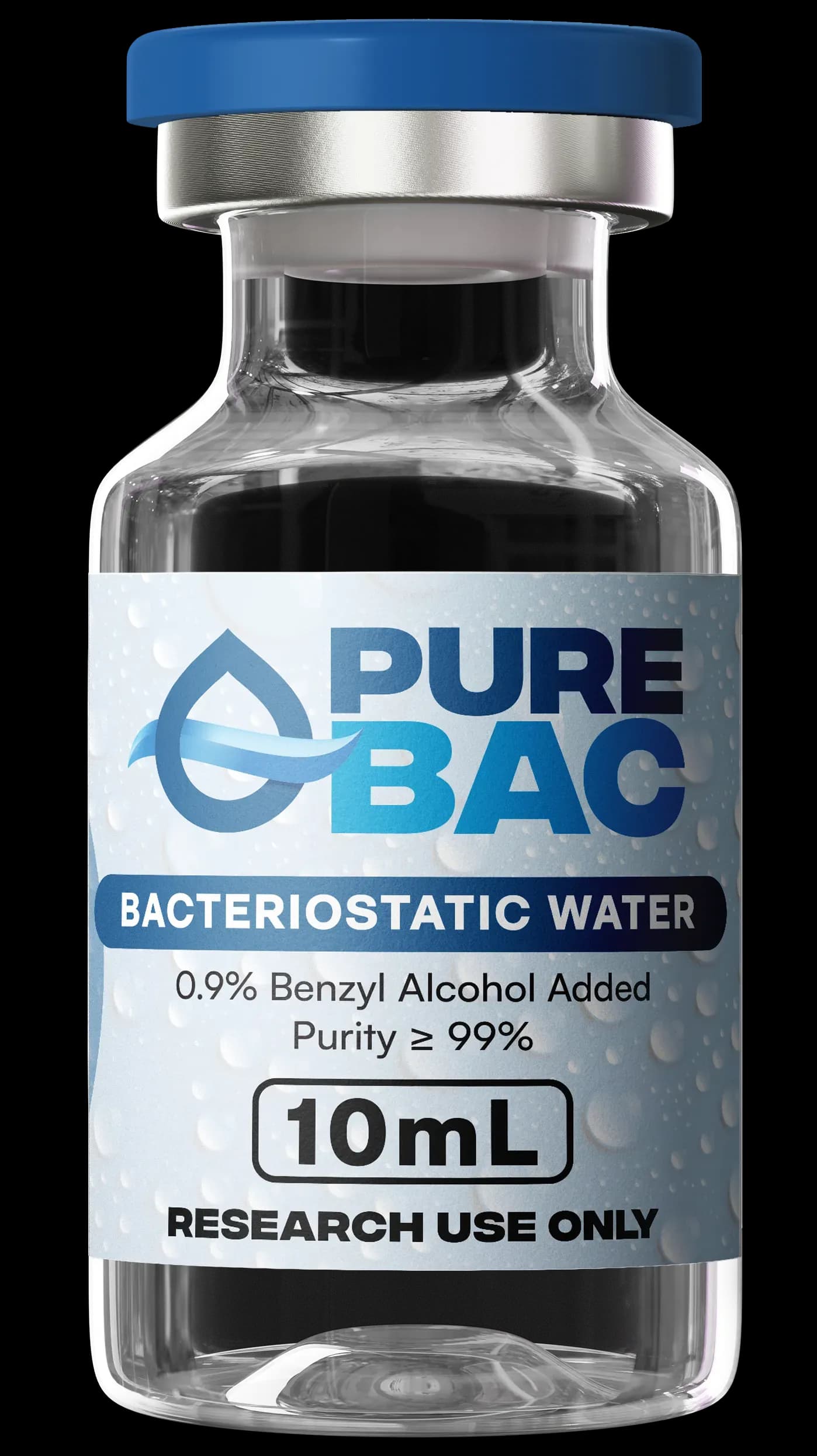
Branded pens deliver fixed clicks; compounded vials let a patient draw any dose. That is why the shortage-list dates, enforcement actions and dosing-error reports below matter more to microdosing than to any other way of taking these drugs.
- December 19, 2024: FDA declared the tirzepatide shortage resolved, ending 503A compounding on February 18, 2025 and 503B on March 19, 2025; the drug had been in shortage since December 15, 2022. (FDA declaratory order, 2024)
- February 21, 2025: FDA declared the semaglutide shortage resolved, with grace periods to April 22, 2025 for 503A pharmacies and May 22, 2025 for 503B outsourcers. (FDA, 2025)
- 4 or fewer prescriptions a month of a copycat compounded product is the threshold below which FDA says it does not intend to act against a compounder. (FDA, 2026)
- April 30, 2026: FDA proposed permanently excluding semaglutide, tirzepatide and liraglutide from the 503B bulks list, with comments closing June 29, 2026. (FDA, 2026)
- 30 warning letters went to telehealth companies on March 3, 2026 over compounded GLP-1 marketing, and FDA said it had sent more such letters in six months than in the entire preceding decade. (FDA, 2026)
- 990 adverse-event reports for compounded semaglutide and more than 730 for compounded tirzepatide had reached FDA by May 31, 2026. (FDA, 2026)
- 5 to 20 times the intended dose is what patients injected from compounded vials in the errors FDA warned about, with provider errors of 5 to 10 times; a typical mistake was drawing 50 units in a U-100 insulin syringe instead of 5. (FDA, 2024)
- 10,033 GLP-1 poison-center exposures were logged between 2012 and 2023, 6,920 of them after the 2021 weight-loss approval, mostly unintentional dosing errors. (Journal of Medical Toxicology, 2026)
- 95% of GLP-1 adverse events in 2024 related to how the product was dosed or administered rather than the drug itself, according to Stanford clinicians. (Stanford Medicine, 2026)
- 132 lawsuits in 40 states and 44 permanent injunctions: Novo Nordisk's tally against sellers of knockoff semaglutide as of August 2025, when it filed 14 more. (Novo Nordisk, 2025)
- $33.5 million of inventory write-downs and restructuring charges: what Hims & Hers booked in the first quarter of 2026 after cutting compounded GLP-1s to "a limited scale" under its March 2026 settlement with Novo Nordisk. (Hims & Hers, 2026)
- 39% versus 32%: compounded users versus brand-name users who rate their GLP-1 "extremely effective". (Gallup, 2026)
GLP-1 Microdosing Cost Statistics
A smaller dose is not a smaller bill.
Pens are priced per pen, not per milligram, so a patient on 0.25 mg pays the same as one on 2.4 mg unless they use vials. The list prices, cash-pay programs and compounded prices below show where the savings actually come from.
- $1,349.02 is Wegovy's list price per monthly package, and Ozempic's is $1,027.51 per pen at every strength. (NovoCare, 2026)
- $199 a month for the first two fills of Wegovy 0.25 mg or 0.5 mg (through December 31, 2026), then $349 a month for any dose from 0.25 mg to 2.4 mg and $399 for the 7.2 mg dose, for self-pay patients. (NovoCare, 2026)
- $499 to $349: Novo Nordisk cut the self-pay Wegovy and Ozempic price on November 17, 2025, while Ozempic 2 mg stayed at $499. (Novo Nordisk, 2025)
- $349 buys 1 mg of semaglutide a month at the starting dose and 9.6 mg at the top dose. Four 0.25 mg pens and four 2.4 mg pens cost the same, so a branded microdose costs 9.6 times more per milligram than a full dose. (PeptideDeck calculation from NovoCare pricing, 2026)
- $149, $199 and $299 a month for the Wegovy pill at 1.5 mg, 4 mg, and 9 or 25 mg. (NovoCare, 2026)
- $349 and $499: LillyDirect self-pay Zepbound vial prices for the 2.5 mg starting dose and all other doses as of October 2025, reported cut to $299, $399 and $449 on December 1, 2025. (Walmart, 2025; Pharmaceutical Executive, 2025)
- $60 to $99 a month for compounded semaglutide priced by dose at Mochi Health, and $79 then $179 a month for Noom's microdose program, are the cheapest published microdose price points from named telehealth providers. (Mochi Health, 2026; Noom, 2026)
- $92 a month is the average revenue Hims & Hers earned per subscriber in the second quarter of 2026, up from $76 a year earlier, across nearly 2.9 million subscribers. (Hims & Hers, 2026)
- $50 a month is the Medicare copay for Wegovy, Zepbound KwikPen and Foundayo under the GLP-1 bridge program running July 1, 2026 to December 31, 2027, for beneficiaries with a BMI of 35 or more, or 30 (or 27) with qualifying conditions. (Medicare.gov, 2026)
- $245 a month is the negotiated net price Medicare pays for those drugs, and an estimated 3.8 million beneficiaries could qualify. (KFF, 2026; AARP, 2026)
GLP-1 Market and Search Interest Statistics
The money is still rising while attention falls.
- $65.18 billion: Eli Lilly's 2025 revenue, with Mounjaro at $22.97 billion and Zepbound at $13.54 billion; fourth-quarter revenue rose 43% to $19.3 billion and 2026 guidance is $80 to $83 billion. (Eli Lilly, 2026)
- DKK 79.1 billion of Wegovy sales and DKK 127.1 billion of Ozempic sales in 2025; Novo Nordisk's obesity-care sales grew 31% at constant exchange rates to DKK 82.3 billion, with 3.6 million people on its obesity products. (Novo Nordisk SEC filing, 2026)
- 4.1 million patients were on Novo Nordisk obesity products by the first quarter of 2026, up 58%, and weekly prescriptions of the Wegovy pill passed 200,000; the company still guides 2026 sales down 4% to 12%. (Novo Nordisk SEC filing, 2026)
- $2.35 billion: Hims & Hers 2025 revenue, up 59%, with 2026 guidance of $3.1 to $3.3 billion. (Hims & Hers, 2026)
- $66 billion in 2025, $92 billion in 2026: the global obesity-medicines market at list prices, forecast to reach $105 to $200 billion from 2027; the Wegovy pill took about a third of new-to-brand prescriptions within eight weeks of launch. (IQVIA, 2026)
- $200 billion by 2030 for the global incretin market, with roughly 25 million Americans on GLP-1 treatment by then, up from around 10 million in 2025. (J.P. Morgan, 2026)
- $130 billion to $95 billion: Goldman Sachs cut its 2030 obesity-market forecast, citing discontinuation. (BioSpace, 2025)
Wikipedia readership
- 2,711,799 views of the English Wikipedia semaglutide article in 2024 fell to 1,485,974 in 2025, a 45% drop. (Wikimedia pageviews, 2026)
- 431,427 views between January and August 2026 are 63% below the same months of 2025, with September 2024 (371,248 views) still the peak month. (Wikimedia pageviews, 2026)
- 1,420,228 tirzepatide views in 2024 became 1,064,966 in 2025 (down 25%), and January to August 2026 is running 62% below 2025. (Wikimedia pageviews, 2026)
- 368,702 retatrutide views in 2025 were 274% above 2024, and the first eight months of 2026 are already 63% above the same period of 2025, the only GLP-1 molecule still gaining attention. (Wikimedia pageviews, 2026)
Methodology and Update Log
- Primary sources first. Registry, literature and pageview counts were queried directly from ClinicalTrials.gov, PubMed and the Wikimedia pageviews API. Usage figures come from named polls (KFF, Gallup) and claims datasets. Trial figures come from FDA labels and journal abstracts. Regulatory figures come from FDA pages. Where only a news report or a company page exists, it is named as such.
- PeptideDeck data is aggregate site analytics (March 6 to September 8, 2026) and aggregate topic counts from AI coach questions (February 20 to September 7, 2026). No user-level data is published.
- "Microdosing" on this page means taking a GLP-1 drug below its labelled starting or maintenance dose, or splitting a weekly dose into smaller injections. Trial dose arms are labelled with the exact dose so readers can judge for themselves.
- Update log: September 2026, first edition. Counts are refreshed monthly; the month in the title tells you when.
Frequently Asked Questions
Sources
- Emerging Patterns of GLP-1 Microdosing in a Large Real-World Population. Evidation Health, ISPOR 2026 (Value in Health 29:S6), 2026.
- Real-World GLP-1 Dosing Behaviors. Evidation Health, December 2025.
- Microdosing GLP-1: Survey of 640 Users. Tebra, April 2025.
- Poll: 1 in 8 Adults Say They Are Currently Taking a GLP-1 Drug. KFF, 2025.
- KFF Health Tracking Poll: Prescription Drug Costs and GLP-1 Use. KFF, 2025.
- 2025 Employer Health Benefits Survey. KFF, 2025.
- GLP-1 Usage Reaches New High. Gallup, July 2026.
- US Obesity Rate Declining as GLP-1 Use Rises. Gallup, 2025.
- Use of GLP-1 Drugs to Treat Overweight or Obesity Increased 587 Percent from 2019 to 2024. FAIR Health, 2025.
- GLP-1 Impact: How GLP-1s Are Changing the Diabetes Treatment Paradigm. IQVIA, 2025.
- Non-Traditional Channels: The Compounded GLP-1 Market. IQVIA, 2025.
- The Outlook for Obesity from 2026 to 2030. IQVIA, 2026.
- Wegovy (semaglutide) Prescribing Information. US Food and Drug Administration, revised February 2026.
- Zepbound (tirzepatide) Prescribing Information. US Food and Drug Administration, revised February 2026.
- Semaglutide 2.4 mg and 1.7 mg in East Asian Adults with Overweight or Obesity (STEP 6). Lancet Diabetes & Endocrinology, 2022.
- Semaglutide 2.4 mg in Adults with Overweight or Obesity and Type 2 Diabetes (STEP 2). The Lancet, 2021.
- Tirzepatide Once Weekly for the Treatment of Obesity (SURMOUNT-1). New England Journal of Medicine, 2022.
- Tirzepatide 2.5 mg versus 5 mg in Japanese Adults Without Diabetes. Diabetes, Obesity and Metabolism, 2026.
- Low-Dose Semaglutide in Chinese Adults (HARMONY). Diabetes, Obesity and Metabolism, 2026.
- Semaglutide Dosing and Persistence in Danish Primary Care. Diabetes, Obesity and Metabolism, 2026.
- Semaglutide Dose Escalation and Discontinuation Among Commercially Insured US Adults. Obesity, 2025.
- Flexible-Dose Semaglutide in Clinical Practice (FLEX-SEMA). Diabetes, Obesity and Metabolism, 2026.
- Real-World Semaglutide and Tirzepatide Use in an Academic Obesity Clinic. Diabetes, Obesity and Metabolism, 2025.
- Tirzepatide versus Semaglutide in Real-World Electronic Health Records. Journal of Endocrinological Investigation, 2026.
- Only 1 in 12 Remain on a GLP-1 Drug for Obesity at Three Years. Prime Therapeutics, 2025.
- 1 in 7 Stays on GLP-1 Drugs for Weight Loss After Two Years. Prime Therapeutics, 2024.
- One-Year Persistence on Anti-Obesity GLP-1s by Index Year. Journal of Managed Care & Specialty Pharmacy, 2026.
- Discontinuation and Reinitiation of GLP-1 Receptor Agonists. JAMA Network Open via Truveta, 2025.
- GLP-1 for Weight Loss: Most Patients Drop Out Before Achieving Results. Blue Cross Blue Shield of Michigan, 2024.
- Weight Regain After Withdrawal of Semaglutide (STEP 1 Extension). Diabetes, Obesity and Metabolism, 2022.
- Weight Regain After Stopping GLP-1 Therapy: A Meta-Regression. eClinicalMedicine, 2026.
- Many Patients Maintain Weight Loss a Year After Stopping Semaglutide and Liraglutide. Epic Research, 2024.
- What Happens When Patients Stop Taking GLP-1 Drugs. Cleveland Clinic, 2026.
- Declaratory Order: Tirzepatide Shortage Resolved. US Food and Drug Administration, December 2024.
- FDA Clarifies Policies for Compounders as National GLP-1 Supply Begins to Stabilize. US Food and Drug Administration, 2025.
- FDA Proposes to Exclude Semaglutide, Tirzepatide and Liraglutide from 503B Bulks List. US Food and Drug Administration, April 2026.
- FDA Warns 30 Telehealth Companies Against Illegal Marketing of Compounded GLP-1s. US Food and Drug Administration, March 2026.
- FDA's Concerns with Unapproved GLP-1 Drugs Used for Weight Loss. US Food and Drug Administration, 2026.
- FDA Alerts Health Care Providers, Compounders and Patients of Dosing Errors Associated with Compounded Semaglutide. US Food and Drug Administration, 2024.
- Novo Nordisk Expands Legal Action Against Compounded Semaglutide Sellers. Novo Nordisk, August 2025.
- Novo Nordisk Launches Introductory Self-Pay Offer for Wegovy and Ozempic. Novo Nordisk, November 2025.
- Wegovy Self-Pay Offer. NovoCare, 2026.
- Explaining List Price. NovoCare, 2026.
- LillyDirect and Walmart Pharmacy Launch Direct-to-Consumer Pricing for Zepbound. Walmart, October 2025.
- Weight-Loss Drug Coverage. Medicare.gov, 2026.
- What to Know About the BALANCE Model for GLP-1s in Medicare and Medicaid. KFF, May 2026.
- Microdosing Treatment Plans for Metabolic Health. Hims & Hers, October 2025.
- Hims & Hers Q4 2024 Shareholder Letter. US Securities and Exchange Commission, February 2025.
- Hims & Hers Second Quarter 2026 Financial Results. Hims & Hers, August 2026.
- Microdose GLP-1Rx. Noom, 2026.
- Per-Dose Pricing at Mochi Health. Mochi Health, August 2026.
- Lilly Reports Fourth-Quarter 2025 Financial Results and Provides 2026 Guidance. Eli Lilly, February 2026.
- Novo Nordisk Form 6-K, Full Year 2025. US Securities and Exchange Commission, February 2026.
- Novo Nordisk Form 6-K, First Quarter 2026. US Securities and Exchange Commission, 2026.
- The Obesity Drug Market Outlook. J.P. Morgan Global Research, February 2026.
- Compounded GLP-1s: Why Doctors Worry About Safety. Stanford Medicine, July 2026.
- GLP-1 Consumer Trends: Social Listening Analysis. Meltwater, 2026.
- Effectiveness of Microdosed GLP-1 in Improving Health (NCT07092605). ClinicalTrials.gov, 2026.
- PubMed search: semaglutide or tirzepatide with low-dose or microdosing terms. National Library of Medicine, queried September 2026.
- Wikimedia pageviews: Semaglutide, Tirzepatide, Retatrutide. Wikimedia Foundation, queried September 2026.
The information on this page is for educational purposes only and is not medical advice. Taking a GLP-1 medication at a dose other than the one prescribed, or drawing doses from a compounded vial, carries real risks including dosing errors, and should only be done under the direction of a licensed prescriber. Statistics are reported as published by their sources and may be revised by those sources.