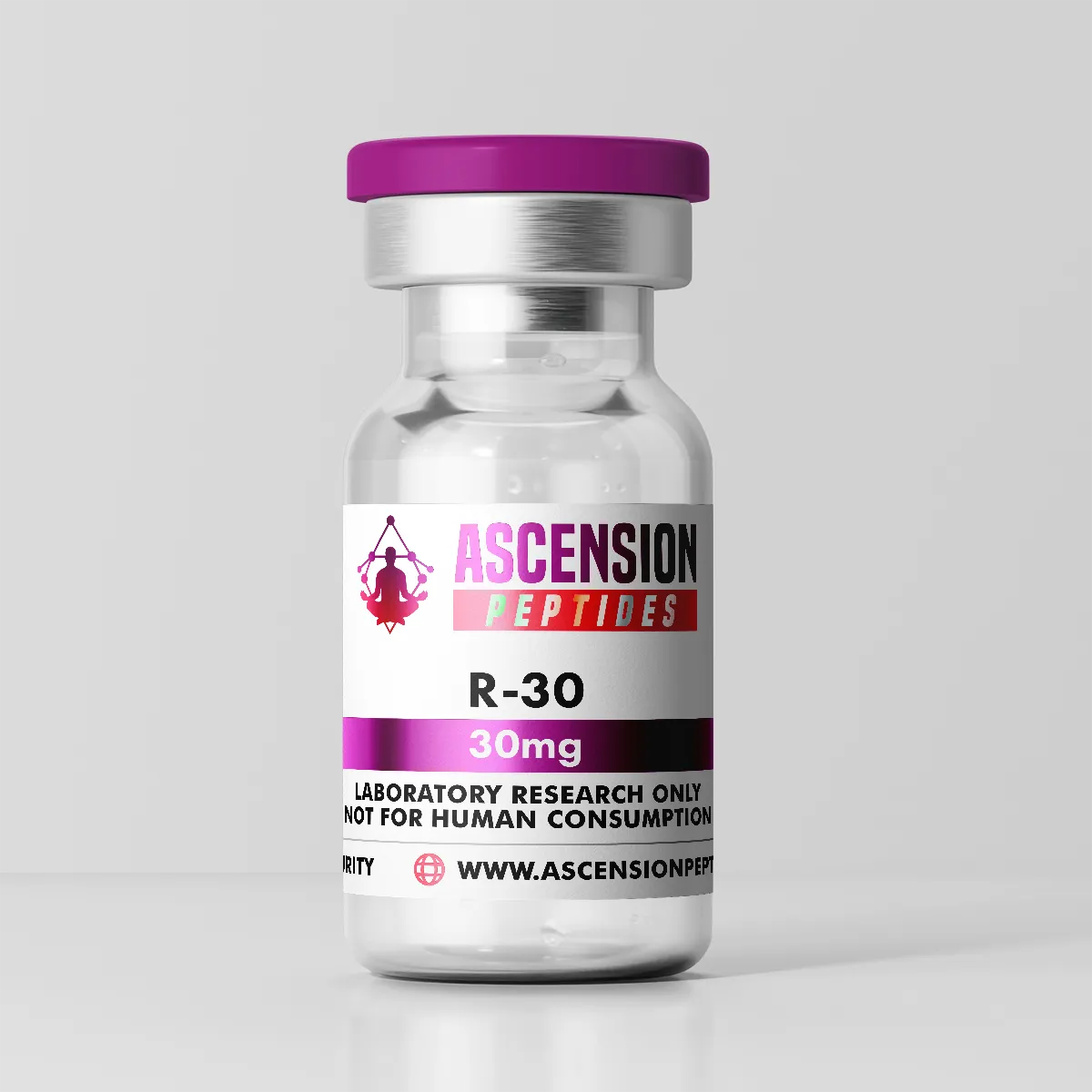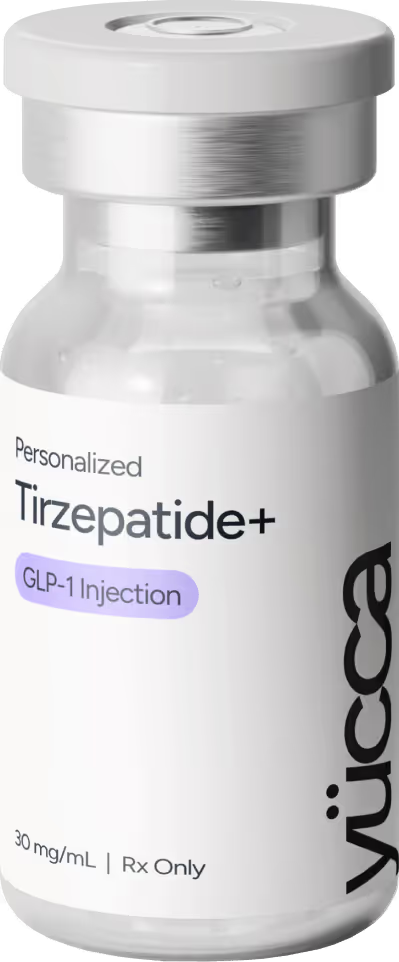
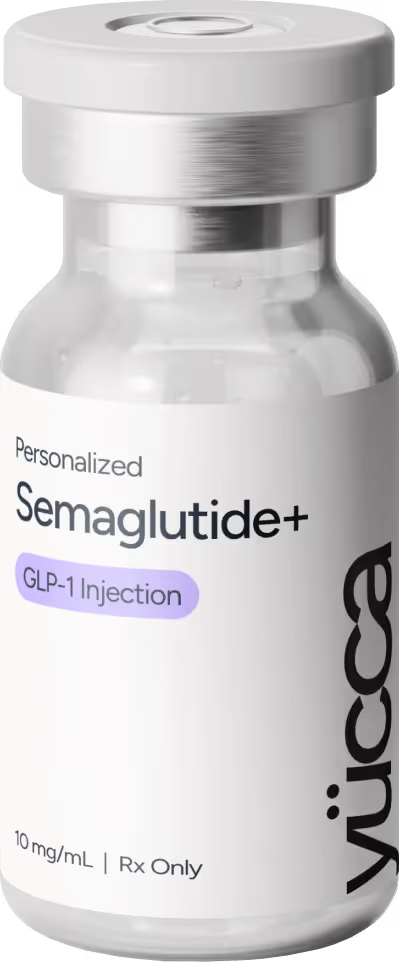
There are now 11 GLP-1 medications on the market. Five years ago there were six. The differences between them matter more than most people realize.
🔑 Key Takeaways
- GLP-1 medications mimic the GLP-1 hormone your gut releases after eating. They suppress appetite, slow digestion, improve blood sugar, and in newer versions accelerate fat metabolism
- The class includes 11 FDA-approved drugs across injectable, oral, and dual-agonist formats: Ozempic, Wegovy (injection and pill), Wegovy HD, Rybelsus, Mounjaro, Zepbound, Foundayo, Saxenda, Victoza, Trulicity, Byetta, and Adlyxin
- Tirzepatide (Mounjaro/Zepbound) is the most effective approved option, producing about 21% average weight loss, 47% more than semaglutide in head-to-head data
- Foundayo (orforglipron) is the newest addition, the first non-peptide oral GLP-1 that can be taken with or without food, no empty stomach required
- Beyond weight loss, GLP-1 medications are now approved for heart disease risk reduction, chronic kidney disease, obstructive sleep apnea, and liver disease (MASH)
- Generic versions of Victoza, Saxenda, and Byetta are available, making them the most affordable prescription options in the class
This page covers every GLP-1 medication available right now, what each one does, how they compare, and how to decide which one fits your situation.
What Are GLP-1 Medications?
They mimic a hormone you already produce.
GLP-1 (glucagon-like peptide-1) is an incretin hormone your small intestine releases after you eat. It signals the pancreas to release insulin, tells the liver to reduce glucose production, slows how fast food moves through your stomach, and communicates with your brain to reduce hunger.
GLP-1 medications are synthetic versions engineered to last much longer in the body. Natural GLP-1 breaks down in minutes. Semaglutide lasts about a week. This sustained activation is what produces the appetite suppression, blood sugar improvements, and weight loss the class is known for.
The class now includes three types:
- GLP-1 agonists: Activate the GLP-1 receptor only (semaglutide, liraglutide, exenatide, dulaglutide, lixisenatide, orforglipron)
- Dual GLP-1/GIP agonists: Activate both GLP-1 and GIP receptors (tirzepatide)
- Triple agonists (investigational): Activate GLP-1, GIP, and glucagon receptors (retatrutide, in Phase 3 trials)
GLP-1 Medications Compared: Full Comparison Chart
Here's every GLP-1 medication currently FDA-approved, with the data you actually need to compare them side by side.
| Drug (brand name) | Generic name | Class | Form | Frequency | FDA approved | Approved for | Generic available? |
|---|---|---|---|---|---|---|---|
| Ozempic | Semaglutide | GLP-1 | Injection | Weekly | 2017 | T2D, MACE reduction, CKD | No |
| Rybelsus | Semaglutide | GLP-1 | Oral pill | Daily | 2019 | T2D, MACE reduction | No |
| Wegovy (injection) | Semaglutide | GLP-1 | Injection | Weekly | 2021 | Weight loss, MACE reduction, MASH | No |
| Wegovy HD | Semaglutide (higher dose) | GLP-1 | Injection | Weekly | 2025 | Weight loss (enhanced) | No |
| Wegovy (pill) | Semaglutide | GLP-1 | Oral pill | Daily | 2025 | Weight loss, MACE reduction | No |
| Mounjaro | Tirzepatide | GLP-1/GIP | Injection | Weekly | 2022 | T2D | No |
| Zepbound | Tirzepatide | GLP-1/GIP | Injection | Weekly | 2023 | Weight loss, OSA | No |
| Foundayo | Orforglipron | GLP-1 | Oral pill | Daily | 2025 | Weight loss | No |
| Victoza | Liraglutide | GLP-1 | Injection | Daily | 2010 | T2D, MACE reduction | Yes |
| Saxenda | Liraglutide (higher dose) | GLP-1 | Injection | Daily | 2014 | Weight loss | Yes |
| Trulicity | Dulaglutide | GLP-1 | Injection | Weekly | 2014 | T2D, MACE reduction | No |
| Byetta | Exenatide | GLP-1 | Injection | Twice daily | 2005 | T2D | Yes |
| Adlyxin | Lixisenatide | GLP-1 | Injection | Daily | 2016 | T2D | No |
Each GLP-1 Medication Explained
Ozempic (Semaglutide Injection)
The most recognized name in the class.
Ozempic is a once-weekly semaglutide injection approved for type 2 diabetes. It comes in a multi-dose pre-filled pen with doses from 0.25mg up to 2mg. Ozempic is also approved to reduce the risk of major cardiovascular events (heart attack, stroke, cardiovascular death) in adults with T2D and heart disease, and to slow progression of chronic kidney disease.
Ozempic is not approved for weight loss. But because it's the same molecule as Wegovy at a lower dose, physicians frequently prescribe it off-label for weight management. Average weight loss in diabetes trials was 8 to 10 lbs at 30 weeks. The Ozempic side effects page covers what to expect.
Wegovy (Semaglutide for Weight Loss)
Three versions now exist.
Wegovy injection: Once-weekly semaglutide at a higher dose (up to 2.4mg) than Ozempic, approved for weight loss in adults and adolescents ages 12+. Clinical trials showed average weight loss of nearly 15% of body weight. Also approved for MACE reduction in adults with heart disease and larger body size, and for treating MASH (metabolic dysfunction-associated steatohepatitis) with moderate-to-advanced liver scarring.
Wegovy HD: An even higher-dose injection for adults who need additional weight loss beyond standard Wegovy. Clinical trials showed average weight loss of approximately 19%.
Wegovy pill: Daily oral semaglutide (25mg) approved for weight loss in adults. Same timing requirements as Rybelsus: empty stomach, minimal water, wait 30 minutes. Average weight loss of about 14% in trials, rising to 17% for those who completed the full study period. Also approved for MACE reduction. Not approved for MASH.
Rybelsus (Oral Semaglutide for Diabetes)
The original semaglutide pill.
Rybelsus is oral semaglutide for type 2 diabetes, taken daily. It's also approved for MACE risk reduction in adults with T2D at increased cardiovascular risk. Must be taken first thing in the morning on an empty stomach with no more than 4 ounces of water, then wait 30 minutes before eating or taking other medications.
Mounjaro (Tirzepatide for Diabetes)
The first dual-agonist.
Mounjaro is a once-weekly tirzepatide injection approved for type 2 diabetes in adults and children ages 10+. It activates both GLP-1 and GIP receptors, the only approved drug class to do so. In head-to-head trials against Ozempic (SURPASS-2), Mounjaro produced better A1c reduction and more weight loss. Available as single-dose pen, multi-dose pen (KwikPen), and vial. Currently under FDA review for MACE risk reduction.
Zepbound (Tirzepatide for Weight Loss)
Same molecule as Mounjaro, approved for weight management.
Zepbound is approved for adults with BMI 30+ or BMI 27+ with at least one weight-related condition. Also approved to treat moderate-to-severe obstructive sleep apnea in adults with a larger body size (SURMOUNT-OSA trial showed up to 63% reduction in sleep apnea severity). In the SURMOUNT-5 head-to-head trial, Zepbound produced 20.2% weight loss vs 13.7% for Wegovy, a 47% relative improvement.
Foundayo (Orforglipron)
The newest and most convenient oral option.
Foundayo is the first non-peptide oral GLP-1, which means it doesn't have the same food and water restrictions as Rybelsus or the Wegovy pill. Take it once daily, with or without food, at any time. This is a significant practical advantage for people who won't follow the empty-stomach timing.
In clinical trials, the highest Foundayo dose produced about 11% weight loss over 72 weeks. It's less effective than injectable semaglutide or tirzepatide for weight loss, but the convenience factor and no-injection requirement make it attractive for a different population.
Victoza and Saxenda (Liraglutide)
The older generation, now with generics.
Victoza is once-daily liraglutide for T2D, approved for adults and children 10+. It reduces MACE risk in adults with heart disease. Average weight loss in trials was about 5 lbs. Saxenda is the higher-dose version approved for weight loss, producing about 8% average weight loss. Both are daily injections.
Generic liraglutide is now available for both Victoza and Saxenda, making them the most affordable branded GLP-1 medications. If cost is a barrier, generic liraglutide may be the most accessible prescription option.
Trulicity (Dulaglutide)
Once-weekly, approved for T2D in adults and children 10+. Trulicity can reduce MACE risk in adults with heart disease or heart disease risk factors, and has kidney-related benefits. Not approved for weight loss, but weight loss of up to 10 lbs at the highest dose (4.5mg) has been observed. No generic available.
Byetta (Exenatide)
The original GLP-1 drug, FDA-approved in 2005. Twice-daily injection for T2D. Less convenient than newer weekly options. Does not have proven cardiovascular benefits. Generic exenatide is available, making it one of the cheapest GLP-1 options by list price.
Adlyxin (Lixisenatide)
Once-daily injection for T2D. Primarily used for post-meal blood sugar spikes. Limited weight loss benefit. Not widely prescribed compared to newer options.
GLP-1 Medications in Development
The pipeline keeps producing stronger drugs.
| Drug | Developer | Targets | Form | Phase | Key data |
|---|---|---|---|---|---|
| Retatrutide | Eli Lilly | GLP-1 + GIP + Glucagon | Weekly injection | Phase 3 | 24.2% avg weight loss (Phase 2) |
| CagriSema | Novo Nordisk | GLP-1 + Amylin | Weekly injection | Phase 3 | ~22% avg weight loss |
| Survodutide | Boehringer Ingelheim | GLP-1 + Glucagon | Weekly injection | Phase 3 | ~19% avg weight loss |
| Brenipatide | Eli Lilly | GLP-1 + GIP | Monthly injection | Phase 3 | Targeting addiction and psychiatric indications |
How GLP-1 Medications Work
Four mechanisms running simultaneously.
1. Appetite suppression. GLP-1 receptors in the hypothalamus and brainstem reduce hunger signals. Most people describe "food noise" going quiet, the persistent mental chatter about meals and cravings fades.
2. Slowed gastric emptying. Food sits in the stomach longer, extending fullness after each meal. This is also why nausea is the most common side effect.
3. Insulin regulation. GLP-1 stimulates glucose-dependent insulin secretion and suppresses glucagon, improving blood sugar control.
4. Brain reward modulation. GLP-1 receptors in the nucleus accumbens and ventral tegmental area modulate dopamine signaling, explaining emerging evidence for reduced cravings and potential psychiatric applications.
What each additional receptor target adds
| Receptor | What it adds | Drug examples |
|---|---|---|
| GLP-1 (baseline) | Appetite suppression, insulin regulation, slowed digestion | Semaglutide, liraglutide, orforglipron |
| + GIP | Enhanced fat metabolism, better insulin sensitivity, may reduce nausea, muscle preservation | Tirzepatide |
| + Glucagon | Increased basal metabolic rate, direct fat burning | Retatrutide (investigational) |
Weight Loss Comparison: All Trial Data
| Medication | Trial | Duration | Avg weight loss |
|---|---|---|---|
| Saxenda (liraglutide 3mg) | SCALE | 56 weeks | ~8% |
| Foundayo (orforglipron, highest dose) | Phase 3 | 72 weeks | ~11% |
| Wegovy pill (semaglutide 25mg) | OASIS 4 | 71 weeks | ~14% |
| Wegovy injection (semaglutide 2.4mg) | STEP 1 | 68 weeks | ~15% |
| Wegovy HD (semaglutide, higher dose) | Clinical trials | 72 weeks | ~19% |
| Zepbound (tirzepatide 15mg) | SURMOUNT-1 | 72 weeks | ~21% |
| SURMOUNT-5 (head-to-head) | Tirzepatide vs semaglutide | 72 weeks | 20.2% vs 13.7% |
Beyond Weight Loss: Approved Indications
GLP-1 medications have expanded far beyond diabetes.
- Heart disease (MACE reduction): Wegovy reduced major cardiovascular events by 20% in the SELECT trial. Ozempic, Rybelsus, Victoza, and Trulicity also have cardiovascular approvals for T2D patients.
- Chronic kidney disease: Ozempic is approved to slow CKD progression. The FLOW trial showed a 24% reduction in kidney failure and kidney-related death risk.
- Obstructive sleep apnea: Zepbound is approved for moderate-to-severe OSA. The SURMOUNT-OSA trial showed up to 63% reduction in sleep apnea severity.
- Liver disease (MASH): Wegovy injection is approved for metabolic dysfunction-associated steatohepatitis with moderate-to-advanced fibrosis.
- Addiction (investigational): Brenipatide is in Phase 3 trials for alcohol use disorder and psychiatric conditions.
Side Effects of GLP-1 Medications
Predictable and consistent across the class.
Common (expected during dose escalation)
| Side effect | Frequency | Typically resolves |
|---|---|---|
| Nausea | 20-44% | 4-8 weeks at stable dose |
| Diarrhea | 10-30% | 1-4 weeks |
| Constipation | 5-24% | Variable |
| Vomiting | 6-24% | During dose escalation |
| Decreased appetite | 5-20% | Persistent (intended effect) |
| Headache | 9-14% | First few weeks |
| Dizziness | 5-8% | Often dehydration-related |
| Injection site reactions | 3-6% | 24-72 hours |
Serious (rare but require medical attention)
- Pancreatitis: Rare (~0.1-0.3%). Severe abdominal pain radiating to the back requires immediate ER evaluation.
- Gallbladder disease: 1-3% incidence. Risk increases with rapid weight loss.
- Thyroid C-cell tumors: FDA black box warning. No confirmed human signal, but contraindicated with personal/family history of medullary thyroid carcinoma or MEN2.
- Diabetic retinopathy worsening: Rapid blood sugar improvement can paradoxically worsen existing retinopathy.
- Acute kidney injury: Not a direct drug effect, but severe dehydration from GI side effects can stress kidneys.
GLP-1 Medications by Brand Name and Generic Name
Same molecule, different brands. Knowing which brand maps to which generic helps when checking insurance formularies, pharmacy stock, or international availability.
| Generic | Brand names (US) | Primary use |
|---|---|---|
| Semaglutide | Ozempic, Rybelsus, Wegovy, Wegovy HD, Wegovy pill | Diabetes (Ozempic, Rybelsus) and weight loss (Wegovy family) |
| Tirzepatide | Mounjaro, Zepbound | Diabetes (Mounjaro) and weight loss + sleep apnea (Zepbound) |
| Liraglutide | Victoza, Saxenda (generic available) | Diabetes (Victoza) and weight loss (Saxenda) |
| Dulaglutide | Trulicity | Diabetes |
| Exenatide | Byetta, Bydureon (generic available) | Diabetes |
| Lixisenatide | Adlyxin | Diabetes |
| Orforglipron | Foundayo | Weight loss (non-peptide oral) |
The Bydureon brand of extended-release exenatide is discontinued in some markets but still appears on legacy formularies. Authorized generics for Victoza, Saxenda, and Byetta are typically 30 to 50% cheaper than the branded versions at the same pharmacy.
Muscle loss remains underappreciated: 25-39% of weight lost on GLP-1 medications is lean mass. Resistance training and adequate protein (1.2-1.6g/kg/day) are essential. For detailed side effect breakdowns, see the Ozempic side effects and tirzepatide side effects pages.
Who Should NOT Take GLP-1 Medications
Not everyone is a candidate.
GLP-1 medications are contraindicated or require careful evaluation in these situations:
- Personal or family history of medullary thyroid carcinoma (MTC) or Multiple Endocrine Neoplasia syndrome type 2 (MEN2)
- History of pancreatitis
- Severe gastroparesis or other conditions where slowed gastric emptying is dangerous
- Pregnancy or planning to become pregnant. Stop GLP-1 medications at least 2 months before attempting conception. These drugs are not safe during pregnancy.
- Breastfeeding
- Previous serious allergic reaction to any GLP-1 medication
- Type 1 diabetes (not FDA-approved, though some physicians prescribe off-label)
If you take insulin, sulfonylureas, or meglitinides alongside a GLP-1, the risk of hypoglycemia increases. Dose adjustments are usually needed. Foundayo has specific drug interactions (e.g., ritonavir) that other GLP-1s don't.
Cost of GLP-1 Medications
The price gap between options is enormous.
| Medication | Monthly cost (approx.) | Notes |
|---|---|---|
| Wegovy injection | ~$1,350 | Insurance may cover with BMI 30+ or 27+ with comorbidity |
| Zepbound | ~$1,060 | Eli Lilly savings card available |
| Ozempic | ~$900 | Better insurance coverage for diabetes indication |
| Mounjaro | ~$1,020 | Off-label for weight loss |
| Wegovy pill | ~$900 | Daily pill form |
| Rybelsus | ~$900 | Diabetes only |
| Foundayo | ~$800-1,000 | Newest oral option, no food restrictions |
| Saxenda (generic available) | ~$500-800 | Daily injection, generic liraglutide cheaper |
| Victoza (generic available) | ~$400-700 | Daily injection, generic liraglutide cheaper |
| Byetta (generic available) | ~$300-500 | Twice daily, oldest in class |
| Compounded semaglutide | $99-$269 | Same molecule, vial + syringe format |
| Compounded tirzepatide | $150-$350 | Limited availability after FDA enforcement |
For people without insurance coverage, the GLP-1 without insurance page covers every access route.
GLP-1 Medications Outside the US: UK, EU, and Australia
The drugs are the same. Access and naming differ.
- United Kingdom (NHS): Mounjaro (tirzepatide) is the first weight-loss GLP-1 funded by NHS England for severe obesity, with phased rollout running through 2027. Wegovy is available on the NHS but with a stricter BMI threshold (typically 35+ with a comorbidity) and a 2-year treatment cap inside NHS specialist weight management services. Ozempic remains restricted to type 2 diabetes prescribing on the NHS, not weight loss.
- European Union: Ozempic, Wegovy, Mounjaro, and Saxenda are all authorised by the EMA under the same brand names as the US. Rybelsus is available across the EU for type 2 diabetes. Zepbound is marketed as Mounjaro for both diabetes and weight management in most EU countries, since Eli Lilly chose not to use the Zepbound brand outside the US.
- Australia: Ozempic has been on persistent shortage since 2022 due to weight-loss off-label demand; the TGA advises priority access for type 2 diabetes patients. Mounjaro launched in 2024 and is now the most accessible GLP-1 for weight loss. Wegovy launched in mid-2024 but supply remains constrained.
- Canada: All major brands (Ozempic, Wegovy, Mounjaro, Rybelsus, Trulicity, Victoza, Saxenda) are approved by Health Canada under the same names as the US. Zepbound is not marketed in Canada; tirzepatide for weight loss is dispensed under the Mounjaro brand.
If you're traveling or importing, brand names usually match across English-speaking markets, but indication, dose strength, and pharmacy stock can vary. Always verify with a local prescriber rather than relying on US patient information leaflets.
Injectable vs Oral GLP-1 Medications
Three oral options now exist.
Injectable (weekly): Ozempic, Wegovy, Mounjaro, Zepbound, Trulicity. Weekly subcutaneous injection using pre-filled pens (full GLP-1 shots walkthrough). Most effective for weight loss and blood sugar control. Most people find it less intimidating than expected after the first injection.
Oral with food restrictions: Rybelsus and Wegovy pill. Must be taken on an empty stomach with minimal water, then wait 30 minutes. The timing requirement is the biggest compliance barrier.
Oral without food restrictions: Foundayo. Take with or without food, at any time. The first truly convenient oral GLP-1. Less effective than injectables for weight loss (~11% vs 15-21%), but eliminates every injection and timing barrier.
For people who refuse injections, the choice is between the Wegovy pill (better weight loss, annoying timing), Rybelsus (diabetes only), or Foundayo (less weight loss, total convenience). The GLP-1 pills page covers all oral options in detail.
How to Choose the Right GLP-1 Medication
Match the drug to your situation.
Decision framework
| Your situation | Best option | Why |
|---|---|---|
| Maximum weight loss, can afford it | Zepbound (tirzepatide) | 21% avg weight loss, 47% better than semaglutide |
| Weight loss on a budget | Compounded semaglutide | $99-$269/month, same molecule as Wegovy |
| Heart disease risk reduction | Wegovy (semaglutide) | SELECT trial: 20% MACE reduction |
| Type 2 diabetes + weight loss | Mounjaro (tirzepatide) | Best A1c reduction of any injectable |
| Won't inject, want convenience | Foundayo (orforglipron) | No injection, no food restrictions |
| Won't inject, want more weight loss | Wegovy pill | ~14-17% weight loss, daily pill |
| Chronic kidney disease | Ozempic | FLOW trial: 24% reduction in kidney failure |
| Sleep apnea | Zepbound | SURMOUNT-OSA: up to 63% OSA severity reduction |
| Liver disease (MASH) | Wegovy injection | Only GLP-1 approved for MASH |
| Need the cheapest prescription option | Generic liraglutide (Victoza/Saxenda) | Generic available, lowest list price |
Your prescriber can help navigate insurance coverage, which often determines the real-world choice. Some plans cover Ozempic but not Wegovy, or Mounjaro but not Zepbound. Check with your specific plan before assuming which drugs are accessible.
What Happens When You Stop GLP-1 Medications?
The effects gradually reverse.
GLP-1 medications only work while you're taking them. When you stop, appetite returns, metabolic effects wear off, and most people regain weight, approximately 0.4 kg per month without lifestyle intervention. Studies show significant weight regain within 1 to 2 years of discontinuation.
This is why obesity is increasingly treated as a chronic condition requiring ongoing medication, similar to blood pressure or cholesterol management. Some people successfully maintain weight loss after stopping by sustaining the diet and exercise habits built during treatment, but the biological drive to regain remains.
Frequently Asked Questions
Medical Disclaimer: This article is for informational purposes only and does not constitute medical advice. GLP-1 medications are prescription drugs that require physician oversight. Consult a licensed healthcare provider to determine which medication is appropriate for your individual health profile and treatment goals.