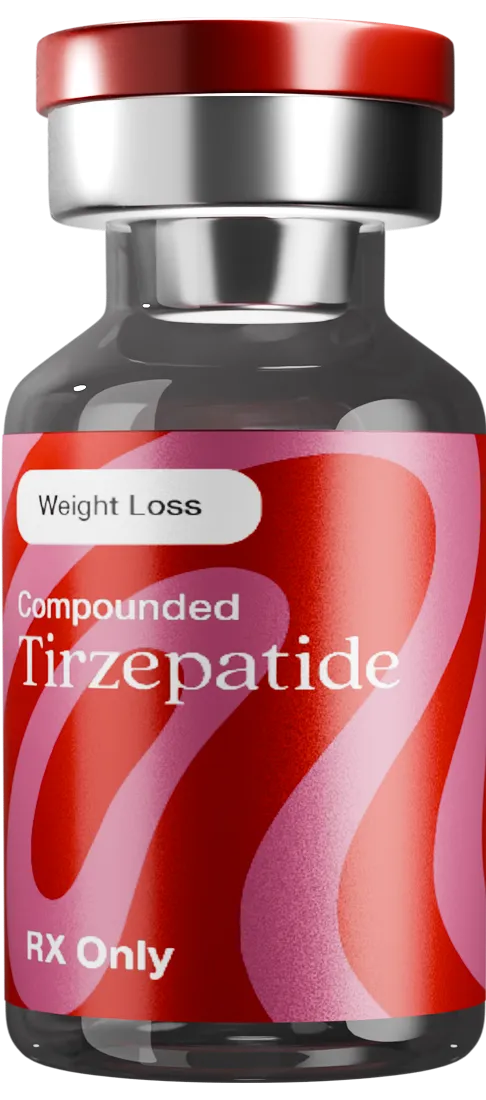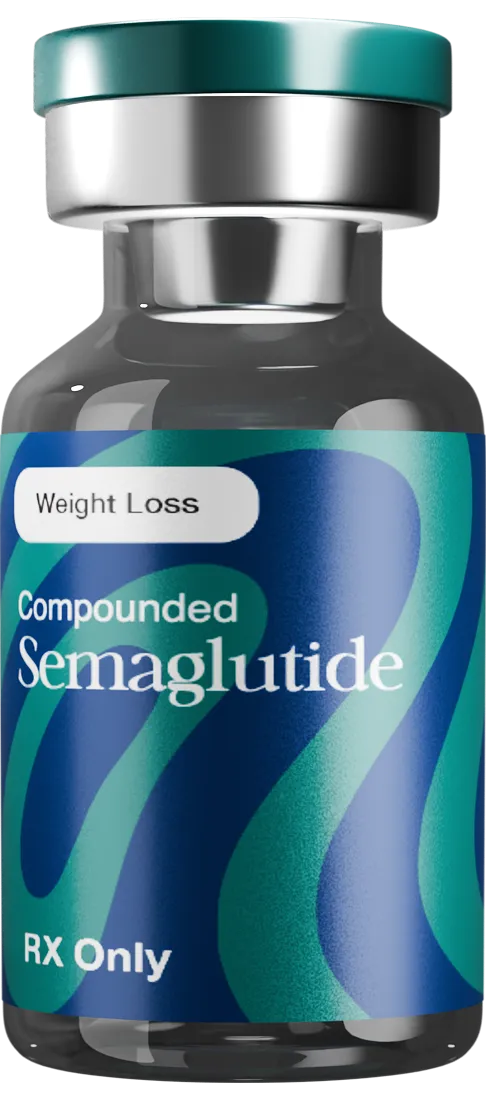
The needle is no longer the only way in.
🔑 Key Takeaways
- Two oral GLP-1s are now FDA-approved for weight loss: Wegovy pill (oral semaglutide 50mg) and Foundayo (orforglipron, Eli Lilly).
- Efficacy is closer to injections than expected: oral semaglutide 50mg matched injectable Wegovy's ~15% weight loss at 68 weeks.
- Orforglipron is easier to take: no fasting required, no water restriction — a genuine quality-of-life upgrade over oral semaglutide.
- Rybelsus is NOT a weight-loss drug: it's semaglutide for type 2 diabetes at a lower dose; some doctors prescribe it off-label.
- GI side effects are real but often milder than with injections, because absorption is slower and more gradual.
- More oral options are coming: Pfizer's danuglipron and others are in late-stage trials.
You already know injections work. What most people don't know is how close pills have gotten — and which one fits their life. The oral GLP-1 category went from a curiosity to a real clinical option almost overnight. Here's what's actually available, how it compares, and whether you're a candidate.
Which GLP-1 Pills Are FDA-Approved?
Three pills. Different indications, different mechanisms.
The headline story here is Foundayo. It's the first non-peptide oral GLP-1 receptor agonist to reach approval — meaning it's a small molecule drug, not a protein. That distinction matters more than it sounds, and we'll get to why in the next section.
How GLP-1 Pills Work
Oral delivery is hard. Proteins like semaglutide are destroyed in the stomach before they can be absorbed. That's why injections dominated for so long — they bypass digestion entirely.
Novo Nordisk solved this with SNAC technology (sodium N-(8-[2-hydroxybenzoyl] amino) caprylate). SNAC creates a temporary pH shift in the stomach lining that allows semaglutide to be absorbed directly through the stomach wall, not through the gut. The trade-off: you must take it in a fasted state, with no more than 4 ounces of water, and wait at least 30 minutes before eating or drinking anything else. Miss any part of this protocol — even a sip of coffee — and absorption drops significantly.
By week two or three, most people have the routine down. But for anyone with an irregular morning schedule, frequent travel, or a habit of eating right when they wake up, this protocol becomes the friction point that erodes compliance over time.
Orforglipron works differently at the molecular level. It's a small molecule — not a peptide — so it survives stomach acid on its own, absorbs through standard gut pathways, and doesn't require any fasting window. You can take it with food, with coffee, at any time of day. When you're dealing with a chronic treatment that lasts years, that flexibility isn't a minor perk — it's a major compliance driver.
GLP-1 Pills vs. Injections: The Real Difference
The gap is narrower than anyone expected.
Head-to-head snapshot (best available data):
- Injectable Wegovy (2.4mg/week): ~15% average body weight loss at 68 weeks (STEP 1 trial)
- Oral Wegovy (semaglutide 50mg): ~15% average body weight loss at 68 weeks (OASIS 1 trial)
- Orforglipron/Foundayo: ~14.7% at 36 weeks in Phase 3 — a shorter trial window, suggesting final numbers may climb further
- Injectable tirzepatide (Mounjaro/Zepbound, 15mg): up to ~22.5% — still the efficacy ceiling for approved drugs
The honest verdict: for most patients, oral semaglutide 50mg performs essentially on par with its injectable counterpart. The ceiling shifts with injectable dual agonists like tirzepatide, but for people choosing between an oral and a subcutaneous version of the same drug, the pill is no longer the consolation prize.
Where injections still have an edge: maximum achievable weight loss. At the highest doses of tirzepatide or high-dose semaglutide injection, the peak is higher. But the average patient isn't on max dose — and for the typical prescribed regimen, pills are now competitive enough that the format choice becomes a lifestyle decision, not a medical compromise.
Who Should Consider Oral GLP-1?
Not everyone. But more people than you'd think.
The strongest candidates for oral GLP-1:
- Needle-averse patients — an obvious fit, but worth naming directly. For people who have genuinely delayed starting treatment because of injection anxiety, a pill removes that barrier entirely.
- Frequent travelers — injectable GLP-1s require refrigeration, sharps disposal, and TSA considerations. Pills require none of this.
- People who struggled with injection compliance — if weekly glp 1 shots felt manageable in theory but kept slipping in practice, daily oral dosing may actually create more consistent habit anchoring.
- Rybelsus users with type 2 diabetes who want to step up to a weight-loss dose — you're already familiar with the protocol; the upgrade to 50mg oral semaglutide is a straightforward conversation with your prescriber.
- Anyone who tried orals before and found the fasting protocol too strict — orforglipron changes that calculation completely.
Who probably shouldn't switch: patients already achieving strong results on injectables, or people targeting maximum weight loss who want every percentage point of efficacy the category can offer. In those cases, injectable tirzepatide or high-dose semaglutide still leads.
What About Rybelsus?
Rybelsus is semaglutide — but it's not a weight-loss drug. Not officially.
FDA approved Rybelsus for type 2 diabetes management in 2019. The doses (3mg, 7mg, 14mg) were calibrated for glycemic control, not for the significant weight loss that the OASIS 1 trial demonstrated at 50mg. The difference isn't trivial: 14mg versus 50mg is more than triple the dose, and the weight loss outcomes aren't comparable at the lower range.
Some physicians do prescribe Rybelsus off-label for weight management. If you're in that situation and weight loss is the primary goal, it's worth asking your doctor directly whether transitioning to the 50mg oral Wegovy formulation is appropriate — assuming you meet the indication (BMI ≥30, or ≥27 with a weight-related condition).
Cost and Access
Pricing is still settling. Here's what's known.
Oral Wegovy (semaglutide 50mg) is available through WeightWatchers Clinic and other telehealth platforms starting around $149 per month — a significantly lower price point than injectable Wegovy's list price, partly because the oral version is newer and competes for volume. Insurance coverage varies widely; many plans cover injectable GLP-1s for obesity under certain criteria, and the oral version may qualify under the same approvals, but verification with your insurer is essential before assuming coverage.
Orforglipron (Foundayo) pricing hadn't fully settled at the time of this writing. Eli Lilly positioned it to be competitive, particularly in markets where access and affordability have been cited as barriers to GLP-1 adoption. Watch for updates as pharmacy benefit negotiations finalize.
Telehealth platforms — Hers, Calibrate, Found, WeightWatchers Clinic — are typically the fastest path to access for either drug. Most offer structured onboarding with a prescriber visit included in the monthly fee.

Side Effects
The GI profile is familiar — and often milder than you expect.
Oral GLP-1s carry the same class of side effects as injectables: nausea, vomiting, diarrhea, constipation, and stomach discomfort, particularly in the early weeks as dose titration begins. Most people notice these most at the start and during dose increases, not throughout the entire treatment.
The meaningful difference: because oral absorption is slower and produces a more gradual plasma concentration curve than a subcutaneous injection, the peak GLP-1 exposure at any given moment is lower. That translates to somewhat milder nausea for many patients — not zero, but not the same spike that some people experience in the hours following an injection.
One important caveat for oral semaglutide: if you don't follow the fasting protocol correctly, absorption drops dramatically — meaning you may be taking a pill that isn't working as intended. This matters for side effect management too. If absorption is erratic, so is the drug's effect, which can make titration harder to navigate.
If you're taking Foundayo (orforglipron), this concern doesn't apply. Absorption is consistent regardless of food timing.
What's Coming
The oral GLP-1 pipeline is full.
Pfizer's danuglipron is the next major non-peptide oral GLP-1 candidate in late-stage development. After an earlier formulation was discontinued due to liver enzyme elevations, Pfizer reformulated and resumed trials with a once-daily version. Early data are being watched closely.
Beyond danuglipron, several other small molecule GLP-1 agonists are progressing through Phase 2 and Phase 3 trials across multiple companies. The interest is obvious: an effective oral GLP-1 removes the manufacturing bottlenecks that have plagued injectable supply chains, opens the category to patients who can't self-inject, and dramatically expands the addressable market.
The oral GLP-1 category two years from now will look very different from today. What's already here, though, is enough to shift prescribing decisions in a meaningful way — particularly orforglipron's no-fasting formulation, which removes one of the most common objections to oral semaglutide.
For people who want to explore injectable options that push efficacy further, the full landscape of Ozempic alternatives in 2026 covers where the category stands today. If you're specifically comparing the two oral semaglutide formulations, see the oral semaglutide pills guide. And for a direct breakdown of how oral compares to injectable on key clinical metrics, the oral vs. injectable semaglutide comparison goes deeper on the data.